


Solving Unexpected Bridal Gown Fit Issues Right Before Wedding? Don't Panic!
For over 15 years in the intricate world of bridal fashion, I've witnessed countless magical moments—and a few heart-stopping near-disasters. One of the most common, yet utterly terrifying, scenarios is a bride discovering her dream gown no longer fits perfectly, sometimes just days or even hours before she's meant to walk down the aisle. It's a moment when panic can easily take over, threatening to overshadow the joy of the impending celebration.
The dream of a perfectly fitting wedding dress is etched into every bride's vision. When that vision is suddenly clouded by a dress that's too snug, too loose, or simply 'not right,' it feels like a personal betrayal by the very garment meant to make you feel exquisite. This isn't just about aesthetics; it's about comfort, confidence, and the ability to fully immerse yourself in one of life's most significant days without a single tug or adjustment.
But here's my promise to you: this isn't a death sentence for your wedding day look. I've guided countless brides through these very crises, transforming tears into triumphant smiles. In this definitive guide, I'll share my insider strategies, actionable frameworks, and expert insights to navigate and resolve unexpected bridal gown fit issues, ensuring your walk down the aisle is nothing short of perfection.

The Anatomy of a Last-Minute Fit Crisis: Why Does This Happen?
Before we dive into solutions, let's understand the 'why.' In my experience, understanding the root cause can often calm nerves and illuminate the path forward. It's rarely anyone's fault, but rather a confluence of factors that are often unpredictable.
Weight Fluctuations: The Silent Saboteur
Stress, diet changes, travel, and even hormonal shifts can cause subtle but significant weight fluctuations, especially in the weeks leading up to the wedding. What fit perfectly at the last fitting might feel different on the actual day. It's a common phenomenon, and it's vital to remember that your body is simply responding to a demanding period. According to a study published by the National Institutes of Health, stress can indeed impact body weight, making this a very real concern for brides.
Alteration Anomalies: When Expectations Don't Match Reality
Sometimes, despite multiple fittings, the final alteration isn't quite right. This could be due to a misunderstanding between the bride and seamstress, a slight mismeasurement, or even the dress settling differently after being pressed and packed. It's frustrating, but it happens. Always review your gown thoroughly at pick-up, trying it on one last time if possible.
Fabric Behavior and Body Changes
Fabrics, especially delicate ones like silk, lace, or crepe, can respond to humidity, temperature, and even how they've been stored. A dress can subtly stretch or contract. Simultaneously, your body can retain water, swell slightly, or even relax into the dress differently depending on your posture and undergarments on the wedding day. These minute changes, when combined, can create unexpected fit challenges.
Immediate Assessment: Diagnosing the Bridal Gown Emergency
The first step in any crisis is a calm, objective assessment. Before you can fix anything, you need to understand precisely what the problem is. Don't just declare, "It doesn't fit!" Pinpoint the exact areas of concern.
| Problem Area | Symptoms | Initial Fix Idea |
|---|---|---|
| Bust | Too tight across chest, gaping at sides | Undergarment change, seam release |
| Waist | Digging in, feeling constricted; or gapping, sliding down | Spanx, temporary darts, fabric panel |
| Hips/Derriere | Restricted movement, pulling; or excess fabric, bunching | Shapewear, minor tucks |
| Straps | Falling off shoulders; or digging in, red marks | Safety pins, ribbon, sewing |
| Hemline | Tripping hazard; or too short, revealing shoes | Tape, temporary stitches, heel change |
Too Tight? Pinpointing the Pressure Points
Is it the bust, the waist, the hips, or the arms? Can you breathe comfortably? Can you sit down? Can you raise your arms? Identify exactly where the dress feels constricting. This precision will guide your solution. A common spot is the rib cage or armholes, often due to stress-related water retention.
Too Loose? Identifying the Gaps
Where does the dress gape? Is it sliding down? Are the straps falling? Do you see excess fabric bunching at the back or sides? Pay close attention to the neckline, armholes, and waist. A dress that's too loose can feel just as uncomfortable and insecure as one that's too tight.
Hemline Horrors and Strap Struggles
Don't overlook the hem and straps. A hem that's too long is a major tripping hazard, while one that's too short can throw off the gown's entire aesthetic. Straps that constantly slip or dig in are not only annoying but can also be painful. These often have simpler, more immediate fixes than body-fit issues.
Your Crisis Toolkit: Essential Items for Quick Fixes
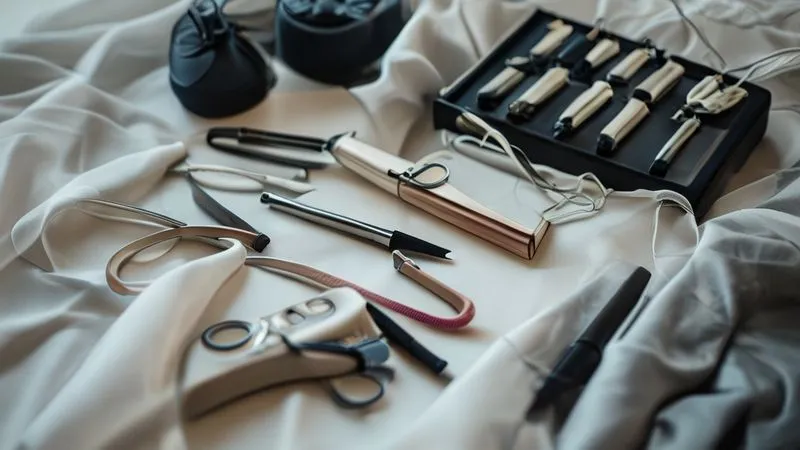
Every bride, or at least her maid of honor or wedding planner, should have an emergency kit. For last-minute fit issues, this kit becomes your lifeline. Think of it as your fashion first-aid kit, ready for battle.
The Sewing Kit Savior
This isn't just for popped buttons. A good kit should include: sharp scissors, various needle sizes, white and off-white thread, safety pins (large and small), straight pins, thimble, and a seam ripper. The seam ripper, in particular, can be your best friend for carefully releasing a tight seam.
Adhesives and Fasteners: Temporary Miracles
Fashion tape (double-sided body tape) is invaluable for holding gaping necklines, securing straps, or even temporarily hemming a dress. Fabric glue can offer a more secure, albeit temporary, bond for minor rips or embellishment issues. Don't underestimate the power of a few strategically placed safety pins for holding fabric in place discreetly.
Undergarment Magic
The right undergarments can solve a surprising number of fit issues. A good strapless bra, bustier, or body shaper can smooth lines, provide lift, or subtly cinch the waist. Sometimes, simply swapping out one bra for another with a different cup or band size can make all the difference in how the dress sits.
Urgent Solutions for a Too-Tight Gown
When your gown feels like a beautiful, suffocating hug, immediate action is required. These solutions range from subtle adjustments to more significant, but still urgent, alterations.
Strategic Seam Release: A Seamstress's Secret
This is a delicate operation best performed by an experienced hand, but it's often the most effective. Many gowns have generous seam allowances, meaning there's extra fabric hidden within the seams. A skilled seamstress can carefully use a seam ripper to let out a tiny bit of this allowance in specific areas – bust, waist, or hips – gaining anywhere from a quarter to a full inch. This small amount can provide significant relief without compromising the dress's integrity. It's a precise art, not a DIY project.
The Corset Back Conversion: A Game Changer
If the dress is significantly too tight, particularly in the bodice, converting a zipper back to a corset back can be a lifesaver. This involves carefully removing the zipper and inserting a modesty panel and lacing loops. It can instantly add 2-4 inches of adjustability, offering both comfort and a beautiful aesthetic. While a more involved alteration, an experienced bridal seamstress can often perform this in a day or two if necessary. It's a common solution for brides who've experienced significant body changes.
Body Contouring Undergarments
Sometimes, the solution isn't with the dress, but with what's underneath. High-quality shapewear can work wonders, smoothing out lines and subtly compressing areas like the waist and hips. Look for seamless options that won't show through the fabric. Experiment with different brands and levels of compression to find what feels comfortable and effective. Remember, you need to breathe and dance!
"In the world of bridal fashion, the right foundation garments are not just accessories; they are architectural elements that can make or break the fit of a gown." - Industry Specialist Insight
Case Study: Amelia's Breathless Bustline
Amelia, a bride I worked with last spring, called me in a panic two days before her wedding. Her beautiful lace gown, which had fit perfectly a month prior, was now uncomfortably tight around her rib cage and bust, making it hard to take a full breath. We discovered she had been retaining water due to pre-wedding stress. Her local seamstress, following my guidance, carefully released a mere 1/8th of an inch from each side seam of the bodice. This tiny adjustment, combined with switching to a less restrictive, seamless bustier, provided just enough room for Amelia to breathe freely and dance the night away without discomfort. The dress looked flawless, and no one was ever the wiser.
Rapid Remedies for a Too-Loose Gown
A gown that's too loose can feel just as disheartening as one that's too tight. It can gape, slip, and make you feel less than secure. Here’s how to bring it in without a major overhaul.
Discreet Darting and Tucking
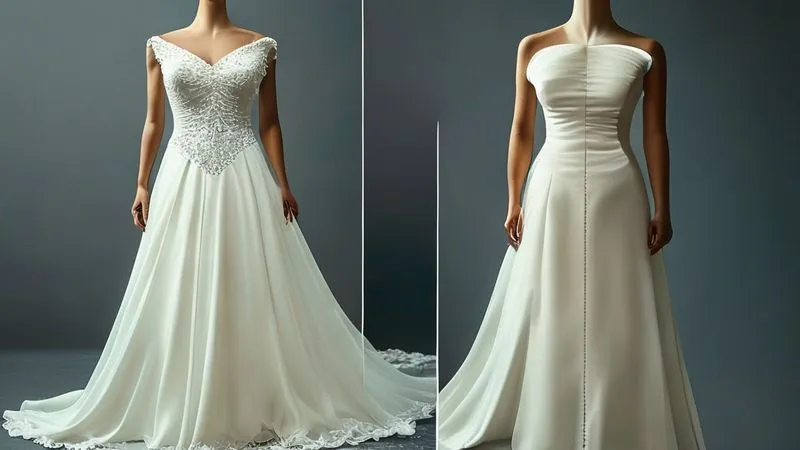
For areas like the bust, waist, or upper back that are slightly too loose, a skilled seamstress can add small, discreet darts or take in existing seams. This involves carefully folding and stitching excess fabric on the inside of the garment to create a more contoured fit. This is a common and relatively quick fix, especially if the dress is only slightly big. For a truly last-minute, non-sewing option, fashion tape can hold slight gaps at the neckline or armholes.
Adding Fabric Panels or Gussets
Wait, this is for too-tight, not too-loose, right? Not always. If a dress is significantly too loose in certain areas, sometimes a seamstress might need to re-cut and add a small panel of fabric (a gusset) to a seam, then take it in again from there. This is rare for 'too loose' but can be an option if there's been a significant body change and the original seams offer no more room to be taken in. More commonly, for 'too loose,' the fabric is simply taken in at the seams, creating new, smaller seams. This requires careful consideration of the dress's construction and fabric.
The Power of Perfect Underpinnings
Just as with a too-tight dress, the right undergarments can be transformative for a loose gown. A padded bra can fill out a slightly large bust. A cinching waist trainer or a well-structured corset can take up slack in the midsection, providing shape and support. Even a simple push-up bra can lift and fill out a bodice that feels a bit empty. Always try on your dress with the exact undergarments you plan to wear on your wedding day.
Hemline Hysteria and Strap Snafus: Quick Adjustments
These issues, while often less complex than body fit, can be equally disruptive to your comfort and confidence.
Temporary Hemming Techniques
- Fashion Tape: For a hem that's just a little too long and needs a quick fix, double-sided fashion tape can be a godsend. Fold the hem under to the desired length and apply strips of tape along the inside. Press firmly.
- Safety Pins: For thicker fabrics or more significant adjustments, small, discreet safety pins can be used on the inside of the hem to temporarily shorten it. Be meticulous to ensure they aren't visible.
- Iron-On Hemming Tape: If you have a few hours and a warm iron, iron-on hemming tape (fusible web) can create a semi-permanent, clean hem without any sewing. Test on an inconspicuous area first.
Strap Shortening and Support Solutions
- Safety Pins/Stitches: If straps are too long, a quick stitch or a tiny safety pin on the underside can shorten them. For delicate fabrics, a few hand stitches are preferable to prevent snags.
- Ribbon Loops: For spaghetti straps that keep slipping, a small loop of ribbon sewn to the inside of the shoulder of the dress, through which your bra strap can pass, can keep everything in place.
- Cushioning: If straps are digging in, small silicone bra strap cushions can offer immediate relief, distributing pressure more evenly.
When to Call the Cavalry: Emergency Seamstress Intervention
There are times when DIY simply won't cut it. Knowing when to escalate to a professional is crucial, and having a plan for it is even more so.
Finding an On-Call Bridal Specialist
Many bridal boutiques and independent seamstresses understand the urgency of wedding day emergencies. If you're facing a significant fit issue, immediately contact your original alteration specialist. If they're unavailable, reach out to other bridal salons in your area. Some have a roster of 'emergency' seamstresses who can come to your aid, sometimes even on the wedding day itself. Don't be afraid to ask for recommendations from your wedding planner, venue, or even other local vendors. Sites like The Knot often have directories for bridal services.
What to Expect from an Emergency Alteration
Be prepared to pay a premium for rush services. Emergency alterations are often done under immense time pressure and may involve the seamstress rearranging their schedule. Clearly communicate the problem, be precise, and have your gown (and all accessories, including shoes and undergarments) ready. A good emergency seamstress will be calm, resourceful, and focused on the quickest, most effective solution. They will prioritize comfort and security over perfection in such tight timelines.
Proactive Prevention: Lessons for Future Brides
While this article focuses on last-minute fixes, it's worth noting some proactive steps for future brides or those who still have a little time before their big day.
- Multiple Fittings: Schedule your final fitting as close to the wedding date as comfortably possible, ideally 1-2 weeks out.
- Consistent Undergarments & Shoes: Always try on your dress with the exact bra, shapewear, and shoes you'll wear on the wedding day.
- Manage Stress: While easier said than done, conscious stress management can help minimize extreme weight fluctuations. Consider pre-wedding massages or mindfulness practices.
- Open Communication: Maintain clear and open communication with your seamstress about any concerns or body changes.
- Emergency Kit: Prepare that emergency kit well in advance!
As Seth Godin often says about planning, "The best way to predict the future is to invent it." While we can't invent a perfect future for every gown, we can certainly prepare for contingencies.
Frequently Asked Questions (FAQ)
Q: My dress feels tight, but I don't want to let out seams. Are there other options? A: Yes, absolutely. Before resorting to seam release, try switching to different shapewear or a less restrictive bra. Sometimes, even a slight change in posture or taking deep, calming breaths can make a difference. If it's a corset-back gown, adjusting the lacing can provide more room. For minor tightness, a professional steamer can sometimes relax the fabric fibers slightly, but be cautious with delicate materials.
Q: What if my dress is too loose in the bust, and I can't wear a padded bra with the style? A: If a padded bra isn't an option (e.g., due to a backless design or specific fabric), a skilled seamstress can often add discreet, structured cups directly into the gown. These can provide lift and fill out the bodice without requiring an external bra. Fashion tape can also temporarily secure gaping fabric to your skin for a seamless look.
Q: I'm worried about my dress getting dirty during emergency alterations. How can I protect it? A: This is a valid concern. Always ask your seamstress to work on a clean, designated surface. Bring a clean sheet or garment bag to place the dress on. If they need to pin, ensure they are using fresh, sharp pins that won't snag the fabric. After alterations, gently shake out the dress and inspect it for any marks. A lint roller can be your friend.
Q: Can I use fabric glue or iron-on tape on any wedding dress fabric? A: No, absolutely not on all fabrics. Delicate silks, satins, and heavily embellished gowns (especially with beading or sequins) can be damaged by heat or adhesives, potentially leaving stains or residue. Always test any adhesive or heat-based product on an inconspicuous area first, like an inside seam allowance. When in doubt, stick to safety pins or hand-stitching.
Q: My wedding is tomorrow, and my dress is slightly too long. Should I try to fix it myself? A: If it's only a very slight issue (e.g., half an inch), and you're comfortable with a few well-placed safety pins or fashion tape, you *might* attempt it, focusing only on the areas that are tripping hazards. However, if it's more than that, or if you're not confident, it's safer to call an emergency seamstress. A tripping hazard is a serious concern, and a professional can often do a quick, temporary hand-stitch hem much faster and more securely than a novice.
Key Takeaways and Final Thoughts
- Assess Calmly: Pinpoint the exact fit issue before attempting any fix. Panic is counterproductive.
- Emergency Kit is Key: Have essential tools like safety pins, fashion tape, and a basic sewing kit on hand.
- Undergarments are Powerful: The right shapewear or bra can resolve many minor fit problems.
- Know When to Call a Pro: For significant issues, a skilled bridal seamstress is your best ally, even on short notice.
- Prevention is Best: While we're in crisis mode, remember that careful planning and communication can prevent future issues.
The journey to your wedding day is filled with joy, anticipation, and sometimes, unexpected challenges. But an ill-fitting gown doesn't have to be one of them. With the right knowledge, a calm approach, and perhaps a little expert help, you can overcome any last-minute fit issue. Your wedding day is about celebrating love, and you deserve to feel utterly radiant and comfortable in every single moment. Trust in these strategies, and walk down that aisle with confidence and grace, knowing your dress is as perfect as your love story.
Recommended Reading
- Most Flattering Denim Wash for Men: Look Your Best!
- Squat-Proof Seamless: 7 Engineering Secrets to Eliminate Activewear Transparency
- Haute Couture Fit: 7 Expert Strategies for Challenging Asymmetries
- 5 Proven Ways to Slash Eyewear Returns: A Guide for Optical Retailers
- 7 Secrets to Direct Inexperienced Models for Natural, Dynamic Poses




Your email address will not be published. Required fields are marked *