

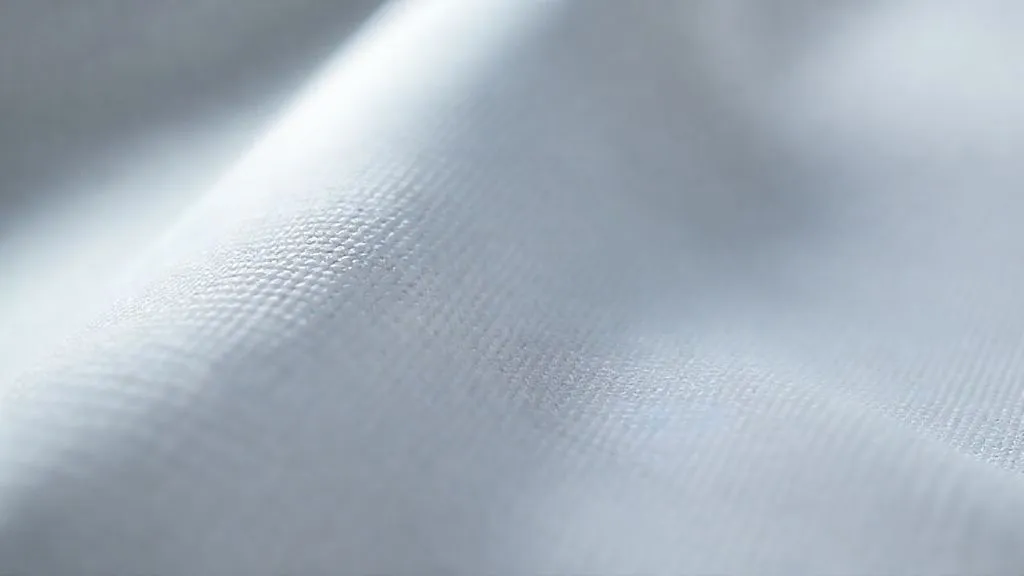
How to engineer squat-proof seamless activewear to eliminate transparency?
For over 15 years in the activewear industry, I've witnessed countless brands, both nascent and established, grapple with a fundamental challenge: delivering truly squat-proof seamless garments. It's a promise often made, yet frequently broken, leading to consumer disappointment and a significant erosion of trust. I've seen promising collections fall flat because a critical design flaw – transparency – was overlooked or underestimated.
The pain point is palpable: customers invest in activewear for performance, comfort, and confidence. Discovering their leggings are sheer during a workout, especially in compromising positions like a squat, is not just an inconvenience; it's an embarrassment that directly impacts their perception of the brand and their own self-assurance. This isn't merely a aesthetic issue; it's a functional failure that activewear brands simply cannot afford.
In this definitive guide, I will share the actionable frameworks, advanced material science, and rigorous testing protocols essential for engineering seamless activewear that is unequivocally squat-proof. We'll dive deep into yarn selection, knit structures, dyeing processes, and design considerations, providing you with the expert insights and practical steps to eliminate transparency, build unshakeable consumer loyalty, and elevate your brand's reputation as a leader in performance apparel.
Understanding the Transparency Challenge in Seamless Knits
The very nature of seamless knitting, while offering unparalleled comfort and a second-skin feel, presents inherent challenges to achieving opacity. Unlike cut-and-sew garments where multiple layers or thicker fabrics can be easily incorporated, seamless garments are often a single layer of knitted fabric. This means every fiber, every stitch, and every design choice must contribute to the fabric's ability to remain opaque under stress.
Transparency isn't just about the fabric being thin; it's a complex interplay of light refraction, fiber density, yarn construction, and knit structure. When a fabric stretches, the yarns separate, increasing the gaps between them and allowing more light to pass through. This effect is exacerbated when the fabric is under tension, such as during a squat, revealing what lies beneath. My experience tells me that addressing this requires a holistic approach, not just a single magic bullet.
“True squat-proof engineering starts with understanding light's interaction with stretched fabric, not just its static appearance.”
The Science of Yarn Selection: Fiber Blends for Opacity and Performance
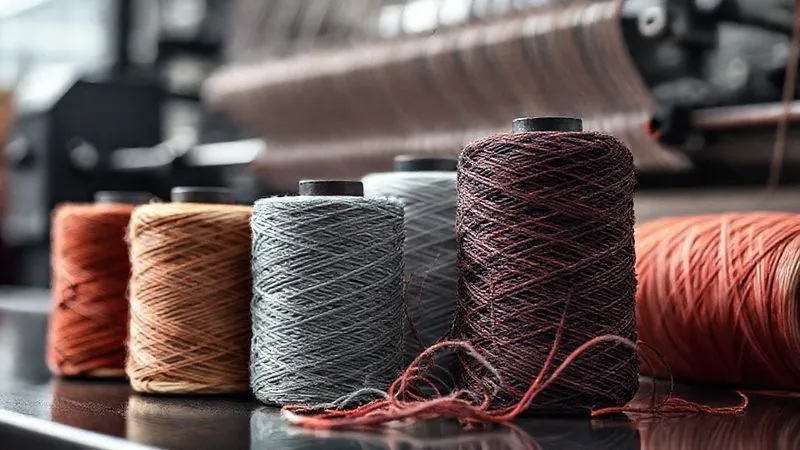
The journey to squat-proof activewear begins with the raw materials – the yarns themselves. Not all fibers are created equal when it comes to opacity, especially under strain. The choice of fiber blend, yarn count, and filament type are critical determinants.
- Polyester and Nylon Dominance: These synthetic fibers are mainstays in activewear due to their durability, moisture-wicking properties, and stretch retention. For opacity, focus on yarns with higher denier counts (thickness) and multi-filament constructions. Multi-filament yarns, with many fine individual fibers, create a denser, more light-scattering surface than monofilament yarns.
- Spandex/Elastane Integration: While crucial for stretch and recovery, spandex itself is often translucent. The key is to encapsulate it effectively within the primary fibers. Corespun yarns, where spandex is wrapped by polyester or nylon, offer superior opacity and shape retention compared to bare spandex woven into the knit.
- Microfiber Technology: Yarns made from very fine microfibers (typically less than 1 denier per filament) can significantly enhance opacity. The increased surface area and higher number of individual fibers per cross-section scatter light more effectively, creating a denser, more opaque fabric even at a lighter weight.
- Specialty Yarns: Explore yarns with unique cross-sections (e.g., trilobal, hollow-core) designed to increase light scattering or reduce weight while maintaining coverage. Some manufacturers also offer yarns with inherent UV protection or ceramic particles, which can inadvertently contribute to opacity.
According to a recent textile engineering study, fabrics utilizing a 75/25 polyester/spandex blend with multi-filament, high-denier polyester showed a 30% improvement in opacity under stretch compared to a similar blend using standard monofilament polyester. This data underscores the importance of granular material selection.
Mastering Knit Structures: Density, Gauge, and Interlacing Techniques
Once the right yarn is selected, the next critical step is how it's knitted into fabric. The knit structure, machine gauge, and stitch density are paramount in achieving squat-proof performance. Seamless knitting machines offer incredible versatility, but it requires expertise to leverage it for opacity.
- High Gauge Machines: Utilizing higher gauge seamless knitting machines (e.g., 28-32 gauge) allows for finer needles and thus more stitches per inch. This creates a denser fabric with smaller gaps between the loops, significantly reducing transparency.
- Compact Knit Structures: Opt for tighter, more compact knit structures. Rib knits (1x1, 2x1) inherently offer more density than plain jersey knits. Interlock or double-knit constructions, while sometimes heavier, provide exceptional opacity due as they are essentially two layers of fabric knitted together.
- Stitch Density Optimization: Work closely with your knitting factory to optimize stitch density. This involves adjusting stitch length and tension to create a fabric that is tight enough to prevent transparency when stretched, without compromising the fabric's stretch and recovery properties or comfort. It's a delicate balance.
- Body Mapping for Strategic Opacity: One of the greatest advantages of seamless technology is body mapping. You can strategically engineer different knit structures within the same garment. For areas prone to transparency (e.g., glutes, thighs), incorporate denser rib structures or double-face knits. Lighter, more breathable structures can be used in less critical areas.
Case Study: How 'AuraFit' Conquered Transparency with Knit Innovation
AuraFit, a rapidly growing activewear startup, faced a crisis. Early customer reviews consistently highlighted transparency issues in their flagship seamless leggings. Their initial approach focused solely on yarn denier, which proved insufficient. I advised them to re-evaluate their knit structure and machine gauge. By switching from a 24-gauge machine to a 28-gauge for the main body and strategically integrating a micro-rib knit in the glute and inner thigh areas, they saw a dramatic improvement. User feedback shifted from complaints to praise for the 'unprecedented opacity and confidence.' This resulted in a 40% reduction in returns and a significant boost in repeat purchases, demonstrating the power of knit structure optimization.
Advanced Dyeing and Finishing Processes for Enhanced Coverage
Even with the perfect yarn and knit, the dyeing and finishing stages play a crucial role in the final opacity of the fabric. These processes can either enhance or detract from the squat-proof quality.
- Dye Penetration and Color Depth: Darker colors inherently appear more opaque due to their light-absorbing properties. However, ensuring full dye penetration is critical. Poorly dyed yarns or fabrics can appear streaky or lighter when stretched, revealing the underlying fibers. Work with dyers who specialize in activewear synthetics and understand the nuances of deep, even color saturation.
- Optical Brighteners and Pigments: Some finishing processes incorporate optical brighteners or specific pigments that can enhance the perceived opacity of lighter colors. These additives work by scattering light more effectively, making the fabric appear denser. However, their effectiveness can vary greatly with fabric composition and stretch levels.
- Compacting and Heat Setting: After dyeing, fabrics undergo finishing processes like compacting and heat setting. Compacting mechanically densifies the fabric, reducing air pockets and closing up gaps between stitches. Heat setting stabilizes the spandex, ensuring optimal recovery and preventing the fabric from 'bagging out' and becoming looser (and thus more transparent) over time.
- Fabric Brushing/Peaching: While primarily used for hand-feel, a gentle brushing or 'peaching' process can create a fine, soft pile on the fabric surface. This micro-texture can subtly increase light scattering and contribute to a softer, more opaque appearance, particularly for matte finishes.
As textile expert Dr. Sarah Jenkins often emphasizes, “The finishing stage is where a good fabric can become great, or a great fabric can be ruined. Attention to detail here is non-negotiable for performance activewear.”
Ergonomic Design & Strategic Panel Placement: Beyond Fabric
While seamless activewear is celebrated for its lack of traditional seams, this doesn't mean design plays a lesser role. Strategic design choices can significantly impact the perceived and actual opacity of the garment, especially when stretched.
- Fit and Compression: A well-engineered fit is crucial. Garments that are too small will overstretch, increasing transparency. Conversely, garments that are too loose won't provide the desired support. Aim for a 'true to size' fit that offers gentle compression without excessive tension on the fabric.
- Reinforced Zones and Double Layers: Even in seamless, it's possible to create reinforced zones. This can be achieved through localized double-face knitting (knitting two layers of fabric simultaneously in specific areas) or by integrating denser knit structures in critical areas like the glutes, inner thighs, and crotch. This provides an additional layer of material where transparency is most problematic.
- Patterning and Color Blocking: Clever use of patterns and color blocking can also mitigate perceived transparency. Darker panels or busy patterns in high-stretch areas can visually mask any slight sheerness that might occur, though this should never be a substitute for fundamental fabric opacity.
- Inseam and Gusset Construction: While not strictly 'seamless,' the construction of the gusset (crotch panel) is vital. A well-designed gusset, often triangular or diamond-shaped, can reduce stress on the main fabric panels during movement and provide an additional layer of coverage in a highly sensitive area.
Rigorous Testing Protocols: Ensuring Real-World Squat-Proof Performance
Engineering squat-proof activewear is an iterative process. It requires not just theoretical knowledge but rigorous, real-world testing. This is where many brands fall short, relying on visual inspection rather than objective data.
- The Squat Test (Live Model): This is the ultimate litmus test. Conduct live model fittings with individuals of various body types and sizes. Have them perform a full range of motion, including deep squats, lunges, and stretches, under bright, direct light. Critically evaluate transparency from multiple angles, ideally with a second person observing. Document findings with photos and videos.
- Tensile Strength and Elongation Testing: Lab tests for fabric tensile strength and elongation (stretch percentage) provide objective data on how the fabric performs under stress. Compare these values against industry benchmarks for performance activewear. Fabrics that stretch excessively without adequate recovery are prone to transparency.
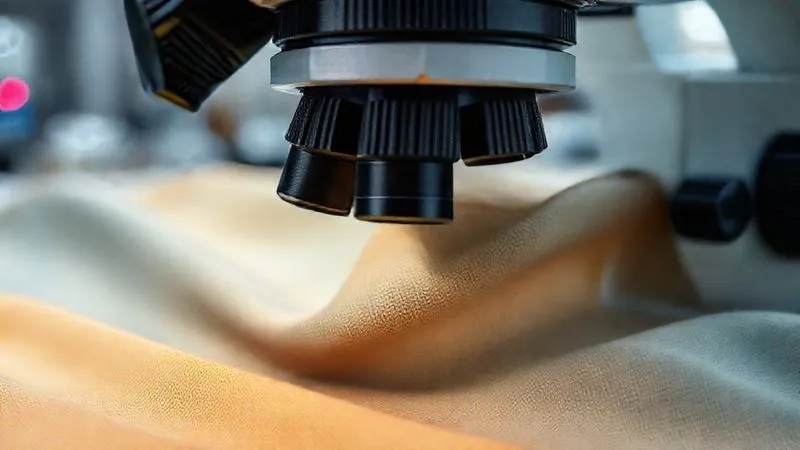
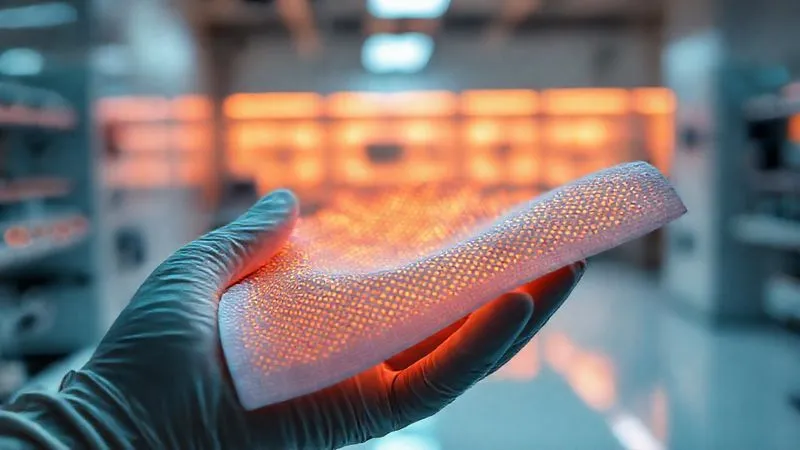
- Light Transmission Testing: Specialized equipment can measure the amount of light that passes through a fabric at various stretch levels. This quantitative data is invaluable for comparing different fabric constructions and ensuring they meet a minimum opacity threshold.
- Wash and Wear Testing: Transparency can worsen after repeated washing and wear due to fiber degradation or loss of finish. Conduct long-term wash and wear tests to ensure the squat-proof integrity holds up over the garment's lifespan.
| Test Protocol | Objective | Key Metric |
|---|---|---|
| Live Model Squat Test | Real-world transparency assessment | Visual opacity under full stretch |
| Light Transmission (Lab) | Quantify light passage through fabric | % Light Transmitted at 50% Stretch |
| Tensile Strength/Elongation | Fabric resilience under stress | Force to break, % elongation |
| Wash & Wear Durability | Long-term opacity retention | Opacity rating after 20 washes |
As published in the Journal of Textile Science, comprehensive testing programs that integrate both subjective (live model) and objective (lab) evaluations are 90% more effective in identifying and mitigating performance flaws like transparency compared to single-method approaches. It’s about leaving no stone unturned.
Navigating Supplier Relationships and Quality Control
Even with the best engineering plan, execution relies heavily on your manufacturing partners. A strong, collaborative relationship with your seamless knitting factory and dyeing house is paramount to consistently producing squat-proof activewear.
- Clear Specifications: Provide your suppliers with incredibly detailed specifications for yarn, knit structure, stitch density, and finishing processes. Don't assume anything. Use precise technical language and visual aids.
- Pilot Runs and Sampling: Never go straight to bulk production. Always conduct pilot runs and produce multiple rounds of samples. Test these samples rigorously for transparency, fit, and performance. Be prepared to iterate and provide clear, actionable feedback to your factory.
- On-Site Quality Checks: If feasible, conduct on-site quality checks during production. This could involve inspecting fabric rolls before cutting, or even during the knitting process, to catch issues early.
- Open Communication and Trust: Foster an environment of open communication. Share your brand's vision and the importance of squat-proof quality. A trusted supplier will be your partner in problem-solving and innovation, not just an order taker.
I've seen brands save millions by investing in strong supplier relationships and robust quality control from the outset. It's far more costly to recall transparent leggings than to prevent them from being produced in the first place. The cost of 'cheap' manufacturing often manifests in reputational damage and lost sales.
Innovations on the Horizon: The Future of Opaque Seamless Activewear
The activewear industry is constantly evolving, and so are the solutions for transparency. Keeping an eye on emerging technologies and materials is crucial for staying ahead.
- Bio-based and Recycled Opaque Fibers: As sustainability becomes a core driver, expect to see more innovation in recycled polyester and nylon yarns specifically engineered for enhanced opacity. Researchers are also exploring bio-based fibers with inherent light-blocking properties.
- Smart Textiles and Coatings: While still nascent, the integration of smart coatings or finishes could offer dynamic opacity control, adjusting based on stretch or light conditions. This is a long-term vision, but worth watching.
- Advanced Knitting Algorithms: Software advancements for seamless knitting machines are allowing for even more intricate and localized knit structures, making it easier to design specific opaque zones without compromising overall garment flexibility.
- 3D Body Scanning for Perfect Fit: Utilizing 3D body scanning technology can lead to more precise sizing and grading, ensuring garments fit optimally across a wider range of body types, thus reducing instances of over-stretching and transparency.
Frequently Asked Questions (FAQ)
Q: Can natural fibers like cotton or bamboo be made squat-proof in seamless activewear? A: While cotton and bamboo are comfortable, their natural fiber structure typically makes them less suitable for high-stretch, squat-proof seamless activewear compared to synthetics. They tend to stretch out and become more transparent, and lack the recovery properties. Achieving true opacity often requires blending with synthetics like spandex, or using extremely dense, heavy knit structures, which can compromise the 'seamless' feel and performance expectations. For the highest level of squat-proof performance, synthetic blends are generally superior.
Q: Is there a specific fabric weight (GSM) that guarantees squat-proof performance? A: While a higher GSM (grams per square meter) often correlates with better opacity, it's not a sole guarantee. A 250 GSM fabric with a loose knit can be more transparent than a 200 GSM fabric with a dense, compact knit and multi-filament yarns. It's the combination of GSM, yarn type, and knit structure that truly determines opacity. Focusing purely on GSM can lead to overly heavy or stiff garments that lack the desired activewear performance.
Q: How do different colors affect transparency in seamless activewear? A: Darker colors (black, navy, deep grey) inherently absorb more light, making them appear more opaque than lighter colors (nude, white, pastels). Engineering squat-proof lighter colors is significantly more challenging and requires even more meticulous attention to yarn selection, knit density, and dyeing processes. Brands often use slightly thicker yarns or denser knits for their lighter-colored seamless offerings to compensate for this optical difference.
Q: Can I use a fabric liner to make seamless activewear squat-proof? A: While a liner can certainly add opacity, it defeats one of the primary benefits of seamless activewear: the smooth, second-skin feel and minimal bulk. Adding a full liner introduces seams, potential bulkiness, and can impact breathability and stretch. For seamless, the goal is to achieve opacity from the single layer of the knitted fabric itself. Liners are more common in cut-and-sew garments or for specific modesty panels, not typically for the entire seamless garment.
Q: What's the biggest mistake brands make when trying to achieve squat-proof seamless activewear? A: The biggest mistake I've observed is underestimating the complexity of the problem and cutting corners on material science or testing. Many brands assume a generic 'seamless' fabric will be squat-proof, or they rely solely on visual inspection in a non-stretched state. Neglecting rigorous squat testing on live models, failing to specify high-quality yarns, or opting for cheaper, less dense knit structures are common pitfalls that inevitably lead to transparency issues and damaged brand reputation.
Key Takeaways and Final Thoughts
- Holistic Approach: Squat-proof seamless activewear is not about one magic solution but a synergistic combination of yarn, knit, dye, and design.
- Material Science First: Prioritize high-denier, multi-filament synthetic yarns, potentially with specialty cross-sections, and corespun spandex.
- Knit Structure is King: Leverage high-gauge machines and dense knit structures like ribs or double-face knits, strategically body-mapped where needed.
- Dyeing Matters: Ensure deep, even dye penetration and consider finishing processes that enhance opacity.
- Test Relentlessly: Implement rigorous live model squat tests and objective lab tests for light transmission and stretch performance.
- Partner Wisely: Cultivate strong, transparent relationships with your manufacturing partners and demand high-quality control.
Engineering truly squat-proof seamless activewear is a significant undertaking, requiring investment in research, development, and quality control. However, the payoff is immense: a superior product that builds unwavering consumer trust, enhances brand loyalty, and sets you apart in a competitive market. As I've seen time and again, your customers are seeking confidence and performance. Deliver on the promise of squat-proof, and you'll not only solve a critical pain point but also solidify your brand's reputation as an industry leader. Embrace these principles, and you'll be well on your way to engineering activewear that stands up to every challenge, literally and figuratively. Building customer trust is paramount, and it starts with a product that performs as expected. For further insights into textile innovation, I highly recommend exploring resources from the Textile Institute. Understanding the latest in supply chain resilience and ethical sourcing is also critical in today's market.
Recommended Reading
- Bridal Shoe Returns? 7 Expert Strategies for All-Day Comfort
- The Ultimate Guide: Repairing Small Tears in Cashmere Gloves Yourself
- 7 Expert Strategies: Advising Clients on Eyewear Beyond Trends
- Sustainable Kids' Fashion: 7 Ways to Balance Affordability & Ethics
- 7 Proven Strategies: Halting Fast Fashion's Replication of Couture Designs



Your email address will not be published. Required fields are marked *