

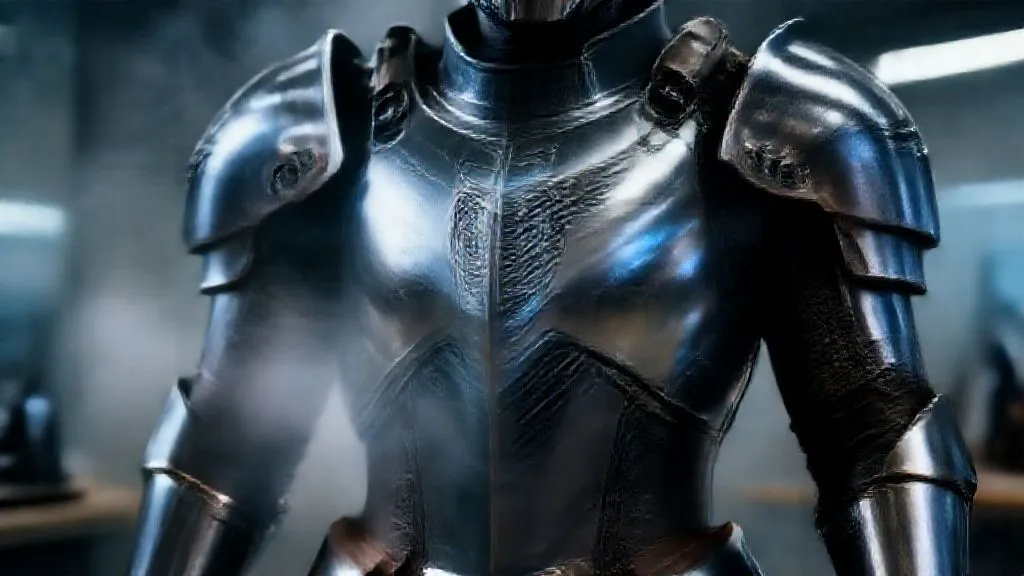
Solving Heat Retention in Full-Body Cosplay Armor Designs?
For over fifteen years, navigating the intricate world of costume design, particularly in the demanding realm of full-body cosplay armor, I've witnessed countless aspiring and seasoned cosplayers grapple with a silent, insidious enemy: heat. It’s a design challenge that goes beyond aesthetics, directly impacting comfort, endurance, and ultimately, the ability to truly inhabit a character. I've personally seen masterpieces abandoned halfway through a convention day, not because of a broken prop, but because the wearer was on the verge of heat exhaustion.
The allure of a powerful, imposing armored character is undeniable, but the reality of encasing oneself in layers of foam, plastic, and fabric quickly turns that dream into a sweltering nightmare. These designs, by their very nature, trap body heat, restrict natural airflow, and transform the internal environment into a personal sauna. This isn't just uncomfortable; it’s a genuine health concern, leading to dehydration, dizziness, and even heatstroke, effectively cutting short the very experience we pour so much passion into creating.
But what if I told you that the battle against heat retention isn't a losing one? Through years of experimentation, collaboration with engineers, and learning from both triumphs and setbacks, I've distilled the most effective strategies for keeping cool, even in the most formidable full-body armor. This comprehensive guide will equip you with actionable frameworks, cutting-edge material insights, and practical design methodologies, transforming your next armored build from a sweat lodge into a comfortable, breathable masterpiece. We’re not just talking about minor tweaks; we're talking about a fundamental shift in how you approach thermal management in your cosplay, ensuring you can wear your creations with confidence and comfort all day long.
Understanding the Enemy: The Physics of Heat in Full-Body Armor
Before we can effectively combat heat, we must understand its nature. Human bodies generate heat constantly, and within a full-body armor suit, this heat has nowhere to go. There are four primary ways heat transfers, and armor design interacts with all of them, often to our detriment.
- Conduction: Direct transfer of heat through contact. Your body touches the inside of the armor, and heat moves to the material.
- Convection: Heat transfer through the movement of fluids (air or liquid). Trapped air inside armor heats up and stays put, forming an insulating layer.
- Radiation: Heat transfer through electromagnetic waves. Your body radiates heat, and the inner surfaces of your armor reflect it back.
- Evaporation: Heat loss through the vaporization of sweat. This is the body's primary cooling mechanism, but it's severely hindered in an enclosed suit.
When you're sealed inside a full-body costume, especially one made of non-breathable materials like EVA foam, Worbla, or plastics, all these mechanisms conspire against you. Conduction heats the armor, convection traps warm air, radiation bounces heat back, and most critically, evaporation is stifled because sweat can't readily escape to the environment. This creates a feedback loop where internal temperatures rise rapidly. Solving heat retention in full-body cosplay armor designs requires a multi-faceted approach, tackling each of these heat transfer methods.
“The greatest design flaw in most full-body armor isn't aesthetics; it's the fundamental misunderstanding of human thermoregulation within an enclosed system. Ignoring basic physics guarantees a miserable experience.”
Strategic Material Selection: The First Line of Defense
The choice of materials is paramount, often overlooked in favor of visual accuracy alone. While the outer shell might need to be rigid, what's directly against your body, or what fills the internal cavities, can make a world of difference.
Outer Shell Considerations:
- Reflective Surfaces: Lighter, metallic, or glossy finishes on the exterior can reflect radiant heat from external sources (like sunlight or stage lights).
- Material Thickness: Thicker materials offer more insulation, which can be a double-edged sword. While it might protect from external cold, it also traps internal heat. Optimize thickness for structural integrity, not just bulk.
Inner Linings and Padding:
This is where you can truly impact internal comfort. Forget standard upholstery foam; think performance fabrics.
- Moisture-Wicking Fabrics: Materials like athletic mesh, spandex blends, or specifically engineered wicking fabrics draw sweat away from the skin, facilitating evaporation. These should be your go-to for any internal lining that touches your body. For deeper insights into performance textiles, consider exploring resources like Textile World Magazine.
- Open-Cell Foams: Unlike closed-cell EVA, open-cell foams (like upholstery foam, but specifically breathable types) allow air to circulate within them. Use these for internal padding where structural rigidity isn't critical, to create air pockets.
- Spacers and Mesh: Creating a physical gap between your body and the solid armor shell is crucial. Use 3D mesh fabrics (like those found in backpack straps) or even simple layered mesh to keep the armor slightly off your skin, allowing for precious airflow.
| Material Type | Heat Properties | Best Use Case |
|---|---|---|
| EVA Foam (Closed-cell) | High insulation, low breathability, traps heat | Outer armor shell, structural components |
| Open-cell Upholstery Foam | Moderate insulation, high breathability, allows airflow | Internal padding, creating air gaps |
| Athletic Mesh Fabric | Low insulation, very high breathability, wicks moisture | Inner lining, direct skin contact layers |
| Metallic/Glossy Paint | Reflects external radiant heat | Outer finish for sun exposure |
Ventilation is Your Best Friend: Passive Airflow Design
Passive ventilation is the most fundamental and often underestimated strategy for solving heat retention in full-body cosplay armor designs. It's about designing your armor to allow natural air currents to flow through it, carrying away hot, moist air and drawing in cooler, drier air. Think of your armor as a miniature, wearable building with its own climate control system.
Strategic Vent Placement: The Chimney Effect
The principle here is simple: hot air rises. By placing intake vents low on the armor and exhaust vents high, you can create a natural convection current. This is often referred to as the 'chimney effect'.
- Lower Intake Vents: Design vents into the lower parts of your armor, such as around the waist, inner thighs, or ankles. These should be discreet but functional, allowing cooler ambient air to be drawn in.
- Upper Exhaust Vents: Place larger, more prominent vents at the highest points where heat naturally collects – the back of the neck, shoulders, upper back, or even the top of the helmet. These are critical for expelling hot air.
- Directional Flow: Ensure internal pathways aren't blocked. Use spacers or internal channels to guide air from intake to exhaust.
Even small, strategically placed gaps can make a significant difference. Consider areas that naturally flex or articulate, and integrate mesh panels or discreet vents there. The key is to design for a continuous flow, not just isolated openings.
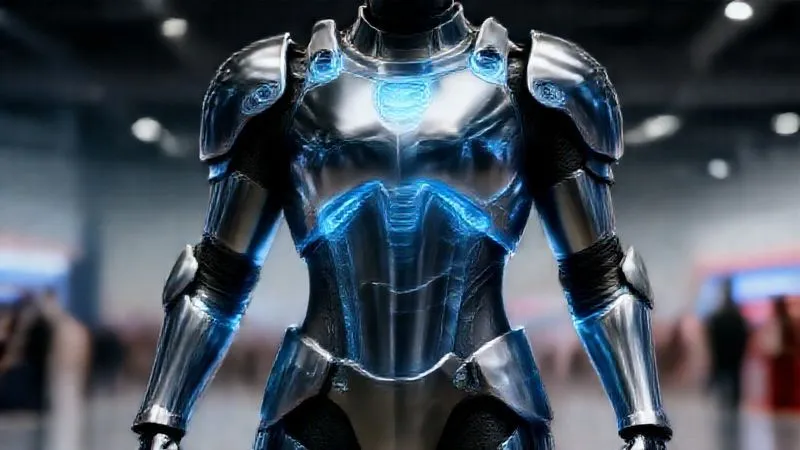
Active Cooling Systems: Harnessing Technology for Comfort
When passive ventilation isn't enough, or for particularly demanding environments, active cooling systems become indispensable. These systems actively move air or cool surfaces, providing a much more robust solution to heat management. I've personally experimented with various setups, and the advancements in miniaturized tech are truly exciting.
Miniature Fans: The Workhorse of Cosplay Cooling
Small, low-profile computer fans (like those used for Raspberry Pi or cooling graphics cards) are excellent for pushing or pulling air. They are relatively inexpensive, quiet, and can be powered by USB battery packs.
- Placement: Install fans near major heat zones (e.g., chest, back, helmet). A common strategy is to have an intake fan in the front of a helmet and an exhaust fan at the back.
- Power: A standard USB power bank (5V) can power multiple fans for several hours. Ensure you have enough capacity for your planned wear time.
Peltier Coolers: For Targeted, Intense Cooling
Peltier modules are thermoelectric devices that create a temperature difference when an electric current passes through them. One side gets hot, the other gets cold. While they require more power and heat sinks, they offer localized, powerful cooling.
- Application: Best for direct contact cooling, such as a cold plate pressed against the back of the neck, inner wrist, or chest.
- Challenges: Managing the 'hot' side is crucial; it needs to be vented to the outside to prevent adding more heat to the suit.
Cooling Vests and Hydration Systems: Body-Level Comfort
These are often used by athletes or industrial workers and can be adapted for cosplay.
- Ice Vests: Contain pockets for ice packs, offering hours of cooling.
- Circulating Water Vests: Pump chilled water through tubing, providing continuous cooling. These are more complex but highly effective.
Case Study: How 'Aetherguard' Conquered the Convention Floor
Case Study: How 'Aetherguard' Conquered the Convention Floor
Sarah, a veteran cosplayer, created a stunning, full-body 'Aetherguard' armored suit for a major summer convention. In previous years, her large builds were unbearable after an hour. For Aetherguard, she implemented a multi-pronged active cooling strategy. She installed four low-profile 5V fans: two as intakes in the lower back of the leg armor, and two as exhausts in the shoulder pauldrons. Inside her helmet, a small fan pulled air across her face. Crucially, she also wore a thin, athletic base layer and a modified cooling vest with small, reusable gel packs. Power was managed by two 20,000 mAh USB power banks discreetly hidden in a utility belt. The result? Sarah was able to comfortably wear her Aetherguard suit for 6+ hours each day, participating in photoshoots and walk-ons without a single sign of heat stress. This demonstrated that a combination of active airflow and direct body cooling significantly improved endurance and comfort, truly solving heat retention in full-body cosplay armor designs.
Moisture Management: Beyond Just Sweat Wicking
Your body's primary cooling mechanism is sweating. When sweat evaporates from your skin, it carries heat away. If your armor prevents this evaporation, you lose a critical cooling function. Effective moisture management isn't just about feeling dry; it's about enabling your body to do its job.
The Power of Base Layers
Never wear armor directly against your bare skin. A good base layer is your first and most important line of defense against discomfort and heat buildup.
- Performance Fabrics: Opt for athletic, moisture-wicking compression shirts and leggings. These are designed to draw sweat away from your skin and spread it across the fabric's surface, accelerating evaporation. Brands like Under Armour, Nike Pro, or even generic athletic wear are excellent choices. For more on the science of wicking fabrics, check out articles from ScienceDirect on moisture-wicking textiles.
- Snug, Not Constricting: A snug fit ensures the fabric is in constant contact with your skin to wick effectively, but avoid anything so tight it restricts circulation or movement.
Internal Liners and Channels
Even with a base layer, the inside of your armor can become saturated. Consider adding internal liners.
- Removable Mesh Liners: Create internal liners from breathable mesh that can be easily removed and washed. These can be attached with Velcro or snaps.
- Air Channels: Design internal channels or grooves in your foam padding to allow air to circulate between the armor and your base layer. This prevents sweat from pooling and provides pathways for evaporation.
Desiccants and Absorbents (for specific areas)
While not a primary cooling method, these can help manage localized moisture.
- Silica Gel Packs: Can be placed in small, enclosed areas (like gloves or boots) to absorb moisture.
- Absorbent Pads: For areas of high perspiration, small, breathable absorbent pads can be discreetly integrated.
Ergonomics and Fit: The Unsung Heroes of Thermal Comfort
It might seem counterintuitive, but how your armor fits and moves with you profoundly impacts heat retention. A poorly fitting suit can restrict airflow, create friction, and make cooling systems less effective. As a costume designer, I've learned that comfort and movement are not secondary to aesthetics; they are integral to a successful build.
The Importance of Internal Volume
Many cosplayers make the mistake of building armor that fits too snugly, leaving no room for air. This is a critical error when solving heat retention in full-body cosplay armor designs.
- Air Gaps: Design in deliberate air gaps between your body and the armor shell. These don't need to be huge, but even a quarter-inch space can allow for some convection. This is where internal spacers and padding come into play.
- Avoid Pinch Points: Areas where the armor directly presses against your skin for extended periods will not only be uncomfortable but also prevent airflow and sweat evaporation.
Weight Distribution and Mobility
Heavy, unbalanced armor requires more effort to wear, leading to increased body heat production. The heavier your armor, the more crucial effective cooling becomes.
- Distribute Weight Evenly: Use harnesses, belts, and internal strapping to distribute the weight across your shoulders, hips, and back, reducing strain on any single area.
- Ensure Full Range of Motion: Articulated joints and flexible sections prevent you from fighting against the armor. Restricting natural movement forces your muscles to work harder, generating more heat. For deeper insights into ergonomic design, explore resources like The Human Factors and Ergonomics Society.
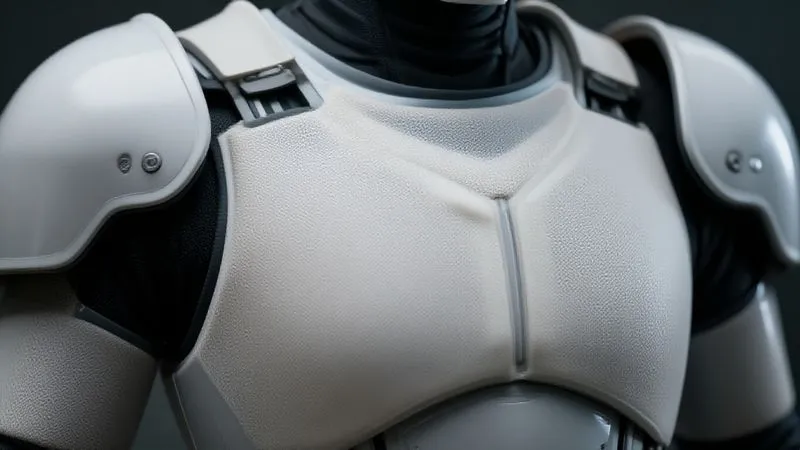
Pre-Con Prep and In-Con Strategies: The Cosplayer's Toolkit
Even the most perfectly designed armor can't overcome poor personal preparation. Your personal habits before and during a convention are just as crucial as your design choices when it comes to solving heat retention in full-body cosplay armor designs.
Pre-Convention Acclimatization
If possible, wear your armor for short periods in conditions similar to what you expect at the convention. This helps your body adapt.
- Practice Runs: Don't let the convention be the first time you wear your full suit for an extended period. Identify hot spots and comfort issues beforehand.
- Hydration Training: Start hydrating well in advance of the event, not just the day of.
Hydration is Non-Negotiable
This is arguably the most critical personal strategy. You WILL sweat more in armor, and you need to replenish those fluids.
- Water and Electrolytes: Drink plenty of water. Also, consume electrolyte-rich beverages (sports drinks, coconut water) to replace lost salts and minerals.
- CamelBaks/Hydration Packs: Integrate a hydration bladder into your armor or a discreet backpack. This allows you to drink without needing to de-suit.
Strategic Breaks and Cooling Stations
Plan your convention day around cooling opportunities.
- Designated Breaks: Schedule regular breaks (every 60-90 minutes) to find a cool, shaded area, or even better, a cooling station.
- Cooling Towels: Keep a small, damp cooling towel in a sealed bag. These can provide immediate relief on your neck or wrists during breaks.
- Mini Hand Fans: A small battery-operated fan can be a lifesaver during short breaks or in lines.
Remember, your health is more important than perfect photos. If you feel dizzy, nauseous, or excessively fatigued, remove your armor and seek a cool place immediately. For more comprehensive guidance on heat-related illnesses and prevention, reliable sources like the CDC's NIOSH Heat Stress information are invaluable.
The Future of Cosplay Cooling: Innovations on the Horizon
The world of materials science and wearable technology is constantly evolving, bringing exciting new possibilities for solving heat retention in full-body cosplay armor designs. As a veteran in this field, I'm always looking ahead, and I believe the next decade will see revolutionary advancements in how we approach thermal comfort in elaborate costumes.
Phase-Change Materials (PCMs)
PCMs absorb and release thermal energy during the process of melting and freezing. They can be integrated into fabrics or cooling packs.
- How they work: As your body heats up, the PCM melts, absorbing that heat. As the ambient temperature drops, it solidifies, releasing the stored heat. This helps regulate temperature fluctuations.
- Current Use: Already found in some advanced outdoor gear and medical applications. Miniaturized versions are becoming more accessible.
Smart Textiles and Active Cooling Fabrics
Imagine fabrics that can actively cool or warm you. This isn't science fiction anymore.
- Thermoelectric Fabrics: Research is ongoing into fabrics that incorporate tiny thermoelectric elements to actively pump heat away from the body.
- Ventilated Fabrics: Textiles with micro-perforations or even active micro-fans woven into the material itself could provide unprecedented breathability.
3D Printing for Optimized Airflow
Additive manufacturing offers incredible potential for custom, complex internal structures.
- Lattice Structures: 3D printing allows for the creation of intricate lattice designs within armor pieces, maximizing internal surface area for heat dissipation while maintaining structural integrity.
- Integrated Channels: Designers can 3D print armor pieces with perfectly optimized internal air channels and vents, tailored precisely to the wearer's anatomy and the suit's design.

Miniaturized Wearable Tech
The trend towards smaller, more powerful electronics means cooling solutions will become less bulky and more efficient.
- Micro-Peltiers: Even smaller, more efficient Peltier modules could be integrated directly into padding or contact points.
- Flexible Batteries: Advancements in flexible battery technology will allow power sources to conform to the body and armor, reducing bulk and improving comfort. For further reading on wearable technology and its applications, consider resources such as IEEE Xplore Digital Library.
Frequently Asked Questions (FAQ)
Is passive cooling enough for all armor types? While passive cooling is a crucial foundation, for very large, enclosed, or multi-layered full-body armor, it's rarely sufficient on its own. The more coverage and less breathable the materials, the more you'll need to augment passive methods with active cooling systems and robust moisture management. Think of passive as your baseline, and active as your necessary upgrade.
What's the best way to power internal fans for a full day? For a full convention day (6-10 hours), you'll need high-capacity USB power banks. A good rule of thumb is to aim for at least 10,000 mAh per 1-2 small fans, or 20,000 mAh for 3-4 fans. Always carry a backup power bank if possible. Ensure your fans are low-power (5V USB) for maximum battery life.
How do I clean armor with integrated cooling systems? This requires careful planning. Ideally, active cooling components should be easily removable or encased in waterproof housings. For fans, gentle wiping with a damp cloth is usually sufficient. If components aren't removable, use compressed air to clean vents and avoid submerging the armor. For internal liners, ensure they are detachable and machine-washable.
Can I combine multiple cooling methods effectively? Absolutely, and in my experience, combining methods is the most effective approach. A strong passive ventilation design, paired with a moisture-wicking base layer, and supplemented by strategic active fans, offers superior thermal regulation than relying on any single method. This holistic approach is key to truly solving heat retention in full-body cosplay armor designs.
What's the most common mistake cosplayers make regarding heat? The most common mistake is underestimating the problem and overestimating their body's ability to cope. Many focus purely on external aesthetics without considering the internal environment. They forget that the human body is a heat engine, and enclosing it without an escape route for that heat is a recipe for discomfort and potential health risks. Prioritizing internal comfort from the initial design phase is crucial.
Key Takeaways and Final Thoughts
Solving heat retention in full-body cosplay armor designs is not a minor detail; it's a fundamental aspect of creating a truly successful and enjoyable costume. It's about respecting the physics of the human body and applying intelligent design principles to work with, rather than against, natural thermoregulation. After years in this craft, I can tell you that the most impressive costumes are those that are not only visually stunning but also incredibly comfortable to wear.
- Prioritize Internal Design: Think about airflow, material layers, and internal structures from the very beginning of your build.
- Embrace Multi-Layered Solutions: Combine passive ventilation, strategic material choices, active cooling systems, and robust moisture management for optimal results.
- Hydrate Relentlessly: Your personal preparation is just as important as your armor's design.
- Listen to Your Body: Don't push yourself past your limits. Comfort and safety always come first.
By integrating these expert strategies into your cosplay armor designs, you’re not just building a costume; you’re crafting an experience. An experience where you can fully immerse yourself in your character, interact with fellow enthusiasts, and genuinely enjoy every moment on the convention floor, free from the silent tyranny of heat. Go forth, design smarter, and stay cool, my friends.
Recommended Reading
- 7 Artistic Strategies: Monetizing Unique Contemporary Jewelry Designs
- Mastering Direct Ethical Sourcing from Artisanal Miners: 7 Key Steps
- Unlock the Secrets: How to Care for Delicate Antique Pearl Jewelry
- 9 Proven Strategies: How to Prove Sustainable Fashion Impact to Skeptics?
- 5 Design Principles: Discreetly Integrating Orthotics in High-Fashion Footwear

Your email address will not be published. Required fields are marked *