

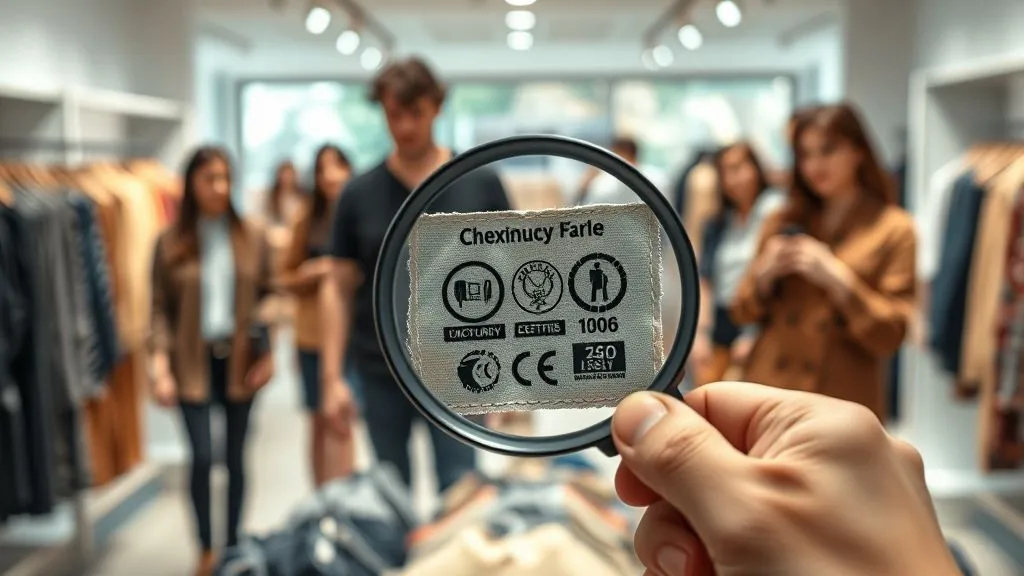
How to Prove Our Sustainable Fashion Impact to Highly Skeptical Consumers?
For over 15 years in the sustainable fashion trenches, I've witnessed a profound shift in consumer mindset. What began as a hopeful embrace of eco-friendly alternatives has evolved into a landscape of deep-seated skepticism, largely fueled by a regrettable history of 'greenwashing'.
This isn't just a challenge; it's the defining hurdle for any brand genuinely committed to ethical and sustainable practices. Consumers are bombarded with claims, and without tangible, verifiable proof, even the most well-intentioned efforts are dismissed as marketing fluff. They are asking: How to prove our sustainable fashion impact to highly skeptical consumers?
In this definitive guide, I'll share actionable frameworks, real-world strategies, and expert insights drawn from my extensive experience. We'll explore how to move beyond vague assertions and build an unshakeable foundation of trust, transforming skepticism into unwavering loyalty through radical transparency and verifiable impact.
Beyond Greenwashing: The Imperative of Radical Transparency
The term 'greenwashing' has become a dirty word in our industry, and for good reason. It has eroded consumer trust to such an extent that even truly sustainable brands face an uphill battle. My experience has shown me that the only antidote is radical, unapologetic transparency.
This means going beyond simply stating you're 'eco-friendly' or 'ethical'. It requires opening up your entire supply chain, from raw material sourcing to manufacturing processes and final product delivery. Consumers want to see the receipts, understand the journey, and verify the claims themselves.
Radical transparency isn't just about avoiding criticism; it's about fostering a deeper connection with your audience. When you're open about your challenges as well as your successes, you build authenticity. This vulnerability, paradoxically, strengthens your brand's credibility and helps answer the crucial question: How to prove our sustainable fashion impact to highly skeptical consumers?
"In an age of skepticism, transparency is not just good practice; it's the cornerstone of trust. It transforms abstract claims into tangible realities."
The Power of Verifiable Certifications and Standards
One of the most effective ways to cut through skepticism is to lean on independent, third-party verification. These certifications act as universally recognized stamps of approval, validated by organizations whose sole purpose is to audit and confirm sustainable practices. They are crucial for brands figuring out how to prove their sustainable fashion impact to highly skeptical consumers.
I've seen countless brands struggle to articulate their impact, only to find immediate resonance when they prominently display a globally recognized certification. It's a shortcut to trust, communicating complex information in a concise, credible format.
Understanding Key Certifications (GOTS, Oeko-Tex, B Corp)
Familiarize yourself with the certifications most relevant to your supply chain and communicate their meaning clearly to your consumers. Here are a few examples:
- Global Organic Textile Standard (GOTS): The gold standard for organic fibers, ensuring environmental and social criteria are met throughout the entire textile supply chain.
- Oeko-Tex Standard 100: Guarantees that textiles and fabrics are free from harmful substances, focusing on consumer safety.
- B Corp Certification: A holistic certification assessing a company's entire social and environmental performance, transparency, and accountability.
- Fair Trade Certified: Ensures fair wages and safe working conditions for farmers and factory workers.
Don't just show the logo; explain what each certification means for the consumer and the planet. This educational component is vital for building informed trust.
Leveraging Blockchain for Supply Chain Traceability
Blockchain technology, while still emerging in fashion, offers an unprecedented level of traceability and immutability. Imagine a consumer scanning a QR code on a garment and instantly accessing its entire journey.
- Pilot Program: Start with a small collection or a single product line to implement blockchain traceability.
- Data Integration: Work with your suppliers to upload key data points at each stage: raw material origin, processing details, factory conditions, certifications.
- Consumer Interface: Develop a user-friendly interface (e.g., a web page or app) that allows consumers to easily access and interpret this information.
- Transparency Report: Integrate this blockchain data into your annual sustainability reports to provide granular, verifiable proof.
This level of granular detail is incredibly powerful for consumers who want to verify claims for themselves. It's a proactive step in how to prove our sustainable fashion impact to highly skeptical consumers.
Case Study: EcoThread Apparel's Blockchain Breakthrough
EcoThread Apparel, a mid-sized knitwear brand, faced persistent questions about their organic cotton sourcing. By implementing a blockchain system for their signature sweater line, they allowed customers to trace the cotton from farm to finished garment. Each QR code revealed details about the organic farm, GOTS certification, water usage during dyeing, and fair wages paid at the factory. This initiative not only boosted consumer confidence but also saw a 15% increase in repeat purchases for that line, demonstrating the direct link between transparency and loyalty.

Quantifying Impact: Metrics that Matter to Consumers
Skepticism often stems from a lack of concrete data. General statements like 'we use less water' are no longer enough. To truly answer how to prove our sustainable fashion impact to highly skeptical consumers, you must quantify your efforts with clear, understandable metrics.
As I've advised many brands, the key is to translate complex environmental data into relatable terms. Instead of just percentages, show comparisons to everyday activities or resources. This makes your impact tangible and builds trust.
Life Cycle Assessments (LCAs) Made Accessible
A Life Cycle Assessment (LCA) is a scientific methodology to assess the environmental impacts associated with all stages of a product's life. While comprehensive, LCA reports can be dense.
Your task is to distill this information into digestible insights for consumers. Highlight key findings such as:
- Total carbon footprint per garment (e.g., 'equivalent to driving X miles').
- Water consumption savings (e.g., 'saved X liters, enough for Y showers').
- Waste diverted from landfill.
Partner with an accredited LCA provider and be transparent about the scope and limitations of your assessment. This scientific rigor adds immense credibility.
Water, Energy, and Waste Reduction Data
These are the 'big three' environmental metrics that resonate most directly with consumers. Provide consistent, updated data on your improvements in these areas.
Consider presenting your data in a comparative format, showing year-over-year progress or comparing your practices to industry averages. This benchmarks your efforts and underscores your commitment.
| Metric | Conventional Fabric | Your Sustainable Fabric | Reduction |
|---|---|---|---|
| Water Usage (liters/garment) | 50 | 10 | 80% |
| Energy Consumption (kWh/garment) | 3 | 0.8 | 73% |
| Waste to Landfill (kg/year) | 15,000 | 3,000 | 80% |
This table clearly illustrates the quantifiable differences, providing irrefutable proof of impact. Consumers can immediately grasp the positive change you're making.
Authentic Storytelling: Connecting with Values, Not Just Data
While data and certifications are crucial for credibility, human beings are wired for stories. To truly answer how to prove our sustainable fashion impact to highly skeptical consumers, you must weave your data into compelling narratives that evoke empathy and connection.
I've learned that consumers don't just buy products; they buy into values and visions. Your sustainability story should be authentic, transparent, and emotionally resonant, showcasing the people and processes behind your garments.
Showcasing Artisan Partnerships and Fair Labor
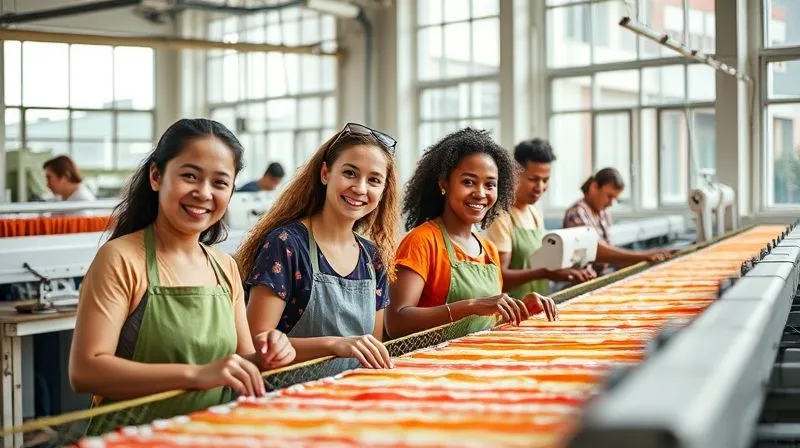
Highlight the human element of your supply chain. Share stories of the artisans, farmers, and factory workers who create your products. Use high-quality photography and video to put faces to your fair labor practices.
- Introduce individual artisans and their skills.
- Explain how fair wages and safe working conditions directly impact their lives and communities.
- Detail your partnerships with social enterprises or NGOs that support these communities.
This personal connection transforms abstract concepts like 'fair wages' into tangible, positive change in real people's lives. It's a powerful way to build emotional trust.
Highlighting Material Innovation and Circularity
Consumers are increasingly interested in where their clothes go after they're worn out. Showcase your commitment to circularity and material innovation.
Explain the journey of your materials: from recycled inputs to designs optimized for repair or end-of-life recycling. Educate consumers on how to care for their garments to extend their lifespan and participate in your take-back programs.
Engaging with Third-Party Validation and Audits
Beyond certifications, inviting independent third parties to audit your operations adds another layer of trust. This demonstrates a willingness to be scrutinized and held accountable, which is incredibly powerful for skeptical audiences.
My advice is always to embrace these audits, not just as a compliance exercise, but as an opportunity for continuous improvement and public validation. It's a direct answer to how to prove our sustainable fashion impact to highly skeptical consumers.
- Regular Audits: Commission annual or bi-annual audits of your factories, environmental management systems, and social compliance.
- Publish Summaries: Share the key findings and any corrective actions taken from these audits (within reason, respecting proprietary information).
- Partnerships: Collaborate with reputable organizations like the Fair Wear Foundation or amfori BSCI, which conduct their own independent assessments.
This level of external validation speaks volumes. It says, "Don't just take our word for it; look at what independent experts say."
Empowering Consumers with Educational Tools and Resources
Skeptical consumers are often also curious consumers. They want to understand, but the information isn't always readily available or easy to digest. Empowering them with accessible educational tools can turn skepticism into informed advocacy.
I've found that when brands invest in educating their audience, they cultivate a more engaged and loyal customer base. It's about demystifying sustainable fashion and inviting consumers into the journey.
Interactive Impact Calculators and Product Journey Maps
Provide tools that allow consumers to explore the impact of their choices. An interactive calculator, for instance, could show the water or carbon savings associated with choosing a specific sustainable garment over a conventional one.
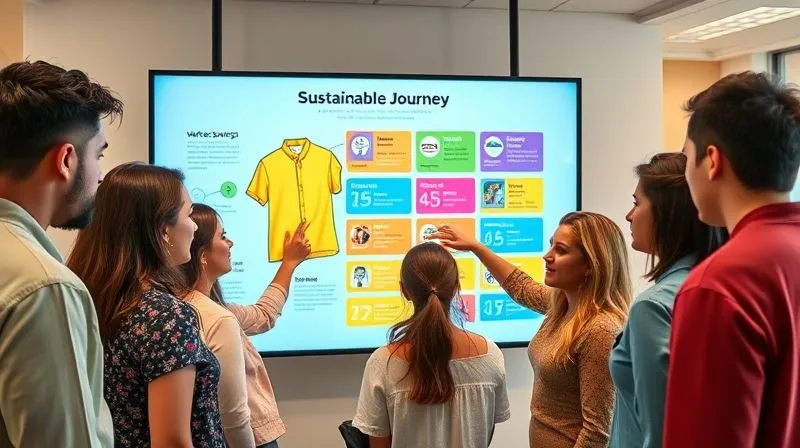
Product journey maps, either digital or physical, can visually illustrate the lifecycle of a garment, highlighting sustainable touchpoints. This makes the abstract concept of 'supply chain' concrete and engaging.
Transparent Reporting and Annual Sustainability Reports
Don't just produce an annual sustainability report for investors; make it consumer-friendly. Publish it prominently on your website and distill key achievements and goals into easily digestible summaries.
Include:
- Clear, measurable goals for the coming year.
- Progress against previous goals.
- Challenges faced and how you're addressing them.
- Future initiatives and innovations.
As Harvard Business Review often highlights, transparency in reporting builds significant brand equity and trust. It's a cornerstone for how to prove our sustainable fashion impact to highly skeptical consumers.
Building a Community of Advocates and Brand Ambassadors
Skeptical consumers often trust their peers more than they trust brands. Cultivating a community of passionate advocates and brand ambassadors can be incredibly powerful in amplifying your message and validating your claims.
In my experience, authentic word-of-mouth marketing, driven by genuine belief in your brand's mission, is invaluable. These advocates become your most credible voices in answering how to prove our sustainable fashion impact to highly skeptical consumers.
- Engage with Influencers: Partner with micro-influencers and content creators who genuinely align with sustainable values and have an engaged, trusting audience.
- User-Generated Content (UGC): Encourage customers to share their sustainable fashion journeys and experiences with your brand. Feature their content prominently.
- Loyalty Programs: Reward customers who actively promote your sustainable mission and engage with your educational content.
- Feedback Loops: Create channels for open dialogue with your community. Listen to their concerns and incorporate their feedback into your strategy.
As renowned marketing guru Seth Godin often emphasizes, building a 'tribe' around a shared purpose creates a powerful, self-sustaining movement that transcends traditional advertising.
Frequently Asked Questions (FAQ)
Question: How can small brands compete with larger brands on transparency and impact reporting? Small brands actually have an advantage in authenticity. Focus on deep, personal connections and storytelling. While you may not afford full LCAs, you can be incredibly transparent about your local sourcing, artisan relationships, and specific, measurable goals. Start with one key metric (e.g., carbon footprint of your local delivery) and build from there. Highlight your commitment to continuous improvement, even if resources are limited.
Question: Isn't all 'sustainable' fashion just a marketing ploy to charge more? This skepticism is valid, given past abuses. It's crucial to explain the true cost of sustainable fashion, which often includes fair wages, higher-quality (and often less harmful) materials, and investments in ethical production processes. Educate consumers on the long-term value: durability, timeless design, and a lower environmental footprint over the garment's life. Emphasize that 'fast fashion's' low prices come at an immense cost to people and planet.
Question: How can consumers verify claims if they don't trust certifications? While certifications are a strong starting point, encourage consumers to look for multiple layers of proof. Do brands share their supply chain? Are there third-party audit reports? Do they publish annual sustainability reports? Are they transparent about challenges? Are they engaging in circularity initiatives like repair or take-back programs? A truly sustainable brand will offer a mosaic of evidence, not just a single claim. Resources like Good On You can also help consumers assess brands.
Question: What if our brand is still early in its sustainability journey? How much should we disclose? Honesty is always the best policy. Be transparent about where you are on your journey and what steps you're actively taking. Don't claim perfection if you haven't achieved it. Instead, share your goals, your challenges, and your action plan. Consumers appreciate honesty and a commitment to progress more than they do unverified claims of perfection. This approach builds trust and invites your audience to be part of your evolution.
Question: Is it possible to be 100% sustainable in fashion? In my professional opinion, achieving 100% sustainability in fashion, given current industrial realities, is an aspirational goal, not a current reality. Every process has an impact. The goal is to be 'more sustainable' and 'continuously improving'. Brands should focus on reducing negative impacts, increasing positive ones (like fair wages), and moving towards circularity. Be upfront about this complexity; it builds credibility.
Key Takeaways and Final Thoughts
Navigating consumer skepticism in sustainable fashion is undoubtedly challenging, but it's a battle that can, and must, be won. My years in this industry have taught me that trust is the ultimate currency, and it's earned through unwavering commitment to transparency, verifiable impact, and authentic communication.
- Embrace Radical Transparency: Open your supply chain and be honest about both successes and challenges.
- Leverage Third-Party Verification: Utilize certifications and independent audits to validate your claims.
- Quantify Your Impact: Provide clear, accessible data on water, energy, waste, and carbon footprints.
- Tell Your Story Authentically: Connect with consumers on an emotional level through human-centered narratives.
- Empower Through Education: Provide tools and resources that help consumers understand and verify your efforts.
- Build a Community: Foster advocates who will champion your brand's genuine impact.
The question of how to prove our sustainable fashion impact to highly skeptical consumers? isn't just about marketing; it's about integrity. By adopting these strategies, you won't just earn sales; you'll earn enduring trust and contribute to a more sustainable, ethical future for fashion, one verifiable claim at a time.
Recommended Reading
- The Ultimate Secret to Effortlessly Transitioning Outfits for Busy Women
- Unlocking Circularity: 5 Breakthroughs for Mixed Synthetic Fiber Recycling
- 7 Expert Strategies: Revamp Your Outdated Professional Capsule Wardrobe
- Combat Activewear Odor: 5 Advanced Fabric Technologies Revealed
- 7 Ways Unique Fashion Photos Drive Sales: A Pro's Guide to Impact




Your email address will not be published. Required fields are marked *