

How to customize a luxury watch without destroying its resale value?
For over two decades in the intricate world of luxury watch design and secondary markets, I've witnessed a fascinating paradox: the deep human desire for personalization clashing with the cold, hard realities of investment value. Owners want to make their prized timepieces uniquely their own, to imprint a piece of their identity onto a mechanical marvel. Yet, the fear of irrevocably devaluing a significant asset often paralyzes them.
This dilemma is more than just a passing concern; it's a fundamental tension. A luxury watch isn't just a time-telling instrument; it's a piece of art, a feat of engineering, and for many, a tangible asset. The wrong modification can strip away its provenance, its originality, and with it, a substantial portion of its market worth. The internet is rife with cautionary tales of 'franken-watches' and owners lamenting poor customization choices.
But what if I told you there's a nuanced path? A way to express your individuality without sacrificing your investment? In this definitive guide, I'll draw upon my extensive experience to provide you with actionable frameworks, real-world case studies, and expert insights. We'll explore the delicate balance between personalization and preservation, equipping you with the knowledge to make informed decisions and ensure your luxury watch remains both a personal treasure and a sound asset.
Understanding the Core Value of Your Luxury Watch
Before we even consider a single modification, it's crucial to understand what truly constitutes the 'value' of your luxury watch. It's far more complex than just its material worth. As an industry veteran, I’ve seen countless times how a lack of this fundamental understanding leads to irreversible mistakes.
The Pillars of Resale Value: Brand, Rarity, Condition, and Originality
Think of your luxury watch's value as standing on four robust pillars. Each is interdependent, and weakening one can compromise the entire structure:
- Brand & Heritage: The reputation, history, and perceived prestige of the manufacturer. Brands like Rolex, Patek Philippe, and Audemars Piguet command higher values due to their established legacy and meticulous craftsmanship.
- Rarity & Demand: Limited editions, discontinued models, or watches with unique historical significance often fetch premium prices. Market demand plays a huge role here.
- Condition: The physical state of the watch, including the case, dial, movement, and bracelet. Unpolished cases and sharp edges are often highly prized by collectors.
- Originality & Provenance: This is arguably the most critical pillar when discussing customization. An original watch, with all its factory-issued components, documentation, and service history, is the gold standard.
Originality is the bedrock of a luxury watch's long-term value. Any modification, however minor, shifts this foundation, and not always for the better in the eyes of the market.
Understanding these pillars helps us approach customization with a strategic mindset. Our goal isn't just to make the watch 'look good' to you, but to ensure any changes either enhance its overall appeal or, at the very least, do not detract from these fundamental value drivers.
The 'Do's and Don'ts' of External Customization
External modifications are the most common form of personalization, but they also carry the highest risk to resale value if not handled correctly. This is where most enthusiasts stumble, often with good intentions but lacking foresight.
Dial & Hands: The Most Visible, Yet Riskiest Changes
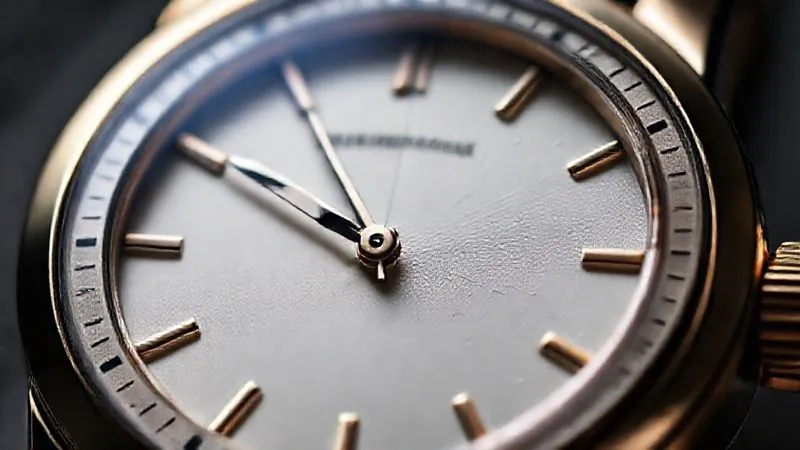
The dial and hands are the face of your watch, the most immediate visual identifiers. While changing them can dramatically alter a watch's aesthetic, it's also one of the quickest ways to erode its value.
- The Danger of Aftermarket Dials: Swapping an original dial for a custom, non-factory one almost universally diminishes resale value. Collectors prioritize original dials, even if they show signs of age (patina). An aftermarket dial immediately flags the watch as 'not original' and often reduces its appeal to serious buyers.
- Factory Dial Swaps (Rare): In very limited instances, some brands might offer a dial change as part of a service, using an official factory dial. While this maintains authenticity, it still means the original dial is gone. Always keep the original dial if you ever swap it.
- Hands: Similar to dials, aftermarket hands are generally a no-go. They disrupt the watch's original design integrity and raise questions about the watch's history.
Bezels & Cases: When to Touch, When to Leave Alone
The bezel and case define the watch's profile and protect its delicate movement. Modifications here are extremely difficult to reverse and can be particularly damaging.
- Aftermarket Gem-Setting: This is a common but highly detrimental customization. Adding diamonds or other precious stones to a watch case or bezel that wasn't originally factory-set with them is a major red flag for collectors. It's often referred to as 'blinging out' a watch and can slash its value by 30-50% or more, transforming it from a luxury timepiece into a generic 'jewelry watch'.
- Case Polishing: While not a customization, over-polishing or aggressive polishing during service can drastically alter the case's original lines and bevels, significantly reducing its collector appeal and value. Always request a light polish or no polish at all during servicing.
- Bezel Swaps: Similar to dials, swapping an original bezel for an aftermarket one (e.g., a ceramic bezel on a vintage steel Rolex) is highly discouraged for value preservation. Keep the original.
Strap & Bracelet Swaps: The Safest Path to Personalization
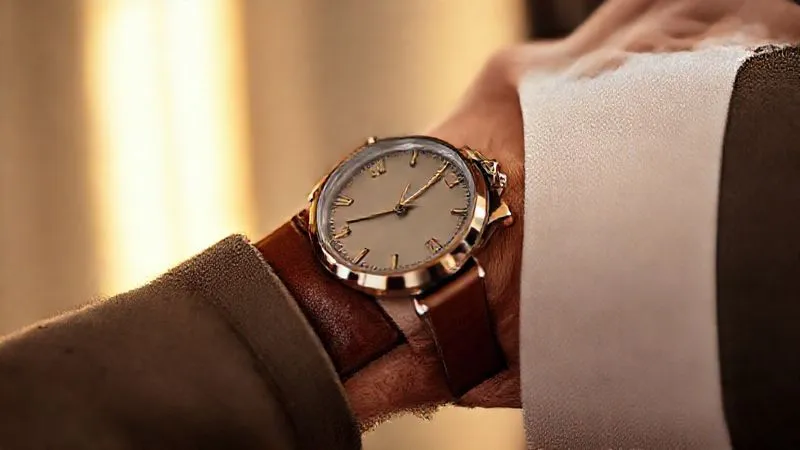
If you're seeking personal expression without risking your watch's inherent value, modifying the strap or bracelet is by far the safest and most effective avenue. This is where I advise most of my clients to start their customization journey.
Exploring Material, Color, and Style Options
The beauty of strap changes is their reversibility. You can experiment endlessly without permanent alteration to the watch head itself. The possibilities are vast:
- Leather Straps: From exotic leathers like alligator, ostrich, and stingray to classic calfskin or suede, a new strap can completely transform the feel and look of your watch. Colors, textures, and stitching options are virtually limitless.
- Rubber Straps: Ideal for sports watches, rubber straps offer comfort, durability, and a modern aesthetic. Many brands, like Everest or Rubber B, specialize in high-quality integrated rubber straps designed specifically for popular luxury models.
- NATO & Zulu Straps: These fabric straps offer a casual, rugged, and highly customizable look, often seen on tool watches. They are inexpensive and come in an incredible array of patterns and colors.
- Metal Bracelets: While more of an investment, exploring different styles of metal bracelets (e.g., mesh, beads of rice) can also be an option, provided you retain the original.
The key here is that the original bracelet or strap is simply removed and stored safely. When it comes time to sell, you can easily reinstall the original, presenting the watch in its factory-issued condition. This is how to customize a luxury watch without destroying its resale value in the simplest way.
The Value of Original Clasps and Bracelets
Even when swapping straps, it's crucial to retain the original clasp, buckle, or bracelet that came with the watch. These components are often signed by the manufacturer and are integral to the watch's provenance. An original bracelet, especially on models like a Rolex Oyster or a Patek Philippe Nautilus, can account for a significant portion of the watch's overall value. Always keep these original components in pristine condition, stored securely, even if you never intend to wear them again.
Movement Enhancements: A Niche for the True Connoisseur
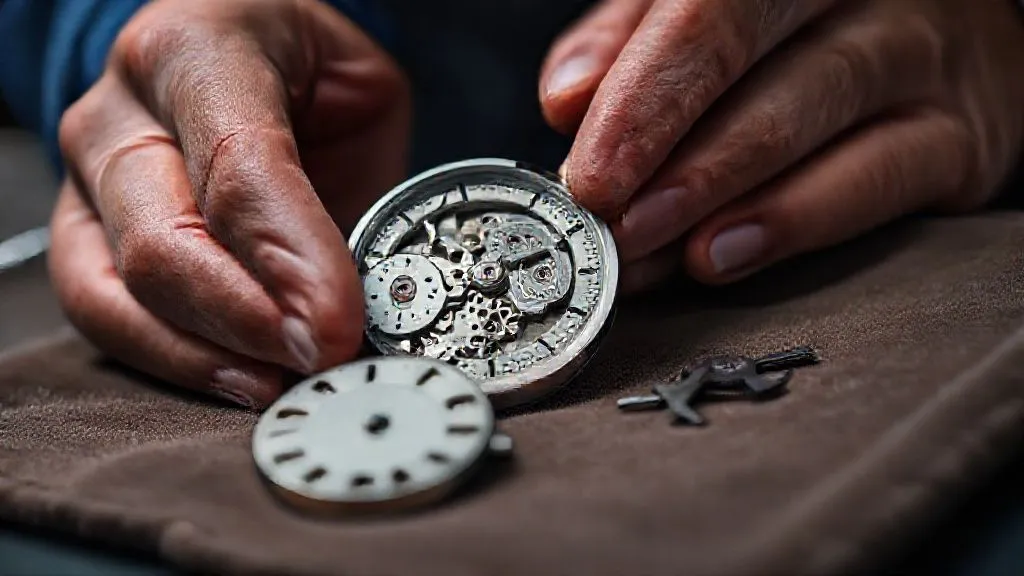
Delving into the watch's movement for customization is a far more specialized and delicate undertaking. This isn't for the faint of heart or the inexperienced, as it directly impacts the watch's mechanical integrity and authentication.
Authorized Service & Caliber Upgrades
In rare instances, some manufacturers might offer official upgrades or modifications to a movement. This is typically limited to specific models or older pieces where a newer, more robust component is deemed an improvement by the brand itself. Such changes, performed by authorized service centers, usually come with official documentation and maintain the watch's authenticity. Always verify with the manufacturer's official service department.
Independent Watchmakers and Bespoke Finishes
A true connoisseur might seek bespoke finishing for their movement – perhaps a unique engraving on a rotor, or a specific type of anglage (beveling) or perlage (circular graining). This is a highly specialized field, and the choice of watchmaker is paramount.
- Research and Vetting: Only engage independent watchmakers with an impeccable reputation, proven expertise in high-end movements, and a portfolio that demonstrates their skill. Ask for references.
- Clear Documentation: Ensure all work is thoroughly documented, detailing what was done, by whom, and when. This documentation becomes part of the watch's provenance.
- Reversibility (where possible): Discuss with the watchmaker if the modification is reversible, or if it involves replacing a component, ensure the original part is returned to you.
Cautionary Tale: I once advised a client who had a beautiful vintage Patek Philippe. He wanted a custom, skeletonized rotor. An independent watchmaker, not sufficiently experienced with Patek's specific caliber, damaged a critical bridge during the modification. The repair cost far exceeded the customization, and the watch's originality was compromised. This highlights the absolute necessity of choosing the right expert for movement work.
The Power of Patina and Preservation: Customization Through Care
Sometimes, the most profound 'customization' isn't about adding something new, but about preserving what's already there, allowing the watch to tell its own unique story through time. This is a concept deeply cherished by serious collectors and a prime example of how to customize a luxury watch without destroying its resale value.
Embracing Natural Aging & Responsible Servicing
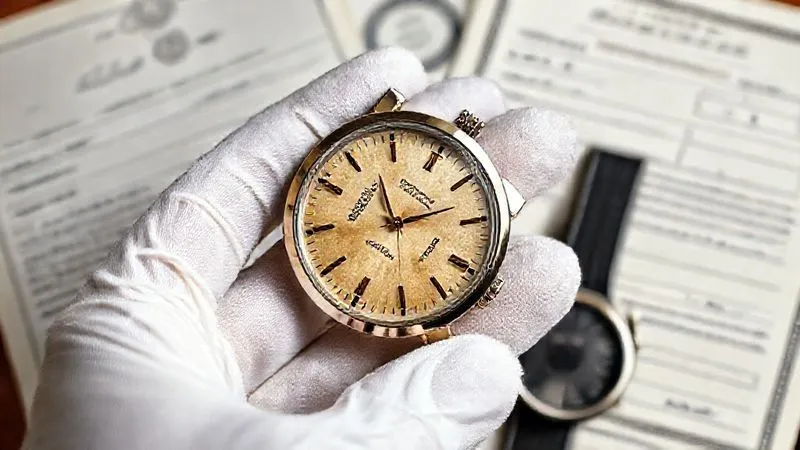
A watch that has aged gracefully, developing a unique patina on its dial (e.g., tropical dials, spider dials) or retaining its original, unpolished case bevels, often commands a premium. These characteristics are seen as signs of authenticity and a life well-lived.
True luxury watch collectors often value the unique story and character that natural aging imparts, far more than a 'new' appearance achieved through aggressive polishing. Aggressive restoration can erase decades of history.
When servicing your watch:
- Request 'No Polish': Always specify that you do not want the case or bracelet polished. Polishing removes metal, changes the case's original lines, and can significantly reduce value, especially for vintage pieces.
- Retain Original Parts: If any movement parts need replacement, insist on receiving the original components back, even if they are worn or broken. These contribute to the watch's provenance.
- Authorized Service Centers: For routine maintenance, sticking to the manufacturer's authorized service centers is generally the safest bet for maintaining authenticity and ensuring correct parts are used.
Case Study: The "Ghost Bezel" Phenomenon
Consider the phenomenon of the 'ghost bezel' on vintage Rolex Submariners. Originally black, over decades of exposure to UV light and saltwater, some bezels fade to a beautiful, unique grey or blue hue. Early in my career, some owners would replace these 'faded' bezels with new, crisp black ones, thinking they were restoring the watch. However, the market soon realized the rarity and unique charm of these naturally faded bezels. Today, a Submariner with a genuine, attractive ghost bezel can fetch significantly more than one with a brand-new service bezel. This perfectly illustrates how natural, unadulterated aging can be a form of 'customization' that enhances value.
| Modification Type | Resale Impact | Recommendation | Notes |
|---|---|---|---|
| Dial Replacement (Aftermarket) | Severe negative (often 30-50% loss) | Avoid | Destroys originality certificate, considered 'franken-watch' |
| Strap/Bracelet Change (Non-OEM) | Minimal to none (if original retained) | Highly Recommended | Easily reversible, personal expression, always keep original |
| Gem-Setting (Aftermarket) | Significant negative (20-40% loss) | Avoid (unless factory-approved) | Often considered 'blinged out', destroys original aesthetic |
| Movement Service (Non-Authorized) | Moderate negative (10-25% potential) | Use authorized service centers | Impacts warranty, authenticity of parts, expertise risk |
| Case Engraving (Permanent) | Moderate negative (10-20% potential) | Consider carefully | Highly personal, narrows buyer pool, may require case replacement |
Documentation and Provenance: Your Customization's Best Friend
Regardless of the type of customization you pursue, meticulous documentation is your strongest ally in preserving value and demonstrating transparency. This is often overlooked, but it's a critical step in how to customize a luxury watch without destroying its resale value.
Keeping Records of All Modifications and Original Parts
Think of your watch's documentation as its life story. Every chapter, especially those involving changes, needs to be clearly written. Here's what you should meticulously document:
- Original Purchase Papers: Warranty card, box, receipts, manuals.
- Service Records: Dates, work performed, parts replaced, and by whom (authorized or independent).
- Modification Records: If you undertake any modification, keep detailed receipts, photos before and after, and any certificates from the artisan.
- Original Components: A clear inventory of all original parts that were removed during customization (e.g., original dial, hands, bezel, bracelet). Store them securely and ideally, document their condition with photographs.
- Appraisals: Periodic appraisals from reputable watch experts.
This comprehensive record-keeping serves multiple purposes: it verifies authenticity, justifies any costs incurred, and provides peace of mind to future buyers. It shows that even if modifications were made, they were done thoughtfully and with respect for the watch's heritage.
The Role of Authorized Dealers and Independent Experts
When considering modifications, always consult with either an authorized dealer for your specific brand or a highly reputable independent watch expert. Their advice can be invaluable in understanding the market implications of any change. For instance, if you're considering setting a few diamonds, an expert can advise on the quality and ethical sourcing of those gems, potentially referring you to resources like the Gemological Institute of America (GIA) for verification, which adds another layer of trust.
Navigating the Aftermarket: When to Buy, When to Sell
Understanding how the secondary market perceives customized watches is crucial, both if you're looking to sell your personalized timepiece or considering purchasing one that has already been modified. My years of observing auction results and dealer inventories have provided clear patterns.
Identifying Ethically Customized Watches
Not all customized watches are created equal. An 'ethically customized' watch, in my definition, is one where the modifications are:
- Reversible: The original components are retained and can be reinstalled.
- High Quality: The modification itself is executed with exceptional craftsmanship, matching or exceeding the original factory quality.
- Documented: There's a clear paper trail for all changes.
- Tasteful: While subjective, modifications that align with the watch's original aesthetic and don't drastically alter its character tend to fare better.
If you're buying, always ask for detailed photos of original parts, service history, and documentation of any modifications. If a seller is evasive, walk away. For selling, present your watch with absolute transparency, highlighting the care taken with any personalization.
The Secondary Market's Perception of Modifications
Generally, the secondary market values originality above all else. A watch with significant, irreversible aftermarket modifications will almost always sell for less than an equivalent, all-original piece. The pool of potential buyers shrinks considerably, as many collectors are purists. However, there are exceptions:
- Factory-Approved Customizations: These are rare but can maintain or even enhance value.
- Highly Sought-After Independent Collaborations: In some niche cases, a collaboration between a major brand and a renowned independent artisan (e.g., a custom dial by a famous enameler) can be highly collectible, though these are exceptions, not the rule.
- Reversible Aesthetic Changes: As discussed, strap changes or subtle, easily reversible aesthetic elements typically have minimal to no negative impact, provided the original parts are included.
For more insights into current market trends and how specific modifications might affect value, resources like Christie's Watch Department or reputable pre-owned watch dealers like Watchbox often publish market analyses that reflect collector preferences.
The Investment Mindset: Customization as a Personal Journey, Not a Financial One
Ultimately, when you ask how to customize a luxury watch without destroying its resale value, you're asking a question that balances passion with practicality. My final piece of advice comes from years of witnessing both triumphs and regrets: approach customization primarily as a personal journey, not a financial one.
Reconciling Passion with Practicality
It's perfectly natural to want to make your watch truly 'yours.' The key is to do so with an informed understanding of the potential consequences. If a specific, irreversible modification brings you immense personal joy and you intend to keep the watch for life, then the potential depreciation might be a worthwhile trade-off for *your* personal value. However, if you view your watch as a potential future asset, then conservative, reversible customizations are the only sensible path.
The most valuable customization is often the one that enhances your personal enjoyment without altering the core integrity of the watch. It's about personal legacy, not just monetary legacy.
Think of it as decorating a historic home. You can change the furniture, paint the walls, and update the kitchen – all reversible and enhancing your living experience. But you wouldn't tear down load-bearing walls or alter the original facade if you wanted to preserve its historic value.
Future Trends in Watch Personalization
The industry is slowly evolving, with some brands offering more bespoke options directly from the factory, which inherently preserves value because it's officially sanctioned. However, these are often at the highest end of the market. For the average luxury watch owner, the principles we've discussed today remain timeless. Staying informed about industry developments through publications like Hodinkee or A Blog to Watch can also provide insights into how customization trends are being received by the broader collector community.
Frequently Asked Questions (FAQ)
Can I engrave my luxury watch without devaluing it? Engraving is a permanent modification and generally will devalue a watch by narrowing the pool of potential buyers. Most collectors prefer a pristine case back. However, if the engraving is extremely subtle, on an easily replaceable part (like a solid case back that can be swapped for an original if available), or holds significant historical value (e.g., a presentation watch), the impact might be mitigated. For personal enjoyment, consider engraving the inside of a deployant clasp or a custom strap buckle, which are less impactful and reversible.
Are factory-authorized customizations different from independent ones in terms of resale? Absolutely. Factory-authorized customizations, performed by the original manufacturer or their official service centers, usually come with official documentation and maintain the watch's authenticity and warranty. These are generally accepted by the market and have minimal to no negative impact on resale value, and in some rare cases, can even enhance it if it's a special edition. Independent customizations, no matter how expertly done, lack this official backing and are almost always viewed with more skepticism by the secondary market, potentially impacting value.
What about changing the crystal? Changing a damaged crystal for an original, factory-issued replacement during a service by an authorized center will not negatively impact resale value; in fact, it's part of proper maintenance. However, replacing an original crystal with an aftermarket one, or changing the type of crystal (e.g., from sapphire to Hesalite if the watch didn't originally come with it), can raise questions about authenticity and potentially affect value. Always aim for original replacement parts.
How do I know if a customized watch on the secondary market is a good investment? It's rarely a 'good investment' in the traditional sense if it has significant, irreversible aftermarket modifications. If you're considering buying a customized watch, treat it as a personal acquisition for enjoyment, not for future financial gain. Crucially, verify that the original parts are included and that all modifications are meticulously documented. If the customization is a reversible strap change, with the original bracelet included, then the watch's core value is likely intact. Otherwise, factor in a significant discount compared to an all-original equivalent.
Is it ever okay to replace a movement part with a non-OEM component? Generally, no. Replacing movement parts with non-OEM (Original Equipment Manufacturer) components can compromise the watch's authenticity, performance, and warranty. It's a major red flag for collectors and can significantly devalue the watch, as it raises concerns about the integrity of the movement. Always insist on original parts for any repairs or replacements, ideally performed by an authorized service center. The only exception might be for extremely rare vintage watches where OEM parts are simply unobtainable, and even then, such repairs should only be undertaken by highly specialized, reputable vintage watch restorers with full documentation.
Key Takeaways and Final Thoughts
Navigating the world of luxury watch customization is a journey that requires both passion and prudence. As an industry specialist, I've seen firsthand how a thoughtful approach can lead to years of enhanced enjoyment, while a reckless one can lead to significant financial regret. Remember these core principles:
- Prioritize Reversibility: Strap changes are your safest and most versatile option for personalization.
- Cherish Originality: The factory-issued components and condition are paramount for long-term value.
- Document Everything: Maintain meticulous records of all services, modifications, and original parts.
- Seek Expert Advice: Consult authorized dealers or highly reputable independent watchmakers before making any significant changes.
- Embrace Patina: Sometimes, natural aging is the most authentic and valuable form of 'customization.'
- Understand Market Perception: The secondary market generally favors originality; irreversible modifications often diminish value.
Your luxury watch is more than just a timepiece; it's a testament to craftsmanship and a potential heirloom. By understanding how to customize a luxury watch without destroying its resale value, you empower yourself to enjoy its beauty and make it truly your own, while simultaneously safeguarding its legacy and your investment. Wear your personalized masterpiece with pride, knowing you've made intelligent, informed choices that honor both your individual style and the enduring value of horology.
Recommended Reading
- 7 Steps: Urgent Lead Actor Costume Redesign Mid-Shoot Crisis Solved
- Reverse Chronic Skin Inflammation: 7 Steps to Holistic Gut Health
- 5 Urgent Steps: Esthetician's Fix for Client Skin Barrier Damage?
- 5 Pillars: Ethically Sourcing Durable Luxury Hair Accessory Components?
- 5 Expert Strategies: Irreplaceable Vintage Jewelry Parts? Here's What To Do.
Your email address will not be published. Required fields are marked *