

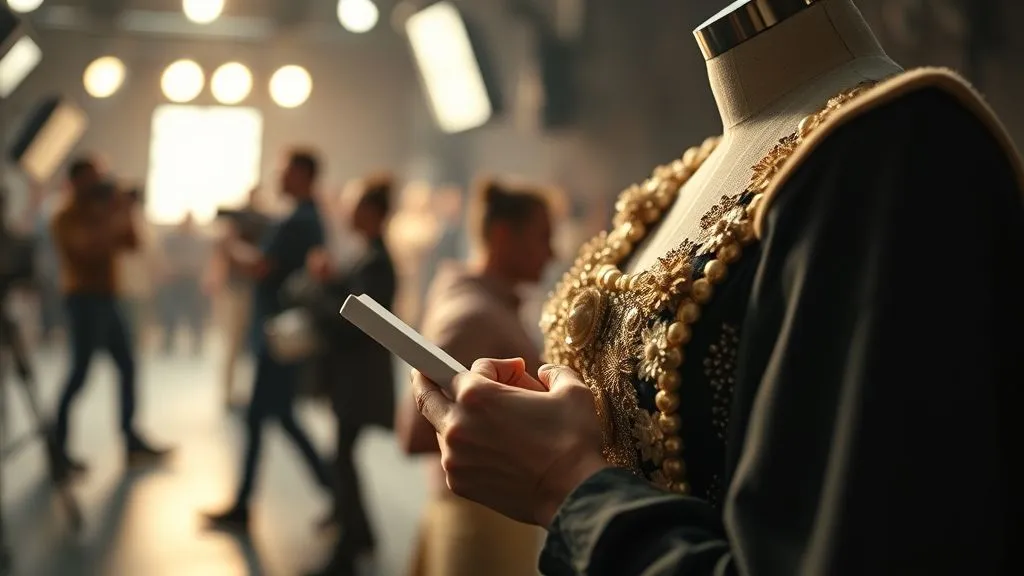
What to do when lead actor's costume needs urgent redesign mid-shoot?
For over two decades in the demanding world of film costume design, I've witnessed the full spectrum of on-set emergencies. From a spilled coffee on a priceless period gown minutes before a crucial take to an unexpected weight change in a lead actor, the unexpected is, ironically, the only constant. But perhaps no crisis induces more immediate panic and logistical headache than the sudden realization that a lead actor's costume, central to their character and the narrative, needs an urgent redesign mid-shoot.
This isn't just a minor tweak; it's a potential production-halting catastrophe. The stakes are astronomically high: millions in budget, tight schedules, the director's vision, the actor's performance, and the morale of an entire crew hang in the balance. The pressure is immense, and the need for a swift, effective, and often creative solution is paramount. It’s a moment that tests the mettle of every costume designer and their team.
This article isn't just about theory; it's a battle-tested roadmap, forged in the crucible of countless film sets, designed to arm you with the strategies and mindset needed to navigate precisely this scenario. We'll delve into actionable frameworks, a fictional yet realistic case study, and expert insights to ensure that when a lead actor's costume needs urgent redesign mid-shoot, you're not just reacting, but leading with confidence and competence.
The Unseen Pressure Cooker: Why Mid-Shoot Redesigns Are So Critical
A costume isn't just clothing; it's a vital storytelling tool, defining character, era, and emotion. When a lead actor's costume fails or needs a redesign mid-shoot, the ripple effect can be catastrophic. It's not merely an aesthetic problem; it's a logistical nightmare that impacts every department, from cinematography to scheduling and budget.
Consider the immediate impact: a delay in shooting means paying an entire crew, cast, and renting equipment for non-productive hours. A crucial scene might be held up, pushing back other scenes, causing a domino effect across the production schedule. Beyond the tangible costs, there's the psychological toll. An ill-fitting or problematic costume can undermine an actor's confidence, affecting their performance. It can also create tension between departments, eroding team morale.
“In film, time is money, and a lead actor's costume crisis is a direct assault on both. The true cost isn't just the fabric; it's the lost momentum, the fractured focus, and the potential compromise of the director's artistic vision.”
Furthermore, the creative integrity of the film is at stake. A last-minute, poorly executed redesign can stick out like a sore thumb, pulling the audience out of the story. The challenge, therefore, is not just to fix the costume, but to do so in a way that is seamless, respects the original vision, and minimizes disruption to the intricate machinery of film production. It's about crisis management, creative problem-solving, and sheer resilience.
Immediate Triage: Assessing the Scope of the Problem
When the call comes in – the lead actor's costume is a problem – your first instinct might be panic. Resist it. The most crucial initial step is a calm, systematic triage. This isn't just about identifying the issue; it's about understanding its depth, its potential impact, and the resources required to address it.
Step 1: Understand the 'Why'
Before you can fix anything, you must understand the root cause. Is it a fit issue (actor gained/lost weight, costume never fit right)? Is it a creative change requested by the director or actor? Has the costume been damaged beyond repair? Is it simply uncomfortable, hindering the actor's performance or even posing a safety risk? Pinpointing the 'why' will dictate your 'how'.
Step 2: Rapid Assessment & Diagnosis
Get eyes on the costume immediately. Is the problem minor (a seam split, a button missing) or major (entire garment needs rebuilding, fabric is compromised)? What specific elements are affected? Is it the silhouette, the detailing, the fabric itself? What scenes are yet to be shot with this costume? This visual and contextual diagnosis is critical for formulating a plan.
Step 3: Initial Impact Analysis
While assessing the costume, simultaneously evaluate the logistical impact. How many days of shooting are affected? Which specific scenes? Is there an immediate need for the costume, or can you buy a day or two? This initial analysis helps you communicate the urgency and scale of the problem to the production team.
- Is the costume essential for upcoming scenes?
- What is the specific nature of the problem (fit, damage, creative change, comfort)?
- Are there any existing backups or similar costumes that can be adapted?
- What is the immediate availability of materials or specialized labor?
- How much time, realistically, do you have before the costume is needed again?
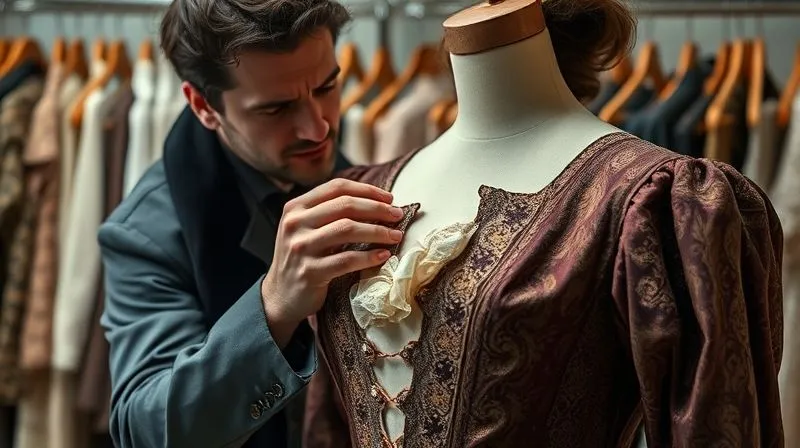
The Communication Imperative: Aligning All Stakeholders
Once you've assessed the situation, the next critical step is communication. In the high-stakes environment of a film set, silence breeds speculation and panic. Transparent, proactive communication is your most powerful tool for managing expectations and garnering support.
Who Needs to Know, and When?
Not everyone needs every detail, but key personnel must be informed promptly. This includes the Director, the First Assistant Director (1st AD), the Producer, the Lead Actor, Hair & Makeup, and the Director of Photography (DP). Each plays a crucial role in understanding the impact and facilitating a solution. The 1st AD needs to know for scheduling adjustments, the Producer for budget implications, the Director for creative decisions, and the actor for their comfort and performance.
Crafting the Message: Transparency and Solutions
When you communicate, don't just present a problem; offer potential solutions. Frame the issue clearly, explain the implications, and then propose actionable steps. For instance, instead of 'The costume is ruined!', try 'The costume has sustained significant damage, impacting scenes from tomorrow. We have two potential solutions: a rapid repair that will take 6 hours, or a full rebuild requiring 2 days. I recommend the repair, but it will require a slight alteration to the original silhouette. What are your thoughts?' This approach demonstrates control and proactive problem-solving.
“In a crisis, clear, concise communication isn't just good practice; it's a lifeline. It transforms a potential breakdown into a collaborative problem-solving session, ensuring everyone is on the same page and working towards a common goal.”
Establishing a clear communication channel and a decision-making hierarchy is essential. Who has the final say on creative compromises? Who approves budget adjustments? Having these lines defined upfront prevents further delays and confusion. According to a Harvard Business Review article on crisis communication, transparency and swift action are paramount for maintaining trust and control. Read more on effective leadership communication here.
| Stakeholder | Role in Crisis |
|---|---|
| Director | Approves creative compromises, understands scene impact |
| Producer | Manages budget implications, overall production oversight |
| 1st Assistant Director | Adjusts shooting schedule, communicates delays to crew |
| Lead Actor | Provides feedback on comfort/fit, understands new timelines |
| Hair & Makeup | Coordinates looks with potential costume changes |
| Director of Photography | Advises on how camera can mitigate minor changes |
Strategic Solutions: Approaches to Urgent Redesign
Once the problem is diagnosed and communication lines are open, it's time to explore strategic solutions. The approach you take will depend heavily on the nature of the problem, the available time, and the budget. There's no one-size-fits-all answer, but a spectrum of options to consider.
Option A: Minor Alterations & Adjustments
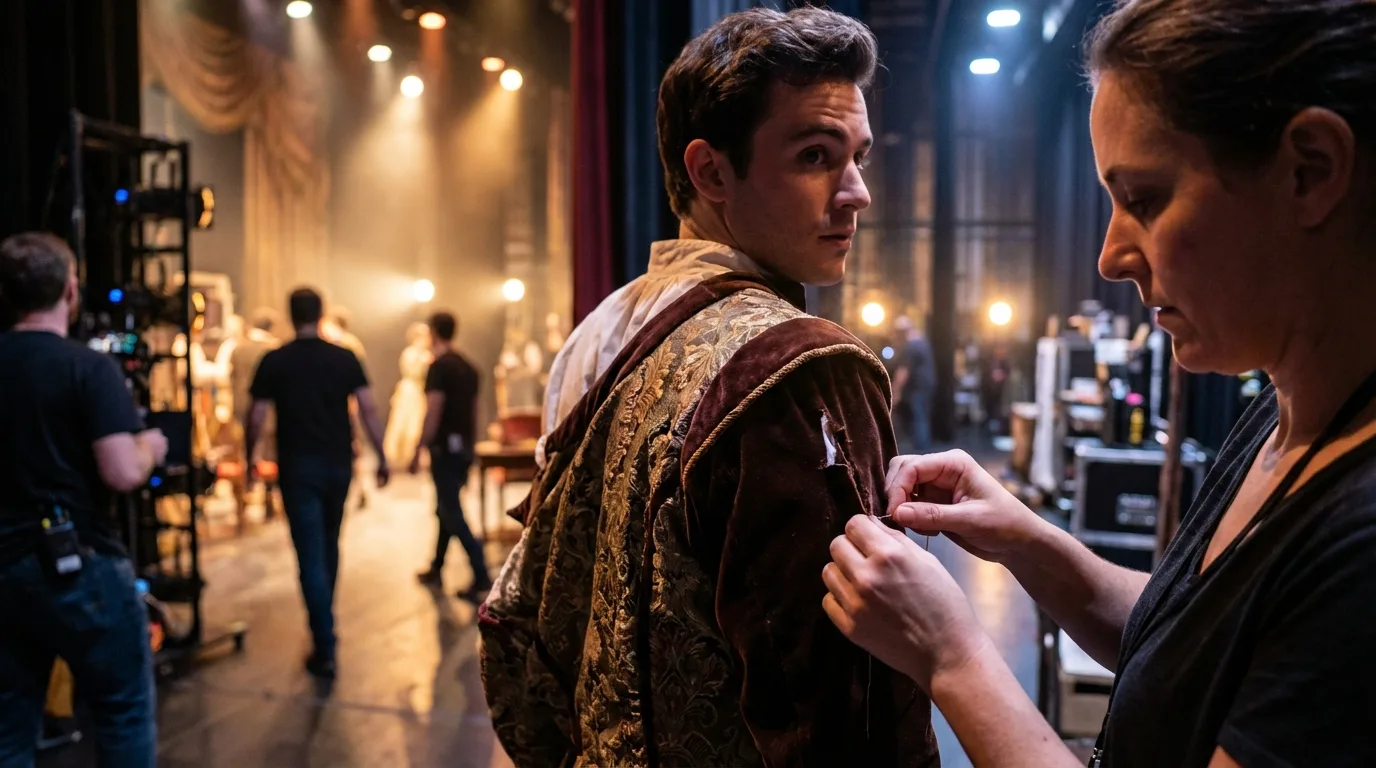
This is always the preferred first resort. Can the costume be quickly altered on set? This might involve taking in seams, adding gussets for comfort, adjusting hemlines, or patching minor damage in a way that's visually inconspicuous. This requires a skilled on-set tailor and a well-stocked emergency kit. The goal is minimal disruption to the original design and the shooting schedule.
Option B: Fabric Sourcing & Quick Builds
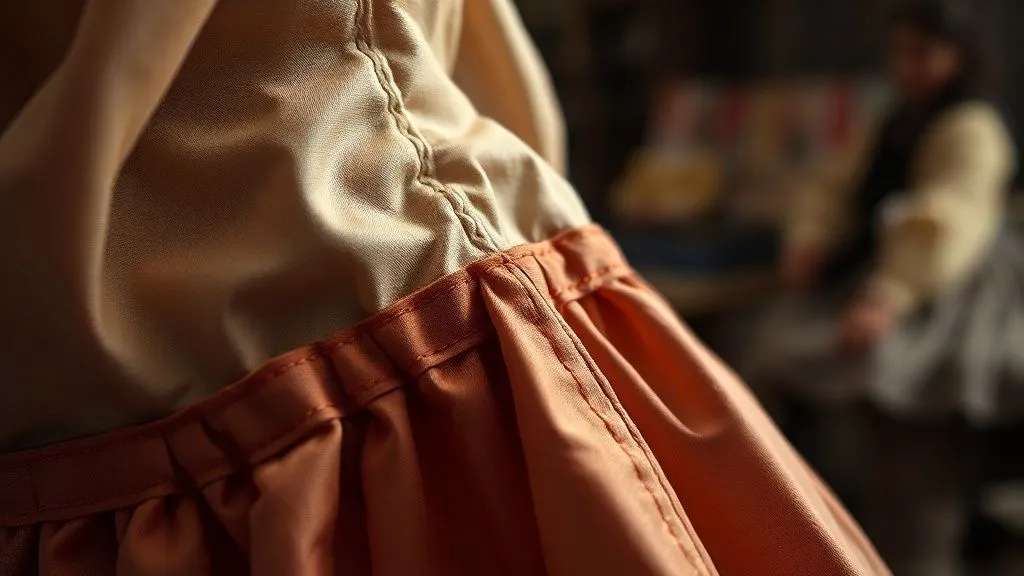
If the damage is extensive or a significant fit issue demands more than an alteration, could a new section of the costume be fabricated? This relies on having readily available matching fabric or a close substitute. Sometimes, a quick trip to a local fabric store can yield a solution for a specific element like a sleeve, collar, or skirt panel that can be rapidly sewn into the existing garment. This requires a small, agile team dedicated to the task.
Option C: Creative Camouflage & Staging
Sometimes, the fix isn't about altering the costume, but altering how it's perceived. Can the camera angle hide the imperfection? Can the actor's blocking or a prop obscure the problematic area? This requires close collaboration with the Director and DP. For example, a stain on a lower skirt might be hidden by having the actor sit more often, or a loose fit might be disguised by strategic lighting or an added layer like a cloak.
Option D: Full Redesign & Remake
This is the most drastic and time-consuming option. If the costume is truly irreparable, unwearable, or fundamentally compromises the creative vision, a full remake might be necessary. This often involves working around the clock, potentially bringing in additional staff, and sourcing materials from emergency suppliers. This decision is rarely made lightly and usually comes with significant budget and schedule implications.
Case Study: The Baron's Brocade Vest
On the set of 'Whispers of the Crown,' a lavish historical drama, our lead actor, playing the formidable Baron, arrived on set for a pivotal duel scene. His custom-made brocade vest, crucial for his silhouette, was noticeably tight across the chest, restricting his movement and causing visible discomfort. The initial assessment revealed the actor had gained unexpected muscle mass during a hiatus. Option A (minor alteration) was insufficient; the fabric had no give. Option C (camouflage) was impossible for a dynamic duel. After rapid consultation, we chose a hybrid of Option B and D. While a full remake was too slow, we decided to quickly fabricate a new back panel for the vest using a complementary, flexible fabric, meticulously matched for color and texture, hidden beneath his jacket. This allowed for full movement and comfort, preserving the front-facing brocade design. The wardrobe team worked through the night, and shooting resumed with only a half-day delay.
- Evaluate Severity: Is it a minor issue or a fundamental flaw?
- Check for Duplicates/Backups: Is there another costume or a similar piece that can be adapted?
- Assess Fabric & Materials: Can existing materials be salvaged or new ones sourced quickly?
- Consider Production Impact: What's the cost of delay versus the cost of a quick fix?
- Consult Key Stakeholders: Director, actor, producer – their input is vital for creative and logistical compromises.
- Prioritize Actor Comfort: An uncomfortable actor cannot perform effectively.
Resource Mobilization: Your Emergency Toolkit
Successfully tackling an urgent costume redesign mid-shoot isn't just about identifying the problem; it's about having the resources – human, material, and financial – at your fingertips to execute the solution rapidly. Think of your wardrobe department as a rapid-response unit, always prepared for the unexpected.
The A-Team: Assembling Your Crisis Crew
When a crisis hits, you need your best people. This often means pulling dedicated tailors, pattern makers, and stitchers from other tasks to focus solely on the emergency. Having a clear chain of command and delegating tasks efficiently is crucial. Sometimes, you might need to call in freelance specialists or even members of the standby crew who have specific skills. Their expertise and ability to work under pressure are invaluable.
Material Magic: Sourcing Under Pressure
Access to materials can make or break a redesign. A well-prepared costume department has a comprehensive inventory of fabrics, trims, and notions. In an emergency, however, you might need to send a dedicated shopper on an urgent mission to local fabric stores, specialty suppliers, or even prop houses that might have relevant materials. Flexibility is key; sometimes a near-match is better than a perfect match that takes days to source. 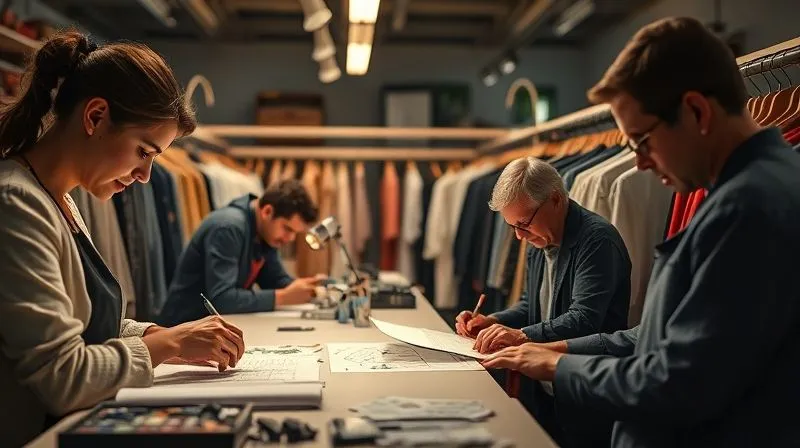
Budgeting for the Unexpected
Urgent redesigns are rarely cheap. Overtime for staff, expedited shipping for materials, and last-minute sourcing can quickly escalate costs. It's essential to have a contingency budget line for such emergencies. Transparently track all expenses related to the redesign and communicate them to the production manager or producer. Proactive communication about potential budget overruns is better than a surprise bill at the end of the week. Understanding film budgeting is crucial for managing these situations effectively.
The Art of Compromise: Balancing Vision and Reality
In the whirlwind of an urgent redesign, you'll inevitably face moments where the ideal clashes with the practical. This is where the art of compromise comes in, requiring delicate negotiation and a deep understanding of the film's overall vision.
Protecting the Director's Vision
The director's vision is paramount. Any proposed changes, even minor ones, must be presented with an understanding of how they might affect the character, the scene, and the overall aesthetic. Your role is to find solutions that are both feasible and respectful of that vision. Sometimes, a subtle change in fabric texture or a slight adjustment to a detail can save the costume without derailing the creative intent.
Actor Comfort and Performance
A lead actor who is uncomfortable in their costume cannot deliver their best performance. Period. Whether it's chafing, restricted movement, or simply feeling 'wrong' in the garment, these issues can be detrimental. Prioritize the actor's comfort and confidence. Often, a solution that makes the actor feel secure in their costume will ultimately serve the film better, even if it means a slight creative adjustment.
Schedule vs. Perfection
This is often the toughest compromise. Do you push for perfection, potentially delaying shooting for an extra day, or do you accept a 'good enough' solution that keeps the production on schedule? This decision requires careful weighing of creative integrity against logistical realities. There are times when a strategically placed prop, a clever camera angle, or a minor script adjustment can resolve a visual imperfection more quickly than a physical costume redesign. Creative problem-solving extends beyond the wardrobe department.
“Compromise in costume design during a crisis isn't about giving up; it's about intelligent adaptation. It's about preserving the essence of the vision while navigating the unforgiving realities of film production.”
I've seen situations where a director, initially adamant about a specific detail, understood the logistical nightmare it would create and gracefully accepted an alternative. Building that trust through open communication and demonstrating your commitment to their vision, even under pressure, is key.
Execution & Quality Control: Delivering Under Duress
With a plan in place and resources mobilized, the focus shifts to execution. This phase demands precision, speed, and an unwavering commitment to quality, even when time is your fiercest enemy.
Setting Up an Emergency Workflow
Establish a dedicated area for the redesign work. This might be a separate room, a corner of the wardrobe truck, or a designated space on set. Ensure it's well-lit, organized, and equipped with all necessary tools. Assign clear roles: who is cutting, who is stitching, who is sourcing, who is communicating updates. A streamlined workflow prevents bottlenecks and ensures efficiency.
Multiple Fittings and Approvals
Even in a rush, do not skip crucial steps. Conduct multiple fittings with the lead actor as the redesign progresses. Small adjustments are easier to make early on than major overhauls later. Get approvals from the director or their representative at key stages. This prevents last-minute surprises and ensures everyone is aligned with the evolving solution. Document these fittings with photos and notes for your records.
Documentation: Protecting Yourself and the Production
Every step of the redesign, from initial diagnosis to final fitting, should be meticulously documented. Take photos of the original problem, progress shots, and the final solution. Keep records of materials used, hours worked, and costs incurred. Obtain sign-offs from the director and actor on the final version. This documentation is vital for budget reconciliation, potential insurance claims, and, crucially, for protecting yourself and your team from blame should any issues arise later. 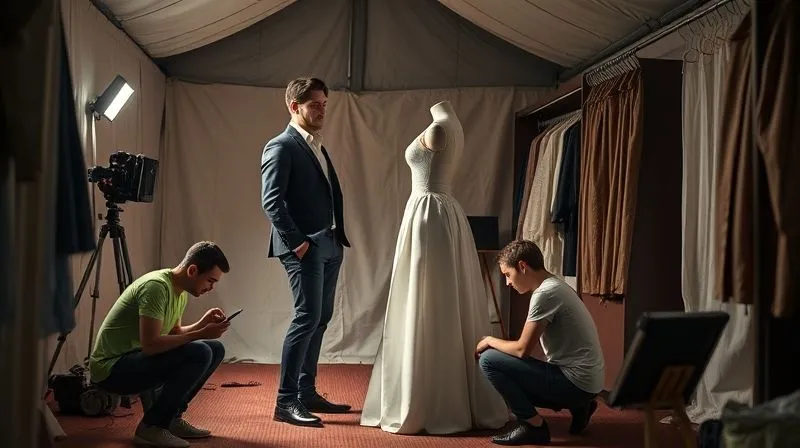
Post-Mortem & Prevention: Learning from the Crisis
Once the crisis has passed and the production is back on track, the work isn't truly over. The most valuable part of navigating an urgent redesign is the opportunity to learn from it. A thorough post-mortem can transform a stressful incident into a valuable lesson for future productions.
Conducting a Debrief
Gather your core team – and ideally, representatives from other affected departments (1st AD, Production Manager) – for a debrief. What went wrong? What went right? What could have been handled better? Celebrate successes and honestly analyze shortcomings. Was the initial assessment accurate? Was communication effective? Were the right resources available?
Updating Protocols and Contingency Plans
Use the insights gained from the debrief to update your department's protocols and contingency plans. If a specific type of fabric was problematic, consider alternatives for future projects. If a sourcing issue arose, identify new suppliers. Build a more robust emergency kit based on what you actually needed. The Costume Designers Guild often shares best practices for such scenarios. Explore resources from the Costume Designers Guild for industry standards.
Building a Robust Wardrobe Kit
Prevention is always better than cure. Invest in a comprehensive on-set emergency kit. This should include a range of sewing supplies, fabric glues, various adhesives, safety pins, fabric dyes, cleaning solvents, spare buttons, hooks, snaps, and even basic styling tools. Ensure your standby tailor is not just skilled but also equipped with the right tools for rapid problem-solving.
- Maintain detailed actor measurements and body scans: Account for potential changes.
- Order backup fabrics and trims: Especially for hero costumes.
- Schedule multiple fittings: Throughout pre-production and during the shoot.
- Establish clear communication channels: For reporting issues instantly.
- Empower your on-set team: Give them the autonomy and resources for quick fixes.
| Risk Category | Prevention Strategy |
|---|---|
| Actor Body Changes | Frequent fittings, contingency fabric, flexible garment design |
| Costume Damage | Multiple duplicates, robust on-set repair kit, material backup |
| Creative Changes | Clear communication, early mock-ups, director sign-offs |
| Comfort Issues | Actor feedback sessions, material testing, ergonomic design |
| Logistical Delays | Pre-sourced local suppliers, dedicated runner, emergency budget |
Frequently Asked Questions (FAQ)
How do you handle a lead actor who is resistant to costume changes, even when necessary? This requires diplomacy and empathy. First, understand their resistance – is it comfort, insecurity, or a creative concern? Frame the redesign as a collaborative solution that enhances their performance or protects the film's integrity. Show them options, involve them in the decision-making, and emphasize that the goal is to make them look and feel their best. Sometimes, a private conversation with the director or producer can help reinforce the necessity.
What if the original fabric or embellishment for a costume is irreplaceable? This is a nightmare scenario. Your options become highly limited. You might explore sourcing a very close substitute, even if it means a slight visual difference. Another approach is to creatively adapt the existing costume by re-cutting or re-draping the undamaged parts, or by using strategic layering with other garments to conceal the issue. This is where your deep knowledge of historical garment construction or fabric manipulation becomes crucial. Sometimes, the camera can be used to mitigate the issue by avoiding specific angles or lighting.
How do you manage budget overruns for urgent redesigns, especially if the production is already tight? Transparency and immediate reporting are key. As soon as you identify a potential budget overrun, inform the Production Manager and Producer with a clear breakdown of estimated costs (overtime, materials, expedited shipping). Present your most cost-effective solution first. Having a pre-approved contingency budget for wardrobe emergencies can help absorb these unexpected costs without derailing the main budget. Document every expense meticulously for accountability.
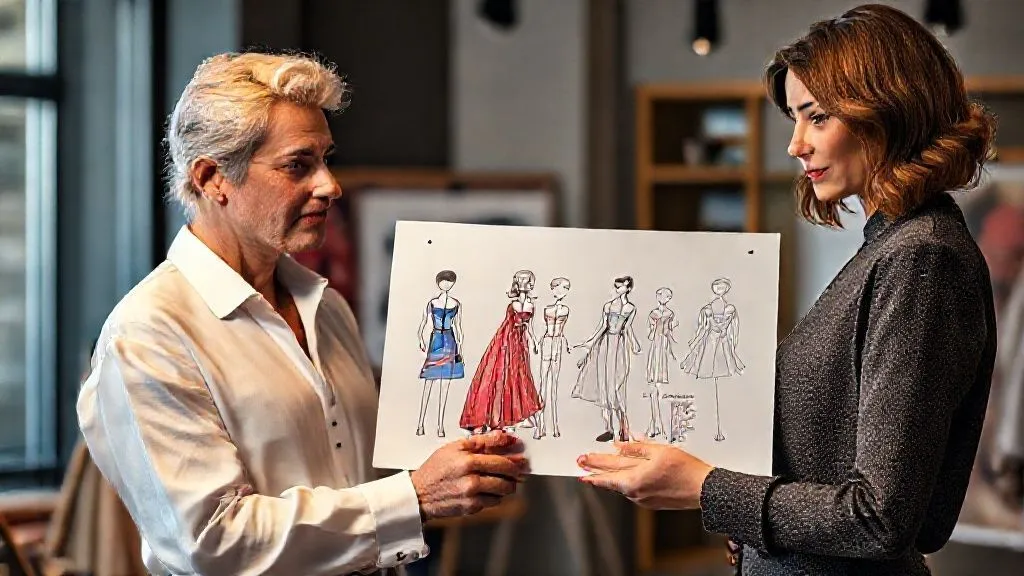
What's the fastest way to get approvals in a crisis when the director or producer is busy shooting? Establish a clear communication protocol beforehand. Designate a specific person (e.g., 1st AD, or a trusted assistant director) who can act as a liaison for urgent approvals. Prepare concise summaries of the problem and proposed solutions, ideally with visual aids (photos, quick sketches). Catch them during a natural break in shooting or send a quick text/email with the critical information and a clear 'yes/no' or 'approve option A/B' request. Don't waste their time with unnecessary details.
Is it ever okay to simply 'cut a scene' or change dialogue to avoid a costume redesign? While it's not a decision made by the costume department, it's a possibility that might be discussed by the director and producer. In extreme cases, where a costume issue is insurmountable and would cause unacceptable delays or budget overruns, and if the scene is not absolutely critical to the narrative, such a drastic measure might be considered. As a costume designer, your role is to present the costume-related facts and potential solutions, allowing the production leadership to make these broader creative and logistical decisions.
Key Takeaways and Final Thoughts
Navigating an urgent lead actor costume redesign mid-shoot is undeniably one of the most stressful challenges in film production. However, it's also a profound test of your expertise, your team's resilience, and your ability to think on your feet. By embracing a systematic approach, fostering clear communication, and leveraging your creative problem-solving skills, what seems like a catastrophic setback can be transformed into a testament to your department's professionalism.
- Act Fast, Assess Calmly: Triage the problem thoroughly before reacting.
- Communicate Proactively: Keep all stakeholders informed with solutions, not just problems.
- Strategize Solutions: Explore a spectrum of options from minor tweaks to full redesigns.
- Mobilize Resources Efficiently: Deploy your A-team, materials, and budget wisely.
- Embrace Compromise: Balance creative vision with logistical realities and actor comfort.
- Execute with Precision: Maintain quality control even under immense pressure.
- Learn and Prevent: Use every crisis as an opportunity to refine your protocols.
Remember, the heart of costume design is not just creating beautiful garments; it's about being an integral part of the storytelling process, adapting to its unpredictable nature, and ensuring that the magic on screen remains uninterrupted. When a lead actor's costume needs urgent redesign mid-shoot, you are the unsung hero, stitching together not just fabric, but the very fabric of the film's success. Stay prepared, stay focused, and trust your expertise.
Recommended Reading
- Cracking the Code: 7 Ways New Bloggers Land Exclusive Fashion Event Invites
- Unearthing Obscure Costume Details: A Filmmaker's 7-Step Research Guide
- 7 Pro Strategies: Capture Unique Street Style in Crowded Fashion Events
- 7 Steps: Select Truly Eco-Friendly Dyes for Production (No Greenwashing!)
- 7 Steps to Authenticate Your Vintage Chanel Flap Bag with Confidence

Your email address will not be published. Required fields are marked *