

How to Capture Unique Street Style in Crowded Fashion Events?
For over fifteen years immersed in the electrifying world of fashion photography, I've navigated countless crowded fashion events – from the high-octane energy of New York Fashion Week to the understated elegance of Milan's artisanal showcases. I've witnessed the exhilarating highs of capturing that 'one-in-a-million' shot and the frustrating lows of battling a sea of photographers, all vying for the same fleeting moment. It’s a challenge I know intimately.
The palpable energy, the kaleidoscope of styles, the sheer volume of photographers vying for attention – it’s a double-edged sword. While these events are a goldmine for visual content, the density of people and the competitive environment can often feel overwhelming, leading to generic shots that fail to truly stand out. The struggle to isolate unique street style amidst such chaos is a common pain point for even seasoned professionals.
In this definitive guide, I’ll share the battle-tested strategies, the subtle nuances, and the critical mindset shifts that will empower you to not just survive, but thrive, in these demanding environments. You'll learn how to anticipate moments, connect with subjects, and employ creative techniques to ensure your work truly reflects your unique vision and captures the authentic essence of street style, even in the most crowded fashion events. We'll explore actionable frameworks and expert insights designed to elevate your craft.
Mastering the Art of Pre-Event Reconnaissance
Before you even step foot into the bustling throng, your success hinges on meticulous preparation. In my experience, the photographers who consistently capture compelling, unique street style shots are those who treat their assignments like a strategic mission, not a spontaneous hunt. This preparation isn't about stifling creativity; it's about creating the foundation upon which inspired moments can flourish.
Researching the Schedule & Locations
Understanding the flow of the event is paramount. I always start by studying the official schedules, looking for key show timings, after-parties, and even secondary venues that might attract a different caliber of attendees. Knowing when and where the most stylish individuals are likely to congregate allows you to optimize your time and position yourself strategically. A little foresight goes a long way.
Think about the natural light at different times of day at specific locations. Is there a shaded alleyway that offers a consistent soft light, or a sun-drenched street corner that creates dramatic contrasts? These details can transform an ordinary backdrop into an extraordinary stage. Don't just show up; arrive with a mental map of photographic opportunities.
"Anticipation isn't just about predicting the future; it's about shaping it through informed action. In photography, this means being where the moment happens before it even begins."
Understanding the Brand Aesthetics
Each fashion event, and indeed each show within it, has a distinct aesthetic and audience. A show known for avant-garde designs will attract a different crowd than one showcasing minimalist luxury. By understanding these nuances, you can better anticipate the types of styles you'll encounter and tailor your approach. This isn't about pigeonholing; it's about refining your visual radar.
For example, if you know a particular designer is presenting a collection focused on sustainable textiles, you might look for attendees sporting upcycled fashion or natural fabrics. This targeted observation helps you spot truly unique street style that aligns with broader fashion narratives, making your captures more resonant. It adds depth to your visual storytelling.
The Photographer's Toolkit: Gear & Settings for Crowds
Having the right equipment and knowing how to wield it effectively are non-negotiable when facing the dynamism of a crowded fashion event. It's not about having the most expensive gear, but about understanding what tools will serve your specific photographic goals in a high-pressure, fast-moving environment. My philosophy has always been to prioritize versatility and speed.
Lens Selection for Versatility
When I'm out shooting street style in a crowded setting, my lens choices are crucial. I typically opt for a versatile setup that allows me to capture both wide contextual shots and tight portraits without constantly changing lenses, which can lead to missed moments. A fast prime lens, like a 50mm f/1.4 or 35mm f/1.4, is invaluable for its low-light performance and ability to create beautiful background blur, helping subjects pop from the crowd.
I also often carry a telephoto zoom, such as a 70-200mm f/2.8. This allows me to capture candid moments from a distance, isolating subjects without being intrusive, and compressing the background for a more intimate feel. The key is to be prepared for various scenarios, from close-up detail shots to full-body environmental portraits, all while navigating tight spaces.
Optimal Camera Settings for Fast-Paced Environments
In a crowded and unpredictable environment, your camera settings need to be responsive and forgiving. I typically shoot in Aperture Priority (Av) or Shutter Priority (Tv) mode, allowing me to control a key element while the camera handles the rest. For street style, I often prioritize a fast shutter speed to freeze motion, especially when subjects are walking or gesturing.
An aperture between f/2.8 and f/5.6 usually provides enough depth of field to keep the subject sharp while blurring distracting backgrounds. ISO should be adjusted to maintain a fast shutter speed, but kept as low as possible to minimize noise. Don't be afraid to push your ISO if necessary; a sharp, slightly noisy image is always preferable to a blurry one. I also rely heavily on continuous autofocus (AI Servo/AF-C) to track moving subjects effectively.
- Shutter Speed: Aim for 1/250s or faster to freeze motion. Increase to 1/500s+ for fast-moving subjects.
- Aperture: f/2.8 - f/5.6 for subject isolation with some environmental context. Wider for more blur, narrower for more depth.
- ISO: Auto ISO with a maximum limit (e.g., ISO 3200 or 6400) is a lifesaver. Otherwise, manually adjust to achieve desired shutter speed.
- Autofocus Mode: Continuous AF (AI Servo/AF-C) with a flexible spot or zone area.
- White Balance: Auto White Balance (AWB) is often sufficient, but custom presets can be useful in mixed lighting.
| Setting Category | Recommendation | Benefit |
|---|---|---|
| Lens Choice | Fast Prime (35mm/50mm f/1.4-1.8), Telephoto Zoom (70-200mm f/2.8) | Versatility, subject isolation, candid captures |
| Shutter Speed | 1/250s - 1/800s | Freezes motion, reduces blur in dynamic scenes |
| Aperture | f/2.8 - f/5.6 | Balances subject sharpness with background blur |
| ISO | Auto ISO (max 3200-6400) | Maintains fast shutter speed in varying light, minimizes noise |
| Autofocus | Continuous AF (AI Servo/AF-C) | Tracks moving subjects effectively, ensures sharp focus |
Strategic Positioning: Finding Your Niche in the Mayhem
In a sea of photographers, simply being present isn't enough. To capture unique street style in crowded fashion events, you must think like a chess player, anticipating moves and positioning yourself for optimal advantage. This often means moving against the flow, finding unconventional vantage points, and seeing the environment as a compositional tool.
Elevated Vantage Points
One of my go-to tactics in extremely crowded areas is to seek out elevated positions. This could be a set of stairs, a raised platform, or even a sturdy street planter. Shooting from a slightly higher angle can dramatically reduce the visual clutter of surrounding heads and shoulders, allowing your subject to stand out more prominently. It also offers a fresh perspective, moving beyond the eye-level shots everyone else is getting.
This technique works wonders for capturing the full outfit, from headwear to footwear, without obstruction. It’s about creating clean lines and a sense of space around your subject, even when they're surrounded. Always be mindful of safety and public access when choosing your elevated spot.
Utilizing Natural Barriers & Architecture
Crowds can be overwhelming, but they also present opportunities. Look for natural barriers or architectural elements that can help you create a 'pocket' of space around your subject. This might be a doorway, the edge of a building, or even a strategically placed tree. These elements can act as natural frames or provide a momentary break in the human traffic, giving you a clean shot.
Furthermore, use the architecture itself to your advantage. Reflective surfaces, interesting textures, or strong leading lines can add depth and visual interest to your compositions. Instead of seeing the crowd as an impediment, view it as a dynamic backdrop that, with careful framing, can enhance the story of your unique street style capture.
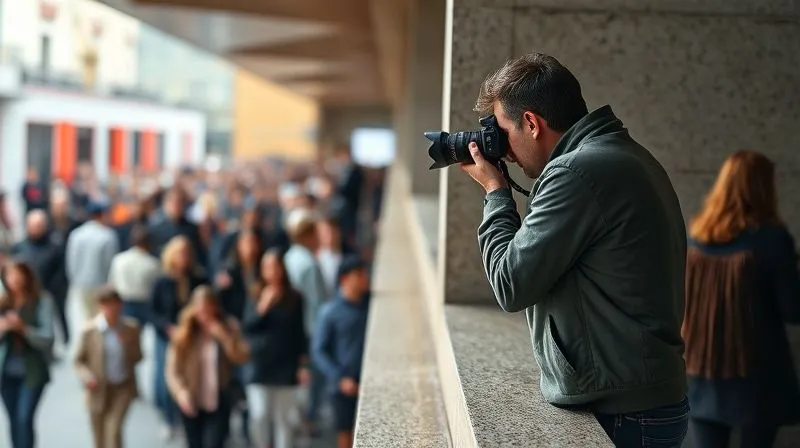
The Art of Observation: Spotting Genuine Style Amidst the Noise
This is where true expertise shines. Anyone can point a camera at a celebrity, but capturing unique street style requires an innate ability to discern authenticity and originality in a sea of trends. It's about seeing beyond the obvious, developing a 'fashion radar' that picks up on subtle cues and personal expressions.
Beyond the Obvious: Looking for Authenticity
I've seen countless photographers chase the same 'it' person, resulting in identical shots. My advice? Look past the loudest outfits and the most recognized faces. Seek out individuals whose style feels genuinely their own, not just a reflection of the latest runway. It could be a unique accessory, an unexpected color combination, or a vintage piece styled with modern flair. These are the details that tell a story.
Authenticity often manifests in confidence and ease. A person who truly embodies their style will carry it effortlessly. Watch for those moments of genuine self-expression, where the clothes seem to be an extension of their personality, rather than a costume. These are the individuals who will help you capture unique street style that resonates deeply.
Reading Body Language and Interactions
The best street style shots often capture a moment, not just an outfit. Pay close attention to how people interact with their environment, with each other, or even with their own clothing. A thoughtful glance, a confident stride, a playful gesture – these fleeting moments add layers of narrative and emotion to your photographs. They transform a static image of clothing into a dynamic portrait of individuality.
Candid shots, captured when the subject is unaware, often yield the most authentic expressions. However, even when posing, a skilled photographer can guide the subject to reveal their true self. It's about being present, patient, and having an almost intuitive sense of when a moment is about to unfold.
"The cost of being wrong is less than the cost of doing nothing."
Case Study: The 'Unseen Trend' at Paris Fashion Week
I recall a specific instance during Paris Fashion Week where everyone was chasing the same high-profile influencer. Instead, I focused on the periphery, noticing a recurring subtle detail – hand-painted vintage scarves worn by attendees who weren't necessarily in the front rows. These were artists, local fashion students, and boutique owners. By shifting my focus, I discovered a genuine, emerging trend that hadn't yet hit the mainstream blogs.
I spent an hour documenting these unique scarf styles, capturing not just the fabric but the stories of the wearers – their expressions, their personal styling choices. This resulted in a series of images that were published by a prominent fashion magazine, not because they featured celebrities, but because they showcased an authentic, burgeoning subculture. It proved that looking beyond the obvious can yield truly unique street style content.
Engaging with Subjects: The Ethical & Effective Approach
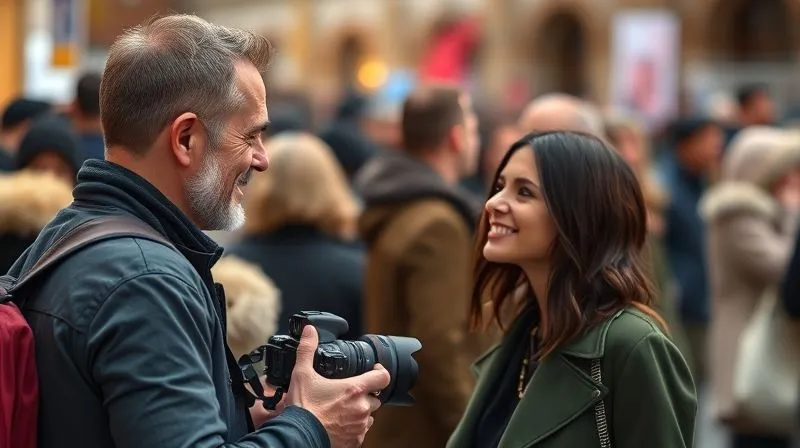
While candid shots are invaluable, sometimes the best street style requires a brief interaction. Approaching strangers in a chaotic environment can be daunting, but with a respectful, confident, and efficient approach, you can secure stunning portraits that elevate your portfolio and capture unique street style with intention.
The Quick, Respectful Ask
My golden rule is always to be polite and concise. A simple, "Excuse me, I love your style, may I take your picture for my portfolio?" is often all it takes. Be ready to shoot immediately after they agree. People at fashion events are often accustomed to this, but time is always of the essence. Don't waste their time, or yours. Have your camera settings pre-adjusted for the ambient light.
Maintain eye contact, offer a genuine smile, and be prepared for a polite 'no.' Not everyone wants their picture taken, and respecting that is crucial for building trust within the community. A positive attitude, even when declined, leaves a good impression and maintains your professional reputation.
- Make Eye Contact & Smile: Establish a non-threatening connection.
- Offer a Genuine Compliment: "I love your [specific item/overall style]."
- State Your Intention Clearly & Briefly: "I'm a photographer, may I take a quick photo?"
- Be Ready to Shoot: Have settings ready; don't fumble.
- Offer to Share: "What's your Instagram? I'd love to tag you."
- Thank Them: Sincerely, whether they agree or not.
Building Rapport in Seconds
Even in a fleeting interaction, you can establish a quick rapport. A genuine compliment about their specific style choice can open doors. If they're open to it, a brief, lighthearted exchange can relax them and lead to more natural poses. I've found that humor or a shared observation about the event can break the ice quickly. The goal is to make them feel comfortable and appreciated, not just like another subject.
Remember, you're not just taking a picture; you're creating a connection, however brief. This human element is what often transforms a good street style shot into a great one. It’s the difference between merely documenting an outfit and capturing a personality. For more on ethical considerations in street photography, I often refer to guides like those found at PetaPixel.
Creative Composition: Beyond the Full-Body Shot
To truly capture unique street style in crowded fashion events, you must move beyond the standard full-body portrait. While essential, a diverse portfolio demands a creative eye for composition, focusing on details, environmental storytelling, and dynamic angles. This is where your artistic vision truly comes to life.
Focusing on Details: Accessories, Textures, Gestures
Often, the most compelling elements of an outfit are in the details. A close-up of a unique handbag, an intricate piece of jewelry, the texture of a fabric, or a distinctive pair of shoes can be incredibly powerful. These shots offer a different perspective, highlighting the craftsmanship and personal touches that define unique style. Don't be afraid to crop tightly and fill the frame.
Similarly, capture gestures – the way someone holds their bag, adjusts their scarf, or runs a hand through their hair. These small movements add a human element and tell a story beyond the clothes themselves. They bring life and authenticity to your images, making them more engaging than a static pose. It’s about creating a rich tapestry of visual information.
Incorporating Environmental Elements
The environment is not just a backdrop; it's an integral part of the narrative. Use architectural lines, vibrant street art, or even the blurred motion of the crowd to frame your subject or add context. Look for leading lines that draw the viewer's eye towards your subject, or reflections that create interesting visual layers. This approach elevates your street style photography from mere documentation to environmental portraiture.
Consider the color palette of the surroundings and how it interacts with the subject's outfit. A pop of color against a neutral background, or a harmonious blend of tones, can create stunning visual impact. This thoughtful integration of the environment helps to capture unique street style in its natural habitat, telling a richer story.
"Don't think, FEEL! It is like a finger pointing a way to the moon. Don't concentrate on the finger or you will miss all that heavenly glory."
This quote, often attributed to Bruce Lee, resonates deeply with the idea of moving beyond rigid rules and truly feeling the moment and the composition.
| Composition Technique | Description | Benefit |
|---|---|---|
| Rule of Thirds | Place subject or key elements along grid lines or intersections for balanced and engaging compositions. | Creates visual harmony, draws viewer's eye naturally. |
| Leading Lines | Use natural or architectural lines to guide the viewer's eye towards the main subject. | Adds depth, directs focus, creates dynamic flow. |
| Framing | Utilize elements like doorways, windows, or foliage to naturally frame your subject. | Isolates subject, adds context, creates a sense of intimacy. |
| Symmetry & Patterns | Look for repeating elements or symmetrical scenes for visually pleasing and strong compositions. | Creates order, visual interest, and a sense of balance. |
| Negative Space | Use empty or uncluttered areas around your subject to make them stand out. | Emphasizes subject, creates a sense of calm, highlights simplicity. |
Post-Production Magic: Enhancing Your Unique Vision
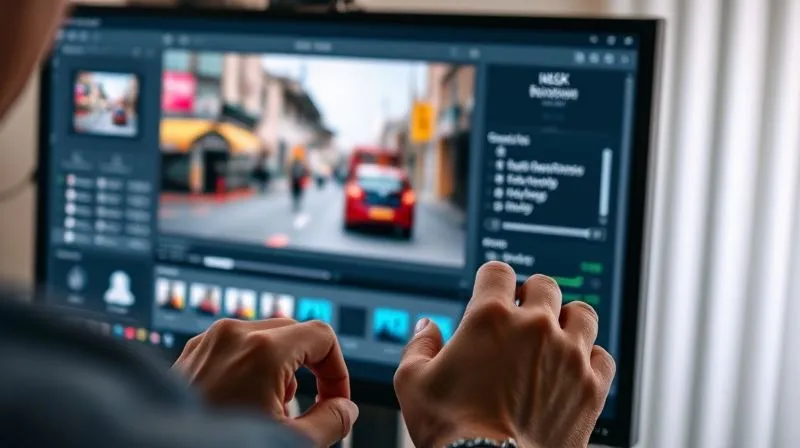
The work doesn't end when you press the shutter. Post-production is a critical phase where you can refine your vision, enhance the mood, and truly make your unique street style images shine. It's about bringing out the best in your captures and establishing a consistent, recognizable style that sets your work apart.
Culling for Impact
After a busy event, you'll likely have hundreds, if not thousands, of images. The first step in post-production is ruthless culling. Don't be emotionally attached to every shot. Be objective: which images truly capture unique street style? Which ones tell a story? Which are technically sound? I advocate for a multi-pass culling system, starting broad and getting progressively more selective.
Look for sharpness, compelling composition, authentic expression, and overall impact. Discard anything that doesn't meet your highest standards. A strong portfolio is built on quality, not quantity. Remember, a few exceptional images are far more valuable than a hundred mediocre ones.
Developing a Signature Editing Style
This is where your unique artistic voice truly emerges. Beyond basic adjustments like exposure and white balance, consider how you want your images to feel. Do you prefer a vibrant, high-contrast look, or a more muted, film-like aesthetic? Experiment with color grading, split toning, and selective adjustments to develop a signature style that is instantly recognizable as yours.
Consistency is key. While each image might require slightly different adjustments, your overall body of work should have a cohesive look and feel. This not only makes your portfolio more professional but also helps you to capture unique street style in a way that is distinctly yours. For in-depth tutorials on developing a unique editing style, resources like Adobe's photography blog are invaluable.
Cultivating a Resilient Mindset: Persistence & Patience
Finally, and perhaps most importantly, is the mindset you bring to the field. Fashion photography, especially street style in crowded environments, is as much a mental game as it is a technical one. Cultivating resilience, persistence, and patience is essential to consistently capture unique street style and maintain your passion.
Embracing the Unpredictable
Crowded fashion events are inherently chaotic. The light might change suddenly, an unexpected person might step into your frame, or your ideal subject might disappear before you get the shot. Instead of getting frustrated, embrace the unpredictability. See it as part of the challenge, an opportunity to adapt and innovate. Some of my most memorable shots have come from moments of unexpected improvisation.
Learn to react quickly, adjust your settings on the fly, and always be looking for the next opportunity. A flexible mindset allows you to turn potential setbacks into creative triumphs. It's about maintaining a positive outlook and trusting your instincts, even when things don't go according to plan.
Learning from Every Shot
Every single shot you take, whether it's a keeper or a discard, is a learning opportunity. Review your work critically, not just for what worked, but for what didn't. Why did that shot miss focus? How could you have composed that scene differently? What expression were you trying to capture, and did you succeed?
This continuous self-assessment is vital for growth. Don't be afraid to experiment and push your boundaries. The journey to consistently capture unique street style is an ongoing process of learning, adapting, and refining your craft. As The Phoblographer often emphasizes, the challenges are what make the rewards so much sweeter.
Frequently Asked Questions (FAQ)
What's the absolute best lens for crowded street style photography? While personal preference plays a huge role, if I had to pick just one, it would be a versatile 50mm f/1.4 or f/1.8 prime lens. Its natural perspective is close to the human eye, it's excellent in low light, and its wide aperture allows for beautiful subject isolation from a busy background. It's compact, discreet, and forces you to 'zoom with your feet,' encouraging more dynamic compositions. However, a 35mm is also fantastic for wider context, and a 70-200mm zoom is invaluable for candid telephoto captures.
How do you deal with other photographers aggressively vying for the same shot? This is a common frustration, but my approach is to remain calm and professional. Firstly, try to anticipate where the crowds of photographers will gather and either avoid those areas or position yourself differently (e.g., higher, lower, or to the side) to get a unique angle. If you find yourself in a direct conflict, a polite, firm request to respect personal space can sometimes work, but often, it's best to simply move on. Your time is better spent finding new opportunities than engaging in a turf war. Patience and strategic repositioning are your best friends.
Is using flash acceptable for street style photography in crowded events? Generally, I advise against using direct on-camera flash in a crowded fashion event. It can be intrusive, distracting for subjects and other photographers, and often results in harsh, unflattering light. Natural light is always preferred for street style. However, if you are skilled with off-camera flash or a small, diffused fill flash used subtly for specific artistic effect, it can be an option. The key is subtlety and ensuring it enhances, rather than detracts from, the natural ambience and the subject's look. Always prioritize being discreet.
How can I get my street style photos noticed by fashion publications or designers? Beyond capturing unique street style, consistent quality and strategic sharing are vital. Build a strong, curated portfolio on platforms like Instagram, Behance, or your personal website. Tag designers, stylists, and models in your photos (with their permission). Network at events – exchange cards, follow up. Submit your best work to online fashion photography communities or smaller, independent fashion blogs. Consistency, a distinctive style, and active engagement are key. Consider creating themed series of images rather than just individual shots to showcase your vision.
What are the ethical considerations when photographing strangers in public at fashion events? Ethics are paramount. While public spaces generally allow photography, respect for individuals is crucial. Always be polite and ask for permission if you intend to use the image commercially or if the subject is clearly uncomfortable. Avoid intrusive or disrespectful behavior. Be mindful of privacy, especially if capturing children or vulnerable individuals. If someone explicitly asks you not to take their picture, respect their wishes. My rule of thumb is to photograph others as you would want to be photographed: with respect, dignity, and a genuine appreciation for their presence. For detailed legal and ethical guidelines, it's wise to consult resources like NPPA's ethics guidelines.
Key Takeaways and Final Thoughts
- Preparation is Power: Research event schedules, locations, and brand aesthetics to anticipate opportunities and capture unique street style effectively.
- Master Your Toolkit: Choose versatile lenses and optimize camera settings for fast-paced, crowded environments to ensure sharp, dynamic captures.
- Position Strategically: Seek out elevated vantage points and utilize architectural elements to isolate subjects and create clean, compelling compositions.
- Observe with Intention: Look beyond the obvious for authentic style and fleeting moments of genuine expression, reading body language to tell a deeper story.
- Engage Respectfully: Approach subjects with politeness and efficiency, building quick rapport to secure stunning, natural portraits.
- Compose Creatively: Focus on details, textures, and environmental integration to add depth and narrative to your street style images, moving beyond standard shots.
- Refine in Post: Be ruthless in culling and develop a signature editing style to enhance your unique vision and create a cohesive, impactful portfolio.
- Cultivate Resilience: Embrace unpredictability and learn from every shot, fostering patience and persistence in the face of challenges.
Capturing unique street style in crowded fashion events is undoubtedly a demanding art. It requires a blend of technical prowess, artistic vision, and a deep understanding of human interaction. But it is precisely in these challenging environments that truly exceptional work is born. By applying these strategies, you're not just taking pictures; you're honing your craft, developing your unique voice, and telling stories that resonate.
So, arm yourself with knowledge, trust your eye, and step into the fray with confidence. The next unforgettable moment, the next truly unique street style capture, is waiting for you to find it. Go forth and create, knowing you have the tools to transform chaos into captivating art.
Recommended Reading
- Stop the Burn: 5 Pro Strategies for Chafing-Free High-Intensity Training
- 7 Proven Strategies: Retaining Master Artisans for Unparalleled Couture Quality
- 7 Expert Strategies: Source Stylish Smart Accessories, Beat Obsolescence
- 7 Proven Steps: Preventing Irreversible Damage to Vintage Textiles
- Stale Fashion Blog Outfits? 7 Fresh Angles to Innovate Your Content Now


Your email address will not be published. Required fields are marked *