

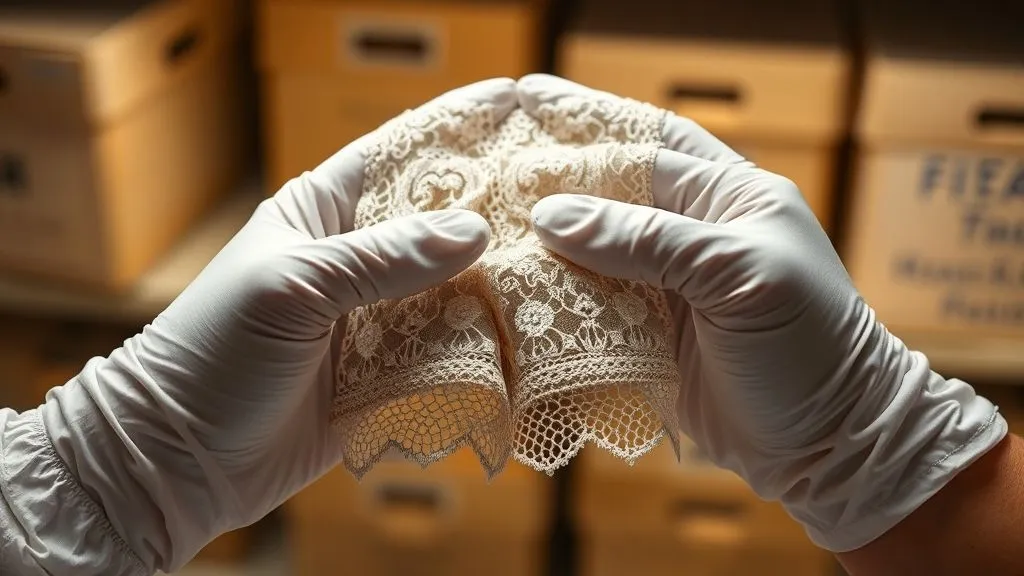
Preventing Irreversible Damage to Delicate Vintage Accessory Textiles?
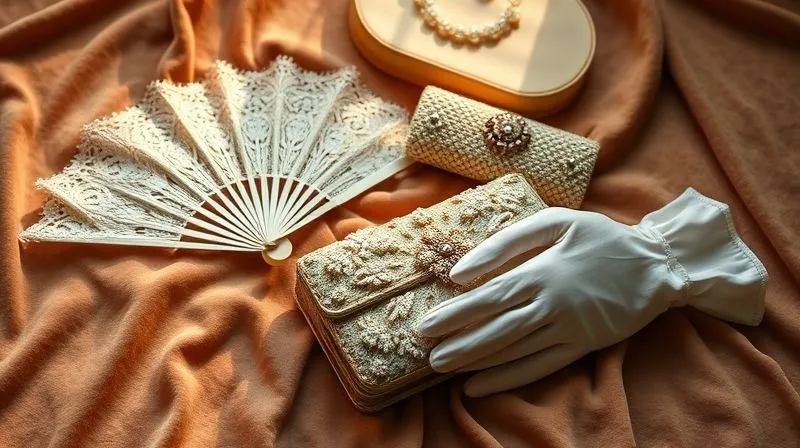
For over two decades in the vintage fashion industry, I've had the privilege of handling countless exquisite pieces—from roaring twenties flapper dresses to intricate Victorian lace fans. During this time, I've also witnessed the heartbreaking reality of beautiful, historically significant textiles succumbing to preventable damage. The sight of a once-vibrant silk scarf faded beyond recognition or a delicate beaded purse crumbling at a touch is a stark reminder of how fragile these treasures truly are.
The passion for vintage accessories often comes with a unique challenge: their inherent fragility. Unlike modern items, these pieces carry the weight of decades, sometimes centuries, of history, making them susceptible to a myriad of environmental and handling perils. The fear of inadvertently causing irreversible damage to a cherished heirloom or a rare find is a genuine pain point for collectors and enthusiasts alike.
But what if I told you that with the right knowledge and a methodical approach, you can significantly mitigate these risks? In this definitive guide, I will share my expert insights, actionable frameworks, and real-world strategies for
Understanding the Enemy: The Science of Textile Degradation
Before we can protect, we must first understand what we're protecting against. Textile degradation isn't a single event but a complex interplay of chemical and physical processes that weaken fibers over time. As an industry specialist, I've seen how often collectors underestimate these invisible forces.
Natural fibers like silk, wool, cotton, and linen, common in vintage accessories, are organic polymers. They are susceptible to hydrolysis, oxidation, and photolysis. Hydrolysis occurs when water molecules break down chemical bonds within the fibers, often exacerbated by high humidity. Oxidation, on the other hand, is a reaction with oxygen, leading to embrittlement and discoloration, a process accelerated by light and pollutants. Photolysis is direct damage from light energy, particularly UV radiation, which breaks down dye molecules and fiber structures.
Synthetic fibers, while more resilient in some aspects, have their own vulnerabilities. Early synthetics like rayon or acetate can be particularly susceptible to moisture and heat. The key takeaway here is that every fiber type has its Achilles' heel, and recognizing these vulnerabilities is the first step in
| Damage Type | Primary Cause | Affected Fibers |
|---|---|---|
| Fading/Discoloration | UV Light, Oxidation | All, especially silk, dyes |
| Embrittlement/Tears | Hydrolysis, Oxidation, Physical Stress | Silk, Rayon, Cotton, Lace |
| Mold/Mildew | High Humidity, Poor Air Circulation | All natural fibers |
| Pest Infestation | Attraction to protein fibers (wool, silk), dirt | Wool, Silk, Cotton |
| Stains/Spots | Spills, Environmental Pollutants | All, depending on substance |
The Role of Acidity and Alkalinity
Another silent destroyer is pH. Textile fibers generally prefer a neutral to slightly acidic environment. Exposure to highly acidic or alkaline conditions, whether from improper cleaning agents, acidic storage materials, or environmental pollutants, can severely weaken fibers. I’ve seen beautiful silk scarves turn brittle and yellow because they were stored in an acidic cardboard box or washed with a harsh detergent. Always consider the chemical environment your vintage textiles are exposed to.
Environmental Guardians: Mastering Storage Conditions
Once you understand the mechanisms of damage, the next logical step is to control the environment. This is where most collectors can make the most significant difference in
Temperature and Humidity: The Dynamic Duo
Temperature and relative humidity (RH) are perhaps the most critical environmental factors. High temperatures accelerate chemical reactions, while high humidity encourages mold growth and hydrolysis. Low humidity, conversely, can cause fibers to become brittle. My recommendation, echoing professional conservation standards, is to aim for a stable temperature between 60-75°F (15-24°C) and a relative humidity of 45-55%. Fluctuations are just as damaging as extremes, so consistency is key.
Light Control: The Invisible Threat
Light, especially ultraviolet (UV) light, is a primary culprit for fading and fiber degradation. Direct sunlight is an absolute no-go. Even indirect sunlight or strong artificial light over prolonged periods can cause irreversible damage. Store your vintage textiles in dark, enclosed spaces. If display is a must, use UV-filtering sleeves on lights or display cases, and rotate items regularly to minimize exposure.
Air Quality: A Breath of Fresh Air (or Lack Thereof)
Pollutants like dust, soot, and chemical fumes from paints, glues, or even new furniture can settle on fibers and cause chemical reactions. Good air circulation is important to prevent stagnant, humid air, but direct exposure to dusty environments is detrimental. Use archival-quality storage materials that offer protection from airborne particles. The American Institute for Conservation provides excellent guidelines on textile storage.
Case Study: Rescuing 'The Crimson Veil' from Environmental Decay
I once consulted for a client who inherited a stunning, intricately embroidered Victorian mourning veil, 'The Crimson Veil,' dating back to the 1880s. It was a family heirloom, but years of improper storage in an attic had taken their toll. The silk velvet had begun to stiffen, the embroidery threads were brittle, and there were faint, suspicious spots of mildew. The client was heartbroken, believing the damage irreversible.
My assessment revealed that the attic's fluctuating temperatures and high humidity were the primary culprits. We immediately moved the veil to a climate-controlled room. I instructed the client to gently clean any surface dust with a soft brush and then carefully interleave the veil with acid-free tissue paper before placing it in a purpose-built, breathable archival storage box. We also introduced silica gel packets (monitored and recharged) to control localized humidity within the box.
Within six months, the mildew had ceased its spread, and the velvet had regained some of its suppleness, though the existing damage was permanent. This experience underscored the power of environmental control. Had these measures been in place earlier, the veil would have remained pristine. This is a clear example of how proactive environmental management is paramount in
The Gentle Touch Protocol: Handling Delicate Vintage Accessories
It sounds simple, but proper handling is often overlooked. Many assume that if an item isn't actively being cleaned or displayed, it's safe. However, improper handling during examination, photography, or even just moving from one place to another can inflict micro-damages that accumulate over time, leading to significant structural failure.
- Always Wash Your Hands: This is non-negotiable. Oils, lotions, and dirt from your hands can transfer to textiles, causing stains and accelerating degradation.
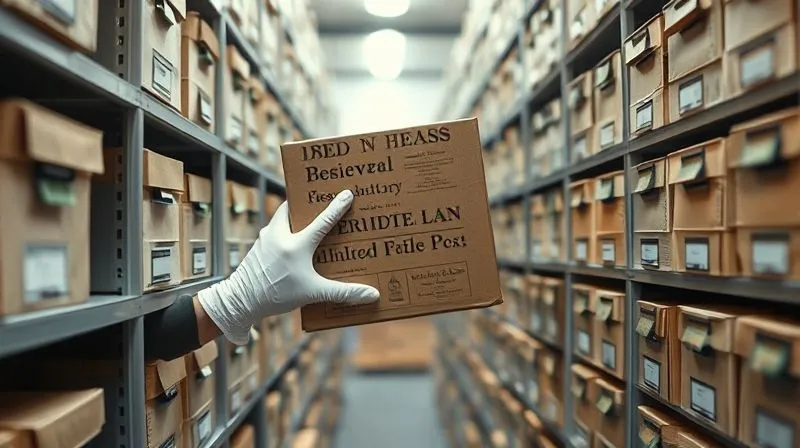
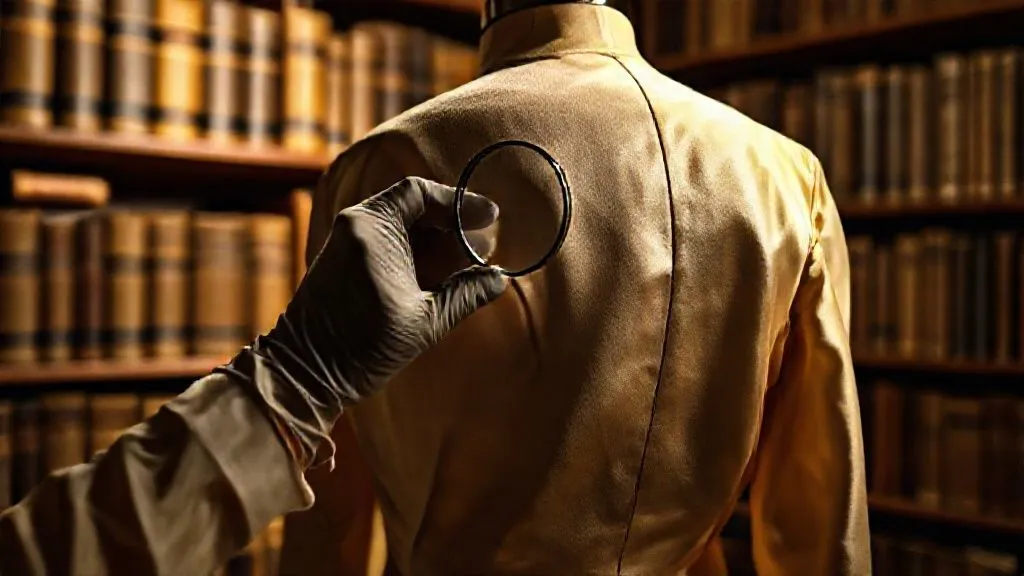
- Wear Cotton or Nitrile Gloves: For particularly delicate or light-colored items, gloves provide an extra layer of protection against skin oils and dirt. They also improve grip on smooth fabrics, reducing the chance of accidental drops.
- Support the Entire Item: Never lift a vintage textile by a single point, like a strap, sleeve, or a corner. The weight of the item, combined with weakened fibers, can cause tears. Always support the entire weight from underneath, using both hands or a flat, padded surface.
- Avoid Pinching or Pulling: Resist the urge to tug, stretch, or pinch fabric to examine details. Use a soft, flat tool or your gloved fingertips to gently maneuver the textile.
- Work on a Clean, Flat Surface: Before handling, prepare a clean, spacious work area. Cover it with a clean, lint-free cloth or archival paper to provide a safe, soft surface.
“Every touch, every movement, has the potential to either preserve or diminish a vintage textile. Treat each piece as if it were a fragile artifact, because that’s precisely what it is.”
Cleaning Conundrums: Safe Practices for Vintage Textile Care
Cleaning vintage textiles is arguably the most nerve-wracking aspect of preservation. My golden rule is: less is more, and professional is best. However, for minor issues or certain robust textiles, careful home intervention might be possible.
When to Clean (and When NOT To)
Not all vintage items need cleaning. If an item is structurally sound, odor-free, and has no visible dirt or stains, consider leaving it as is. Over-cleaning can be more damaging than leaving minor surface dust. If cleaning is absolutely necessary, always ask:
- Is the textile stable enough to withstand cleaning?
- Are the dyes colorfast?
- What is the fiber content?
- What is the nature of the soil/stain?
For valuable or extremely delicate items, always consult a professional textile conservator. They have specialized knowledge, equipment, and chemicals to safely treat vintage textiles. The Victoria and Albert Museum offers insightful advice on textile care, including cleaning.
Gentle Surface Cleaning
For surface dust, a very soft brush (like a camel-hair brush) or a low-suction vacuum cleaner with a mesh screen attachment can be used. Always test in an inconspicuous area. For spot cleaning, identify the stain and fiber type. Distilled water and a clean, white cloth can sometimes lift fresh, water-soluble stains. Blot, don't rub. Avoid harsh chemicals, bleach, or even common household detergents, as their pH levels can be devastating to old fibers.
Wet Cleaning Considerations
Wet cleaning (washing) is extremely risky for many vintage textiles. Dyes can bleed, fibers can shrink or distort, and embellishments can detach. If you must wet clean a robust, colorfast item (e.g., a sturdy cotton apron), use cool distilled water, a pH-neutral textile detergent (specifically designed for delicate or historic textiles), and support the item fully during the entire process, from washing to drying. Never wring or twist. Lay flat to dry on a clean, absorbent surface, away from direct heat or sunlight.
Fortress Against Foes: Pest and Mold Prevention Strategies
Pests and mold are insidious enemies of vintage textiles, capable of causing swift and severe damage. I've seen entire collections decimated by an unchecked moth infestation. Prevention is your strongest weapon.
Pest Patrol: Keep Them Out!
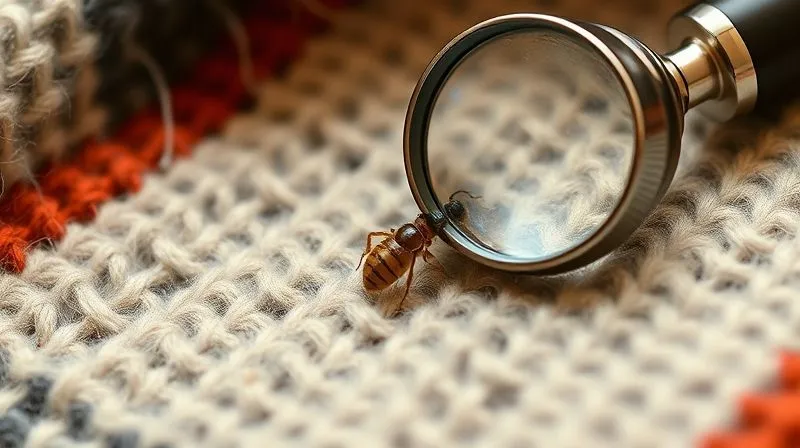
- Regular Inspection: Periodically check your stored items for any signs of pest activity: tiny holes, webbing, frass (insect droppings), or actual insects.
- Cleanliness: Keep storage areas meticulously clean. Vacuum regularly, ensuring no crumbs, dust, or hair are left to attract pests.
- Sealed Storage: Store items in acid-free boxes or garment bags made from breathable, archival materials. Ensure these are tightly sealed to prevent pest entry. Avoid plastic bags that trap moisture and restrict airflow.
- Natural Repellents (with Caution): Cedar can be effective, but its oils can stain textiles. If using cedar, ensure it never directly touches the fabric. Lavender sachets are a gentler option, but their effectiveness is limited. Avoid mothballs, as the chemicals are toxic and can damage textiles and human health.
- Freezing (for Infestation): For an active infestation in a small, robust item, carefully sealing it in a plastic bag and freezing it for several days can kill pests. Always research this method thoroughly for the specific textile, as rapid temperature changes can be risky.
Mold and Mildew: The Damp Threat
Mold thrives in damp, stagnant conditions. Controlling humidity, as discussed earlier, is paramount. Ensure good air circulation in storage areas. If you discover mold, isolate the item immediately. For minor, superficial mold on a dry textile, you might be able to gently brush it off outdoors (wearing a mask). For extensive or active mold, a professional conservator is essential, as spores can be hazardous and difficult to remove without further damage.
Light, Dust, and Display: Showcasing Your Treasures Safely
Many vintage accessories are meant to be admired, not hidden away. However, displaying them comes with its own set of risks. Balancing aesthetics with preservation is crucial for
The Perils of Light Exposure
As mentioned, light is a major degradative agent. When displaying vintage accessories:
- Avoid Direct Sunlight: Absolutely no direct sun exposure. Position displays away from windows.
- Control Artificial Light: Use low-UV light sources, such as LED bulbs, which emit very little UV radiation and heat. Keep light levels low and turn off lights when not actively viewing.
- Rotate Items: If you have multiple items, rotate them frequently. Display an item for a few months, then store it safely for a longer period, bringing out another piece. This minimizes cumulative light exposure.
Dust and Environmental Particulates
Dust isn't just unsightly; it can be abrasive, stain textiles, and attract pests. Display cases are highly recommended. These can be custom-made from archival materials or purchased ready-made. Ensure they are well-sealed to prevent dust ingress. For items on open display (which I generally advise against for delicate pieces), regular, gentle dusting with a very soft brush is necessary.
Mounting and Support
When displaying items like hats, scarves, or jewelry, ensure they are properly supported. Use padded forms for hats, acid-free tissue to gently stuff and shape bags, and non-reactive, padded hangers for garments. Never hang delicate items by a single point if their weight could cause stress or distortion. For jewelry, ensure display surfaces are inert and won't react with metals or stones, or abrade delicate fabric elements.
Emergency Response: What to Do When Damage Occurs
Despite our best efforts, accidents happen. A spill, a snag, or the sudden discovery of a pest problem can feel like a disaster. Knowing how to react quickly and appropriately can often prevent minor damage from becoming irreversible.
- Stay Calm: Panic can lead to hasty decisions that worsen the situation. Take a deep breath.
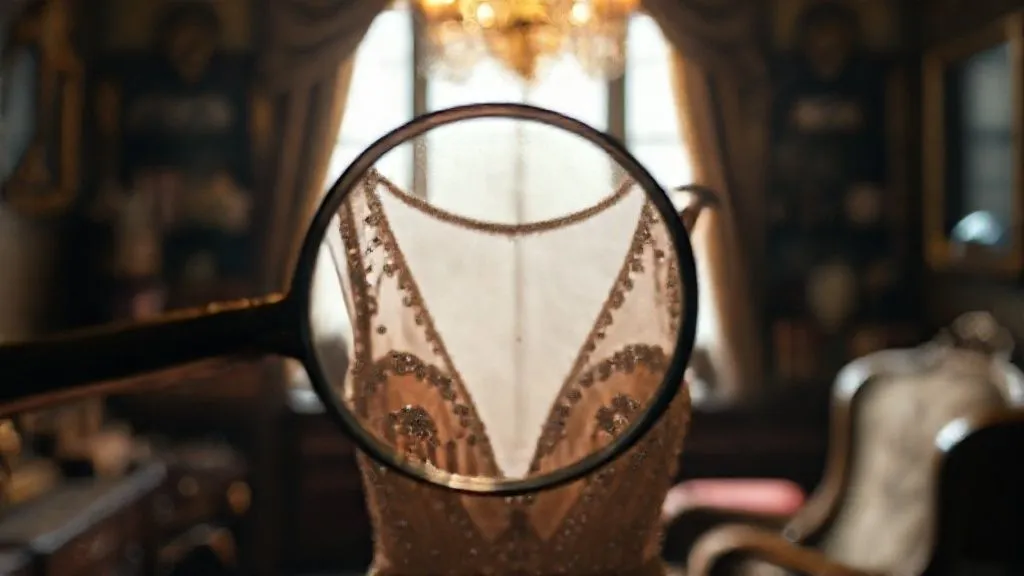
- Assess the Situation: What kind of damage is it? Is it a fresh spill or an old stain? Is it a tear, a snag, or a sign of pest activity?
- Isolate the Item: If it's a spill, remove the item from the source. If it's a pest issue, immediately isolate the item to prevent spread.
- Do NOT Self-Treat Aggressively: My strongest advice here is to resist the urge to immediately try to fix it with household remedies. Many common stain removers or glues are highly damaging to vintage textiles.
- Document: Take clear photographs of the damage. This will be invaluable for a conservator.
- Seek Professional Help: For anything beyond superficial dust, your best course of action is to contact a professional textile conservator. They are trained to assess damage and recommend the least invasive, most effective treatment. The American Institute for Conservation's 'Find a Conservator' tool is an excellent resource.
The Ethics of Restoration: Repair, Conserve, or Leave As Is?
This is a philosophical question I often grapple with in the vintage world. When is it appropriate to intervene, and when should we respect the passage of time? As an expert, I believe in a balanced approach, always prioritizing the integrity and historical value of the piece.
Repair vs. Conservation
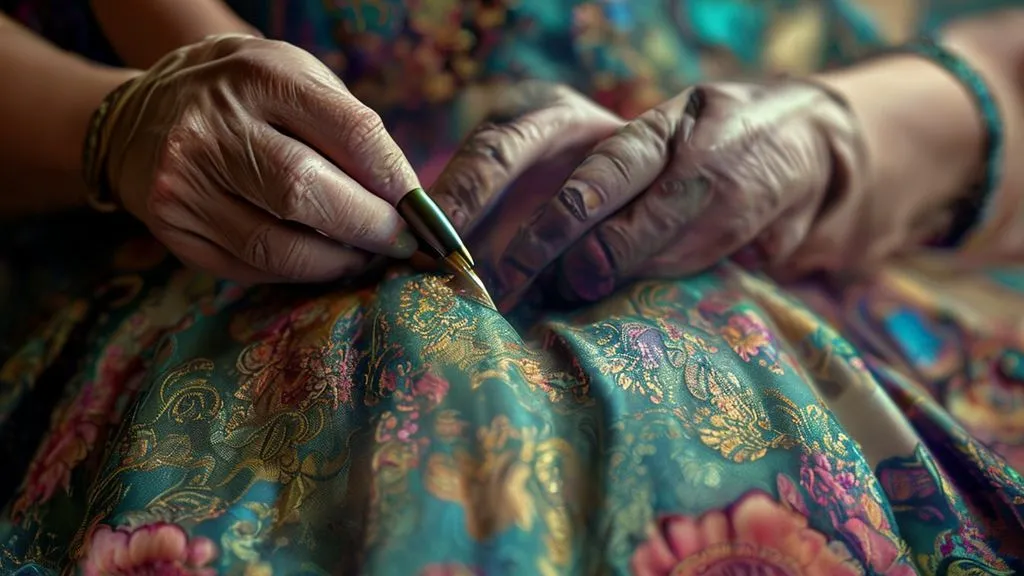
Repair often implies making an item functional or aesthetically pleasing again, sometimes using modern methods or materials that might not be reversible. For a beloved but not historically significant item, a sympathetic repair by a skilled seamstress might be acceptable.
Conservation, on the other hand, focuses on stabilizing the item, preventing further deterioration, and preserving its original materials and historical evidence. Conservation treatments are always reversible and use archival-quality materials. This is the gold standard for valuable or historically important pieces.
The 'Leave As Is' Philosophy
Sometimes, the most ethical approach is to do nothing at all beyond creating a stable storage environment. This is particularly true for items where any intervention could destroy valuable historical evidence, or where the damage is simply part of the item's unique story. A faded patch on a vintage travel bag might tell a tale of its journeys that a 'restoration' would erase. This philosophy is about accepting the item's journey through time.
“The goal is not to make a vintage textile look new, but to preserve its authenticity and ensure its survival, respectful of its age and story.”
| Intervention Type | Goal | Risk Level |
|---|---|---|
| Surface Cleaning (Dust Removal) | Prevent abrasion, attract pests | Low (with care) |
| Stabilization (Minor Tears) | Prevent further tearing | Medium (professional recommended) |
| Stain Removal | Improve aesthetics, prevent degradation | High (professional essential) |
| Dye Retouching/Re-dying | Restore original appearance | Very High (often irreversible, not conservation) |
| Structural Replacement (e.g., new lining) | Functionality, support | High (can alter originality) |
Frequently Asked Questions (FAQ)
Can I really clean vintage silk at home? While some robust, colorfast silk items might tolerate a very gentle, cool-water hand wash with pH-neutral soap, I generally advise against it for delicate vintage silk. Silk is notoriously fragile when wet, prone to water spotting, dye bleeding, and loss of luster. For any valuable or delicate silk accessory, professional dry cleaning by a specialist experienced in vintage textiles, or consultation with a conservator for wet cleaning, is the safest approach to avoid
How do I know if a textile is too fragile to handle? If a textile feels stiff, brittle, or crinkly, if threads are visibly breaking or disintegrating, or if it shows signs of extensive degradation (like shattering silk or crumbling lace), it's likely too fragile for anything more than the most minimal, gloved handling on a fully supported surface. Any attempt to move or manipulate it without extreme caution could cause immediate,
What's the best way to store a vintage hat with delicate netting? For a vintage hat with delicate netting, the best storage involves supporting its original shape without causing stress. Use an acid-free tissue paper to gently stuff the crown, ensuring it's full but not stretched. Place the hat on a padded, acid-free hat form if available, or directly into an adequately sized, acid-free archival hat box. Ensure the netting is not crushed or creased. Store the box in a cool, dark, stable environment, away from humidity and light.
How often should I inspect my stored vintage accessories? I recommend a thorough inspection of your stored vintage accessories at least twice a year, ideally seasonally (e.g., spring and autumn). This allows you to check for any signs of pest activity, mold growth, or environmental changes (like unexpected humidity). Early detection of these issues is crucial for
What are the signs of irreversible damage vs. treatable damage? Irreversible damage typically includes significant fiber loss, shattering, severe fading that has altered the original color entirely, or extensive degradation where the textile has lost its structural integrity. These issues cannot be fully reversed, though conservation can stabilize them. Treatable damage, on the other hand, might include surface dirt, minor stains that haven't set deeply, small tears that can be stabilized, or minor pest activity caught early. The distinction often lies in whether the original material can be preserved or if it has fundamentally changed beyond repair.
Key Takeaways and Final Thoughts
- Understand the Science: Recognize how light, humidity, temperature, and chemicals degrade textiles.
- Master Your Environment: Stable, dark, and clean storage is your most powerful tool.
- Handle with Reverence: Always use clean, gloved hands and support items fully.
- Clean Cautiously: Less is more; consult professionals for valuable items.
- Fortify Against Foes: Regular inspections and sealed storage deter pests and mold.
- Display Safely: Control light, use protective cases, and rotate items.
- Act Swiftly, Consult Wisely: In an emergency, isolate and seek expert advice.
The journey of collecting and preserving vintage accessories is a rewarding one, connecting us to history and artistry. While the fragility of these items can be daunting, remember that knowledge is your greatest ally. By adopting these expert strategies and committing to meticulous care, you are not just preserving fabric; you are safeguarding stories, craftsmanship, and a tangible link to the past. Your dedication to
Recommended Reading
- 7 Ways to Differentiate Men's Sustainable Denim & Dominate the Market
- Unlock the Secret: How to Prevent Platinum Jewelry from Scratching Easily
- Uncover the Hidden Impact: How Wartime Rationing Reshaped 1940s Fashion
- 5 Reasons Why Current Boot Styles Fail Consumer Comfort Demands
- 7 Ways New Streetwear Brands Differentiate in an Oversaturated Market

Your email address will not be published. Required fields are marked *