

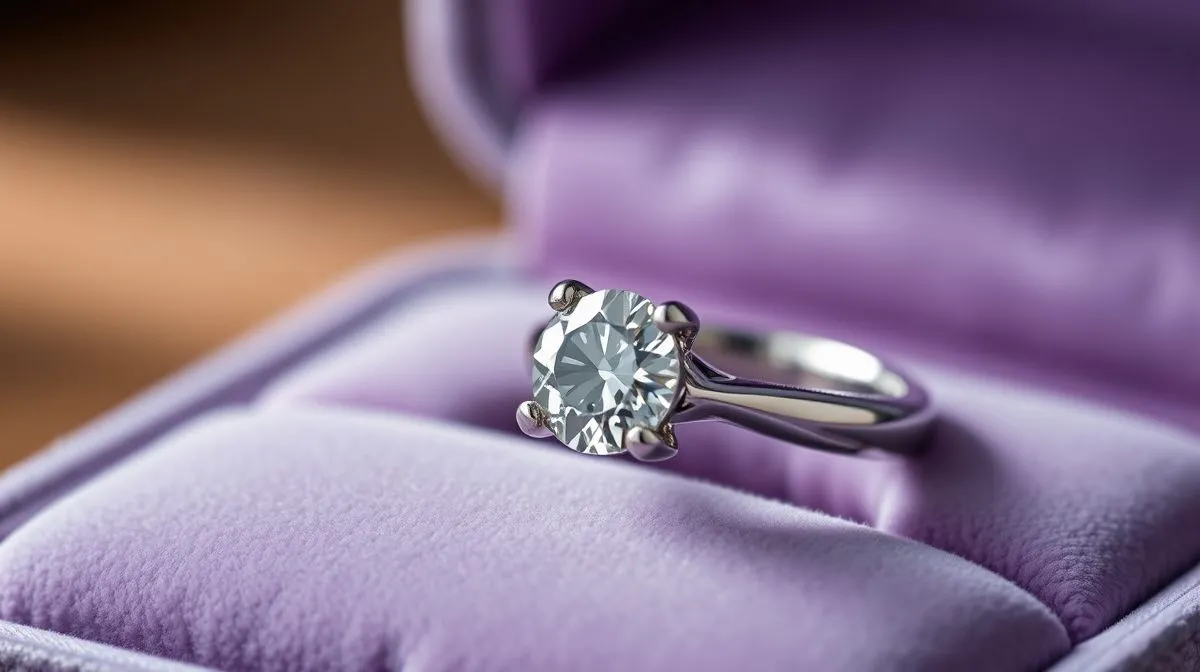
Introduction: How to Prevent Platinum Jewelry from Scratching Easily?
Imagine the moment you first slipped on that exquisite platinum piece – perhaps an engagement ring, a timeless necklace, or a sophisticated bracelet. Its cool, weighty presence and brilliant luster promised enduring beauty. Yet, over time, you might notice a subtle dulling, a network of tiny marks that seem to diminish its initial glory. Is it truly scratching, or something else entirely? Many platinum owners face this dilemma, wondering if their cherished investment is losing its battle against everyday wear.
The common perception is that platinum, being incredibly durable, should remain impervious to damage. However, despite its strength, platinum presents a unique challenge: its remarkable density and malleability mean it doesn't lose material when it encounters abrasive surfaces. Instead, its surface gently displaces, creating what appears to be a 'scratch' but is, in fact, a subtle rearrangement of the metal. This phenomenon, often referred to as a 'patina,' is distinct from the material loss seen in other metals, yet it still impacts the jewelry's reflective quality.
This comprehensive guide is designed to empower you with the knowledge and practical strategies required to maintain your platinum jewelry's breathtaking allure. We will delve into the science behind platinum's unique wear, uncover common culprits behind its surface changes, and provide actionable advice on daily care, cleaning, and storage. By the end of this reading, you'll possess the expertise to significantly prolong the pristine condition of your platinum treasures, ensuring they remain as captivating as the day you first acquired them.
Understanding Platinum: Why It's Unique and Prone to 'Scratches'
Platinum is revered for its purity, rarity, and hypoallergenic properties. Unlike gold, which is often alloyed with other metals to increase its hardness, platinum used in jewelry is typically 90-95% pure (e.g., Pt950). This high purity contributes to its distinctive weight and natural white luster. However, its unique metallurgical characteristics also explain why it develops a 'patina' rather than true material loss.
Platinum's Molecular Structure and Density
At a microscopic level, platinum is an incredibly dense yet malleable metal. When its surface comes into contact with another material, instead of chipping away or losing fragments, the platinum atoms are merely displaced. Think of it like a tiny groove being pushed into soft clay rather than material being scraped off. This redistribution of metal creates the illusion of scratches, giving the surface a satiny, matte finish over time. This characteristic is often called a 'patina' and is considered desirable by some, as it enhances the diamond's brilliance by reducing reflections from the metal itself. However, for those who prefer a high-polish shine, it can be a concern.
The Difference Between Scratches and Patina
It's crucial to distinguish between a true scratch and the development of patina. A true scratch, as seen on metals like gold, involves the actual removal of material, creating a visible gouge. With platinum, the metal is simply pushed aside. This means that while your platinum piece might appear dull or 'scratched' over time, its volume and weight remain virtually unchanged. This inherent property is a testament to platinum's enduring nature, as it won't thin out or wear down over decades of use, unlike gold which can lose significant material over time through abrasion. Understanding this fundamental difference is the first step in learning how to prevent platinum jewelry from scratching easily and maintaining its aesthetic.
Dispelling Common Myths About Platinum Durability
One prevalent myth is that platinum is indestructible. While it is exceptionally strong and dense, it is not immune to surface changes. Another misconception is that platinum never needs polishing. While it doesn't lose material, regular professional polishing is essential to restore its original high-luster finish if the patina becomes too pronounced for your preference. Ignoring these facts can lead to disappointment and improper care practices. Platinum is incredibly durable for holding gemstones securely due to its strength and resistance to wear, but its surface appearance requires specific attention.
Everyday Habits That Contribute to Platinum Wear
The beauty of platinum is its ability to withstand the test of time, but daily activities and environmental factors can accelerate the development of its characteristic patina. Being mindful of these common culprits is key to preserving your jewelry's original brilliance.
Activities to Avoid While Wearing Platinum
Many daily tasks, seemingly innocuous, can be harsh on your platinum pieces. It is highly advisable to remove your platinum jewelry, especially rings, before engaging in activities such as:
- Household Chores: Cleaning with abrasive chemicals or scrubbing surfaces can introduce microscopic scratches.
- Gardening: Soil, rocks, and tools can easily abrade the metal.
- Working Out/Sports: Gym equipment, weights, and impacts during sports can cause significant surface displacement.
- Manual Labor: Any activity involving heavy lifting or contact with rough surfaces.
- Swimming: While chlorine doesn't damage platinum, pool surfaces or accidental bumps can still cause wear.
These activities create friction and impact that, over time, will dull the polished surface of your platinum, accelerating the patina formation.
The Impact of Other Jewelry and Surfaces
One of the most common causes of surface wear on platinum is contact with other jewelry, especially pieces made of harder metals or those containing diamonds. Diamonds, being the hardest natural substance, can easily create deeper marks on platinum. Storing multiple pieces together in a jewelry box without proper separation is a prime example of how everyday habits can impact your jewelry. Even seemingly smooth surfaces like countertops, ceramic, or metal objects can contribute to platinum's surface changes when in repeated contact.
Chemical Exposure and Its Subtle Effects
While platinum is highly resistant to most chemicals and will not tarnish or corrode, certain substances can still affect its appearance or trap grime, making it look dull. Chlorine, found in swimming pools and household cleaners, doesn't directly harm the metal but can cause build-up that dulls its shine. Similarly, harsh soaps, lotions, and cosmetics can leave residues that accumulate in the fine details of your jewelry, diminishing its luster. Always remove your platinum pieces before applying lotions, perfumes, or using cleaning products to ensure their lasting brilliance.
Proactive Protection: Best Practices for Daily Wear
Implementing a few simple, proactive habits into your daily routine can significantly reduce the rate at which your platinum jewelry develops its characteristic patina, preserving its original shine for longer. These practices focus on minimizing direct contact with abrasive elements and understanding the nuances of platinum alloys.
Strategic Jewelry Removal and When to Do It
The most effective way to prevent platinum jewelry from scratching easily is to simply remove it when engaging in activities that pose a risk. Develop a routine where you take off your rings before washing dishes, showering, exercising, gardening, or performing any manual labor. For necklaces and bracelets, consider removing them before sleeping to prevent snagging or rubbing against other surfaces. Having a designated safe spot for your jewelry – a small dish by the sink, a jewelry tray on your nightstand – encourages this habit and prevents misplacement. Consistency is key here; even a few minutes of exposure can contribute to wear over time.
The Role of Protective Coatings (and their limitations)
Unlike white gold, which is often rhodium-plated to achieve a brighter white finish and provide a protective layer, platinum typically does not require or benefit from such coatings. Its natural white color is inherent and does not fade or yellow. While some jewelers might offer a rhodium plating service for platinum, it's generally unnecessary and can actually mask platinum's unique properties. The patina will eventually form on top of any coating, and the coating itself will wear off, requiring reapplication. The true beauty of platinum lies in its natural state, and focusing on proper care rather than external coatings is the more effective long-term strategy.
Choosing the Right Platinum Alloy (e.g., 950Pt vs. 900Pt)
While most platinum jewelry is 95% pure (Pt950), some pieces may be made with a slightly lower purity, such as Pt900. The remaining percentage is typically an alloy, often iridium, ruthenium, or cobalt. These alloys can subtly influence the metal's hardness and malleability. For instance, platinum alloyed with ruthenium or cobalt tends to be slightly harder and more resistant to surface deformation than platinum alloyed with iridium. When purchasing platinum jewelry, inquiring about the specific alloy used can provide insight into its potential resistance to patina. However, even the hardest platinum alloys will still develop a patina over time, making consistent care practices paramount regardless of the specific blend.
The Art of Cleaning and Maintenance for Pristine Platinum
Regular cleaning is not just about aesthetics; it's a vital part of protecting your platinum jewelry from accumulated grime that can exacerbate wear and dull its appearance. Knowing when to clean it yourself and when to seek professional help is crucial for preserving its luster.
Gentle Home Cleaning Techniques
For routine cleaning, a simple at-home regimen is highly effective. You will need:
- A small bowl of warm water.
- Mild dish soap (avoid harsh detergents or abrasive cleaners).
- A soft, lint-free cloth or a very soft-bristled toothbrush (like a baby toothbrush).
Steps:
- Mix a few drops of mild dish soap into the warm water.
- Submerge your platinum jewelry in the solution for 5-10 minutes to loosen dirt and oils.
- Gently brush the piece with the soft toothbrush, paying attention to crevices and settings.
- Rinse thoroughly under clean, warm running water. Ensure all soap residue is gone.
- Pat dry with a soft, lint-free cloth. For best results, allow it to air dry completely before storing.
This method will remove surface dirt, oils, and residues that contribute to a dull appearance, helping you to prevent platinum jewelry from scratching easily by keeping its surface clean.
When to Seek Professional Polishing and Cleaning
While home cleaning keeps your platinum sparkling, it won't remove the patina that develops over time. When your platinum piece starts to look noticeably dull, or if you prefer a consistently high-polished finish, it's time for professional attention. Jewelers use specialized tools and polishing compounds (such as rouge or cerium oxide) to buff away the patina and restore platinum's original mirror-like shine. This process essentially re-smoothes the displaced metal on the surface. It's recommended to have your platinum jewelry professionally polished every 6-12 months, depending on wear and personal preference. Professional cleaning can also address issues like deep-set grime or minor damage that home methods cannot.
The Importance of Regular Inspections
Beyond cleaning and polishing, regular inspections are paramount for the longevity of your platinum jewelry. Make it a habit to visually inspect your pieces for:
- Loose prongs or settings (especially for rings with gemstones).
- Any signs of stress or deformation.
- Unusual discoloration that might indicate exposure to harsh chemicals.
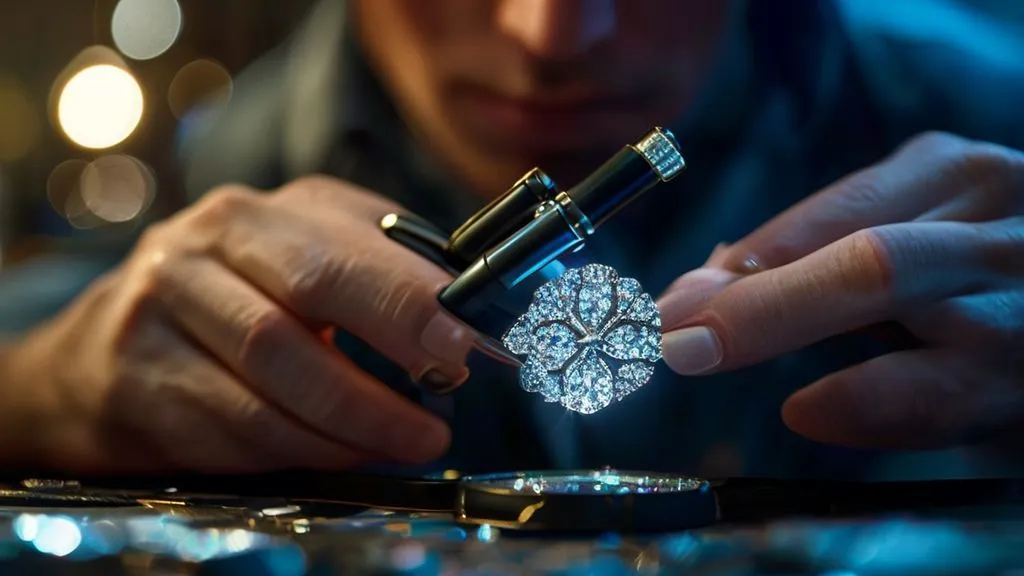
Professional jewelers can perform more thorough inspections, often under magnification, to catch potential issues before they become serious problems. According to the Gemological Institute of America (GIA), regular professional check-ups are essential for maintaining the integrity of your jewelry and preventing gemstone loss.
Smart Storage Solutions to Safeguard Your Investment
How you store your platinum jewelry when not wearing it is just as critical as your daily care habits. Improper storage is a leading cause of unnecessary surface wear, contact marks, and even tangles that can put stress on delicate chains. Implementing intelligent storage solutions can significantly contribute to keeping your platinum pieces looking pristine.
Individual Pouches and Compartments
The golden rule for storing any fine jewelry, especially platinum, is to prevent pieces from rubbing against each other. This is particularly important for platinum because its surface can be marked by harder metals or diamonds. Invest in a jewelry box with soft-lined individual compartments or use soft fabric pouches for each piece. Silk, velvet, or flannel are excellent materials that will not abrade the metal. For necklaces and bracelets, ensuring they are laid flat or hung individually can prevent tangling, which can lead to stress on links and potential surface friction when untangling.
Humidity and Temperature Control
While platinum itself is highly stable and resistant to tarnish or corrosion from humidity, extreme fluctuations in temperature and humidity can still indirectly affect your jewelry. For instance, very high humidity can sometimes accelerate the degradation of certain glues used in some jewelry settings, or promote the growth of mildew on fabric liners if not properly ventilated. Storing your jewelry in a cool, dry place away from direct sunlight and extreme temperature changes (like near a window or heating vent) is always advisable. A dedicated jewelry box or safe is usually sufficient for maintaining stable conditions.
Avoiding Tangles and Abrasions
Tangled necklaces are not only frustrating but can also cause surface damage to your platinum. When chains are intertwined, the links rub against each other, creating micro-abrasions. This is especially true if a piece contains charms or pendants that can act as small hammers. To avoid this, utilize necklace hooks within your jewelry box, or store each necklace in its own pouch, ensuring the clasp is outside the pouch to prevent it from slipping inside and tangling with the chain. For bracelets, similar methods apply. By preventing tangles, you significantly reduce the chances of your platinum pieces experiencing unnecessary friction and wear, helping to prevent platinum jewelry from scratching easily.
Restoring Luster: When Scratches Become More Than Patina
While platinum's patina is a natural development, there are times when the surface wear goes beyond a desirable satin finish, or when true, deeper scratches occur from significant impact. Understanding the options for restoration is crucial for maintaining your platinum's aesthetic value.
DIY Buffing Cloths vs. Professional Re-polishing
For very minor surface dullness or to temporarily enhance the shine between professional cleanings, a specialized jewelry polishing cloth can be used. These cloths are often impregnated with a mild polishing agent. They can help remove some of the superficial patina and bring back a degree of luster. However, they are not designed to remove deeper marks or fully restore the mirror finish achieved by a professional. Attempting to aggressively buff your platinum with non-specialized cloths or abrasive materials at home can actually worsen the situation, potentially creating more visible marks or even damaging delicate settings. For a complete restoration of the original high-polish, professional re-polishing is the only effective method.
Understanding the Re-polishing Process
Professional re-polishing involves a skilled jeweler using specialized polishing wheels and compounds to meticulously buff the surface of your platinum jewelry. This process carefully moves and smooths the displaced metal, effectively erasing the patina and restoring the reflective finish. Because platinum does not lose material during this process, it can be re-polished countless times throughout its lifetime without diminishing its weight or structural integrity. This is a significant advantage over other metals, which lose material with each polishing. A reputable jeweler will also inspect the piece for any loose stones or structural weaknesses during this service, providing an additional layer of care.
The Lifespan of Platinum's Original Finish
The lifespan of your platinum's original highly polished finish depends entirely on how often and how rigorously the piece is worn. A platinum wedding band worn daily through all activities will develop a patina much faster than a platinum pendant worn only on special occasions. There is no fixed timeline, but with diligent adherence to the care practices outlined in this guide – strategic removal, gentle cleaning, and smart storage – you can significantly extend the period between professional re-polishing sessions. For instance, a study on precious metals conducted by the World Platinum Investment Council (WPIC) consistently highlights platinum's enduring nature, emphasizing that its 'wear' is a surface phenomenon, allowing for infinite re-polishing without material loss, unlike other metals.
Frequently Asked Questions (FAQ)
Is platinum completely scratch-proof? No, platinum is not scratch-proof. While incredibly durable, its surface will develop a 'patina' over time from daily wear, which appears as tiny marks or a dulling of its shine. This is due to the metal displacing rather than losing material.
How often should I clean my platinum jewelry at home? It's recommended to clean your platinum jewelry at home with mild soap and warm water once every 1-2 weeks, or more frequently if it's worn daily or exposed to dirt and oils.
Can I use an ultrasonic cleaner on my platinum jewelry? Generally, yes, ultrasonic cleaners are safe for solid platinum jewelry. However, if your piece contains gemstones, especially those with inclusions or delicate settings (like emeralds or pearls), consult a professional jeweler first, as the vibrations can sometimes cause damage or loosen stones.
Does rhodium plating help prevent scratches on platinum? No, rhodium plating is typically applied to white gold to enhance its whiteness and provide a temporary protective layer. Platinum is naturally white and does not require rhodium plating. Any marks would appear on the rhodium layer, which would eventually wear off.
Why does my platinum ring look dull compared to when I bought it? Your platinum ring looks dull because it has developed a natural 'patina.' This is a network of tiny surface marks where the platinum metal has been displaced by daily wear, creating a satin-like finish that reduces its initial high polish. It can be restored by professional polishing.
Recommended Reading
- Unraveling the Fabric: What Challenges Hinder Sustainable Textile Innovation?
- Unlock Radiant Skin: Your Ultimate Morning Skincare Routine for Oily Skin
- Unlock the Secret: How to Clean & Care for Your Luxury Silk Scarves
- The Ultimate Guide: How to Choose Comfortable Fabrics for Kids Wear
- Unlock the Secret: How to Properly Care for Your Sustainable Vegan Leather Bags
Conclusion
The journey of owning platinum jewelry is one of enduring beauty and subtle transformation. While the question of how to prevent platinum jewelry from scratching easily might seem daunting at first, understanding platinum's unique metallurgical properties reveals that its surface changes are a testament to its density and purity, not a sign of damage or material loss. By embracing proactive daily habits – from strategic removal during high-risk activities to consistent gentle cleaning and smart storage – you can significantly slow the development of its natural patina. Remember, platinum's appeal lies not just in its initial gleam but in its remarkable ability to be restored to its original splendor time and again through professional polishing, making it a truly timeless investment. Cherish your platinum, care for it diligently, and it will continue to radiate its unique, understated brilliance for generations to come.

Your email address will not be published. Required fields are marked *