

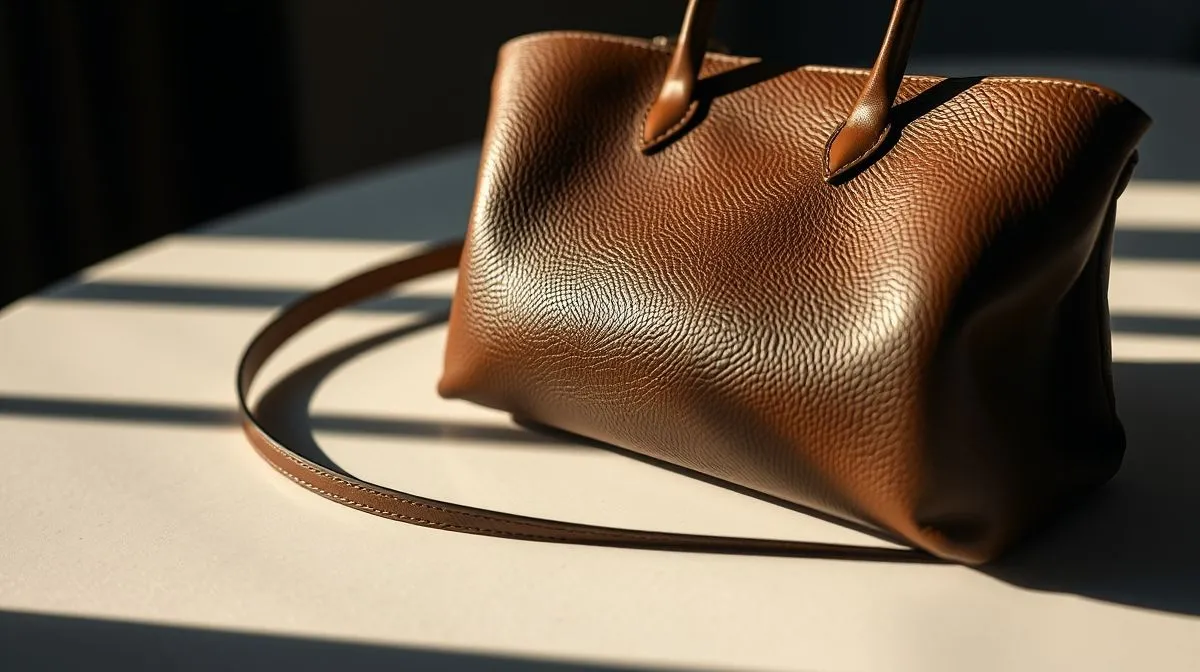
Unlocking the Longevity of Your Sustainable Vegan Leather Bags
Imagine investing in a beautiful, ethically sourced vegan leather bag, a symbol of your commitment to a more compassionate and sustainable lifestyle. You cherish its sleek design, its soft touch, and the knowledge that no animals were harmed in its creation. But then, a nagging question arises: how do you ensure this eco-conscious accessory retains its pristine condition for years to come? Unlike traditional animal leather, vegan alternatives require a unique approach to care, one that honors their innovative composition and extends their lifespan.
Many people, accustomed to traditional leather care, often wonder how to properly care for sustainable vegan leather bags? They might mistakenly apply conditioners, use harsh cleaners, or store them improperly, leading to premature wear, peeling, or discoloration. The challenge lies in understanding that 'vegan leather' isn't a single material but a diverse family of innovative fabrics, each with its own specific needs and vulnerabilities.
This comprehensive guide will demystify the world of vegan leather care, providing you with the definitive knowledge and practical strategies needed to maintain the beauty and integrity of your sustainable bags. By the end of this reading, you will be equipped with expert tips on cleaning, storage, and general maintenance, ensuring your cherished vegan leather items remain a testament to both style and sustainability for a very long time.
Understanding What Sustainable Vegan Leather Truly Is
Before diving into care routines, it’s crucial to grasp what sustainable vegan leather encompasses. It’s not a monolith; rather, it’s an umbrella term for materials that mimic animal leather without using animal products. The sustainability aspect further refines this, focusing on materials with a lower environmental footprint.
Beyond Plastic: The Evolution of Vegan Leather
Historically, much of what was termed 'vegan leather' was primarily composed of synthetic polymers like polyurethane (PU) and polyvinyl chloride (PVC). While PU is generally considered more eco-friendly than PVC due to its lower use of toxic plasticizers, neither is without environmental concerns, often relying on fossil fuels for production. However, the landscape of vegan leather has dramatically evolved.
- Innovative Plant-Based Materials: Today, cutting-edge sustainable vegan leathers are derived from a surprising array of natural sources. These include materials made from pineapple leaf fibers (Pinatex), mushroom mycelium (Mylo, Reishi), apple peels, cactus, grape waste, and even corn. These innovations significantly reduce reliance on petrochemicals and often utilize agricultural waste, promoting a circular economy.
- Recycled Content: Some vegan leathers incorporate recycled plastic bottles or other post-consumer waste, further enhancing their environmental credentials.
Understanding the specific composition of your bag is the first step in effective care. A bag made from Pinatex will have different care nuances than one made from a high-quality PU. For more insights into these innovative materials, explore resources like Pinatex's official website, which details the sustainable origins and properties of their pineapple leaf leather.
Why Proper Care Differs from Animal Leather
The fundamental difference in composition means that care practices for vegan leather diverge significantly from those for traditional animal hides. Animal leather is skin; it contains natural oils and requires conditioning to prevent drying and cracking. Vegan leather, regardless of its base, does not 'breathe' or 'age' in the same way. It doesn't require conditioning and can be damaged by products designed for animal leather.
- No Natural Oils: Vegan leathers do not have natural oils that need replenishment. Applying conditioners or waxes can leave a greasy residue, attract dirt, or even break down the material.
- Varying Porosity: Some vegan leathers are less porous than animal leather, making them more water-resistant but also less breathable. This impacts how they react to cleaning agents and moisture.
- Susceptibility to Heat: Many synthetic and even some plant-based vegan leathers can be sensitive to extreme heat, which can cause them to warp, melt, or become brittle.
Recognizing these distinctions is paramount to avoiding common mistakes and ensuring your sustainable vegan leather bag stands the test of time.
Essential Daily Habits for Preserving Your Bag's Beauty
Preventative care is the cornerstone of maintaining your vegan leather bag's pristine condition. Simple daily habits can significantly extend its lifespan and reduce the need for intensive cleaning or repair.
The Golden Rule: Prevention is Key
Think of daily care as a gentle protective shield for your bag. It’s about minimizing exposure to elements that can cause damage.
- Avoid Direct Sunlight and Extreme Temperatures: Prolonged exposure to harsh sunlight can cause fading and drying, making the material brittle over time. Similarly, extreme heat (e.g., leaving it in a hot car) can cause synthetic vegan leathers to warp or even melt. Keep your bag in cool, shaded areas when not in use.
- Wipe Down After Use: A quick, gentle wipe with a soft, dry or slightly damp cloth can remove surface dust, dirt, and oils from hands. This prevents grime from building up and becoming embedded in the material.
- Protect from Rain and Spills: While many vegan leathers are water-resistant, they are not always waterproof. If caught in the rain, wipe your bag dry immediately. For spills, act quickly to blot, not rub, the liquid.
Handling with Care
How you interact with your bag also plays a crucial role in its longevity.
- Do Not Overfill: Stuffing your bag beyond its capacity can strain seams, stretch the material, and distort its shape. This is particularly true for structured bags.
- Beware of Sharp Objects: Keys, pens, and other sharp items inside your bag can scratch or puncture the lining or even the exterior if not properly stored in a separate pouch.
- Avoid Color Transfer: Be mindful of dark denim or other heavily dyed fabrics that can transfer color onto lighter-colored vegan leather bags, especially when wet. If transfer occurs, address it immediately.
The Art of Cleaning Sustainable Vegan Leather
Even with the best preventative measures, your bag will eventually need cleaning. The key is to be gentle and use the right products to avoid damaging the material.
Spot Cleaning for Minor Spills
For small marks or fresh spills, spot cleaning is usually sufficient and less abrasive than a full wash.
- Mild Soap Solution: Mix a tiny amount of mild, pH-neutral soap (like diluted dish soap or a gentle hand soap) with lukewarm water. Do not use harsh detergents, abrasive cleaners, or anything containing alcohol or ammonia, as these can strip the material or cause it to dry out and crack.
- Damp Cloth Technique: Dip a clean, soft microfiber cloth into the solution, wring it out thoroughly so it's barely damp. Gently wipe the affected area in small, circular motions. Avoid saturating the material.
- Rinse and Dry: Use a separate clean, damp cloth (with plain water) to wipe away any soap residue. Finally, dry the area immediately with a soft, dry cloth.
Deep Cleaning for Stubborn Stains
For more persistent stains, you might need a slightly more targeted approach, but always exercise caution.
- Ink Stains: For fresh ink, a cotton swab lightly dampened with rubbing alcohol (isopropyl alcohol) can sometimes work, but this must be tested on an inconspicuous area first, as alcohol can damage some vegan leathers. Blot, don't rub.
- Oil/Grease Stains: Sprinkle a small amount of cornstarch or baking soda on the stain to absorb the oil. Let it sit for a few hours, then brush off gently. Follow with a mild soap and water wipe.
- General Dirt/Grime: For overall grime, a more thorough cleaning with the mild soap solution described above, applied evenly over the entire surface, followed by a thorough wipe with a clean, damp cloth, can refresh your bag.
Always Test First: Before applying any cleaning solution to a visible area, always test it on an inconspicuous part of the bag (e.g., the bottom, inside a pocket) to ensure it doesn't cause discoloration or damage.
Drying Your Bag Properly
Proper drying is as important as proper cleaning to prevent water spots, mildew, or material damage.
- Air Dry Naturally: After cleaning, allow your bag to air dry completely in a well-ventilated area away from direct sunlight or heat sources.
- Avoid Direct Heat: Never use a hairdryer, radiator, or direct sunlight to speed up drying. High heat can cause synthetic vegan leathers to shrink, warp, or become brittle.
- Stuff to Maintain Shape: While drying, you can lightly stuff the bag with crumpled paper (acid-free tissue paper is best) or soft fabric to help it retain its original shape and prevent creasing.
Storing Your Vegan Leather Bag for Long-Term Preservation
Correct storage is paramount for maintaining the shape, texture, and overall appearance of your sustainable vegan leather bags when they are not in use. Improper storage can lead to creases, cracks, and even mildew.
The Right Environment
Where and how you store your bag makes a significant difference to its longevity.
- Cool, Dry, Dark Place: Store your vegan leather bags in an environment that is consistently cool, dry, and away from direct light. Basements or attics with fluctuating temperatures and humidity are generally not ideal.
- Avoid Humidity: High humidity can encourage the growth of mold or mildew, especially on plant-based vegan leathers. Ensure good air circulation. If you live in a humid climate, consider using silica gel packets inside the bag or in the storage area, but remember to replace them periodically.
- No Plastic Bags: Never store your vegan leather bag in a sealed plastic bag, as this traps moisture and prevents the material from breathing, leading to mildew or stickiness.
Maintaining Shape and Preventing Creases
The structure of your bag can be compromised if not stored correctly, leading to unsightly creases and loss of form.
- Stuffing: Lightly stuff your bag with acid-free tissue paper, old t-shirts, or bubble wrap to help it retain its original shape. Avoid using newspaper, as the ink can transfer onto the lining.
- Use Dust Bags: Most quality vegan leather bags come with a dust bag. Always store your bag inside this cloth dust bag to protect it from dust, scratches, and light exposure. If you don't have one, a clean, breathable cotton pillowcase works well.
- Stand Upright or Lay Flat: Store bags upright on a shelf if they have a sturdy base. For softer, unstructured bags, or clutches, it's better to lay them flat to prevent creasing. Avoid hanging bags by their straps for extended periods, as this can stretch or damage the handles.
Proper bag storage is an art form that can significantly prolong the life of your accessories. For more general insights into preserving fashion items, resources like Wikipedia's page on Textile Conservation can offer broader principles applicable to various materials, including the importance of environmental control.
Products to Use and Products to Avoid
Knowing which products are safe and effective for vegan leather is crucial. Many common leather care products are detrimental to synthetic and plant-based materials.
Recommended Cleaning Agents
Keep your cleaning arsenal simple and gentle.
- Mild Dish Soap: As mentioned, a very diluted solution of gentle, pH-neutral dish soap is often the best and safest option for general cleaning.
- Specialized Vegan Leather Cleaners: Some brands offer cleaners specifically formulated for vegan leather. These are often water-based and free of harsh chemicals. Always check reviews and ingredients carefully.
- Microfiber Cloths: These are ideal for cleaning and drying as they are soft, non-abrasive, and highly absorbent, preventing scratches and lint residue.
- Soft Brushes: For textured vegan leathers or getting into crevices, a soft-bristled brush (like an old, clean toothbrush) can be used gently with a cleaning solution.
What NOT to Use
This list is as important as the 'what to use' list, as these products can cause irreversible damage.
- Leather Conditioners/Waxes: These are formulated for animal hides. They contain oils and waxes that vegan leather cannot absorb, leading to a sticky residue, attracting dirt, and potentially breaking down the material over time.
- Harsh Solvents/Chemicals: Acetone (nail polish remover), bleach, ammonia-based cleaners, or strong alcohol solutions can dissolve, discolor, or severely damage the surface of most vegan leathers.
- Abrasive Cleaners/Pads: Scouring pads, steel wool, or abrasive cleaning powders will scratch and permanently damage the surface of your bag.
- Polishes: Shoe polish or furniture polish is not suitable for vegan leather and can leave a greasy film or alter the color.
Remember, less is often more when it comes to cleaning chemicals. Stick to the basics unless a product is explicitly designed and proven safe for your specific type of vegan leather.
Addressing Common Issues and Troubleshooting
Even with diligent care, some issues might arise. Knowing how to address them can save your bag from further damage.
Scratches and Minor Abrasions
Vegan leather, especially PU-based types, can be prone to scratches, though some innovative plant-based materials are surprisingly resilient.
- Gentle Rubbing: For very minor surface scuffs, sometimes gently rubbing the area with a clean finger or a soft, dry cloth can help redistribute the material's surface oils (if present in the coating) and make the scratch less noticeable.
- Specialized Repair Kits: Some manufacturers of high-quality vegan leather offer repair kits for minor surface damage. These often involve a colored filler or adhesive. Always ensure the kit is specifically for vegan leather.
- Professional Help: For deeper scratches or tears, consult a professional bag repair specialist who has experience with synthetic materials.
Fading or Discoloration
Fading typically occurs due to prolonged exposure to sunlight or certain chemicals.
- Prevention: The best remedy is prevention – store your bag away from direct sunlight and avoid harsh chemicals.
- Limited Solutions: Once fading or discoloration occurs, it's often difficult to reverse completely. Some specialized dyes or color restorers for synthetic materials might exist, but they should be used with extreme caution and tested thoroughly.
Tackiness or Stickiness
This common issue, especially with older or lower-quality PU vegan leather, can be frustrating.
- Causes: Tackiness is often caused by the breakdown of the PU coating due to heat, humidity, or chemical exposure.
- Remedy: A very light wipe with a cloth dampened with rubbing alcohol (again, test first!) can sometimes remove the sticky residue, but this is a temporary fix and can further degrade the material. In many cases, once the material becomes truly tacky, it indicates the end of its lifespan. Proper storage in a cool, dry place can delay this process.
The Environmental Impact of Proper Care
Caring for your sustainable vegan leather bag goes beyond aesthetics; it's an integral part of your commitment to environmental responsibility. The simple act of extending your bag's life has a profound positive impact.
Extending Product Lifespan
The most significant environmental benefit of proper care is the extension of your bag's usable life. The longer you use an item, the less frequently you need to replace it. This directly translates to:
- Reduced Consumption: Less demand for new products means fewer resources are extracted, less energy is consumed in manufacturing, and fewer emissions are generated.
- Less Waste: A durable bag that lasts for years avoids contributing to landfill waste. Even biodegradable vegan leathers take time to break down, and non-biodegradable ones persist for centuries.
- Lower Carbon Footprint: Every stage of a product's life cycle, from raw material to disposal, has a carbon footprint. Prolonging the use phase significantly reduces the overall environmental impact.
Supporting Sustainable Practices
By diligently caring for your vegan leather bag, you reinforce the value of sustainable and ethical fashion. You become an advocate for thoughtful consumption and demonstrate that sustainable alternatives can be durable and long-lasting when properly maintained.
This practice aligns perfectly with the principles of the circular economy, which advocates for keeping resources in use for as long as possible, extracting the maximum value from them whilst in use, then recovering and regenerating products and materials at the end of each service life. Your care routine is a micro-level contribution to a macro-level shift towards a more sustainable future in fashion.
Frequently Asked Questions (FAQ)
Can I use regular leather conditioner on my vegan leather bag? No, absolutely not. Regular leather conditioners are formulated for animal hides and contain oils and waxes that vegan leather cannot absorb. They can leave a sticky residue, attract dirt, and potentially damage the material over time, leading to cracking or breakdown.
How often should I clean my sustainable vegan leather bag? For general maintenance, a quick wipe down with a soft, dry cloth after each use is recommended. For deeper cleaning, it depends on how frequently you use the bag and how dirty it gets. A thorough cleaning every few months, or as needed for spills and stains, is usually sufficient.
What should I do if my vegan leather bag gets wet? Immediately wipe it dry with a soft, clean cloth. Do not use a hairdryer or direct heat source. Allow it to air dry naturally in a well-ventilated area, away from direct sunlight, stuffing it lightly with paper to maintain its shape.
Is it true that some vegan leathers are better than others? Yes, definitely. The quality and sustainability of vegan leathers vary widely. Innovative plant-based materials like Pinatex (pineapple leather) or mushroom leather are generally considered more sustainable than traditional PU or PVC options, and often offer superior durability and breathability. Always check the material composition when purchasing.
How can I prevent my vegan leather bag from peeling? Peeling is often a sign of material breakdown, especially in lower-quality vegan leathers or due to improper care. To prevent it, avoid harsh chemicals, excessive friction, extreme temperatures (especially heat), and over-stuffing your bag. Proper storage in a cool, dry place and regular gentle cleaning can significantly extend its life.
Recommended Reading
- Unlock the Secret: Why Bamboo Fabric is Your Ultimate Sustainable Clothing Choice
- Shine On: How to Clean Diamond Jewelry at Home Safely (Easy Guide)
- Unlock the Secret: Choosing Perfect Kids' Outfits for Outdoor Summer Weddings
- Unveiling the Secrets: How Unique Haute Couture Silhouettes Are Constructed
- Unlock Camera Confidence: The Ultimate Guide to Posing for Fashion Bloggers
Conclusion
Caring for your sustainable vegan leather bags is a straightforward yet essential practice that extends their life and preserves their beauty. By understanding the unique properties of these innovative materials, adopting simple daily habits, and applying the correct cleaning and storage techniques, you can ensure your ethical accessories remain cherished companions for years. From gentle wiping and spot cleaning with mild solutions to diligent storage away from extreme conditions, every step contributes to the longevity of your bag. Ultimately, by understanding how to properly care for sustainable vegan leather bags, you're not just preserving an accessory; you're upholding your commitment to conscious consumption, reducing waste, and championing a more sustainable and compassionate future for fashion. Embrace these practices, and let your vegan leather bag be a lasting testament to both style and responsibility.


Your email address will not be published. Required fields are marked *