

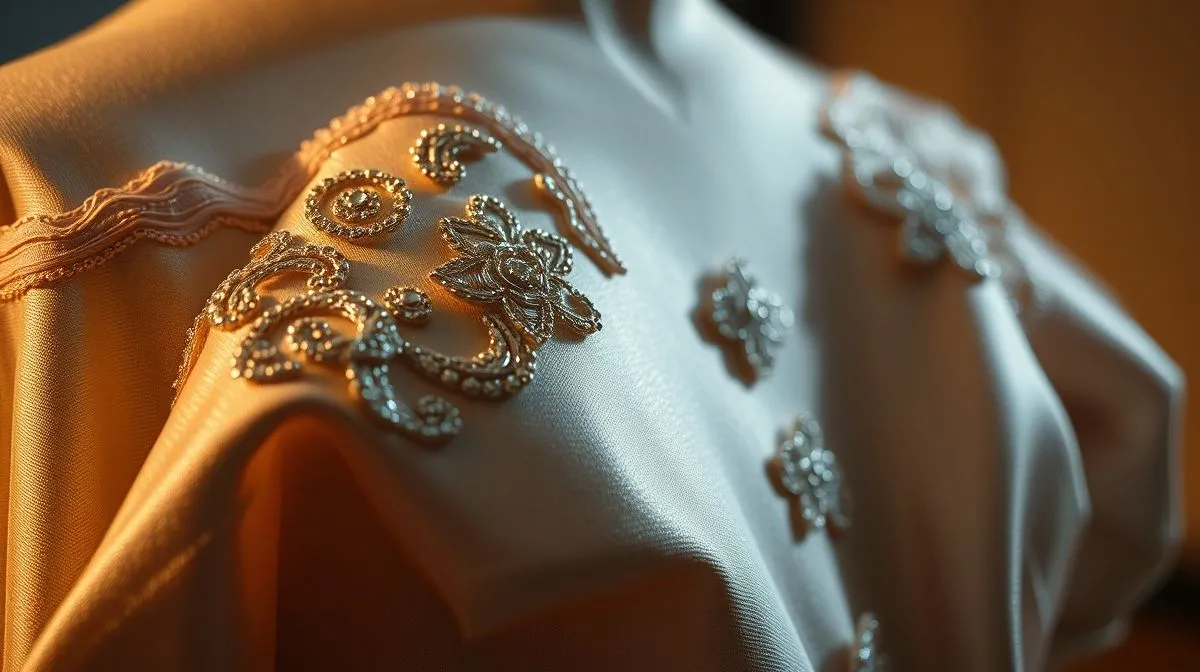
How are unique haute couture silhouettes constructed?
Have you ever gazed upon a haute couture gown, its form defying gravity, its lines speaking a language of unparalleled elegance, and wondered: how is this even possible? The sheer sculptural quality, the way a fabric seems to float or hold an impossible shape, hints at a mastery far beyond conventional garment making.
Behind every seemingly effortless drape and dramatic flare lies a labyrinth of meticulous planning, extraordinary skill, and innovative techniques. The creation of a unique silhouette in haute couture is far more than just cutting fabric; it's an architectural feat, a sculptural endeavor, and a profound artistic statement that pushes the boundaries of design.
This article will unravel the intricate processes involved, from initial concept to final stitch, revealing the secrets of how unique haute couture silhouettes are constructed. Prepare to journey into the heart of artisanal mastery, where fabric transforms into wearable dreams, defined by unparalleled form and structure.
The Genesis of Form: Understanding Silhouette in Couture
At its core, a silhouette in fashion refers to the outline or shape of a garment when worn. In haute couture, however, the silhouette is elevated from a mere outline to the very essence of the design, often becoming the defining characteristic of a collection or even a designer's entire aesthetic.
Imagine the iconic 'New Look' by Christian Dior, with its nipped waist and voluminous skirt, or the revolutionary 'Bubble Dress' by Pierre Cardin. These are not just dresses; they are statements of form, meticulously engineered shapes that challenged and redefined the prevailing fashion norms of their time. The silhouette communicates the designer's vision, dictates the garment's movement, and profoundly impacts how it interacts with the wearer's body and the space around it.
Understanding the historical evolution of silhouettes also provides context. From the rigid corsetry of the Victorian era to the fluid lines of the 1920s, each period saw distinct shapes emerge, often influenced by societal changes, technological advancements, and artistic movements. Couture, in particular, has always been at the forefront of this evolution, experimenting with and setting new standards for form.
The Artisanal Pillars: Draping and Pattern Making
The journey of a unique haute couture silhouette typically begins with one of two foundational techniques, or often, a masterful combination of both: draping and pattern making.
Draping: Sculpting on the Form
Draping is perhaps the most intuitive and sculptural approach. It involves manipulating fabric directly on a dress form, which approximates the human body. The designer or artisan pins, pleats, gathers, and cuts the fabric, allowing it to fall naturally while guiding it into the desired shape. This method offers immediate visual feedback, enabling a fluid, organic exploration of volume, line, and texture.
- It's a highly artistic process, allowing for spontaneous creativity.
- Complex, asymmetrical, or fluid designs often originate here.
- The fabric's natural qualities (drape, weight, stiffness) are immediately apparent and utilized.
Pattern Making: Precision in Two Dimensions
Once a draped form is achieved, it must be translated into a flat, two-dimensional pattern. This is where the precision of pattern making comes in. The draped fabric pieces are carefully removed from the form, traced onto paper, and refined. This flat pattern serves as the blueprint for cutting the actual garment fabric.
Alternatively, some designers begin directly with flat pattern making, drafting shapes based on measurements and design sketches. This method is often preferred for more architectural, geometric, or highly structured silhouettes where precise angles and seams are paramount. It requires a deep understanding of garment engineering and mathematical precision.
The interplay between these two pillars is crucial. A designer might drape a section to capture a unique fluidity, then translate it to a pattern for replication and precision. Or, a flat pattern might be created and then refined through draping to ensure the desired three-dimensional effect. This iterative process is fundamental to how unique haute couture silhouettes are constructed, ensuring both artistic vision and flawless execution.
The Alchemy of Materials: Fabric, Structure, and Embellishment
The choice of material is not merely an aesthetic decision in haute couture; it is a structural one. The fabric itself plays a pivotal role in how a unique silhouette holds its form and moves with the wearer.
Fabric's Role in Silhouette
A stiff duchess satin will create a crisp, architectural line, while a flowing silk chiffon will lend itself to soft, ethereal drapes. Designers meticulously select fabrics based on their weight, weave, fiber content, and inherent drape. Sometimes, multiple layers of different fabrics are used to achieve a specific effect, adding volume or stiffness where needed.
Internal Construction: The Hidden Architecture
Often, the magic of a couture silhouette lies in its unseen internal structure. This hidden architecture is what allows gravity-defying shapes to exist and maintain their form. Techniques include:
- Boning: Flexible or rigid strips (historically whalebone, now often plastic or metal) inserted into seams to provide support and shape.
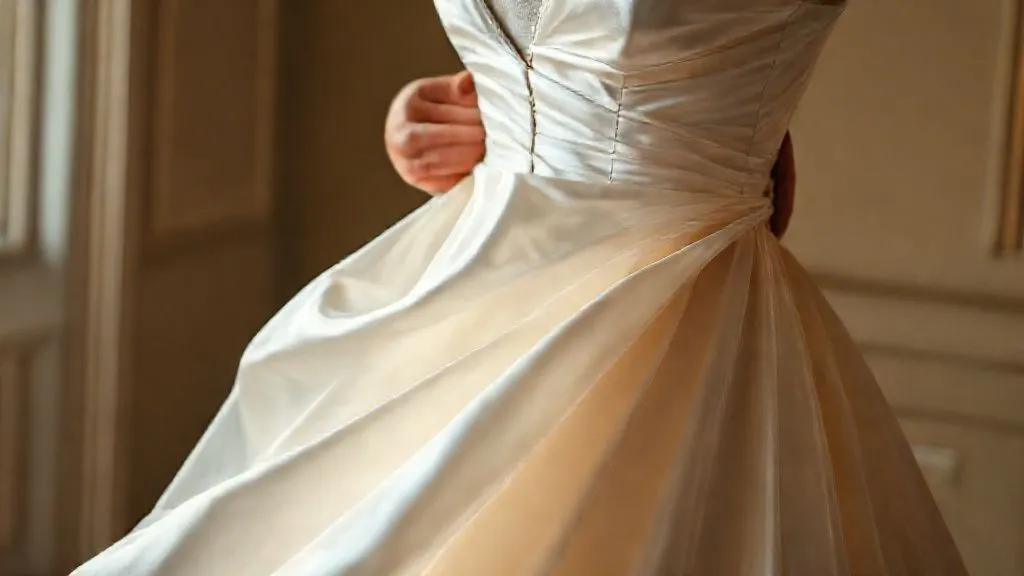
- Corsetry: Elaborate internal corsets or bustiers built into gowns to sculpt the torso and support heavy external layers.
- Crinoline and Hoops: Structures made from stiffened fabric, horsehair, or metal hoops used to create voluminous skirts.
- Padding and Interlining: Layers of wadding or stiff fabrics sewn between the outer fabric and lining to add subtle volume or reinforce shape.
- Horsehair Braid: Sewn into hems or seams to add stiffness and create a flared or waved edge.
These elements work in concert, essentially building a foundation upon which the external beauty of the silhouette is draped and adorned. Without this meticulous internal engineering, many of the dramatic forms seen on the couture runway would simply collapse.
Embellishment as Structural Element
While often seen as decorative, embellishments in haute couture can also contribute significantly to the silhouette. Heavy beading, intricate embroidery, or applied three-dimensional elements can add weight, volume, and texture, subtly altering the garment's drape and overall shape. For instance, a dense pattern of sequins on a skirt can make it hold a wider, stiffer form than if it were made of plain fabric.
The Human Element: Fit, Form, and Client Collaboration
Unlike ready-to-wear, haute couture is by definition bespoke, meaning it is custom-made for an individual client. This personal touch is paramount to how unique haute couture silhouettes are constructed, ensuring an unparalleled fit and a form that truly complements the wearer.
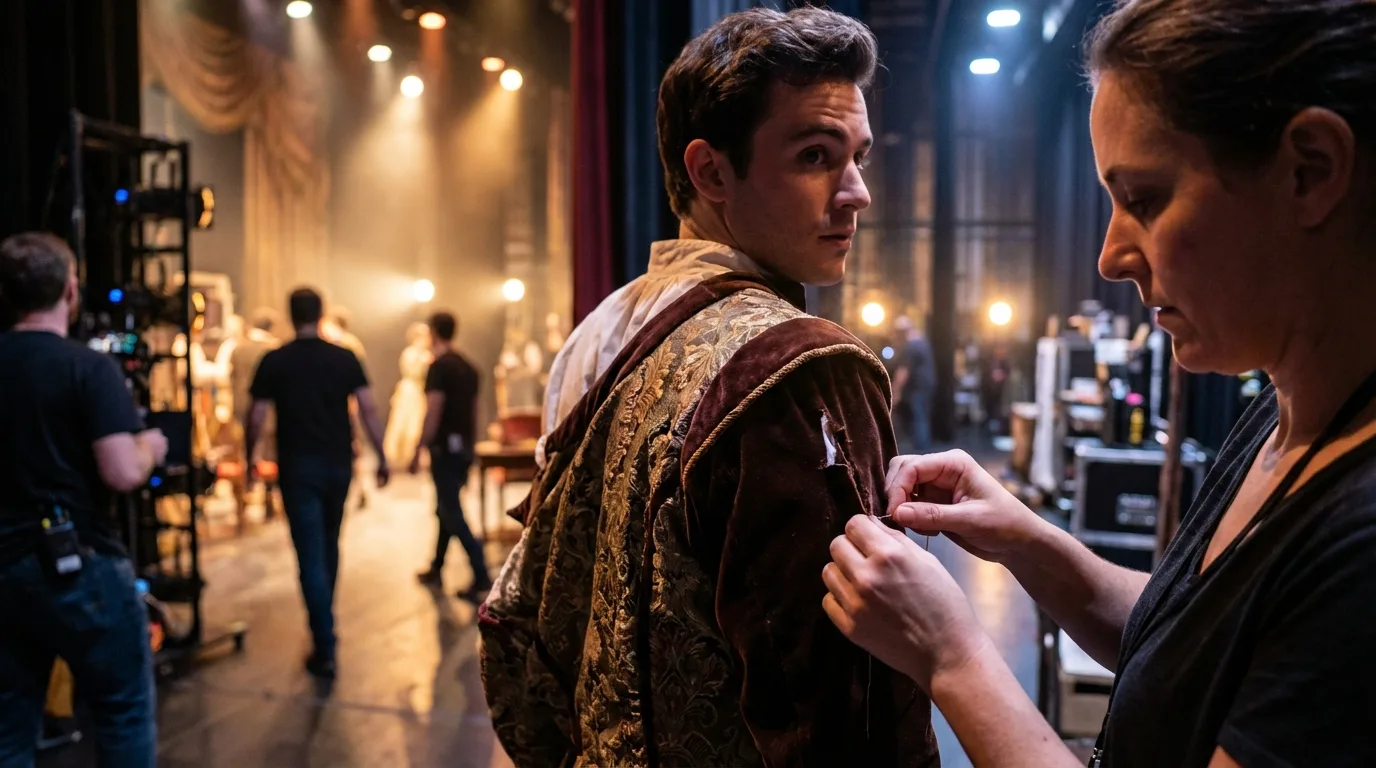
The process involves multiple fittings, often three to five or even more, as the garment progresses. During these fittings, the designer and their team make minute adjustments directly on the client's body. This iterative process allows for continuous refinement of the silhouette, ensuring every line, every curve, and every seam falls perfectly. It’s a dynamic collaboration where the garment is sculpted to the individual, rather than the individual fitting into a pre-made size.
This human element also extends to the client's vision. A haute couture piece is often created for a specific event or purpose, and the client's desires, comfort, and personal style are deeply integrated into the design process. The designer interprets these needs, translating them into a silhouette that is both a work of art and a deeply personal expression.
For more insights into the definition and history of haute couture, an excellent resource is the Wikipedia page on Haute Couture, which details its origins and strict regulations.
Innovation and Tradition: Pushing the Boundaries of Form
Haute couture exists at the fascinating intersection of tradition and innovation. While rooted in time-honored artisanal techniques, it is also a crucible for experimentation, constantly pushing the boundaries of what is possible in fashion form.
Respecting Tradition
The traditional skills of draping, pattern making, hand-sewing, and intricate embellishment are the bedrock of couture. These techniques, passed down through generations of highly skilled ateliers, ensure the impeccable quality and enduring nature of couture garments. The meticulous attention to detail, often involving hundreds or thousands of hours of hand labor, is a hallmark of this tradition.
Embracing Innovation
However, haute couture is not static. Designers continually explore new materials, from unconventional textiles to advanced synthetics, and integrate new technologies like laser cutting or 3D printing into their processes. These innovations allow for the creation of previously impossible forms, challenging conventional notions of structure and garment construction.
Consider designers like Cristobal Balenciaga, known for his revolutionary, sculptural silhouettes that redefined the female form in the mid-20th century. His 'barrel line' and 'sack dress' were radical departures, achieved through masterful cutting and fabric manipulation. In contemporary times, designers like Rei Kawakubo of Comme des Garçons continually challenge conventional body shapes, creating avant-garde silhouettes that are more akin to wearable art than traditional clothing, often requiring entirely new methods of construction and support.
Challenges and Triumphs in Silhouette Creation
The creation of unique haute couture silhouettes is fraught with challenges, yet it is precisely these obstacles that lead to the most breathtaking triumphs in fashion.
The Hurdles
- Time and Labor: The sheer number of hours required for design, draping, pattern making, cutting, and hand-finishing is immense, often spanning hundreds to thousands of hours per garment.
- Technical Complexity: Translating an abstract design concept into a stable, wearable, and aesthetically pleasing three-dimensional form demands extraordinary technical skill and problem-solving abilities.
- Material Limitations: While couture embraces a vast array of materials, some fabrics inherently limit the types of silhouettes they can achieve, requiring ingenious workarounds.
- Cost: The intensive labor, rare materials, and bespoke nature make haute couture prohibitively expensive, limiting its accessibility.
The Rewards
Despite these challenges, the triumphs are significant. Couture allows designers unparalleled creative freedom to experiment with form, leading to:
- Iconic Creations: Garments that become historical benchmarks, influencing fashion for decades.
- Artistic Expression: Couture is where fashion truly transcends utility to become pure art, a medium for profound artistic statements.
- Preservation of Craft: It ensures the continuity and evolution of exquisite artisanal skills that might otherwise be lost.
- Innovation: Techniques pioneered in couture often trickle down to ready-to-wear, pushing the entire industry forward.
The commitment to excellence and the pursuit of the impossible are what define the triumphs in creating these magnificent silhouettes.
The Legacy of Shape: Iconic Couture Silhouettes
The history of haute couture is, in many ways, a chronicle of revolutionary silhouettes. These forms are not just fashionable; they are cultural touchstones, reflecting and shaping the eras in which they emerged.
Consider the 'New Look' of 1947 by Christian Dior, which dramatically reinstated overt femininity after wartime austerity with its rounded shoulders, cinched waist, and voluminous skirts. It was a complete redefinition of the female form, instantly recognizable and immensely influential. Similarly, Hubert de Givenchy's 'Sack Dress' of 1957, a seemingly shapeless shift, was a subversive act that liberated the body from traditional constraints, challenging prevailing norms of feminine attire.
Yves Saint Laurent's 'Mondrian Dress' (1965) translated abstract art into a wearable, geometric silhouette, demonstrating how form could be dictated by artistic principles rather than just the body. Even more recently, designers like Viktor & Rolf have consistently presented surreal, sculptural silhouettes that blur the lines between fashion and art installation, proving that the exploration of form in couture is an endless journey.
These iconic silhouettes not only captivated their contemporary audiences but also continue to inspire designers today, serving as a testament to the enduring power of shape in expressing identity, aspiration, and artistic vision. They are tangible proof of how unique haute couture silhouettes are constructed with both technical prowess and profound creative insight.
For a deeper dive into the history of fashion and its influential silhouettes, resources like the Metropolitan Museum of Art's costume institute archives offer invaluable historical context and examples of iconic pieces.
Frequently Asked Questions (FAQ)
What defines a haute couture silhouette? A haute couture silhouette is a custom-designed, meticulously hand-crafted shape that often pushes the boundaries of traditional garment construction, created for a specific client with multiple fittings, and characterized by unparalleled artistry and structural integrity.
How long does it take to construct a unique haute couture silhouette? The construction of a unique haute couture silhouette can take anywhere from 150 to over 1,000 hours of skilled handwork, depending on the complexity of the design, the materials used, and the level of embellishment.
Are haute couture silhouettes always avant-garde? While many haute couture silhouettes are indeed avant-garde and experimental, pushing fashion boundaries, others are classic and elegant, focusing on perfect fit and timeless beauty. The common thread is the exceptional craftsmanship and bespoke nature, not necessarily radical design.
What role do hidden structures play in couture silhouettes? Hidden structures like boning, corsetry, crinolines, and specialized interlinings are crucial. They provide the necessary support, rigidity, and volume to allow the external fabric to maintain complex, gravity-defying, or specific architectural forms that would otherwise collapse.
Can ready-to-wear mimic haute couture silhouettes? Ready-to-wear can certainly draw inspiration from haute couture silhouettes, but due to mass production methods, cost constraints, and lack of bespoke fitting, it cannot truly replicate the precise structural integrity, exquisite hand-finishing, and custom fit that define unique haute couture silhouettes.
Recommended Reading
- Eco-Friendly Kids Clothes: Last Longer & Save You Money!
- The Ultimate Guide: How to Ensure Perfect Custom Bridal Gown Fit for Your Big Day
- Unleash Your Style: How to Incorporate Bold Prints into Streetwear Outfits
- Eyewear for Sensitive Skin: Find Your Perfect, Irritation-Free Fit
- Fashion's Power: How Does It Empower Women at Work?
Conclusion
The question of how unique haute couture silhouettes are constructed leads us down a fascinating path, revealing a world where fashion transcends mere clothing to become a profound art form. It is a realm where the initial spark of an idea evolves through the rigorous, yet profoundly creative, processes of draping, precise pattern making, and the strategic integration of materials and hidden structures. Each silhouette is a testament to countless hours of dedicated handcraft, a bespoke creation meticulously sculpted to a single body, ensuring a flawless and deeply personal expression of style.
Haute couture stands as a beacon of artisanal excellence, continually balancing reverence for tradition with an unyielding drive for innovation. It's a field where challenges are embraced as opportunities for groundbreaking triumphs, resulting in iconic shapes that not only define fashion eras but also inspire generations. Understanding this intricate construction process deepens our appreciation for the artistry, skill, and passion that elevate haute couture to its revered status, reminding us that true beauty often lies in the mastery of form and the unseen magic of creation.

Your email address will not be published. Required fields are marked *