

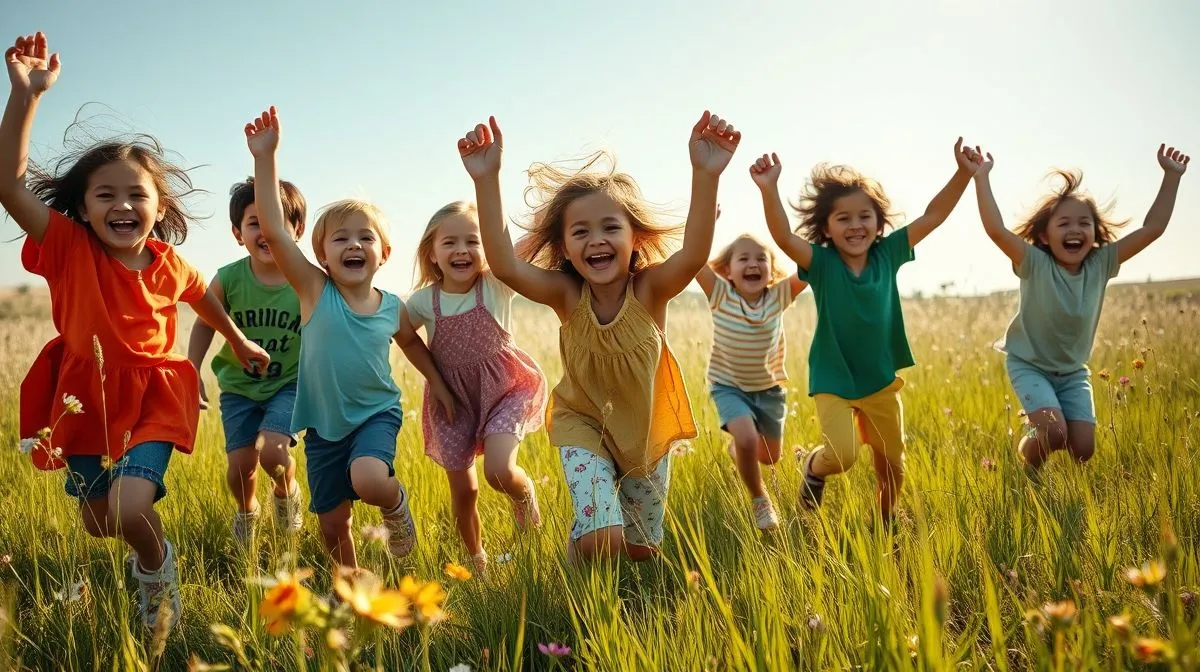
Eco-Friendly Kids Clothes That Last Longer: A Parent's Guide
Have you ever felt overwhelmed by the sheer volume of clothes your kids outgrow seemingly overnight? It's a common frustration for parents, coupled with the growing awareness of the environmental impact of fast fashion. The constant cycle of buying, wearing briefly, and discarding creates a mountain of textile waste.
The big question is: how can we dress our children in a way that's both kind to the planet and doesn't break the bank? Is it possible to find eco friendly kids clothes that last longer, reducing waste and saving money in the long run?
This guide provides practical solutions and insights into choosing durable, sustainable, and ethically produced clothing for your children. You'll learn about materials, brands, and care tips to make your kids' clothes last, all while minimizing your environmental footprint. Get ready to discover the world of eco friendly kids clothes that last longer!
Why Choose Eco-Friendly Kids Clothes?
The Environmental Impact of Fast Fashion
The fast fashion industry is a major polluter. According to the World Wildlife Fund (WWF), the textile industry is a significant consumer of water and energy, and a major source of pollution. Traditional clothing production often involves harmful chemicals and dyes that can contaminate water sources and harm ecosystems.
Choosing eco-friendly kids clothes helps reduce this impact by supporting more sustainable production methods.
Health Benefits for Your Child
Conventional clothing can contain harmful chemicals like formaldehyde and phthalates, which can irritate sensitive skin and potentially pose long-term health risks. Organic and natural materials used in eco-friendly clothing are gentler on your child's skin and free from these harmful substances.
Supporting Ethical Labor Practices
Many fast fashion brands rely on unethical labor practices, including low wages and unsafe working conditions. By choosing eco-friendly and ethically produced kids clothes, you're supporting fair wages and safe working environments for garment workers.
What Makes Kids Clothes Eco-Friendly?
Sustainable Materials
The choice of materials is crucial. Look for these sustainable options:
- Organic Cotton: Grown without synthetic pesticides or fertilizers.
- Bamboo: A fast-growing, renewable resource that requires minimal water and pesticides.
- Recycled Materials: Clothing made from recycled plastic bottles or other recycled fabrics.
- Hemp: A durable and sustainable fiber that requires little water and no pesticides.
- Tencel (Lyocell): Made from sustainably sourced wood pulp using a closed-loop production process.
Dyes and Finishes
Eco-friendly clothing uses low-impact dyes and avoids harmful finishes like formaldehyde. Look for certifications like OEKO-TEX Standard 100, which ensures that the fabric has been tested for harmful substances.
Production Processes
Sustainable brands prioritize water conservation, energy efficiency, and waste reduction in their production processes. They may also use closed-loop systems to recycle water and minimize pollution.
How to Find Durable and Long-Lasting Kids Clothes
Choose High-Quality Fabrics
Opt for fabrics that are known for their durability, such as:
- Denim: A classic choice for its strength and resistance to wear and tear.
- Canvas: A sturdy and versatile fabric that can withstand rough play.
- Fleece: A warm and durable fabric that's perfect for colder weather.
- Wool: A natural fiber that's both warm and water-resistant.
Look for Reinforced Seams and Construction
Check for reinforced seams, double stitching, and durable hardware (like zippers and buttons). These details can significantly extend the lifespan of the garment.
Consider Versatile and Timeless Styles
Choose classic styles that can be mixed and matched and won't go out of fashion quickly. Avoid trendy items that are likely to be discarded after a single season.
Tips for Making Kids Clothes Last Longer
Proper Washing and Care
Follow the care instructions on the garment label. Wash clothes inside out to prevent fading, and avoid using harsh detergents or bleach. Consider using a gentle, eco-friendly laundry detergent.
Repair and Mend
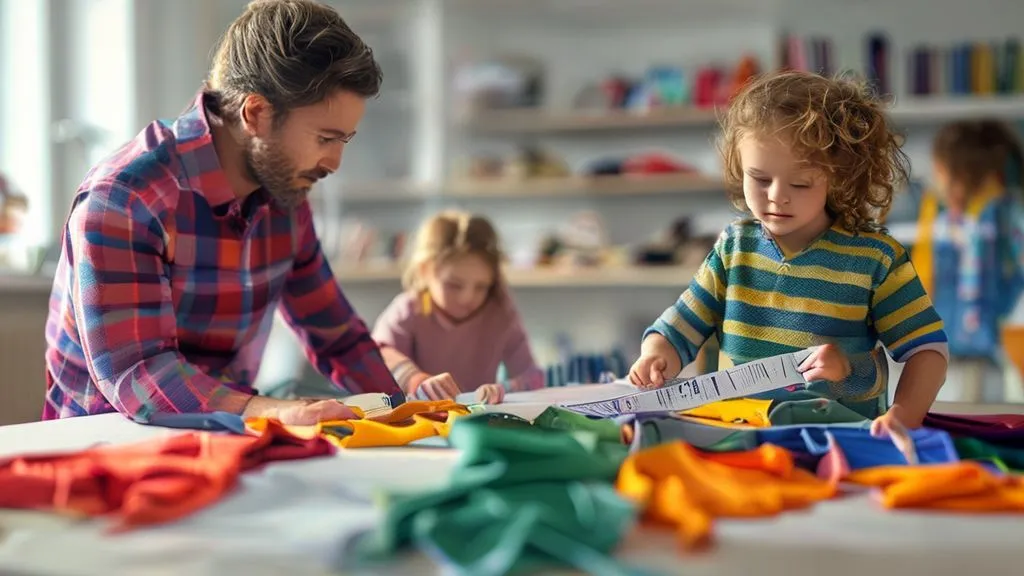
Don't throw away clothes with minor damage. Learn basic sewing skills to repair tears, replace buttons, and mend seams. There are many online tutorials and resources available to help you get started.
Storage Solutions
Store clothes properly to prevent damage from moths, mildew, or sunlight. Use airtight containers or garment bags to protect out-of-season clothing.
Eco-Friendly Kids Clothing Brands to Watch
[Brand Name 1]
[Brand Name 1] is known for its commitment to sustainable materials and ethical production practices. They offer a wide range of organic cotton clothing for babies and children.
[Brand Name 2]
[Brand Name 2] specializes in durable and versatile clothing made from recycled materials. Their designs are both stylish and functional.
[Brand Name 3]
[Brand Name 3] is a leader in bamboo clothing for kids. Their products are incredibly soft, breathable, and sustainable.
The Benefits of Buying Fewer, Better Things
Saving Money
While eco friendly kids clothes that last longer may have a higher upfront cost, they ultimately save you money in the long run by reducing the need to constantly replace worn-out items. Investing in quality over quantity is a smart financial decision.
Reducing Waste
By choosing durable and long-lasting clothing, you're contributing to a more sustainable future by reducing textile waste. This helps conserve resources and protect the environment.
Creating a More Mindful Consumption Habit
Buying fewer, better things encourages a more mindful approach to consumption. It prompts you to consider the environmental and social impact of your purchases and to choose products that align with your values.
Frequently Asked Questions (FAQ)
What is organic cotton? Organic cotton is cotton that is grown without the use of synthetic pesticides, herbicides, or fertilizers. It is a more sustainable and environmentally friendly alternative to conventional cotton.
How can I tell if a brand is truly sustainable? Look for certifications like GOTS (Global Organic Textile Standard) or OEKO-TEX Standard 100. Research the brand's values and production practices. Check if they are transparent about their supply chain and labor standards.
Are eco-friendly clothes more expensive? While they may have a higher upfront cost, eco-friendly clothes often last longer and are made with higher-quality materials, making them a better value in the long run.
Where can I donate or recycle old kids' clothes? Many charities and organizations accept donations of gently used clothing. Some retailers also offer clothing recycling programs. Check with your local community for options.
Recommended Reading
- Best Leggings for Sweaty Workouts: Ultimate Comfort & Performance
- Stunning Nail Art Ideas for Short Nails at Home: Your Ultimate Guide!
- Unlock Style & Comfort: Adapting Fashion Footwear for Comfortable Orthotic Use
- Craft Believable Characters: Costume Design Secrets Revealed!
- Are Virtual Fashion Shows Eco-Friendly? The Surprising Truth Revealed
Conclusion
Choosing eco friendly kids clothes that last longer is a win-win for your wallet and the planet. By prioritizing sustainable materials, durable construction, and mindful care, you can reduce waste, save money, and create a healthier future for your children. Embrace the power of conscious consumption and make a difference, one garment at a time. Remember, small changes can have a big impact! According to a study by the Ellen MacArthur Foundation, a circular economy in fashion could reduce textile waste significantly.

Your email address will not be published. Required fields are marked *