

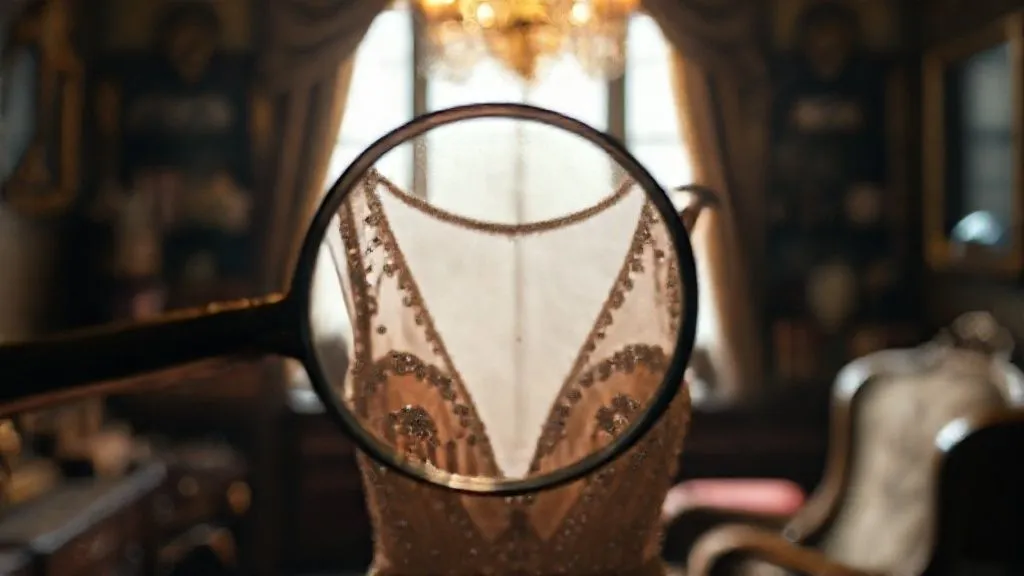
How to Authenticate Rare 1920s Flapper Dresses for High-Value Resale?
For over two decades in the vintage fashion world, I've witnessed both the exhilarating discovery of a true historical gem and the disheartening realization of a costly misidentification. The allure of a 1920s flapper dress is undeniable, a tangible piece of history that speaks of liberation and glamour. Yet, the journey from finding one to confidently authenticating it for high-value resale is fraught with challenges.
The problem, as I see it, is a lack of systematic, expert-driven knowledge. Many enthusiasts rely on superficial clues, leading to overvaluation of reproductions or, worse, the undervaluation of a genuinely rare piece. The market for authentic 1920s flapper dresses is robust, but only for those who can prove their provenance and originality, demanding a meticulous eye and deep historical understanding.
In this guide, I will share the exact frameworks, actionable steps, and expert insights I've honed over years of handling priceless vintage garments. You'll learn not just what to look for, but *how* to critically assess every detail, ensuring you can confidently authenticate rare 1920s flapper dresses for high-value resale, transforming your passion into a profitable endeavor.
The Allure and Peril of Vintage Flapper Dresses
The 1920s, often called the Roaring Twenties, was an era of profound social and cultural change, vividly reflected in its fashion. The flapper dress, with its dropped waist, straight silhouette, and often lavish embellishments, became an icon of modernity and female emancipation. These garments are not just clothing; they are historical artifacts.
However, their age and delicate nature make them particularly susceptible to wear, damage, and clever reproductions. The peril lies in mistaking a beautifully crafted replica, or even a later-era dress styled to evoke the twenties, for an original. This distinction is paramount for anyone looking to enter the high-value resale market.
Understanding the nuances that separate an authentic piece from a mere imitation is the first step in building a trustworthy reputation as a vintage dealer. I've seen countless times how a single, overlooked detail can drastically alter a garment's perceived value.
Foundational Knowledge: Understanding 1920s Fashion & Fabrics
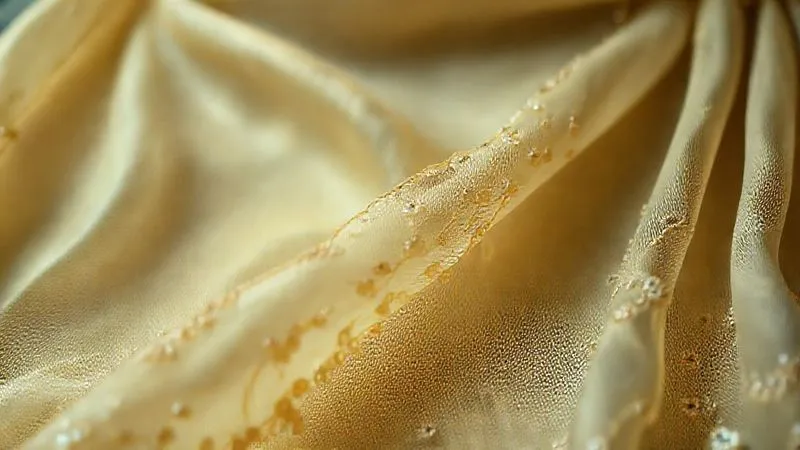
Before you even begin the hands-on authentication process, a solid theoretical foundation is non-negotiable. You must immerse yourself in the fashion history of the 1920s, recognizing its defining characteristics and common misconceptions. This includes silhouettes, typical embellishments, popular color palettes, and, crucially, the textiles of the era.
The silhouette was generally straight, loose, and often featured a dropped waistline, liberating women from corsetry. Hems were shorter, typically reaching the knee, allowing for greater freedom of movement for dancing. While some dresses had sleeves, many were sleeveless or featured thin straps.
Understanding the aesthetic context helps you quickly identify anachronisms. For instance, a very structured, corseted look or an extremely short mini-dress would immediately raise red flags regarding its 1920s authenticity. Historical accuracy is your first line of defense against fakes.
| Feature | 1920s Characteristic | Common Misconception/Later Era |
|---|---|---|
| Silhouette | Straight, loose, dropped waist, knee-length hem | Corseted, empire waist, mini-skirt, A-line |
| Fabrics | Silk (crepe, chiffon, satin), rayon, velvet, metallics | Polyester, nylon, heavy cotton twills, stretch blends |
| Embellishments | Glass beads, sequins, embroidery, lamé, fringe | Plastic beads, machine-made lace, synthetic fringe |
| Closures | Snaps, hooks & eyes, small metal zippers (later 20s) | Plastic zippers, modern hook & loop fasteners, large exposed zippers |
The Fabric Forensics: Identifying Authentic Materials
The fabric is often the most telling clue when authenticating a vintage flapper dress. Genuine 1920s garments primarily utilized natural fibers, with silk being the undisputed queen. Varieties like silk crepe, chiffon, satin, and velvet were prevalent, alongside early forms of rayon (often called 'artificial silk'). Wool and cotton were also used, but less commonly for high-end evening wear.
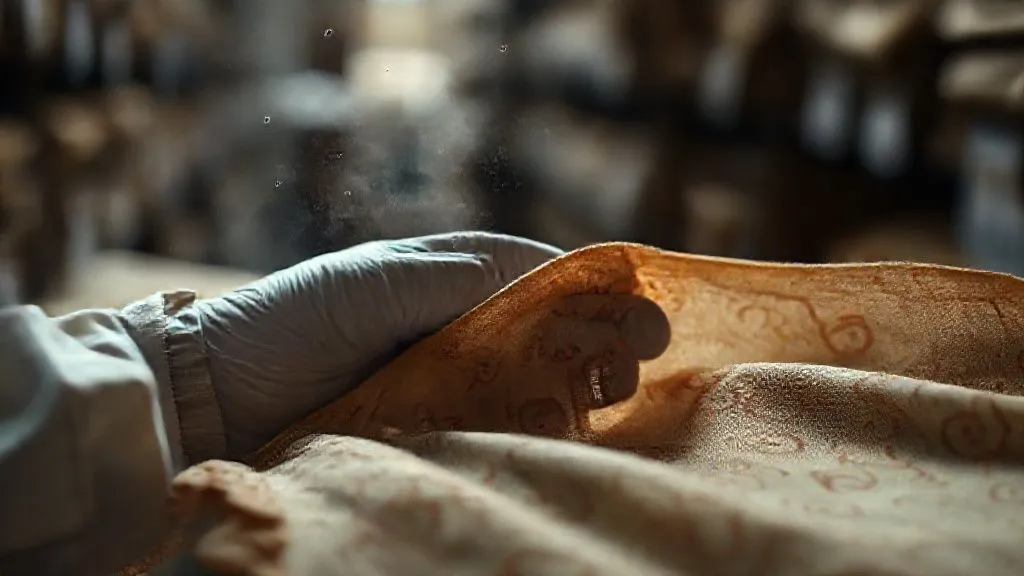
Modern synthetic fabrics like polyester, nylon, and spandex simply didn't exist in the 1920s. Feeling the fabric is crucial: real silk has a distinct drape, a soft hand, and often a subtle sheen that synthetics struggle to replicate. Rayon from the era might feel heavier and less fluid than modern versions.
I always recommend a gentle touch test: genuine silk will feel cool and smooth, warming slightly with contact. A careful burn test (on an inconspicuous, loose thread, if possible and safe) can also differentiate natural fibers from synthetics, but this requires expertise and caution. Silk burns slowly, smells like burning hair, and leaves a soft, crushable ash, whereas synthetics melt and form hard beads.
Expert Insight: "Never underestimate the power of tactile examination. Your fingertips can discern the subtle differences in weave, weight, and drape that are hallmarks of true vintage textiles. Modern reproductions, even good ones, often fall short here."
Construction Clues: Seams, Zippers, and Finishing Touches
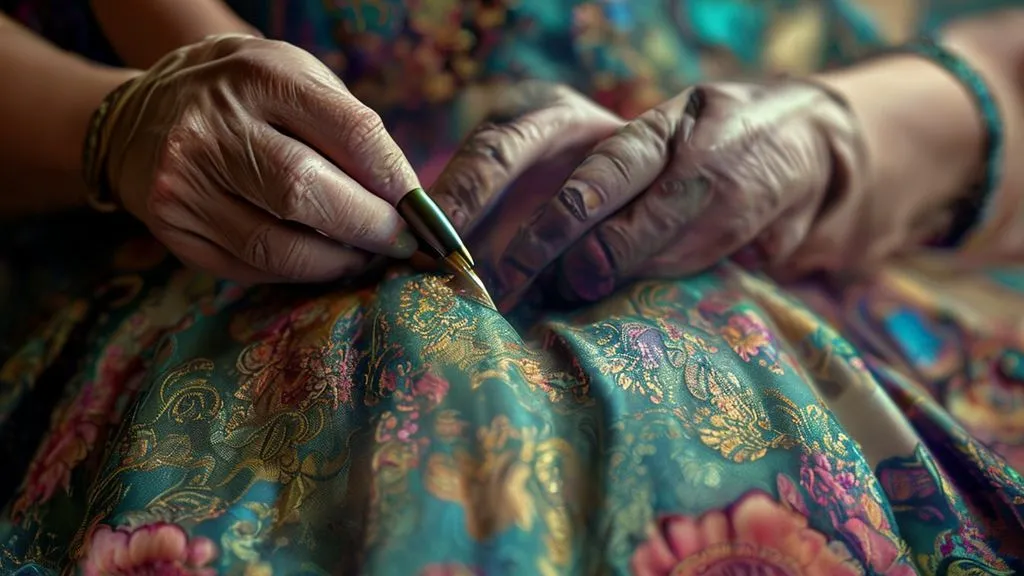
The way a dress is constructed provides a wealth of information about its age. In the 1920s, much of the garment manufacturing was still done by hand or with early industrial sewing machines. Look for signs of hand-finishing, even in factory-made dresses, especially in couture or higher-end pieces.
- Seams: Examine the interior seams. Hand-stitched seams, French seams (where raw edges are enclosed within another seam), or neatly bound seams are common for quality garments. Overlocked or serged seams, as we know them today, were not standard practice until much later. Irregularity in stitching can indicate handwork, while perfectly uniform, tight stitching might suggest a more modern machine.
- Hems: Hems were typically hand-stitched, often rolled or blind-stitched. A machine-stitched hem with a modern, tight stitch pattern is a significant red flag.
- Closures: Zippers began appearing in women's clothing in the late 1920s, but they were often small, metal, and discreetly placed. If you find a plastic zipper, or a large, chunky metal zipper, the dress is almost certainly not from the 1920s. Hooks and eyes, snaps, and buttons were far more common.
- Lining: Many high-quality flapper dresses were lined, often with silk or rayon. The lining's material and construction should also align with 1920s practices.
Case Study: The Misidentified Seam
I once encountered a client who was convinced they had a rare, authentic 1920s flapper dress, purchased at a high price. It had the right silhouette and beautiful beadwork. However, upon closer inspection, I noticed the interior seams were serged with a modern, synthetic thread, and the zipper was clearly a nylon coil zipper, a technology developed decades later. Despite its outward appearance, the construction details definitively dated it to the late 1960s or early 1970s, a well-made reproduction, but not an authentic 1920s piece. The value difference was astronomical. This highlights why focusing on the minutiae of construction is vital when you want to authenticate rare 1920s flapper dresses for high-value resale.
Embellishment Examination: Beads, Sequins, and Embroidery
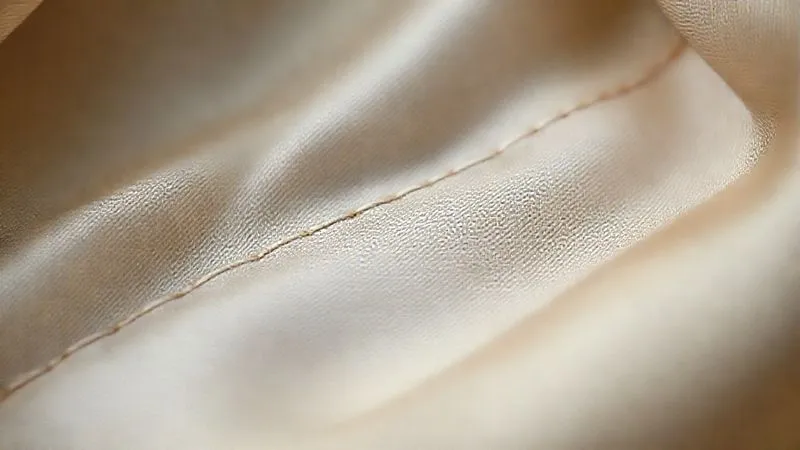
The dazzling embellishments are often what make 1920s flapper dresses so captivating. They also offer critical clues for authentication. The materials and techniques used for beads, sequins, and embroidery were distinctly different from what became common in later decades.
- Beads: Genuine 1920s beads were typically made of glass, often tiny seed beads or bugle beads. They have a particular weight and feel that plastic beads lack. Look for irregularities in size and shape, which can indicate hand-blown glass. Modern plastic beads often feel lighter and too uniform.
- Sequins: Early sequins were made from gelatin, metal, or celluloid. Gelatin sequins, in particular, are prone to deterioration over time, often curling or flaking, especially if exposed to moisture. If sequins are perfectly flat, uniform, and show no signs of age, they might be modern plastic.
- Embroidery: Hand embroidery was common, often featuring metallic threads, silk floss, or even tiny beads incorporated into the design. The stitching should appear consistent with handwork, not the overly perfect uniformity of modern machine embroidery.
- Fringe: Silk or rayon fringe was popular. Examine how it's attached; it should be securely sewn, not glued.
According to textile historians at the Metropolitan Museum of Art's Costume Institute, the quality and material of embellishments are paramount indicators of authenticity. Pay close attention to how these elements are attached to the dress; hand-sewn embellishments are a strong indicator of period craftsmanship.
Label Logic: Deciphering Maker's Marks and Tags
While many 1920s dresses were custom-made or lacked labels, finding a period-appropriate label can be a goldmine for authentication and valuation. However, labels can also be faked or added to non-period garments.
- Label Material and Font: Authentic labels from the 1920s were typically woven silk or cotton, not modern synthetics. The fonts and typography should reflect the Art Deco aesthetic of the era. Look for specific brand names known from the period (e.g., Callot Soeurs, Jeanne Lanvin, Jean Patou).
- Attachment: Labels were usually sewn in with simple stitches, often by hand. If a label looks too new, is attached with modern machine stitching, or has a synthetic composition, it should be scrutinized.
- Care Instructions: This is a major clue! Care labels with modern washing symbols or fabric content (e.g., '100% Polyester') are a definitive sign of a later garment. Such labels did not exist in the 1920s.
- Location: Labels were typically found at the neck, waistline, or side seam.
Even if a dress has no label, it doesn't automatically diminish its authenticity or value, especially for unique, custom-made pieces. However, a genuine label from a renowned designer significantly enhances its provenance and resale potential.
Condition Assessment: Beyond the Obvious Flaws
Assessing the condition of a 1920s flapper dress is complex and goes beyond simply noting tears or stains. You must evaluate the garment's overall structural integrity and how any damage impacts its display or wearability. Remember, these dresses are often 100 years old.
- Fabric Integrity: Look for 'shattering' in silk, where the fabric becomes brittle and tears easily, especially under stress. This is common in aged silk and can be a deal-breaker for wearability but not necessarily for display.
- Embellishment Loss: It's rare to find a beaded dress from the 1920s with 100% of its embellishments intact. Minor loss is acceptable and expected. However, significant missing sections, especially in prominent areas, will affect value.
- Stains and Discoloration: Assess the type and severity of stains. Old perspiration stains, oxidation, or general yellowing are common. Can they be professionally cleaned? Be extremely cautious with cleaning vintage silks.
- Repairs and Alterations: Period repairs, done skillfully, can be acceptable. Modern, poorly executed repairs or significant alterations can diminish value. Look for original stitch lines to detect alterations.
The goal is to understand the dress's 'story' of survival. A dress in excellent, wearable condition will command a premium. However, a piece with historical significance, even with some flaws, can still be highly valuable for collectors or museum display. As Forbes suggests for any high-value asset, transparency about condition is key for building trust with buyers.
Provenance & Documentation: The Story Behind the Dress
For truly rare and high-value pieces, provenance—the documented history of ownership—can be as important as the garment itself. A dress with a known history, especially if it belonged to a notable figure or was worn at a significant event, dramatically increases its value and desirability. This is essential when you aim to authenticate rare 1920s flapper dresses for high-value resale.
- Original Receipts or Invoices: While rare, an original receipt or invoice from a period boutique or department store is invaluable.
- Photographs: Period photographs showing the dress being worn can offer irrefutable proof of its age and context.
- Letters or Diaries: Any personal documentation that mentions the dress or its acquisition adds a rich layer of history.
- Auction Records: Previous sales records from reputable auction houses can provide a clear chain of ownership and prior valuation.
- Expert Declarations: A written declaration of authenticity from a recognized vintage fashion expert or textile historian can significantly boost buyer confidence.
Even without formal documentation, a compelling, well-researched story about a dress's origin can add immense value. Interviewing original owners or their descendants, if possible, can uncover fascinating details. Always prioritize verifiable information. This level of detail elevates a mere garment to a historical artifact.
Pricing for Profit: Valuing Your Authenticated Find
Once you've meticulously authenticated your 1920s flapper dress, the next critical step is accurate valuation for high-value resale. This isn't just about condition or beauty; it's a sophisticated analysis of market demand, rarity, and historical significance.
- Research Comparable Sales: Look at recent auction results from reputable vintage fashion houses (e.g., Kerry Taylor Auctions, Augusta Auctions) and high-end vintage boutiques. Compare dresses of similar style, condition, and known provenance.
- Factor in Rarity: Is it a common style, or a truly unique design? Is it a known designer piece? Dresses by iconic designers like Chanel, Poiret, or Lanvin will command significantly higher prices.
- Assess Condition & Wearability: A dress in excellent, wearable condition will always fetch more than one requiring extensive restoration or suitable only for display. Clearly categorize the condition (e.g., museum quality, excellent, very good, good, fair).
- Consider Desirability: Some styles or color palettes are more sought after than others. Vibrant colors and intricate beadwork often attract higher bids.
- Professional Appraisal: For truly high-value or complex pieces, consider investing in a professional appraisal from a certified vintage fashion appraiser. Their expert opinion provides an unbiased, authoritative valuation.
Remember, the goal is to find the sweet spot where the price reflects the garment's true historical and aesthetic value while remaining attractive to serious collectors and discerning buyers. Transparency in your listing, detailing every aspect of authentication and condition, builds trust and facilitates a higher sale.
Frequently Asked Questions (FAQ)
Question? Can I really authenticate a 1920s flapper dress just from online photos?
Answer: While high-resolution photos can provide initial clues about silhouette, embellishments, and general condition, true authentication requires a hands-on examination. Details like fabric hand, seam construction, and the feel of beads cannot be fully assessed from images alone. I always advise caution and, if possible, a personal inspection or a trusted expert's opinion for high-value pieces.
Question? What's the biggest mistake people make when trying to authenticate vintage flapper dresses?
Answer: In my experience, the most common mistake is focusing solely on the overall 'look' or silhouette, rather than delving into the granular details of construction and materials. Many later-era dresses (especially from the 60s, 70s, or even modern reproductions) mimic the flapper aesthetic very well. A genuine piece is always identifiable by its period-appropriate internal construction, specific fabric composition, and the type of embellishments used.
Question? How much should I expect to pay for a genuine 1920s flapper dress?
Answer: The price range is incredibly vast. A simpler, common style in fair condition might start from a few hundred dollars. A well-preserved, intricately beaded silk dress by a known designer, or one with significant provenance, could easily fetch several thousand to tens of thousands of dollars at auction. Rarity, condition, designer, and historical significance are the primary drivers of value.
Question? Are there any specific 'red flag' fabrics or embellishments that immediately suggest a dress is NOT from the 1920s?
Answer: Absolutely. Any fabric containing polyester, nylon, or spandex is an immediate red flag, as these were not invented or widely used in fashion until much later. Plastic beads, plastic zippers, or overly uniform, machine-made lace or embroidery patterns that lack the slight imperfections of handwork are also strong indicators of a non-period piece. Always be skeptical of anything that feels 'too perfect' or 'too new'.
Question? What resources do you recommend for further learning about 1920s fashion and textiles?
Answer: I highly recommend exploring the digital archives of major costume institutes like the Victoria and Albert Museum, the Kyoto Costume Institute, and the aforementioned Metropolitan Museum of Art. Books by fashion historians like Valerie Steele or Nancy Bradfield are invaluable. Also, connecting with established vintage dealers and textile conservators can offer practical, real-world insights that complement academic study.
Key Takeaways and Final Thoughts
- Adopt a Systematic Approach: Authentication is a multi-faceted process. Never rely on a single clue; instead, build a compelling case based on a holistic examination of fabric, construction, embellishments, labels, and provenance.
- Invest in Knowledge: The more you understand 1920s fashion history, textiles, and manufacturing techniques, the sharper your eye will become. This foundational knowledge is your most powerful tool.
- Prioritize Provenance: For high-value resale, a documented history adds immense credibility and significantly boosts market value. Always seek out and verify any available documentation.
- Condition Matters, But History Endures: While excellent condition commands top dollar, a historically significant piece with minor flaws can still be incredibly valuable. Be transparent about condition.
- Trust Your Instincts, Verify with Evidence: Your expert eye will develop over time. If something feels 'off,' dig deeper. Always back your suspicions or confirmations with concrete evidence.
Authenticating rare 1920s flapper dresses for high-value resale is a rewarding pursuit that blends history, artistry, and business acumen. By diligently applying these expert strategies, you're not just identifying a garment; you're preserving a piece of history and ensuring its true value is recognized. Go forth, explore, and may your next discovery be a genuine roaring success!
Recommended Reading
- Natural vs. Lab-Grown: 7 Core Strategies for Diamond Marketers
- The Ultimate Guide: How to Keep Your Wedding Dress Wrinkle-Free on Your Big Day
- Mastering Durability: 7 Solutions for Bio-Engineered Textile Fibers
- Solving Progressive Lens Frustration: 7 Expert Steps to Adaptation Success
- Groom's Suit Crisis? 7 Urgent Fixes When It Doesn't Fit Days Before Wedding
Your email address will not be published. Required fields are marked *