

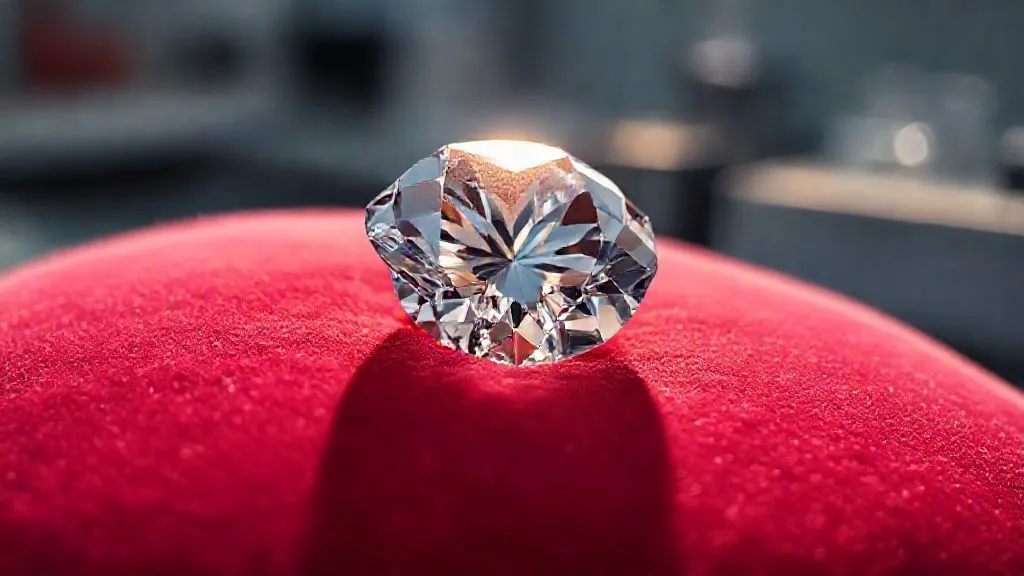
How to Market Natural Fine Diamonds Against Lab-Grown Luxury
For over two decades in the luxury fine jewelry sector, I've witnessed market shifts that few could have predicted. From the rise of e-commerce to evolving consumer values, the industry has always demanded adaptability. Yet, the current challenge – how to market natural fine diamonds against the increasingly sophisticated narrative of lab-grown luxury – feels uniquely profound.
Many brands, both established and emerging, find themselves grappling with a perceived dilution of value, struggling to articulate the intrinsic worth of a natural diamond when a visually identical, significantly cheaper alternative is readily available. This isn't just a pricing challenge; it's a fundamental crisis of identity and consumer perception that, if not addressed strategically, could reshape the very foundation of our industry.
In this definitive guide, I will share the actionable frameworks, real-world insights, and expert strategies I've cultivated from years on the front lines. My goal is to equip you with the tools to not only defend but to powerfully *redefine* the irreplaceable allure of natural fine diamonds, ensuring their lasting legacy in a competitive market.
Understanding the Evolving Diamond Landscape
Before we can effectively strategize how to market natural fine diamonds against lab-grown luxury, we must first deeply understand the terrain we're navigating. The diamond market today is more bifurcated than ever, appealing to different consumer segments with distinct value propositions.
The Rise of Lab-Grown: A Paradigm Shift
Lab-grown diamonds have undeniably disrupted the market, presenting an ethical, often more affordable alternative that resonates with a segment of consumers prioritizing sustainability and price point. They are chemically, physically, and optically identical to natural diamonds, a fact that has been both a boon for their market entry and a significant challenge for natural diamond marketers.
Their rapid growth is a testament to effective marketing that highlights modern values, technological innovation, and accessibility. However, it's crucial to remember that their 'luxury' positioning is largely derived from mimicking the established aesthetics of natural diamonds, rather than possessing an inherent rarity or geological narrative.
The Enduring Allure of Natural Diamonds
Despite the rise of their lab-grown counterparts, natural diamonds continue to hold an unparalleled mystique. They are billions of years old, formed deep within the Earth, each a unique geological marvel. This inherent rarity, coupled with their historical significance as symbols of enduring love and commitment, forms the bedrock of their value.
My experience tells me that the challenge isn't that consumers no longer value natural diamonds; it's that the industry hasn't always articulated that value compellingly enough in the face of new competition. We need to reignite the passion and understanding of what truly makes a natural diamond extraordinary.
Strategy 1: Reclaiming the Narrative – Heritage & Rarity
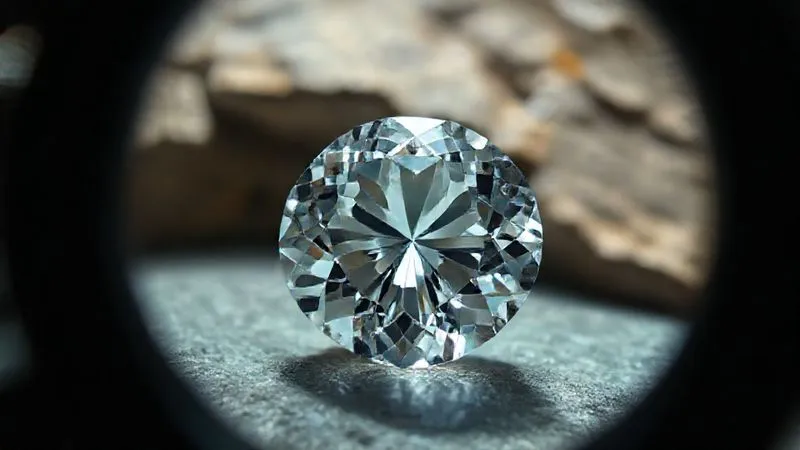
The most powerful weapon in our arsenal for how to market natural fine diamonds against lab-grown luxury is the story no lab can replicate: the story of Earth's creation. We must shift the focus from mere aesthetics to profound origin.
Emphasizing Provenance and Unique Formation
Natural diamonds are not manufactured; they are discovered. Each stone carries a billions-year-old journey from the Earth's mantle to the surface, a testament to geological forces unimaginable. This narrative of deep time, immense pressure, and unique formation is exclusive to natural diamonds.
We need to educate consumers that a natural diamond is a piece of cosmic history, a tangible link to the primordial Earth. It is an artifact of unparalleled rarity, not a product of a factory.
- Trace the Journey Visually: Utilize interactive digital content and in-store displays to visually narrate the diamond's geological formation and discovery process. Show compelling images and videos of mines, not as industrial sites, but as windows into Earth's ancient past.
- Highlight Uniqueness: Emphasize that no two natural diamonds are exactly alike, much like fingerprints. Each possesses subtle, inherent characteristics that tell its unique story, a stark contrast to the mass-produced uniformity of lab-grown alternatives.
- Connect to Human History: Share anecdotes and historical facts about natural diamonds' role in cultures, monarchies, and significant moments throughout human history. This grounds their value in collective human experience and tradition.
Strategy 2: The Unrivaled Value Proposition – Investment & Legacy
When considering how to market natural fine diamonds against lab-grown luxury, a critical differentiator lies in their long-term value and legacy. While lab-grown diamonds offer immediate gratification at a lower price, natural diamonds inherently possess a different kind of financial and emotional trajectory.
Natural Diamonds as Tangible Assets
Historically, natural diamonds have demonstrated a remarkable ability to retain and often appreciate in value over time, particularly high-quality, rare stones. They are tangible assets, portable stores of wealth that have transcended economic cycles. While no investment is guaranteed, their finite supply and enduring demand contribute to their stability.
"In a world increasingly dominated by ephemeral digital assets, natural diamonds offer a grounding, physical investment. They are not just jewelry; they are a legacy, a generational transfer of beauty and intrinsic worth that lab-grown alternatives simply cannot replicate."
This isn't about promoting speculation, but about acknowledging the established market for natural diamonds as collectors' items and valuable heirlooms. Lab-grown diamonds, conversely, are typically priced to reflect their manufacturing cost and are subject to rapid depreciation as production scales and technology advances.
| Attribute | Natural Diamond | Lab-Grown Diamond |
|---|---|---|
| Origin | Billions of years old, Earth-mined, finite resource | Man-made in weeks, manufactured, infinite supply |
| Rarity | Extremely rare, unique geological artifact | Reproducible, mass-producible, not inherently rare |
| Resale Value/Investment Potential | Historically retains/appreciates value, established secondary market | Significantly depreciates post-purchase, limited secondary market |
| Emotional & Historical Significance | Deeply rooted in human history, tradition, and legacy | Modern, technologically advanced, lacks historical depth |
Strategy 3: Emotional Resonance – The Story Beyond the Stone
In my experience, the most successful luxury brands don't just sell products; they sell dreams, emotions, and aspirational lifestyles. When considering how to market natural fine diamonds against lab-grown luxury, we must lean heavily into the emotional narratives that only natural stones can truly embody.
Crafting Deep, Personal Connections
Natural diamonds have been, for centuries, the ultimate symbol of love, commitment, celebration, and achievement. They mark life's most significant milestones. This isn't merely about the diamond itself, but the profound human emotions and memories it represents. A natural diamond is a silent witness to a proposal, a birth, an anniversary, a graduation – it becomes imbued with personal history.
We need to focus on storytelling that evokes these deep emotional connections. Instead of just showcasing the stone's brilliance, illustrate the moments it will commemorate and the stories it will carry through generations. This is where the true 'luxury' of a natural diamond lies – in its capacity to become an irreplaceable part of a personal narrative and a family's legacy.
Case Study: Elevating the Engagement Experience
Case Study: How 'Everlast Gems' Re-Engaged Natural Diamond Buyers
Everlast Gems, a mid-sized luxury jeweler, faced declining natural diamond engagement ring sales as lab-grown alternatives gained traction. Their challenge was not just price, but a perceived lack of 'newness' in the natural diamond offering. By implementing a strategy focused on emotional resonance and provenance, they transformed their approach.
They introduced a 'Legacy Journey' program for all natural diamond purchases. Each diamond came with a beautifully bound 'Provenance Passport' detailing its geological age, region of origin, and a space for the couple to document their own story – their proposal date, wedding vows, and future anniversaries. They also offered a complimentary annual 're-polishing and story update' service, encouraging customers to return and share how their diamond was marking their life's journey.
This initiative shifted the conversation from price to personal history and enduring value. Within 18 months, Everlast Gems saw a 25% increase in natural diamond engagement ring sales and a significant boost in customer loyalty, proving that emotional storytelling, when executed authentically, is a powerful differentiator.
Strategy 4: Transparency & Ethical Sourcing as a Pillar
The conversation around ethics and sustainability is paramount in today's luxury market. When addressing how to market natural fine diamonds against lab-grown luxury, it's crucial to acknowledge and proactively communicate the strides the natural diamond industry has made in responsible sourcing.
Beyond Conflict-Free: The Journey of a Natural Diamond
While the Kimberley Process Certification Scheme has been instrumental in eradicating conflict diamonds, the narrative must extend beyond 'conflict-free' to encompass broader ethical and environmental responsibilities. Consumers want to know that their natural diamond contributes positively to the communities and environments from which it originates.
The natural diamond industry supports millions of livelihoods globally, investing heavily in infrastructure, education, healthcare, and conservation in mining communities. This socio-economic impact is a powerful story that lab-grown diamonds, produced in often automated factories, cannot match.
- Certify & Communicate Beyond KPCS: Highlight additional certifications and initiatives that demonstrate commitment to responsible mining practices, environmental stewardship, and community development. Brands should openly share their supply chain transparency efforts.
- Share Community Impact Stories: Feature real stories of individuals and communities positively impacted by responsible natural diamond mining. Use compelling testimonials, photographs, and videos to humanize the process.
- Educate on Environmental Stewardship: Counter misconceptions by showcasing the extensive conservation efforts, biodiversity protection programs, and rehabilitation initiatives undertaken by leading natural diamond producers. For instance, many mining companies protect vast areas of land, often exceeding their operational footprint, as biodiversity reserves.
For more insights into ethical sourcing, consider resources like the Kimberley Process Official Website.
Strategy 5: Targeted Marketing & Niche Segmentation
Not every consumer is the same, and attempting a one-size-fits-all approach when marketing natural fine diamonds against lab-grown luxury is a recipe for mediocrity. Precision is key in luxury.
Identifying the True Natural Diamond Aficionado
The natural diamond buyer is often sophisticated, values authenticity, heritage, and enduring quality. They are less swayed by price alone and more by intrinsic value, provenance, and the emotional weight of a purchase. This demographic is often interested in fine craftsmanship, bespoke experiences, and products with a story.
Our marketing efforts should be hyper-targeted towards these segments. This means leveraging data analytics to understand their preferences, media consumption habits, and purchasing triggers. Focus on channels and messages that resonate with a clientele seeking timeless elegance and a connection to something truly rare.
Luxury Experience: From Purchase to Aftercare
The sales process for a natural diamond should be an immersive, educational, and deeply personal luxury experience. This extends beyond the initial purchase.
- Personalized Consultations: Offer one-on-one appointments with expert gemologists who can educate clients on the unique characteristics, history, and value of natural diamonds.
- Exclusive Events: Host private viewings, educational seminars on diamond provenance, or collaborations with luxury lifestyle brands that align with the natural diamond ethos.
- White-Glove Service: Ensure every touchpoint, from packaging to after-sales service, reflects the premium nature of the product. Offer bespoke services like custom designs, re-setting for generational pieces, and expert appraisals.
Strategy 6: Collaborative Storytelling & Influencer Partnerships
In the digital age, authenticity and peer validation are paramount. When considering how to market natural fine diamonds against lab-grown luxury, we must strategically leverage credible voices and platforms to amplify our message.
Leveraging Authenticity Through Key Voices
Traditional advertising alone may no longer be sufficient. Modern luxury consumers look to trusted sources for guidance. This means partnering with individuals and organizations who genuinely embody the values of natural luxury, heritage, and responsible living.
- Luxury Lifestyle Influencers: Collaborate with influencers who have an established audience interested in genuine luxury, travel, art, and timeless elegance. Their endorsement, when authentic, can powerfully convey the aspirational value of natural diamonds.
- Industry Experts & Gemologists: Engage leading gemologists, historians, and sustainability experts to speak about the unique attributes, provenance, and ethical journey of natural diamonds. Their authority lends immense credibility.
- Storytellers & Artists: Commission artists, photographers, and filmmakers to create compelling narratives around natural diamonds, focusing on their beauty, origin, and the human stories they represent, rather than just product shots.
As Forbes highlights, influencer marketing is increasingly critical for luxury brands to connect with discerning audiences in an authentic way.
Strategy 7: Education as Empowerment – Dispelling Myths & Clarifying Value
A significant part of how to market natural fine diamonds against lab-grown luxury involves empowering consumers with accurate information. Misinformation and confusion benefit no one, especially not the market for intrinsically valuable goods.
Equipping Sales Teams and Consumers
Your sales force is your front line. They must be impeccably trained, not just on the 4Cs, but on the profound differences in origin, value proposition, and emotional resonance between natural and lab-grown diamonds. They need to be educators, capable of articulating the unique advantages of natural diamonds with confidence and passion.
Similarly, consumers need clear, concise, and accessible information. This includes creating educational content that addresses common questions and misconceptions directly, without being overtly aggressive or dismissive of lab-grown alternatives. The goal is to inform, not to disparage.
| Feature | Natural Diamond | Lab-Grown Diamond |
|---|---|---|
| Formation Time | Billions of years | Weeks to months |
| Source | Earth's mantle, mined | Laboratory, manufactured |
| Supply | Finite, increasingly rare | Infinite, scalable production |
| Certification | GIA, IGI, AGS (with origin details) | GIA, IGI, AGS (clearly stating 'lab-grown') |
| Market Value Trajectory | Historically stable/appreciating | Typically depreciates post-purchase |
Resources like the Gemological Institute of America (GIA) offer invaluable, unbiased information on diamond identification and characteristics, which should be leveraged in educational materials.
Frequently Asked Questions (FAQ)
Question: How do I address the price difference directly with a customer considering lab-grown? It's essential to pivot from a direct price comparison to a value comparison. Explain that while lab-grown offers a lower upfront cost, a natural diamond offers an entirely different proposition: a finite natural wonder, a tangible asset with historical value retention, and an irreplaceable legacy piece. Frame it as choosing between a beautiful, mass-produced item and a unique piece of Earth's history that carries profound emotional and generational significance. Emphasize that they are fundamentally different categories of luxury, much like comparing a limited-edition artwork to a high-quality print.
Question: Is it ethical to mine natural diamonds given environmental concerns? This is a crucial question that demands a transparent and proactive answer. Highlight the significant advancements in responsible mining practices, including environmental protection, biodiversity conservation, and substantial socio-economic contributions to local communities (e.g., funding schools, hospitals, infrastructure). Many leading diamond producers operate under stringent environmental regulations and invest heavily in land rehabilitation. It's important to differentiate between historical practices and current industry standards, and to provide specific examples of positive impact, often contrasting with the carbon footprint and energy demands of lab-grown production.
Question: Don't lab-grown diamonds offer the same sparkle and brilliance? Visually, a high-quality lab-grown diamond can indeed exhibit similar optical properties to a natural diamond. The key differentiator is not merely the 'sparkle' but the story, rarity, and intrinsic value behind that sparkle. Explain that while they share chemical and physical properties, their origin stories, supply dynamics, and long-term value propositions are vastly different. Focus on the 'soul' of the natural diamond – its unique formation over billions of years, its finite nature, and its role as a historical artifact, which no lab can replicate.
Question: How can smaller jewelers compete with larger brands in marketing natural diamonds? Smaller jewelers have a distinct advantage: personalization and authentic storytelling. Focus on intimate client relationships, bespoke services, and local community engagement. Curate unique collections, perhaps emphasizing artisanal craftsmanship or specific ethical sourcing narratives that resonate with your clientele. Leverage your expertise to offer highly personalized educational experiences. Your ability to connect on a deeper, more personal level can often outweigh the marketing budgets of larger competitors. Authenticity and trust are your greatest assets.
Question: Is there a risk that natural diamonds will lose all their value to lab-grown in the long term? While the market landscape is evolving, the fundamental drivers of natural diamond value – rarity, historical significance, and emotional resonance – are enduring. There will always be a segment of the luxury market that values authenticity, provenance, and the finite nature of natural resources. As Bain & Company's Global Diamond Reports consistently show, the demand for natural diamonds, particularly in the high-end segment, remains robust. The challenge is in effectively communicating and reinforcing these intrinsic values, rather than fearing an outright displacement.
Key Takeaways and Final Thoughts
The challenge of how to market natural fine diamonds against lab-grown luxury is not merely a battle of price, but a profound opportunity to re-articulate the irreplaceable value of authenticity, heritage, and enduring legacy. As an industry veteran, I've seen that true luxury is never about the cheapest option; it's about the most meaningful, the most rare, and the most deeply resonant.
- Reclaim the Narrative: Emphasize the billions of years of Earth's creation and the unique journey of each natural diamond.
- Highlight Enduring Value: Position natural diamonds as tangible assets and irreplaceable heirlooms, not just jewelry.
- Cultivate Emotional Connections: Weave powerful stories that link natural diamonds to life's most significant moments and human emotions.
- Champion Transparency & Ethics: Proactively communicate responsible sourcing, community impact, and environmental stewardship.
- Target Strategically: Focus marketing efforts on discerning consumers who value authenticity, rarity, and a premium experience.
- Leverage Credible Voices: Partner with influencers and experts who genuinely resonate with the values of natural luxury.
- Empower Through Education: Equip sales teams and consumers with accurate, compelling information that dispels myths and clarifies true value.
The future of natural fine diamonds isn't about competing on the same playing field as lab-grown alternatives; it's about defining a superior, distinct field where their unique virtues can truly shine. By embracing these strategies, we can ensure that natural diamonds continue to captivate hearts, inspire awe, and remain cherished symbols of enduring value for generations to come. The power of a natural diamond lies not just in its brilliance, but in its story – a story that is as old as time itself, and one that is waiting to be told with renewed passion and clarity.
For further industry insights and market analysis, I recommend reviewing reports from organizations like Deloitte's Global Powers of Luxury Goods, which often provide valuable perspectives on the evolving luxury landscape.
Recommended Reading
- 7 Steps: How to Avoid Greenwashing Allegations in Eco Clothing Marketing
- Unlock Ageless Style: How to Create Womenswear for Every Generation
- 7 Proven Strategies: Shoot Fashion Lookbooks That Skyrocket Sales
- Authenticating Pre-1900 Garments: 7 Expert Steps to Resolve Disputes
- 7 Smart Strategies: Prevent Historical Inaccuracy in Low-Budget Costumes


Your email address will not be published. Required fields are marked *