

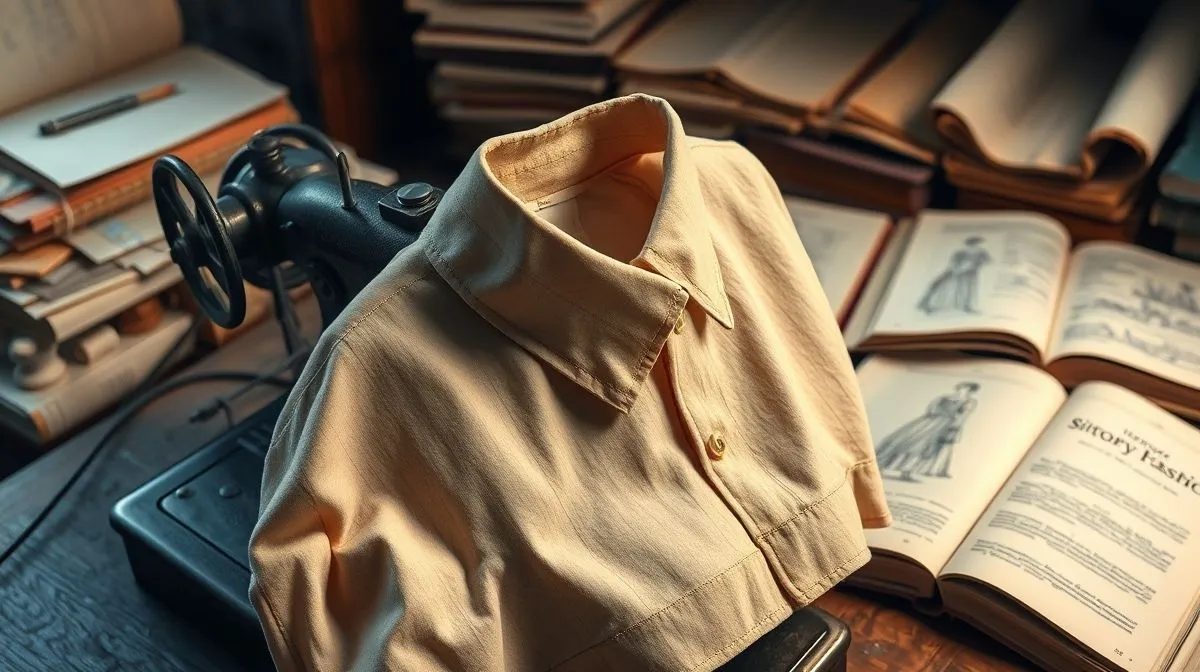
How to Prevent Historical Inaccuracy in Low-Budget Film Costumes?
For over two decades in the costume design industry, I've witnessed countless brilliant independent film projects stumble not because of a weak script or poor acting, but due to a single, glaringly anachronistic detail in a costume. It's often a modern zipper on a supposedly 18th-century gown, or a synthetic fabric shine in a scene meant to evoke the gritty 1930s. These small missteps, especially in low-budget productions, can shatter a viewer's immersion and undermine the entire visual narrative you've meticulously crafted.
The pressure of a tight budget often tempts filmmakers and costume designers to cut corners, opting for convenience over historical veracity. You might think, 'Who will notice?' But trust me, a significant portion of your audience, from history buffs to casual viewers, will subconsciously – or consciously – register that something feels 'off'. This isn't just about historical pedantry; it's about maintaining the suspension of disbelief crucial for powerful storytelling.
This definitive guide will equip you with the practical frameworks, resourceful strategies, and expert insights I've honed over years of working on both blockbuster and indie sets. My goal is to show you how to prevent historical inaccuracy in low-budget film costumes, ensuring your period piece feels authentic and believable, without breaking your bank. We'll explore everything from deep-dive research techniques to clever fabric substitutions and strategic allocation of your limited resources.
The Foundational Pillar: Deep Dive Research, Not Just Skimming
Before you even think about fabric swatches or sewing machines, your most critical tool is research. Many low-budget projects make the mistake of relying solely on quick Google searches or popular historical dramas for inspiration. While these can be starting points, they are rarely sufficient for true accuracy.
Beyond Google: Unearthing Primary Sources
To truly understand period clothing, you need to go beyond surface-level images. I always advocate for seeking out primary sources. This means looking at actual garments, period illustrations, and written accounts from the time.
- Museum and Archive Collections: Many museums now have extensive online collections of historical garments, complete with detailed photos and descriptions. The Victoria and Albert Museum (V&A) in London, for instance, has an incredible textile and fashion archive that is a treasure trove of information. Always check reputable institutions first.
- Period Paintings and Illustrations: While art can be stylized, contemporary paintings, fashion plates, and even political cartoons offer invaluable insights into how clothing was worn, accessorized, and perceived. Pay attention to layers, undergarments, and how garments move.
- Original Texts: Diaries, letters, catalogs, and even old newspapers from the period can describe fabrics, colors, styles, and even the cost of clothing, giving you a tangible sense of the everyday realities.
- Photographic Archives (Post-1839): Once photography became available, direct visual evidence exploded. Explore national archives, university collections, and historical societies for candid shots that reveal how people truly dressed, not just formal portraits.
Understanding Socio-Economic Context
Costume isn't just about aesthetics; it's about sociology and economics. People's clothing was dictated by their social status, profession, climate, and available resources. A peasant in 17th-century France would wear vastly different clothing from a noble, even if technically from the same 'period'.
Ask yourself: What was the character's social standing? What was their occupation? What was the climate like? What materials were readily available and affordable to someone of their station? Understanding these nuances helps you make informed choices that add depth and believability, even if you can't afford bespoke historical reproductions.
Authenticity isn't about perfect replication; it's about believable representation within context. Focus on the spirit and silhouette of the era, not just minute details.
Strategic Resourcefulness: Making Every Dollar Count
This is where the 'low-budget' part of the equation truly comes into play. It's not about magic, but about smart, creative thinking. In my experience, the biggest budget breakthroughs come from resourcefulness, not larger coffers.
The Power of Thrifting and Upcycling
Second-hand stores, vintage shops, and even online marketplaces like eBay or Etsy can be goldmines. You're not looking for perfect period pieces (though you might get lucky!), but for garments with the right fabric, cut, or potential for modification.
- Look for Natural Fibers: Prioritize cotton, linen, wool, and silk. Modern synthetics often have an unnatural sheen or drape that immediately screams 'wrong' for historical periods. Even if the garment isn't period-accurate, a good natural fabric can be dyed, distressed, and reshaped.
- Deconstruction Potential: Don't just look at the garment as is. Can that oversized linen shirt become the base for a 19th-century chemise? Can a wool blanket be cut into a cloak? Think about the raw materials you're acquiring.
- Focus on Shape and Silhouette: Sometimes you find a modern garment with a surprisingly period-appropriate sleeve shape or neckline. These are prime candidates for modification.
Rent vs. Buy vs. Build: A Cost-Benefit Analysis
Every single costume piece needs to be evaluated for its best sourcing method. There's no one-size-fits-all answer.
- Renting: For highly specialized or intricate costumes (e.g., full armor, elaborate ballgowns), renting from a costume house can often be more cost-effective than building from scratch. They have the expertise, the materials, and the storage.
- Buying/Modifying: This is where thrifting comes in. For common items (shirts, trousers, simple dresses), buying modern garments and heavily modifying them (removing zippers, changing buttons, altering collars) can save significant time and money.
- Building from Scratch: Reserved for pieces that are impossible to find, or for hero costumes that require absolute specific accuracy and will be seen extensively. Even then, consider using modern patterns adapted for period accuracy, or simplified historical patterns.
Mastering Fabric & Trim Substitution
One of the biggest giveaways of a low-budget historical costume is the wrong fabric. Modern polyesters and blends often lack the drape, texture, and natural imperfections of historical textiles. However, you don't need to break the bank on historically accurate weaves if you're clever.
Emulating Period Textures on a Budget
The key is to find modern, affordable fabrics that *look* and *feel* similar to historical ones.
- Linen Blends: For wool or heavier linen, look for linen-cotton blends or even some treated denim. They can offer a similar coarse texture and drape.
- Cotton Ducks/Canvases: These can mimic heavier wools or linen for workwear, especially when dyed and distressed appropriately.
- Rayon/Viscose: Can sometimes pass for silk or lighter wools due to its drape, but be careful with its sheen.
- Dyeing: A plain, cheap natural fiber fabric can be transformed with fabric dyes to achieve period-appropriate colors. Natural dyes (tea, coffee, onion skins) can also create beautiful, muted tones.
Creative Trim Solutions
Period trims, laces, and buttons can be incredibly expensive. This is where your inner artist comes out.
- Stenciling: Instead of expensive embroidery, consider stenciling patterns onto fabric with fabric paint.
- Simple Hand Embroidery: Even basic running stitches or cross-stitches can add a handmade, period feel to a garment, especially if used sparsely.
- Dyeing Modern Lace: Cheap modern lace can be dyed with tea or coffee to give it an aged, authentic look.
- Button Alternatives: Instead of expensive historical buttons, look for wooden, bone, or simple metal buttons. You can also cover buttons with fabric scraps.
Case Study: The 'Dust Bowl Drifters' Project
I once consulted on an indie film set in the 1930s Dust Bowl. The budget for costumes was almost nonexistent. Instead of trying to source vintage wools, which were prohibitively expensive, we opted for distressed cotton twills and linen-cotton blends for the main characters' workwear. We bought plain, oversized garments from thrift stores and then meticulously distressed and aged them using sandpaper, tea stains, and even a little dirt from the set. We focused on the silhouettes and the wear-and-tear. For one character's 'best' shirt, we found a modern cotton shirt, removed the plastic buttons, replaced them with salvaged wooden ones, and added simple, hand-stitched repairs. The result was incredibly authentic, proving that the illusion of history can be achieved with ingenuity, not just money. This approach allowed the film to achieve a believable period aesthetic without a single 'period-accurate' fabric purchase, reducing costs by an estimated 70%.
The Art of Selective Accuracy: Where to Focus Your Budget
You can't be 100% accurate on every single detail of every single costume in a low-budget film. It's simply not feasible. The trick is to identify where your accuracy will have the most impact and where you can afford to be more interpretive.
Prioritizing Key Character Elements
Focus your limited resources on the costumes of your principal characters, especially those elements that will be frequently seen in close-ups or are integral to their character development.
- Hero Costumes: The main protagonist's core outfits should be your highest priority for accuracy and detail.
- Signature Pieces: A unique hat, a specific piece of jewelry, or a distinctive coat can define a character and anchor them in their period, even if other parts of their costume are less precise.
- Elements Seen in Close-Up: Buttons, collars, cuffs, and specific textures on fabrics that will be seen in tight shots demand more attention to detail.
The 'Background Blur' Principle
For background extras or characters who only appear briefly, you have more leeway. Their costumes can be suggestive of the period rather than perfectly accurate.
Consider: What will the camera actually capture? If an extra is in the far background, their costume needs to convey the *essence* of the period without requiring intricate historical details. Focus on general silhouettes, color palettes, and overall texture rather than precise fastenings or stitching.
As renowned costume designer Deborah Nadoolman Landis often emphasizes, 'Costume is character.' Your choices should always serve the story and the character, even within historical constraints. Sometimes, a subtle anachronism that enhances character is more forgivable than strict adherence that weakens it.
Collaboration is Key: Aligning Vision with Reality
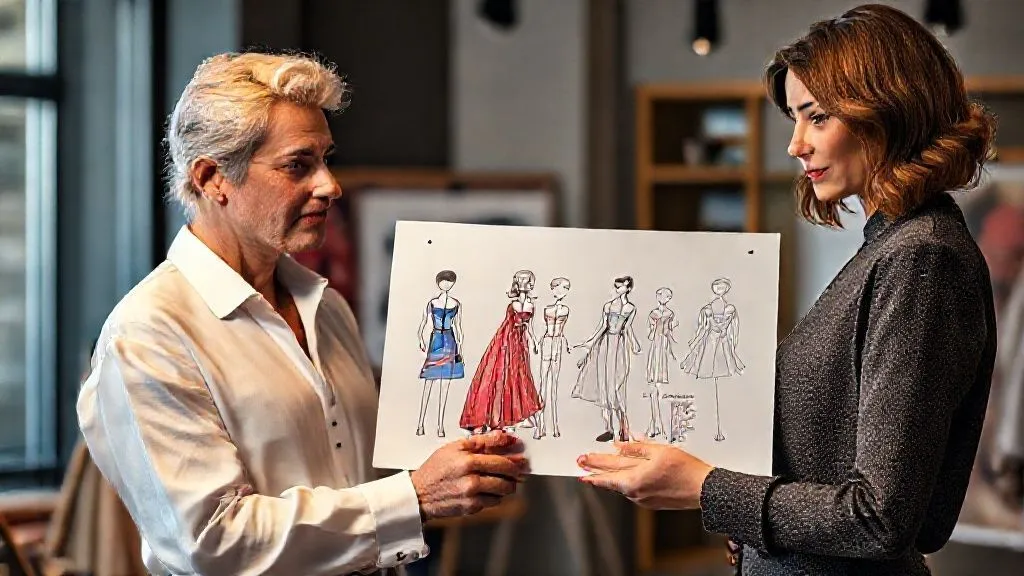
Costume design doesn't happen in a vacuum. Especially on a low-budget set, seamless collaboration with your director, cinematographer, and other department heads is paramount to achieving historical authenticity without overspending.
Communicating with Director and Cinematographer
Your director's vision and your cinematographer's lighting and camera choices profoundly impact how costumes are perceived.
- Lighting: Discuss how different fabrics will react to the lighting. A subtle sheen on a fabric might be invisible in dim light but glaringly modern under bright studio lights.
- Camera Angles: If a character is consistently shot from the waist up, you might be able to save money on historically accurate footwear. If a scene is primarily wide shots, individual button details become less critical.
- Color Palette: Ensure your costume colors complement the overall film's color grading and don't clash with the set design.
Engaging in these conversations early can save you significant time and money by allowing you to make strategic compromises. For more insights on collaborative creative processes, you might find articles from reputable sources like Harvard Business Review on cross-functional team collaboration insightful, adapting their principles to your creative team.
Enlisting Volunteer & Student Talent
Low budgets often mean fewer hands. Don't be afraid to tap into local talent pools.
- Fashion/Art Students: Many students are eager for real-world experience and might be willing to volunteer their time for portfolio credit. They can help with sewing, distressing, or even research.
- Local Craftspeople: Reach out to local sewing groups, historical reenactment societies, or even retired tailors. They often possess invaluable skills and might be willing to contribute for the love of the craft.
The Illusion of Detail: Clever Tricks and Techniques
Sometimes, achieving historical accuracy isn't about perfectly replicating every seam, but about creating the *illusion* of it. This involves understanding how the audience perceives detail and leveraging other elements of production.
Distressing and Aging for Authenticity
A brand-new, pristine costume, even if technically accurate, often looks fake in a historical context. People in the past lived harder lives, and their clothes reflected that. Learning basic distressing techniques can instantly add realism.
- Sanding/Grating: To simulate wear on edges, collars, and cuffs.
- Tea/Coffee Staining: To age and mute colors, giving fabric a lived-in, slightly dirty look.
- Strategic Rips/Repairs: A carefully placed tear or a visible patch can tell a story about a garment's life.
- Fuller's Earth/Dust: To add realistic dirt and grime, especially for outdoor scenes.
Harnessing Hair, Makeup, and Props
Costumes don't exist in a vacuum. They are part of a larger visual tapestry. Hair, makeup, and props can significantly amplify the believability of your costumes, sometimes even masking minor inaccuracies.
A modern jacket might pass if the actor's hair is styled perfectly for the period, their makeup is era-appropriate (or absent if that's the look), and they are holding a period-specific prop like a pipe or a pocket watch. These elements work in concert to build a cohesive historical world. Always coordinate closely with your Hair & Makeup and Props departments.
Sometimes, the most historically accurate costume is the one that *feels* historically accurate, even if minor details are fudged. It's about the overall impression, the atmosphere, and the seamless integration into the narrative.
Avoiding Common Anachronism Traps
Even with the best intentions, certain modern elements can inadvertently creep into historical costumes, instantly breaking the illusion. Being aware of these common pitfalls is half the battle.
Zippers, Modern Stitching, and Synthetic Fabrics
These are the 'big three' anachronisms I see most often:
- Zippers: Widely available only post-1930s. Before that, think buttons, hooks and eyes, laces, and snaps. If you must use a zipper for expediency, ensure it's hidden under a placket or flap.
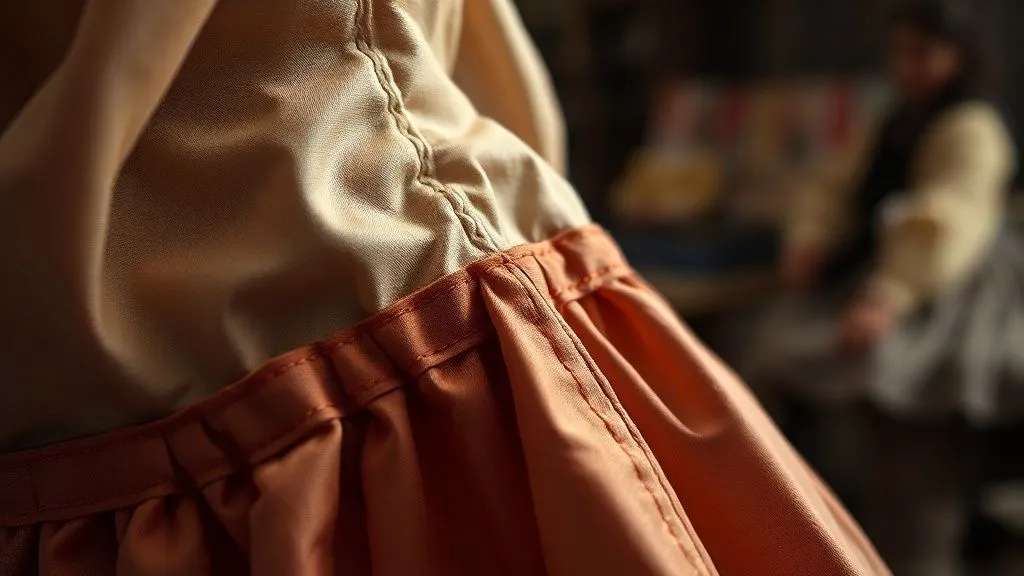
- Modern Stitching: Overlock seams, zigzag stitches, and perfectly uniform machine stitching can look out of place on garments meant to be hand-sewn or made with earlier machines. Consider simple topstitching or even faux hand-stitches for visible seams.
- Synthetic Fabrics: Polyester, nylon, spandex, and acrylic often have a distinct sheen, drape, and feel that screams 'modern'. Stick to natural fibers (cotton, linen, wool, silk) or blends that mimic them. Even if you're using a modern garment as a base, ensure the fabric doesn't look obviously synthetic.
The 'Clean Look' Fallacy
Many filmmakers mistakenly believe that historical figures always wore perfectly clean, pressed clothes. While formal attire might have been pristine, everyday wear, especially for working classes, was often worn, mended, and not always spotless. Overly clean or 'costumey' looking garments can be as jarring as anachronisms.
For a deeper dive into the nuances of historical clothing and how common misconceptions arise, exploring the Victoria and Albert Museum's fashion collection online can provide excellent visual and textual context, helping you understand the evolution of materials and construction.
Quality Control and Final Review
Before your costumes hit the set, a rigorous final review process is crucial. What looks good on a hanger or in a fitting room might not translate well on camera.
The Photo Test: Seeing Through the Lens
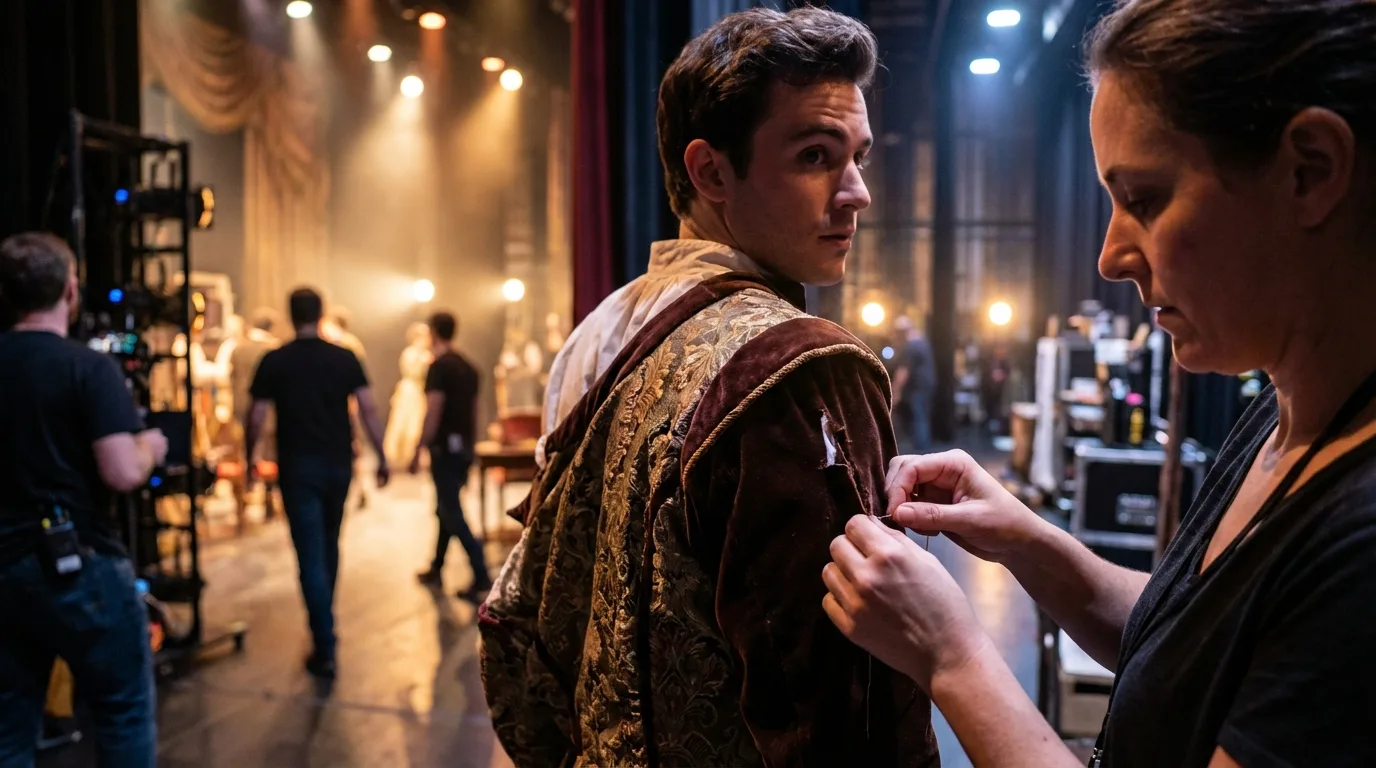
Always do camera tests with your actors in full costume, under the actual lighting conditions of your set. The camera sees things the human eye misses. A fabric that looks fine in person might shine unnaturally or reveal its modern origins under cinematic lighting. This is also your chance to catch any stray modern elements – a visible bra strap, a modern watch, or an unintended flash of synthetic lining.
Peer Review and Expert Consultation
If possible, get a fresh pair of eyes on your costumes. Another costume designer, a historical consultant, or even a knowledgeable friend can spot details you've overlooked. Don't be afraid to ask for constructive criticism.
- Full Dress Rehearsal: Observe how the costumes move and interact with the actors' blocking and actions.
- Check from All Angles: Ensure that every visible part of the costume is accurate, not just the front.
- Detail Scrutiny: Go over buttons, zippers, stitching, and accessories with a fine-tooth comb.
- Continuity Check: Ensure costumes are consistent across scenes and over time, reflecting changes (or lack thereof) in character.
For broader insights into film production best practices and ensuring visual consistency, resources from institutions like the British Film Institute (BFI) can offer valuable perspectives on integrating various production elements seamlessly.
Frequently Asked Questions (FAQ)
Question: Can I use modern commercial patterns and adapt them for historical accuracy? Detailed answer: Yes, absolutely! This is a very common and cost-effective strategy. You'll need to understand historical silhouettes and construction principles. Identify a modern pattern that has a similar basic shape (e.g., a simple A-line skirt for a 1950s look). Then, modify the details: change sleeve shapes, alter necklines, eliminate zippers, add historically appropriate closures (buttons, hooks), and adjust the fit to match the period's typical body shape. Researching period pattern drafting methods can also help you understand how to make these adaptations effectively.
Question: How do I find historical patterns on a budget? Detailed answer: There are several ways. Many historical patterns are now in the public domain and can be found for free online through museum archives or historical societies. Websites dedicated to historical sewing often share free patterns or provide detailed instructions on how to draft them from period illustrations. Additionally, independent pattern companies sometimes offer simplified historical patterns at more affordable prices than large commercial pattern houses. Look for patterns based on actual period garments rather than 'costume' patterns.
Question: Is it ever okay to intentionally be inaccurate for creative reasons? Detailed answer: As a seasoned expert, I'd say yes, but with extreme caution and clear intent. This is known as 'period pastiche' or 'stylized historical' design. It's acceptable if the inaccuracy serves a deliberate artistic purpose, enhances a theme, or contributes to a character's journey in a way that is immediately understood by the audience as intentional. However, if it's born out of ignorance or laziness, it will simply look like a mistake. Always discuss such creative liberties extensively with your director to ensure you're both on the same page and that it won't break the audience's immersion.
Question: What's the most common mistake in low-budget historical costumes that I should absolutely avoid? Detailed answer: The most common and jarring mistake is using modern synthetic fabrics with an obvious sheen or stiff drape for periods where natural fibers were exclusively used. Polyester satins for a medieval gown, or shiny nylon for a 19th-century dress, immediately scream 'costume' rather than 'clothing'. Prioritize natural fibers like cotton, linen, and wool (or blends that mimic them) even if they are plain, and then rely on dyeing, distressing, and clever construction to make them look authentic. The fabric's look and feel is often more critical than intricate historical details for overall believability.
Question: Where can I find affordable historical footwear? Detailed answer: Footwear is notoriously challenging and expensive for historical productions. On a budget, your best bets are: 1) Searching thrift stores for modern shoes with period-appropriate shapes that can be easily modified (e.g., covering buckles, adding spats, distressing). 2) Using existing modern shoes and strategically obscuring them with long skirts, clever camera angles, or mud/dirt. 3) For background extras, sometimes basic, plain modern shoes can pass if they are not a focal point. 4) Consider buying replica shoes from historical reenactment suppliers, which can sometimes be more affordable than bespoke options, especially for common styles. Focus your budget on hero characters' visible footwear.
Recommended Reading
- Unlock the Secret: How to Safely Wash Your Conductive Fabric Clothing
- Unlock Fashion Event Networking: The Blogger's Ultimate Guide to Connections
- Unlock the Past: How to Construct a Historically Accurate Corset Pattern?
- Ultimate Guide: Best Travel Accessories to Secure Valuables Abroad
- 5 Steps to Spot Profitable Emerging Streetwear Aesthetics for Your Brand
Key Takeaways and Final Thoughts
- Research is Your Best Investment: Don't skimp on deep-dive research into primary sources and socio-economic context. It's free and invaluable.
- Embrace Resourcefulness: Thrifting, upcycling, and smart modification of modern garments are your superpowers.
- Prioritize & Strategize: Focus your limited funds on key character costumes and visible details. Background costumes can be less precise.
- Master the Illusion: Clever fabric substitutions, distressing, and leveraging hair, makeup, and props can create powerful historical illusions.
- Collaborate Continuously: Work closely with your director and cinematographer to ensure your costume choices align with the overall visual narrative and production realities.
- Avoid Obvious Anachronisms: Be hyper-vigilant about modern zippers, stitching, and synthetic fabrics.
Crafting historically accurate costumes on a low budget is not about magic; it's about meticulous planning, creative problem-solving, and a deep understanding of both history and the art of filmmaking. As I've learned over the years, the most compelling period films aren't always the ones with the biggest budgets, but those where every detail, no matter how small, serves the story and transports the audience seamlessly into another time. With these strategies, you can prevent historical inaccuracy in low-budget film costumes, ensuring your cinematic vision remains authentic, believable, and truly unforgettable.

Your email address will not be published. Required fields are marked *