

Unlocking Peace of Mind: The Best Travel Accessories to Secure Valuables Abroad?
Imagine this: You're halfway across the world, immersed in the vibrant chaos of a Moroccan souk or the serene beauty of a Japanese temple garden. Suddenly, a jolt of panic strikes. Where’s your wallet? Your passport? That sinking feeling of vulnerability, the realization that your precious documents and hard-earned cash might be gone, is every traveler's worst nightmare. It's a moment that can instantly transform a dream vacation into a stressful ordeal, leaving you feeling helpless and exposed.
The unfortunate truth is that while the world is full of wonder, it also harbors risks. Theft, pickpocketing, and opportunism are realities that travelers, especially those venturing into unfamiliar territories, must contend with. The question isn't whether bad things can happen, but rather, what proactive steps can you take to mitigate these risks and ensure your valuables remain secure, allowing you to focus on the joy of exploration?
This comprehensive guide is designed to be your ultimate resource for navigating the complexities of travel security. We will dive deep into the world of the best travel accessories to secure valuables abroad, exploring innovative solutions, practical gear, and essential strategies that empower you to travel with confidence and keep your belongings safe, no matter where your adventures take you. By the end of this reading, you'll be equipped with the knowledge to make informed choices and transform your travel experience into one of unadulterated peace of mind.
Understanding the Landscape of Travel Security Risks
Before we delve into specific accessories, it's crucial to understand the threats you might face. Recognizing common risks helps in choosing the right defense mechanisms and adopting smart travel habits. Travel security isn't just about what you carry, but how you carry yourself and your belongings.
Common Threats: Pickpocketing, Bag Snatching, and Hotel Theft
- Pickpocketing: Often subtle and highly skilled, pickpocketing is prevalent in crowded areas like markets, public transport, and tourist attractions. Thieves often work in teams, distracting victims while one member snatches items from pockets or open bags.
- Bag Snatching: More aggressive than pickpocketing, this involves physically grabbing a bag, often from shoulders or tables. Motorbike snatchers are common in some regions, targeting pedestrians with easily accessible bags.
- Hotel Theft: While hotels are generally safe, opportunistic thieves can target rooms, especially if valuables are left in plain sight or in easily accessible safes. Front desk staff or even fellow guests can sometimes be involved in less secure establishments.
- Scams and Distractions: Many thefts begin with a distraction. From fake petitions and 'spilled' drinks to staged arguments, these ploys are designed to divert your attention, making you an easy target.
Why Prevention is Better Than Cure
Losing valuables abroad is not just about the monetary cost; it's about the immense stress, time wasted filing police reports, replacing documents, and the psychological impact of feeling violated. Prevention strategies, combined with the right gear, drastically reduce the likelihood of these incidents. Investing in robust security accessories is a small price to pay for uninterrupted peace of mind and a truly enjoyable journey.
The Indispensable Anti-Theft Backpacks and Daypacks
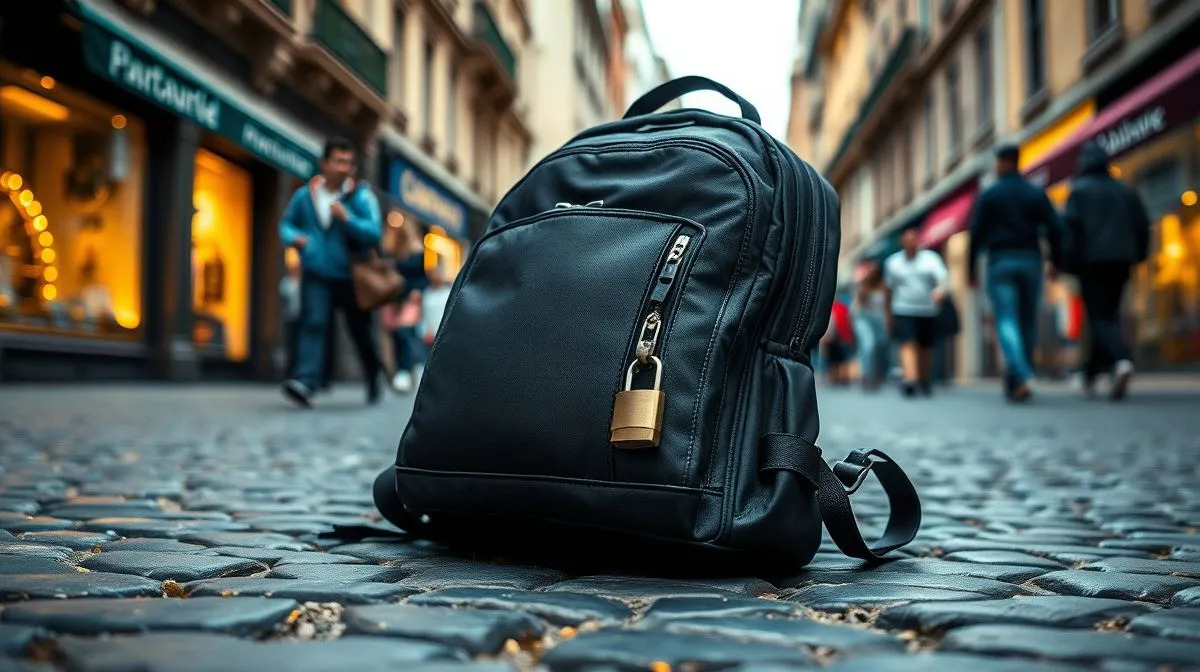
For many travelers, a backpack is an extension of themselves, carrying everything from daily essentials to valuable electronics. Traditional backpacks, however, can be vulnerable. Anti-theft backpacks are engineered with features designed to deter thieves, making them a cornerstone of any strategy to secure valuables abroad.
Key Features to Look For
- Slash-Proof Material: Many anti-theft bags are made with hidden stainless-steel wire mesh (e.g., Exomesh) embedded into the fabric, preventing thieves from cutting open the bag.
- Lockable Zippers and Compartments: Zippers that can be locked together or to a fixed object (like a table leg) prevent quick access. Hidden zippers, often against the wearer's back, are also a key feature.
- RFID-Blocking Pockets: These specialized pockets protect your passport and credit cards from electronic identity theft, where scanners can steal data wirelessly.
- Secure Anchor Straps: Some bags come with straps that can be detached and wrapped around a fixed object (like a chair or bedpost) and then locked, securing the bag in place.
- Hidden Pockets: Discreet compartments provide extra security for high-value items, making them harder for even determined thieves to find.
Top Recommendations and Use Cases
Brands like Pacsafe and XD Design (with their Bobby series) are leaders in this category, offering a range of stylish and functional options. An anti-theft backpack is ideal for daily excursions, city tours, and carrying electronics like laptops and cameras. For instance, when navigating crowded train stations or bustling markets, a bag with concealed zippers against your back offers a significant layer of protection. When dining at a cafe, you can often secure the bag to your chair using an anchor strap, preventing grab-and-run theft. According to travel security experts, the mere presence of these deterrents often makes a thief move on to an easier target.
Mastering Personal Security with Money Belts and Neck Wallets
While anti-theft bags protect your bulkier items, money belts and neck wallets are designed for discreetly carrying your most critical valuables: cash, credit cards, and passports. These accessories are worn close to the body, beneath clothing, making them virtually invisible to potential thieves.
The Discreet Advantage: Keeping Cash and Cards Hidden
The primary benefit of a money belt or neck wallet is its concealment. Unlike a regular wallet in your back pocket or a purse slung over your shoulder, these items are not easily accessible to pickpockets. This reduces the temptation for opportunistic thieves and provides a secure, out-of-sight location for your most important items. It's recommended to carry only what you need for the day in your regular wallet and keep the bulk of your cash and primary cards in your hidden pouch.
Choosing the Right Style for Your Trip
- Money Belts: These are typically slim pouches worn around the waist, under your shirt. They are ideal for carrying cash, a few cards, and your passport. Look for models made of breathable, moisture-wicking fabric for comfort, especially in hot climates.
- Neck Wallets (or Passport Holders): Worn around the neck and tucked under your shirt, these are great for easy access to your passport for border crossings or check-ins, while keeping it secure. Some models are larger and can hold more, including a phone.
- Leg Wallets/Ankle Pouches: Even more discreet, these are worn around the calf or ankle. They are less common but offer an excellent hidden spot for emergency cash or a spare credit card.
No matter which style you choose, ensure it has RFID-blocking capabilities to protect against electronic skimming. The key is to access these hidden items only in private, such as in a hotel room or a restroom, to avoid revealing their location.
Portable Safes and Lockable Bags: Your Mobile Vaults
When you're not carrying your valuables, where do they go? Hotel safes can sometimes be unreliable or too small, and leaving items unsecured in a hostel dorm or on a beach is a recipe for disaster. Portable safes and lockable bags offer a flexible solution for securing items in various environments.
Securing Items in Hotels, Hostels, or on the Beach
A portable travel safe is a soft-sided, slash-resistant bag with a secure locking mechanism, often a steel cable that allows you to tether it to a fixed object. This could be a bed frame in a hostel, a pipe in a hotel room, or even a tree on the beach. They are perfect for securing passports, tablets, cameras, and jewelry when you're away from your accommodation or relaxing by the water. Brands like Pacsafe offer excellent options that are lightweight yet incredibly durable.
Material and Locking Mechanism Considerations
Look for portable safes made from high-density polyethylene (HDPE) or similar slash-resistant fabrics. The locking mechanism should be robust – either a strong combination lock or a key lock. The cable should be made of reinforced steel to prevent cutting. These safes provide a significant deterrent, making it much harder for opportunistic thieves to simply walk away with your valuable items. They offer an essential layer of security, especially for solo travelers or those staying in shared accommodations.
Smart Locks and Tracking Devices: Technology as Your Guardian
In the digital age, technology offers powerful tools to enhance the security of your belongings. From advanced luggage locks to GPS trackers, these innovations provide peace of mind and a fighting chance of recovery if something goes astray.
TSA-Approved Luggage Locks and Cable Locks
While a luggage lock won't prevent a determined thief from slashing open a bag, it deters casual opportunists and prevents zippers from being opened. TSA-approved locks are crucial for checked baggage, as they allow airport security to open your bag without damaging the lock. For daypacks or securing items within your hostel locker, small cable locks are incredibly versatile. They can secure multiple zippers or loop around a fixed object. Remember, a lock is only as strong as the weakest link, so always combine them with other security measures.
GPS Trackers for Luggage and Important Items
For high-value items like camera bags, laptops, or even your main luggage, a small GPS tracker can be a game-changer. Devices like Apple AirTags or Tile trackers can be discreetly slipped into your bag. If your item goes missing, you can use your smartphone to track its last known location or even get real-time updates. While they don't prevent theft, they significantly increase the chances of recovery, offering a powerful layer of reassurance, particularly for expensive electronics or critical documents. The ability to locate a lost item can turn a potential disaster into a minor inconvenience.
RFID-Blocking Gear: Protecting Your Digital Identity
In an increasingly digital world, the threat of electronic pickpocketing, or skimming, is a growing concern. RFID (Radio-Frequency Identification) technology, used in most modern passports and credit cards, allows for contactless transactions, but it also makes them vulnerable to unauthorized scanning. This is where RFID-blocking accessories come in.
The Threat of Digital Pickpocketing
Digital pickpocketing involves thieves using portable RFID readers to covertly scan your cards and passport from a short distance, stealing sensitive information like card numbers, expiration dates, and even personal data from your e-passport. This can happen without you even realizing it, making it a particularly insidious form of theft. While the prevalence of this type of theft is debated, the potential for it makes protective measures a wise investment.
Wallets, Sleeves, and Bags with RFID Protection
To counter this threat, many travel accessories now incorporate RFID-blocking technology. This usually involves a metallic layer or special fabric that creates a Faraday cage around your cards and passport, preventing radio waves from reaching them. You can find:
- RFID-Blocking Wallets: Designed to look and function like regular wallets, but with integrated protection.
- RFID-Blocking Sleeves: Inexpensive individual sleeves that you can slip your credit cards and passport into before placing them in your regular wallet or bag.
- Bags and Backpacks with RFID Pockets: As mentioned earlier, many anti-theft bags include dedicated RFID-protected pockets, offering convenience and integrated security.
Ensuring your primary payment methods and identification documents are protected by RFID-blocking gear is a simple yet effective way to safeguard your digital identity while traveling.
Practical Tips for Maximizing Security While Traveling
Beyond the accessories, your behavior and awareness are paramount to securing your valuables. The best gear in the world won't help if you're not employing smart travel habits.
Situational Awareness and Blending In
One of the most effective deterrents is to avoid looking like an obvious tourist. Dress modestly and avoid flashy jewelry or designer bags that might attract unwanted attention. Be aware of your surroundings, especially in crowded areas. Avoid walking with your head down, engrossed in your phone. Make eye contact with people, but don't linger. If someone approaches you with an unusual request or distraction, be wary. According to a study on urban crime, thieves often target individuals who appear distracted or lost. Always trust your gut feeling; if a situation feels off, remove yourself from it.
Digital Backups and Copies of Documents
Before you even leave, make digital copies of your passport, visa, flight tickets, hotel reservations, and credit cards (front and back, but blur out the CVV for security). Store these copies securely in a cloud service (e.g., Google Drive, Dropbox) and email them to yourself. Also, keep physical photocopies separate from the originals. In case of theft, having these backups significantly expedites the process of replacing lost documents and cancelling cards. This simple step can save hours of stress and bureaucratic hassle.
Avoiding Common Mistakes
- Don't flash cash or valuables: Be discreet when paying for things. Avoid counting large sums of money in public.
- Don't leave bags unattended: Even for a second, a bag left on a chair or floor can be snatched.
- Be wary of unsolicited help: Especially at transport hubs or tourist sites, 'helpers' often have ulterior motives.
- Secure your phone: Keep your phone in a front pocket or a secure bag, not in a back pocket where it can be easily lifted.
- Research local scams: A quick online search for 'common scams in [destination]' can make you aware of prevalent tricks.
Frequently Asked Questions (FAQ)
Are anti-theft bags really worth it? Yes, absolutely. While no bag is 100% impenetrable, anti-theft bags with slash-proof materials, lockable zippers, and hidden compartments significantly deter opportunistic thieves, making you a much harder target than someone with a regular backpack. They are a core component of the best travel accessories to secure valuables abroad.
Should I carry all my cash in a money belt? It's best practice to carry the majority of your cash, primary credit cards, and passport in a hidden money belt or neck wallet. However, keep a small amount of cash for daily expenses in an easily accessible, regular wallet. This prevents you from revealing your hidden stash every time you make a small purchase.
What's the most common way valuables are stolen abroad? Pickpocketing in crowded tourist areas, public transport, and markets is overwhelmingly the most common method. Bag snatching and theft from unattended items (e.g., at cafes, beaches) are also very frequent.
Can I use a regular padlock on my luggage? For checked luggage, always use a TSA-approved lock to avoid your lock being cut by security. For carry-on bags or hostel lockers, a regular sturdy padlock or a cable lock can be effective, but remember it's a deterrent, not an impenetrable barrier.
Is travel insurance enough for theft? Travel insurance is crucial for financial protection and covers many theft scenarios, but it cannot replace lost time, stress, or the emotional impact. It's a backup plan, not a primary security measure. Prevention through smart accessories and habits is always preferable. For more details on travel insurance, consider consulting a reputable resource like the U.S. Department of State's advice on travel medical insurance, which often includes theft coverage.
Recommended Reading
- Unlock the Secret: Tips for Long-Lasting Professional Stage Makeup?
- Best Comfort Shoes for Plantar Fasciitis Relief: Your Ultimate Guide
- Stunning Nail Art Ideas for Short Nails at Home: Your Ultimate Guide!
- Shine On: How to Clean Diamond Jewelry at Home Safely (Easy Guide)
- Ultimate Guide: Athleisure Wear for Long Flights & Total Comfort
Conclusion
Embarking on a journey abroad should be an exhilarating experience, filled with discovery and unforgettable moments, not overshadowed by constant worry about your belongings. By strategically investing in the best travel accessories to secure valuables abroad – from robust anti-theft backpacks and discreet money belts to portable safes and cutting-edge tracking devices – you empower yourself with a formidable defense against opportunistic crime. Couple these essential tools with vigilant situational awareness, smart packing habits, and digital preparedness, and you create a comprehensive security strategy. Remember, while no measure can guarantee absolute safety, taking these proactive steps drastically reduces your vulnerability, ensuring that your focus remains on the incredible adventure unfolding before you. Travel smart, travel safe, and let peace of mind be your constant companion on every journey.



Your email address will not be published. Required fields are marked *