

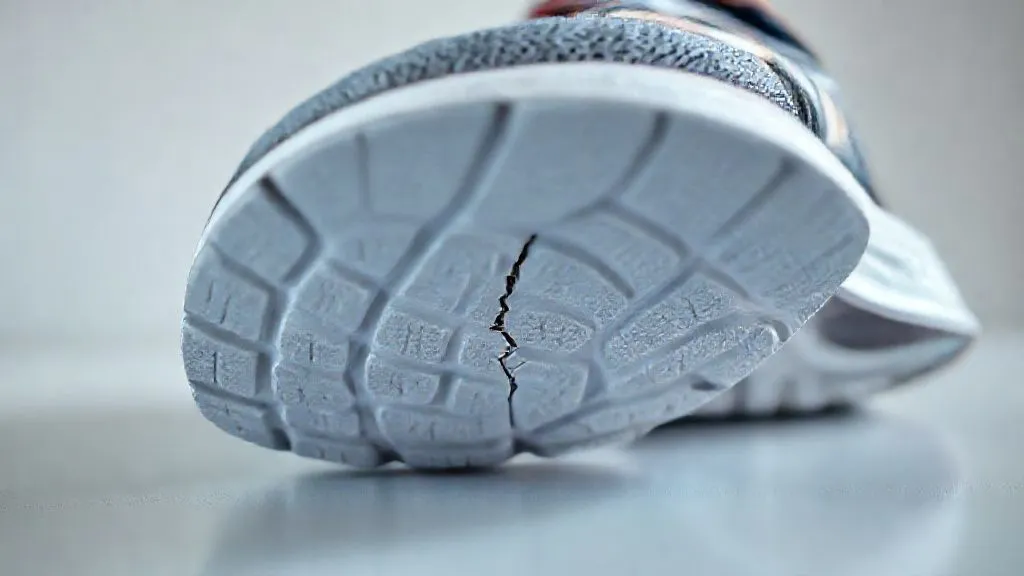
How to Stop Premature Sole Separation in High-Performance Athletic Shoes?
For over two decades in the footwear industry, specializing in athletic performance gear, I've witnessed firsthand the frustration that comes with premature sole separation. It's a disheartening experience, especially when you've invested significantly in high-performance athletic shoes designed to support your training and competition.
You rely on your footwear for stability, cushioning, and propulsion, and when the sole starts to detach, it compromises not just your shoe's integrity but potentially your performance and even your safety. This isn't just about a cosmetic flaw; it's about a critical failure that can cut short the life of an otherwise perfectly good pair of shoes.
Today, I'm going to share a definitive guide, born from years of research, material science understanding, and practical experience. We'll explore actionable frameworks, real-world insights, and expert tips that will empower you to significantly reduce and, in many cases, completely stop premature sole separation in your high-performance athletic shoes.
Understanding the Enemy: Why Soles Fail Prematurely
Before we can effectively combat sole separation, we must first understand its root causes. It's rarely a single factor but rather a combination of material science, manufacturing processes, environmental exposure, and user habits.
The Anatomy of an Athletic Shoe Sole
High-performance athletic shoes are complex marvels of engineering. Their soles are typically multi-layered:
- Outsole: The outermost layer, usually made of durable rubber compounds, designed for traction and abrasion resistance.
- Midsole: The crucial cushioning layer, often made from EVA (ethylene-vinyl acetate), TPU (thermoplastic polyurethane), or advanced foams like Nike's ZoomX or Adidas's Boost. This layer absorbs impact and provides energy return.
- Strobel Board/Lasting Board: A thin layer directly beneath the insole, to which the upper is stitched or glued, forming the foundation for the sole assembly.
The bond between these layers, and between the sole unit and the shoe's upper, is primarily achieved through specialized adhesives, sometimes complemented by stitching or thermo-bonding techniques. When this bond fails, that's when you see sole separation.
Key Culprits: Factors Accelerating Sole Separation
I've observed several common culprits over the years that contribute to the breakdown of these critical bonds:
- Environmental Stress: Extreme heat, cold, and especially prolonged exposure to moisture (sweat, rain, puddles) can degrade adhesives over time. UV light also plays a role in material breakdown.
- Improper Cleaning and Storage: Using harsh chemicals, machine washing, or storing shoes in damp, confined spaces can weaken materials and glues.
- Mechanical Stress & Wear Patterns: The repetitive impact and torsional forces of running, jumping, and quick lateral movements put immense stress on the sole unit. Specific gait patterns or foot strikes can create localized stress points.
- Material Fatigue: Even the best materials have a lifespan. Over time, the polymers in midsoles and adhesives lose their elasticity and structural integrity.
- Manufacturing Variations: While less common in premium high-performance shoes, inconsistencies in adhesive application, curing times, or material preparation can lead to weaker bonds from the start.
Understanding these factors is the first step in formulating a comprehensive strategy to stop premature sole separation in high-performance athletic shoes.
Proactive Prevention: Choosing the Right Shoe for Longevity
The fight against sole separation begins even before you lace up. Making informed choices during purchase is a powerful preventative measure.
Material Matters: What to Look For
When evaluating high-performance athletic shoes, pay close attention to the construction and materials:
- High-Quality Outsoles: Look for durable, high-abrasion rubber compounds, often indicated by brand-specific names (e.g., Continental Rubber for Adidas, ASICSGRIP). These resist wear and tear, reducing stress on the underlying bonds.
- Durable Midsole Compounds: While cushioning is key, some foams are more resilient than others. TPU-based midsoles (like Boost or PWRRUN) tend to be more durable and less susceptible to compression set than traditional EVA, especially in varying temperatures.
- Reinforced Construction: Inspect the shoe where the sole meets the upper. Are there visible stitches in addition to adhesive bonds? Are there welded overlays that add structural integrity? Brands often employ innovative bonding techniques like thermo-bonding or direct injection which can be more robust than simple glue lines.
Don't be afraid to gently flex the shoe and examine the seams. A well-constructed shoe will show uniform, strong bonds.
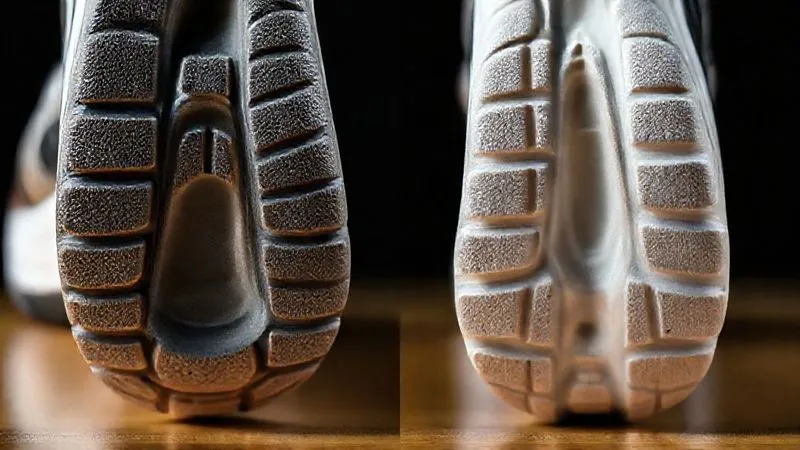
Fit is Fundamental: Avoiding Undue Stress
A properly fitting shoe is not just about comfort; it's about distributing forces evenly across the foot and the shoe structure. An ill-fitting shoe can exacerbate sole separation:
- Correct Sizing: Shoes that are too small can cause toes to push against the front, leading to undue stress on the toe-box sole bond. Shoes that are too large can lead to excessive foot movement within the shoe, causing friction and torsional stress on the sole.
- Matching Your Gait: If you overpronate or supinate, wearing shoes designed for neutral runners can put excessive, uneven stress on certain parts of the sole, accelerating wear and bond failure. Consult with a running specialist to get a gait analysis.
In my experience, investing a little more time and perhaps a few extra dollars upfront in a shoe that perfectly matches your needs and foot mechanics is the single best long-term strategy to stop premature sole separation in high-performance athletic shoes.
This initial investment pays dividends in durability and performance. According to a study published in the Medicine & Science in Sports & Exercise journal, appropriate footwear selection significantly impacts injury prevention and overall shoe longevity.
The Art of Care: Daily Habits to Extend Sole Life
Once you've chosen the right shoes, how you treat them daily is paramount. Neglecting proper care can undo all the benefits of superior construction and materials.
Cleaning Regimen: Gentle, Not Harsh
Keeping your shoes clean is vital, but the method matters:
- Brush Off Dirt: After each use, especially if you've been on trails or muddy surfaces, use a soft-bristled brush (an old toothbrush works well) to gently remove loose dirt and debris from the outsole and midsole.
- Wipe with Damp Cloth: For tougher grime, dampen a cloth with mild soap and water. Gently wipe down the sole and any soiled areas of the upper.
- Avoid Harsh Chemicals: Do NOT use bleach, strong detergents, or solvents. These can degrade the adhesives and materials, making them brittle and prone to separation.
- Air Dry, No Direct Heat: Always allow your shoes to air dry naturally at room temperature. Never put them in a dryer, on a radiator, or in direct sunlight. Extreme heat will cause adhesives to melt or become brittle, accelerating sole separation.
Storage Savvy: Protecting from the Elements
Where and how you store your high-performance athletic shoes significantly impacts their lifespan:
- Cool, Dry, Ventilated Space: Store shoes in an environment that is not subject to extreme temperature fluctuations or high humidity. A closet or shoe rack in a well-ventilated room is ideal.
- Away from Direct Sunlight: UV rays can break down synthetic materials and adhesives. Keep shoes out of windowsills or areas where they'll be exposed to prolonged sun.
- Maintain Shape: Stuffing your shoes with crumpled newspaper or using shoe trees can help them retain their original shape, preventing stress on the sole unit from deformation.
Consistency in these small habits is the secret weapon against premature wear. Think of it as preventative maintenance for your most critical piece of athletic gear.
| Practice | Best Practice | Worst Practice |
|---|---|---|
| Cleaning After Use | Brush off dirt, wipe with mild soap/water, air dry. | Machine washing, using harsh chemicals, drying with heat. |
| Storage Environment | Cool, dry, ventilated space, away from direct sunlight. | Damp basement, hot car trunk, direct sun exposure. |
Strategic Rotation: Giving Your Shoes a Break
Even with the best care, continuous use of a single pair of high-performance athletic shoes can lead to faster material fatigue and, consequently, sole separation. This is where strategic shoe rotation comes into play.
The Benefits of a Shoe Quiver
Having multiple pairs of shoes and rotating them regularly offers several key advantages for extending their life and preventing sole detachment:
- Material Decompression: Midsole foams, especially, need time to decompress and regain their original shape and cushioning properties after being subjected to impact. Rotating allows these materials to recover fully.
- Reduced Cumulative Stress: Spreading your mileage and activity across several pairs means each shoe accumulates less wear and tear over a shorter period. This reduces the cumulative mechanical and environmental stress on any single pair's sole unit.
- Adapting to Conditions: Different shoes are often optimized for different conditions (e.g., trail shoes for rugged terrain, road shoes for pavement, tempo shoes for speed work). Rotating allows you to use the appropriate footwear for the task, minimizing inappropriate stress on specific shoe types.
Identifying When to Rotate
While there's no hard and fast rule, a good guideline is to rotate your shoes every 2-3 runs or intense workouts. If you run daily, consider having at least two pairs in active rotation. For athletes involved in various sports, having specialized shoes for each activity (e.g., basketball shoes, running shoes, training shoes) naturally promotes rotation.
This approach not only helps to stop premature sole separation in high-performance athletic shoes but also allows you to benefit from the optimal performance characteristics of each shoe for its intended purpose.
Early Intervention: Spotting and Addressing Initial Signs
Despite all preventative measures, sometimes a small separation can occur. The key here is early detection and swift, appropriate action. Ignoring a minor issue will almost certainly lead to a major one.
Visual Cues: What to Look For
Become familiar with your shoes' normal appearance. After each run or workout, give them a quick visual inspection:
- Minor Gaps or Scuffs: Look for any hairline gaps, especially around the toe box, heel, or the arch area where the sole meets the upper. Small scuffs that expose the underlying material can also be an early warning sign.
- Delamination: Sometimes, it's not the entire sole separating, but rather one layer of the midsole delaminating from another, or a small portion of the outsole peeling away.
- Change in Sole Flexibility: If a specific area of the sole feels unusually flexible or 'flappy' compared to the rest of the shoe, it might indicate a weakening bond.
The Right Adhesive: When DIY is an Option
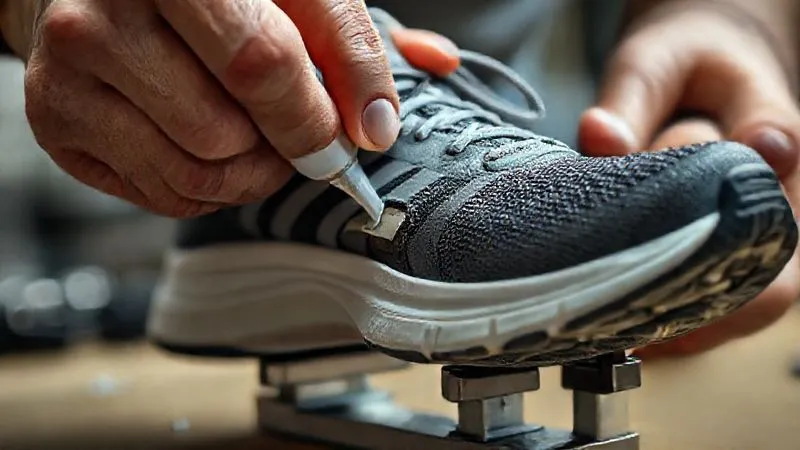
For small, isolated separations, a DIY repair can be highly effective. However, the choice of adhesive is critical. Do NOT use super glue (cyanoacrylate) – it dries hard and brittle, which is unsuitable for the flexible nature of athletic shoes. Instead, opt for flexible, strong adhesives specifically designed for footwear.
- Choose the Right Glue: Products like Shoe Goo, Barge Cement, or specific polyurethane-based shoe repair glues are ideal. These remain flexible after curing.
- Clean the Area: Thoroughly clean both surfaces that need to be bonded. Use rubbing alcohol to remove any dirt, oil, or old adhesive residue. Let it dry completely.
- Apply Evenly: Apply a thin, even layer of adhesive to both surfaces. Some glues require a 'contact cement' approach where you apply to both, let it get tacky, then press together. Follow the specific instructions on your chosen adhesive.
- Press and Hold: Firmly press the separated parts together. Use clamps, rubber bands, or heavy books to apply continuous pressure for the curing time recommended by the adhesive manufacturer (often 24-72 hours).
- Cure Completely: Do not use the shoes until the adhesive is fully cured. Rushing this step is a common mistake.
Case Study: The Marathon Runner's Midsole Rescue
Sarah, a dedicated marathon runner, noticed a tiny sliver of her outsole starting to peel near the arch of her favorite racing flats. Instead of panicking, she remembered my advice on early intervention. She meticulously cleaned the affected area, applied a high-quality flexible shoe adhesive, and clamped it overnight. The next morning, the bond was solid, and the shoe felt as good as new. This minor repair saved her a significant investment and allowed her to continue training without interruption, proving that timely action is key to stop premature sole separation in high-performance athletic shoes.
Advanced Strategies: Beyond Basic Maintenance
While daily care and early intervention are crucial, there are broader considerations for maximizing shoe lifespan and performance.
Professional Repair vs. Replacement
For more extensive sole separation, especially if it involves large sections of the sole or structural components, a professional cobbler specializing in athletic footwear might be an option. They have industrial-grade adhesives and techniques that surpass DIY capabilities.
- When to Seek a Cobbler: If the separation is significant, involves multiple layers, or if you're uncomfortable with a DIY fix.
- Cost-Benefit Analysis: Weigh the cost of professional repair against the cost of a new pair. For very expensive or custom-fit shoes, repair can be a viable option. For older shoes nearing their mileage limit, replacement is usually more sensible.
As marketing guru Seth Godin often says, "The cost of not doing something is often far greater than the cost of doing it." This applies to shoe repair – a small investment in professional help can prevent a total loss.
Understanding Manufacturer Warranties
Many high-performance athletic shoe brands offer warranties against manufacturing defects. If your shoes experience premature sole separation due to what appears to be a flaw in production (rather than wear and tear or improper care), you might be eligible for a replacement or refund.
- What's Covered: Typically, defects in materials or workmanship are covered.
- What's Not: Normal wear and tear, damage from misuse, or alterations are usually excluded.
- Documentation Needed: Keep your proof of purchase (receipt) and be prepared to provide photos or return the shoes for inspection. Check the specific warranty policy on the manufacturer's website. For example, Nike's return policy outlines their approach to product defects.
The Role of Materials Science and Manufacturing Quality
As an industry specialist, I can tell you that the battle against sole separation is also fought in laboratories and factories. Advancements in materials science and manufacturing techniques are continuously improving shoe durability.
Innovations in Adhesives and Bonding Techniques
Modern athletic shoes leverage sophisticated bonding technologies:
- Thermo-bonding: Heat-activated adhesives and welding techniques create seamless, strong bonds between layers without traditional stitching, reducing potential failure points.
- Advanced Polymers: New adhesive formulations are more resistant to temperature extremes, moisture, and mechanical stress, offering greater longevity.
- Injection Molding: Some soles are directly injected onto the upper, creating an incredibly strong, unitary bond that virtually eliminates separation issues in those specific construction types.
These innovations are part of why today's high-performance athletic shoes can withstand incredible forces, though they still require proper care.
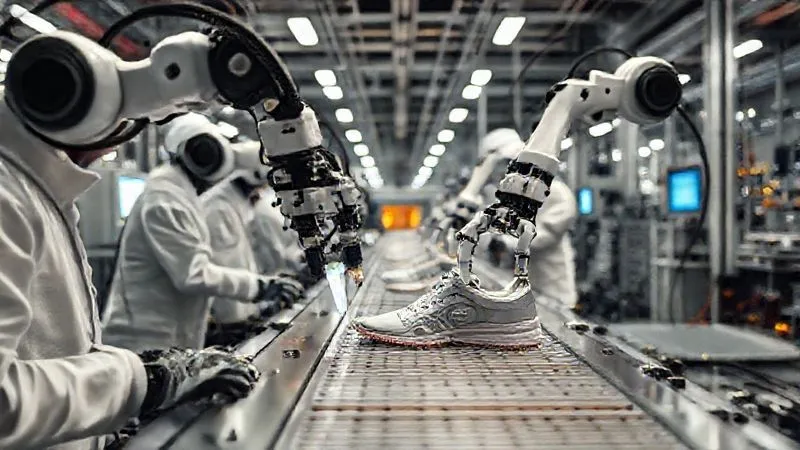
Quality Control in High-Performance Footwear Production
Leading brands invest heavily in rigorous quality control to minimize defects:
- Material Sourcing: Ensuring consistent quality of raw materials, from rubber to foam to textile uppers, is paramount.
- Process Monitoring: Adhesives are applied with precision, curing times are strictly controlled, and bonding pressures are optimized.
- Testing Protocols: Shoes undergo extensive testing for flexibility, abrasion resistance, and bond strength before they ever reach the consumer.
According to reports from leading industry associations like the Footwear Distributors and Retailers of America (FDRA), continuous improvement in manufacturing processes is a top priority to meet consumer demands for durability and performance.
| Material Type | Durability Factor | Separation Risk |
|---|---|---|
| EVA Foam Midsole | Good cushioning, prone to compression set and degradation over time. | Moderate, especially with heat/moisture. |
| TPU Foam Midsole | Excellent energy return, more resilient to compression and temperature changes. | Lower, generally more stable bond. |
| Carbon Rubber Outsole | High abrasion resistance, very durable. | Low, if properly bonded to midsole. |
| Blown Rubber Outsole | Lighter, more flexible, but less abrasion resistant. | Moderate, can wear down faster leading to stress on bonds. |
Frequently Asked Questions (FAQ)
Question: Can I use super glue for sole separation in my athletic shoes? No, I strongly advise against using super glue (cyanoacrylate) for sole separation. While it creates a strong bond, it dries rigid and brittle. Athletic shoe soles are designed to be flexible. Super glue will crack and fail under the dynamic stresses of running or training, potentially worsening the damage and making a proper repair more difficult. Always opt for flexible, polyurethane-based shoe adhesives.
Question: How often should I clean my high-performance athletic shoes to prevent sole separation? Ideally, you should give your shoes a quick clean after every use, especially if they've been exposed to dirt, mud, or moisture. A gentle brush-off of debris and a wipe with a damp cloth is usually sufficient. A more thorough cleaning with mild soap and water can be done every few weeks, or as needed, ensuring you air dry them completely and avoid harsh chemicals. Consistency is more important than infrequent deep cleaning.
Question: Does extreme weather affect sole durability and increase the risk of separation? Absolutely. Both extreme heat and cold can significantly impact the integrity of shoe adhesives and materials. High temperatures can cause glues to soften and weaken, while very cold temperatures can make materials brittle and prone to cracking or bond failure. Prolonged exposure to moisture (rain, snow, sweat) can also degrade adhesives over time. Proper storage and drying are crucial in mitigating these effects.
Question: When is it time to completely replace a shoe with sole separation versus attempting a repair? The decision depends on the extent of the separation, the age of the shoe, and its overall condition. For small, localized separations on relatively new shoes with plenty of life left in the midsole and outsole, a DIY or professional repair is often worthwhile. However, if the separation is extensive, involves multiple layers, or if the shoe has already accumulated significant mileage (typically 300-500 miles for running shoes, or if the midsole cushioning feels 'flat'), replacement is generally the safer and more effective option.
Question: Are more expensive high-performance athletic shoes always more durable against sole separation? Not necessarily, but often, yes. Higher-priced shoes typically incorporate advanced materials, more sophisticated construction techniques, and stricter quality control, which generally contributes to greater durability, including resistance to sole separation. However, even the most expensive shoes are susceptible to degradation if not cared for properly. Conversely, a mid-range shoe with excellent design and diligent care can often outlast a premium shoe that's neglected. It's a combination of quality and care.
Key Takeaways and Final Thoughts
Preventing premature sole separation in your high-performance athletic shoes isn't about magic; it's about a holistic approach rooted in informed choices and consistent care. As an industry veteran, I've seen how these strategies can dramatically extend the life and performance of your footwear.
- Choose Wisely: Prioritize proper fit and quality materials from reputable brands.
- Care Diligently: Implement gentle cleaning and smart storage habits.
- Rotate Strategically: Give your shoes time to recover between uses.
- Act Swiftly: Address minor separations immediately with the right adhesive.
- Understand Your Investment: Know when to repair, when to replace, and what your warranty covers.
Your high-performance athletic shoes are a vital tool in achieving your fitness and performance goals. By embracing these expert-backed strategies, you're not just extending their lifespan; you're ensuring they continue to provide the support, comfort, and performance you need, mile after mile, workout after workout. Invest in their care, and they will continue to invest in you.
Recommended Reading
- Custom Jewelry Clients Changing Designs? 7 Strategies to Master Scope Creep
- 5 Proven Strategies: Sourcing Unique Kids' Clothing for Your Boutique
- 7 Proven Strategies: Halting Fast Fashion's Replication of Couture Designs
- 7 Proven Strategies: Retaining Master Artisans for Unparalleled Couture Quality
- 5 Indestructible Eyewear Materials: End Breakage for Active Customers?

Your email address will not be published. Required fields are marked *