


Retaining Master Artisans for Unparalleled Couture Quality?
For over two decades in the rarefied world of haute couture, I've witnessed a silent but profound crisis brewing within some of the most esteemed ateliers: the gradual erosion of invaluable human capital. Companies, often fixated on quarterly profits or fleeting trends, frequently overlook the true bedrock of their unparalleled quality – the master artisans whose hands, eyes, and intuitive understanding of fabric and form are truly irreplaceable. I've seen brands falter, not from a lack of vision or capital, but from failing to nurture and retain the very individuals who translate vision into tangible, breathtaking reality.
The problem is more insidious than a simple staffing issue; it's a threat to the very definition of haute couture. These master artisans are not merely employees; they are living repositories of generations of knowledge, precision, and artistry. Their departure or inability to pass on their skills doesn't just impact production schedules; it fundamentally compromises the unique selling proposition of a brand built on exclusivity, perfection, and handcrafted excellence. The ripple effect can be devastating, leading to a decline in quality that astute clientele quickly perceive, eroding trust and brand legacy.
In this definitive guide, drawing from my extensive experience and insights gleaned from navigating the complexities of the luxury fashion ecosystem, I will present a holistic, actionable framework for retaining master artisans for unparalleled couture quality. We'll move beyond simplistic solutions, delving into strategies that foster a culture of profound appreciation, continuous growth, and strategic succession planning. My aim is to equip you with the knowledge to not just mitigate skill drain but to cultivate an environment where these invaluable talents thrive, ensuring your brand's enduring legacy of excellence.
Understanding the Unique Value of the Couture Master Artisan
Before we can retain these invaluable individuals, we must first deeply understand what makes them so unique and why their departure is so detrimental. A master artisan in haute couture is not interchangeable with a skilled seamstress or patternmaker. They possess a synthesis of knowledge, intuition, and dexterity that takes decades to cultivate, often passed down through generations.
The Intangible Skillset: What Defines Them?
The mastery we speak of transcends technical proficiency. It encompasses an intuitive understanding of textiles – how a silk duchess behaves under the needle, the precise drape of a bias-cut crepe, or the structural integrity required for a complex architectural silhouette. It's the ability to read a designer's sketch and translate its essence into a three-dimensional form with minimal instruction, anticipating challenges and innovating solutions on the fly. This includes:
- Profound Material Knowledge: Understanding the nuances of rare fabrics, delicate laces, and intricate embellishments.
- Exceptional Hand-Eye Coordination: The precision required for hand-stitching, intricate embroidery, or perfectly matched patterns.
- Problem-Solving Acumen: The ability to adapt complex designs to real-world constraints while maintaining aesthetic integrity.
- Historical Context: An innate understanding of couture techniques and traditions, ensuring authenticity.
The Legacy Factor: Guardians of Tradition
Master artisans are more than just skilled workers; they are custodians of a brand's heritage and the broader legacy of haute couture itself. They embody the intangible cultural heritage of craftsmanship, ensuring that techniques perfected over centuries continue to define the pinnacle of fashion. Their work is a direct link to the founders and visionaries of the past, maintaining the authenticity and prestige that sets haute couture apart.
“In haute couture, the true luxury is not just the rarity of materials, but the rarity of human skill. To lose a master artisan is to lose a library of living knowledge, a testament to what human hands can achieve.”
Beyond the Paycheck: Crafting a Culture of Appreciation and Respect
While competitive compensation is foundational, it's rarely the sole or primary motivator for a master artisan. These individuals often dedicate their lives to their craft, driven by passion and a deep sense of purpose. As Harvard Business Review often highlights, a culture of recognition and respect is paramount for retaining top talent, especially those with highly specialized skills.
The Power of Recognition: Public Acknowledgment and Awards
Imagine the pride of an artisan whose meticulous work, often hidden within the seams, is publicly acknowledged. Many haute couture houses have historically kept their artisans in the shadows, focusing the spotlight solely on the creative director. I've found that shifting this paradigm can be transformative. Featuring artisans in brand campaigns, dedicating sections of runway show notes to their specific contributions, or creating internal and external awards programs can profoundly impact morale and loyalty.
- Implement an 'Artisan Spotlight' Series: Regularly feature different master artisans on the brand's social media, website, or in newsletters, detailing their craft, experience, and contributions.
- Create a 'Couture Craftsmanship Award': An annual internal award recognizing exceptional skill, innovation, and dedication, perhaps with a financial bonus or a special project opportunity.
- Include Artisans in Client Interactions: Where appropriate, allow clients to meet the artisans behind their bespoke pieces. This not only validates the artisan but also deepens the client's connection to the brand.
Empowering Autonomy: Trusting Their Judgment
Master artisans thrive when they are given creative latitude and trust. They are problem-solvers by nature, and micromanagement can stifle their ingenuity and demotivate them. Allowing them to contribute to design solutions, offer insights on construction, or even mentor junior colleagues fosters a sense of ownership and value.
“True respect for a master artisan means trusting their judgment, their hands, and their experience. It means seeing them not just as executors, but as vital collaborators in the creative process.”

Investing in Growth: Continuous Learning and Skill Development
Even master artisans seek growth. The world of fashion, even haute couture, is not static. New materials emerge, sustainable practices evolve, and clients' desires shift. Providing opportunities for continuous learning signals that the brand values their long-term development and sees them as integral to its future.
Cross-Generational Mentorship Programs: Formalizing Knowledge Transfer
One of the most critical aspects of retaining quality is ensuring that the specialized knowledge of master artisans is not lost when they retire. Formal mentorship programs are essential. These aren't just about teaching skills; they're about passing down an entire philosophy of craftsmanship, a way of seeing and understanding the couture process.
- Structured Apprenticeships: Revive and modernize traditional apprenticeship models, pairing junior talent with masters for multi-year, immersive training.
- Reverse Mentorship: Encourage younger artisans to share new digital skills, sustainable practices, or innovative material knowledge with experienced masters, fostering mutual learning.
- Workshops and Masterclasses: Organize internal or external workshops where masters can refine existing skills or learn new, complementary techniques (e.g., advanced digital patterning, sustainable dyeing).
Access to Innovation: New Materials, Techniques, Tools
While deeply rooted in tradition, haute couture also embraces innovation. Providing master artisans with access to cutting-edge tools, sustainable materials, or experimental techniques can reignite their creative spark and demonstrate the brand's commitment to staying at the forefront of the industry. This could involve investing in advanced sewing machines, 3D printing for embellishments, or exploring bio-engineered textiles.
Optimizing the Atelier Environment: A Sanctuary for Creativity and Precision
The physical workspace profoundly impacts productivity, well-being, and ultimately, retention. An atelier for haute couture artisans should be more than just a functional space; it should be a sanctuary that inspires creativity, supports precision, and fosters a sense of community.
Ergonomics and Well-being: Beyond Basic Safety
The intricate, often repetitive work of couture artisans can take a toll on their physical health. Investing in ergonomic chairs, adjustable workbenches, specialized lighting, and regular breaks or stretching programs is not a luxury but a necessity. A healthy artisan is a productive and happy artisan.
- State-of-the-Art Lighting: Ensure optimal, adjustable lighting to prevent eye strain during intricate work.
- Customizable Workstations: Provide benches and chairs that can be adapted to individual needs and tasks.
- Wellness Programs: Offer access to physiotherapy, massage, or mindfulness sessions to address physical and mental strain.
Collaborative Spaces: Fostering a Community of Excellence
While individual focus is key, opportunities for collaboration and informal exchange are equally important. Dedicated communal areas, shared resource libraries, or even organized social events can strengthen bonds, facilitate spontaneous knowledge sharing, and build a strong sense of belonging within the atelier.
Case Study: How ‘L’Atelier Éclat’ Reversed Artisan Churn
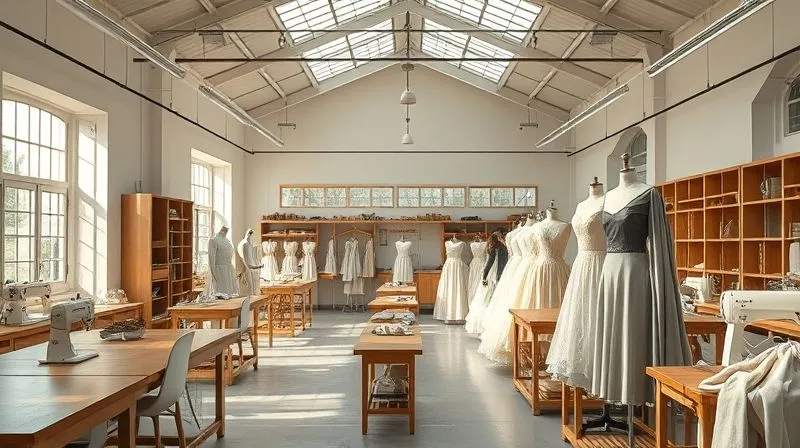
L'Atelier Éclat, a renowned Parisian couture house specializing in bespoke evening wear, faced a concerning 25% annual artisan churn rate two years ago. Master embroiderers and tailors, after years of service, were leaving for smaller, less prestigious studios or even retiring early. Recognizing the threat to their unparalleled quality, the CEO initiated a comprehensive 'Artisan Flourishing' program. They invested in a complete redesign of their atelier, focusing on natural light, ergonomic workstations, and a dedicated 'Innovation Hub' where artisans could experiment with new materials and technologies. Crucially, they also launched a formal mentorship program, pairing every senior artisan with 1-2 junior apprentices, and introduced an annual 'Maison Craftsmanship Gala' to publicly celebrate their artisans' contributions. Within 18 months, their churn rate dropped to a mere 5%, and applications from aspiring artisans skyrocketed. The investment not only improved retention but also visibly elevated the morale and pride within the atelier, directly translating into even more exquisite, detailed couture pieces.
Succession Planning: Safeguarding the Future of Couture Craftsmanship
The most critical aspect of retaining master artisans for unparalleled couture quality is not just keeping them employed, but ensuring their knowledge and skills endure beyond their tenure. Succession planning in haute couture is about cultural preservation as much as it is about workforce management. As McKinsey reports on the future of fashion work, anticipating skill gaps is vital for long-term viability.
Identifying and Nurturing Emerging Talent: Scouting and Apprenticeships
The pipeline for master artisans is not endless. Brands must actively seek out and cultivate new talent with the inherent aptitude and dedication required for couture. This means looking beyond traditional fashion schools.
- Early Talent Identification: Partner with specialized craft schools, vocational programs, or even local community workshops to identify promising young talents with exceptional manual dexterity and an eye for detail.
- Structured Apprenticeship Programs: Implement rigorous, multi-year apprenticeships where emerging talents work directly under master artisans, learning not just techniques but also the discipline and philosophy of couture. These programs should have clear milestones and progression paths.
- Internal Talent Development: Identify existing, highly skilled junior artisans within the atelier who show potential for mastery and provide them with accelerated development opportunities.
Structured Knowledge Transfer Protocols: Documenting and Hands-On Training
Relying solely on informal knowledge transfer is risky. Brands must develop formal processes to capture and transmit the invaluable expertise of their master artisans.
- Skill Mapping: Document the unique skills and knowledge each master artisan possesses, identifying critical techniques that are at risk of being lost.
- Mentorship Blueprints: Create structured curricula for mentorship, ensuring that specific techniques, historical context, and problem-solving approaches are systematically taught.
- Digital Archiving: Utilize video documentation, detailed photographic guides, and written manuals to record complex processes and unique artisan 'tricks' that might otherwise vanish.
- Cross-Training Initiatives: Encourage artisans to learn aspects of each other's crafts, broadening their skill sets and creating redundancy in critical areas.
| Succession Stage | Key Activities | Expected Outcome |
|---|---|---|
| Identification | Talent scouting, aptitude assessments | Pipeline of promising junior artisans |
| Apprenticeship | Structured 3-5 year training, master-apprentice pairing | Highly skilled, brand-aligned emerging artisans |
| Knowledge Transfer | Skill mapping, digital archiving, mentorship curricula | Documented, transferable couture expertise |
| Integration | Independent project leadership, peer mentorship | New generation of master artisans |
The Role of Brand Storytelling: Elevating Artisans to Brand Ambassadors
In an increasingly transparent world, consumers are not just buying a product; they are buying into a story, a set of values, and an experience. Elevating master artisans from behind-the-scenes producers to brand ambassadors can significantly enhance a brand's appeal and foster a deeper sense of pride and purpose among the artisans themselves. UNESCO emphasizes the importance of recognizing the bearers of intangible cultural heritage.
Featuring Artisans in Marketing: Humanizing the Brand
Move beyond anonymous hands. Showcase the faces, stories, and dedication of the individuals who pour their heart and soul into each couture piece. This humanizes the brand, adds authenticity, and justifies the premium price point of haute couture by highlighting the extraordinary human effort involved.
- Documentary-Style Videos: Create short films showcasing an artisan's process, their passion, and the history behind their craft.
- Website Profiles: Dedicate a section of the brand's website to detailed profiles of key master artisans.
- Limited Edition Collections: Design capsule collections where the artisan's signature technique or personal story is central to the narrative.
Creating a Sense of Purpose: Connecting Work to Legacy
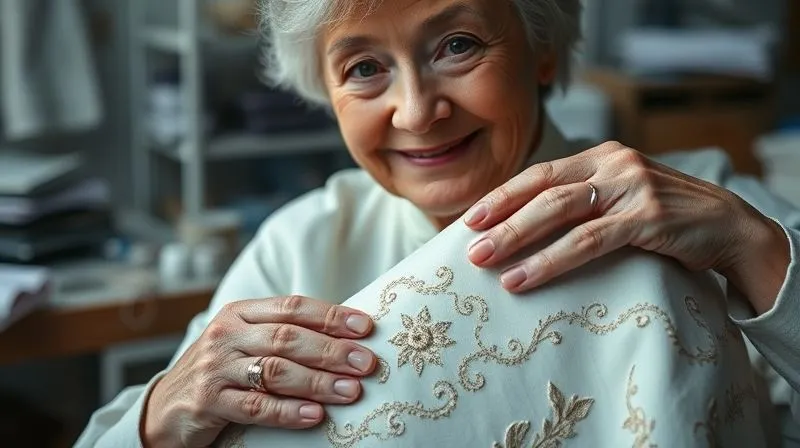
Artisans are often deeply connected to the heritage of their craft. By actively involving them in the brand's narrative, leadership can reinforce the profound purpose of their work – not just creating garments, but preserving a cultural art form and shaping the future of luxury. This connection fosters loyalty and a sense of shared destiny.
“When an artisan sees their face and their story celebrated by the brand, their work transcends labor. It becomes a vital contribution to a living legacy, deeply personal and profoundly meaningful.”
Measuring Impact: Metrics for Artisan Retention and Quality Assurance
To truly understand the effectiveness of retention strategies, measurement is crucial. It’s not enough to implement programs; we must assess their impact on both artisan well-being and the ultimate quality of the couture pieces. This data-driven approach ensures continuous improvement and justifies investment.
Key Performance Indicators (KPIs): Turnover Rates, Quality Audits, Satisfaction Surveys
While some aspects of artisan well-being are qualitative, many can be quantified. Regularly tracking relevant KPIs provides objective insights into the health of your artisan workforce and the consistency of your output.
- Artisan Turnover Rate: Track the percentage of master artisans leaving the atelier annually. A low, stable rate indicates successful retention.
- Internal Quality Audit Scores: Implement a rigorous, standardized system for evaluating the quality of finished pieces. Track scores over time to correlate with retention efforts.
- Artisan Satisfaction and Engagement Surveys: Conduct anonymous surveys to gauge job satisfaction, perceived value, workload balance, and feedback on growth opportunities.
- Mentorship Program Completion Rates: For succession planning, track how many apprentices successfully complete their programs and integrate into the main workforce.
Feedback Loops: Regular Check-ins and Exit Interviews
Beyond formal surveys, establishing open and continuous feedback channels is vital. Artisans should feel comfortable voicing concerns, sharing ideas, and providing honest opinions without fear of reprisal.
- One-on-One Check-ins: Regular, informal meetings between artisans and atelier managers to discuss workload, challenges, and career aspirations.
- Artisan Advisory Council: Create a committee of senior artisans who meet regularly with leadership to provide direct feedback and contribute to policy decisions.
- Thorough Exit Interviews: When an artisan does leave, conduct comprehensive exit interviews to understand the underlying reasons, identify recurring issues, and inform future retention strategies.
| Metric Category | Specific Metric | Measurement Method | Target Outcome |
|---|---|---|---|
| Retention | Voluntary Turnover Rate | Annual percentage calculation | Below 5% for master artisans |
| Quality | Defect Rate per Garment | Internal quality control audits | Less than 0.5% critical defects |
| Engagement | Artisan Satisfaction Score | Annual anonymous survey (1-5 scale) | Average score > 4.0 |
| Succession | Apprenticeship Completion Rate | Percentage of apprentices successfully integrated | Above 85% |

Frequently Asked Questions (FAQ)
What's the biggest mistake brands make when trying to retain master artisans? In my experience, the single biggest mistake is viewing artisans purely as a cost center or a replaceable labor force, rather than as invaluable human capital and custodians of brand heritage. This leads to underinvestment in their well-being, growth, and recognition, ultimately driving them away. Another common error is neglecting succession planning until it's too late, creating a critical skill gap.
How long does it take to see results from these artisan retention strategies? While some immediate improvements in morale can be seen from recognition efforts, truly impactful retention and succession planning strategies require a long-term commitment. You might start seeing reduced turnover rates within 12-18 months, but the full benefits of a robust mentorship and succession program, including the emergence of new masters, can take 5-10 years or even longer. It's an investment in decades, not quarters.
Can small couture houses compete with larger ones for master artisans? Absolutely. While large houses might offer higher salaries, smaller ateliers often have unique advantages. They can offer more intimate working environments, greater creative freedom, a stronger sense of family, and direct involvement in every stage of a garment's creation. By emphasizing these non-monetary benefits and fostering a truly appreciative culture, smaller houses can be incredibly attractive to artisans seeking purpose and a personal connection to their craft.
How do we measure the 'unparalleled quality' aspect, beyond just defect rates? Measuring 'unparalleled quality' goes beyond objective defect rates. It includes subjective assessments from creative directors, lead designers, and even discerning clients. Consider implementing a 'Couture Excellence Score' that incorporates elements like the fluidity of drape, the perfection of hand-finishing, the ingenuity of hidden constructions, and the overall emotional impact of a garment. This qualitative data, combined with quantitative metrics, provides a holistic view.
What role does technology play in retaining traditional master artisans? Technology plays a crucial, though supportive, role. It can enhance ergonomic conditions, streamline administrative tasks, and provide tools for digital archiving of techniques, thus preserving knowledge. Advanced design software can help visualize complex patterns, and sustainable material innovation can inspire new creative directions. However, technology should always serve to empower and augment the artisan's hand, never to replace the irreplaceable human touch and intuitive understanding that defines haute couture.
Key Takeaways and Final Thoughts
- Master artisans are the irreplaceable bedrock of haute couture quality and legacy. Their skills, intuition, and dedication are unique and cannot be easily replicated.
- Retention requires a holistic approach beyond compensation. Focus on cultivating a culture of profound appreciation, respect, and continuous growth.
- Invest in their well-being and working environment. Ergonomic ateliers and collaborative spaces are crucial for their physical and mental health.
- Prioritize structured succession planning. Formal mentorship programs and knowledge transfer protocols are essential to safeguard skills for future generations.
- Elevate artisans to brand ambassadors. Featuring their stories humanizes your brand and reinforces their sense of purpose and value.
- Measure impact consistently. Utilize both quantitative KPIs and qualitative feedback to refine your retention strategies.
The future of haute couture, and indeed the enduring legacy of any luxury brand built on genuine craftsmanship, hinges on our ability to cherish, nurture, and strategically retain these living treasures. It’s a long-term investment, not a short-term fix. By embracing these strategies, you're not just managing a workforce; you're safeguarding an art form, ensuring that the unparalleled quality synonymous with haute couture continues to define excellence for generations to come. Your commitment today will echo in the exquisite creations of tomorrow.
Recommended Reading
- Unlock the Secret: How to Style Oversized Sweaters Without Looking Frumpy?
- The Ultimate Secret: How to Spot Fake Logomania Streetwear Brands Instantly!
- 7 Steps to Scale Handmade Jewelry: Maintain Quality & Grow Profit
- The Ultimate Guide: How to Preserve Haute Couture Runway Masterpieces Forever
- 5 Circulatory Conditions: Can Compression Wear Make Them Worse?




Your email address will not be published. Required fields are marked *