

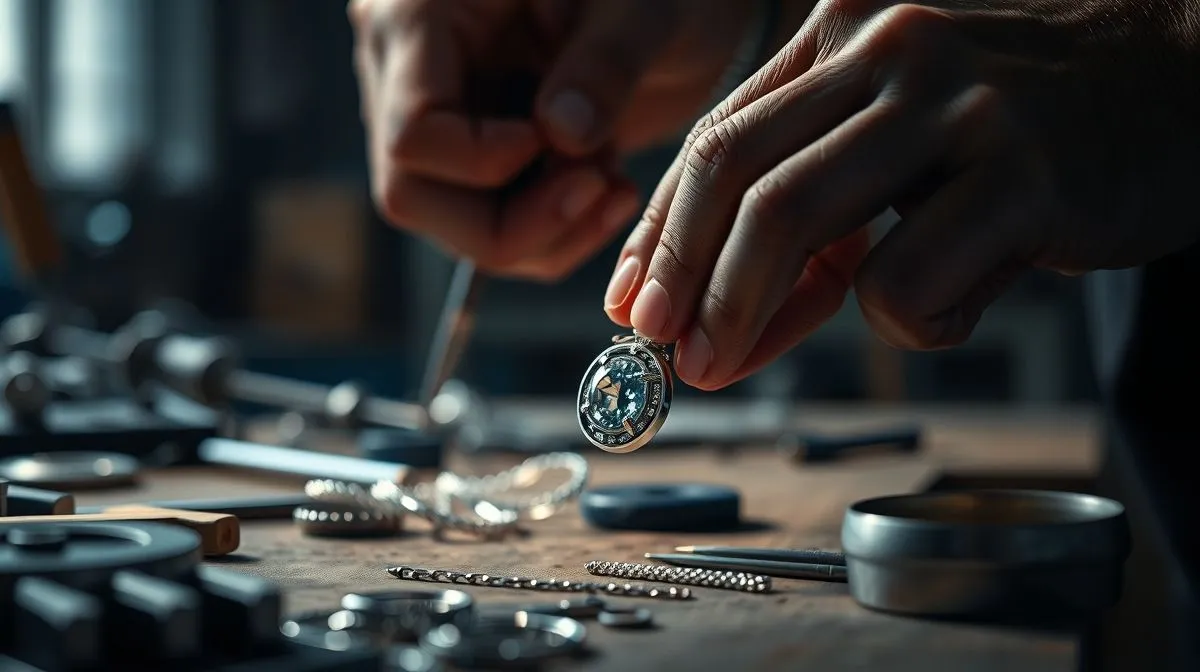
How to Scale Handmade Jewelry Production Without Losing Quality?
For over two decades in the intricate world of jewelry design, I've had the privilege of witnessing countless artisan dreams take flight. I’ve also seen the heartbreaking reality of passionate jewelers hitting a wall, stifled by the very success they crave. The dilemma is always the same: how do you grow your brand and meet demand without sacrificing the soul, the meticulous detail, and the unique quality that defines your handmade pieces?
This isn't just about making more; it's about making more of what truly matters, preserving the essence of your craft. Many believe that scaling handmade jewelry production inevitably leads to a compromise in quality, transforming unique artistry into mass-produced mediocrity. This misconception often traps talented jewelers in a cycle of burnout, unable to expand beyond their two hands.
Today, I'm going to share a comprehensive roadmap, forged from years of industry experience and countless conversations with successful artisans. You’ll discover actionable frameworks, practical strategies, and expert insights that will empower you to scale your handmade jewelry business sustainably, ensuring every piece retains its distinctive quality while your brand flourishes.
The Foundation: Reassessing Your 'Handmade' Definition
Before we dive into the mechanics of scaling, we must confront a fundamental question: what truly defines 'handmade' in your context? In my experience, the biggest hurdle for artisans is the emotional attachment to performing every single step themselves. This is admirable, but it's also the very thing that limits growth.
Identifying Core Craftsmanship vs. Repetitive Tasks
Take a critical look at your production process. Which steps genuinely require your unique artistic touch, your specific skill, or your creative decision-making? Is it the initial design sketching, the intricate stone setting, or the final polishing that imbues your piece with its character? Conversely, which steps are repetitive, mechanical, or could be standardized without diminishing the artistic value?
For instance, preparing findings, cutting basic lengths of chain, or initial polishing might be candidates for standardization or even partial automation. Your 'handmade' essence lies in the parts that reflect your unique vision and skill, not necessarily every single mundane action. This clarity is the first step in learning how to scale handmade jewelry production without losing quality.
The Art of Delegation: When to Let Go
Delegation isn't about offloading the parts you don't enjoy; it's about strategically entrusting specific tasks to others who can execute them efficiently while you focus on your core strengths. This might mean hiring an apprentice for initial metal preparation, outsourcing component fabrication, or even collaborating with other artisans for specialized steps you don't excel at.
The fear is that relinquishing control means losing quality. However, with proper training, clear standards, and trust, delegation can actually enhance overall quality by allowing specialists to focus on their best work, reducing your personal burnout, and freeing you to innovate.
Streamlining Your Workflow: Process Optimization for Artisans
Once you've defined your 'handmade' core, the next step is to make your production process as efficient as possible. This isn't about rushing; it's about eliminating waste, reducing bottlenecks, and creating a smooth flow from concept to completion. Think of it as choreographing your creativity.
- Analyze Your Current Process: Dedicate time to meticulously document every single step of your jewelry making process. Time each step. Identify where you spend the most time, where delays occur, and where you're doing redundant work. This 'process mapping' reveals hidden inefficiencies.
- Standardize Non-Creative Steps: For the repetitive tasks identified earlier, create clear, repeatable procedures. This could involve using jigs for consistent bends, pre-measuring wire lengths, or establishing a specific sequence for soldering. Standardization ensures consistency and frees up mental energy.
- Embrace Batch Production for Efficiency: Instead of making one necklace from start to finish, consider making all the clasps for a batch of necklaces, then all the chain lengths, then setting all the stones. This 'batching' reduces setup time and allows for a rhythmic workflow, significantly boosting output.
- Implement Quality Control Checkpoints: Integrate specific points in your workflow where quality checks occur. This isn't just a final inspection. It's about catching issues early, before they compound, saving time and materials in the long run.
“Quality is not an act, it is a habit. It’s built into every step, not just inspected at the end.”
As renowned management consultant Peter Drucker often emphasized, 'What gets measured gets managed.' Applying this principle to your creative process allows you to maintain exquisite quality even as you increase volume. Streamlining is crucial for how to scale handmade jewelry production without losing quality.
Embracing Technology Wisely: Tools That Enhance, Not Replace
For many artisans, the idea of technology conjures images of soulless machines churning out identical products. However, modern technology, when used judiciously, can be a powerful ally in maintaining quality and artistic integrity while scaling. It's about leveraging tools to handle the precise, repetitive, or time-consuming tasks, freeing you for the creative work.
- CAD/CAM for Design & Prototyping: Computer-Aided Design (CAD) software allows for incredibly precise design, rendering, and even the creation of molds or prototypes. This doesn't mean your final piece is machine-made; it means your design process is more efficient and accurate, leading to fewer errors in the physical production.
- Laser Engraving/Cutting: For specific elements like personalized charms, precise metal cutouts, or intricate patterns on a flat surface, laser technology can achieve a level of consistency and detail that's difficult to replicate by hand at scale. This allows you to produce intricate components faster while you focus on assembly and finishing.
- Advanced Hand Tools & Equipment: Invest in high-quality, ergonomic tools that reduce fatigue and increase precision. Think about ultrasonic cleaners for efficient polishing, or advanced soldering stations for consistent joins. These are investments in your efficiency and your long-term health.
- Inventory Management Software: As your production grows, managing materials becomes complex. Software can track your raw materials, finished goods, and even remind you when to reorder. This prevents stockouts and ensures a smooth production flow.
Remember, technology is a tool. A painter uses brushes, but the art comes from the painter. Similarly, these tools enhance your ability to create, allowing you to focus on the unique artistry of each piece. For more on strategic technology adoption in small businesses, consider insights from publications like Harvard Business Review, which often highlight the balance between innovation and core values.
Building a Skilled Team: The Art of Empowered Delegation
Perhaps the most significant leap for an artisan looking to scale is moving beyond a solo operation. You cannot truly scale handmade jewelry production without losing quality if you remain the sole pair of hands. Building a team is not about replicating yourself, but about multiplying your capabilities while preserving your brand's unique touch.
Training and Mentorship: Preserving Your Signature Style
When bringing on new team members, whether they are apprentices, part-time assistants, or specialized fabricators, the key is comprehensive training. You must distill your knowledge, your specific techniques, and your quality standards into teachable processes. This requires patience and a willingness to mentor.
Create detailed guides, provide hands-on demonstrations, and offer consistent feedback. Emphasize not just 'how' to do something, but 'why' you do it that way. This instills an understanding of your brand's values and quality benchmarks, ensuring consistency across all pieces, regardless of who is working on them.
Creating a Culture of Quality
Your team members should feel like custodians of your brand's quality. Foster an environment where excellence is celebrated and attention to detail is paramount. Regular check-ins, collaborative problem-solving, and shared pride in the finished product will ensure that everyone is aligned with your vision. This shared commitment is vital for how to scale handmade jewelry production without losing quality.
Case Study: The Silver Bloom Studio
I recall working with 'The Silver Bloom Studio,' a small business renowned for its delicate filigree work. The founder, Anya, was overwhelmed with orders. Her solution wasn't to cut corners, but to train two apprentices. She spent six months meticulously teaching them her unique filigree techniques for foundational elements and finishing touches, freeing her to focus on the complex, one-of-a-kind centerpieces and custom commissions. By empowering her team to handle the more standardized yet still intricate tasks, Anya was able to double her output while maintaining the studio's signature quality, even enhancing it through specialized focus.
Strategic Sourcing: Quality Materials at Scale
The quality of your finished jewelry is inherently tied to the quality of your raw materials. As you scale, your material needs will increase, and simply buying more of what you always have might not be the most efficient or cost-effective solution. Strategic sourcing becomes critical.
- Building Relationships with Suppliers: Develop strong, long-term relationships with your material suppliers. This isn't just about getting a better price; it's about securing consistent quality, reliable delivery, and potentially even custom orders. A trusted supplier can be a true partner in your growth.
- Bulk Purchasing Benefits: As your volume increases, you'll be able to purchase materials in larger quantities. This often comes with significant cost savings per unit and ensures a consistent supply. However, always balance bulk purchases with storage capacity and cash flow.
- Rigorous Material Quality Checks: Implement a system for inspecting incoming materials. Even from trusted suppliers, inconsistencies can occur. Spot checks or batch testing ensure that only materials meeting your high standards enter your production line, preventing costly reworks down the line.
Understanding your supply chain and ensuring its robustness is a cornerstone of scaling. For insights into resilient supply chains, articles from reputable business publications like Forbes can offer valuable perspectives.
Implementing Robust Quality Control Systems
Quality control is not merely a final inspection; it's an ingrained philosophy that permeates every stage of your production. When you're making a handful of pieces, you can personally oversee every detail. When you're scaling, you need a system that ensures consistency and excellence, even when you're not directly supervising every single item. This is paramount for how to scale handmade jewelry production without losing quality.
- Define Clear Quality Standards: Document what 'quality' means for each type of jewelry you produce. This should cover visual aesthetics (e.g., specific polish, stone setting precision, symmetrical soldering), tactile feel, and durability. Use examples, photos, and specific measurements where possible.
- Implement Multi-Stage Inspection: Instead of just a final check, integrate quality inspections at critical junctures. This could be after casting, after stone setting, and before final polishing. Catching errors early prevents them from becoming embedded in the final product, saving time and resources.
- Create a Feedback Loop for Continuous Improvement: When a defect is found, don't just fix it. Analyze *why* it occurred. Was it a material issue? A training gap? A process flaw? Use this information to refine your processes and prevent recurrence. This iterative improvement is key to sustained quality.
“The pursuit of quality is an ongoing journey, not a destination. It requires constant vigilance and a commitment to perpetual refinement.”
A well-defined quality control system acts as your brand's guardian, ensuring that every piece, whether the first or the thousandth, upholds the reputation you've painstakingly built. This rigorous approach is non-negotiable for anyone serious about how to scale handmade jewelry production without losing quality.
Marketing and Branding: Communicating Your Scaled Craftsmanship
As you grow, your story and how you communicate it become even more critical. The narrative around 'handmade' can sometimes be perceived as exclusive to small batches. Your challenge is to communicate that your growth hasn't diluted your artistry, but rather amplified its reach.
Authenticity in Storytelling
Be transparent about your scaling journey. Share your expanded studio, introduce your team, and explain how technology helps you maintain quality and consistency. Highlight the values that remain constant: your dedication to craftsmanship, ethical sourcing, and unique design. Your customers value authenticity, and they will appreciate knowing their beloved brand is thriving responsibly.
Highlighting Your Unique Value Proposition (even at scale)
Reiterate what makes your jewelry special. Is it a particular technique you employ? The rare materials you source? The emotional connection your designs evoke? As you scale, your distinctive value proposition should remain front and center. It's what differentiates you from mass-produced alternatives and justifies your price point.
Your brand narrative should evolve to reflect your growth, emphasizing how more people can now experience your unique artistry. This builds trust and maintains customer loyalty. For insights into luxury branding and artisanal product marketing, you might find valuable case studies from institutions like London Business School on how high-end brands maintain their allure.
Navigating Growth: Financial Health and Sustainability
Scaling isn't just about making more jewelry; it's about building a financially sound and sustainable business. Mismanaging the financial aspects of growth can quickly derail even the most promising expansion. This includes understanding the costs associated with increased production and ensuring your pricing strategy supports your growth.
- Cost-Benefit Analysis of Investments: Before investing in new equipment, hiring staff, or expanding your space, conduct a thorough cost-benefit analysis. Will the increased output and efficiency justify the initial outlay? What is the projected return on investment?
- Strategic Pricing for Scaled Production: As your production volume increases, your cost per unit might decrease due to bulk material purchases or more efficient labor. This provides an opportunity to adjust pricing if appropriate, but always ensure your prices accurately reflect your brand's value, the quality of your work, and your profit margins.
- Reinvesting Profits Wisely: Sustainable growth often means reinvesting a portion of your profits back into the business. This could be for research and development of new designs, further process improvements, marketing initiatives, or building a financial buffer for unforeseen challenges.
- Cash Flow Management: Scaling requires careful management of cash flow. Larger orders might mean longer payment terms from wholesalers, or significant upfront costs for materials. Ensure you have sufficient working capital to bridge these gaps.
Understanding these financial levers is critical to ensuring that your efforts to scale handmade jewelry production without losing quality translate into a robust and thriving business, not just increased activity.
Frequently Asked Questions (FAQ)
Q: Won't using technology make my jewelry less 'handmade'? No, not necessarily. Technology can enhance precision, efficiency, and consistency in repetitive or preparatory tasks, freeing your hands for the truly artistic and unique aspects of your craft. For instance, CAD can help design perfect prototypes, but your hands still create the final, exquisite piece. It's about smart application, not replacement.
Q: How do I ensure my new team members maintain my personal quality standards? The key lies in meticulous training, clear documentation of your quality standards, and fostering a strong team culture around excellence. Provide detailed visual guides, demonstrate techniques repeatedly, and implement multi-stage quality checks. Regular feedback sessions and celebrating high-quality work are also crucial.
Q: Is it possible to scale without increasing my studio space significantly? Yes, absolutely. Process optimization, smart storage solutions, and leveraging off-site services (like specialized casting houses or laser cutters) can significantly increase your output within your existing footprint. Also, consider remote workers for design, marketing, or administrative tasks.
Q: What's the biggest mistake jewelers make when trying to scale? The biggest mistake is trying to do everything themselves and refusing to delegate or optimize processes. This leads to burnout, inconsistent quality, and ultimately, stagnation. Scaling requires a shift from being solely a maker to also being a strategist and a leader.
Q: How do I manage inventory when production increases? As you scale, manual inventory tracking becomes unwieldy. Invest in inventory management software that tracks raw materials, work-in-progress, and finished goods. This helps you forecast demand, optimize material purchasing, and avoid stockouts or excessive holding costs.
Recommended Reading
- Sparkle Secrets: How to Clean Diamond Jewelry at Home Like a Pro
- Unveiling the Hidden Truth: What Ethical Sourcing Challenges Face Haute Couture Designers?
- Unlock Peak Performance: Why Arch Support is Crucial in Athletic Footwear
- The Secret to Soothing Comfort: How to Choose Newborn Clothes for Sensitive Skin
- Unlocking Perfect Fit: How to Integrate 3D Body Scan Data Effectively
Key Takeaways and Final Thoughts
- Redefine 'Handmade': Focus your unique artistry on core elements, and consider delegating or optimizing repetitive tasks.
- Optimize Your Process: Streamline your workflow through analysis, standardization, and batch production for efficiency.
- Embrace Smart Technology: Utilize tools like CAD, laser cutting, or inventory software to enhance precision and free up your time for creative work.
- Build and Empower a Team: Train apprentices and staff meticulously, fostering a culture of shared quality and craftsmanship.
- Source Strategically: Cultivate strong supplier relationships and implement material quality checks to ensure consistent input.
- Implement Robust QC: Establish multi-stage quality control checkpoints and a continuous improvement feedback loop.
- Communicate Your Story: Be transparent about your growth and highlight how your values and quality remain central to your brand.
- Manage Finances Proactively: Understand the costs of scaling and ensure your pricing and cash flow support sustainable growth.
Scaling your handmade jewelry production without losing quality is not a mystical art; it's a strategic journey that demands foresight, adaptability, and a willingness to evolve. It’s about working smarter, building the right systems, and entrusting your vision to a well-trained team. Your passion for your craft is your greatest asset; now, arm it with the strategies to reach more people, create more beauty, and build a truly sustainable legacy.


Your email address will not be published. Required fields are marked *