

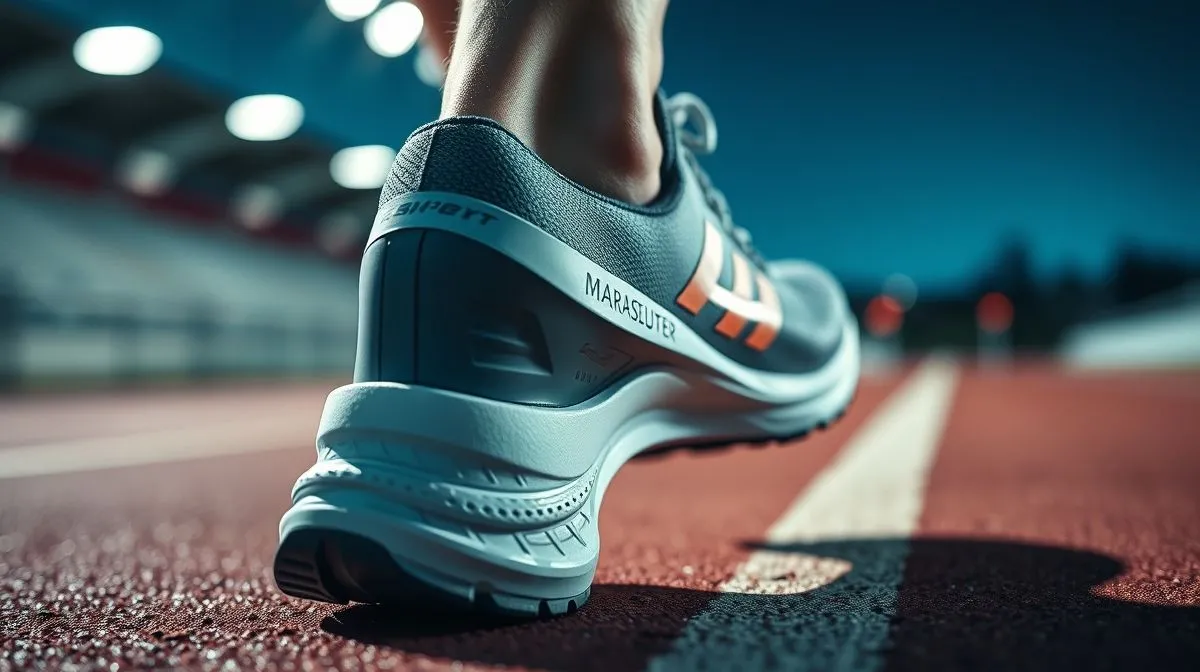
Why is Arch Support Crucial in Athletic Footwear?
Imagine a seasoned marathon runner, just miles from the finish line, suddenly grimacing in pain as a sharp ache shoots through their arch. Or a basketball player, mid-jump, landing awkwardly and feeling a twist in their ankle. These scenarios, unfortunately, are not uncommon in the world of athletics. Often, the silent culprit behind such debilitating moments isn't just fatigue or bad luck, but a fundamental oversight in their equipment: inadequate arch support in their athletic footwear.
For too long, many athletes and fitness enthusiasts have viewed shoes as mere protective coverings for their feet, or perhaps as fashion statements. However, this perspective overlooks the intricate biomechanical engineering that should be at the heart of every athletic shoe. The question isn't just 'Do my shoes fit?' but rather, 'Do my shoes actively support the complex architecture of my feet, especially my arches?'
This comprehensive guide will demystify the critical role of arch support in athletic footwear. You will learn about the intricate anatomy of the foot, how proper arch support influences performance and prevents common injuries, and what to look for when choosing your next pair of athletic shoes. By the end, you'll understand precisely why arch support is crucial in athletic footwear and how it can be the linchpin of your athletic success and long-term foot health.
Understanding the Anatomy of Your Foot Arch
To truly appreciate the importance of arch support, one must first understand the marvel that is the human foot. Far from being a simple block, the foot is a complex structure of 26 bones, 33 joints, and over 100 muscles, tendons, and ligaments. These components work in harmony to provide stability, absorb shock, and propel the body forward. The arches of the foot are central to this intricate design.
The Three Arch Types
The foot actually contains three distinct arches, forming a resilient, weight-bearing structure:
- Medial Longitudinal Arch: This is the most prominent arch, running along the inside of the foot from the heel to the ball. It's the one most commonly referred to when discussing 'arch support.' It's crucial for shock absorption and maintaining balance.
- Lateral Longitudinal Arch: Located on the outside of the foot, this arch is flatter and less flexible than the medial arch, providing stability and support for weight distribution.
- Transverse Arch: This arch runs across the midfoot, from side to side, helping to support the metatarsal bones and distribute pressure evenly across the ball of the foot.
Together, these arches act like natural springs, deforming to absorb impact and then springing back to propel the body. This dynamic action is vital for efficient movement, especially during high-impact activities like running, jumping, and cutting.
Pronation and Supination Explained
Understanding how your foot moves during activity is key to appreciating arch support. Two primary movements are:
- Pronation: This is the natural inward rolling motion of the foot as it strikes the ground. It's a vital shock-absorbing mechanism, allowing the arch to flatten slightly to distribute impact.
- Supination: This is the outward rolling motion of the foot, which occurs during the push-off phase, providing rigidity for propulsion.
Problems arise when these movements are excessive. Overpronation (excessive inward rolling) can lead to the arch collapsing too much, placing strain on tendons and ligaments. Oversupination (insufficient inward rolling) means the foot remains rigid, leading to poor shock absorption. Both scenarios can lead to a cascade of issues up the kinetic chain, impacting knees, hips, and even the lower back.
The Biomechanical Imperative: How Arch Support Works
Given the foot's complex role, how exactly does external arch support in athletic footwear contribute to its optimal function? It's not just about comfort; it's about biomechanical efficiency and protection.
Distributing Impact and Stress
When you run or jump, your feet absorb forces equivalent to several times your body weight. Proper arch support helps to distribute this immense pressure evenly across the entire foot. Without it, specific areas, particularly the heel and forefoot, bear the brunt of the impact. This concentrated stress can lead to inflammation, pain, and eventual structural damage over time.
A well-designed arch support system cradles the natural curve of your foot, preventing excessive flattening or rigidity. This ensures that the shock-absorbing capabilities of your foot's natural arches are optimized, reducing the load on your joints and soft tissues.
Enhancing Stability and Balance
Think of your foot as the foundation of your body's athletic movements. Just as a building needs a stable foundation, your body needs stable feet to perform dynamic actions. Arch support provides this stability. By maintaining the foot's natural alignment, it prevents excessive side-to-side motion (wobbling) within the shoe.
This enhanced stability translates directly to better balance, crucial for sports requiring quick changes in direction, such as basketball, tennis, or soccer. It also minimizes the risk of ankle sprains, which often occur when the foot rolls excessively inward or outward due to lack of support.
Optimizing Force Transfer
Every athletic movement, from a powerful sprint to a graceful jump, involves the transfer of force from your body to the ground and back again. The foot acts as a lever in this process. If the arch collapses or is too rigid, this energy transfer becomes inefficient. Energy is lost through wasted motion or absorbed incorrectly, reducing overall power and speed.
Effective arch support ensures that the foot remains in an optimal position for efficient force transfer. This means more of your energy is directed towards propulsion, leading to improved athletic performance, whether it's faster times, higher jumps, or more powerful cuts. It's about turning potential energy into kinetic energy with minimal loss.
Preventing Common Athletic Injuries Through Proper Support
One of the most compelling reasons why arch support is crucial in athletic footwear is its profound impact on injury prevention. Many common athletic ailments can be directly linked to inadequate foot support.
Plantar Fasciitis: A Runner's Nightmare
Plantar fasciitis is an inflammatory condition affecting the band of tissue (plantar fascia) that runs along the bottom of your foot, connecting your heel bone to your toes. It's a common complaint among runners and those who spend extended periods on their feet. Poor arch support, especially in cases of overpronation, can overstretch and strain the plantar fascia, leading to micro-tears and inflammation. Proper arch support helps maintain the natural tension of this tissue, reducing strain and preventing the onset or worsening of this painful condition. For more detailed information, the Mayo Clinic offers an excellent resource on plantar fasciitis.
Shin Splints and Knee Pain
The impact of inadequate arch support isn't confined to the foot. The kinetic chain effect means problems at the foot can travel up the leg. Shin splints (medial tibial stress syndrome) are often a result of repetitive stress on the lower leg bones and muscles, exacerbated by excessive pronation and poor shock absorption. Similarly, knee pain, particularly patellofemoral pain syndrome (runner's knee), can stem from the malalignment of the knee joint caused by improper foot mechanics. Shoes with good arch support help to stabilize the foot, ensuring proper alignment of the leg and reducing strain on the shins and knees.
Achilles Tendinitis and Ankle Sprains
The Achilles tendon connects the calf muscles to the heel bone. When the arch collapses excessively, it can place abnormal stress on the Achilles tendon, leading to inflammation and pain (Achilles tendinitis). Furthermore, unstable feet due to lack of arch support significantly increase the risk of ankle sprains, especially during lateral movements or landings. A shoe that properly supports the arch helps maintain a stable ankle position, reducing the likelihood of both these injuries.
Boosting Athletic Performance: Beyond Injury Prevention
While injury prevention is paramount, the benefits of superior arch support extend far beyond simply avoiding pain. It plays a significant role in optimizing an athlete's performance capabilities.
Improving Energy Efficiency
As mentioned, the arches act as natural springs. When this spring mechanism is compromised by poor support, your body has to work harder to absorb impact and generate propulsion. This leads to wasted energy. Shoes with appropriate arch support allow your foot to function more efficiently, conserving energy over long durations. This means you can run further, jump higher, and sustain your performance for longer periods without premature fatigue.
Enhancing Agility and Responsiveness
Sports often demand rapid changes in direction, quick accelerations, and sudden stops. These movements require the foot to be stable and responsive. When the arch is properly supported, the foot provides a firm base for these dynamic actions. It allows for quicker ground contact and more immediate push-off, enhancing an athlete's agility and ability to react swiftly to changing game situations. This can be the difference between making a play and missing it.
Prolonged Comfort and Endurance
Discomfort is a performance killer. Foot pain, even mild, can distract an athlete, alter their gait, and ultimately force them to slow down or stop. Proper arch support ensures that pressure is evenly distributed, reducing hot spots and discomfort during prolonged activity. This allows athletes to maintain their focus, push their limits, and sustain high levels of performance and training intensity for extended periods, contributing directly to improved endurance and training consistency.
Choosing the Right Athletic Footwear: A Guide to Arch Support
With a myriad of athletic shoes on the market, selecting the right pair with appropriate arch support can seem daunting. However, a systematic approach can simplify the process.
Assessing Your Arch Type
The first step is to understand your own arch type. There are three general categories:
- High Arches: The foot has a very pronounced arch, and a significant portion of the midfoot does not make contact with the ground. These feet tend to be more rigid and less shock-absorbent.
- Normal Arches: The foot exhibits a moderate arch, with a natural curve. These feet typically pronate adequately for shock absorption.
- Low Arches (Flat Feet): The arch is very low or completely collapses when weight is put on the foot. These feet tend to overpronate.
A simple way to assess your arch type is the 'wet test.' Wet your foot and step onto a piece of paper or a dark surface. The imprint will reveal your arch type. Alternatively, a knowledgeable shoe specialist or podiatrist can provide an accurate assessment. For more on foot health, you can consult resources from the American Orthopaedic Foot & Ankle Society.
Understanding Shoe Categories
Athletic shoes are often categorized based on the level of support they offer:
- Neutral Shoes: Best for individuals with normal or high arches who have efficient pronation. They offer cushioning but minimal motion control.
- Stability Shoes: Designed for mild to moderate overpronators (often those with normal to low arches). They feature medial (inner side) support to help guide the foot and reduce excessive inward rolling.
- Motion Control Shoes: Ideal for severe overpronators or individuals with very flat feet. These shoes are the most rigid and provide maximum support to limit excessive pronation.
Matching your arch type and pronation pattern to the correct shoe category is fundamental to achieving optimal arch support and overall foot health.
When to Consider Custom Orthotics
While many athletic shoes offer excellent built-in arch support, some individuals may require additional intervention. Custom orthotics are prescription medical devices molded precisely to your foot. They provide personalized support and correction for specific biomechanical issues that off-the-shelf shoes or inserts cannot address. A podiatrist can determine if custom orthotics are necessary for your unique foot structure and activity level, especially if you experience persistent pain or have significant arch abnormalities.
Common Mistakes to Avoid When Selecting Athletic Shoes
Even with good intentions, athletes often make errors in shoe selection that undermine the benefits of proper arch support. Avoiding these pitfalls is crucial.
Ignoring Arch Type
One of the most common mistakes is simply not considering one's arch type. Buying a popular shoe model without understanding if it aligns with your foot's natural mechanics can lead to discomfort and injury. A shoe designed for a high arch will not provide adequate support for a flat foot, and vice versa. Always prioritize function over aesthetics or brand loyalty.
Prioritizing Style Over Function
While athletic footwear has become a fashion statement, choosing shoes based solely on their appearance or trendiness is a recipe for disaster. The most stylish shoe might offer zero support for your specific needs. Always try on shoes, walk and run in them, and assess their comfort and support before making a purchase. Remember, the best-looking shoe is the one that allows you to perform your best without pain.
Not Replacing Shoes Regularly
Even the best athletic shoes have a lifespan. The cushioning and support structures, especially the arch support, degrade over time and mileage. Continuing to use worn-out shoes is akin to running barefoot. As a general rule, athletic shoes should be replaced every 300-500 miles for runners, or every 6-12 months for general fitness enthusiasts, depending on intensity and frequency of use. Pay attention to signs of wear, such as compressed midsoles, worn-out treads, or a noticeable decrease in cushioning and stability.
The Science Behind Advanced Arch Support Technologies
The field of athletic footwear is constantly evolving, driven by scientific research and material innovation. Modern arch support is far more sophisticated than simple foam inserts.
Material Innovations
Contemporary athletic shoes utilize advanced materials for their arch support systems. This includes high-density foams (like EVA and PU) that offer varying degrees of firmness and responsiveness, often strategically placed to provide targeted support. Some shoes incorporate thermoplastic polyurethanes (TPU) or carbon fiber plates within the midsole to create stable, lightweight structures that maintain arch integrity and enhance energy return. These materials are engineered to withstand repetitive impact while maintaining their supportive properties over time.
Dynamic Support Systems
Beyond static support, many high-performance athletic shoes feature dynamic arch support systems. These technologies adapt to the foot's movement during gait. For instance, some designs use a combination of softer and firmer foams or structured elements that compress and rebound in specific ways, providing support only when and where it's needed. This allows for a more natural foot motion while still preventing excessive pronation or supination. It's a balance between flexibility and stability, optimized for athletic performance.
Integrating Biomechanical Research
Leading athletic footwear companies heavily invest in biomechanical research. They study how different foot types move, how forces are transmitted through the body, and how various support structures interact with the foot. This research, often conducted in collaboration with universities and sports science institutes, directly informs shoe design. For example, studies on gait analysis help designers create shoes that guide the foot through a more efficient and less injurious motion path, highlighting further the importance of biomechanics in footwear design.
This scientific approach ensures that arch support is not just a generic feature but a carefully engineered component tailored to address specific athletic needs and foot mechanics, making modern athletic footwear a sophisticated piece of performance equipment.
Frequently Asked Questions (FAQ)
Can I use arch support inserts instead of special shoes? Yes, for some individuals, over-the-counter or custom arch support inserts can effectively supplement or enhance the support provided by neutral shoes, especially if your current shoes lack adequate built-in support for your arch type. However, they work best when paired with shoes that have a removable insole and sufficient volume.
How often should I replace my athletic shoes? The general recommendation is to replace athletic shoes every 300-500 miles of running or walking, or every 6-12 months for general fitness activities. This can vary based on your body weight, activity intensity, and how often you wear them. Pay attention to signs of wear, such as reduced cushioning, visible midsole creasing, or new aches and pains.
Is arch support only for people with flat feet? No, arch support is crucial for all foot types, not just those with flat feet. While individuals with low arches or flat feet often require more robust support to prevent overpronation, those with normal or high arches also benefit from proper support to maintain their natural foot mechanics, absorb shock efficiently, and prevent injuries like plantar fasciitis or stress fractures.
What's the difference between stability and motion control shoes? Stability shoes are designed for mild to moderate overpronators and provide support to prevent excessive inward rolling of the foot, typically through denser foam on the medial side. Motion control shoes, on the other hand, are built for severe overpronators or individuals with very flat feet, offering maximum rigidity and support to heavily restrict pronation.
Can poor arch support affect my posture? Absolutely. The feet are the foundation of your body's alignment. If your arches are not properly supported, it can lead to a chain reaction of misalignment up your kinetic chain, impacting your ankles, knees, hips, and even your spine. This can result in poor posture, chronic pain, and increased risk of injury during daily activities and athletic performance.
Recommended Reading
- The Future of Fashion: How Advanced Materials Will Reshape Clothing Design
- The Ultimate Guide: Best Strategies for Copping Streetwear Drops
- Unlocking the Past: Researching 18th Century Dress Patterns
- Unveiling the Future: How Advanced Textile Technologies Are Slaying Fashion Waste
- Unlock Your Radiance: Discovering Your Unique Personalized Beauty Needs
Conclusion
The journey through the intricate world of foot biomechanics and athletic footwear reveals a clear truth: why arch support is crucial in athletic footwear is not a matter of preference but a fundamental requirement for health, performance, and longevity in sport. From preventing debilitating injuries like plantar fasciitis and shin splints to enhancing agility, efficiency, and endurance, the benefits of proper arch support are undeniable. Understanding your arch type, choosing the right shoe category, and recognizing the signs of wear are vital steps in safeguarding your feet and optimizing your athletic potential. Investing in footwear that truly supports your arches is not just buying a pair of shoes; it's investing in your body's foundation, ensuring every stride, jump, and pivot is performed with stability, power, and pain-free confidence.




Your email address will not be published. Required fields are marked *