

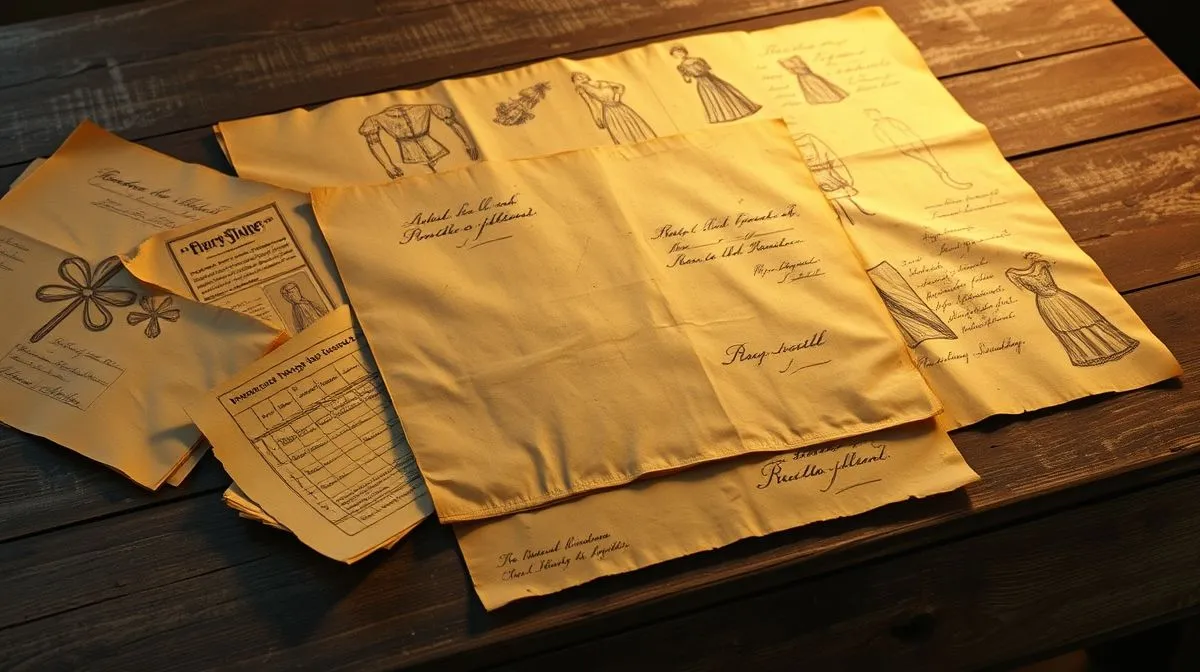
Researching 18th Century Dress Patterns: A Comprehensive Guide
Ever wondered how the elegant gowns and breeches of the 18th century were created? What secrets lie within the folds of antique patterns, whispering tales of skilled artisans and fashionable elites?
Researching 18th-century dress patterns can seem like a daunting task. Where do you even begin to find authentic patterns, understand their construction, and adapt them for modern use? The challenge lies in navigating a world of fragmented information, deciphering historical jargon, and ensuring accuracy in your recreations.
This guide will equip you with the knowledge and resources necessary to successfully research and recreate 18th-century dress patterns. We'll explore where to find original patterns and resources, how to interpret them, and the techniques needed to bring these historical garments to life. By the end of this article, you'll be well-prepared to embark on your own journey into the fascinating world of 18th-century fashion.
Understanding 18th Century Dressmaking
The Foundations of Fashion
To effectively research 18th-century dress patterns, it's crucial to understand the fundamental principles of dressmaking during that era. Unlike modern sewing, 18th-century garments were often constructed using different techniques, materials, and fitting methods.
Key aspects to consider include:
- Hand-Sewing Techniques: Most garments were entirely hand-sewn, requiring a mastery of various stitches and seam finishes.
- Fabric Types: Common fabrics included linen, wool, silk, and cotton, each with its own properties and uses. Understanding fabric weights and weaves is essential for accurate recreations.
- Underpinnings: The shape of 18th-century garments was heavily influenced by underpinnings such as stays (corsets), panniers, and petticoats. These provided the foundation for the outer layers.
Where to Find Authentic 18th Century Dress Patterns
Museum Collections and Archives
Many museums and archives around the world house collections of original 18th-century garments and patterns. These institutions often provide access to their collections through online databases or in-person visits.
Some notable resources include:
- The Victoria and Albert Museum (V&A), London: Offers an extensive collection of historical clothing and textiles.
- The Metropolitan Museum of Art, New York: Features a diverse range of 18th-century garments.
- Colonial Williamsburg: Known for its accurate recreations and research into 18th-century life.
When researching museum collections, pay attention to the garment's construction details, materials, and any accompanying documentation. According to the V&A's website (https://www.vam.ac.uk/), their collection is one of the most comprehensive in the world.
Online Resources and Pattern Databases
Several online resources are dedicated to preserving and sharing historical dress patterns. These platforms can be invaluable for finding patterns and connecting with other researchers.
Consider exploring these resources:
- The Internet Archive: Features digitized books and documents, including historical sewing manuals and pattern drafts.
- Researching Historic Dress: A blog and resource hub for historical dress researchers.
- Reproductions available from commercial pattern companies: Many companies specialize in historical sewing patterns, offering reproductions of original designs.
Deciphering Historical Patterns: A Step-by-Step Guide
Understanding Pattern Markings and Terminology
18th-century patterns often use different markings and terminology than modern patterns. Learning to decipher these is essential for accurate interpretation.
Key terms and markings to familiarize yourself with include:
- Grainlines: Indicate the direction of the fabric weave.
- Seam Allowances: May not be included on the pattern, requiring you to add them manually.
- Darts and Pleats: Used to shape the garment and create the desired silhouette.
Consult historical sewing manuals and online resources to understand the specific conventions used during the 18th century. For example, "The Dictionary of Fashion History" by Valerie Cumming, C. W. Cunnington, and P. E. Cunnington is a great resource (https://www.bloomsbury.com/uk/dictionary-of-fashion-history-9781474275079/).
Adapting Patterns for Modern Use
Once you've deciphered the pattern, you may need to adapt it for modern use. This could involve adjusting the size, modifying the construction techniques, or using different materials.
Consider these factors when adapting patterns:
- Sizing: 18th-century sizing differs significantly from modern sizing. Take accurate measurements and adjust the pattern accordingly.
- Construction Techniques: Modern sewing machines can be used for some steps, but hand-sewing may still be necessary for certain details.
- Fabric Choices: Modern fabrics can be substituted for historical ones, but choose materials that closely resemble the original in terms of weight, drape, and texture.
Essential Tools and Techniques for 18th Century Dressmaking
Tools of the Trade
Recreating 18th-century garments requires a specific set of tools and supplies. These include:
- Linen Thread: Strong and durable, ideal for hand-sewing.
- Needles: A variety of sizes for different fabrics and stitches.
- Tracing Paper: For transferring pattern pieces.
- Tailor's Chalk: For marking fabric.
- Seam Ripper: For correcting mistakes.
Mastering Hand-Sewing Techniques
Hand-sewing is a fundamental skill for 18th-century dressmaking. Practice these essential stitches:
- Running Stitch: For quick, even seams.
- Back Stitch: For strong, secure seams.
- Whip Stitch: For finishing edges.
- Slip Stitch: For invisible hemming.
Dedicate time to practicing these stitches until you can execute them with precision and accuracy. Many online tutorials and books can help you master these techniques.
Common Mistakes to Avoid When Researching and Recreating 18th Century Dress Patterns
Inaccurate Sizing and Fitting
One of the most common mistakes is failing to accurately adjust the pattern for modern sizing. Always take precise measurements and create a muslin mock-up to test the fit before cutting into your final fabric.
Ignoring Historical Accuracy
Strive for historical accuracy in your recreations. Research the correct fabrics, construction techniques, and embellishments to ensure your garment is as authentic as possible. Consulting reputable sources, like academic papers on JSTOR (https://www.jstor.org/), is paramount.
Rushing the Process
18th-century dressmaking is a time-consuming process. Don't rush through the research, pattern drafting, or sewing stages. Take your time to ensure accuracy and quality.
Frequently Asked Questions (FAQ)
Where can I find reliable historical sewing patterns? Museums, archives, and specialized pattern companies are excellent sources. Be sure to check the pattern's provenance and accuracy.
How do I adjust an 18th-century pattern to fit my modern body? Take accurate measurements and compare them to the pattern's dimensions. Adjust the pattern as needed, paying attention to bust, waist, and hip measurements.
What fabrics were commonly used in 18th-century garments? Linen, wool, silk, and cotton were common choices. Consider the garment's purpose and the wearer's social status when selecting fabrics.
What are the essential hand-sewing stitches for 18th-century dressmaking? Running stitch, back stitch, whip stitch, and slip stitch are essential for creating durable and accurate seams and finishes.
Recommended Reading
- Ultimate Guide: How to Style Fashion Lookbook Outfits
- 1950s Dress Styles: Find Your Perfect Fit for Any Body Type!
- Haute Couture Tailoring: Unveiling Hidden Flaws in Meticulous Work
- Ultimate Guide: Best Men's Wallet Styles For Minimalist Carry
- Petite Style Guide: What to Wear Daily for a Flattering Fit!
Conclusion
Researching 18th-century dress patterns is a rewarding journey that combines historical investigation with creative expression. By understanding the principles of 18th-century dressmaking, utilizing available resources, and mastering essential techniques, you can successfully recreate stunning historical garments. Embrace the challenge, immerse yourself in the details, and bring the elegance of the 18th century to life through your own skilled hands.

Your email address will not be published. Required fields are marked *