

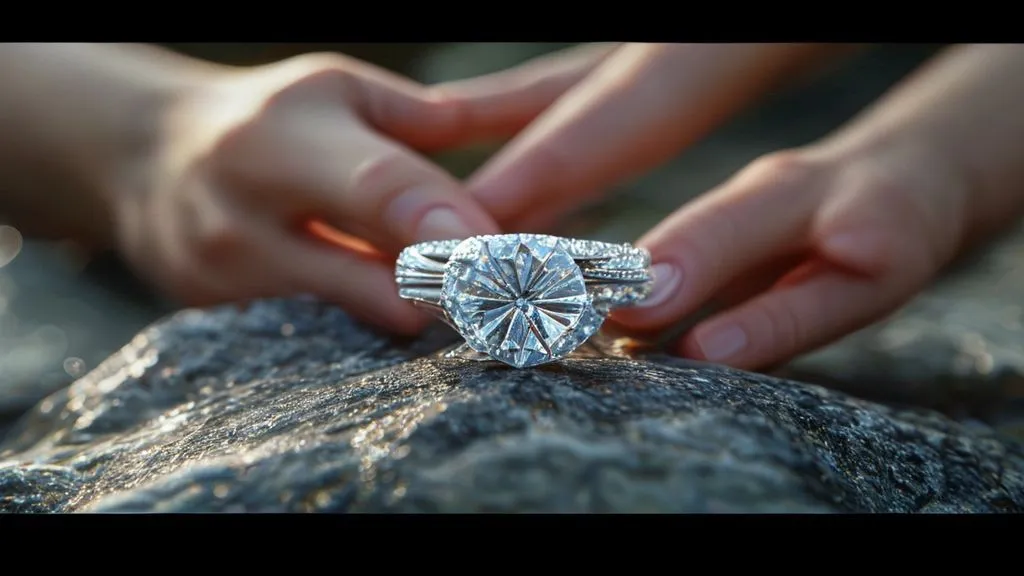
How to Ethically Source Conflict-Free Rare Fine Jewelry Diamonds?
For over two decades in the intricate world of fine jewelry design, I've witnessed the profound transformation of consumer values. What once began as a quest for unparalleled beauty has evolved, rightly so, into a deeper search for integrity and peace of mind. The sparkle of a diamond, while undeniably captivating, now carries the weight of its origin story, a narrative we, as designers and consumers, are increasingly compelled to understand.
The problem, as I've seen countless times, isn't a lack of desire for ethical choices, but rather the sheer complexity and opacity of the diamond supply chain. The journey from mine to market is often shrouded in mystery, making it incredibly challenging for even the most well-intentioned buyer to distinguish between genuinely conflict-free and ethically sourced diamonds and those with questionable provenances. This uncertainty can cast a shadow over what should be a joyous purchase, leaving many feeling overwhelmed and even complicit.
But there is a clear path forward. In this definitive guide, I will share my accumulated expertise, offering you actionable frameworks, real-world insights, and a comprehensive understanding of how to ethically source conflict-free rare fine jewelry diamonds. My goal is to empower you with the knowledge to make informed decisions, ensuring the diamonds you choose are not only breathtaking but also embody a story of responsibility and transparency.
Understanding the Diamond Landscape: From Mine to Market
Before we delve into sourcing strategies, it's crucial to grasp the traditional diamond supply chain. This intricate network involves miners, sorters, cutters, polishers, dealers, and ultimately, jewelers. Each step adds value, but also potential points of obfuscation. Historically, this complexity has made it difficult to trace a diamond's exact origins, opening doors for illicit trade.
In my experience, many consumers mistakenly believe that simply buying a certified diamond guarantees ethical sourcing. While certification is vital, it's only one piece of a much larger puzzle. The industry has made significant strides, but vigilance remains paramount. Understanding the journey helps us identify where ethical pitfalls can occur and where our focus should be.
Key takeaway: The diamond journey is multifaceted; true ethical sourcing requires understanding each stage, not just the final product.
The Kimberley Process Certification Scheme: Its Strengths and Limitations
The Kimberley Process (KP) was established in 2003 to prevent the flow of conflict diamonds – rough diamonds used by rebel movements to finance wars against legitimate governments. It requires member states to certify shipments of rough diamonds as 'conflict-free' and prohibits trade with non-member states. This initiative was a monumental step forward, bringing much-needed regulation to an industry previously plagued by violence.
However, it's important to acknowledge the KP's limitations. As I often explain to my clients, the KP's definition of 'conflict diamonds' is quite narrow, focusing solely on diamonds funding rebel groups. It does not address other critical ethical concerns such as child labor, unsafe working conditions, environmental damage, or fair wages within legitimate mining operations. While essential, the KP alone is not a comprehensive solution for truly ethical sourcing.
"The Kimberley Process was a necessary first step, but it represents the floor, not the ceiling, of ethical diamond sourcing. Our responsibility extends far beyond its scope."
This nuanced understanding is vital. While I always insist on KP-certified diamonds, I also push for standards that go significantly further.

Beyond Kimberley: Embracing Comprehensive Due Diligence
To truly ensure you're acquiring an ethically sourced diamond, you must look beyond the KP. This means engaging in what the industry calls 'due diligence' across the entire supply chain. It's about asking tougher questions and seeking verifiable answers.
- Verify Supplier's Policies: Request documentation outlining their ethical sourcing policies, environmental impact assessments, and labor standards.
- Check Industry Affiliations: Look for suppliers who are members of organizations like the Responsible Jewellery Council (RJC). RJC members commit to upholding responsible ethical, human rights, social, and environmental practices.
- Assess Transparency: How much information are they willing to share about the diamond's journey? A truly ethical supplier will be eager to provide details.
- Understand Origin: While difficult, knowing the country of origin is a good start. Some countries have stricter mining regulations and better human rights records than others.
- Look for Independent Audits: Do their operations undergo independent third-party audits for social and environmental compliance?
This level of scrutiny might seem daunting, but in my experience, it's the only way to gain genuine confidence in your purchase. It transforms you from a passive buyer into an active participant in creating a more ethical industry.
The Power of Provenance: Traceability and Transparency
The holy grail of ethical diamond sourcing is full provenance – knowing the exact mine of origin and having a transparent, unbroken chain of custody from that mine to your jeweler. This level of traceability is challenging to achieve for all diamonds but is becoming increasingly possible, especially for rare and high-value stones.
Case Study: How ‘Everlight Diamonds’ Revolutionized Traceability
Everlight Diamonds, a fictional but representative small-to-mid-sized fine jewelry brand, faced a common challenge: their discerning clientele demanded verifiable origins for their rare diamonds. Initially, they relied solely on KP certificates. However, after receiving feedback about the limitations of KP, their founder, Sarah Chen, decided to implement a new strategy.
Sarah partnered with a technology provider specializing in blockchain-based diamond tracking. For every new diamond acquisition, from rough stone to polished gem, a unique digital ledger entry was created, recording its journey, cutting details, and ownership transfers. This immutable record was accessible via a QR code on the diamond's certificate.
By implementing this transparent, mine-to-market blockchain system, Everlight Diamonds saw a significant increase in customer trust and a 20% boost in sales of their traceable collections within 18 months. Their brand became synonymous with transparency, demonstrating that investing in provenance pays dividends in both ethical standing and market share.
This case study illustrates that while full traceability is complex, it's achievable and immensely valuable. When you ask, "Can you tell me which mine this diamond came from?" and your jeweler can provide a verified answer, you're on the right track.
Laboratory-Grown vs. Natural: An Ethical Alternative?
The rise of laboratory-grown diamonds presents an interesting dimension to the ethical sourcing conversation. These diamonds are chemically, physically, and optically identical to natural diamonds, differing only in their origin. They are created in controlled environments, eliminating the concerns associated with mining, such as environmental impact or labor practices.
From an ethical standpoint, lab-grown diamonds offer a compelling alternative, particularly for those who prioritize avoiding any potential issues related to natural diamond extraction. They are inherently 'conflict-free' and typically have a clearer, more controlled supply chain.
However, it's crucial to understand that 'ethical' is not a binary concept. The environmental footprint of lab-grown diamond production (which can be energy-intensive) is a factor to consider, as is the labor involved in their creation. While generally considered a more ethical choice by many, it's still worth inquiring about the specific manufacturing processes and energy sources used by lab-grown diamond producers.
Partnering with Reputable Jewelers and Certification Bodies
Your choice of jeweler is perhaps the most critical decision in ensuring you ethically source conflict-free rare fine jewelry diamonds. A reputable jeweler acts as your trusted guide, doing the heavy lifting of due diligence for you. They should be transparent, knowledgeable, and willing to answer every question you have about their diamonds' origins.
Look for jewelers who:
- Are members of respected industry organizations (e.g., RJC, American Gem Society).
- Provide detailed information beyond just a basic certificate.
- Have established relationships with known, ethical suppliers.
- Offer diamonds certified by reputable gemological laboratories like GIA (Gemological Institute of America) or IGI (International Gemological Institute).
These laboratories provide independent grading reports that detail a diamond's characteristics (the 4 Cs), but some also offer services related to origin. For instance, the GIA has started exploring origin tracing for certain diamonds. GIA is a global authority, and their reports are considered the gold standard for diamond grading, adding a layer of trust to your purchase.
Key Certification Bodies and Their Focus
Beyond gemological labs, specific certification bodies focus on ethical and sustainable practices:
| Certification Body | Focus Areas | Ethical Sourcing Stance |
|---|---|---|
| GIA (Gemological Institute of America) | Gemological Research, Education, Grading | Strict grading standards, promotes transparency, limited direct sourcing audit, exploring origin tracing |
| SCS Global Services | Sustainability Certification | Comprehensive Chain of Custody, Social & Environmental Standards, certifies responsibly sourced diamonds |
| RJC (Responsible Jewellery Council) | Industry-wide Standards | Certifies member companies for ethical, human rights, social & environmental practices across the supply chain |
| IGI (International Gemological Institute) | Gemological Services, Grading, Education | Supports KP, offers some origin verification, grades natural and lab-grown diamonds |
When a jeweler can provide diamonds with certifications from these organizations, it demonstrates a commitment to ethical practices beyond the bare minimum.
Identifying Red Flags and Asking the Right Questions
In my years, I've developed a keen eye for red flags. If a deal seems too good to be true, it often is. Extremely low prices for rare, high-quality diamonds should immediately raise suspicion. Lack of documentation, vague answers about origin, or a jeweler who dismisses your ethical concerns are all warning signs.
Here are some essential questions I recommend you always ask:
- "Is this diamond Kimberley Process certified? Can I see the documentation?"
- "What is the country of origin for this diamond? Can you trace its journey from the mine?"
- "Does your supplier adhere to any additional ethical standards beyond the Kimberley Process, such as RJC or SCS Global Services?"
- "What are your company's policies regarding fair labor practices and environmental responsibility in your supply chain?"
- "Do you offer any diamonds with verifiable mine-to-market provenance, perhaps via blockchain technology?"
- "Are your diamonds independently audited for ethical and sustainable practices?"
A trustworthy jeweler will welcome these questions and be prepared to provide detailed, verifiable answers. If they hesitate or become defensive, consider it a significant red flag.
| Criteria | Action | Ethical Impact |
|---|---|---|
| Kimberley Process Certification | Always verify certificate | Prevents rebel-funded conflict diamonds |
| Supplier Ethical Policy | Request detailed documentation | Addresses broader human rights, labor, environmental issues |
| Third-Party Ethical Certifications (RJC, SCS) | Look for specific certifications | Independent verification of responsible practices |
| Mine-to-Market Traceability | Ask for specific origin and chain of custody | Ensures full transparency, reduces risk of illicit trade |
| Jeweler's Reputation & Transparency | Research, ask probing questions | Indicates commitment to ethical sourcing beyond basic compliance |
The Future of Ethical Sourcing: Technology and Innovation
The landscape of ethical diamond sourcing is continually evolving, driven by technological advancements and increasing consumer demand for transparency. Technologies like blockchain are revolutionizing traceability, creating immutable digital ledgers that track a diamond's journey from its rough state to the finished product. This level of verifiable provenance was unimaginable just a decade ago.
Furthermore, advanced analytics and AI are being used to monitor supply chains for anomalies and potential risks. Companies like Tracemark and Everledger are at the forefront of this innovation, offering solutions that empower both businesses and consumers to make fully informed decisions. As an industry specialist, I'm incredibly optimistic about how these tools will simplify the process of finding conflict-free rare fine jewelry diamonds, making ethical choices more accessible to everyone.
Embracing these innovations means we can move towards a future where every diamond tells a complete, verifiable, and responsible story. It's not just about avoiding harm; it's about actively promoting good.
Frequently Asked Questions (FAQ)
Is the Kimberley Process Certification Scheme enough to guarantee an ethically sourced diamond? No, while the Kimberley Process is a crucial first step that ensures diamonds are not funding rebel groups, its definition of 'conflict diamonds' is narrow. It does not cover other vital ethical concerns such as child labor, unsafe working conditions, environmental damage, or fair wages. A truly ethically sourced diamond requires due diligence beyond KP, encompassing broader social and environmental standards.
What's the difference between 'conflict-free' and 'ethically sourced'? 'Conflict-free' specifically refers to diamonds not used to finance civil wars, as defined by the Kimberley Process. 'Ethically sourced' is a much broader term, encompassing conflict-free status but also extending to fair labor practices, safe working conditions, environmental responsibility, community development, and full supply chain transparency. All ethically sourced diamonds are conflict-free, but not all conflict-free diamonds are fully ethically sourced.
Are lab-grown diamonds truly ethical? Lab-grown diamonds are generally considered a highly ethical alternative because they bypass the social and environmental issues associated with traditional mining. They are inherently conflict-free. However, their ethical footprint can still vary depending on the energy sources used in their production (e.g., renewable vs. fossil fuels) and the labor practices of the manufacturing facility. It's always good to inquire about these aspects.
How can I verify a jeweler's claims about ethical sourcing? Always ask for documentation, such as Kimberley Process certificates, GIA/IGI reports, and any additional certifications from bodies like the Responsible Jewellery Council (RJC) or SCS Global Services. Look for transparent answers about the diamond's origin and supply chain. Check their industry affiliations and online reputation. A trustworthy jeweler will be eager to provide verifiable proof and detailed information.
What role does blockchain technology play in diamond traceability? Blockchain technology offers a revolutionary solution for diamond traceability by creating an immutable, transparent, and secure digital ledger of a diamond's journey. Each transaction, from mine to cutter to jeweler, can be recorded and verified, creating an unbroken chain of custody. This significantly enhances trust and reduces the risk of fraud or misrepresentation regarding a diamond's origin and ethical status.
Key Takeaways and Final Thoughts
The journey to ethically source conflict-free rare fine jewelry diamonds doesn't have to be overwhelming. By understanding the nuances, asking the right questions, and partnering with reputable jewelers, you can make choices that reflect your values.
- Go Beyond Kimberley: While essential, the KP is just the starting point for ethical sourcing.
- Demand Transparency: Push for verifiable provenance and full supply chain visibility.
- Leverage Certifications: Look for independent certifications from bodies like the RJC and SCS Global Services.
- Choose Your Jeweler Wisely: Your jeweler is your most important ally in this process; seek out knowledgeable, transparent professionals.
- Embrace Innovation: Keep an eye on new technologies like blockchain that are enhancing traceability.
Ultimately, choosing a diamond is an deeply personal act, often marking significant life moments. By ensuring that your chosen gem is not only beautiful but also ethically sourced, you imbue it with an even greater meaning. You become a part of a positive change, supporting an industry that values both breathtaking beauty and unwavering integrity. Your sparkle can truly make a difference in the world.
Recommended Reading
- 7 Steps to Win Eco-Conscious Gen Z Brides: Modern Bridal Marketing
- Unlock Your Style: The Ultimate Guide to Selecting Streetwear Accessories for Outfit Cohesion
- 5 Proven Steps: Prevent Responsive Textile Functionality Loss After Washing
- Custom Bridal Accessory Damaged? 7 Steps to Save Your Wedding Day
- Boost Your Fashion Blog Income 50%: Traffic-Free Monetization Hacks


Your email address will not be published. Required fields are marked *