


What to do when a bride's custom accessory arrives damaged?
For over two decades in the intricate world of bridal fashion, I’ve witnessed countless moments of pure joy and, occasionally, profound panic. One particular scenario that sends shivers down a bride’s spine, and indeed mine, is the arrival of a highly anticipated, custom-made accessory, only to find it damaged. It’s a gut-wrenching moment, a feeling of dread that no bride deserves to experience.
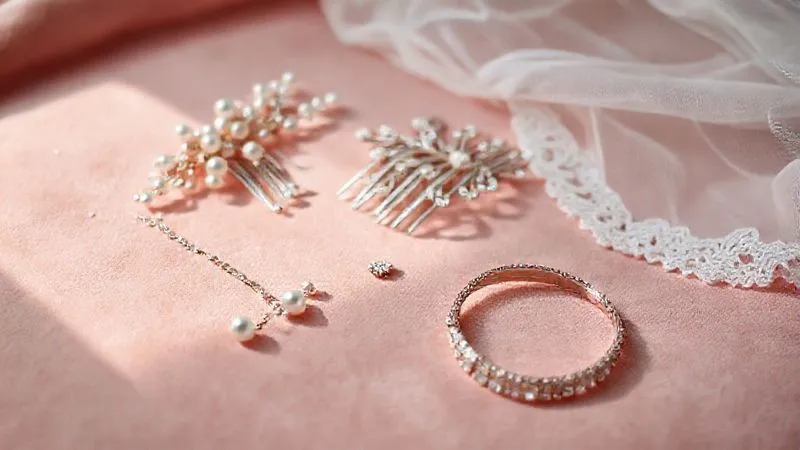
This isn't just a minor inconvenience; it's a significant emotional and logistical hurdle. Your custom veil, your unique hairpiece, or that bespoke piece of jewelry isn't merely an item; it's a tangible piece of your wedding vision, crafted specifically for your special day. Discovering it's compromised can feel like a direct threat to the perfection you've meticulously planned.
But here’s the crucial insight: panic is unproductive. In this definitive guide, I will walk you through a clear, actionable framework, born from years of industry experience, to navigate this distressing situation. You’ll learn precisely what steps to take, how to communicate effectively, and what backup plans to deploy, ensuring that this temporary setback doesn't overshadow your journey to the altar. We'll transform potential disaster into a manageable challenge, together, addressing exactly what to do when a bride's custom accessory arrives damaged.
The Immediate Aftermath: Assessing the Damage & Your Emotional First Aid
The first instinct upon discovering a damaged custom accessory is often a wave of shock, followed by anger or sadness. I've seen brides burst into tears, believing their dream accessory is ruined beyond repair. My first piece of advice, always, is to take a deep breath. A moment of calm can prevent impulsive decisions that might complicate matters further.
Once you've composed yourself, carefully unbox the item. Avoid further handling than necessary. Lay it on a clean, soft surface, preferably white, to get a clear view of the damage. Is it a detached pearl, a bent wire, a torn lace edge, or something more significant like a shattered crystal? Understanding the nature and extent of the damage is your critical first step.
Assess the packaging: Was the outer box damaged? Was the inner packaging adequate? Sometimes, the damage isn't due to poor craftsmanship but insufficient protection during transit. This distinction can be crucial when discussing liability with the vendor or shipping company.

Document Everything: Your Indisputable Evidence Kit
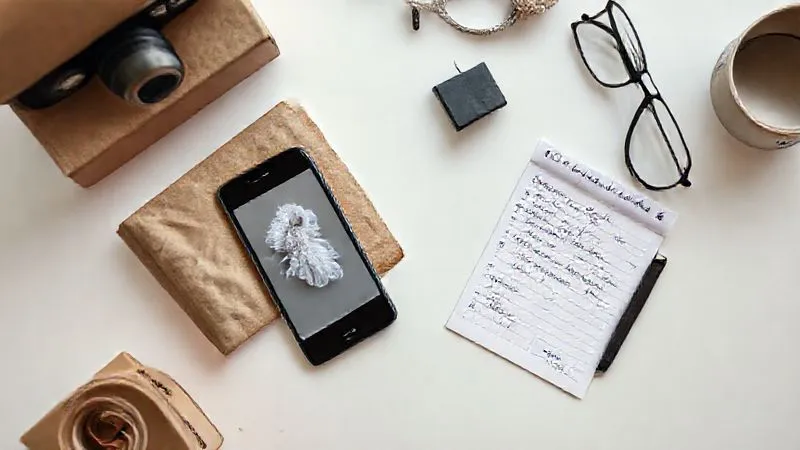
In my experience, the single most powerful tool a bride has in resolving a dispute over a damaged item is thorough documentation. This isn't just about photos; it's about creating an undeniable timeline and visual record that supports your claim. Think of yourself as building a mini-case file.
- Photographic Evidence:
- Take multiple high-resolution photos and even a short video.
- Capture the outer packaging from all angles, especially if it shows signs of damage.
- Photograph the inner packaging to show how the item was secured (or not secured).
- Take clear close-up shots of the damage itself, from various angles.
- Include wider shots showing the accessory in its entirety, with the damage visible in context.
- Ensure good lighting and a plain background so the damage is unmistakable.
- Written Record:
- Note the exact date and time of arrival.
- Describe the damage in detail: what it is, where it is, and its apparent cause if discernible.
- Document any discrepancies between the item received and the item ordered (e.g., wrong color, missing elements).
- Keep all shipping labels, tracking numbers, and order confirmations.
- Communication Log:
- Record the date, time, and content of all communications with the vendor (emails, phone calls, chat transcripts).
- If speaking on the phone, immediately follow up with an email summarizing the conversation.
This comprehensive evidence kit is your shield and sword. It protects you from disputes over "he said, she said" and empowers you with irrefutable facts when seeking a resolution.
Communication is Key: Contacting the Vendor Professionally
Once you have your evidence kit ready, it's time to reach out to the vendor. This is a critical interaction, and approaching it with a calm, professional demeanor, even if you're internally frustrated, will yield the best results. Remember, the goal is resolution, not confrontation.
Timing is everything: Most vendors have a limited window for reporting damaged goods, often 24-48 hours after delivery. Review your purchase agreement or their website for their specific policy. Act swiftly, but thoughtfully.
- Initial Contact (Email Preferred):
- Start with an email. It creates a written record.
- Clearly state your order number, the item, and the date of arrival.
- Politely explain that the item arrived damaged.
- Attach your photographic evidence directly to the email.
- State what you are seeking: repair, replacement, or refund.
- Request a specific timeframe for their response.
- Follow-up (Phone if no response):
- If you don't hear back within their stated or a reasonable timeframe (e.g., 24-48 hours), follow up with a polite phone call.
- Refer back to your email and order number.
- Be prepared to explain the situation clearly and concisely.
- Take notes during the call: who you spoke to, date, time, and what was discussed.
- Maintain a Solution-Oriented Tone:
- Avoid accusatory language. Frame it as a problem that needs solving.
- "My custom veil arrived with a tear, and I'd like to explore options for repair or replacement," is more effective than "You sent me a damaged veil!"
"In bridal fashion, reputation is paramount. Most reputable vendors will want to resolve issues swiftly and fairly to protect their brand and ensure client satisfaction. Give them the opportunity to do so." - An Experienced Bridal Industry Specialist
Understanding Your Rights: Policies and Protections
Navigating vendor policies and consumer rights can feel daunting, but it's essential. Before making contact, or certainly during the resolution process, familiarize yourself with the vendor's stated policies, as well as general consumer protections. This knowledge empowers you and strengthens your position.
Vendor's Return/Damage Policy: Every reputable vendor should have a clear policy on damaged goods, returns, and exchanges. This is often found in their terms and conditions, FAQ, or a dedicated 'Shipping & Returns' page on their website. Pay close attention to:
- Reporting Window: How long do you have to report damage?
- Required Documentation: What evidence do they require?
- Resolution Options: Do they offer repair, replacement, or refund?
- Return Shipping: Who covers the cost of returning a damaged item?
Shipping Insurance: If the damage occurred in transit, the shipping carrier might be liable, especially if the vendor purchased insurance. This is often an internal process between the vendor and the carrier, but it’s good to be aware. Asking the vendor if the package was insured can sometimes expedite their internal process.
Consumer Protection Laws: While specific laws vary by region, most jurisdictions offer consumer protections for goods that are not "fit for purpose" or arrive damaged. Websites like the Federal Trade Commission (FTC) in the US or Citizens Advice in the UK offer valuable resources. While these are typically a last resort, knowing they exist provides peace of mind. For instance, the FTC provides guidance on refunds and returns, which can be a useful reference.
| Policy Aspect | Typical Vendor Policy | Your Action |
|---|---|---|
| Reporting Window | 24-48 hours post-delivery | Check purchase agreement, act immediately |
| Required Documentation | Photos of damage & packaging | Compile comprehensive evidence kit |
| Resolution Options | Repair, Replacement, Store Credit, Refund | State your preferred resolution clearly |
| Return Shipping | Vendor typically covers for damaged items | Confirm who pays before shipping back |
Exploring Solutions: Repair, Replacement, or Refund?
Once communication is established and policies are understood, the conversation will shift to resolution. There are typically three main avenues: repair, replacement, or a refund. Your preference, the nature of the damage, and the vendor's capabilities will all play a role in the final outcome.
- Repair:
- When suitable: Minor damage (e.g., loose bead, bent wire, small tear in lace) that can be professionally restored without compromising the item's integrity or aesthetic.
- Vendor's responsibility: Often, the vendor will offer to repair the item at their cost, including shipping both ways.
- Considerations: Ensure the repair will be indistinguishable from the original. Get an estimated timeframe for repair, especially if your wedding date is approaching.
- Replacement:
- When suitable: Significant damage, or if the item is custom-made and a repair would be too complex or noticeable.
- Vendor's responsibility: The vendor should ideally send a brand-new, identical item, covering all associated costs.
- Considerations: Verify the new item will be an exact replica. Crucially, confirm the production and shipping timeline. Custom items take time, and a rush order might be necessary.
- Refund:
- When suitable: If repair or replacement isn't feasible (e.g., no time, item discontinued, vendor unable to replicate), or if the damage is so severe that the item is unusable.
- Vendor's responsibility: A full refund to your original payment method.
- Considerations: A refund means you'll need to find an alternative accessory. This might be your choice if you've lost trust in the vendor or prefer to seek a local solution.
Case Study: Eleanor's Beaded Veil Dilemma
Eleanor, a bride from Chicago, ordered a bespoke, intricately beaded cathedral veil for her October wedding. Upon arrival, a significant section of the delicate beading near the comb had become detached, creating an unsightly gap. Initially, Eleanor was devastated, feeling her unique vision was shattered.
Following my guidance, she calmly documented the damage with detailed photos and contacted the artisan within 24 hours. The artisan, a small business owner, was apologetic and immediately offered a solution. Given the complexity of the beading and the 6-week wedding timeline, a full replacement wasn't feasible. Instead, the artisan offered to repair the original veil, providing a prepaid shipping label and guaranteeing a 10-day turnaround, including expedited shipping back to Eleanor. They also offered a partial refund for the inconvenience.
Eleanor accepted. The repaired veil arrived looking flawless, with the artisan even adding a few extra reinforcement stitches to prevent future issues. This case highlights how clear communication, swift action, and a vendor's commitment to customer satisfaction can turn a crisis into a positive resolution. As Harvard Business Review often emphasizes, exceptional customer service in moments of crisis builds lasting loyalty.
The DIY Dilemma: When (Not) to Fix It Yourself
With a wedding looming, the temptation to "just fix it" yourself can be overwhelming, especially for minor damage. However, in my professional opinion, this is almost always a path fraught with risk, and one I strongly advise against, at least initially.
Why DIY is risky:
- Voiding Guarantees: Any attempt at repair by an unauthorized person can instantly void your warranty or the vendor's responsibility. If your DIY fix goes wrong, you're entirely on your own.
- Further Damage: Bridal accessories are often delicate and require specialized tools and techniques. An amateur repair can easily exacerbate the problem, making a professional fix more difficult or even impossible.
- Compromising Aesthetics: Even if you successfully fix the structural issue, the aesthetic might be compromised. A mismatched thread, a slightly off-center bead, or a visible glue mark can detract from the beauty of a custom piece.
- Legal Standing: If you try to fix it, you lose your leverage. The vendor can argue that any subsequent issues were caused by your intervention, not their initial product or shipping.
When to consider DIY (and with extreme caution):
Only consider a DIY fix as an absolute last resort, after you have exhausted all avenues with the vendor, and only if the wedding is days away with no other options. Even then, proceed with utmost care, perhaps consulting a local, trusted seamstress or jeweler who specializes in delicate work. A loose pearl that can be reattached with a tiny dot of fabric glue might be acceptable in a true emergency, but always prioritize professional intervention first.
"A custom bridal accessory is an investment in craftsmanship. Respect that craftsmanship by allowing the experts, or their designated repair service, to handle any damage. Your peace of mind, and the integrity of the piece, depend on it." - An Experienced Bridal Industry Specialist
Backup Plans & Emergency Solutions
Despite best efforts, sometimes a resolution takes longer than anticipated, or a replacement just won't arrive in time. This is where a robust backup plan becomes your saving grace. I always advise brides to think about their "Plan B" for every critical wedding element.
- Local Boutiques & Consignment Shops:
- Many bridal boutiques have a selection of in-stock accessories that can be purchased off the rack.
- High-end consignment shops or vintage bridal stores can be treasure troves for unique, ready-to-wear pieces.
- This is particularly useful for items like veils, headpieces, or simple jewelry.
- Borrow from a Friend or Family Member:
- Does a recently married friend have a veil or hairpiece that might complement your dress?
- A "something borrowed" accessory can add sentimental value and solve a crisis simultaneously.
- Online Retailers with Fast Shipping:
- Platforms like Etsy (for artisans who offer rush shipping) or larger online retailers (e.g., Nordstrom, BHLDN) often have expedited shipping options for in-stock items.
- Filter by "ships today" or "ready to ship" to find immediate solutions.
- Consider a Different Look:
- If your elaborate custom headpiece is damaged, perhaps a simpler, elegant comb or fresh flowers in your hair could be a stunning alternative.
- Sometimes, a change in plans can lead to an unexpected, beautiful result.
The key here is not to settle, but to adapt. Having these options mentally prepared, or even having scouted a few local possibilities, drastically reduces stress if your primary accessory solution is delayed.
Preventative Measures: Protecting Your Investment
While this article focuses on recovery, prevention is always better than cure. As an industry veteran, I've learned that proactive steps can significantly reduce the likelihood of your custom accessory arriving damaged, or at least make the resolution process smoother. This is especially true when considering what to do when a bride's custom accessory arrives damaged, as foresight can prevent the issue entirely.
- Choose Reputable Vendors:
- Research your artisans and boutiques thoroughly. Look for strong reviews, clear policies, and excellent customer service.
- A vendor's track record for handling issues is as important as their craftsmanship.
- Understand Shipping Practices:
- Inquire about their packaging methods. Do they use sturdy boxes, ample padding, and protective inner wrapping?
- Ask about shipping insurance, especially for high-value items.
- Clarify the shipping carrier and tracking information.
- Inspect Upon Arrival (Immediately!):
- Don't let your custom accessory sit unopened. As soon as it arrives, carefully inspect it, even if you're tempted to save the "reveal."
- This allows you to adhere to tight reporting windows.
- Store Safely:
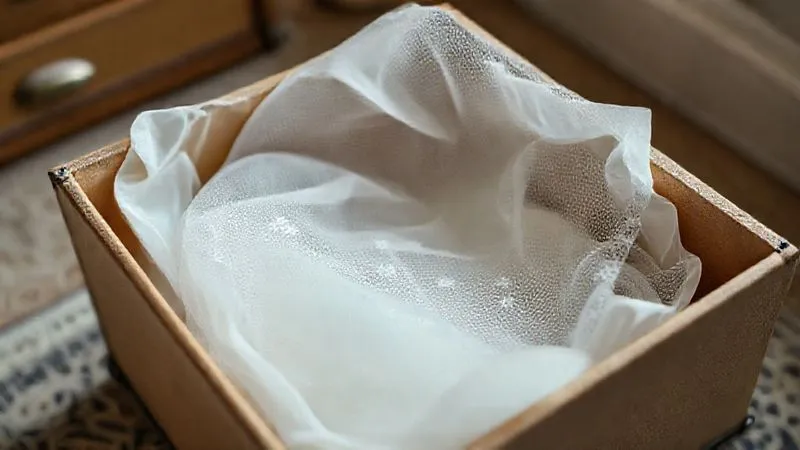
- Once inspected and deemed perfect, store your accessory in its original protective packaging, or in a designated bridal box.
- Keep it in a cool, dry place away from direct sunlight, pets, and children until the wedding day.
By being diligent in your vendor selection and meticulous in your handling and inspection, you significantly reduce the chances of encountering a damaged accessory crisis. As industry experts like those at Bridal Guide consistently advise, attention to detail throughout the planning process is key.
Frequently Asked Questions (FAQ)
Q: What if the vendor blames the shipping company? A: While shipping damage is a real possibility, it's typically the vendor's responsibility to ensure the item arrives safely, or to pursue a claim with their chosen carrier. Your contract is with the vendor, not the shipping company. They should handle the claim and provide you with a resolution (repair, replacement, or refund). Your role is to provide them with all the necessary documentation of the packaging and item damage.
Q: Can I get a rush replacement if my wedding is very soon? A: It depends on the vendor's capacity and the complexity of the item. Many custom artisans have lengthy lead times. However, if the vendor is at fault, they should prioritize your replacement and potentially absorb rush fees for production and shipping. Always communicate your wedding date clearly and early in the process. Be prepared to discuss alternative, simpler options if a full custom rush replacement isn't feasible.
Q: What if the vendor is unresponsive or uncooperative? A: If initial attempts at communication fail, escalate. Send a certified letter detailing the issue and your desired resolution. If still no response, consider disputing the charge with your credit card company (if applicable), as they often have strong consumer protection policies. As a last resort, consider consumer protection agencies or small claims court, but these are time-consuming. Document every interaction.
Q: Should I accept store credit instead of a refund? A: This is entirely your choice. If you trust the vendor and anticipate purchasing other items from them, store credit might be acceptable. However, if you've lost confidence or need the funds to purchase an alternative elsewhere, insist on a refund. Never feel pressured to accept store credit if it doesn't meet your needs.
Q: How long should I expect the resolution process to take? A: The timeline varies greatly. Simple repairs can be a week or two. A full custom replacement could be several weeks or even months. A refund typically processes within 5-10 business days after the vendor agrees to it. Always ask for an estimated timeline at each stage of the resolution process and follow up if deadlines are missed. Transparency is key.
Key Takeaways and Final Thoughts
Discovering a damaged custom bridal accessory can feel like a devastating blow, threatening the perfect vision you've meticulously crafted for your wedding day. However, as I've emphasized throughout my career, even the most daunting challenges in wedding planning can be navigated with the right approach and a clear, actionable plan.
- Act Swiftly, But Calmly: Your immediate reaction sets the tone for the entire resolution process.
- Document Everything: Your evidence kit is your strongest ally.
- Communicate Professionally: A solution-oriented approach yields the best results.
- Know Your Rights: Understand vendor policies and consumer protections.
- Explore All Solutions: Be open to repair, replacement, or refund based on the situation.
- Prepare Backup Plans: Always have alternatives in mind for peace of mind.
Remember, your wedding day is about celebrating love and commitment, not about a single accessory. While these items are cherished, they are not the essence of your union. By following these expert-backed steps, you can confidently address and overcome this hurdle, ensuring your focus remains on the joyous celebration ahead. Trust in the process, trust in your preparation, and know that your beautiful day will unfold perfectly, regardless of minor bumps along the way. You've got this.
Recommended Reading
- Crafting Chic Support: 7 Steps to Fashionable Orthotic Shoes
- Unlock Your Style: How to Build a Minimalist Casual Streetwear Wardrobe
- 7 Proven Strategies: Attracting Luxury Buyers for Bespoke Footwear?
- 5 Proven Ways: How to Prevent Microplastic Shedding from New Synthetics
- 7 Smart Casual Outfits for Men: Project Authority at Professional Dinners




Your email address will not be published. Required fields are marked *