

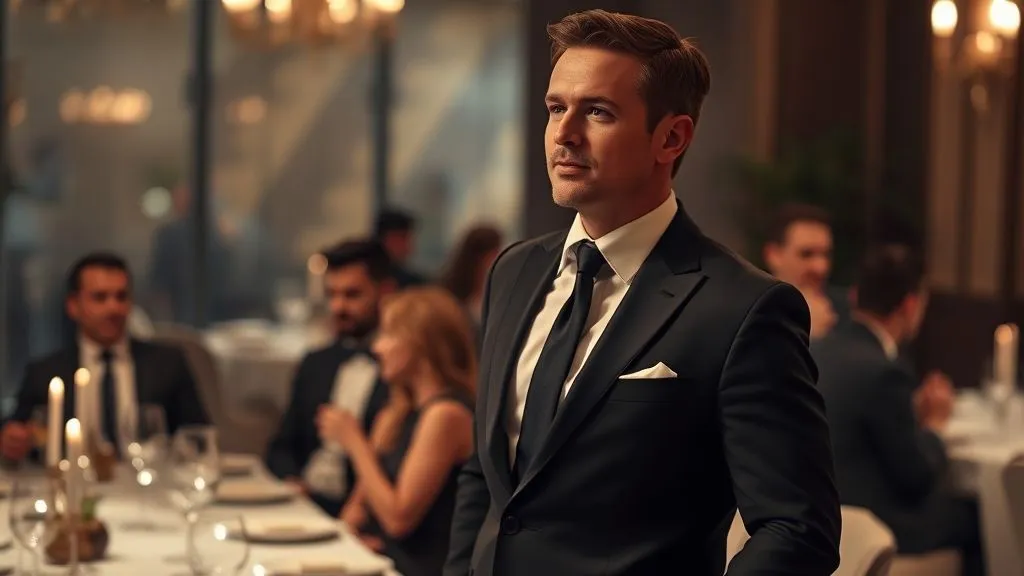
What Smart Casual Outfits Project Authority at Professional Dinners?
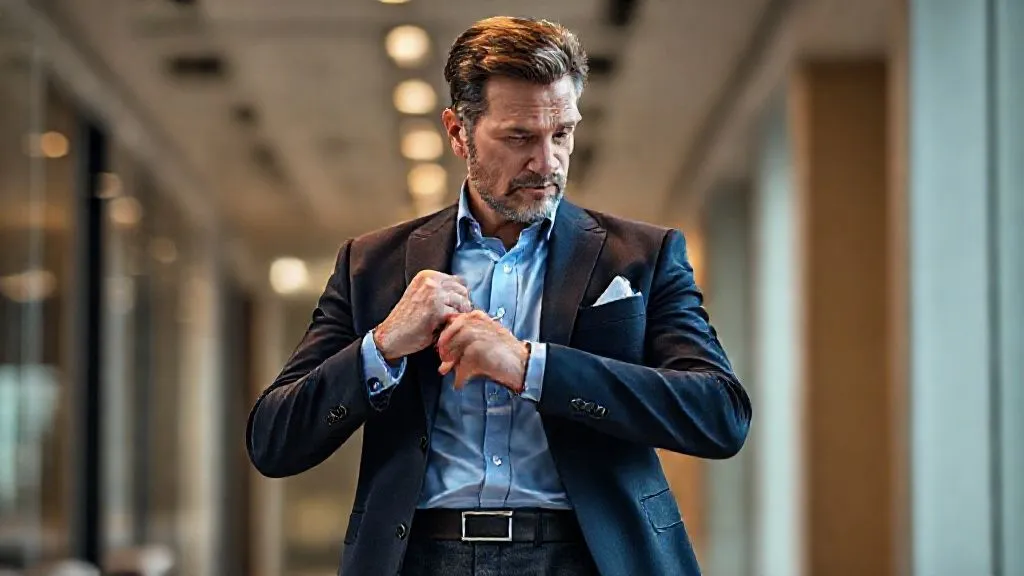
For over two decades in the menswear industry, I've witnessed countless professionals make the same critical error: underestimating the power of their attire at crucial networking events, especially professional dinners. It’s a common misconception that 'smart casual' is a free pass for anything slightly elevated from weekend wear, but nothing could be further from the truth when your reputation is on the line.
The challenge lies in striking that delicate balance. You want to appear approachable and at ease, yet simultaneously project an undeniable sense of authority, gravitas, and competence. Many struggle, either veering too formal and appearing stiff, or too casual and risking being perceived as unprepared or lacking attention to detail. This missed opportunity can subtly undermine your professional presence.
In this definitive guide, I will share my proven framework for curating smart casual outfits that not only fit the occasion but actively enhance your professional image. We’ll delve into the specific garments, fabrics, colors, and styling nuances that ensure you project unwavering authority at professional dinners, leaving a lasting, positive impression every time.
Understanding the Nuance: Smart Casual vs. Business Casual
Before we build any ensemble, it’s crucial to distinguish between smart casual and its often-confused cousin, business casual. I've seen this mistake countless times, leading to either an overly rigid or disappointingly relaxed look. Understanding the subtle differences is your first step towards mastering the art of authoritative dressing.
Business casual typically implies a more structured, office-appropriate aesthetic. Think tailored trousers (often wool or a refined cotton), a button-down shirt, and perhaps a sport coat or blazer. Ties are generally optional but can be worn. It’s polished, professional, and often leans towards traditional corporate environments.
Smart casual, on the other hand, is about elevated relaxation. It retains the polish and sophistication of business casual but introduces more texture, a slightly softer silhouette, and a greater sense of personal style. For professional dinners, it means looking sharp and intentional, but without the full formality of a suit. It signals confidence and an understanding of nuanced social codes, which inherently projects authority.
Expert Insight: "Smart casual for professional dinners isn't about dressing down; it's about dressing with sophisticated intention. It demonstrates that you understand the context and respect the occasion, without needing a uniform."
The Foundation of Authority: Fit, Fabric, and Color Palette
The secret to projecting authority isn't just about *what* you wear, but *how* it's constructed, *how* it drapes, and the silent messages its textures and hues convey. These foundational elements are often overlooked, yet they are the bedrock of a truly impactful smart casual look.
The Power of Impeccable Fit
I cannot stress this enough: fit is paramount. A perfectly tailored garment instantly elevates your appearance, regardless of its cost. Clothes that are too baggy look sloppy and unprofessional, while those that are too tight appear uncomfortable and ill-fitting. For smart casual, aim for a silhouette that is clean, streamlined, and allows for comfortable movement.
Your blazer should sit perfectly on your shoulders, the sleeves ending just at your wrist bone, revealing a quarter-inch of shirt cuff. Trousers should have a clean break or no break, depending on your preference, and taper gently. A well-fitted garment sends a message of attention to detail and self-respect, qualities deeply associated with authority. According to a Harvard Business Review article on professional attire, dressing with intent significantly impacts how you are perceived in professional settings.
Fabric Choices That Speak Volumes
The tactile quality of your clothing communicates luxury, thoughtfulness, and discernment. For professional dinners, eschew synthetic blends that can look cheap and wrinkle easily. Instead, gravitate towards natural fibers that offer superior drape, texture, and breathability.
Wool (especially fine merino or worsted) is an excellent choice for blazers and trousers, offering a sophisticated texture and wrinkle resistance. Cashmere blends or pure cashmere sweaters add an undeniable touch of luxury and comfort. For shirts, opt for high-quality cotton poplin, twill, or a refined Oxford cloth. These fabrics not only feel better but also hold their shape and color, contributing to a polished appearance.
| Fabric Type | Impression | Best Use |
|---|---|---|
| Worsted Wool | Sharp, refined, authoritative | Blazers, tailored trousers |
| Cashmere Blend | Luxurious, sophisticated, comfortable | Sweaters, soft blazers |
| High-Quality Cotton | Crisp, breathable, versatile | Shirts, refined chinos |
| Linen | Relaxed, summery, too casual for authority | Avoid for professional dinners |
| Polyester Blends | Often cheap, wrinkle-prone, lacks gravitas | Avoid for professional dinners |
Strategic Color Palettes for Influence
Color psychology plays a significant role in how we perceive and are perceived. For projecting authority at professional dinners, a sophisticated and understated color palette is key. Deep, rich tones often convey seriousness and competence.
- Navy: A perennial favorite, navy exudes confidence and trustworthiness without being as stark as black. It's incredibly versatile for blazers, trousers, and knitwear.
- Charcoal Grey: Another power color, charcoal is refined and sophisticated. It pairs beautifully with lighter shirts and adds depth.
- Rich Browns: From chocolate to espresso, browns offer warmth and approachability while maintaining a strong, grounded presence, especially in blazers and footwear.
- Crisp Whites & Light Blues: For shirts, these classic colors provide a clean, sharp contrast.
- Subtle Patterns: Think fine pinstripes, subtle checks, or a delicate herringbone in your blazer or trousers. These add visual interest without being distracting.
Avoid overly bright or distracting colors, which can detract from your message and make you appear less serious. The goal is to create a harmonious and confident visual impression.
Essential Garments for the Authoritative Smart Casual Ensemble
Now that we’ve covered the foundational principles, let's dive into the specific pieces that form the backbone of smart casual outfits that project authority at professional dinners. Each garment serves a distinct purpose in crafting your powerful image.
The Unstructured Blazer: Your Power Piece
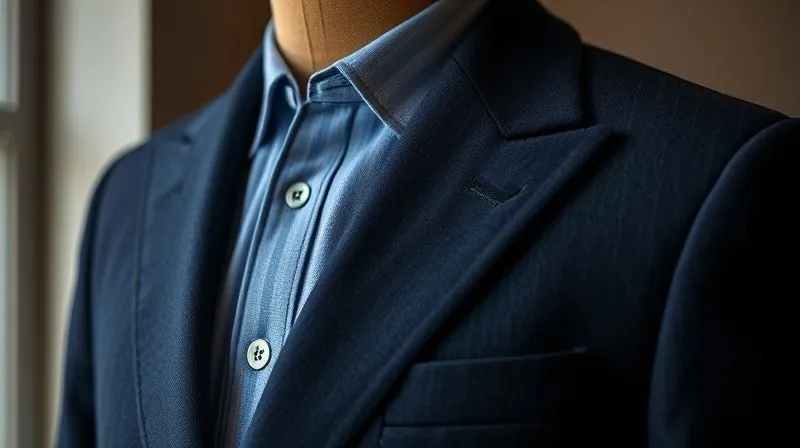
The blazer is arguably the most crucial element in a smart casual ensemble for a professional dinner. Unlike a rigid suit jacket, an unstructured or deconstructed blazer offers a softer shoulder and lighter construction, making it perfect for a relaxed yet polished setting. It maintains formality without feeling stuffy.
Look for blazers in fine wool, hopsack, or a luxurious cotton blend. Colors like navy, charcoal, and dark brown are excellent choices. A subtle texture, such as a basketweave or a very fine check, can add character. Always ensure the fit is impeccable, as discussed earlier. This piece instantly elevates a simple shirt and trousers, signaling respect for the occasion and a keen eye for style.
Sophisticated Shirts: Beyond the Basic Button-Down
While a classic button-down shirt is a safe bet, there are ways to elevate it further. Opt for shirts in fine cotton poplin or twill in crisp white, light blue, or even subtle patterns like a fine stripe or micro-check. Ensure the collar has good structure – a well-pressed spread or semi-spread collar looks sharp, even without a tie.
Consider a high-quality knit polo shirt in merino wool or fine cotton, especially in darker, muted tones like navy, charcoal, or forest green. This offers a more contemporary, sophisticated alternative to a traditional shirt, lending a relaxed yet intentional vibe. It’s a favorite among those who truly master smart casual for professional dinners.
Trousers That Elevate: Not Just Chinos
While chinos can be smart casual, for projecting authority, you need to be more selective. Instead of standard cotton chinos, consider:
- Wool Trousers: Flannel, worsted wool, or fresco wool trousers in charcoal, navy, or even a subtle plaid are incredibly sophisticated. They drape beautifully and inherently look more formal than cotton.
- Tailored Cotton Trousers: If opting for cotton, choose a heavier weight, finely woven fabric with a sharp crease. Colors like dark olive, stone, or deep navy work well.
- Refined Dark Denim: This is a bolder choice and must be executed flawlessly. Opt for dark wash, raw, or selvedge denim with no rips, fades, or distressing. It must be impeccably clean and well-fitting, almost like a tailored trouser. Pair it with a blazer to balance the inherent casualness.
Footwear: The Often-Underestimated Authority Signal
Your shoes are a critical component of your overall impression. Worn-out or overly casual footwear can instantly undermine an otherwise perfect outfit. For smart casual professional dinners, focus on polished, high-quality leather or suede shoes.
- Loafers: Penny loafers, horsebit loafers, or Belgian loafers in polished leather or fine suede are excellent choices. They are comfortable, stylish, and project an air of sophisticated ease.
- Derbies or Bluchers: A well-polished pair of leather Derbies can bridge the gap between formal and casual, especially in darker shades of brown or black.
- Chelsea Boots: In polished leather or suede, Chelsea boots offer a sleek, modern, and authoritative look, especially during cooler months.
- Chukka Boots: Suede chukkas can add a touch of rugged refinement without sacrificing polish.
Always ensure your shoes are clean, well-maintained, and polished. A quality pair of shoes speaks volumes about your attention to detail and self-presentation.
Accessorizing with Intent: Subtlety and Statement
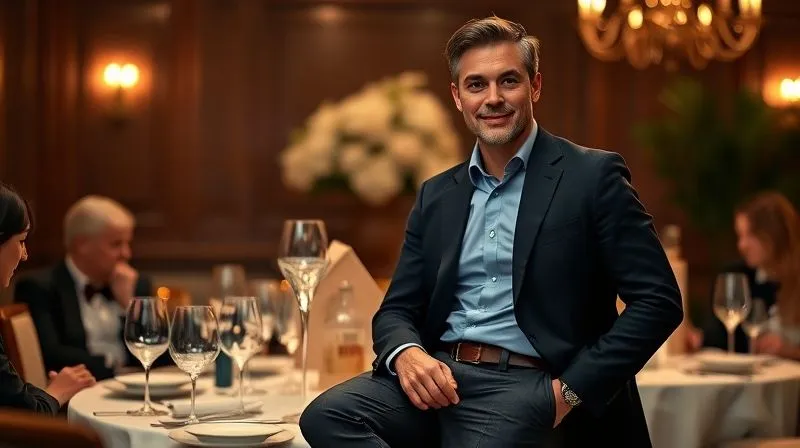
Accessories are the silent communicators of your personal brand. For smart casual outfits that project authority at professional dinners, the key is intentionality and restraint. Each accessory should add to your overall polished look, not detract from it.
Watches: More Than Just Timekeeping
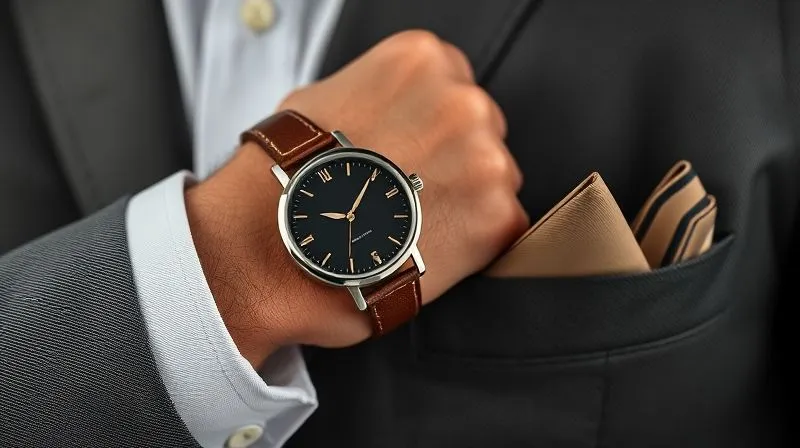
A quality watch is one of the few pieces of jewelry truly accepted across all professional settings for men. For a professional dinner, choose a dress watch or a sophisticated minimalist timepiece. Opt for a leather strap (matching your belt and shoes, ideally) or a sleek metal bracelet.
The watch should be understated, elegant, and reflect quality craftsmanship. A chunky sports watch, no matter how expensive, is generally too casual for this setting. Your watch signals an appreciation for precision and tradition, subtly reinforcing your authoritative presence.
Belts and Pocket Squares: The Finishing Touches
These small details can significantly impact your overall impression.
- Belts: Always match your belt to your shoes in color and approximate finish (e.g., polished leather belt with polished leather shoes, suede belt with suede shoes). A slim, classic leather belt is always the safest and most sophisticated choice.
- Pocket Squares: A pocket square is an excellent way to add a touch of personality and flair without being ostentatious. Choose one in silk, linen, or cotton, with a subtle pattern or a complementary solid color. The key is to select a fold that is relaxed (like a puff or a soft roll), rather than overly structured, which might lean too formal. It shows you understand nuance and have a keen eye for detail.
As marketing guru Seth Godin often says, "Small is the new big." In menswear, this translates to the profound impact of well-chosen, subtle accessories. They speak volumes about your discernment.
Crafting Specific Authoritative Smart Casual Looks
Now, let's bring these elements together into actionable, specific smart casual outfits that project authority at professional dinners. These are not rigid uniforms but rather frameworks you can adapt to your personal style and the specific context of the event.
Look 1: The Modern Executive
This ensemble is a timeless classic, refined for contemporary professional settings.
- Blazer: Navy unstructured wool or hopsack blazer.
- Shirt: Light blue fine cotton button-down or a crisp white poplin shirt, unbuttoned at the collar.
- Trousers: Charcoal grey tailored wool trousers.
- Footwear: Polished dark brown leather loafers or Derbies.
- Accessories: Matching dark brown leather belt, minimalist dress watch, optional white linen pocket square with a soft puff fold.
Look 2: The Creative Leader
For those in more innovative fields, this look blends sophistication with a touch of contemporary flair, signaling forward-thinking authority.
- Blazer: Dark grey or black knit blazer (merino wool or cashmere blend).
- Shirt: Fine merino wool polo shirt in a deep jewel tone (e.g., burgundy, forest green) or a sophisticated black/navy.
- Trousers: Tailored dark grey or black cotton trousers (not chinos).
- Footwear: Black leather Chelsea boots or sleek black leather loafers.
- Accessories: Matching black leather belt, a contemporary watch with a clean design.
Look 3: The Established Professional
This outfit leans into rich textures and classic colors, conveying a seasoned and confident presence.
- Blazer: Brown or olive green tweed or corduroy blazer (fine wale corduroy).
- Shirt: Cream or off-white cashmere crew-neck sweater worn over a crisp white dress shirt (collar peeking out slightly) OR a light blue chambray shirt.
- Trousers: Dark wash, clean selvedge denim (no distressing) or tailored dark brown wool trousers.
- Footwear: Suede chukka boots or dark brown leather brogues.
- Accessories: Brown leather braided belt, classic dress watch with a brown leather strap, a subtly patterned silk pocket square.
Common Pitfalls to Avoid: Undermining Your Authority
Even with the best intentions, certain mistakes can instantly derail your efforts to project authority. I've compiled a list of common pitfalls I've observed:
- Too Casual: Showing up in a t-shirt, athletic sneakers, ripped jeans, or overly casual shorts is a definite no-go. This signals a lack of respect for the occasion and your fellow professionals.
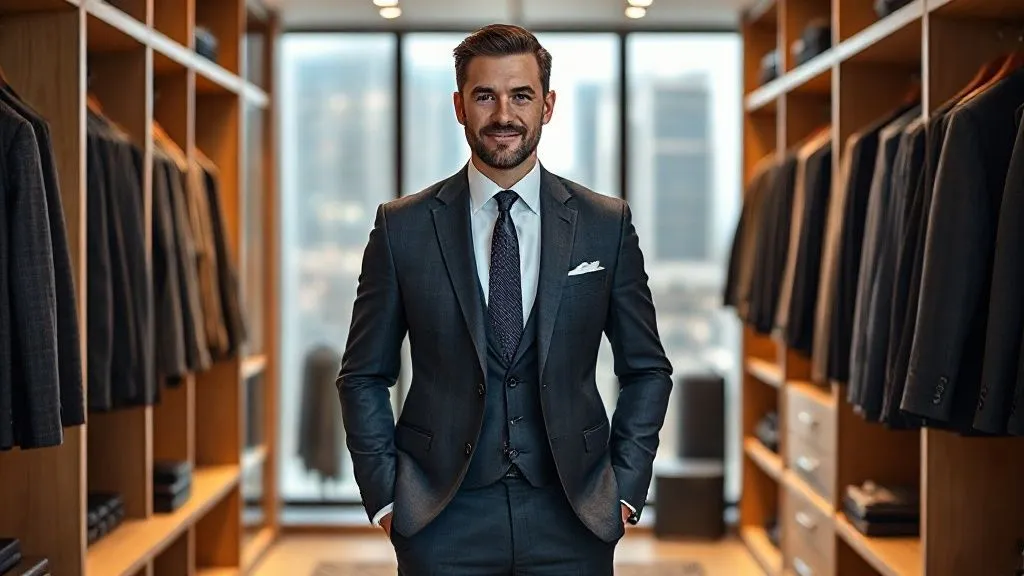
- Too Formal: A full suit and tie, while appropriate for some business events, can appear stiff and out of place at a smart casual dinner, especially if others are more relaxed. It can create an unnecessary barrier.
- Poor Fit: As emphasized, ill-fitting clothes—whether too baggy or too tight—are the quickest way to look unprofessional and undermine your presence.
- Wrinkled or Stained Clothes: Even the most expensive garments lose their impact if they are not clean and pressed. Attention to detail matters immensely.
- Over-Accessorizing: While accessories are important, too many flashy items (large chains, multiple rings, overly branded items) can appear distracting and lacking in sophistication.
- Novelty Items: Avoid novelty ties, socks with cartoon characters, or overly trendy pieces that distract from your professional image.
| Category | Do | Don't |
|---|---|---|
| Garment Fit | Tailored, comfortable, no excess fabric | Baggy, too tight, ill-fitting |
| Fabric Quality | Wool, cashmere, fine cotton | Shiny synthetics, cheap blends, overly casual linen |
| Color Palette | Deep navies, greys, rich browns, whites | Loud patterns, neon colors, clashing tones |
| Footwear | Polished loafers, Derbies, Chelsea boots | Sneakers, flip-flops, worn-out shoes |
| Overall Impression | Polished, confident, approachable | Sloppy, unkempt, overly stiff |
Mini Case Study: Elevating Presence at a Global Forum
Let me share a brief, but illustrative, story. Mr. David Chen, a rising tech executive I once advised, was attending a prestigious global innovation forum that included several high-stakes professional dinners. Initially, David opted for what he thought was 'safe' – business casual suits without ties, or simply a button-down and tailored trousers. While he looked presentable, he felt he wasn't quite connecting with the senior leaders who often sported a more refined, yet relaxed, air.
After our consultation, David adopted the principles of authoritative smart casual. For his next dinner, he chose a deep navy unstructured blazer, a fine merino wool polo in charcoal, tailored grey wool trousers, and polished dark brown loafers. He added a subtle, elegant watch and a crisp white pocket square. The change was immediate. He wasn't just 'present'; he was 'noticed'.
He later told me that senior executives engaged him more readily, commenting on his polished yet approachable style. He felt more confident, which translated into more impactful conversations and ultimately, a significant partnership opportunity. This wasn't about vanity; it was about leveraging his attire to amplify his professional presence and project the authority he already possessed. As Forbes highlights, non-verbal cues, including dress, are powerful tools in business.
Frequently Asked Questions (FAQ)
Can I wear jeans to a professional dinner? While I generally advise caution, yes, but with very strict caveats. They must be dark wash, impeccably tailored (slim, not skinny or baggy), free of any distressing or fading, and paired with a blazer, sophisticated shirt, and polished dress shoes (not sneakers). If there's any doubt, opt for wool or tailored cotton trousers instead. The goal is to project authority, and denim inherently carries a more casual connotation.
What's the difference between a sport coat and a blazer for smart casual? Historically, a blazer is a solid-colored jacket (often navy) with metal buttons, while a sport coat is patterned and made for sporting events. Today, the terms are often used interchangeably. For smart casual, focus on an unstructured or soft-shouldered jacket in a refined fabric (wool, hopsack, high-quality cotton) in versatile colors like navy, charcoal, or brown. The key is its less formal construction compared to a suit jacket, making it ideal for the smart casual aesthetic.
Is a tie ever appropriate for smart casual? Generally, no, for a professional dinner. The essence of smart casual is polished relaxation. Adding a tie can push the look too far into business formal territory, making you appear stiff or out of sync with the relaxed yet sophisticated vibe. If you feel the need for something around your neck, a high-quality knit polo or a crew-neck sweater provides a modern, warm alternative.
How do I ensure my smart casual doesn't look too casual? The secret lies in the details: impeccable fit, high-quality fabrics, polished footwear, and thoughtful accessories. Avoid anything that looks worn, wrinkled, overly sporty, or too trendy. The presence of a well-fitting blazer is almost always the strongest signal that you're leaning 'smart' rather than 'casual'. Always err on the side of slightly more polished if you're unsure. A great resource for further reading on dress codes is The Art of Manliness Guide to Smart Casual.
What kind of socks should I wear? This is a small detail with a big impact! For professional dinners, always wear dress socks. Opt for socks that match your trousers (to visually extend the leg line) or your shoes. Avoid white athletic socks at all costs. You can introduce subtle patterns or colors if they are sophisticated and complement your overall outfit, but solid dark colors are always safe and elegant.
Key Takeaways and Final Thoughts
Mastering smart casual for professional dinners isn't about following rigid rules; it's about understanding the subtle signals your clothing sends and using them to your advantage. It's a powerful tool for impression management, allowing you to project authority, confidence, and approachability simultaneously. Remember these core principles:
- Fit is King: No garment, no matter how expensive, looks good if it doesn't fit perfectly.
- Fabric Matters: Opt for natural, high-quality materials that drape well and convey luxury.
- Strategic Color Palette: Lean into deep, rich, and understated tones that exude sophistication.
- The Unstructured Blazer: Your essential power piece for smart casual authority.
- Polished Footwear: Never underestimate the impact of well-maintained, appropriate shoes.
- Intentional Accessories: Use watches, belts, and pocket squares to add refinement, not distraction.
- Avoid Pitfalls: Steer clear of being too casual, too formal, or unkempt.
Your attire at a professional dinner is more than just clothes; it's a non-verbal handshake, a statement of your attention to detail, and a reflection of your respect for the occasion and the individuals present. By applying these expert insights, you're not just dressing for dinner; you're dressing to influence, to connect, and to solidify your authoritative presence in any professional setting. Invest in your wardrobe with purpose, and watch your professional trajectory flourish.
Recommended Reading
- Why Couture Costs Millions: 7 Pillars Justifying Extreme Prices
- 7 Sustainable Strategies: Differentiating a Luxury Men's Skincare Line
- 8 Keys to Authentically Market Haute Joaillerie to UHNW Gen Z
- Unlock Transparency: 7 Steps to Audit Cruelty-Free Fashion Supply Chains
- Sustainable Textile Weaves: 5 Cost-Saving Strategies for Innovators


Your email address will not be published. Required fields are marked *