


How to Mitigate Secondary Market Price Gouging for New Limited Sneakers?
For over two decades immersed in the dynamic world of footwear, specifically the high-stakes arena of limited edition sneakers, I've witnessed a profound shift. What began as a passionate subculture of collecting and community has, in many ways, been eclipsed by a relentless pursuit of profit. The thrill of securing a coveted pair at retail has been replaced by the dread of battling bots and facing astronomical secondary market prices.
The problem is stark: new limited sneakers, intended to be accessible to genuine enthusiasts, are routinely snatched up by sophisticated automated systems and opportunistic resellers. This creates an artificial scarcity that drives prices on platforms like StockX and GOAT far beyond their original retail value, often by hundreds or even thousands of dollars. This isn't just an inconvenience; it's an erosion of sneaker culture, pushing out dedicated collectors and turning what should be an exciting pursuit into a frustrating and often unaffordable one.
In this definitive guide, I will share my insights and actionable frameworks, drawing from years of industry observation and strategic analysis. We'll explore the root causes of this rampant price gouging and, more importantly, uncover robust strategies for brands, retailers, and consumers alike to mitigate its impact. My goal is to equip you with the knowledge to understand the landscape, make smarter buying decisions, and ultimately, help reclaim the integrity of limited edition sneaker releases.
Understanding the Beast: Why Price Gouging Happens
Before we can effectively combat secondary market price gouging, we must first understand its intricate mechanics. It’s a multi-faceted issue, fueled by a perfect storm of technological advancement, consumer demand, and strategic brand marketing.
The Scarcity Myth vs. Reality
Brands intentionally create scarcity for limited edition sneakers. This marketing tactic, rooted in psychological principles, generates immense hype, desirability, and perceived value. The lower the supply relative to demand, the higher the perceived exclusivity. While this strategy successfully builds brand prestige and ensures quick sell-outs, it also inadvertently lays the groundwork for the secondary market to flourish. The "grail" status of many releases is directly proportional to their scarcity, making them prime targets for speculative investment rather than wear.
The Rise of Botting and Automated Reselling
Perhaps the most significant driver of price gouging is the proliferation of sophisticated bot technology. These automated software programs can bypass website security, add items to carts, and complete purchases far faster than any human. Resellers invest heavily in these bots, proxies, and servers to gain an unfair advantage during highly anticipated drops. This means that a significant portion of limited releases never even reach the hands of individual consumers at retail price; they are immediately funneled into the secondary market, where resellers dictate the price based on their acquisition costs and anticipated profit margins.
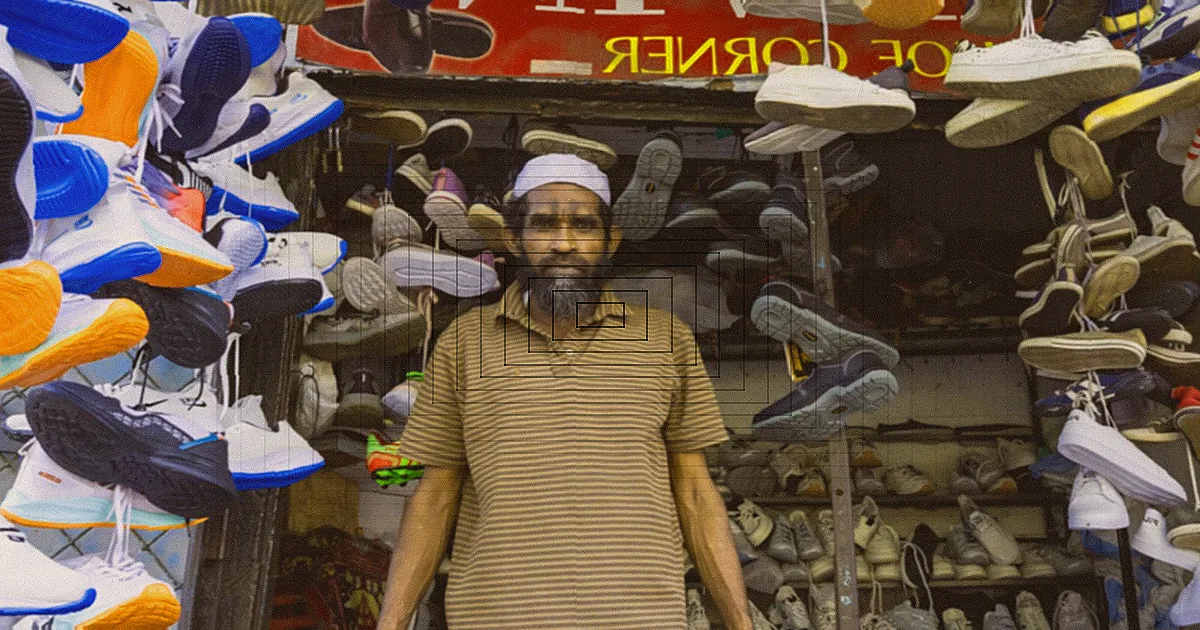
The Brand's Dilemma: Hype vs. Accessibility
Brands walk a tightrope. They want the buzz and cultural relevance that comes with limited drops, but they also face increasing pressure from their genuine consumer base to make products more accessible. Increasing production too much risks diluting the "limited" appeal and potentially devaluing the brand's premium perception. Conversely, maintaining extreme scarcity alienates loyal fans and fuels the very resale market that many consumers resent. Finding this delicate balance is a core challenge that brands must address to truly mitigate price gouging.
Strategy 1: Brands Taking Back Control – The Direct-to-Consumer Imperative
The most potent force in mitigating secondary market price gouging lies with the brands themselves. By embracing a robust direct-to-consumer (DTC) model, brands can regain control over distribution, pricing, and ultimately, who gets to purchase their coveted products. This isn't just about selling online; it's about strategically designing the release process to favor genuine enthusiasts over opportunistic resellers.
Implementing Fair Launch Mechanisms
Moving beyond the traditional 'first-come, first-served' model is crucial. Brands need to adopt innovative launch mechanisms that level the playing field. I've seen brands successfully implement several strategies:
- Raffle Systems with Advanced ID Verification: Instead of a frantic drop, implement a randomized draw. Crucially, integrate robust ID verification (e.g., tying entries to a unique government ID or payment method) to prevent multiple entries from a single individual or bot farm. This significantly reduces the efficacy of bots and gives genuine buyers a fairer chance.
- Geofencing and Localized Drops: For highly regional or community-focused releases, use geofencing technology to restrict purchases to specific geographical areas. This supports local communities and makes it harder for international bot operations to dominate. In-store only raffles or local pickups also foster community engagement and reduce online bot impact.
- Tiered Loyalty Programs: Reward loyal customers who have a demonstrable history of purchasing and engaging with the brand. Exclusive access to certain drops for top-tier loyalty members ensures that dedicated fans, not just the fastest bots, get preferential treatment. This builds goodwill and fosters a true community around the brand.
- In-App Exclusive Releases: By restricting certain drops to proprietary mobile apps, brands can implement more stringent anti-bot measures and create a more controlled environment. This allows for better user authentication and can deter less sophisticated botting attempts.
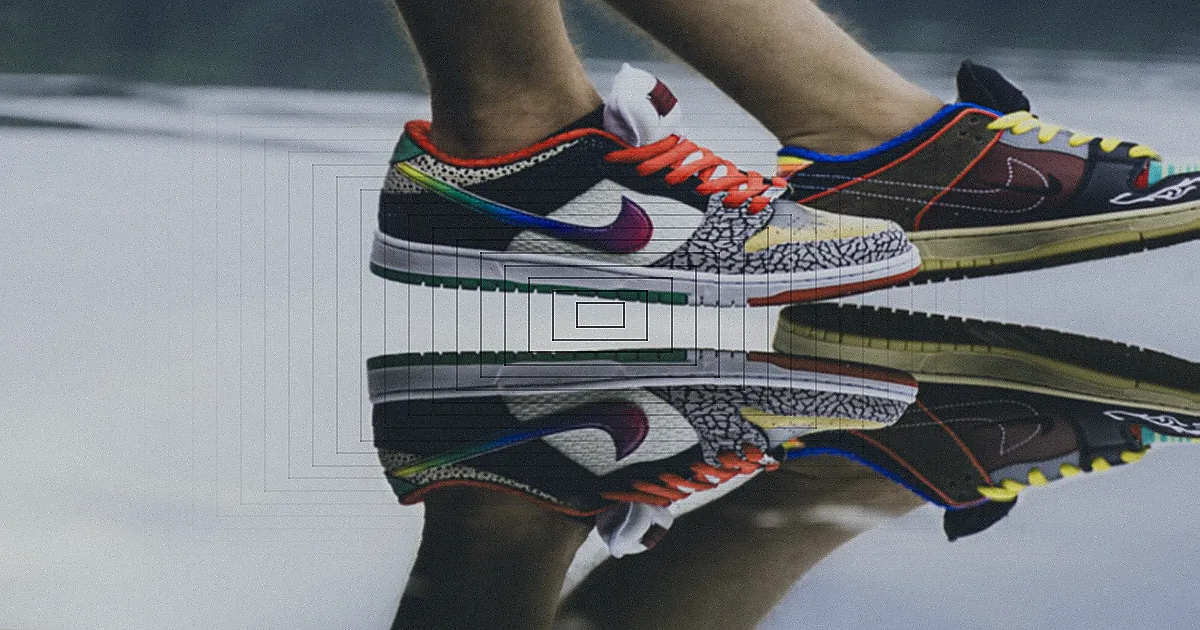
Strategy 2: Empowering the Consumer – Smart Buying & Community Action
While brands hold significant power, consumers are not helpless. Informed and strategic buying habits, coupled with collective action, can significantly disrupt the secondary market's hold. As a collector myself, I understand the frustration, but I also know the power of a well-informed community.
Navigating the Drop Landscape Ethically
It's about being prepared, patient, and principled:
- Research and Patronize Legit Retailers: Stick to official brand websites and authorized retailers. Be wary of unverified third-party sellers promising insider access or early releases, as these are often scams or contribute to unfair practices. A quick check on a brand's official site will usually list their authorized partners.
- Engage in Verified Communities: Join reputable online forums, Discord servers, and social media groups dedicated to sneaker collecting. These communities often share release information, anti-bot tips, and warnings about fraudulent sellers or practices. The collective knowledge is invaluable.
- Avoid Feeding the Beast: This is perhaps the hardest but most crucial step: resist paying exorbitant resale prices. Every purchase on the secondary market at inflated prices validates the reseller's tactics and encourages more of it. If demand for overpriced sneakers wanes, so too will the incentive for price gouging. Exercise patience; sometimes a general release version follows a limited one, or prices may drop over time.
- Report Suspicious Activities: If you encounter obvious botting, fraudulent listings, or price manipulation on platforms, report it. While individual reports might seem small, collective reporting can flag patterns and prompt platforms to take action.
"The true value of a sneaker lies not in its resale price, but in the joy it brings to its wearer and the story it tells. By prioritizing authentic connection over speculative profit, we can begin to heal the culture." - Industry Veteran Insight
Strategy 3: Leveraging Technology for Fairer Distribution
Technology is a double-edged sword. While it enables botting, it also offers powerful solutions for combating it. Brands and platforms are increasingly investing in sophisticated tech to ensure fair play and transparency in the release process. I've seen promising developments that could fundamentally change how limited sneakers are distributed.
Blockchain & NFTs: A Transparent Future?
Imagine a world where every limited edition sneaker is linked to a unique, non-fungible token (NFT) on a blockchain. This isn't just hype; it's a potential game-changer for authentication and distribution. Each sneaker's journey from manufacturing to its first owner could be immutably recorded, making fakes virtually impossible and providing a transparent ledger of ownership. Brands could even program NFTs to give the original owner priority access to future drops or other exclusive benefits, disincentivizing immediate resale for profit. While still nascent, this technology holds immense promise for creating a truly verifiable and traceable ownership history, making it harder for resellers to operate anonymously and manipulate markets.
Advanced Bot Detection & CAPTCHA Systems
The arms race between bot developers and anti-bot security teams is constant. However, advancements in AI and machine learning are making bot detection more sophisticated. Dynamic CAPTCHAs, behavioral analysis, and IP blacklisting are becoming standard. Brands need to continuously invest in and update these systems. Furthermore, implementing queueing systems that randomize wait times and prioritize human-like browsing patterns can also deter automated scripts. It’s not about eliminating bots entirely, but making the cost and effort of botting so high that it becomes less profitable for resellers.
| Feature | Traditional Release | Blockchain/NFT Release |
|---|---|---|
| Authentication | Physical inspection, third-party services | Immutable digital ledger, verifiable ownership history |
| Resale Transparency | Varies by platform, often opaque | Publicly verifiable transaction history, potential for royalty splits |
| Bot Resistance | Dependent on CAPTCHA, IP blocks, manual moderation | Can integrate smart contract rules, unique wallet IDs, more secure verification |
| Brand Control Post-Sale | Minimal | Potential for original creator royalties on resales, direct engagement with owners |
| Accessibility for Enthusiasts | Often outmaneuvered by bots | Can be designed to reward loyalists, deter immediate flipping |
Strategy 4: The Power of Production & Supply Chain Adjustments
The core of scarcity is supply. While brands rely on limited runs for hype, there's a strategic middle ground that can satisfy demand without completely diluting exclusivity. This requires a nuanced understanding of market dynamics and a willingness to adapt production strategies.
Strategic Supply Management: The 'Right' Amount of Scarcity
It's a common misconception that "limited" always means ultra-rare. Brands can strategically increase the production numbers of highly demanded items without making them "general release." This involves a careful analysis of market demand, previous release performance, and community feedback. Instead of 5,000 pairs, perhaps 20,000 or 50,000 pairs of a particularly hyped colorway could be released. This still maintains exclusivity but significantly dampens the secondary market's ability to drive prices to absurd levels. The goal is to make it difficult for resellers to corner the market entirely, ensuring more pairs land in the hands of genuine buyers.
Mini Case Study: How 'Apex Kicks' Rebalanced Their Drops
Apex Kicks, a relatively new player known for its innovative designs and limited collaborations, faced intense secondary market gouging on its first few releases. Resale prices consistently hit 5x retail. Recognizing this was alienating their core fanbase, their product team, in consultation with marketing, decided on a bold move for their next major collaboration. They incrementally increased production by 40% compared to previous similar drops, still maintaining a "limited" status but significantly boosting supply. Concurrently, they implemented a strict in-app raffle system with ID verification. The result? While the drop still sold out, secondary market prices stabilized at a much more reasonable 1.5x-2x retail, and feedback from their community was overwhelmingly positive, praising the increased accessibility. This demonstrated that strategic supply adjustments, combined with robust launch mechanisms, can effectively mitigate extreme gouging while preserving brand desirability.

Strategy 5: Fostering a Culture of Anti-Gouging
Ultimately, mitigating price gouging isn't just about technical solutions; it's about a cultural shift. The sneaker community itself has a vital role to play in shaping perceptions and behaviors, moving away from a profit-driven mindset towards one that values authenticity and accessibility.
Educating the Next Generation of Collectors
Many new entrants to the sneaker world are immediately exposed to the resale market, often believing that paying exorbitant prices is the norm. Education is key. Brands, influencers, and veteran collectors can actively promote the original spirit of sneaker collecting: passion, personal style, and community. Content that highlights the history of sneakers, the craftsmanship, and the stories behind designs can help shift focus away from purely speculative value. Encouraging patience, research, and ethical buying practices from a young age can cultivate a healthier sneaker ecosystem for the future.
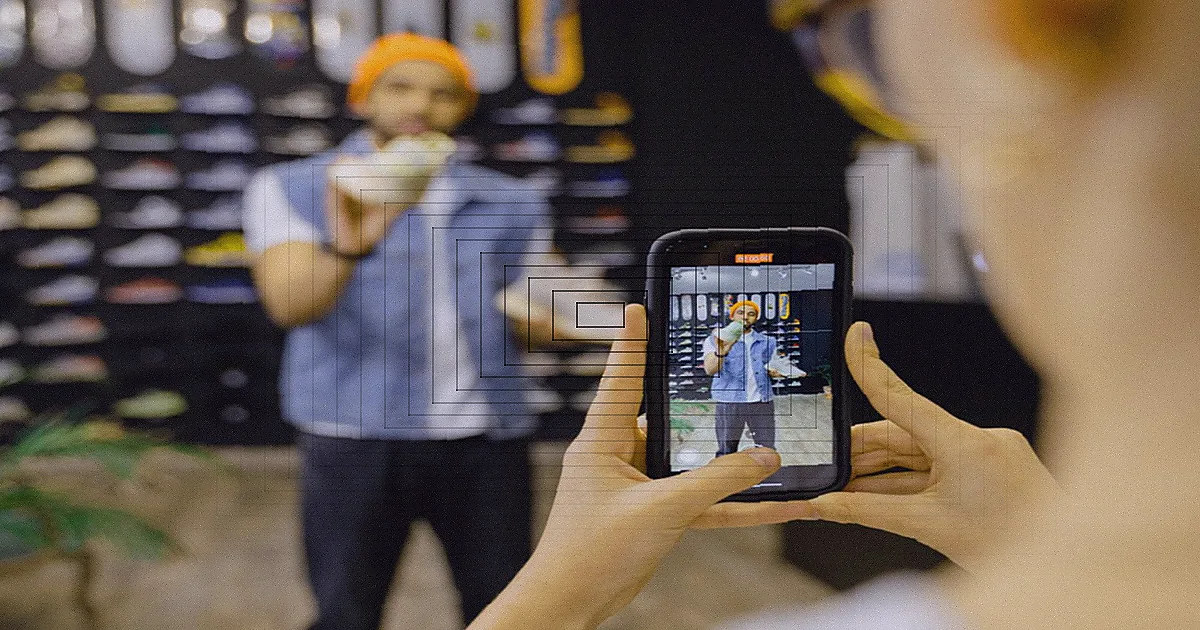
Supporting Ethical Resale Platforms
Not all resale is bad. There's a legitimate need for a secondary market for collectors to trade, sell, or buy older pairs. The problem arises with predatory price gouging on new releases. Brands can actively partner with or promote platforms that implement stricter price caps on new releases, offer transparent seller fees, or prioritize community-driven exchanges over purely profit-driven ones. Imagine a platform where, for a specific period after a drop, resale prices are capped at a certain percentage above retail, gradually lifting the restriction over time. This would allow genuine collectors to acquire pairs without immediate hyper-inflation.
The Long Game: Collaboration Between Brands, Retailers, and Enthusiasts
The challenge of secondary market price gouging is too complex for any single entity to solve alone. A truly sustainable solution requires a concerted, collaborative effort across the entire sneaker ecosystem. Brands, retailers, technology providers, and the community of enthusiasts must work in concert to build a more equitable and enjoyable experience for everyone involved.
Brands need to be open to feedback and willing to innovate their release strategies, even if it means re-evaluating long-held marketing tactics. Retailers, as the direct interface with consumers, must enforce fair selling practices and invest in anti-bot measures. Technology developers are crucial in providing the tools to detect and deter malicious activity. And crucially, consumers must continue to advocate for fairer practices and make conscious choices about where and how they acquire their sneakers. As Harvard Business Review often emphasizes in discussions about market dynamics, transparency and stakeholder collaboration are key to addressing systemic issues. The New Rules of Brand Building highlight the shift towards more authentic and consumer-centric strategies.
This collective approach can foster an environment where limited edition sneakers return to being about passion and culture, rather than just profit. It’s a marathon, not a sprint, but the payoff is a healthier, more vibrant sneaker community for generations to come. The digital landscape also demands robust security measures. According to a Deloitte report on retail trends, investing in secure e-commerce platforms and combating online fraud is paramount for consumer trust and brand reputation.
| Stakeholder | Primary Role | Impact on Gouging |
|---|---|---|
| Brands | Strategic supply, fair launch mechanisms, loyalty programs | Reduces artificial scarcity, rewards loyalists, deters bots |
| Retailers | Enforce anti-bot, secure platforms, community engagement | Implements frontline defenses, educates consumers |
| Technology Providers | Develop advanced bot detection, blockchain solutions | Provides tools for fair distribution, enhances transparency |
| Consumers/Enthusiasts | Ethical buying, community advocacy, reporting abuse | Reduces demand for inflated prices, fosters cultural shift |
Ultimately, the goal is to shift the narrative. Instead of celebrating the "flip" value, we should celebrate the creativity, the design, and the joy of owning and wearing a piece of footwear art. This requires a fundamental recalibration of priorities across the industry. For more insights into market trends and consumer behavior in luxury goods, a McKinsey report on the State of Fashion often provides valuable context.
Frequently Asked Questions (FAQ)
Q: Are brands intentionally letting bots win to create more hype and higher resale values?
A: While the line between intentional scarcity and market manipulation can seem blurry, most reputable brands aim for genuine hype that translates into brand loyalty, not just inflated secondary market prices. They understand that alienating their core fanbase with inaccessible products is detrimental in the long run. However, some brands might be slower to adapt their anti-bot measures or might not fully grasp the scale of botting operations, inadvertently allowing resellers to dominate. The goal for brands is to capture the initial retail sale and the associated brand engagement, not to fuel the secondary market's profits.
Q: What's the difference between a reseller and a price gouger?
A: A reseller typically buys products at retail and sells them for a modest profit, often dealing in older, harder-to-find items or simply making a living by facilitating access. A price gouger, however, exploits high demand and artificial scarcity, often using automated tools, to acquire new releases in bulk and sell them for excessively inflated prices, far beyond a reasonable profit margin. The distinction often lies in the intent, the scale of operation, and the ethical implications of their methods, especially when it comes to new, highly sought-after releases.
Q: Can government regulation help mitigate sneaker price gouging?
A: Government intervention in pricing, especially for non-essential luxury goods, is complex and rarely implemented. Price gouging laws typically apply to essential goods during emergencies. While some consumer protection laws might address fraudulent practices, directly regulating the secondary market prices of sneakers is unlikely and could face significant legal and practical challenges. The most effective mitigation strategies currently lie with industry self-regulation, technological solutions, and consumer awareness.
Q: How can I, as an individual collector, make a difference?
A: Your individual choices collectively hold immense power. Primarily, avoid buying from egregious price gougers. Support brands and retailers who implement fair launch practices. Engage in ethical sneaker communities. Educate others on the true value of sneakers beyond their resale price. Participate in raffles and loyalty programs. By consistently making conscious decisions, you contribute to a cultural shift that disincentivizes predatory reselling.
Q: Will increasing production solve the problem entirely?
A: Increasing production strategically can significantly alleviate price gouging by reducing artificial scarcity and making it harder for resellers to corner the market. However, it's not a standalone solution. If production increases too much, it risks diluting the "limited" appeal, which is a core part of the product's allure. The key is finding the "right" amount of scarcity—enough to maintain hype and desirability, but sufficient to meet genuine demand without fueling extreme secondary market inflation. This needs to be coupled with robust anti-bot measures and fair distribution systems.
Key Takeaways and Final Thoughts
Navigating the complex world of limited edition sneakers in an era of rampant price gouging requires a multi-pronged approach and a collective will for change. From my vantage point, the path forward is clear:
- Brands must innovate their distribution: Embrace advanced DTC strategies, secure raffles, and loyalty programs to put sneakers into the hands of true enthusiasts.
- Technology is our ally: Invest in cutting-edge anti-bot systems and explore transformative solutions like blockchain for enhanced transparency and authentication.
- Strategic supply matters: Find the sweet spot between extreme scarcity and overproduction to dampen speculative resale without sacrificing brand prestige.
- Consumers hold power: Make informed, ethical buying choices, resist inflated resale prices, and actively participate in building a healthier community.
- Collaboration is essential: Brands, retailers, tech providers, and collectors must unite to foster a culture that prioritizes passion and accessibility over pure profit.
The spirit of sneaker culture is rooted in passion, creativity, and community. While the challenges of price gouging are significant, they are not insurmountable. By understanding the dynamics at play and committing to these actionable strategies, we can collectively work towards a future where the thrill of securing a new limited sneaker is returned to its rightful owners: the dedicated collectors and enthusiasts who truly appreciate them. Let's reclaim the drop, one ethical purchase and strategic initiative at a time.
Recommended Reading
- 7 Proven Strategies: How to Eliminate Porosity in Platinum Jewelry Casting
- Unlock Your Glow: How to Choose Statement Earrings for Your Face Shape
- Unlock Ultimate Comfort: How Responsive Textiles Enhance Wearer Experience
- Best Leggings for Sweaty Workouts: Ultimate Comfort & Performance
- Unlock Your Best Silhouette: How to Style Pear Shape Body for Flattering Looks


Your email address will not be published. Required fields are marked *