

How to Eliminate Porosity in Platinum Jewelry Casting?
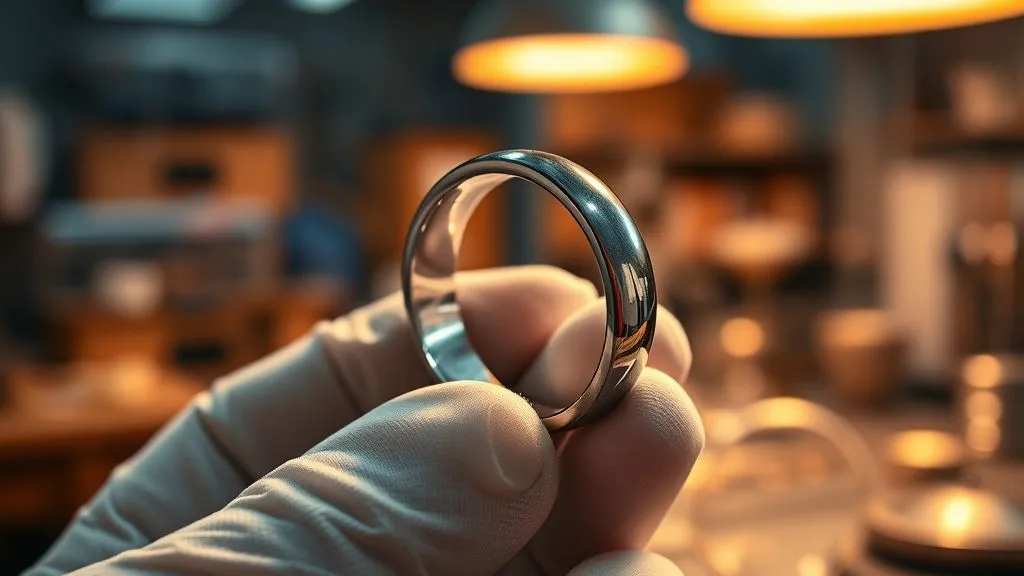
For over two decades in the intricate world of jewelry design and manufacturing, I've witnessed the profound satisfaction of creating breathtaking pieces and the equally profound frustration when a seemingly perfect casting reveals a hidden flaw. Among all the challenges, porosity in platinum jewelry casting stands out as a particularly vexing adversary. It's the silent killer of perfection, turning hours of meticulous design and preparation into scrap metal.
The pain points are all too familiar: the disheartening sight of pinholes, the subtle but devastating internal gas pockets, or the tell-tale signs of shrinkage porosity that compromise both the aesthetic appeal and structural integrity of a precious platinum piece. This isn't just about wasted material; it’s about lost time, eroded profit margins, and a dent in a brand's reputation for quality. I've seen countless jewelers struggle, sometimes abandoning platinum entirely due to these persistent issues.
But I'm here to tell you that porosity in platinum casting is not an insurmountable foe. Through years of hands-on experience, countless experiments, and learning from the industry's best metallurgists, I've developed a robust framework of strategies. In this definitive guide, I will walk you through expert insights, actionable techniques, and crucial best practices—from meticulous alloy selection to advanced post-casting protocols—to ensure your platinum castings emerge consistently flawless. Prepare to master the art of perfect platinum.
Understanding the Enemy: Types and Causes of Porosity in Platinum
Before we can effectively combat porosity, we must understand its various forms and the specific mechanisms that cause them. It’s a multifaceted problem, and a one-size-fits-all solution simply doesn't work. Identifying the type of porosity you're facing is the first critical step toward its elimination.
Gas Porosity: The Invisible Invader
Gas porosity is perhaps the most common and often the most frustrating type. It occurs when gases become trapped within the solidifying metal. These gases can originate from several sources: dissolved gases within the molten metal (like hydrogen or oxygen), gases released from the investment mold during casting, or atmospheric gases drawn into the melt or mold cavity. In platinum, hydrogen solubility decreases dramatically upon solidification, leading to its expulsion and the formation of tiny gas bubbles, often appearing as spherical voids.
Shrinkage Porosity: The Feeding Failure
Shrinkage porosity arises from the natural phenomenon of metal contracting as it cools and solidifies. If the molten metal cannot adequately feed the solidifying sections of the casting, voids or irregular cavities will form. This is particularly prevalent in areas where thick and thin sections meet, or in the center of thick sections where the outer layers solidify first, isolating the still-molten core. It often appears as jagged, irregular voids, unlike the smooth, spherical nature of gas porosity.
Inclusions: The Unwanted Guests
While not strictly porosity, non-metallic inclusions can often be mistaken for or exacerbate porosity issues. These can be tiny fragments of investment material that break off during casting, crucible erosion, or impurities introduced with the platinum alloy itself. These inclusions create weak points and can act as nucleation sites for gas bubble formation, further compromising the casting's integrity. Identifying the specific type of porosity through careful inspection is paramount for targeted intervention.
In my experience, prevention is always superior to attempted cure when it comes to porosity. Each step in the casting process presents an opportunity to either introduce or eliminate potential flaws. A holistic approach is non-negotiable for consistent, high-quality platinum castings.
The Foundation: Platinum Alloy Selection and Preparation
The journey to porosity-free platinum castings begins long before the melt. It starts with the very material you choose and how it's prepared. Not all platinum alloys are created equal, and understanding their characteristics is fundamental.
High-quality, deoxidized platinum alloys are your first line of defense. Reputable suppliers ensure their alloys are formulated to minimize gas absorption and promote dense solidification. While pure platinum (Pt999) is beautiful, it's often too soft for everyday jewelry. Common casting alloys include Pt-Ir (platinum-iridium), Pt-Ru (platinum-ruthenium), and Pt-Co (platinum-cobalt). Each has distinct melting points, fluidity, and solidification behaviors.
For instance, Pt-Ir alloys (e.g., Pt900Ir100) are known for their ductility and workability, but their higher melting point requires precise temperature control. Pt-Ru alloys (e.g., Pt950Ru50) offer excellent hardness and wear resistance, often with better fluidity than Pt-Ir. Pt-Co alloys, while offering good castability, are less common for fine jewelry due to color and potential for oxidation. Always consult your supplier's specifications and choose an alloy optimized for casting.
Crucially, proper melting techniques are essential for alloy preparation. Using an inert atmosphere (like argon or nitrogen) or a vacuum induction melting system significantly reduces the absorption of atmospheric gases into the molten metal. This initial deoxidation step minimizes the risk of gas porosity later in the process. I've found that neglecting this foundational step almost guarantees porosity issues, regardless of how perfectly the subsequent steps are executed.
For more in-depth information on platinum metallurgy and specific alloy properties, I highly recommend consulting resources from the Platinum Guild International, which offers valuable technical insights for jewelers.
Investment Material and Flask Preparation: A Critical First Step
The investment mold is the blueprint for your casting, and any imperfections here will translate directly to your final piece. For platinum, the demands on investment material are exceptionally high due to the metal's high melting point and reactivity.
Choosing the right investment is paramount. You need a high-temperature investment specifically formulated for platinum, capable of withstanding temperatures exceeding 2000°C without cracking, spalling, or reacting with the molten metal. These investments typically have a very fine grain structure to capture intricate details and prevent surface roughness. Always follow the manufacturer's instructions meticulously for mixing ratios and curing times.
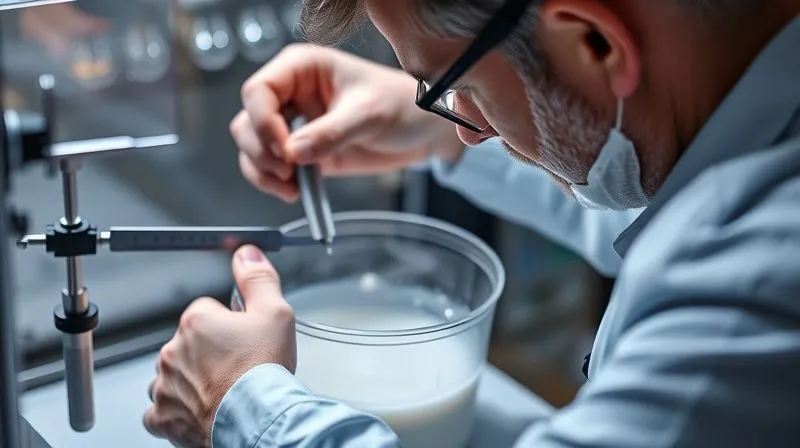
Mixing and de-airing the investment slurry correctly are critical to avoiding bubbles. Any air bubbles trapped within the investment will create voids on the surface of your casting or act as weak spots that can crumble during the pour. A vacuum mixer is indispensable here. I always recommend a two-stage vacuum process: first, vacuum the dry powder and water separately, then mix under vacuum, and finally, vacuum the mixed slurry again to ensure all entrapped air is removed.
The burnout cycle is another non-negotiable aspect. The flask must be heated slowly and precisely according to the investment manufacturer’s schedule. This ensures complete wax elimination, preventing carbon contamination, and allows the investment to reach its optimal strength and porosity for gas evacuation. Incomplete burnout leaves behind carbon residues that can react with molten platinum, leading to gas porosity and brittleness. Overheating can cause the investment to break down or crack. Precision is key.
- Common Investment Mistakes to Avoid:
- Using general-purpose investment instead of platinum-specific.
- Incorrect water-to-powder ratio, leading to weak or too dense molds.
- Insufficient mixing or de-airing, leaving trapped air bubbles.
- Rushing the burnout cycle, resulting in incomplete wax elimination or thermal shock.
- Failing to pre-heat the flask to the correct temperature before casting.
Mastering the Melt: Temperature, Atmosphere, and Pouring Technique
The moment of melting is where many potential porosity issues can either be introduced or averted. Precision and control are paramount when dealing with platinum's high melting point (around 1770°C for pure platinum, slightly higher for some alloys).
Optimal Melting Temperature: The Superheat Sweet Spot
Achieving the correct melting temperature, often referred to as 'superheat,' is crucial. The platinum needs to be hot enough to be perfectly fluid, allowing it to fill even the finest details of the mold quickly and completely, but not so hot that it causes excessive gas absorption or investment breakdown. Too low a temperature results in sluggish metal flow and incomplete filling (misruns) or cold shuts. Too high a temperature can lead to increased gas pickup, investment reaction, and excessive grain growth, which weakens the metal. I typically aim for a superheat of 100-150°C above the liquidus temperature of the specific alloy.
Controlled Atmosphere: Shielding the Precious Metal
As mentioned, platinum readily absorbs gases at high temperatures, especially oxygen and hydrogen. Melting in a controlled atmosphere is non-negotiable. An inert gas shield (argon or nitrogen) over the melt, or better yet, a vacuum induction melting furnace, drastically reduces gas absorption. This creates a protective barrier, preventing atmospheric gases from dissolving into the molten platinum and later forming gas porosity during solidification. I've seen a dramatic reduction in porosity when jewelers switch from open-air torch melting to controlled atmosphere systems.
The Pour: Smooth, Swift, and Consistent
The pouring technique itself is a critical factor. The molten platinum should be introduced into the flask smoothly, swiftly, and with consistent flow. Any turbulence during the pour can entrap air, leading to gas porosity. For centrifugal or vacuum casting, the timing must be impeccable—pour just as the casting cycle begins. The goal is to fill the mold cavity as rapidly and uniformly as possible, allowing for proper feeding of the solidifying metal from the sprue system. A hesitant or uneven pour can lead to cold shuts or localized solidification issues, exacerbating shrinkage porosity.
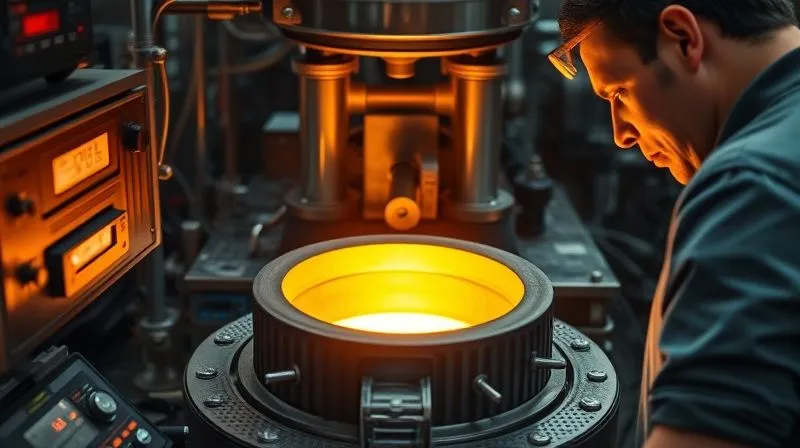
For further technical specifications on melting equipment and best practices, resources from leading manufacturers like Indutherm or Otto Frei often provide invaluable guides.
The Casting Process: Vacuum, Pressure, and Centrifugal Forces
Once the metal is perfectly melted, the method of casting plays a pivotal role in ensuring a dense, porosity-free result. For platinum, traditional gravity casting is rarely sufficient; advanced techniques are almost always required to overcome its high surface tension and ensure complete mold filling.
Vacuum Casting: Eliminating Trapped Air
Vacuum casting is one of the most effective methods to combat gas porosity. In this process, the investment flask is placed in a vacuum chamber, and a vacuum is pulled before the molten metal is introduced. This removes air from the mold cavity, preventing it from being trapped by the incoming metal. As the platinum is poured, the vacuum also assists in drawing the metal into the finest details of the mold, ensuring complete fill and reducing the likelihood of incomplete castings (misruns). I often combine vacuum melting with vacuum casting for the ultimate defense against gas porosity.
Pressure Casting: Compacting Molten Metal
Pressure casting goes a step further by applying positive pressure to the molten metal immediately after it enters the mold. This pressure helps to compact the metal, forcing it into intricate details and, crucially, helping to feed the solidifying metal as it shrinks. The external pressure reduces the size of any potential shrinkage voids and can even collapse tiny gas bubbles, leading to a denser, more homogeneous casting. Many modern platinum casting machines utilize a combination of vacuum and pressure, often referred to as vacuum-pressure-casting, which I consider the gold standard.
Centrifugal Casting: Harnessing Force for Density
Centrifugal casting uses rotational force to throw the molten metal into the mold cavity. As the flask spins, the centrifugal force effectively increases the hydrostatic pressure on the molten metal, forcing it into the mold. This method is particularly effective for achieving dense castings and ensuring complete filling of intricate designs. The speed and duration of the spin must be carefully calibrated to the specific platinum alloy and sprue design to prevent turbulence or premature solidification. A well-designed centrifugal system, combined with proper melting and sprue design, can yield excellent results.
- Typical Platinum Casting Sequence (Vacuum-Pressure):
- Prepare Flask: Ensure proper burnout and pre-heat to target temperature.
- Melt Platinum: Use vacuum induction or inert gas shield, achieving optimal superheat.
- Load Flask: Place pre-heated flask into the casting chamber.
- Pull Vacuum: Evacuate air from the casting chamber and flask.
- Pour Metal: Introduce molten platinum swiftly into the flask opening.
- Apply Pressure: Immediately after pouring, apply positive inert gas pressure (e.g., 2-4 bar) to the chamber.
- Hold Pressure: Maintain pressure for a critical period (e.g., 30-60 seconds) to allow initial solidification under pressure, feeding shrinkage.
- Cool: Allow the flask to cool sufficiently before divesting.
Sprue Design and Gating: Ensuring Proper Metal Flow and Feeding
Even with the most advanced casting equipment and perfectly melted platinum, a poorly designed sprue system can doom a casting to porosity. The sprue and gating system are the arteries and veins of your casting, dictating how the molten metal flows and, more importantly, how it solidifies.
Runner and Riser Design: Feeding the Casting Effectively
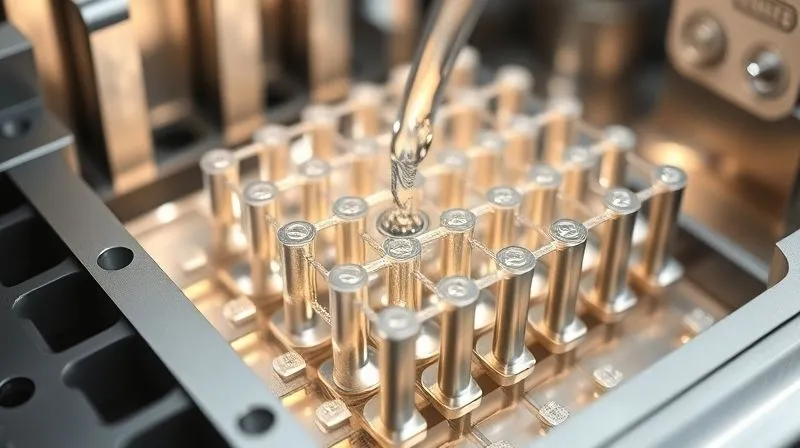
The primary function of the sprue system is to deliver molten metal to the mold cavity and then to feed the casting as it shrinks during solidification. This feeding process is critical for preventing shrinkage porosity. Runners are channels that distribute metal from the main sprue to the gates. Risers are reservoirs of molten metal attached to the thicker sections of the casting. They are designed to solidify *last*, providing a continuous supply of molten metal to compensate for shrinkage in the main casting. The cross-sectional area of risers must be larger than the section they are feeding, and they must remain molten longer.
Gate Placement: Strategic Points for Even Fill
Gates are the points where the molten metal enters the actual jewelry piece. Their placement is strategic. Gates should be attached to the thickest sections of the design, allowing for efficient feeding. Multiple gates might be necessary for complex pieces. They should also be designed to promote laminar (smooth) flow into the cavity, avoiding turbulence that can entrap gases. The gate should be thick enough to allow adequate feeding but not so thick that it creates excessive cleanup or a heat sink that leads to premature solidification in the wrong area.
Chills: Directed Solidification
Sometimes, even with ideal sprue design, certain areas of a complex casting may be prone to hot spots and shrinkage porosity. Chills are strategically placed metal inserts (often made of graphite or copper) within the investment mold that rapidly draw heat away from specific areas, promoting directional solidification. By controlling the solidification sequence, you can ensure that shrinkage occurs in the risers, away from the actual jewelry piece. This is an advanced technique but incredibly effective for problematic geometries.
I've always taught my apprentices that sprue design is as much an art as it is a science. It requires a deep understanding of metallurgy, heat transfer, and the specific geometry of the piece. A perfectly executed sprue system can salvage a potentially problematic design, while a lazy one can ruin a simple one.
| Sprue Type | Advantages | Disadvantages |
|---|---|---|
| Round | Good flow, minimizes turbulence | Can be harder to attach to some designs |
| Rectangular (Trapezoidal) | Easier attachment, good feeding for flat sections | Can promote turbulence if sharp corners |
| Fan Gate | Even distribution, reduces turbulence | More complex to design and cut |
| Pin Gate | Minimal cleanup, good for small parts | Can restrict flow if too small, prone to premature solidification |
Post-Casting Protocol: Cooling, Divesting, and Inspection
The casting process doesn't end when the metal solidifies. The post-casting handling is just as crucial for preserving the integrity of your platinum piece and ensuring any nascent porosity is properly identified.
Controlled cooling is vital. While platinum has excellent thermal shock resistance, allowing the flask to cool too rapidly can induce internal stresses or even cause micro-cracks, especially in intricate designs. I typically let the flask bench cool for a period (e.g., 30-60 minutes) before quenching in water. This allows for a more even and controlled solidification, reducing the risk of grain boundary issues.
Gentle divesting is next. Once sufficiently cooled, quench the flask in water. The thermal shock will help break down the investment, making it easier to remove. Use caution and appropriate tools (like a water jet or a soft brush) to remove all investment material. Any residual investment can be difficult to remove later and can lead to surface imperfections or react during subsequent heating processes. Be thorough but gentle to avoid damaging the casting or distorting delicate features.
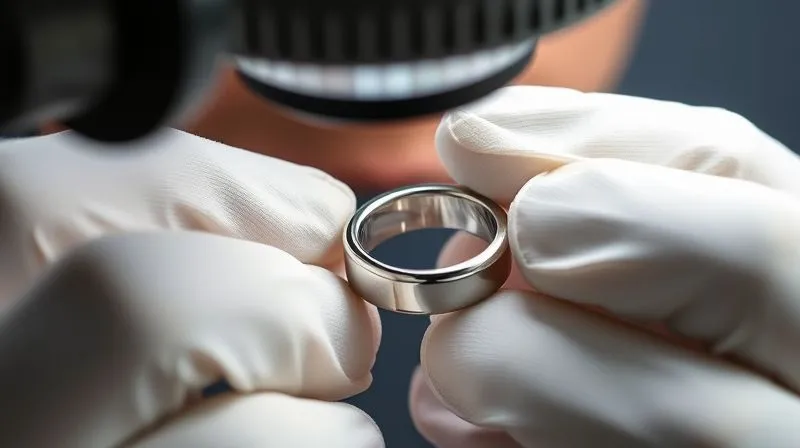
Initial inspection is where you truly assess your success. After divesting, give the casting a thorough visual inspection under magnification. Look for any signs of porosity: pinholes, surface pits, or areas that seem unusually rough. Use a jeweler's loupe (10x or higher) or a microscope to examine every surface. This early detection allows you to identify patterns and diagnose potential issues in your casting process. I often keep a detailed log of casting parameters and outcomes, which helps in troubleshooting any recurring porosity.
Case Study: The Flawless Crown: How 'JewelCraft' Achieved Zero Porosity
JewelCraft, a boutique atelier specializing in high-end platinum engagement rings, faced a persistent 15% rejection rate due to microscopic porosity in their castings. This was impacting their lead times and material costs significantly. After implementing a comprehensive overhaul based on the principles outlined above, they saw a dramatic improvement. Their key changes included investing in a state-of-the-art vacuum-pressure casting machine, sourcing a new high-purity Pt-Ru alloy, and meticulously redesigning their sprue system with larger risers and directed chills. They also instituted a strict protocol for investment mixing and burnout, ensuring every flask was pre-heated to within 5°C of the target. Within six months, their porosity-related rejection rate plummeted to less than 1%, allowing them to take on more complex designs with confidence and significantly boost their reputation for unparalleled quality.
Advanced Techniques and Troubleshooting
Even with the most rigorous adherence to best practices, complex designs or specific alloy behaviors might present unique challenges. Sometimes, advanced techniques or a systematic troubleshooting approach are necessary.
One powerful post-casting treatment for eliminating internal porosity is Hot Isostatic Pressing (HIP). HIP involves subjecting the casting to high temperature and high inert gas pressure simultaneously. This process causes any internal voids or pores to collapse and weld shut, significantly increasing the density and mechanical properties of the platinum. While HIP is a specialized and costly service, it's an invaluable tool for critical components or extremely high-value pieces where absolute perfection is non-negotiable. According to a study published in the Journal of Metals, HIP can eliminate up to 99% of internal porosity in certain alloys, making it a game-changer for challenging castings.
Remelting and re-casting platinum scrap is common practice due to its value, but it must be done carefully. Each remelt can potentially introduce more impurities or gas absorption if not done under strict atmospheric control. Always ensure your scrap is clean and mix it with a percentage of fresh, virgin alloy to maintain optimal metallurgical properties. I generally recommend limiting the number of times platinum is remelted without re-refining.
When porosity persists, a systematic troubleshooting approach is key. Don't change multiple variables at once. Analyze the porosity pattern: Are the voids spherical (gas)? Irregular (shrinkage)? Are they concentrated in certain areas (sprue issue, hot spot)? Is the surface rough (investment issue)? By isolating the type and location of the porosity, you can pinpoint the most likely cause. For instance, if you see consistent gas porosity, review your melting atmosphere and investment de-airing. If shrinkage porosity is common, revisit your sprue and riser design, and ensure adequate superheat and pressure during casting.
| Porosity Type | Likely Causes | Solutions |
|---|---|---|
| Gas Porosity (Spherical) | Dissolved gases in melt, trapped air in investment, incomplete burnout | Vacuum melt/cast, inert gas shield, thorough investment de-airing, correct burnout |
| Shrinkage Porosity (Irregular) | Inadequate feeding, improper sprue/riser design, insufficient superheat | Optimize sprue/risers, increase superheat, use pressure casting, directional solidification |
| Surface Porosity/Roughness | Investment breakdown, residual wax, reaction with mold | High-quality investment, precise burnout, proper flask temp, clean scrap |
| Cold Shuts/Misruns | Insufficient superheat, sluggish pour, inadequate pressure | Increase superheat, swift/smooth pour, optimize casting pressure |
Frequently Asked Questions (FAQ)
Question: Can I reuse platinum scrap in casting? Yes, absolutely. Platinum is too valuable not to reuse. However, it's crucial to ensure the scrap is clean and free of contaminants. I recommend mixing scrap with a percentage (e.g., 50%) of fresh, virgin alloy to maintain optimal metallurgical properties and minimize the risk of introducing impurities or excess gases. Always remelt under an inert atmosphere or vacuum.
Question: What's the ideal flask temperature for platinum casting? The ideal flask temperature depends on the specific platinum alloy, the complexity of the design, and the investment material. Generally, platinum flasks are pre-heated to very high temperatures, often ranging from 700°C to 1000°C (1292°F to 1832°F). Thicker, simpler designs might tolerate a slightly lower temperature, while intricate pieces require higher flask temperatures to ensure complete fill. Always follow the investment manufacturer's recommendations and experiment to find the optimal temperature for your specific setup.
Question: How do I distinguish gas porosity from shrinkage porosity? Gas porosity typically appears as smooth, spherical voids, often distributed throughout the casting. Shrinkage porosity, on the other hand, usually manifests as irregular, jagged cavities, often concentrated in thicker sections or at junctions where feeding was insufficient. A high-magnification loupe or microscope is essential for accurate identification.
Question: Is investment choice really *that* critical for platinum? Yes, it is extremely critical. Platinum's high melting point means that generic or lower-quality investments will simply fail. They can crack, spall, or react with the molten metal, leading to surface defects, inclusions, or complete casting failure. Only use high-temperature, platinum-specific investment materials, and adhere strictly to their mixing and burnout instructions.
Question: Does crucible material affect porosity? Yes, it can. The crucible material must be able to withstand platinum's high melting temperature without reacting or contaminating the melt. Zirconia or high-purity graphite crucibles are commonly used for platinum. If the crucible erodes or reacts, it can introduce inclusions into the melt, which can act as nucleation sites for gas porosity or simply create flaws in the final casting. Always inspect your crucibles for wear and replace them regularly.
Key Takeaways and Final Thoughts
- Master Your Materials: Begin with high-quality, deoxidized platinum alloys and platinum-specific, high-temperature investment.
- Control the Atmosphere: Employ vacuum induction melting or inert gas shielding to prevent gas absorption during the melt.
- Perfect the Pour: Ensure optimal superheat and a swift, smooth, and consistent pouring technique.
- Leverage Advanced Casting: Utilize vacuum, pressure, or centrifugal casting methods for dense, complete fills.
- Design for Flow: Implement meticulous sprue, runner, and riser designs to ensure proper feeding and directional solidification.
- Post-Casting Care: Follow controlled cooling and gentle divesting protocols, and conduct thorough inspections.
- Systematic Troubleshooting: Diagnose porosity types and patterns to pinpoint and address root causes effectively.
Eliminating porosity in platinum jewelry casting is not a matter of luck; it's a testament to precision, knowledge, and an unwavering commitment to quality. As an industry specialist, I've seen firsthand that mastering these techniques transforms not just your castings, but your entire approach to fine jewelry manufacturing. By diligently applying the strategies outlined in this guide, you will not only overcome the challenge of porosity but elevate your craftsmanship to an elite level, consistently producing the flawless, breathtaking platinum pieces your clients deserve. Embrace these principles, and watch your platinum work shine with unparalleled perfection.
Recommended Reading
- Boost Luxury Fashion Week ROI: 7 Strategies Amidst Rising Costs
- 7 Steps: Quickly Authenticate Vintage Hermès Birkin Hardware
- 7 Proven Strategies: Stop Bot Scalpers Ruining Limited Streetwear Drops
- 5 Strategies to Slash Textile Waste in Kids' Apparel Manufacturing by 30%
- Ethical Smart Textiles: 7 Steps to a Responsible Supply Chain




Your email address will not be published. Required fields are marked *