

How to maximize luxury fashion week ROI amidst rising costs?
For over two decades navigating the intricate world of luxury fashion, I've witnessed the ebb and flow of industry trends, the meteoric rise of some brands, and the quiet fade of others. One constant, however, has been the escalating pressure on budgets, particularly when it comes to the grand spectacle that is Fashion Week. What was once an almost unquestioned investment for brand visibility has, in recent years, transformed into a high-stakes game where every dollar spent must justify its existence.
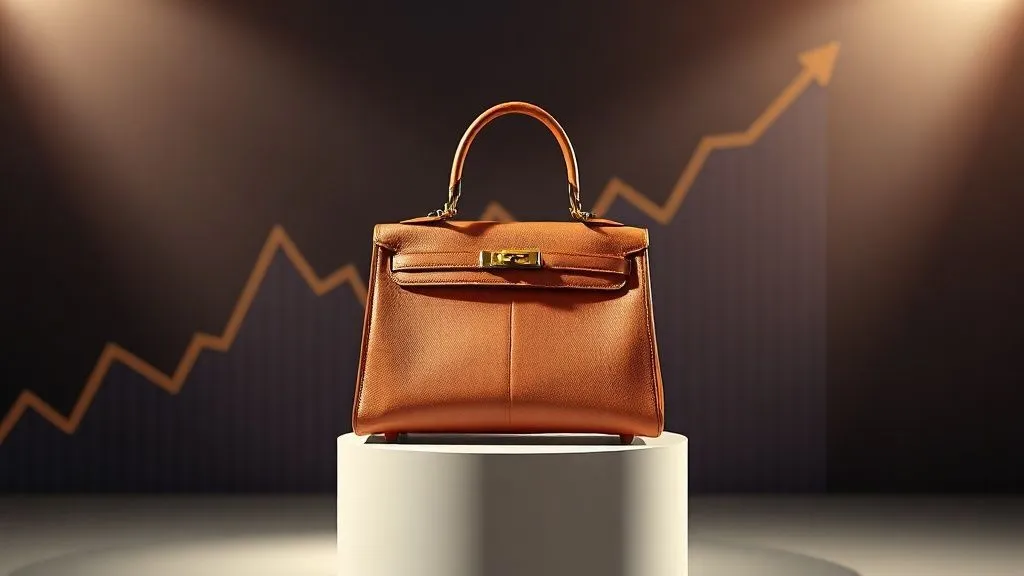
Many brands, particularly those rooted in traditional luxury, find themselves grappling with this dilemma. The desire to maintain an opulent presence, to captivate an exclusive audience, collides head-on with the stark reality of rising production costs, venue rentals, talent fees, and the ever-expanding digital marketing spend required to cut through the noise. The core problem isn't just about spending more; it's about spending smarter, ensuring that the substantial investment in Fashion Week translates into tangible, measurable returns.
In this definitive guide, I will share my expert insights and provide actionable frameworks designed to help you not just survive, but truly thrive in this challenging landscape. We'll delve into innovative strategies, data-driven approaches, and real-world considerations that will empower your brand to maximize luxury fashion week ROI amidst rising costs, transforming it from a mere expense into a powerful engine for growth and brand equity.
Re-evaluating Your 'Why': Strategic Alignment in a New Era
Before any budget is allocated or a single garment is finalized for the runway, the most crucial step is to meticulously re-evaluate your brand's core objectives for participating in Fashion Week. In my experience, many brands fall into the trap of participating out of habit or perceived obligation, rather than a clear, strategic purpose.
Beyond the Runway: Defining Tangible Objectives
It's no longer enough to simply “generate buzz” or “showcase the collection.” You must define specific, measurable, achievable, relevant, and time-bound (SMART) goals. Are you aiming to significantly boost wholesale orders, attract new high-net-worth clients, secure premium media placements, drive e-commerce traffic, or perhaps launch a new product line with maximum impact?
Each objective will dictate a different approach to your Fashion Week strategy and, crucially, its associated budget. For instance, if the goal is direct sales, your focus might shift towards exclusive client events and shoppable content, rather than solely on a grand runway show. This clarity is the bedrock upon which all subsequent decisions, and indeed your ROI, will rest.
“In luxury, the 'why' is always more important than the 'what.' Understand your strategic intent, and your Fashion Week investment becomes a precision instrument, not a blunt force.”
Digital-First, Hybrid-Smart: Extending Reach and Impact
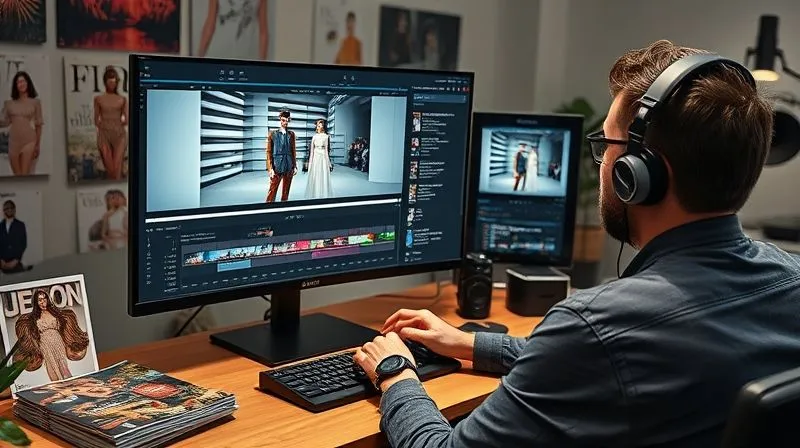
The pandemic irrevocably shifted the landscape of Fashion Week, accelerating a digital transformation that was already underway. While live events have returned, a truly maximized ROI now hinges on a sophisticated hybrid strategy that leverages digital platforms to amplify physical experiences.
Consider the potential reach: a physical show might host a few hundred, perhaps a thousand guests. A well-executed digital campaign can reach millions globally. This isn't about replacing the exclusivity of the live event but extending its narrative and impact far beyond the front row. Think about:
- Livestreaming & On-Demand Content: Offer high-quality, multi-angle livestreams of your show, coupled with behind-the-scenes footage, designer interviews, and styling tips available on demand.
- Interactive Digital Experiences: Utilize augmented reality (AR) filters for social media, virtual try-on experiences, or even metaverse activations that allow consumers to engage with your collection in novel ways.
- Shoppable Content: Integrate direct links to purchase items as they appear on the digital runway or in accompanying editorial content, shortening the path to conversion.
- Global Press & Influencer Kits: Digitize press kits, lookbooks, and even samples (where feasible with AR/VR) to reduce shipping costs and environmental impact, while broadening your outreach.
This approach significantly reduces the per-impression cost, expanding your audience without necessarily expanding your physical footprint or budget dramatically. According to a McKinsey report on the State of Fashion, digital engagement remains a critical driver for luxury consumer behavior, emphasizing the need for robust online strategies.
Precision Partnerships: Curating Influence, Not Just Exposure
The era of blanket influencer marketing is over, especially in luxury. Maximizing ROI means moving away from simply paying for reach and towards cultivating genuine, impactful partnerships. This requires a forensic approach to identifying collaborators who truly align with your brand's values, aesthetics, and target demographic.
Case Study: Elevating 'Eclat Couture' Through Micro-Influencers
Eclat Couture, a Parisian haute couture brand, traditionally spent lavishly on A-list celebrity endorsements for its Fashion Week presence, yielding diminishing returns. In a recent season, I advised them to pivot. Instead of one mega-influencer, they partnered with ten carefully selected micro-influencers (50k-150k followers) who had highly engaged audiences deeply interested in sustainable luxury and artisanal craftsmanship. Each micro-influencer received a bespoke outfit to wear to a private preview, shared their authentic experience, and created behind-the-scenes content leading up to the show. This resulted in a 30% increase in organic social media engagement, a 15% rise in website traffic from new, qualified leads, and significantly reduced their overall marketing spend for influencer activations by 60%. The ROI was undeniable, proving that authenticity and niche targeting trump sheer follower count.
Focus on quality over quantity. Seek out stylists, editors, photographers, and micro-influencers whose personal brands resonate with yours. Negotiate performance-based agreements where possible, linking compensation to specific outcomes like engagement rates, qualified lead generation, or even direct sales. This ensures that your investment in partnerships is directly tied to measurable value.
Data-Driven Decisions: The ROI Measurement Imperative
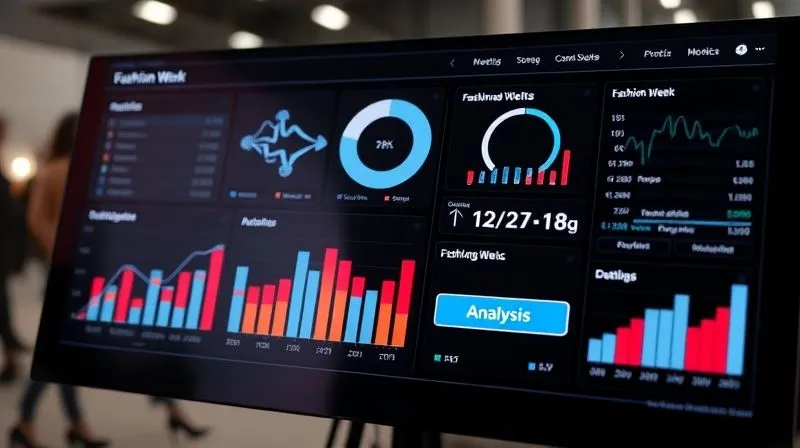
Measuring the return on investment for Fashion Week can feel like a daunting task, given the blend of tangible and intangible benefits. However, to maximize luxury fashion week ROI amidst rising costs, a robust data framework is non-negotiable. You can't optimize what you don't measure.
- Define Key Performance Indicators (KPIs): Beyond vanity metrics like impressions, focus on KPIs that align with your strategic objectives. These could include media value equivalent (MVE), website traffic from specific campaigns, social media engagement rates, lead generation, direct sales attributed to Fashion Week content, or even sentiment analysis.
- Implement Tracking Mechanisms: Use UTM parameters for all digital links, unique discount codes for specific campaigns, dedicated landing pages, and sophisticated analytics tools to track user journeys. For physical events, consider QR codes for registration or interactive displays to capture engagement data.
- Attribute Sales & Leads: Work with your sales and e-commerce teams to establish clear attribution models. Did a wholesale order come directly from a buyer who attended your show? Did a high-value customer convert after engaging with your digital Fashion Week content?
- Post-Event Analysis: Conduct a comprehensive review immediately after Fashion Week. Compare actual results against your initial SMART goals. Identify what worked, what didn't, and why. This iterative process is vital for continuous improvement and future budget optimization.
As Seth Godin, the renowned marketing guru, often emphasizes, "Marketing is a story, but measurement is the proof." Without rigorous measurement, you're essentially flying blind.
| Metric | Target | Actual | Variance |
|---|---|---|---|
| Media Value Equivalent (MVE) | $5M | $4.8M | -4% |
| Website Traffic (FW Campaign) | +20% | +22% | +2% |
| Social Engagement Rate | 5% | 6.1% | +1.1% |
| Qualified Leads Generated | 150 | 135 | -10% |
| Wholesale Orders Attributed | $1.2M | $1.1M | -8.3% |
For more detailed insights into marketing attribution, I highly recommend exploring resources from the Harvard Business Review.
Experiential Excellence: Crafting Memorable, Measurable Moments
In a world saturated with digital content, the power of a truly exceptional in-person experience remains paramount for luxury brands. However, “experience” doesn't automatically equate to “expensive.” It means being thoughtful, innovative, and deeply understanding your audience's desires.
Rather than a sprawling, generic party, consider intimate, curated events that offer exclusivity and a deeper connection to your brand's narrative. This could be a private styling session with your head designer, a masterclass on the craftsmanship behind a signature piece, or a themed dinner that reflects the collection's inspiration.
“Luxury consumers seek stories, not just products. Fashion Week is your stage to tell an unforgettable story that transcends the garments themselves.”
Ensure these experiences are inherently shareable and provide unique photo opportunities that encourage organic social media amplification. Critically, these moments should also provide opportunities for data capture – perhaps through exclusive sign-ups or interactive feedback mechanisms – allowing you to measure engagement and sentiment, contributing directly to your ROI analysis.
Sustainable Strategies: Long-Term Value Creation
Sustainability is no longer a buzzword; it's a fundamental expectation, particularly from the discerning luxury consumer. Integrating sustainable practices into your Fashion Week strategy can not only enhance your brand's reputation but also unlock long-term cost efficiencies and attract a values-aligned audience, ultimately maximizing your ROI.
Consider:
- Reducing Waste: Opt for reusable set designs, digital invitations, and locally sourced catering.
- Ethical Production: Highlight the sustainable sourcing and ethical production of your collection during Fashion Week presentations and associated content.
- Partnerships for Good: Collaborate with eco-conscious organizations or charities, weaving a narrative of purpose into your brand story.
- Circular Economy Focus: Showcase initiatives like repair services, upcycling programs, or rental options for your luxury pieces, demonstrating a commitment beyond a single season.
Brands that authentically embrace sustainability often see increased customer loyalty and a stronger brand perception, which are intangible but powerful drivers of long-term ROI. A recent Boston Consulting Group study revealed that consumers are willing to pay a premium for sustainable luxury goods.
Operational Efficiencies: Smart Budget Allocation
Amidst rising costs, a meticulous review of your operational expenditures is paramount. This isn't about cutting corners but about identifying redundancies and reallocating resources to areas that yield higher returns. I've often seen budgets bloated by legacy practices that no longer serve a strategic purpose.
Here's where to focus your audit:
- Venue Selection: Explore unconventional spaces that offer unique aesthetics without the premium price tag of traditional venues. Could a historic library, an art gallery, or even a meticulously designed digital set serve your purpose?
- Production Teams: Negotiate contracts rigorously. Consider local talent for certain roles to reduce travel and accommodation costs. Can some tasks be handled in-house with existing resources?
- Guest Management: Leverage digital tools for invitations, RSVP tracking, and seating arrangements to reduce printing costs and streamline logistics. Focus on inviting key decision-makers and high-value clients rather than a sprawling, less targeted list.
- Travel & Accommodation: Implement strict policies for team travel, explore group rates, and consolidate logistics wherever possible.
Every line item in your Fashion Week budget should be scrutinized for its direct contribution to your defined SMART goals. If an expense doesn't clearly support an objective, question its necessity.
| Expense Category | Traditional Cost (Estimate) | Optimized Cost (Estimate) | Savings |
|---|---|---|---|
| Venue Rental | $150,000 | $80,000 | $70,000 |
| Production Staff | $90,000 | $65,000 | $25,000 |
| Talent & Models | $70,000 | $55,000 | $15,000 |
| Catering & Hospitality | $40,000 | $25,000 | $15,000 |
| Digital Marketing & PR | $60,000 | $75,000 | -$15,000 (reallocated) |
Post-Event Amplification: Sustaining the Momentum
The curtain falls, the models leave, but your Fashion Week's ROI journey is far from over. In fact, some of the most critical work begins after the event concludes. Many brands invest heavily in the show itself but neglect the crucial phase of post-event amplification, leaving significant ROI on the table.
Your content strategy should extend weeks, even months, beyond the show. Repurpose your high-quality runway footage, backstage interviews, and editorial imagery into diverse content formats: short-form videos for social media, long-form articles about the collection's inspiration, podcasts featuring the designer, and exclusive newsletters for VIP clients. This maximizes the lifespan and value of your initial content investment.
Engage with press and buyers with personalized follow-ups, providing additional assets and information. Host virtual showrooms or private appointments for those who couldn't attend in person. Continue to foster the relationships built during Fashion Week, transforming initial interest into lasting loyalty and sales. The true measure of a successful Fashion Week isn't just the immediate splash, but the ripples of influence and revenue it generates long after the lights dim.
Frequently Asked Questions (FAQ)
How can a smaller luxury brand compete with established giants at Fashion Week without an astronomical budget? Smaller brands should focus on niche, curated experiences and digital amplification. Instead of a large runway show, consider an intimate presentation for key buyers and press, followed by a robust digital campaign showcasing the collection. Leverage micro-influencers and create highly engaging, shareable content that highlights your unique brand story and craftsmanship. Strategic partnerships and a focus on sustainability can also set you apart, attracting a loyal, values-aligned audience without needing a massive spend.
What's the most common mistake brands make when trying to measure Fashion Week ROI? The most common mistake is focusing solely on vanity metrics like impressions or media mentions without linking them to tangible business objectives. Brands often fail to implement robust tracking mechanisms, making it impossible to attribute sales, leads, or even significant website traffic directly to Fashion Week activities. Without clear KPIs and a solid attribution model, it's impossible to truly understand if the investment was worthwhile.
Is it still necessary for luxury brands to participate in physical Fashion Week events, or can digital-only suffice? While digital has become indispensable, for luxury, the physical experience still holds immense value. The tactile nature of fabrics, the atmosphere of a live show, and the exclusive networking opportunities are difficult to replicate digitally. The key is a hybrid approach: leverage physical events for high-impact, exclusive experiences and critical relationship building, then amplify these moments extensively through sophisticated digital strategies to maximize reach and engagement. It's about 'phygital' synergy.
How can I ensure my Fashion Week investment supports long-term brand building, not just short-term buzz? Long-term brand building requires consistency, authenticity, and a clear narrative. Ensure your Fashion Week theme and collection align with your brand's core identity and values. Invest in high-quality content that can be repurposed over time. Cultivate genuine relationships with press, buyers, and influencers that extend beyond a single season. Most importantly, integrate sustainability and ethical practices into your strategy, as these resonate deeply with modern luxury consumers and foster lasting loyalty.
What role does technology play in optimizing Fashion Week ROI beyond basic livestreaming? Technology's role is expansive. Beyond livestreaming, consider AR/VR for immersive experiences (virtual showrooms, try-ons), AI for data analysis (predicting trends, optimizing influencer selection), blockchain for supply chain transparency (enhancing trust), and advanced analytics for granular ROI measurement. Technology can also streamline operational logistics, enhance guest engagement, and create personalized post-event follow-ups, all contributing to a more efficient and impactful Fashion Week.
Key Takeaways and Final Thoughts
Navigating the complexities of luxury Fashion Week amidst rising costs demands a strategic shift from traditional approaches to a more agile, data-driven, and purpose-led mindset. As an industry veteran, I've seen firsthand that success is no longer about the biggest budget, but the smartest one.
- Strategic Clarity: Define crystal-clear, measurable objectives before committing resources.
- Hybrid Amplification: Master the blend of exclusive physical experiences with expansive digital reach.
- Precision Partnerships: Focus on authentic, values-aligned collaborations for genuine influence.
- Data-Driven Measurement: Implement rigorous tracking to truly understand and optimize your ROI.
- Experiential Curation: Craft memorable, shareable moments that deepen brand connection.
- Sustainable Integration: Weave ethical practices into your strategy for long-term value.
- Operational Efficiency: Ruthlessly audit and optimize every line item in your budget.
By embracing these principles, you're not just participating in Fashion Week; you're strategically investing in your brand's future. The luxury landscape is evolving, and with a focused, intelligent approach, your brand can not only maximize luxury fashion week ROI amidst rising costs but emerge stronger, more relevant, and deeply connected with its discerning audience. The runway is yours – make every step count.
Recommended Reading
- The Ultimate Secret: How to Spot Fake Logomania Streetwear Brands Instantly!
- Unlock Visual Comfort: How to Choose the Best Lens Coating for Computer Use
- Slash Casual Womenswear Returns: 7 Fit Fixes to Boost Profit
- Mastering Remote Haute Couture: 7 Steps for Perfect Client Fit & Satisfaction
- Boost VTO Accuracy: 7 Steps to Slash Fashion Returns by 30%+


Your email address will not be published. Required fields are marked *