

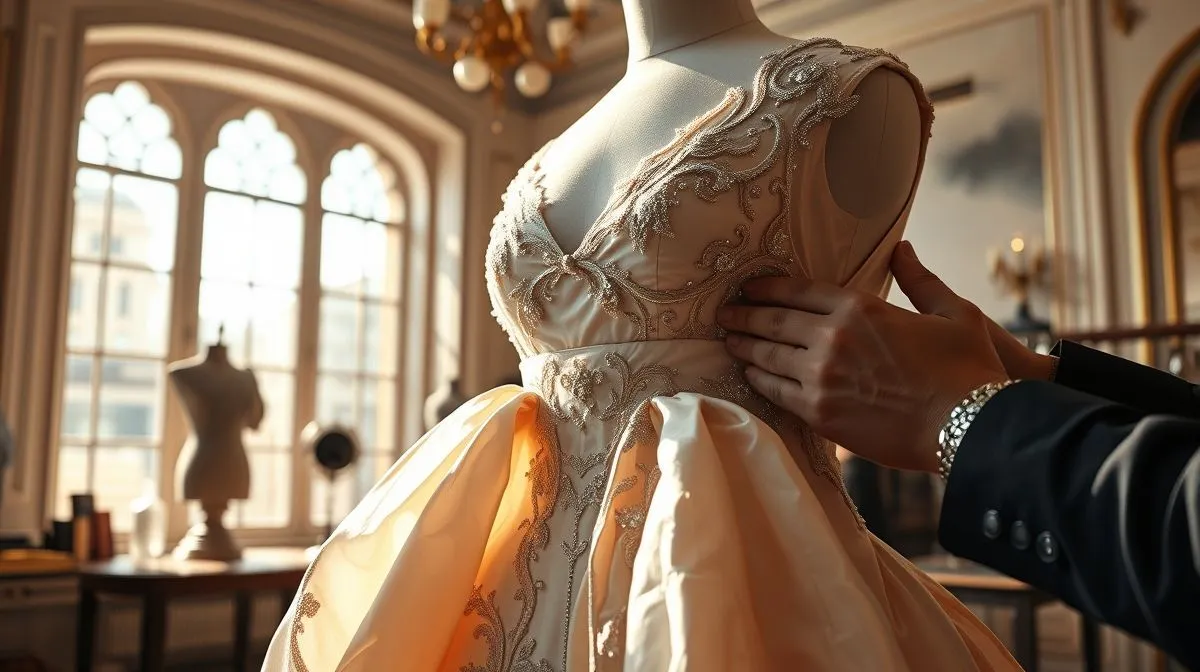
How to Guarantee Perfect Individual Fit for Remote Haute Couture Clients?
For over two decades in the exclusive world of haute couture, I've witnessed firsthand its profound evolution. From intimate salon showings to global digital showcases, the industry has embraced technology with a surprising grace. Yet, one fundamental challenge has always loomed large, particularly in this new era of global clientele: how to build trust and deliver perfection without the physical presence of a client? This question becomes even more acute when discussing the very essence of couture: the perfect individual fit.
The pain point for many ateliers is palpable: how do you replicate the nuanced, tactile precision of an in-person fitting when your client is thousands of miles away? The fear of misinterpretation, the anxiety over an ill-fitting garment, and the potential erosion of a brand's pristine reputation are very real. The traditional methods, while sacred, simply don't translate seamlessly into a digital-first reality, leaving many feeling adrift in a sea of logistical complexities.
Today, I want to share the actionable frameworks, advanced methodologies, and expert insights I've developed and refined over the years to not just navigate, but master this challenge. We will explore how to guarantee perfect individual fit for remote haute couture clients, transforming potential pitfalls into pillars of unparalleled service and cementing your atelier's legacy in the digital age.
The Foundational Pillars of Remote Couture Success
Before we dive into the technicalities, it's crucial to understand that remote haute couture isn't just about technology; it's about extending your atelier's ethos of exclusivity and personal connection across distances. This begins with building unshakeable trust and setting crystal-clear expectations.
Building Unshakeable Trust from Afar
In haute couture, trust isn't merely a preference; it's the bedrock of every transaction. When physical proximity is absent, every interaction must reinforce this trust. I've found that transparency and consistent, personalized communication are paramount.
- Personalized Onboarding: Begin with a comprehensive virtual consultation. Use high-definition video calls. Show them your atelier, introduce key team members. Make it an immersive experience, not just a Q&A.
- Dedicated Client Liaison: Assign a single point of contact for the duration of the project. This builds rapport and ensures continuity, preventing any client from feeling like just another order number.
- Proactive Communication Schedule: Outline precisely when and how you will communicate updates, from design sketches to fabric sourcing and fitting schedules. Over-communicate rather than under-communicate.
“In the absence of physical touch, digital transparency becomes the new gold standard for trust.”
Setting Crystal-Clear Expectations Digitally
Misunderstandings are the enemy of perfection. Digitally, it's easier for nuances to get lost. Therefore, every detail, from the design brief to the fitting process, must be meticulously documented and confirmed.
- Detailed Digital Design Brief: Utilize collaborative platforms (e.g., Miro, Milanote) to share mood boards, sketches, and fabric swatches digitally. Ensure the client actively participates in and approves each design iteration.
- Process Roadmap: Provide the client with a clear, visual roadmap of the entire couture journey, from initial concept to final delivery. This manages expectations about timelines, milestones, and their required participation.
- Virtual Material Library: Develop high-resolution digital representations of your fabric swatches, embellishments, and color palettes. Where possible, send physical swatches for tactile confirmation, even if a small sample.
Leveraging Cutting-Edge Technology for Precision Measurements
The single most critical aspect of guaranteeing fit is accurate measurement. This is where technology steps in to bridge the physical gap, transforming traditional methods into digital masterpieces.
The Power of 3D Body Scans: Beyond the Tape Measure
I’ve seen the evolution from manual measurements to sophisticated digital solutions. While traditional tape measures are still useful for initial data, 3D body scanning is a game-changer for remote clients. It captures thousands of data points, creating a precise digital twin.
- Client-Side Scanning Solution: Recommend or provide access to a professional 3D body scanning service near the client. Many luxury hotels or high-end fitness centers now offer this. Alternatively, guide them through using a smartphone app with 3D scanning capabilities (e.g., Netfabb, Size Stream, or even specialized apps like MySizeID, though professional scans are preferred for couture).
- Data Interpretation & Integration: Once the scan data (often a point cloud or mesh file) is received, use specialized software (e.g., Clo3D, Optitex, Browzwear) to import and analyze it. This allows for precise pattern drafting directly onto the client's virtual form.
- Cross-Referencing: Always cross-reference 3D scan data with traditional measurements provided by the client (guided by your team on video call) to catch any anomalies or software interpretation errors.
AI and Predictive Analytics in Sizing
Beyond static measurements, AI can predict how fabrics will drape and how patterns will adapt to unique body shapes. This reduces guesswork and prototype iterations.
- Fabric Simulation Software: Integrate software that simulates fabric behavior (stretch, drape, weight) on the 3D body model. This helps visualize how the garment will truly fit and move before a single stitch is made.
- Predictive Fit Algorithms: Some advanced platforms use AI to analyze measurement data against a vast database of body types and garment patterns, suggesting optimal adjustments for unique postures or asymmetries. This is particularly valuable for complex couture designs.
According to a recent report by Deloitte, digital transformation in fashion is not just about e-commerce, but about revolutionizing the entire supply chain, including personalized fitting. This underscores the necessity of embracing these technologies.
Mastering the Art of Virtual Consultations and Fittings
Once you have precise measurements, the virtual consultation becomes your new fitting room. This is where your team's expertise in visual communication truly shines.
Protocol for Flawless Virtual Draping Sessions
Virtual fittings require meticulous planning and a clear protocol for both the atelier and the client.
- Pre-Fitting Checklist: Send the client a detailed checklist for their environment (good lighting, plain background, appropriate undergarments, a full-length mirror, a tripod for their device, and a helper if needed).
- High-Definition Streaming: Use professional-grade video conferencing tools (Zoom Business, Google Meet, or dedicated platforms like Style.me for fashion) that support high-resolution streaming.
- Guided Movement & Posing: Instruct the client to perform specific movements (e.g., raising arms, sitting, turning) while wearing a prototype (muslin or 3D printed model) or even a reference garment. This helps assess comfort and range of motion.
- Real-Time Annotation: Use screen-sharing and annotation tools to mark adjustments directly on the screen, showing the client precisely where changes are needed.
- Multiple Camera Angles: If possible, use multiple cameras or guide the client to use two devices for different angles (e.g., front and side views simultaneously).
Utilizing Digital Tools for Real-Time Adjustments
The ability to make immediate, visual adjustments during a call is transformative.
- 3D Garment Simulation Software: Project the 3D model of the garment onto the client's live video feed, allowing you to manipulate the digital fabric in real-time, showing them how changes would look. This is invaluable for visualizing design alterations.
- Augmented Reality (AR) Overlays: Explore AR apps that allow clients to 'try on' digital garments over their live video, giving a preliminary sense of fit and style. While not perfect for final fit, it's excellent for design iteration.
The Iterative Design Process: Feedback Loops and Prototyping
Even with advanced tech, couture remains an iterative process. Remote work simply means these iterations are handled differently, often with digital or simplified physical prototypes.
Creating Digital Muslins and Virtual Prototypes
The traditional muslin is your first tangible step. For remote clients, this can be a digital marvel.
- High-Fidelity 3D Prototypes: After initial pattern drafting, create a high-fidelity 3D rendering of the garment on the client's 3D body scan. This 'digital muslin' can be rotated, zoomed, and viewed from every angle.
- Simplified Physical Muslins: If a physical prototype is necessary, send a simplified muslin (often in a stretch fabric if the final garment is woven, to avoid restrictive movement) with clear markings for the client to try on. Guide them through the process of pinning or marking adjustments on a video call.
- Feedback Formats: Provide a structured feedback form for the client to complete after reviewing the digital or physical prototype. Include sections for comfort, aesthetic preference, and specific areas requiring adjustment.
Establishing Robust Client Feedback Loops
Constant, structured feedback is the engine of a perfect fit.
- Scheduled Review Sessions: Dedicate specific virtual sessions for reviewing prototypes and discussing feedback. This prevents misinterpretations from asynchronous communication.
- Visual Feedback Tools: Encourage clients to send annotated photos or short videos of themselves wearing the prototype, highlighting areas of concern.
Case Study: How Atelier 'Lumière' Revolutionized Remote Fittings
Atelier Lumière, a renowned Parisian couture house, faced a significant challenge with their growing international clientele. Their traditional approach relied heavily on multiple in-person fittings, which became unsustainable. By implementing a three-step remote fitting protocol – starting with professional 3D body scans, followed by two rounds of virtual fittings using high-fidelity digital muslins, and finally a simplified physical muslin for final confirmation – they saw remarkable results. Their fit accuracy for remote clients improved by over 40% within a year, leading to an increase in client satisfaction and a 25% rise in international commissions. This success story underscores the power of integrating technology with traditional expertise.
Logistics and Presentation: Ensuring the Final Deliverable Excels
The moment of truth: the delivery. This final step is crucial for cementing the perfect fit and overall luxury experience.
Secure and Luxurious Shipping for Global Clients
The journey of the garment from your atelier to the client's doorstep must be as flawless as the garment itself.
- Custom Packaging: Invest in bespoke packaging that reflects your brand's luxury. This enhances the unboxing experience and protects the garment.
- Insured and Tracked Shipping: Use premium, fully insured, and trackable international shipping services. Provide the client with real-time tracking updates.
- Customs & Duties Management: Be proactive in managing customs documentation and duties. Ideally, offer a DDP (Delivery Duty Paid) service to avoid any unexpected costs or delays for the client.
The Unboxing Experience: An Extension of Haute Couture
The unwrapping of a couture garment is part of the ritual. For remote clients, this is their first physical interaction with the final product.
- Personalized Touch: Include a handwritten note, care instructions, and any relevant certificates (e.g., fabric authenticity).
- Virtual Unboxing Guide: Offer a short, elegant video guide on how to unbox the garment, handle it, and even a brief 'how to wear' guide for complex pieces. This ensures the garment is experienced as intended.
Cultivating Long-Term Relationships with Remote Clientele
A perfect fit isn't just about the garment; it's about fostering an enduring relationship. Remote clients often become your most loyal advocates if nurtured correctly.
Personalized Follow-Up and Aftercare
The relationship doesn't end at delivery. A proactive approach to aftercare builds loyalty.
- Post-Delivery Check-in: Schedule a follow-up video call a week or two after delivery to ensure everything is perfect and address any minor concerns.
- Maintenance & Care Guidance: Provide detailed, personalized care instructions for the garment, including recommended dry cleaners or storage solutions.
- Seasonal Updates: Keep your remote clients informed about new collections, exclusive fabrics, or special events, ensuring they always feel part of your inner circle.
Anticipating Future Needs and Trends
Understanding your client's evolving style and anticipating their future needs is a hallmark of true haute couture service.
- Digital Client Dossier: Maintain a comprehensive digital profile for each client, detailing their measurements, style preferences, past orders, and feedback. This streamlines future commissions.
- Proactive Design Suggestions: Based on their dossier and your knowledge of upcoming trends, occasionally suggest new designs or fabric options that might appeal to them.
Overcoming Common Pitfalls in Remote Haute Couture Fittings
Even with the best strategies, challenges can arise. Foreseeing and addressing them is key.
Addressing Measurement Discrepancies Proactively
Despite 3D scans, minor discrepancies can still occur due to client movement, device calibration, or even subtle posture changes.
- Double Verification: Always have two independent methods of measurement (e.g., 3D scan + client-guided manual measurements) and compare them.
- Tolerance Margins: Build in very slight, strategic tolerance margins in initial patterns, especially for areas like armholes or necklines, allowing for minor adjustments upon receipt of the final garment (which can often be done by a local trusted tailor under your remote guidance).
- Emergency Kit: For exceptionally complex pieces, consider sending a small 'emergency kit' with matching thread, small fabric scraps, and detailed instructions for minor local alterations if absolutely necessary.
Navigating Cultural Nuances in Global Client Engagements
Working with an international clientele means understanding and respecting diverse cultural expectations and communication styles.
- Cultural Sensitivity Training: Ensure your client-facing team is aware of cultural differences in communication, etiquette, and even body language.
- Language Support: Offer communication in the client's preferred language where possible, either through bilingual staff or professional translation services for critical documentation.
“The future of haute couture lies not just in exquisite craftsmanship, but in its boundless adaptability to a globally connected, digitally empowered clientele.”
Frequently Asked Questions (FAQ)
Question: Can I truly achieve the same level of fit remotely as with in-person fittings? With the right technology and meticulous protocols, yes. While the tactile feedback of an in-person fitting is unique, 3D body scanning, high-definition virtual consultations, and iterative digital prototyping allow for a level of precision that can often surpass traditional methods, especially for complex body shapes. It requires adaptation and investment, but the results speak for themselves.
Question: What if my client doesn't have access to professional 3D scanning equipment? This is a common challenge. In such cases, guide them through a highly detailed self-measurement process via a live video call, providing clear instructions and visual aids. You can also explore smartphone apps designed for body scanning, though their accuracy varies. As a last resort, collaborate with a trusted local tailor in the client's city who can take precise measurements under your guidance.
Question: How do I handle fabric selection and tactile experience for remote clients? Begin with high-resolution digital swatches and virtual fabric simulations. For critical decisions, send small physical swatches via express courier. Describe the hand-feel, drape, and weight in detail during video calls. Some ateliers even offer a curated 'fabric experience box' for their top-tier remote clients.
Question: What's the best way to manage client expectations regarding the timeline for a remote haute couture piece? Be brutally honest and transparent from the outset. Remote processes, while efficient in some ways, can have unique delays (shipping prototypes, time zone differences for calls). Provide a detailed timeline with built-in buffers and communicate any potential delays immediately and proactively. Over-delivering on time is always better than under-delivering.
Question: Is it worth the investment in new technology for remote clients, given the traditional nature of haute couture? Absolutely. The luxury market is increasingly global and digital. Investing in technology for remote client service is not just about efficiency; it's about expanding your market reach, future-proofing your business, and maintaining your competitive edge. Clients today expect seamless digital experiences even in the most exclusive sectors. It’s an evolution, not a compromise, of tradition.
Recommended Reading
- Unlock Your Sparkle: How to Choose Jewelry Trends for Your Personal Style
- Craft Believable Characters: Costume Design Secrets Revealed!
- Unveiling the True Value: What Makes a Luxury Designer Brand Worth Buying?
- AR Virtual Fitting Rooms: How Do They Work? The Ultimate Guide
- Differentiate Rustic Bridal Gowns: 7 Proven Strategies for a Saturated Market
Key Takeaways and Final Thoughts
- Embrace Technology as an Extension of Craft: 3D body scanning, virtual fitting software, and high-definition communication are not replacements for human skill but powerful enhancements.
- Prioritize Trust & Communication: Transparency, proactive updates, and a dedicated client liaison are non-negotiable for building lasting remote relationships.
- Iterate Digitally, Refine Physically: Use digital prototypes and guided physical muslins to ensure every detail is perfected before the final cut.
- Elevate the Entire Client Journey: From the initial consultation to the unboxing experience and post-delivery care, every touchpoint must exude the same luxury as the garment itself.
- Adapt and Anticipate: The haute couture landscape is ever-evolving. Stay agile, learn from every remote client interaction, and anticipate future needs to maintain your atelier's esteemed position.
The journey of haute couture has always been one of innovation, pushing boundaries while honoring timeless artistry. Mastering the art of serving remote clients is not a deviation from this path, but its natural progression. By meticulously applying these strategies, you can not only guarantee perfect individual fit for your global clientele but also deepen their connection to your brand, ensuring your atelier thrives in this exciting new era of luxury.




Your email address will not be published. Required fields are marked *