

How to Boost Demand for a Struggling Streetwear Accessory Collection?
For over 15 years in the dynamic world of streetwear, I've witnessed countless brands rise, innovate, and sometimes, unfortunately, falter. The streetwear accessory market, in particular, is a fickle beast; what's hot today can be forgotten tomorrow. I've seen passionate creators pour their heart and soul into a collection, only to watch it gather dust, leaving them questioning their vision and their future.
The pain of a stagnant accessory line is palpable. It's not just about lost revenue; it's about the erosion of brand momentum, the quiet doubt that creeps in, and the struggle to maintain relevance in a hyper-competitive landscape. You know your pieces have potential, but for some reason, they're just not connecting with your audience.
This guide isn't just another list of generic tips. Based on my deep experience navigating the ebb and flow of streetwear trends and consumer psychology, I'm going to walk you through a definitive, actionable framework. We'll explore expert insights, real-world strategies, and practical steps designed to diagnose the underlying issues and, more importantly, how to boost demand for a struggling streetwear accessory collection, reigniting its spark and driving sales.
Re-evaluating Your Product-Market Fit: Is Your Accessory Still "Street"?
The first and most critical step in reviving a struggling collection is to honestly assess its product-market fit. Streetwear isn't just a style; it's a culture, a mindset, and a reflection of subcultural authenticity. If your accessories aren't resonating, it's often because they've drifted from the core ethos that defines 'street'.
The Pulse of Streetwear: Beyond Fleeting Trends
True streetwear thrives on authenticity and connection to specific subcultures. It's not merely about chasing the latest TikTok trend. I've seen brands make the mistake of designing in a vacuum, losing touch with the streets that birthed the movement. Ask yourself: Does this accessory speak to a genuine need or desire within a specific streetwear community? Does it offer utility, make a statement, or reflect a particular lifestyle?
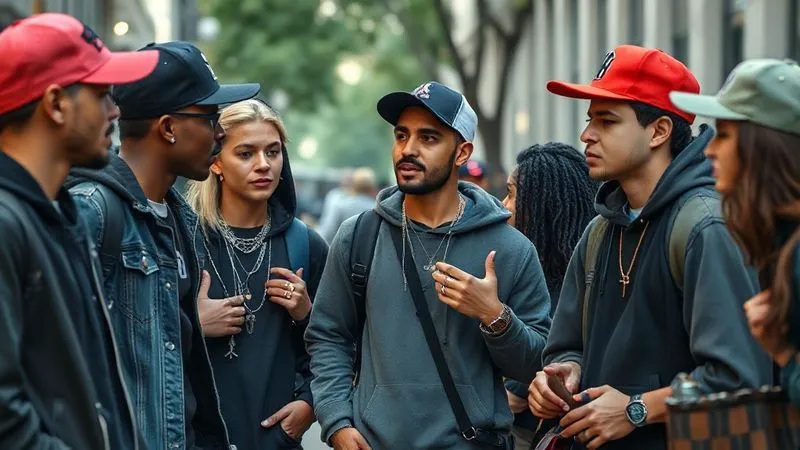
Understanding the nuances of your target demographic is paramount. Are they skaters, artists, musicians, or tech enthusiasts? Each subculture has its own visual language and functional requirements. A piece that appeals to one might be completely irrelevant to another. Your accessories must feel organic, not forced, within their intended context.
The "Why" Behind the "What": Function, Form, and Statement
Every successful streetwear accessory has a 'why'. Is it a functional piece like a durable utility bag or a weatherproof hat? Is it a bold statement piece, like an oversized chain or a uniquely designed belt buckle, that expresses individuality? Or does it bridge both, offering practical use with undeniable style?
When an accessory struggles, it's often because its 'why' has become unclear or irrelevant. Perhaps the market has moved on, or competitors have introduced superior alternatives. It's essential to analyze your current collection through this lens. What problem does it solve? What feeling does it evoke? What conversation does it start?
According to a study published by Harvard Business Review, achieving product-market fit is less about product features and more about understanding the deep-seated needs and desires of your target audience. This requires going beyond surface-level demographics and diving into psychographics.
| Accessory | Original Intent | Current Relevance | Target Demographic Shift |
|---|---|---|---|
| 'Apex' Utility Vest | Skater functionality & urban utility | High, if updated with sustainable materials | Wider appeal to techwear & outdoor enthusiasts |
| 'Cipher' Logo Cap | Brand identity & casual wear | Low, logo fatigue | Needs niche appeal or collaboration |
| 'Chronos' Chain Necklace | Bold statement piece | Moderate, needs fresh styling | Gen Z seeking unique, bespoke items |
Mastering the Narrative: Storytelling & Brand Identity
Streetwear is inherently about storytelling. Every piece, especially an accessory, should carry a narrative that resonates with its wearer. If your collection is struggling, it might be because its story is either absent, unclear, or no longer compelling. In my experience, a strong brand narrative transforms an object into an extension of identity.
Crafting Your Origin Story (or Re-story)
Where did this accessory come from? What inspired it? What does it represent? These questions form the bedrock of your accessory's story. If your brand has been around for a while, perhaps the original story needs to be rediscovered or retold in a fresh, contemporary way. For newer pieces, ensure their inception is rooted in something genuine – a cultural moment, an artistic collaboration, a functional innovation, or a personal journey.
Consumers, particularly in the streetwear space, are savvy. They can spot inauthenticity a mile away. Your narrative should be consistent across all touchpoints, from your product descriptions to your social media posts, building a cohesive and believable world around your brand.
Visual Storytelling & Campaign Concepts
Streetwear is a highly visual culture. Your accessories need to be presented in a way that evokes emotion, aspiration, and a sense of belonging. This means going beyond simple product shots. Think about developing compelling campaign concepts that showcase your accessories in real-world scenarios, styled impeccably, and featuring diverse models who embody your brand's spirit.
Platforms like Instagram, TikTok, and even well-produced YouTube lookbooks are crucial for this. High-quality photography and videography are non-negotiable. The goal is to create imagery that not only highlights the product but also tells a story about the lifestyle and values associated with wearing it.

As marketing guru Seth Godin often says, "People don't buy what you do; they buy why you do it." Your 'why' is your story, and it's your most powerful sales tool.
Community Engagement & Co-Creation: From Fans to Collaborators
Streetwear isn't just a market; it's a movement built on community. A struggling accessory collection often indicates a disconnect from this vital community. To boost demand, you need to transform passive consumers into active participants and even co-creators.
Fostering Genuine Connection
Engage with your audience where they are. This means more than just posting on social media; it involves actively listening, responding, and creating spaces for dialogue. Consider platforms like Discord for deeper conversations, host Instagram Live Q&As, or run polls asking for feedback on potential designs or colorways for accessories.
When customers feel heard and valued, they develop a sense of ownership and loyalty. This isn't just about selling; it's about building a tribe. This connection can also provide invaluable insights into why certain accessories aren't performing, offering direct feedback from your target market.
The Power of Collaboration & Limited Drops
Collaborations are the lifeblood of streetwear. Partnering with artists, local influencers, other niche brands, or even community members can inject fresh energy and expand your reach. A well-executed collaboration can create hype, generate new narratives, and introduce your struggling accessories to entirely new audiences.
Limited edition drops, especially when tied to a collaboration, create urgency and exclusivity, two powerful drivers in streetwear. This strategy can turn a slow-moving item into a highly coveted piece overnight, simply by reframing its context and availability.
Case Study: How 'Rogue Threads' Revived Their Headwear Line
Rogue Threads, a mid-sized streetwear brand, faced significant challenges with their headwear collection. Sales were flat, and their designs felt generic. I advised them to implement a community-driven co-creation strategy. They launched an online design contest, inviting their Instagram and Discord communities to submit ideas for new cap graphics and materials. The winning designs were then put to a community vote, and the top three were produced as a limited-edition drop, credited to the community designers.
This initiative generated unprecedented engagement. The competition received over 500 submissions, and the subsequent limited drop sold out in less than 48 hours, a first for their headwear line. This not only boosted demand for the new collection but also created significant buzz around their entire brand, demonstrating the power of involving your audience.
- Identify Potential Collaborators: Look for artists, designers, or micro-influencers whose aesthetic aligns with your brand but brings a fresh perspective.
- Define Collaboration Goals: Is it about design, marketing, or both? Clearly outline expectations for both parties.
- Engage Your Community: Announce the collaboration with fanfare, inviting input or anticipation.
- Create Limited Edition Drops: Frame the collaboration as an exclusive, time-sensitive release to build hype.
- Amplify Through Both Channels: Leverage both your brand's and your collaborator's platforms for maximum reach and authenticity.
Dynamic Pricing & Distribution Strategies
Pricing and distribution are not just logistical elements; they are powerful marketing tools that communicate value and exclusivity in the streetwear market. If your accessories are struggling, it’s worth revisiting both these areas with a strategic eye.
Value-Based Pricing vs. Cost-Plus
Many brands default to cost-plus pricing, simply adding a margin to their production costs. However, in streetwear, perceived value often trumps intrinsic cost. Your pricing should reflect the brand's narrative, the exclusivity of the item, the craftsmanship, and the cultural relevance. Are your prices too high for the perceived value, or perhaps too low, signaling a lack of quality or exclusivity?
Consider dynamic pricing models for limited drops or collaborations. A higher price point for a truly unique, limited-edition accessory can actually increase its desirability, positioning it as a collector's item rather than just another product. Conversely, for struggling items, a strategic, temporary price adjustment or bundling offer might be necessary to clear inventory and re-evaluate its market position.
For a deeper dive into pricing psychology, I often refer to insights from experts. A detailed article by Harvard Business Review emphasizes that pricing is a strategic decision that shapes brand perception and market position, not just a calculation of costs.
Diversifying Your Sales Channels
Are you only selling through your own e-commerce site? Expanding your distribution can dramatically boost demand. Consider:
- Niche Boutiques: Partner with curated streetwear or concept stores that cater to your specific aesthetic. Their endorsement can lend significant credibility.
- Pop-Up Shops & Markets: Create immersive brand experiences through temporary physical spaces. This allows for direct customer interaction and creates local buzz.
- Exclusive Online Retailers: Explore partnerships with platforms known for their limited drops or unique brand selections.
- Consignment or Resale Platforms: For certain accessories, leveraging platforms where items gain value over time can re-contextualize your brand.
The goal is to place your accessories where your target audience naturally discovers and purchases unique items, extending your reach beyond your owned channels.
Leveraging Influencer Marketing & Micro-Niche Authority
In the crowded digital landscape, traditional advertising often falls flat. Streetwear demands authenticity, and that's where influencer marketing, particularly with micro-influencers and niche tastemakers, becomes incredibly powerful for how to boost demand for a struggling streetwear accessory collection.
Identifying Authentic Voices
Forget the mega-influencers with millions of followers who promote everything. For streetwear accessories, you need to identify individuals who genuinely embody your brand's aesthetic and have a highly engaged, niche audience. These could be:
- Micro-influencers: Individuals with 5,000-50,000 followers who have strong engagement rates and a specific style focus.
- Local Tastemakers: Artists, musicians, or community organizers who are respected within their local streetwear scene.
- Content Creators: YouTubers or TikTokers who specialize in streetwear reviews, styling tips, or cultural commentary.
Their authenticity and direct connection with their audience translate into trust, which is invaluable for driving demand.
Crafting Authentic Campaigns
The key here is integration, not just product placement. Instead of simply sending free products and asking for a post, collaborate on content that feels natural to the influencer's style. This could involve:
- Storytelling Campaigns: The influencer incorporates your accessory into their daily life or a specific project, showcasing its utility or aesthetic.
- Styling Challenges: Invite influencers to create unique looks around your accessory, demonstrating its versatility.
- Co-Created Content: Work with them to produce a short film, photo series, or even a podcast episode that features your brand's story and accessories.
The goal is to create content that provides value to their audience while subtly highlighting your accessories, making the promotion feel organic and trustworthy.
Data-Driven Decisions: Analytics & Feedback Loops
While gut feeling and artistic vision are crucial in streetwear, relying solely on them when a collection is struggling is a recipe for continued stagnation. Data provides clarity, revealing patterns and insights that can inform your strategy on how to boost demand for a struggling streetwear accessory collection.
Understanding Your Customer Journey
Dive deep into your website analytics. Where are customers dropping off? Which product pages are they visiting but not converting on? Tools like Google Analytics, heatmaps, and session recordings can illuminate the exact points of friction in the customer journey related to your accessories.
- Traffic Sources: Where are potential customers discovering your accessories? Are these sources aligned with your target demographic?
- Conversion Rates: Track the conversion rate specifically for your accessory collection. Is it significantly lower than your other product categories?
- Product Page Engagement: Are customers scrolling through all images, reading descriptions, or engaging with reviews?
Identifying these bottlenecks is the first step toward optimizing your online presence and product presentation.
Soliciting & Acting on Feedback
Beyond passive analytics, actively seek out feedback. This isn't just about glowing reviews; it's about understanding why customers *aren't* buying or why they might be returning items. Implement:
- Post-Purchase Surveys: Ask about satisfaction, product quality, and perceived value.
- Exit Surveys: On product pages for struggling accessories, ask visitors why they didn't purchase.
- Social Listening: Monitor conversations about your brand and similar products on social media, forums, and communities.
- Direct Outreach: Reach out to a small segment of customers who viewed but didn't buy a specific accessory and offer a small incentive for their honest feedback.
According to research highlighted by Forbes, companies that actively listen to and act on customer feedback see significant improvements in customer satisfaction and loyalty, directly impacting demand.
| KPI | Current Value | Target Value | Action Plan |
|---|---|---|---|
| Accessory Page Conversion Rate | 0.8% | 2.0% | Improve product photography, add more lifestyle shots, optimize descriptions |
| Average Time on Accessory Page | 45 seconds | 90 seconds | Embed short video clips, enhance storytelling in descriptions |
| Cart Abandonment Rate (Accessories) | 70% | 50% | Streamline checkout, offer free shipping threshold, review pricing |
| Customer Feedback Score (NPS) | -10 | +20 | Implement feedback surveys, address common complaints, community engagement |
Revitalizing Your Visual Merchandising & Online Presence
In the digital age, your online store is your flagship. For streetwear accessories, where visual appeal and aspiration are paramount, a lack of compelling visual merchandising and a suboptimal online presence can severely hinder demand, even for great products. It's often the first impression that determines whether a customer explores further or clicks away.
Elevated Product Photography & Styling
Gone are the days when a simple white background shot was sufficient. Your accessories need to be presented dynamically and contextually. This means:
- Lifestyle Imagery: Show your accessories being worn by diverse models in real-world, aspirational streetwear settings. Emphasize how the accessory completes an outfit or serves a function.
- Detail Shots: Highlight craftsmanship, unique materials, and intricate details. Use macro photography to showcase quality.
- Video Content: Short, engaging video clips (15-30 seconds) demonstrating the accessory in motion, how it's worn, or its unique features can significantly boost engagement and understanding.
- Consistent Aesthetic: Ensure all product photography aligns with your brand's overall visual identity and storytelling.
Investing in professional photographers and stylists who understand the streetwear aesthetic is crucial. This isn't an expense; it's an investment in your brand's perceived value.
Optimizing Your E-commerce Experience
A beautiful product page is useless if the underlying e-commerce experience is clunky. Focus on user experience (UX) to ensure a seamless journey from discovery to purchase:
- Mobile-First Design: The majority of streetwear browsing and purchasing happens on mobile. Your site must be perfectly optimized for smartphones.
- Clear Navigation: Make it easy for customers to find specific accessory categories (e.g., headwear, jewelry, bags).
- Detailed Product Descriptions: Go beyond basic features. Tell the story of the accessory, its inspiration, materials, and care instructions. Use engaging language that resonates with your brand voice.
- Customer Reviews & UGC: Integrate user-generated content (UGC) and customer reviews prominently. Social proof is incredibly powerful.
- Fast Load Times: Slow websites kill conversions. Optimize images and code for speed.
For best practices in e-commerce UX, I often consult resources like Shopify's guide to UX best practices, which offers actionable advice on creating a seamless online shopping experience.
Frequently Asked Questions (FAQ)
Q: How quickly can I expect to see results after implementing these strategies? A: While some strategies like limited drops or targeted influencer campaigns can yield immediate spikes in demand, a comprehensive turnaround for a struggling collection typically takes 3-6 months. This allows for iterative testing, feedback integration, and consistent brand building. It's a marathon, not a sprint, focusing on sustainable growth rather than fleeting trends.
Q: My budget is limited. Which strategy should I prioritize first? A: If your budget is tight, I recommend prioritizing Product-Market Fit re-evaluation and Visual Merchandising. Ensuring your product is genuinely relevant and presented impeccably offers the highest ROI. You can conduct market research through free surveys, leverage user-generated content for visuals, and optimize your existing e-commerce platform without significant capital outlay. Community engagement is also low-cost and high-impact.
Q: How do I identify the right micro-influencers for my brand? A: Start by looking at who your existing customers follow or engage with. Use social media search functions to find relevant hashtags (e.g., #streetwearstyle #streetwearaccessories [your city]fashion). Look for accounts with consistent engagement, high-quality content, and an authentic connection to their audience, rather than just high follower counts. Their content should naturally align with your brand's aesthetic.
Q: Should I discontinue a struggling accessory line entirely or try to revive it? A: This depends on the root cause. If the accessory's core concept is fundamentally flawed or truly outdated, discontinuing it might be the best option to free up resources. However, if the issue is poor marketing, pricing, or lack of community connection, a strategic revival can be highly rewarding. Use data from customer feedback and market analysis to make an informed decision. Sometimes, a slight tweak in design, material, or narrative is all it takes.
Q: How important is sustainability in boosting demand for streetwear accessories? A: Extremely important, and growing more so every day. Modern streetwear consumers, especially Gen Z, are increasingly conscious of ethical and sustainable practices. Highlighting your use of recycled materials, ethical manufacturing, or local production can be a significant demand driver. It adds another layer to your brand's story and resonates deeply with a values-driven audience, turning a potential weakness into a strong selling point.
Key Takeaways and Final Thoughts
- Re-evaluate Product-Market Fit: Ensure your accessories align with current streetwear culture and consumer needs.
- Master Your Narrative: Craft compelling stories around your products that resonate deeply with your audience.
- Engage Your Community: Foster genuine connections and explore co-creation to build loyalty and hype.
- Optimize Pricing & Distribution: Strategically price your items based on perceived value and diversify your sales channels.
- Leverage Authentic Influencers: Partner with micro-influencers and niche tastemakers for credible promotion.
- Embrace Data: Use analytics and feedback loops to make informed decisions and refine your strategies.
- Elevate Visuals & UX: Invest in professional photography and a seamless e-commerce experience.
Reviving a struggling streetwear accessory collection isn't about quick fixes; it's about a holistic, strategic approach that touches every aspect of your brand. It requires introspection, adaptability, and a deep understanding of your audience. By applying these expert-backed strategies, you're not just boosting sales; you're rebuilding brand confidence, strengthening your community, and setting a solid foundation for sustained success in the ever-evolving world of streetwear. Trust your vision, but always be ready to adapt and listen to the streets.
Recommended Reading
- Mastering 3D Textiles: 5 Keys to Garment-Like Drape & Washability
- Unlock the Secret to Sustainable Vintage Clothing Care: A Definitive Guide
- Boost Sales & Cut Returns: Integrating AR Try-On in Fashion E-commerce
- Salvaging Your Dream: 7 Ways to Fix Irreparable Lace Damage Before the Wedding
- Client Rejects Final Photos? 7 Steps to Salvage Commercial Fashion Projects

Your email address will not be published. Required fields are marked *