


How to Properly Care for Vintage Clothing Sustainably?
Have you ever found that perfect vintage dress or a timeless wool coat, only to wonder how on earth you're supposed to keep it looking its best without causing damage or harm to the planet? It's a common dilemma, one that many vintage enthusiasts face when bringing these unique pieces into their modern wardrobes. The allure of vintage lies in its history, its unique character, and often, its superior craftsmanship compared to contemporary fast fashion. Yet, these garments come with their own set of care challenges.
The problem is twofold: vintage fabrics are often delicate and require specialized attention, and many conventional garment care methods are far from environmentally friendly. Harsh chemicals, excessive water use, and the constant cycle of buying and discarding contribute significantly to textile waste and pollution. How do we honor the longevity inherent in vintage pieces while also ensuring our care practices align with a sustainable ethos?
This comprehensive guide will show you precisely how to properly care for vintage clothing sustainably. By the end of this reading, you will possess the knowledge and practical tips to preserve your cherished vintage items for years to come, all while minimizing your environmental footprint and contributing to a more circular fashion economy. We'll delve into understanding vintage fabrics, mastering gentle cleaning techniques, optimizing storage, and embracing the art of repair, ensuring your vintage treasures continue their story responsibly.
Understanding the Unique Needs of Vintage Fabrics
Before you even think about cleaning or storing a vintage garment, it's crucial to understand the materials it's made from. Fabrics age differently, and their composition dictates the appropriate care methods. What works for a sturdy cotton dress might ruin a delicate silk blouse.
Identifying Common Vintage Textiles
Many vintage pieces predate synthetic fibers, relying heavily on natural materials. Recognizing these is the first step in proper care.
- Natural Fibers:
- Cotton & Linen: Generally robust, but vintage versions can be brittle. They tolerate gentle washing but are prone to shrinkage and creasing.
- Wool: Susceptible to shrinking, felting, and moth damage. Requires careful handling, often preferring dry cleaning or very gentle hand washing with specific wool detergents.
- Silk: Extremely delicate, prone to water spots, fading, and damage from harsh chemicals. Requires gentle hand washing or professional care.
- Rayon (Viscose): An early semi-synthetic, it can be very weak when wet and prone to stretching or shrinking. Often requires dry cleaning.
- Early Synthetics:
- Nylon & Polyester: More durable than natural fibers, generally resistant to shrinking and wrinkles. Can often be machine washed gently, but heat can damage them.
- Acetate & Triacetate: Often used for linings or formal wear, these are heat-sensitive and can melt or glaze under high iron temperatures. Often require dry cleaning.
Always check for care labels, though many older garments won't have them, or they may be faded. When in doubt, always err on the side of caution and opt for the gentlest method, or consult a professional textile conservator.
The Art of Gentle Cleaning: Sustainable Approaches
Sustainable vintage care begins with mindful cleaning. The goal is to remove dirt and odors without compromising the fabric's integrity or introducing harmful chemicals into the environment.
Prioritizing Hand Washing and Spot Cleaning
For most vintage items, hand washing is the safest and most sustainable option, minimizing water and energy compared to machine cycles. Always test a small, inconspicuous area first for colorfastness.
- Preparation: Lay the garment flat to inspect for loose embellishments, tears, or delicate areas. Remove any detachable parts.
- Water Temperature: Use cool or lukewarm water. Hot water can cause shrinkage, fading, and damage to delicate fibers.
- Eco-Friendly Detergent: Opt for pH-neutral, biodegradable, and fragrance-free detergents. Harsh chemicals can degrade vintage fibers over time. A small amount goes a long way.
- Gentle Agitation: Submerge the item and gently swish it in the water. Avoid scrubbing, twisting, or stretching. Let it soak for no more than 10-15 minutes for light cleaning.
- Rinsing: Rinse thoroughly with clean, cool water until all soap residue is gone. Do not wring.
- Drying: Gently press excess water out with a clean towel. Lay flat on a clean, dry towel or hang on a padded hanger (if the garment can support its own weight) away from direct sunlight or heat. Air drying is always the most sustainable choice.
For small stains, spot cleaning is ideal. Use a cotton swab with a tiny amount of diluted eco-friendly detergent, dabbing gently from the outside of the stain inwards. Always test first.
When to Avoid Dry Cleaning (and Sustainable Alternatives)
Traditional dry cleaning often uses perchloroethylene (perc), a chemical solvent with environmental and health concerns. While some vintage items truly require professional dry cleaning (e.g., heavily structured garments, certain silks, or delicate embellishments), it's not always the best or most sustainable option.
- Odor Removal: For items that aren't visibly dirty but have a musty smell, try airing them out outdoors on a breezy, dry day (out of direct sun). A garment steamer can also help refresh fabrics and kill some bacteria without chemicals.
- Professional Wet Cleaning: Some eco-friendly dry cleaners offer "wet cleaning" which uses water-based solutions and specialized machinery, a much greener alternative to perc. Ask your local cleaner about their sustainable options.
- Steaming: A hand steamer can gently relax wrinkles and refresh fabrics without washing. Be cautious with delicate silks or embellished items, and always use distilled water.
Understanding the proper cleaning method is paramount to how to properly care for vintage clothing sustainably, ensuring longevity and minimal environmental impact.
Mastering Sustainable Storage Techniques
Proper storage is just as vital as cleaning in preserving vintage garments. It protects them from pests, light damage, dust, and structural stress.
Creating an Optimal Storage Environment
The ideal storage environment is cool, dark, dry, and well-ventilated.
- Temperature and Humidity: Aim for a stable temperature (around 18-24°C / 65-75°F) and moderate humidity (50-60%). High humidity encourages mold and mildew, while low humidity can make fibers brittle. Avoid attics, basements, or garages.
- Light Exposure: Sunlight and even artificial light can cause irreversible fading and fiber degradation. Store garments in dark closets or opaque archival boxes.
- Ventilation: Good air circulation prevents mustiness and mold. Avoid airtight containers for long-term storage, as they can trap moisture and chemicals.
Choosing the Right Sustainable Storage Materials
The materials you use to store your vintage items matter significantly.
- Padded Hangers: For garments that can be hung, use padded or well-shaped wooden hangers (unfinished wood is best) to support the garment's shape and prevent stretching or creasing at the shoulders. Avoid wire or plastic hangers, which can cause damage.
- Archival Storage Boxes: For delicate items like beaded dresses, knitwear, or heavily embellished pieces, archival-quality, acid-free tissue paper and boxes are essential. These prevent yellowing and deterioration. Fold garments with tissue paper cushioning the folds.
- Breathable Garment Bags: Use breathable cotton or muslin garment bags to protect items from dust while allowing air circulation. Avoid plastic dry cleaning bags, which trap moisture and emit fumes that can damage fabrics over time.
- Pest Control: Natural repellents like cedar blocks or lavender sachets can deter moths and other pests. Avoid mothballs, which contain harsh chemicals and leave a strong odor. Regularly inspect your stored items.
By implementing these sustainable storage practices, you significantly extend the life of your vintage clothing, embodying true sustainability. For more on textile preservation, consider resources from institutions like the Metropolitan Museum of Art's Textile Conservation department.
Mindful Mending and Repair: Extending Life
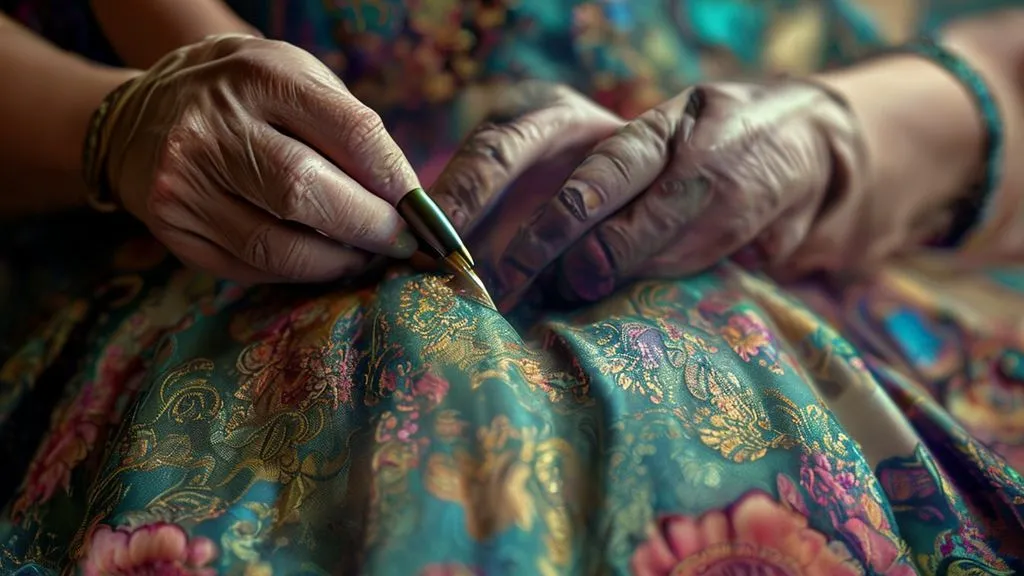
One of the most sustainable aspects of vintage clothing is its potential for longevity. Embracing mending and repair is key to extending the life of these garments and reducing textile waste.
Embracing Visible Mending and Simple Repairs
Don't view a tear or a loose seam as the end of a garment's life. Instead, see it as an opportunity for creative expression and a testament to the garment's continued use. Visible mending, where repairs are intentionally highlighted rather than hidden, is a growing trend that celebrates the story of a garment.
- Sewing Basics: Learn basic hand-sewing stitches like the running stitch, backstitch, and whipstitch. These can mend small tears, reattach buttons, and repair loose seams.
- Patching: For larger holes, patching with a complementary or contrasting fabric can add character. Choose a fabric that is similar in weight and fiber content to the original.
- Darning: Ideal for repairing holes in knitwear, darning involves weaving new threads over the damaged area to create a strong, integrated repair.
- Button & Zipper Replacement: These are common issues. Replacing a missing button or a broken zipper can completely revive a garment.
Numerous online tutorials and local workshops can teach these valuable skills. Investing time in learning these basic repairs is a truly sustainable act.
When to Seek Professional Restoration
For complex repairs, delicate fabrics, or valuable heirloom pieces, professional textile conservators or skilled tailors specializing in vintage garments are invaluable. They have the expertise, tools, and materials to undertake intricate repairs without causing further damage.
- Extensive Damage: Large tears, significant moth damage, or structural issues that compromise the garment's integrity.
- Delicate Embellishments: Repairing intricate lace, beadwork, or embroidery requires specialized skills.
- Historical Significance: For museum-quality or historically significant pieces, a conservator will ensure repairs are reversible and preserve the garment's original state as much as possible.
Remember, every repair, whether done by hand or by a professional, adds to the garment's story and keeps it out of the landfill. This commitment to longevity is central to how to properly care for vintage clothing sustainably.
Addressing Common Vintage Care Mistakes
Even with the best intentions, mistakes can happen. Being aware of common pitfalls can save your vintage treasures from irreversible damage.
Pitfalls to Avoid in Vintage Garment Care
- Harsh Chemicals: Bleach, strong stain removers, and conventional laundry detergents are often too aggressive for vintage fabrics. They can cause fading, weakening of fibers, and permanent damage. Always opt for gentle, pH-neutral, and eco-friendly alternatives.
- Machine Washing Delicate Items: While some sturdy vintage cottons might tolerate a very gentle, cold cycle in a mesh bag, most delicate silks, wools, rayons, or embellished pieces should never see the inside of a washing machine. The agitation and spin cycles are simply too harsh.
- Direct Sunlight Exposure: Whether drying or storing, direct sunlight is a vintage garment's enemy. UV rays cause rapid fading of dyes and can make fibers brittle, leading to premature deterioration. Always air dry in the shade and store in dark conditions.
- Over-Washing: Vintage garments don't need to be washed after every wear, especially outer layers or items worn with undergarments. Spot cleaning and airing out can often suffice, reducing wear and tear on the fabric and conserving water.
- Improper Ironing: High heat can scorch delicate vintage fabrics, melt synthetics, or leave shine marks. Always use the lowest heat setting appropriate for the fabric, iron inside out, and use a pressing cloth. For many vintage items, steaming is a safer alternative to ironing.
Understanding these common mistakes is crucial for any vintage clothing enthusiast committed to sustainable practices. Prevention is always better than a cure, especially when dealing with irreplaceable items.
The Environmental Imperative: Why Sustainable Vintage Care Matters
Caring for vintage clothing sustainably isn't just about preserving beautiful garments; it's a powerful act of environmental stewardship. It directly counters the destructive cycle of fast fashion and promotes a more circular economy.
Reducing Waste and Extending Product Lifecycles
The fashion industry is one of the world's largest polluters, generating massive amounts of textile waste. By properly caring for and repairing vintage clothing, we actively participate in reducing landfill waste. Each vintage piece preserved is one less new item produced, saving resources like water, energy, and raw materials. Extending the lifecycle of clothing is a cornerstone of sustainable living, turning garments into cherished heirlooms rather than disposable commodities. According to the U.S. Environmental Protection Agency (EPA), textile waste continues to be a significant problem, highlighting the importance of extending garment life.
Promoting Conscious Consumerism and Slow Fashion
Embracing vintage and caring for it sustainably aligns perfectly with the principles of slow fashion. It encourages a mindful approach to consumption, valuing quality and longevity over fleeting trends and disposable garments. When you invest time and effort into caring for a vintage piece, you develop a deeper appreciation for its craftsmanship and history. This fosters a conscious consumer mindset, where purchases are deliberate and driven by a desire for lasting value rather than instant gratification. This shift away from throwaway culture has profound positive impacts on both the environment and our relationship with clothing.
Building a Sustainable Vintage Wardrobe: Beyond Care
While proper care is paramount, building a truly sustainable vintage wardrobe involves more than just maintenance. It encompasses how you acquire, curate, and even eventually part with your pieces.
Mindful Sourcing and Curation
The journey to a sustainable vintage wardrobe begins with how you acquire items. Instead of impulsive buys, consider what gaps exist in your current wardrobe and what pieces will truly serve you for years to come. Look for:
- Quality over Quantity: Prioritize well-made garments from durable fabrics. These are more likely to withstand the test of time and care.
- Timeless Styles: Opt for classic silhouettes and versatile pieces that won't quickly go out of fashion.
- Good Condition: While minor repairs are manageable, avoid items that are beyond reasonable restoration, unless you are specifically looking for a project or have access to expert conservators.
- Ethical Sourcing: Support local vintage shops, reputable online sellers, or community thrift stores. This often ensures that the profits stay within ethical channels and supports small businesses.
Curating your wardrobe means selecting pieces that genuinely resonate with your style and needs, reducing the likelihood of acquiring items that will sit unworn.
The Circularity of Vintage: Rehoming and Recycling
Even with the best care, there may come a time when a vintage piece no longer serves your needs or can no longer be repaired. The sustainable approach is to ensure it continues its journey in the circular economy.
- Rehoming: If an item is still wearable, consider selling it, donating it to a reputable charity, or gifting it to a friend or family member who will cherish it. This gives the garment a new life and keeps it out of landfills.
- Creative Reuse: For garments that are too damaged to wear but still have usable fabric, consider repurposing them into new items like bags, quilts, or smaller accessories.
- Textile Recycling: As a last resort, if a garment is truly beyond repair or reuse, seek out textile recycling programs in your area. While not all collected textiles are recycled into new fibers, it's a better option than direct landfill disposal.
By embracing this full lifecycle approach, from mindful acquisition to responsible rehoming, you fully commit to how to properly care for vintage clothing sustainably and contribute to a healthier planet.
Frequently Asked Questions (FAQ)
Can I machine wash all vintage clothing? No, definitely not. Most delicate vintage items, especially those made of silk, wool, rayon, or with intricate embellishments, should only be hand washed or professionally wet cleaned. Machine washing can cause irreversible damage like shrinking, stretching, or tearing.
How do I remove musty odors from vintage clothes without washing? For musty odors, try airing the garment out in a well-ventilated area, preferably outdoors on a dry, breezy day (away from direct sunlight). A garment steamer can also help refresh fabrics. You can also place the item in a breathable bag with natural odor absorbers like activated charcoal or baking soda (separated by a cloth).
What's the best way to store vintage knitwear sustainably? Vintage knitwear (like wool sweaters) should always be folded and stored flat in acid-free tissue paper within an archival box or on a clean shelf. Hanging knitwear, even on padded hangers, can cause stretching and distortion due to gravity. Ensure proper pest control with cedar or lavender.
Is it safe to iron all vintage fabrics? No, it's not. Many vintage synthetics (like acetate) and delicate natural fibers (like silk) are very sensitive to heat. Always use the lowest possible heat setting, iron the garment inside out, and use a pressing cloth. Steaming is often a safer and gentler alternative for removing wrinkles from vintage items.
How often should I clean my vintage clothes? Only clean vintage clothes when necessary. Over-washing causes wear and tear. If an item isn't visibly dirty or doesn't have an odor, simply airing it out or spot cleaning any minor marks is often sufficient. Outerwear and items worn over other layers can go longer between cleanings.
Recommended Reading
- Unlocking Tomorrow's Style: How to Predict Emerging Streetwear Trends
- Mastering Character Costume Design: How to Conceptualize Effectively
- Draping Dreams: Best Fabric for Textile Art Costumes REVEALED!
- The Ultimate Guide: How to Select Durable Fabrics for Active Stage Costumes?
- Shine On: How to Clean Diamond Jewelry at Home Safely (Easy Guide)
Conclusion
Mastering how to properly care for vintage clothing sustainably is more than just a chore; it's a rewarding journey that connects us to history, promotes ethical consumption, and significantly lessens our environmental impact. By understanding the unique needs of vintage fabrics, embracing gentle, eco-friendly cleaning methods, optimizing storage, and committing to mindful mending, you transform your wardrobe into a testament to longevity and conscious living. Each stitch repaired, each gentle wash, and each thoughtful storage decision contributes to a fashion future that is both beautiful and responsible. Embrace these practices, and your cherished vintage pieces will continue to tell their stories for generations to come, proving that true style is indeed timeless and sustainable.

Your email address will not be published. Required fields are marked *