

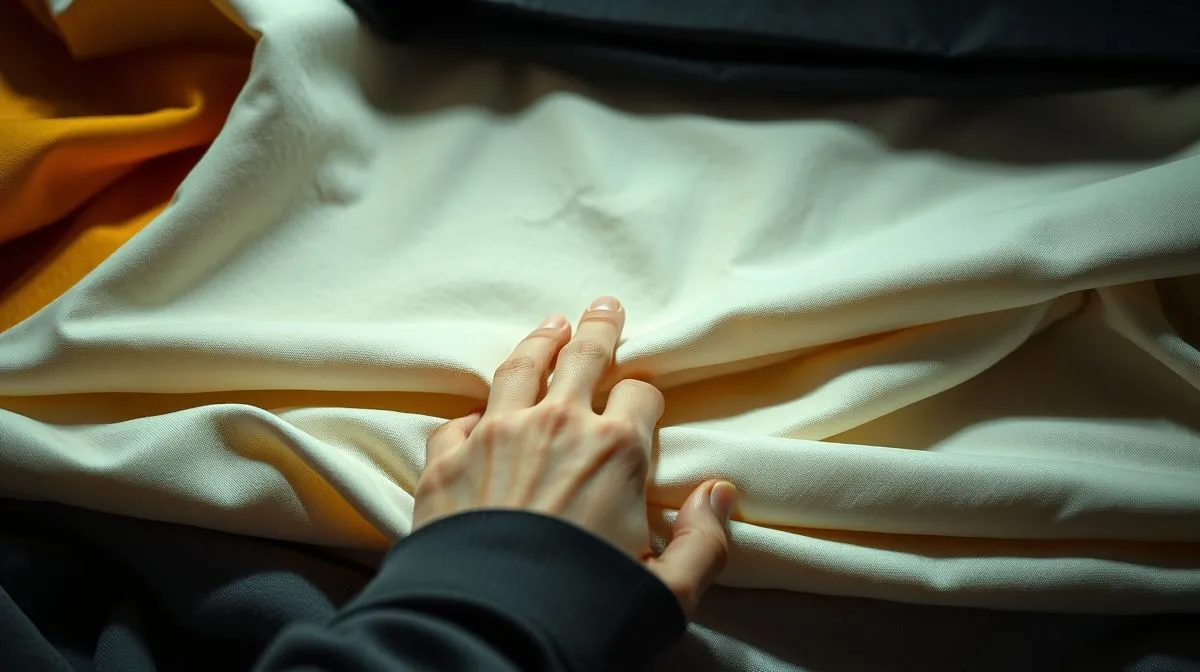
Unraveling the Mystery: How to Select Durable Fabrics for Active Stage Costumes?
Imagine the scene: a dancer mid-pirouette, a gymnast soaring through the air, or an actor delivering a powerful monologue. Suddenly, a seam rips, a fabric snags, or a vibrant color fades under the intense stage lights. This isn't just an inconvenience; it's a potential showstopper, a disruption to the magic, and a nightmare for costume designers and performers alike. The silent hero of any dynamic stage performance is often the costume itself, built to withstand the rigors of movement, sweat, and repeated use.
The challenge lies in a delicate balance: creating costumes that are visually stunning, comfortable for the performer, and yet incredibly resilient. This triad often feels like a puzzle, especially when dealing with the extreme demands of active stage work. How do you ensure a costume looks as fresh in the final act as it did in the first, performance after performance, without constant repairs or replacement?
This comprehensive guide will demystify the process of fabric selection, providing you with the expert knowledge to choose materials that not only look fantastic but also possess the inherent strength and durability required for active stage costumes. By the end of this reading, you will understand the science behind textile resilience, know which fabrics excel in specific performance scenarios, and learn how to make informed decisions that save time, money, and artistic integrity.
Why Durability is Non-Negotiable for Performance Wear
In the world of active stage performance, costumes are not mere adornments; they are integral tools that facilitate movement, convey character, and contribute to the overall spectacle. Their durability is paramount for several critical reasons.
The Cost of Costume Failure
A torn costume isn't just an aesthetic flaw; it can lead to significant financial repercussions. Replacing or constantly repairing costumes consumes budget and time, resources that could be better spent on other aspects of a production. For professional troupes or touring shows, the cumulative cost of non-durable fabrics can be astronomical over a season. Investing in quality, durable materials from the outset is a smart economic decision that pays dividends in the long run.
Safety and Performer Comfort
Beyond economics, the safety and comfort of the performer are paramount. A costume that restricts movement, chafes, or suddenly fails can lead to injuries. Imagine a dancer losing balance due to a snagged hem or a gymnast being distracted by an uncomfortable seam. Durable fabrics, properly selected, ensure the costume moves with the performer, providing necessary support and allowing for full range of motion without compromise. They also tend to maintain their shape and integrity, preventing uncomfortable bunching or stretching in critical areas.
Sustainability and Reputation
In an increasingly environmentally conscious world, the longevity of costumes also plays into sustainability. Less frequent replacement means less textile waste. Furthermore, a production company or designer known for their high-quality, long-lasting costumes builds a strong reputation. This commitment to durability signals professionalism, attention to detail, and respect for both the art form and the resources invested.
Understanding Fabric Properties: The Science Behind Durability
To truly understand how to select durable fabrics for active stage costumes, one must delve into the fundamental properties of textiles. Durability isn't just about thickness; it's a complex interplay of fiber type, construction, and finishing.
Fiber Type Matters: Natural vs. Synthetic
The very building blocks of a fabric—its fibers—dictate much of its inherent strength and resilience.
- Natural Fibers: Cotton, linen, wool, and silk are breathable and comfortable. However, they can be prone to wrinkling, shrinkage, and less resistant to abrasion or tearing than synthetics, especially when wet. For active wear, they often require blending or specific weaves to enhance durability. For example, a heavy cotton twill can be quite robust, but may lack the stretch needed for dynamic movement.
- Synthetic Fibers: Polyester, nylon, spandex (Lycra), and acrylic are engineered for performance. They boast superior resistance to abrasion, tearing, and often offer excellent stretch and recovery, moisture-wicking properties, and colorfastness.
For high-performance active costumes, synthetic fibers or blends incorporating them are almost always the preferred choice due to their inherent strength and engineered properties. For instance, a blend of polyester and spandex offers the best of both worlds: the durability and moisture management of polyester with the incredible stretch and recovery of spandex.
Weave and Knit Structures
How fibers are interlocked or looped together significantly impacts a fabric's strength, drape, and elasticity.
- Woven Fabrics: Created by interlacing two sets of yarns at right angles (warp and weft). Examples include plain weave (like canvas), twill (like denim), and satin. Woven fabrics are generally stable, strong, and less prone to stretching out of shape. Their durability depends heavily on thread count and fiber type. A high-density twill, for instance, offers excellent abrasion resistance.
- Knit Fabrics: Made by continuously looping a single yarn. This structure gives knits inherent stretch and flexibility, making them ideal for active wear. Examples include jersey, rib knit, and interlock. While comfortable and form-fitting, knits can be prone to snagging or runs if not constructed tightly. Interlock knits, with their double-knit structure, offer superior stability and durability compared to single jerseys.
For active stage costumes, knit fabrics, especially those with good recovery, are often chosen for their flexibility. However, selecting a knit with a tight, resilient construction is crucial to prevent premature wear and tear.
Fabric Finishes and Treatments
Beyond the raw materials and construction, fabrics can be treated to enhance specific properties, further boosting their durability for performance contexts.
- Water-Repellent/Stain-Resistant: Crucial for outdoor performances or costumes prone to spills.
- Anti-Microbial: Helps prevent odor and bacterial growth, extending the life of the costume between washes.
- UV Protection: Prevents color fading and fabric degradation from prolonged exposure to stage lights or sunlight.
- Abrasion Resistance Coatings: Can be applied to surfaces to increase their resilience against rubbing and friction.
- Stretch Recovery Enhancers: Treatments that help elasticized fabrics maintain their shape and elasticity over time, preventing bagging or sagging.
When sourcing, inquire about any special finishes a fabric might have, as these can significantly contribute to its long-term performance and ease of maintenance.
Key Considerations for Active Stage Costumes
Selecting the right fabric for active stage costumes goes beyond mere strength; it involves a holistic understanding of the performance's demands and the performer's needs. Here are the crucial factors to weigh.
Movement and Stretch Requirements
This is arguably the most critical factor for active wear. Costumes must allow for a full, unhindered range of motion. This means considering fabrics with adequate stretch in both warp and weft directions (four-way stretch) for garments like leotards, dancewear, or acrobatic costumes. The fabric must also have excellent recovery, meaning it springs back to its original shape without bagging or stretching out permanently. Fabrics with high spandex content (10-20%) are often ideal for this.
Breathability and Moisture-Wicking
Performers sweat, often profusely. A costume that traps heat and moisture can lead to discomfort, overheating, and even skin irritation. Fabrics with moisture-wicking properties draw sweat away from the body to the fabric's surface, where it can evaporate quickly. This keeps the performer drier and more comfortable. Polyester and nylon blends are often engineered with these properties, making them excellent choices for high-intensity performances.
Abrasion Resistance and Tear Strength
Active stage costumes are subjected to constant friction—against other performers, stage props, floors, or even the performer's own body. High abrasion resistance prevents pilling, thinning, and premature wear. Tear strength is equally important, particularly for seams and areas under stress. Look for fabrics with a tight weave or knit, and those made from strong synthetic fibers like nylon or high-denier polyester, which are inherently resistant to tearing.
Colorfastness and Dye Sublimation
Stage lights are powerful and can quickly fade colors, making costumes look worn and inconsistent. Colorfastness refers to a fabric's ability to retain its color when exposed to light, washing, or sweat. Fabrics that are dyed using processes like dye sublimation (where the dye penetrates the fibers at a molecular level) offer superior color vibrancy and resistance to fading, making them excellent for costumes that need to maintain their visual impact over many performances.
Ease of Care and Cleaning
Costumes need to be cleaned frequently, especially for long runs. Fabrics that are machine washable, quick-drying, and resistant to shrinking or wrinkling will significantly reduce maintenance time and costs. Consider how the fabric will react to various cleaning methods and if it requires specialized care, which can add to the logistical burden of a production.
Top Fabric Choices for High-Performance Costumes
Based on the properties discussed, certain fabrics consistently emerge as superior choices for their ability to withstand the demands of active stage performance. The following selections are highly recommended when considering how to select durable fabrics for active stage costumes.
Lycra/Spandex Blends: The King of Stretch
Fabrics containing Lycra (DuPont's brand name for spandex) are indispensable for dance, gymnastics, and acrobatic costumes. A blend of 80% nylon or polyester with 20% spandex offers incredible four-way stretch, excellent recovery, and a smooth, body-hugging fit. These fabrics are also highly resistant to abrasion and pilling, making them ideal for repeated, high-impact movement. Brands like Supplex Lycra offer enhanced softness and moisture-wicking properties.
Ripstop Nylon: Unyielding Strength
Recognizable by its distinctive grid pattern, ripstop nylon is woven with a special reinforcing technique that makes it incredibly resistant to tearing and ripping. If a tear does occur, the grid prevents it from spreading. While not inherently stretchy, it's exceptionally lightweight and durable, making it perfect for outer layers, accent pieces, or costumes that need to withstand rough handling or outdoor elements. It's often used for parachutes and outdoor gear, speaking to its resilience.
Heavy-Duty Polyester Blends: Versatility and Resilience
Modern polyester fabrics have come a long way from their reputation for being stiff or uncomfortable. Blended with cotton or other synthetics, heavy-duty polyester offers excellent wrinkle resistance, colorfastness, and good abrasion resistance. It's also relatively inexpensive and easy to care for. Performance polyesters are engineered to wick moisture and dry quickly, making them versatile for a wide range of active costumes, from theatrical ensembles to athletic wear.
Cotton Twill/Canvas (for specific applications): Robust Natural Option
While generally less stretchy than synthetics, heavy-duty cotton twill or canvas can be surprisingly durable for specific costume elements that require structure and rigidity, such as historical costumes, workwear-inspired looks, or elements that need to hold shape. When treated or blended with synthetics, their natural breathability can be an advantage. However, their weight and tendency to absorb moisture must be considered for highly active roles.
Neoprene: Structure and Flexibility
Often associated with wetsuits, neoprene is a synthetic rubber material laminated with fabric on one or both sides. It offers excellent insulation, water resistance, and a unique structural quality with some inherent stretch. While heavier, it's incredibly durable and can create distinctive sculptural silhouettes. It's suitable for futuristic, aquatic, or highly stylized active costumes where its unique properties are an advantage. According to a study published by the Journal of Polymer Science, neoprene exhibits remarkable resistance to degradation from sunlight and ozone, contributing to its longevity.
The Fabric Selection Process: A Step-by-Step Guide
Choosing the right fabric is a methodical process that combines artistic vision with practical considerations. Follow these steps to ensure you select the most durable and appropriate materials for your active stage costumes.
1. Define Performance Needs
Before looking at any fabric, thoroughly analyze the demands of the performance. Ask yourself:
- What kind of movement is involved (dance, acrobatics, combat, subtle gestures)?
- What is the environment (indoor, outdoor, hot, cold, wet)?
- How often will the costume be worn and cleaned?
- Are there any specific visual requirements (shine, matte, transparency, opacity)?
- What parts of the costume will experience the most stress or friction?
Understanding these factors will narrow down your fabric options considerably and help you prioritize properties like stretch, breathability, or abrasion resistance.
2. Research and Sample Acquisition
Once you have your requirements, begin researching fabrics that match those needs. Don't rely solely on online descriptions. Order fabric swatches or visit local textile suppliers. Handling the fabric is crucial to assess its drape, texture, weight, and inherent stretch. Many reputable fabric suppliers, like those listed by the Observatory of Economic Complexity (OEC), provide detailed specifications and samples upon request.
3. Practical Testing
This step is non-negotiable for active costumes. Once you have samples, put them through a series of practical tests that mimic real-world conditions. This is how to select durable fabrics for active stage costumes with confidence:
- Stretch and Recovery Test: Stretch the fabric to its maximum and hold for a few seconds, then release. Does it spring back completely? Repeat multiple times.
- Rub Test: Rub two pieces of the fabric together vigorously. Does it pill? Does it show signs of wear quickly?
- Wash Test: Wash a sample according to the expected care instructions. Does it shrink, fade, or lose its shape?
- Light Test: Expose a sample to bright light (like a stage light) for an extended period. Check for color fading.
- Movement Simulation: If possible, drape or pin a sample onto a mannequin or even a performer and observe how it moves and stretches during the actual movements required.
4. Budget and Sourcing
While durability is key, budget is always a consideration. Compare the cost-effectiveness of different durable options. Sometimes, a slightly more expensive fabric upfront can save significant money on repairs and replacements in the long run. Source from reputable suppliers who can provide consistent quality and accurate fabric specifications. Building relationships with textile vendors can lead to better insights and access to new materials.
Common Mistakes to Avoid When Choosing Costume Fabrics
Even experienced designers can fall prey to common pitfalls when selecting fabrics for active stage costumes. Awareness of these mistakes can save significant headaches and resources.
Prioritizing Aesthetics Over Function
It's tempting to choose a fabric purely because of its stunning color or unique texture. However, if that fabric doesn't offer the necessary stretch, breathability, or abrasion resistance for an active role, it will quickly fail. Always balance visual appeal with the practical demands of the performance. A beautiful fabric that tears mid-performance is no longer beautiful.
Ignoring Fabric Weight and Drape
A fabric's weight and how it drapes (its flow and hang) are crucial for performer comfort and visual effect. A heavy, stiff fabric might be durable but could restrict movement or create an unflattering silhouette for a dancer. Conversely, a very lightweight fabric might not withstand the stresses of a dynamic role. Always consider how the fabric will move with the body.
Overlooking Care Instructions
Some beautiful, durable fabrics require specialized dry cleaning or delicate hand washing, which can be impractical and costly for a production with multiple costumes and frequent performances. Always check the care instructions before committing to a fabric. Opt for materials that are easy to clean and maintain, ideally machine washable for most active stage wear.
Not Testing Under Performance Conditions
A fabric might feel great in a showroom, but how does it perform under hot stage lights, with sweat, and during vigorous movement? Many properties, like breathability or colorfastness, only become apparent under actual performance conditions. This underscores the importance of the practical testing phase outlined earlier. A fabric that looks great on a hanger might not hold up when put to the test on stage.
Maintaining Your Durable Costumes for Longevity
Even the most durable fabrics require proper care to maximize their lifespan. Effective maintenance practices are just as important as the initial fabric selection in ensuring your active stage costumes remain performance-ready.
Proper Washing and Drying Techniques
Always follow the manufacturer's care labels. For most performance fabrics like spandex blends and polyesters, this means:
- Cold Water Wash: Prevents shrinkage and color fading.
- Gentle Cycle: Reduces stress on seams and fibers.
- Mild Detergent: Harsh chemicals can degrade elastic fibers over time.
- Avoid Fabric Softeners: Can clog moisture-wicking properties and break down elastic.
- Air Dry or Low Heat: High heat can damage elastic, cause shrinkage, and degrade synthetic fibers. Lay flat or hang to dry.
Storage Best Practices
How costumes are stored between performances and seasons significantly impacts their longevity:
- Clean Before Storing: Never store dirty or sweaty costumes, as this can lead to mildew, odor, and fabric degradation.
- Proper Hangers: Use padded hangers for heavy costumes to prevent stretching or creasing. Fold delicate items.
- Breathable Covers: Store costumes in breathable garment bags, not sealed plastic, to prevent moisture buildup.
- Climate Control: Store in a cool, dry, dark place away from direct sunlight, which can fade colors and weaken fibers.
Timely Repairs and Reinforcements
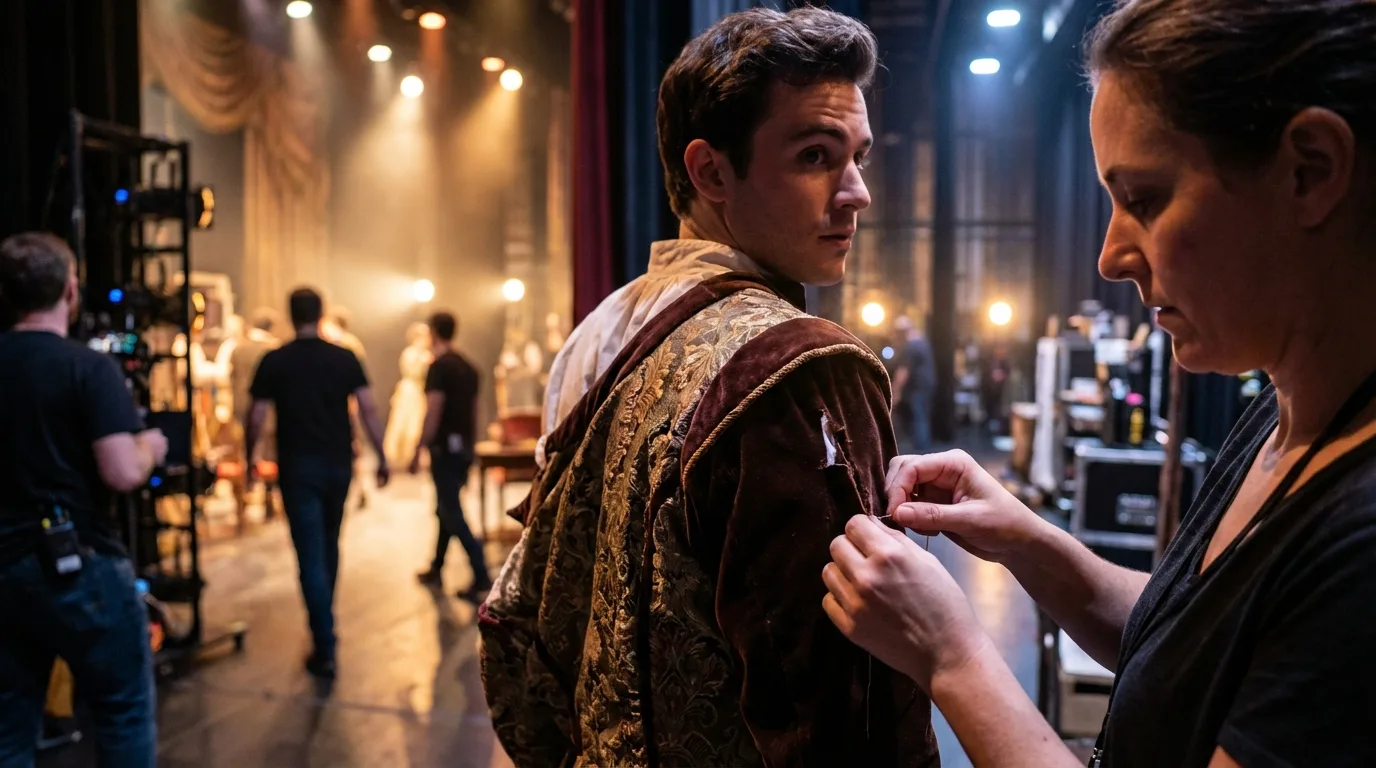
Proactive maintenance is key. Address small tears or loose seams immediately before they become major problems. Reinforce high-stress areas (like armpits, crotch seams, or areas where props rub) with extra stitching or fabric patches before they fail. Regular inspection is crucial for catching potential issues early.
Frequently Asked Questions (FAQ)
What's the best fabric for dance costumes? For dance, especially those involving extensive stretching and dynamic movement, a blend of nylon or polyester with 15-25% spandex (Lycra) is generally considered the best. It offers superior stretch, recovery, and durability.
How do I test fabric durability at home? You can perform simple tests: stretch a sample vigorously to check recovery, rub two pieces together to see if they pill or show wear, and wash a sample according to care instructions to check for shrinkage or fading.
Are natural fabrics ever suitable for active stage wear? While less common for high-intensity active wear due to their lower stretch and moisture-wicking properties, natural fabrics like heavy cotton twill or canvas can be suitable for costume elements requiring structure, specific historical accuracy, or when blended with synthetics for enhanced durability.
Can I use upholstery fabric for costumes? Generally, no. Upholstery fabrics are designed for furniture, prioritizing stiffness and extreme abrasion resistance, often at the expense of drape, flexibility, and breathability. They are typically too heavy and rigid for active stage costumes and may not be comfortable or safe for performers.
How important is fabric weight for costume durability? Fabric weight (often measured in GSM or ounces per square yard) is important but not the sole indicator of durability. A heavier fabric can be more durable in terms of abrasion, but might lack the necessary drape or breathability for active movement. Conversely, a lightweight, tightly woven ripstop nylon can be incredibly durable for its weight. It's about finding the right balance for the specific performance need.
Recommended Reading
- Dazzle on Your Day: Choosing the Best Jewelry for Strapless Dresses
- Unlocking Tomorrow's Style: How to Predict Emerging Streetwear Trends
- Find Your Perfect Look: Which Iconic Eyeglass Frames Suit My Face Shape?
- Unlock Style: Integrating Luxury Runway Trends into Your Classic Wardrobe
- Unlock Comfort & Style: The Ultimate Guide to Wide Feet Shoe Trends
Conclusion
The art of costume design for active stage performance is a nuanced blend of creative vision and material science. Understanding how to select durable fabrics for active stage costumes is not just about preventing wardrobe malfunctions; it's about empowering performers, optimizing budgets, and elevating the overall quality of a production. By prioritizing fiber composition, weave structure, and key performance properties like stretch, breathability, and abrasion resistance, designers can make informed choices that yield long-lasting, high-performing garments. Remember to rigorously test your chosen materials and implement diligent maintenance practices to ensure your costumes continue to shine, performance after performance. Invest in durability, and your costumes will stand the test of time, just like the unforgettable moments they help create on stage.

Your email address will not be published. Required fields are marked *