

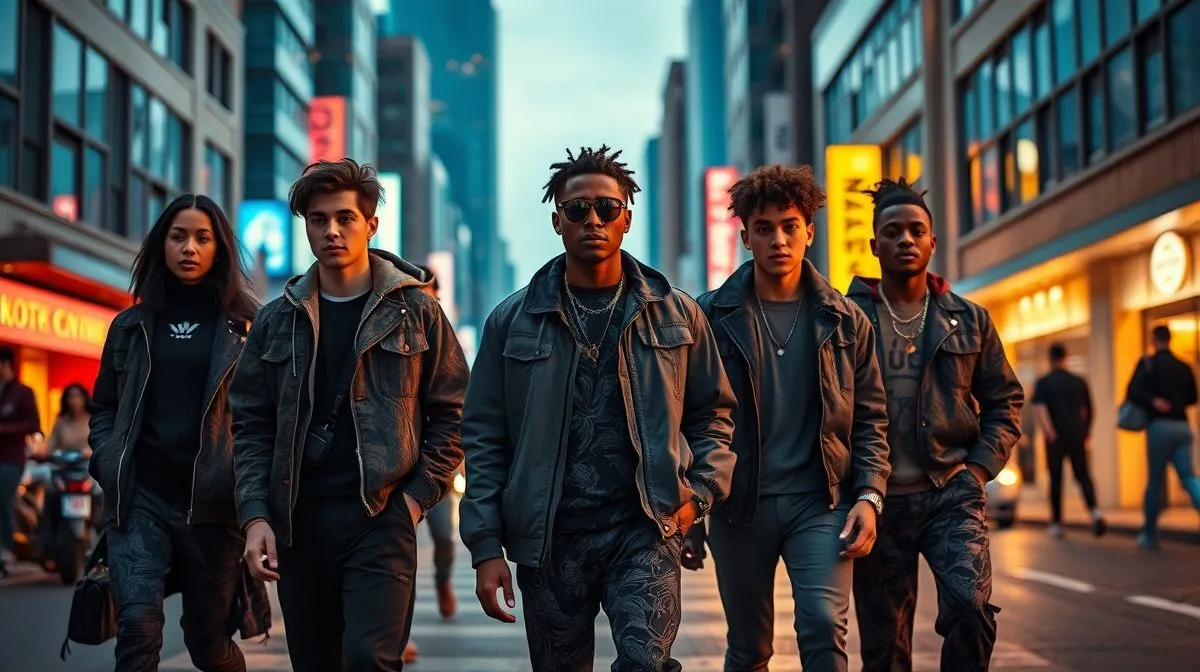
How to Predict Emerging Streetwear Trends: Unlocking the Future of Fashion
Have you ever wondered how some brands and designers consistently seem to be a step ahead, launching collections that perfectly capture the zeitgeist before anyone else? It’s not magic, nor is it sheer luck. It's the result of a meticulous, insightful process of understanding the intricate dynamics that shape the ever-evolving world of streetwear.
In an industry as fluid and fast-paced as streetwear, staying relevant and impactful poses a significant challenge. Trends emerge from unexpected corners, spread like wildfire, and can dissipate just as quickly, leaving behind those who failed to adapt. The core problem for anyone involved in this space—from designers and retailers to enthusiasts—is navigating this unpredictable landscape to make informed decisions.
This comprehensive guide will demystify the art and science of trend forecasting in streetwear. You will learn actionable strategies, identify crucial indicators, and gain the analytical prowess needed to confidently predict emerging streetwear trends, positioning yourself at the forefront of urban fashion innovation.
Understanding the Streetwear Ecosystem
Before diving into prediction, it's vital to grasp the unique ecosystem from which streetwear originates and evolves. Unlike traditional high fashion, streetwear is deeply rooted in authentic culture, making its trajectory distinct and often less hierarchical.
The Roots of Streetwear: Subcultures, Music, Art
Streetwear began as an underground movement, a counter-culture expression born from skateboarding, surfing, hip-hop, punk, and graffiti art scenes. Its essence lies in rebellion against the mainstream and an emphasis on comfort, individuality, and practical utility. Understanding these foundational elements is crucial, as they continue to influence its direction.
- Skate Culture: Loose fits, durable fabrics, graphic tees.
- Hip-Hop: Oversized silhouettes, brand logos, athletic wear integration.
- Punk & DIY: Customization, distressed elements, anti-establishment messaging.
- Graffiti Art: Bold graphics, vibrant colors, urban motifs.
Key Players: Brands, Designers, Influencers, and Consumers
The streetwear ecosystem is a complex web of interactions between various stakeholders. Identifying who holds influence and how their actions ripple through the community is a cornerstone of effective trend prediction.
- Pioneering Brands: Labels like Supreme, Stüssy, and BAPE set precedents and continue to shape the industry.
- Emerging Designers: Independent creators often introduce novel concepts that challenge established norms.
- Cultural Influencers: Musicians, artists, athletes, and social media personalities act as powerful trend disseminators.
- The Consumer Base: Highly engaged and discerning, streetwear consumers are active participants, not just passive recipients. Their collective choices ultimately validate or reject trends.
The Science of Trend Forecasting
Trend forecasting isn't simply guessing; it involves systematic analysis and a deep understanding of societal shifts. It's about connecting seemingly disparate dots to form a cohesive picture of what's next.
Macro vs. Micro Trends
Distinguishing between macro and micro trends is fundamental to accurate prediction. Macro trends are long-term, overarching shifts affecting broad aspects of society, like sustainability or digital transformation. They can last for decades. Micro trends, conversely, are short-lived, specific fashion phenomena, often lasting only a few seasons.
For example, the rise of conscious consumerism (a macro trend) has led to micro trends like upcycled streetwear or organic cotton collections. Predicting emerging streetwear trends requires an eye for both, understanding how macro shifts filter down into specific stylistic expressions.
The Fashion Cycle Explained
Fashion trends typically follow a predictable cycle, though its speed has dramatically accelerated in the digital age. Understanding these stages allows you to pinpoint where a trend currently stands and anticipate its future trajectory.
- Innovation/Introduction: A new style emerges, often from subcultures or niche designers. It's adopted by a small group of early adopters.
- Rise: The trend gains traction, popularized by influencers and media. More people begin to adopt it.
- Peak: The trend reaches its maximum popularity, becoming widely accepted and often mass-produced.
- Decline: The trend becomes oversaturated, leading to a loss of exclusivity and desirability.
- Obsolescence: The trend fades out, replaced by newer styles.
The key to predicting is to identify trends in their 'innovation' or 'rise' phase, before they hit the mainstream peak.
Leveraging Data and Analytics
In the digital age, data is king. Smart use of analytical tools and platforms can provide invaluable insights into consumer behavior and emerging preferences, helping you to predict streetwear trends with greater accuracy.
Social Media Listening and Visual Analytics
Platforms like Instagram, TikTok, Pinterest, and even niche forums are veritable goldmines for trend spotting. Millions of users share their styles, aspirations, and reactions in real-time. Monitoring these platforms allows you to observe organic trend formation.
- Hashtag Analysis: Track trending hashtags related to fashion, specific styles, or subcultures.
- Influencer Engagement: Observe what styles popular and micro-influencers are adopting and how their audiences react.
- User-Generated Content: Analyze what ordinary consumers are wearing and sharing, particularly in street style photography.
- Visual Search Tools: Utilize tools that can identify patterns in visual data, recognizing recurring colors, silhouettes, or motifs across vast image libraries.
E-commerce Data and Search Queries
Sales data and search queries offer direct insights into consumer demand and interest. What are people actively looking for and buying? This data reflects current preferences and can hint at future needs.
- Sales Performance: Identify spikes in sales for specific categories, products, or brands.
- Search Term Analysis: Tools like Google Trends or keyword research platforms reveal what terms consumers are typing into search engines. A sudden increase in searches for 'oversized hoodies' or 'cargo pants' can signal an emerging interest.
- Product Reviews and Wishlists: These provide qualitative insights into what consumers desire, what they find lacking, and what they hope to see next.
Predictive Analytics Tools and AI
The frontier of trend forecasting is increasingly being shaped by artificial intelligence and machine learning. These advanced tools can process vast amounts of data—from social media posts and news articles to sales figures and weather patterns—to identify complex correlations and predict future outcomes.
Companies like WGSN and Stylesage use AI to offer highly sophisticated trend reports, analyzing everything from consumer sentiment to color palettes and material innovations. While these tools are often proprietary, understanding their capabilities highlights the power of data-driven forecasting in the modern era.
Observing Cultural Shifts and Subcultures
Streetwear is inherently a reflection of culture. Therefore, to effectively predict emerging streetwear trends, one must become a keen observer of broader societal changes and the nuances of various subcultures. As a leading fashion industry publication notes, fashion is a mirror of society, reflecting its aspirations, anxieties, and evolutions.
The Influence of Music, Art, and Global Events
Music genres, art movements, and significant global events frequently act as catalysts for new fashion trends. A new album from a globally influential artist, a major art exhibition, or even a shift in political climate can inspire new aesthetics and narratives that translate into clothing.
- Music: Hip-hop, K-Pop, and electronic music have historically dictated styles, from baggy jeans to intricate layering.
- Art: Street art, contemporary art, and digital art often introduce new visual language, color palettes, and graphic elements.
- Global Events: Economic downturns might favor utilitarian, durable clothing, while environmental concerns fuel sustainable fashion.
Socio-Economic Factors and Consumer Values
Broader socio-economic conditions and evolving consumer values play a massive role. For instance, increasing awareness around sustainability, gender fluidity, and mental health has directly influenced design choices, material sourcing, and marketing strategies in streetwear.
A study on consumer behavior from a reputable university might highlight a growing preference for transparency and ethical production, directly impacting the demand for certain types of streetwear. Brands that align with these evolving values are often the ones that resonate most deeply with consumers.
Niche Communities and Early Adopters
Trends rarely start in the mainstream. They typically incubate within niche communities and are adopted by a small cohort of early adopters—individuals who are highly influential within their circles and are unafraid to experiment. These groups can be found in online forums, specific cities, or specialized events.
Identifying these early adopters and understanding their preferences is like gaining a sneak peek into the future. They are the bellwethers of what's to come, often dictating the next wave of style long before it hits the mass market.
The Role of Influencers and Collaborations
In the digital age, influencers and strategic collaborations have become powerful engines for accelerating and legitimizing trends. Their choices and partnerships can quickly elevate a niche item to global phenomenon status.
Identifying Emerging Influencers
Beyond the mega-influencers, pay close attention to micro and nano-influencers who have highly engaged, authentic followings within specific niches. These individuals often have a stronger, more direct impact on their communities and are quicker to adopt genuinely new styles rather than simply promoting established ones.
Look for influencers who are not just showcasing products but are actively shaping narratives, experimenting with unique styling, and fostering genuine communities around their aesthetic. Their authenticity often makes them more potent trendsetters.
Analyzing Brand Collaborations
Collaborations between streetwear brands, artists, musicians, or even other industries (e.g., tech, food) are strategic moves designed to generate hype and cross-pollinate audiences. Analyzing these partnerships can reveal emerging directions and consumer interests.
When a luxury brand collaborates with a streetwear label, it often signals the mainstream acceptance of certain streetwear aesthetics. Similarly, collaborations with lesser-known artists can indicate a brand's commitment to supporting specific subcultures, hinting at where their inspiration for future collections might lie.
Visiting Key Global Hubs and Events
While digital analysis is crucial, nothing replaces the immersive experience of being on the ground in key fashion cities and attending industry events. These environments offer invaluable qualitative insights and a direct pulse on street style.
Fashion Weeks and Trade Shows
While traditional fashion weeks might seem detached from streetwear, many now incorporate dedicated streetwear shows or feature designers influenced by urban aesthetics. Trade shows, on the other hand, reveal upcoming collections, material innovations, and commercial directions for the industry.
Attending or closely following these events provides a holistic view of what designers are proposing and what buyers are selecting. It's a chance to see future collections and gain insights into the commercial viability of certain trends.
Street Style Hotspots
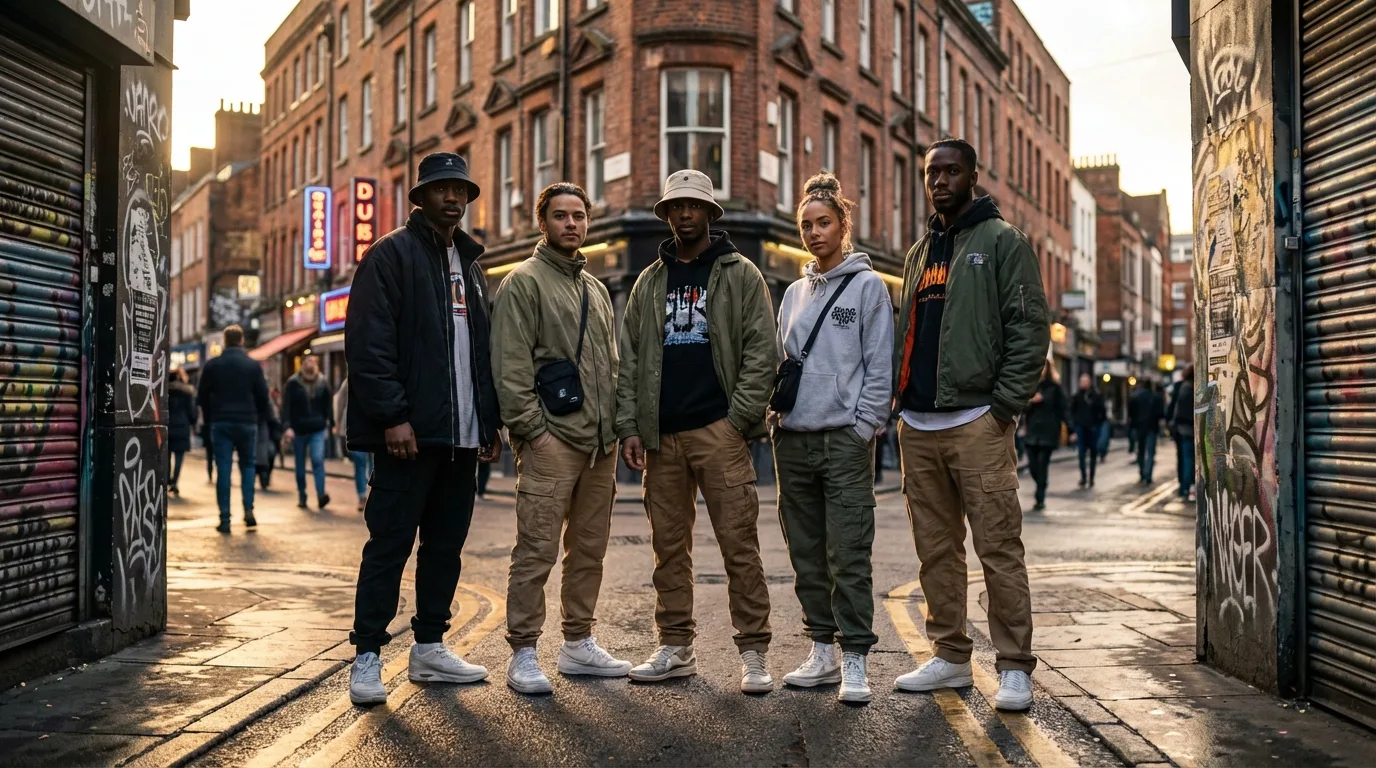
Some cities are undeniable epicenters of street style, where trends are born and refined organically on the asphalt. Places like Tokyo (Harajuku, Shibuya), New York (SoHo, Brooklyn), Paris (Marais), London (Shoreditch), and Seoul (Hongdae) are constant sources of inspiration.
Observing what people are genuinely wearing on the streets—how they mix high and low fashion, their unique layering techniques, and their accessory choices—offers unfiltered insights into emergent styles. Professional street style photographers often capture these moments, providing visual data for analysis.
Common Pitfalls to Avoid in Trend Prediction
Even with the best tools and insights, pitfalls exist. Avoiding these common mistakes is as crucial as mastering the predictive techniques themselves when aiming to predict emerging streetwear trends effectively.
Over-reliance on Hype and Short-Term Fads
Not every viral moment translates into a lasting trend. Many are fleeting fads that burn bright and fade quickly. A common mistake is to invest heavily in something simply because it's generating buzz, without assessing its underlying cultural resonance or longevity.
Focus on identifying the deeper cultural currents that drive sustained interest, rather than just superficial popularity. Ask yourself: Is this a genuine shift in aesthetic or just a novelty item?
Ignoring Global Nuances and Local Contexts
Streetwear is a global phenomenon, but its expression varies significantly across different regions. What's popular in Tokyo might not resonate in London, and vice versa. Ignoring these local nuances can lead to misinterpretations and missed opportunities.
Acknowledge that trends often adapt and evolve as they travel across borders. Research specific regional subcultures and consumer preferences to gain a more accurate global perspective on how styles are adopted and modified.
Lack of Long-Term Vision and Adaptability
While predicting short-term trends is important for immediate collections, a truly successful approach involves a long-term vision. This means understanding macro trends and being prepared to adapt your brand or personal style as the broader cultural landscape shifts.
The streetwear industry is dynamic. Rigidity can be detrimental. Cultivate a mindset of continuous learning, experimentation, and openness to new ideas. The ability to pivot and evolve is paramount to long-term relevance.
Frequently Asked Questions (FAQ)
How quickly do streetwear trends change? The pace of streetwear trends has significantly accelerated due to social media and fast fashion. While some core aesthetics persist, specific micro-trends can emerge, peak, and decline within a single season or even a few months. Macro trends, however, evolve over several years.
What's the difference between a trend and a fad in streetwear? A trend is a general direction or movement, often with underlying cultural significance, that evolves over time and has a lasting impact on style. A fad is a short-lived, intense craze that lacks deeper cultural roots and quickly loses popularity. Trends have longevity; fads are fleeting.
Can AI truly predict streetwear trends? AI and machine learning tools can analyze vast datasets to identify patterns and correlations that human analysts might miss, making them powerful for predicting emerging streetwear trends. However, they are best used as assistive tools, complementing human intuition and cultural understanding, rather than replacing them entirely.
How important is sustainability in future streetwear trends? Sustainability is rapidly becoming a critical factor. As consumer awareness grows, there's increasing demand for ethical production, upcycled materials, and transparent supply chains. Brands prioritizing sustainability are likely to gain significant traction and influence future streetwear directions.
Recommended Reading
- Petite Style Guide: What to Wear Daily for a Flattering Fit!
- 1950s Dresses: Which Neckline Flatters You Most? Find Out!
- Warmest Kids Winter Hat Material? Ultimate Guide for Parents
- Unlock Style & Comfort: Adapting Fashion Footwear for Comfortable Orthotic Use
- Sweaty Feet? Discover the Best Shoe Materials for Ultimate Comfort!
Conclusion
Mastering how to predict emerging streetwear trends is an intricate blend of art, science, and relentless observation. It requires a deep dive into cultural currents, a keen eye for nascent styles, and the analytical prowess to interpret vast amounts of data. By understanding the ecosystem, leveraging digital tools, observing cultural shifts, and avoiding common pitfalls, you can move beyond mere speculation to make informed, strategic decisions. Embrace the thrill of the chase, stay curious, and continuously refine your predictive abilities to always remain at the cutting edge of streetwear's exciting evolution.

Your email address will not be published. Required fields are marked *