


How to Build a Professional Capsule Wardrobe for Busy Executives?
For over two decades in menswear, specializing in executive style, I've witnessed a common dilemma among high-achieving professionals: the paradox of choice. You're at the pinnacle of your career, making monumental decisions daily, yet the simple act of choosing an outfit for the day becomes an unexpected drain on your precious time and mental energy. It’s a silent, daily battle against decision fatigue, often leading to a wardrobe full of clothes but nothing to wear.
This isn't just about fashion; it's about efficiency, focus, and projecting an unwavering image of competence and authority. Busy executives simply don't have the luxury of spending minutes each morning deliberating over outfits, nor can they afford to present anything less than their best. The stakes are high, and your wardrobe, whether you realize it or not, is a critical component of your personal brand and executive presence.
In this definitive guide, I will share my proven framework on how to build a professional capsule wardrobe for busy executives. We’ll move beyond mere clothing advice to a strategic approach that streamlines your dressing process, enhances your professional image, and frees up valuable mental bandwidth for the decisions that truly matter. Expect actionable steps, expert insights, and a clear path to a wardrobe that works as hard as you do.
Understanding the Executive's Unique Wardrobe Challenges
Before we build, we must understand the landscape. An executive's wardrobe isn't just about looking good; it's a tool for influence, a statement of intent, and a silent ambassador for your brand. The challenges faced by busy executives are distinct and demand a tailored solution.
The Time-Poverty Trap
Time is your most valuable currency. Every minute spent rummaging through a cluttered closet, contemplating combinations, or regretting an outfit choice is a minute diverted from strategic thinking, client engagement, or personal well-being. This daily sartorial struggle contributes to decision fatigue, a phenomenon where the quality of decisions deteriorates after a long session of decision-making. For an executive, this is a luxury you cannot afford.
I've seen countless leaders fall into this trap, overlooking the cumulative impact of these small, daily wardrobe decisions. A capsule wardrobe directly addresses this by pre-empting the choices, offering a curated selection where every item works harmoniously, making dressing an automatic, confident act rather than a tedious task.
The Power of First Impressions
In the executive world, every interaction is an opportunity to reinforce your gravitas. First impressions are formed rapidly and are notoriously difficult to change. Your attire speaks volumes before you utter a single word, communicating professionalism, attention to detail, and respect for the occasion and your counterparts.
A poorly chosen outfit, or one that projects uncertainty, can subtly undermine your authority. Conversely, a polished, cohesive look instantly elevates your presence, fostering trust and confidence among peers, clients, and subordinates. This isn't vanity; it's strategic communication.
Beyond the Dress Code: Personal Brand
While dress codes provide a baseline, true executive style transcends mere compliance. It's about cultivating a personal brand that aligns with your leadership identity. Your wardrobe should reflect your industry, your company culture, and your individual leadership persona – whether you're a traditionalist, a modern innovator, or a creative visionary.
A capsule wardrobe, thoughtfully constructed, allows you to project a consistent, authentic, and powerful personal brand without sacrificing versatility. It's about intentionality in every stitch and seam.
"Your wardrobe is not just clothing; it's a non-verbal narrative of your professional identity. For executives, this narrative must be clear, consistent, and compelling."
Phase 1: The Foundation – Defining Your Executive Persona
Building an effective capsule wardrobe isn't about buying new clothes; it's about strategic clarity. This phase is crucial for ensuring every piece you select serves a specific purpose and aligns with your professional life.
Step 1: Audit Your Current Wardrobe & Lifestyle
Objective: Understand what you have, what you need, and what truly serves your executive life.
- The "Keep, Donate, Discard" Exercise: Go through every item in your closet. Ask yourself: "Does this fit well? Is it in excellent condition? Does it make me feel confident and professional? Have I worn it in the last year?" Be ruthless. Items that don't meet these criteria should be removed.
- Analyze Your Schedule: Over a typical month, how often do you need a formal suit? How often business casual? Do you travel frequently? Attend evening galas? Understanding the "use cases" for your wardrobe is paramount.
- Identify Gaps and Overlaps: What essential items are missing? Where do you have too many similar items? This audit provides the empirical data for your new wardrobe strategy.
Step 2: Identify Your Core Professional Needs
Objective: Align your wardrobe with your specific professional demands.
- Industry & Company Culture: Is your industry conservative (finance, law) or more progressive (tech, creative)? Does your company lean formal, business casual, or smart casual? Your wardrobe must respect and reflect these norms.
- Role & Responsibilities: Are you client-facing daily? Do you lead board meetings? Do you frequently present? Your role dictates the level of formality and authority your clothing needs to convey.
- Personal Comfort & Fit: Clothes that are uncomfortable or ill-fitting are distracting and unprofessional. Prioritize garments that allow you to move freely and feel at ease, enabling you to focus on your work, not your attire.
Step 3: Pinpoint Your Style Archetype
Objective: Define the overarching aesthetic that resonates with your executive identity.
Are you drawn to classic, timeless pieces, or do you prefer a modern, minimalist aesthetic? Do you subtly incorporate creative elements, or is a strictly traditional approach your preference? Understanding your archetype – be it "Classic Authority," "Modern Innovator," or "Refined Creative" – will guide your selection of colors, patterns, and silhouettes. This isn't about rigid adherence but about establishing a cohesive vision for your executive image.
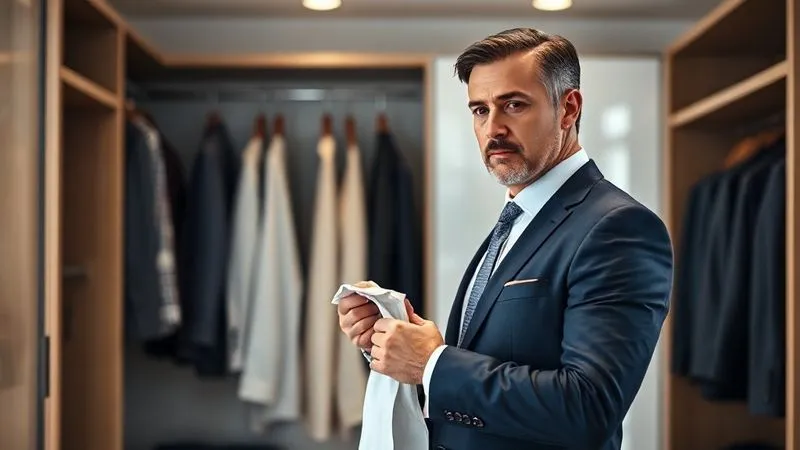
Phase 2: The Core Elements – Building Blocks of Executive Style
This is where we select the foundational pieces that form the backbone of your professional capsule wardrobe. Each item is chosen for its versatility, quality, and ability to project executive gravitas.
The Non-Negotiables: Suits & Blazers
Your suits and blazers are the armor of the modern executive. Focus on quality fabrics like wool (super 110s-130s for versatility) and impeccable tailoring. For colors, stick to the classics:
- Navy Suit (1-2): The ultimate versatile power suit. Easily dressed up or down.
- Charcoal Grey Suit (1): A sophisticated alternative to navy, equally versatile.
- Mid-Grey Suit (1): Excellent for slightly less formal, yet still professional, occasions.
- Navy Blazer (1): An indispensable piece for business casual pairings.
- Optional: Tan/Light Grey Blazer (1): For warmer climates or seasonal variation.
Ensure the fit is paramount; a well-fitting off-the-rack suit is infinitely better than an ill-fitting designer one. Pay attention to shoulder fit, sleeve length, and trouser break.
Versatile Shirts: The Workhorse of Your Wardrobe
Your shirts provide the canvas for your outfits. Prioritize crisp, clean lines and breathable fabrics like Egyptian cotton or poplin. Aim for:
- White Dress Shirts (3-4): Absolute essentials for any formal or business casual look.
- Light Blue Dress Shirts (2-3): Another foundational color that pairs effortlessly with most suits and blazers.
- Subtle Patterned Shirts (1-2): Think fine stripes or subtle checks to add visual interest without being distracting.
- Oxford Cloth Button-Downs (2): Perfect for elevated business casual or smart casual looks.
Focus on a spread or semi-spread collar for versatility with or without a tie, and ensure sleeves are long enough to show a hint of cuff under your jacket.
Trousers & Chinos: Smart Alternatives
Beyond suit trousers, a selection of versatile separates expands your outfit options dramatically. Look for wool trousers, cotton twills, or high-quality chinos.
- Grey Wool Trousers (1-2): Excellent to pair with a navy blazer or other sport coats.
- Navy Wool Trousers (1): Another versatile option for mixing and matching.
- Khaki/Stone Chinos (1-2): For smart casual environments, ensuring a sharp, tailored fit.
- Dark Wash, Unfaded Jeans (1): For very relaxed business casual, if appropriate for your industry.
Investment Footwear: Comfort Meets Authority
Shoes are often the first thing people notice. Invest in high-quality leather shoes that are comfortable for long days and polished enough for any executive setting. Aim for:
- Black Cap-Toe Oxfords (1): The quintessential formal business shoe.
- Dark Brown Oxfords or Derbies (1): Extremely versatile for navy, grey, and charcoal suits.
- Brown Loafers or Monk Straps (1): Excellent for business casual or smart casual looks.
- Optional: Clean White Leather Sneakers (1): For very modern, relaxed business casual if your environment allows.
Remember that proper shoe care – polishing, shoe trees, and rotation – is crucial for longevity.
| Item Category | Recommended Quantity | Key Colors | Versatility Rating (1-5) |
|---|---|---|---|
| Suits & Blazers | 3-4 | Navy, Charcoal, Grey | 5 |
| Dress Shirts | 6-8 | White, Light Blue, Subtle Patterns | 5 |
| Trousers & Chinos | 4-5 | Grey, Navy, Khaki | 4 |
| Footwear | 3-4 | Black, Dark Brown | 4 |
| Ties | 5-7 | Navy, Burgundy, Grey, Subtle Patterns | 5 |
| Belts | 2-3 | Black, Dark Brown | 5 |
Phase 3: The Supporting Cast – Elevating Your Ensemble
While core pieces form the structure, accessories are the details that elevate your executive presence, offering opportunities for subtle personal expression and refined polish.
Ties & Pocket Squares: The Personal Touch
Ties and pocket squares are your most visible opportunities for personal expression within a professional context. Select a range that complements your core suit and shirt colors. Aim for:
- Solid Silk Ties (3-4): Navy, burgundy, and a dark grey are indispensable.
- Subtle Patterned Ties (2-3): Think stripes, small dots, or muted plaids.
- Knit Ties (1-2): Excellent for adding texture to business casual looks.
- Linen or Cotton Pocket Squares (3-4): White is a must; add a few with subtle patterns or complementary colors.
Ensure your tie knots are neat and proportionate to your collar, and your pocket square folds are elegant, not ostentatious.
Belts & Watches: Functional Finesse
These are functional items that significantly contribute to a polished look. Always match your belt leather to your shoe leather, and your belt buckle to your watch casing (if possible).
- Black Leather Belt (1): To pair with black shoes.
- Dark Brown Leather Belt (1): To pair with brown shoes.
- High-Quality Dress Watch (1-2): A classic timepiece in silver or gold, with a leather strap or metal bracelet, speaks volumes about your attention to detail and appreciation for timeless elegance.
A minimalist, classic watch face is always a safe and sophisticated choice for an executive.
Outerwear: Making a Statement
Your outerwear is the first and last impression you make when entering or leaving a building. Invest in pieces that are as professional as your suits.
- Classic Wool Overcoat (1): In navy, charcoal, or camel, for colder months and formal occasions.
- Trench Coat (1): A timeless and versatile option for transitional weather, offering a sophisticated silhouette.
- Quilted or Field Jacket (1): For smart casual moments, ensuring it's well-fitted and clean.
These pieces not only protect you from the elements but also complete your overall executive aesthetic.
"True style for an executive isn't about flamboyant statements, but about the quiet confidence exuded through impeccable fit, quality materials, and meticulous attention to detail."
Phase 4: The Art of Interchangeability – Maximizing Your Pieces
The core philosophy behind a capsule wardrobe is maximizing outfit combinations with a minimal number of items. This phase is about strategically planning how your pieces will work together.
The 3-to-1 Rule: More Outfits, Fewer Items
For every core item (like a suit or blazer), aim for at least three complementary items (shirts, ties, trousers) that can be easily paired with it. This ensures that each piece in your wardrobe is a workhorse, not a "one-off." For instance, a navy blazer should pair seamlessly with white shirts, light blue shirts, grey wool trousers, khaki chinos, and various ties.
This systematic approach dramatically increases your outfit permutations, giving you a fresh look each day without needing an overflowing closet. It’s the engine of efficiency for a capsule wardrobe.
Color Palettes: Strategic Harmony
Stick to a core neutral palette (navy, grey, white, black, brown) and introduce accent colors sparingly through ties, pocket squares, or perhaps a subtle patterned shirt. This ensures everything coordinates effortlessly. When items are in a harmonious color family, mixing and matching becomes intuitive, eliminating guesswork and speeding up your morning routine.
Think about building outfits around a "base" color like navy or grey, then layering in lighter shades and textures. This creates depth and sophistication without complexity.
Layering for Versatility: From Boardroom to Business Casual
Layering is key to adapting your capsule wardrobe to different levels of formality and varying temperatures. A suit can be worn as a full ensemble for a formal meeting. The blazer can be removed, and the tie loosened for a slightly more relaxed atmosphere. The blazer can then be paired with tailored trousers or chinos for a business casual look, or even dark denim for a smart casual evening event.
Consider lightweight knitwear like merino wool sweaters or cardigans over your dress shirts for added warmth and a refined business casual option. This multi-purpose utility is what makes a capsule wardrobe so powerful for busy executives.
Case Study: How CEO Marcus Streamlined His Morning Routine
Marcus, a busy tech CEO, found himself facing decision fatigue every morning. Despite having a large wardrobe, he often felt he had "nothing to wear" and wasted valuable minutes deliberating. His existing clothes were a mix of impulse buys and outdated pieces, lacking cohesion. By adopting a core neutral palette (navy, charcoal, white, light blue) and a strict 3-to-1 interchangeability rule for his 20 essential items, Marcus completely transformed his routine.
He invested in 3 quality suits, 7 versatile shirts, 4 pairs of trousers, and 3 pairs of shoes, along with a curated selection of ties and accessories. Each morning, his choices were clear. He could effortlessly create 15+ distinct, professional outfits. This resulted in a remarkable 70% reduction in his daily dressing time, allowing him to allocate that mental energy to preparing for critical board meetings and strategic planning. Marcus reported feeling more confident and less stressed, attributing it directly to the clarity and efficiency of his new capsule wardrobe.
Phase 5: Quality Over Quantity – The Investment Mindset
When building a professional capsule wardrobe for busy executives, the focus shifts from accumulating items to investing in foundational pieces that offer longevity, superior appearance, and enduring style. This is where the true value lies.
Why Quality Matters for Executives
High-quality garments not only look better and fit more elegantly, but they also withstand the rigors of frequent wear and professional dry cleaning. Flimsy fabrics, poor stitching, or cheap materials will quickly show wear, requiring more frequent replacement and ultimately costing you more in time and money. For an executive, projecting an image of durability and excellence extends to every aspect, including your clothing.
An investment piece retains its shape, color, and texture, ensuring you consistently look sharp and put-together. It’s a silent testament to your discernment and respect for craftsmanship.
Fabrics That Last and Impress
When selecting pieces, prioritize natural fibers known for their durability, breathability, and luxurious feel:
- Wool: Especially merino wool for suits and trousers (Super 110s-130s are ideal for versatility and resilience). It drapes beautifully, resists wrinkles, and regulates temperature.
- Cotton: For shirts, look for Egyptian or Sea Island cotton for their strength, softness, and crispness. For chinos, a dense, high-quality cotton twill.
- Cashmere: For optional sweaters or scarves, offering unparalleled softness and warmth with minimal bulk.
- Silk: For ties and pocket squares, providing a luxurious sheen and drape.
These fabrics not only feel superior but also contribute to the longevity and aesthetic appeal of your wardrobe.
The Value of Tailoring: A Non-Negotiable
Even the most expensive garment will look cheap if it doesn't fit properly. Conversely, a moderately priced suit, expertly tailored, can look incredibly sophisticated. Tailoring is not a luxury; it's an essential investment for an executive wardrobe. Focus on achieving the perfect fit in the shoulders, chest, sleeve length, and trouser break.
A good tailor can transform an "off-the-rack" item into something that looks custom-made for you. This attention to detail speaks volumes about your professionalism and discernment. As often quoted by fashion icon Tom Ford, "Dressing well is a form of good manners." For executives, it's also a strategic asset.
To deepen your understanding of why strategic clothing investments are crucial for career advancement, consider this insightful article from Harvard Business Review on the psychology of dressing for success. It underscores how your attire impacts perception and performance.
Phase 6: Maintenance & Evolution – Sustaining Your Executive Capsule
A capsule wardrobe is a living system. It requires proper care and periodic adjustments to remain effective and reflect your evolving professional journey.
Proper Care for Longevity
The investment in high-quality pieces pays off only if they are cared for correctly. This includes:
- Dry Cleaning: Only when necessary for suits and wool trousers. Over-cleaning can damage fabrics. Spot clean minor stains.
- Washing Shirts: Follow care labels. Use quality detergents. Ironing is essential for a crisp finish.
- Shoe Care: Regular polishing, conditioning, and using shoe trees to maintain shape and absorb moisture. Rotate your shoes to allow them to rest and dry out.
- Storage: Use proper hangers (wooden for suits and jackets) to maintain garment shape.
These simple practices significantly extend the life and pristine appearance of your wardrobe items.
Seasonal Adjustments & Strategic Additions
While your core capsule remains consistent, minor seasonal adjustments are natural. Lighter weight wools, linens, or cottons might replace heavier fabrics in warmer months, or a trench coat might replace an overcoat. The key is strategic addition, not impulsive buying. When considering a new item, always ask: "Does this fit my defined executive persona? Is it versatile? Will it integrate seamlessly with my existing capsule?"
This disciplined approach ensures your wardrobe remains cohesive and purposeful, preventing the accumulation of redundant items.
Decluttering & Re-evaluating
At least once a year, revisit Phase 1: the audit. Re-evaluate your wardrobe against your current professional needs and lifestyle. Have your responsibilities changed? Has your industry's dress code evolved? Are there items that no longer fit, are worn out, or simply don't make you feel confident anymore?
This periodic decluttering ensures your capsule remains lean, relevant, and highly functional. It’s an act of continual refinement, ensuring your wardrobe is always a strategic asset.
Phase 7: Beyond the Wardrobe – The Executive Presence
While your professional capsule wardrobe provides the foundation, true executive presence extends beyond clothing. It encompasses a holistic approach to how you present yourself to the world.
Grooming & Personal Hygiene
An impeccable wardrobe is undermined by a lack of attention to personal grooming. This includes a sharp haircut, a well-maintained beard or a clean shave, manicured nails, and a subtle, professional fragrance. These details reinforce the image of a meticulous and self-aware leader. Consistency in your grooming routine is as important as the consistency in your style choices.
Remember, these are not optional add-ons; they are integral components of how you are perceived in high-stakes environments. They signal respect for yourself and for those you interact with.
Confidence & Body Language
The most expensive suit will fall flat without the confidence to carry it. Your posture, eye contact, handshake, and overall demeanor speak volumes. A capsule wardrobe, by eliminating dressing stress and ensuring you always look your best, naturally boosts your confidence. This newfound ease allows you to project authority and presence effortlessly.
Practice power poses, maintain open body language, and engage actively in conversations. Your clothes are an enabler; your inner confidence is the amplifier. For further insights into how non-verbal cues impact your professional relationships, explore this resource from Forbes on the importance of nonverbal communication in the workplace.
The Power of Simplicity
A professional capsule wardrobe for busy executives isn't just about efficiency; it's about embracing the power of simplicity. By distilling your options to a highly curated selection of quality, versatile pieces, you free yourself from the tyranny of excessive choice. This simplicity translates into mental clarity and allows you to focus on the strategic complexities of your executive role, rather than the superficialities of daily attire.
Embrace the elegance of understatement. Let your competence and character shine, supported by a wardrobe that quietly reinforces your stature, rather than distracting from it. The goal is to make your clothing an extension of your professional excellence, not a separate challenge.
To further refine your overall executive presence, consider this comprehensive guide from Psychology Today on making a great first impression, which covers aspects beyond just clothing.
| Aspect of Presence | Daily Check | Impact |
|---|---|---|
| Wardrobe Readiness | Clothes clean, ironed, well-fitted? | Professionalism, Authority |
| Grooming | Hair styled, nails trimmed, fresh scent? | Attention to Detail, Respect |
| Body Language | Confident posture, open gestures, firm handshake? | Confidence, Leadership |
| Communication | Clear articulation, active listening, thoughtful responses? | Intelligence, Engagement |
| Time Management | Punctual, prepared for meetings? | Reliability, Efficiency |
Frequently Asked Questions (FAQ)
How many items should be in an executive capsule wardrobe? While there's no magic number, a highly functional executive capsule wardrobe typically comprises 20-30 core items (excluding underwear, socks, and gym wear). This would include 3-4 suits/blazers, 6-8 shirts, 4-5 pairs of trousers/chinos, 3-4 pairs of shoes, and a selection of ties and accessories. The exact count depends on your specific professional needs and lifestyle, but the emphasis is always on versatility and interchangeability.
Can a capsule wardrobe work for different business casual levels? Absolutely. The strength of a well-constructed capsule wardrobe lies in its adaptability. By selecting versatile pieces in neutral colors, you can easily transition between different levels of business casual. For instance, a navy blazer with wool trousers and a dress shirt is elevated business casual, while the same blazer with tailored chinos and an Oxford cloth button-down is a more relaxed interpretation. Strategic layering and accessory choices dictate the formality.
What if my company's dress code is very specific? Even with a highly specific dress code, a capsule wardrobe approach remains invaluable. It helps you identify the essential items required by the code and ensures you have enough variations to avoid monotony, all while adhering strictly to guidelines. For example, if only navy and charcoal suits are permitted, you'd invest in 2-3 of each, then focus on diversifying your shirts, ties, and pocket squares within the approved color palette. The principle of quality over quantity and strategic mixing still applies.
How do I incorporate personal style without compromising professionalism? Personal style for an executive lies in the subtle details and nuances rather than overt statements. This could be through your choice of watch, the pattern on your tie, the texture of your pocket square, or a unique pair of cufflinks. It's about expressing individuality within the bounds of professionalism. Focus on impeccable fit, high-quality materials, and a consistent aesthetic that aligns with your leadership persona. Your personal style becomes a refined signature, not a distraction.
Is it really cost-effective in the long run? Yes, unequivocally. While the initial investment in high-quality, durable garments might seem higher, a capsule wardrobe is significantly more cost-effective in the long run. You buy fewer items, but those items last longer, require less frequent replacement, and offer more outfit combinations. This reduces wasteful impulse purchases and the need for constant wardrobe updates. Furthermore, the time saved and the confidence gained are invaluable returns on your investment.
Key Takeaways and Final Thoughts
Building a professional capsule wardrobe for busy executives is far more than a fashion exercise; it's a strategic move that impacts your efficiency, confidence, and overall executive presence. By embracing intentionality and quality, you transform your wardrobe from a source of daily stress into a powerful asset.
- Prioritize Clarity: Understand your professional needs and personal style archetype before making any purchases.
- Invest in Quality: Focus on durable, natural fabrics and impeccable tailoring; these pieces are long-term assets.
- Embrace Versatility: Select items that can be mixed and matched effortlessly, maximizing your outfit combinations.
- Maintain Diligently: Proper care and periodic audits ensure your capsule remains effective and relevant.
- Holistic Presence: Remember that grooming, confidence, and body language amplify the impact of your impeccable attire.
I encourage you to embark on this journey with purpose. Reclaim your mornings, sharpen your image, and free your mental energy for the critical decisions that define your executive leadership. Your wardrobe should serve you, not the other way around. By applying these principles, you'll not only look the part but truly embody the confident, authoritative leader you are.
Recommended Reading
- 5 Steps: Choose a Luxury Watch That Elevates Your Executive Presence
- Why Couture Costs Millions: 7 Pillars Justifying Extreme Prices
- Unlock the Secrets: Your Ultimate Guide to Commissioning Haute Couture
- 7 Steps: Design Kids' Clothes for Extreme Durability & Appeal
- How to Evolve Haute Couture: 7 Strategies to Preserve Brand DNA




Your email address will not be published. Required fields are marked *