

What are the Steps to Commissioning a Bespoke Haute Couture?
Imagine a garment that fits you not just perfectly, but as if it were a second skin, a piece of wearable art that embodies your unique essence and style. This is the promise of bespoke haute couture – a realm where fashion transcends mere clothing to become a profound expression of individuality and unparalleled craftsmanship. It's a journey into exclusivity, artistry, and meticulous attention to detail, far removed from the racks of ready-to-wear.
Yet, for many, the world of haute couture remains shrouded in mystery, an elusive domain reserved for a select few. How does one even begin to navigate this rarefied atmosphere? What is the actual process, from the first spark of an idea to the moment you slip into your custom-made masterpiece? So, what are the steps to commissioning a bespoke haute couture creation?
This comprehensive guide is designed to demystify that very journey. We will meticulously outline each crucial step, providing an insider's perspective on the intricate process of creating a custom haute couture garment. By the end of this reading, you will understand the dedication, artistry, and collaboration involved in bringing a sartorial dream to life.
The Allure of Haute Couture: More Than Just Clothing
Defining Bespoke Haute Couture
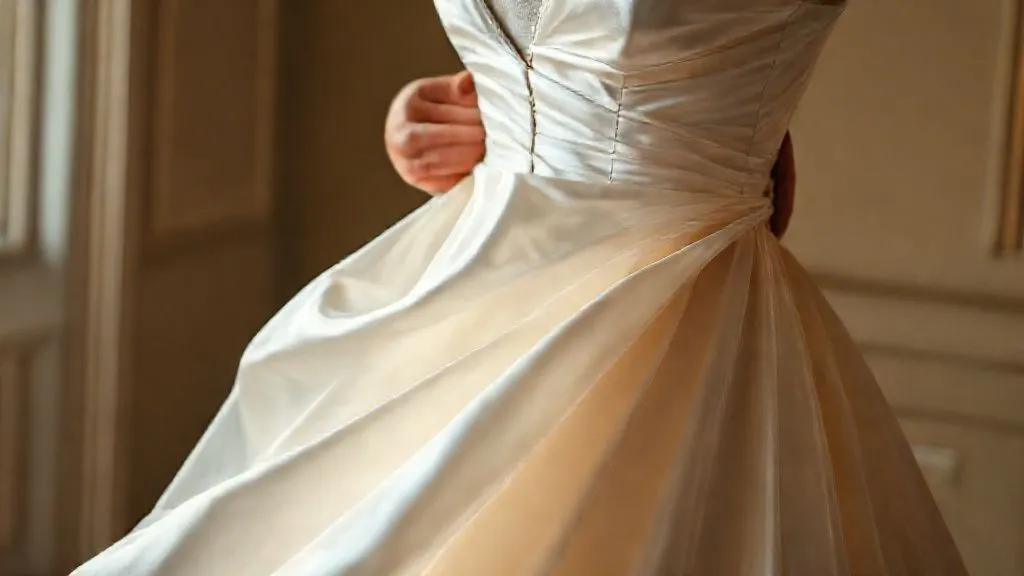
Haute couture, a term protected by French law, refers to the creation of exclusive custom-fitted clothing. It is hand-made from beginning to end, using high-quality, expensive, often unusual fabrics and executed with extreme attention to detail and finish, often using time-consuming, hand-executed techniques. Bespoke haute couture specifically implies a garment made to the client's exact measurements and specifications, a truly unique piece tailored solely for them.
This isn't just about luxury; it's about artistry. Each stitch, every embellishment, and the very structure of the garment are executed by highly skilled artisans, known as 'petites mains,' who dedicate hundreds, sometimes thousands, of hours to a single piece. The process is a testament to human ingenuity and dedication, preserving techniques that are centuries old while pushing the boundaries of contemporary design.
Why Choose Bespoke?
The decision to commission a bespoke haute couture piece is driven by desires that go beyond simply owning a beautiful dress or suit. Firstly, it guarantees an unparalleled fit that off-the-rack garments can never achieve. The garment molds to your body, enhancing your silhouette and ensuring ultimate comfort.
Secondly, it offers complete creative freedom. You are not just buying a design; you are participating in its creation, ensuring it perfectly reflects your personal style, vision, and the specific occasion for which it is intended. Finally, a bespoke couture piece is an investment – not just financially, but as a potential heirloom, a tangible piece of art that tells a story and holds significant personal value. It is sustainability through longevity and timelessness.
Step 1: The Initial Consultation – Laying the Foundation
Finding Your Atelier or Designer
The first critical step in commissioning a bespoke haute couture piece is selecting the right atelier or designer. This requires thorough research. Look for designers whose aesthetic aligns with your personal style and the vision you have for your garment. Explore their portfolios, read reviews, and understand their signature craftsmanship. Reputation, experience, and a strong client relationship are paramount.
Many renowned couture houses operate by appointment only and cater to a discerning clientele. It's advisable to approach this selection process with the same diligence you would for any significant artistic commission. Consider whether you prefer a large, established house with a team of specialists or a smaller, independent atelier offering a more intimate experience.
The First Meeting: Vision and Budget
The initial consultation is a pivotal moment where your dream begins to take shape. This meeting is typically held in a private salon at the designer's atelier. You will discuss your ideas, inspirations, and the specific occasion for which the garment is intended. Bring visual references, such as images, fabrics, or even abstract concepts, to help convey your vision effectively.
Crucially, this is also the time to have an open and honest conversation about your budget and timeline. Haute couture is a significant investment, and prices vary widely based on complexity, materials, and the designer's standing. A reputable atelier will provide a clear estimate and explain the factors influencing the cost. Understanding these parameters upfront ensures a transparent and realistic journey forward. According to the Fédération de la Haute Couture et de la Mode, the official body that regulates haute couture, transparency in client relations is a hallmark of true couture.
Step 2: Design Conceptualization and Sketching – Bringing Ideas to Life
Collaborative Design Process
Following the initial consultation, the designer will translate your vision into tangible concepts. This is a highly collaborative phase. The designer will present initial sketches, mood boards, and fabric swatches that capture the essence of your desired garment. They will interpret your inspirations through their artistic lens, often suggesting innovative silhouettes, details, or embellishments you might not have considered.
This back-and-forth ensures that the final design is a true reflection of your personality and the designer's unique aesthetic. You will review and provide feedback on these preliminary designs, refining the silhouette, neckline, sleeve type, and overall structure. It's a dynamic partnership where ideas are exchanged and refined until a definitive design direction is established.
Material Selection: The Heart of Couture
Once the design concept is solid, attention turns to the materials. This is where the true luxury of haute couture often shines. Designers source the finest and often rarest fabrics from around the world – silks, laces, brocades, velvets, and exotic skins. Each fabric is chosen not just for its beauty but for how it drapes, moves, and holds the garment's intended shape.
Embellishments, from intricate hand-beading and embroidery to delicate appliques and feathers, are also selected at this stage. These elements often require specialized artisans and can significantly impact the garment's final appearance and cost. The choice of materials is crucial, as they dictate the garment's feel, weight, and how it interacts with light, ultimately contributing to its unique character.
Step 3: Measurement and Toile Creation – The Blueprint of Perfection
Precision Measurements
With the design agreed upon, the next step involves taking a comprehensive set of measurements. This goes far beyond a simple bust, waist, and hip measurement. A couture atelier will take dozens of precise measurements, accounting for every curve, contour, and nuance of your body. They may also assess your posture, shoulder slope, and even how you typically stand or move, all to ensure an impeccable fit.
These detailed measurements are the foundation upon which the entire garment will be built. They allow the atelier to create a pattern that is uniquely yours, ensuring that every seam, dart, and panel aligns perfectly with your individual physique. This meticulous approach is a hallmark of bespoke craftsmanship, setting it apart from even the most high-end ready-to-wear.
The Toile: A Muslin Prototype
Before any precious fabric is cut, a 'toile' (pronounced 'twahl') is created. This is a prototype of the garment, typically made from inexpensive cotton muslin. The toile allows the designer and client to visualize the design in three dimensions and, more importantly, to perfect the fit without risking expensive materials. It acts as a three-dimensional blueprint for the final garment.
Your first fitting will often be with the toile. During this session, the designer and their team will pin, tuck, and adjust the muslin directly on your body. This is a crucial opportunity to assess the silhouette, proportions, and comfort. Any adjustments, no matter how minor, are noted and transferred back to the original pattern. This iterative process ensures that the final garment will meet the exacting standards of haute couture.
Step 4: Crafting the Garment – The Art of the Atelier
Handcraftsmanship and Attention to Detail
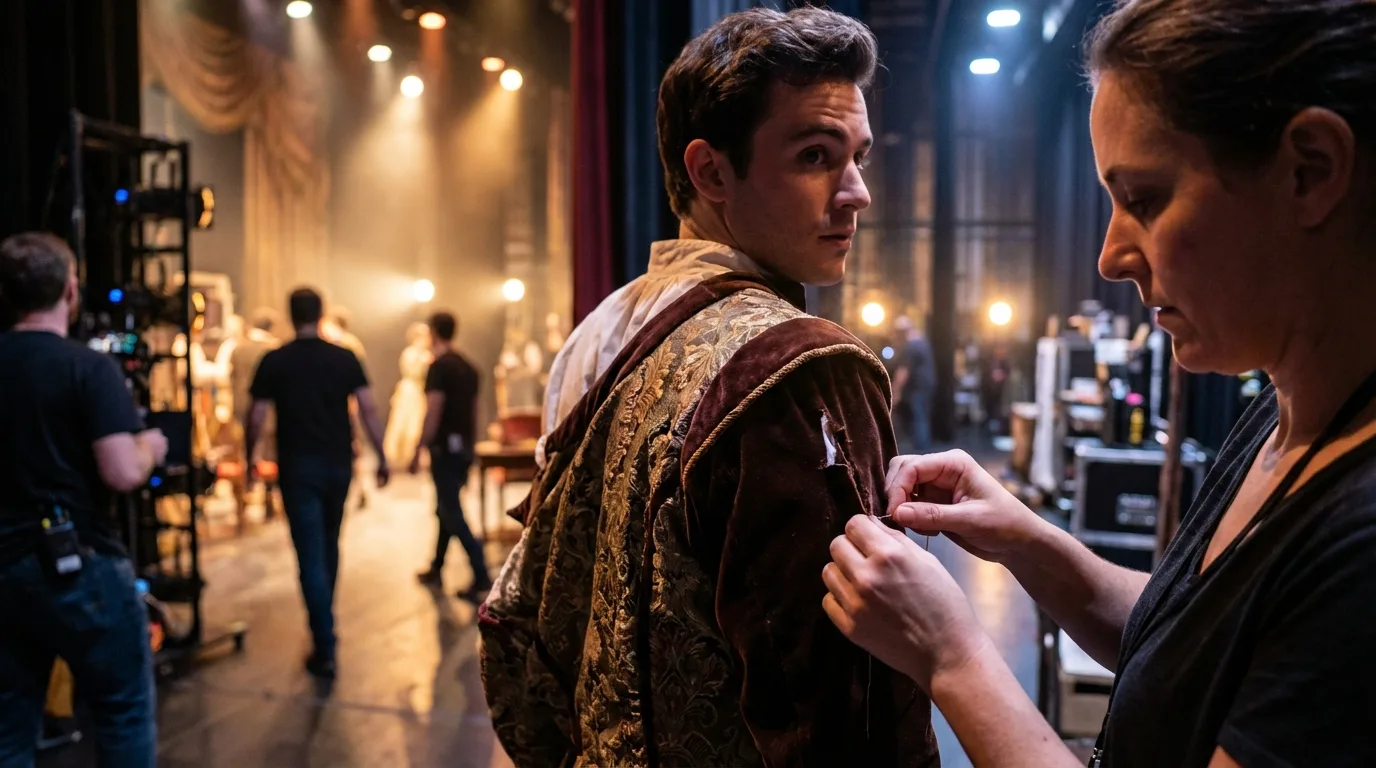
Once the toile is perfected, the real magic begins in the atelier. This is where the 'petites mains' – highly skilled seamstresses, tailors, embroiderers, and specialists – meticulously bring the design to life. Each panel of the chosen luxurious fabric is cut by hand, often after being carefully laid out to maximize pattern alignment and minimize waste. The construction of a couture garment is almost entirely by hand, with machine stitching used only where absolutely necessary for structural integrity.
The hours dedicated to a single couture piece are staggering. A simple day dress might take hundreds of hours, while an elaborate evening gown or wedding dress could require thousands. This includes intricate internal construction, hand-sewn seams, delicate linings, and the precise placement of every embellishment. This level of dedication ensures that the garment is not only beautiful on the outside but flawlessly finished within, a true work of art from every angle.
Multiple Fittings and Adjustments
The journey of commissioning a bespoke haute couture piece involves several fittings after the toile. Typically, clients will have two to three live fittings, but more complex designs or specific client needs can necessitate additional sessions. These fittings are essential for fine-tuning the garment as it progresses from its initial construction to near completion.
During these sessions, you will try on the garment as it is being built, allowing the designer to make minute adjustments to the fit, drape, and balance. This iterative process allows for perfection. It's a collaborative dance between client and atelier, ensuring every detail, from the length of a hem to the placement of a button, meets the highest standards of precision and your personal preference. Client feedback at this stage is invaluable, guiding the artisans to achieve the ultimate bespoke fit.
Step 5: Embellishment and Finishing Touches – The Grand Finale
The Art of Embellishment
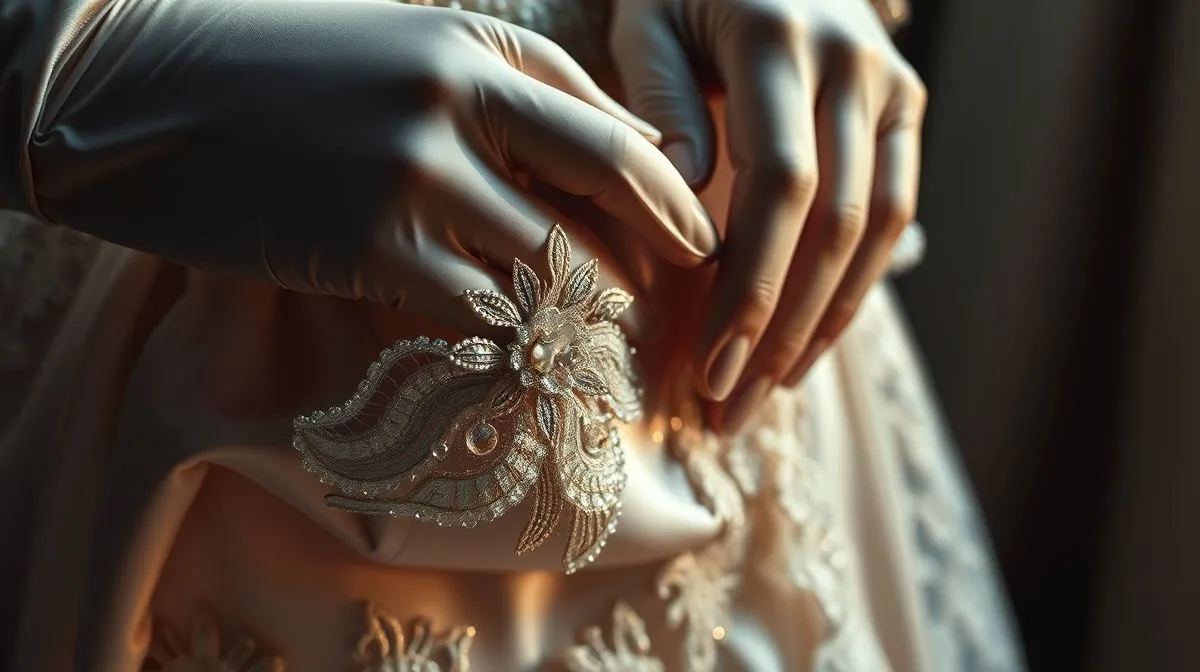
As the garment's structure nears completion, the focus shifts to embellishment – a hallmark of haute couture. This is often where the garment truly transforms into a dazzling masterpiece. Skilled embroiderers, beaders, and feather workers painstakingly apply thousands of sequins, beads, crystals, pearls, and other decorative elements by hand. These intricate details can take hundreds, if not thousands, of hours themselves, adding incredible depth, texture, and sparkle to the piece.
Beyond traditional embellishments, couture ateliers are renowned for innovative techniques, such as laser-cutting, fabric manipulation, and custom textile creation. Every decorative element is thoughtfully integrated into the overall design, enhancing its narrative and visual impact. This stage truly showcases the unparalleled artistry and dedication of the couture artisans.
Final Review and Delivery
The final fitting is a moment of anticipation and triumph. The garment is now complete, with all embellishments, linings, and finishing details in place. You will try on the finished piece for a last review, ensuring everything is perfect. This is the moment to appreciate the culmination of weeks or months of collaboration and meticulous craftsmanship. Any final, minor adjustments will be made swiftly.
Once you are completely satisfied, the garment is meticulously prepared for delivery. It is often presented in a custom garment bag, accompanied by specific care instructions to ensure its longevity. Receiving your bespoke haute couture piece is not just acquiring a new item of clothing; it's welcoming a unique work of art into your life, a tangible symbol of exceptional design and unparalleled personal luxury.
Navigating the Nuances: Tips for a Seamless Couture Journey
Communication is Key
Throughout the entire commissioning process, maintaining clear and open communication with your atelier is paramount. Don't hesitate to ask questions, express concerns, or provide feedback at every stage. A good designer will welcome your input and ensure you feel heard and understood. This collaborative spirit is what truly defines a successful bespoke experience.
Be specific about your needs, your lifestyle, and any practical considerations for wearing the garment. The more information you provide, the better equipped the atelier will be to create a piece that perfectly suits you. Remember, this is a partnership, and effective dialogue ensures a smooth and enjoyable journey.
Patience and Trust
The creation of a bespoke haute couture garment is a lengthy process, often spanning several months. Patience is not just a virtue but a necessity. Each step, from design to the final stitch, demands time, precision, and artistry. Rushing the process can compromise the quality and attention to detail that defines couture.
Equally important is trust in the expertise of your chosen designer and their team. They are masters of their craft, with years of experience and an innate understanding of fabric, form, and silhouette. While your input is vital, allowing the professionals to guide you with their knowledge will ultimately lead to a more exquisite and successful outcome.
Understanding the Investment
Commissioning haute couture is a significant financial investment, often starting in the tens of thousands of dollars and escalating into the hundreds of thousands for complex pieces. However, it's crucial to view this not merely as an expense, but as an investment in unparalleled quality, unique artistry, and a piece of fashion history. Unlike fast fashion, couture is designed to last a lifetime, becoming an heirloom rather than a fleeting trend.
The value extends beyond the monetary. It's an investment in a personalized experience, a connection with artisans, and the creation of something truly unique that reflects your identity. Understanding what are the steps to commissioning a bespoke haute couture helps appreciate the profound value behind each garment.
Frequently Asked Questions (FAQ)
How long does the haute couture commissioning process typically take? The process generally takes anywhere from three to six months, sometimes longer for highly complex garments or during peak seasons. It depends on the design's intricacy, the number of fittings required, and the atelier's schedule.
Is bespoke haute couture only for celebrities or special occasions? While often associated with celebrities and red-carpet events, bespoke haute couture is for anyone who desires a unique, perfectly fitted garment created with unparalleled craftsmanship. It can be for weddings, galas, or simply for those who appreciate the highest form of sartorial art.
What's the difference between bespoke haute couture and made-to-measure? Made-to-measure garments are adapted from existing patterns to fit a client's specific measurements, with limited design modifications. Bespoke haute couture, however, is entirely custom-made from a unique pattern created specifically for the client, offering complete creative freedom and an unmatched level of handcraftsmanship and fit.
Can I bring my own design ideas to a couture atelier? Absolutely. Couture ateliers encourage clients to bring their inspirations, sketches, or any ideas they have. The designer will then collaborate with you to translate these ideas into a wearable design that aligns with the atelier's aesthetic and technical capabilities.
How much does a bespoke haute couture garment cost? The cost varies dramatically based on the designer, the complexity of the design, the fabrics used, and the amount of hand-embellishment. Prices can range from €10,000 to well over €100,000, with elaborate wedding gowns or evening wear potentially reaching significantly higher figures. For more context on the historical and economic aspects, consider reviewing the Wikipedia page on Haute Couture.
Recommended Reading
- Haute Couture Consultations: Ask These Questions!
- The Ultimate Guide: How to Get Your Fashion Photos Published in Top Magazines
- Unveiling the Secrets: What Techniques Elevate Haute Couture Craftsmanship?
- Unveiling the Past: How to Achieve Historical Accuracy in 18th-Century Fashion
- Unlock Your Star Style: How to Choose Celebrity Eyewear for Your Face Shape
Conclusion
The journey of commissioning a bespoke haute couture garment is a testament to the enduring power of human artistry and personal expression. It is a meticulous, collaborative, and deeply personal process that culminates in a piece of clothing unparalleled in fit, quality, and design. From the initial spark of an idea to the final, perfect stitch, each step is a careful dance between client vision and artisan skill.
Understanding what are the steps to commissioning a bespoke haute couture reveals not just a manufacturing process, but a profound artistic endeavor. It's an investment in beauty, heritage, and a unique narrative woven into fabric. As you embark on or simply contemplate this exquisite journey, remember that you are not just acquiring a garment; you are participating in the creation of a timeless masterpiece, a true reflection of your unique style and a celebration of the highest form of fashion craftsmanship. Explore further the artistry and craft involved in couture by visiting resources like the Victoria and Albert Museum's insights on Haute Couture.

Your email address will not be published. Required fields are marked *