


How to Prevent Razor Burn Before an Important Interview?
For over 15 years in the menswear grooming space, I’ve witnessed countless men undermine their confidence not with a shaky handshake or a fumbled answer, but with something far more visible and preventable: a face marred by razor burn. I've seen the subtle shift in demeanor, the unconscious tendency to touch the irritated skin, and the silent anxiety it breeds right when you need to be at your peak.
Razor burn isn't just a cosmetic annoyance; it's a confidence killer, especially on a day as high-stakes as an important interview. That angry redness, those tiny bumps, and the persistent itch can distract you, detract from your polished appearance, and ultimately, impact the crucial first impression you're striving to make. It’s a problem that's often dismissed as 'just part of shaving,' but I assure you, it doesn’t have to be.
Today, I’m going to share with you a definitive, expert-backed framework on how to prevent razor burn before an important interview. We'll dive deep into the science, the tools, and the techniques that will empower you to achieve a perfectly smooth, irritation-free shave every single time. Get ready to transform your grooming routine and step into that interview with unwavering confidence, knowing your skin is as sharp as your resume.
Understanding the Enemy: What Exactly is Razor Burn?
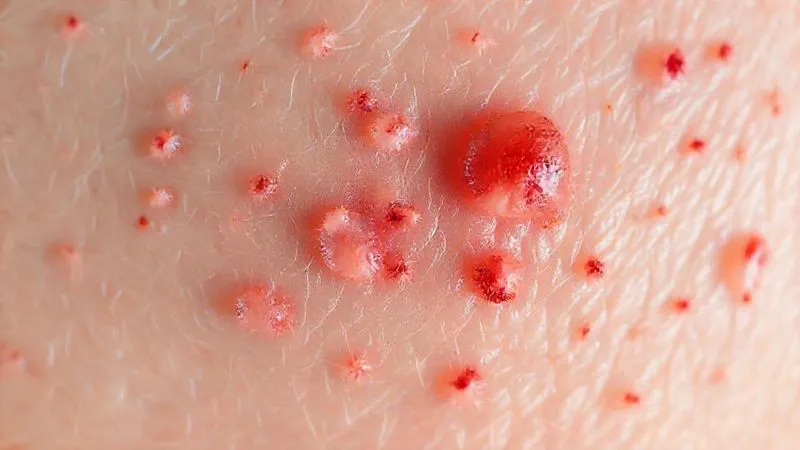
Before we can conquer razor burn, we must understand what it is and why it happens. It’s more than just a red patch; it’s an inflammatory response of your skin, a cry for help from overworked and improperly treated follicles. When a sharp razor blade glides across your skin, it doesn’t just cut hair; it also removes a microscopic layer of skin cells, and if done incorrectly, can irritate hair follicles, leading to inflammation.
The Science Behind the Scorch
Razor burn, clinically known as pseudofolliculitis barbae, is often caused by a combination of factors: dull blades, aggressive shaving techniques, dry shaving, or shaving against the grain. Each pass of the blade can drag, pull, and nick the skin, creating micro-abrasions. These tiny injuries, coupled with the hair follicle being pulled and then cut, can lead to irritation, redness, and those tell-tale red bumps. It's your skin's way of saying 'ouch!'
"Razor burn is a clear signal that your shaving technique or tools need an overhaul. Your skin barrier is compromised, making it susceptible to inflammation and infection."
Understanding this biological response is the first step to truly preventing it. We’re not just treating symptoms; we’re addressing the root causes to ensure your skin remains calm and collected, even under the pressure of an impending interview.
The Pre-Shave Ritual: Setting the Stage for Success
The secret to preventing razor burn isn't just in the shave itself, but in the meticulous preparation that precedes it. Think of it as warming up before a big game – you wouldn’t just sprint onto the field without stretching, would you? Your skin deserves the same respect.
Step 1: Warm Water & Cleanse
Always start with a warm shower or by applying a warm, damp towel to your face for a few minutes. This softens your beard hairs, making them easier to cut, and opens up your pores. Following this, use a gentle, non-drying facial cleanser. This removes dirt, oil, and dead skin cells that can clog your razor and lead to irritation.
Step 2: Exfoliation - Gently Does It
A mild exfoliant, used 2-3 times a week (not on the day of the interview if your skin is particularly sensitive), can prevent ingrown hairs and ensure a smoother surface for your razor. Opt for a chemical exfoliant with salicylic acid or a very fine physical scrub. On interview day, skip aggressive exfoliation to avoid over-sensitizing your skin.
Step 3: The Power of Pre-Shave Oil
This is a game-changer. A high-quality pre-shave oil creates a protective barrier between your skin and the blade, allowing the razor to glide more smoothly and reducing friction. It also provides extra lubrication, further softening the whiskers. Apply a few drops and massage gently into your beard area.
Here's your actionable pre-shave checklist:
- Warm Water Prep: Take a warm shower or use a hot towel for 3-5 minutes to soften hairs.
- Gentle Cleanse: Wash your face with a mild, hydrating facial cleanser to remove impurities.
- Apply Pre-Shave Oil: Massage 2-3 drops of quality pre-shave oil onto your beard area.
Master Your Tools: Choosing the Right Razor & Shaving Cream
Your tools are half the battle. A dull blade or an inadequate shaving cream can turn a smooth shave into a battleground for your skin. Invest wisely; your face will thank you.
Blade Choice: Multi-Blade vs. Single Blade vs. Electric
While multi-blade razors promise a closer shave, they can also cause more irritation by lifting and cutting the hair beneath the skin's surface, leading to ingrown hairs. For sensitive skin prone to razor burn, I often recommend a single-blade safety razor or a quality electric shaver. Single blades cut the hair at the surface without tugging, while electric shavers offer a less aggressive shave overall.
| Razor Type | Pros | Cons |
|---|---|---|
| Multi-Blade Cartridge | Convenience, quick shave | High irritation risk, ingrown hairs, expensive refills |
| Single-Blade Safety Razor | Minimal irritation, precise cut, cost-effective blades | Steeper learning curve, slower shave |
| Electric Shaver (Foil/Rotary) | Very low irritation, fast, dry or wet shave options | Less close shave, initial cost, battery dependence |
Shaving Cream: Lather Up for Protection
Never, ever dry shave. A rich, moisturizing shaving cream or gel is paramount. Look for formulas that contain glycerin, aloe vera, and essential oils, and importantly, are alcohol-free. Alcohol can dry out and irritate the skin, exacerbating razor burn. A good lather lifts the hairs, provides lubrication, and creates a protective cushion against the blade. Apply liberally and ensure full coverage.
"A sharp blade is your best friend, but a dull blade is your skin's worst enemy. Change your cartridge frequently, typically every 5-7 shaves, or replace your safety razor blade after 2-3 uses for optimal performance and minimal irritation."
For more insights on choosing the right shaving products for sensitive skin, consider consulting resources like the American Academy of Dermatology's shaving tips, which emphasize the importance of proper product selection.
The Shaving Technique: A Gentle Art for Sensitive Skin
Even with the best prep and tools, improper technique can still lead to razor burn. This is where precision and patience come into play. Remember, you’re aiming for efficiency and gentleness, not brute force.
Shave with the Grain, Not Against It
This is perhaps the most crucial rule for preventing razor burn. Shaving against the grain (the direction your hair grows) provides a closer shave but significantly increases the risk of irritation and ingrown hairs. For your interview, prioritize comfort over an impossibly close shave. Make short, light strokes in the direction of hair growth. If a second pass is needed for a closer shave, reapply shaving cream and shave across the grain (perpendicular to hair growth), never directly against it.
Light Pressure is Key
Let the razor do the work. If you’re pressing down hard, your blade is likely dull, or your technique is too aggressive. Excessive pressure drags the blade across the skin, causing friction and micro-abrasions. A light touch is all that’s needed for a sharp blade to cut hair effectively.
Rinse Blades Frequently
After every one or two strokes, rinse your razor under warm running water. This prevents hair and shaving cream from clogging the blades, ensuring a clean, efficient cut. A clogged blade is essentially a dull blade, forcing you to use more pressure and increasing irritation.
Your step-by-step shaving technique:
- Apply Lather: Ensure a thick, even layer of shaving cream covers the entire area.
- First Pass (With the Grain): Use short, light strokes in the direction of hair growth. Rinse razor frequently.
- Re-lather (Optional): If a closer shave is desired, reapply shaving cream.
- Second Pass (Across the Grain): Shave perpendicular to hair growth, if necessary, maintaining light pressure.
- Avoid Multiple Passes: Minimize the number of times the blade touches any single area.
The Post-Shave Protocol: Soothing and Protecting
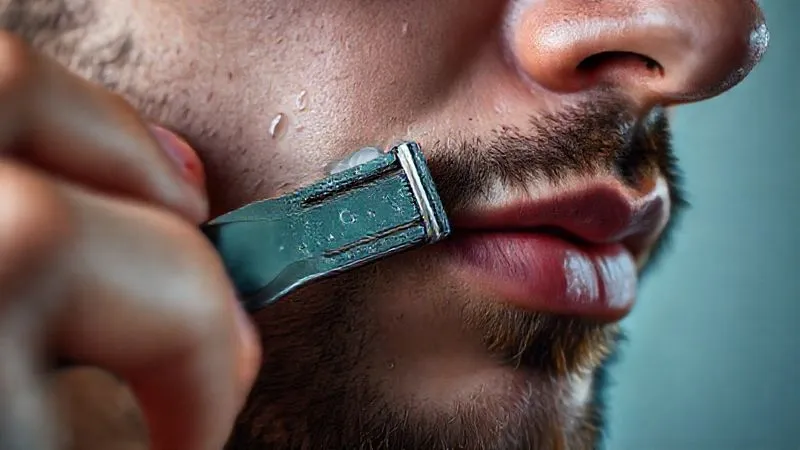
The shave isn't over when the last hair is cut. The post-shave routine is critical for calming the skin, reducing inflammation, and locking in moisture. This is where you prevent razor burn from even thinking about appearing.
Cold Rinse & Pat Dry
Immediately after shaving, rinse your face with cold water. This helps to close pores, constrict blood vessels, and reduce any residual inflammation. Gently pat your face dry with a clean, soft towel. Do not rub, as this can further irritate sensitive skin.
The Essential Aftershave Balm
Forget alcohol-laden aftershaves that sting and dry out your skin. What you need is a soothing, hydrating aftershave balm. Look for ingredients like aloe vera, chamomile, allantoin, and hyaluronic acid. These components actively reduce redness, calm irritation, and promote healing. Apply a generous amount evenly over the shaved area.
"An alcohol-free aftershave balm is non-negotiable. It's not just about comfort; it's about repairing and protecting your skin's natural barrier after the stress of shaving."
Moisturize for Lasting Comfort
Even after a balm, a good moisturizer can provide an extra layer of hydration and protection, especially if your skin tends to be dry. Choose a non-comedogenic (won't clog pores) moisturizer that suits your skin type. This step seals in moisture, keeps your skin supple, and helps maintain its integrity throughout the day.
For more detailed information on skincare ingredients beneficial for post-shave care, resources like Mayo Clinic's guide on razor bumps often highlight soothing and anti-inflammatory compounds.
Advanced Strategies & Troubleshooting for Persistent Irritation
Sometimes, despite your best efforts, your skin might still be a little sensitive. Here are some advanced tips and a contingency plan for the big day.
The Interview Day Emergency Kit
- Hydrocortisone Cream (1%): A tiny dab can significantly reduce redness and inflammation in a pinch. Use sparingly and only if absolutely necessary.
- Aloe Vera Gel: Pure aloe vera can provide instant cooling relief. Keep a small tube handy.
- Concealer (optional): If you have a particularly stubborn red spot, a small amount of green-tinted concealer (to counteract redness) followed by a skin-toned one can work wonders. Practice applying it beforehand!
Diet and Hydration's Role in Skin Health
What you put into your body directly impacts your skin. Ensure you’re well-hydrated by drinking plenty of water, and maintain a balanced diet rich in antioxidants (fruits, vegetables) and healthy fats (omega-3s). These contribute to overall skin health, making it more resilient and less prone to inflammation.
Understanding the broader impact of lifestyle on skin health is crucial. For further reading on how diet and hydration affect your skin, reputable sources such as Harvard Health Publishing on skin care offer valuable insights.
Case Study: How Mark Secured His Dream Job by Conquering Razor Burn
Mark, a rising talent in the finance sector, had his dream interview scheduled. However, his sensitive skin was prone to severe razor burn, often leaving him self-conscious. In preparation, he adopted my recommended routine: a warm shower, pre-shave oil, a fresh single-blade razor, and a meticulous shave *with* the grain. He swapped his harsh aftershave for an alcohol-free balm and followed up with a light moisturizer. The morning of the interview, his skin was calm and clear. This newfound comfort translated into unwavering confidence during his interview, allowing him to focus entirely on his answers and connect genuinely with the hiring manager. He landed the job, attributing a significant part of his success to feeling completely at ease and present, unburdened by skin irritation.

Frequently Asked Questions (FAQ)
Q: Can I use an electric shaver to avoid razor burn? A: Absolutely. Electric shavers, particularly foil types, are excellent for sensitive skin as they create a barrier between the blades and your skin, significantly reducing direct contact and irritation. However, ensure your skin is clean and dry for best results, and clean the shaver regularly. It might not give as close a shave as a wet razor, but the reduction in razor burn risk is often worth it for important occasions.
Q: How quickly can razor burn disappear? A: Mild razor burn can subside within a few hours to a day with proper post-shave care (cold compress, soothing balm). More severe cases with significant redness and bumps might take 2-3 days to fully resolve. Consistent preventative measures are key to avoiding it altogether.
Q: What ingredients should I look for in an aftershave balm? A: Prioritize ingredients known for their calming and hydrating properties. Look for aloe vera, chamomile, allantoin, bisabolol, hyaluronic acid, and shea butter. Avoid products with alcohol, strong fragrances, or menthol, which can irritate sensitive skin.
Q: Is it better to shave the night before or the morning of the interview? A: For most men, shaving the night before is often ideal. This gives your skin several hours to recover and any minor redness to subside completely. If you shave the morning of, ensure you allow ample time for your full pre- and post-shave routine, and consider a slightly less close shave to minimize irritation risk.
Q: What if I accidentally get razor burn anyway? A: Don't panic. Immediately apply a cold compress to the affected area for 5-10 minutes. Follow with a generous layer of an alcohol-free, soothing aftershave balm or pure aloe vera gel. If redness persists, a tiny dab of 1% hydrocortisone cream can offer quick relief. Avoid touching the area and let your skin breathe.
Key Takeaways and Final Thoughts
Navigating the world of men's grooming, especially when high stakes like a job interview are involved, requires precision, knowledge, and the right tools. Preventing razor burn is not about luck; it's about a systematic approach to skincare and shaving.
- Prioritize Preparation: Warm water, cleanse, and pre-shave oil are non-negotiable.
- Choose Wisely: Invest in a sharp, appropriate razor (single-blade or electric) and an alcohol-free shaving cream.
- Master Your Technique: Always shave with the grain, use light pressure, and rinse your blade frequently.
- Soothe and Protect: Follow with a cold rinse, an alcohol-free aftershave balm, and a good moisturizer.
- Be Prepared: Have an emergency soothing agent on hand, just in case.
Remember, your appearance is a reflection of your attention to detail, and a confident, irritation-free face speaks volumes. By integrating these expert strategies into your routine, you're not just preventing razor burn; you're investing in your self-assurance. Step into that interview with your head held high, knowing you've mastered every detail, right down to the flawless shave. Go get that job!
Recommended Reading
- 7 Expert Adjustments: How Fashion Shoes Become Truly Orthotic-Friendly
- 7 Proven Steps: Authenticate Rare Vintage Luxury Handbags with Confidence
- 7 Steps to Verify Ethical Labor in Sustainable Garment Sourcing: An Urgent Guide
- 5 Proven Ways: Eliminate Persistent Foot Odor from Men's Dress Shoes Instantly?
- 7 Steps: Evolve Your Fashion Blog Into Lifestyle (Keep Your Audience!)




Your email address will not be published. Required fields are marked *