

How to Reliably Authenticate Rare Vintage Luxury Handbags?
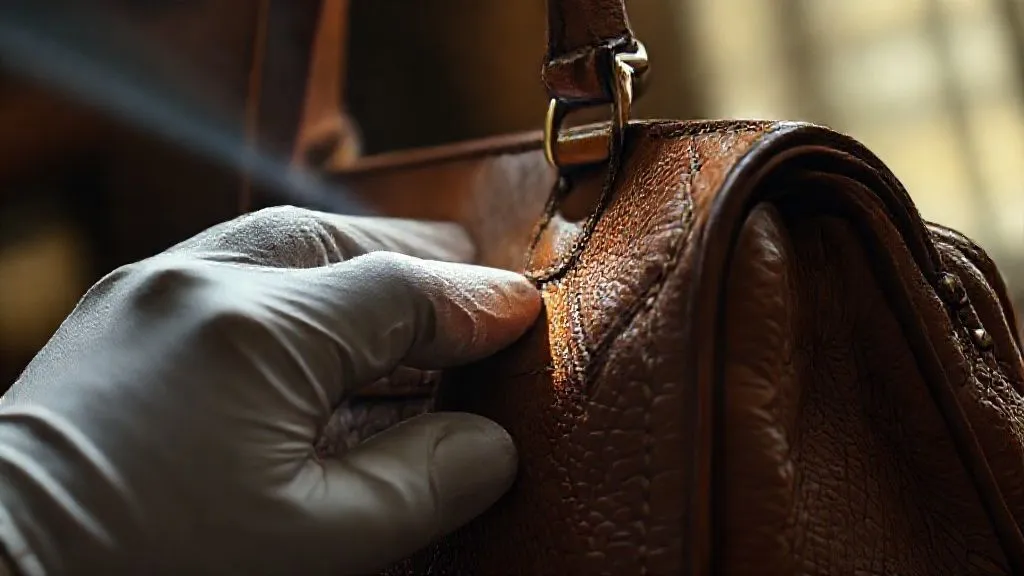
For over two decades in the vibrant world of vintage luxury, I've had the privilege of handling countless exquisite pieces – from the iconic Hermès Birkin to the timeless Chanel flap bag. I've also witnessed, with a heavy heart, the increasing sophistication of counterfeiters, making the authentication process more critical and complex than ever before.
The thrill of finding that rare, pre-owned luxury handbag is unparalleled, but it's often shadowed by the pervasive fear of inadvertently purchasing a fake. This isn't just about financial loss; it's about the emotional disappointment and the erosion of trust in a market built on passion and heritage.
In this comprehensive guide, I will share my accumulated knowledge and a multi-layered, expert framework designed to equip you with the confidence to reliably authenticate rare vintage luxury handbags. We'll delve beyond the superficial, exploring the brand-specific nuances, the tactile indicators, and the crucial insights that only years of experience can truly teach.
The Shifting Sands of the Pre-Owned Luxury Market
The global market for pre-owned luxury goods has exploded, valued at an estimated $33 billion in 2021 and projected to reach $51 billion by 2026, according to a report by Deloitte. This boom is fueled by sustainability trends, the desire for unique vintage pieces, and the investment potential of certain iconic items. However, this growth has also unfortunately attracted a darker side: highly organized and increasingly skilled counterfeit operations.
These aren't the easily discernible fakes of yesteryear; today's top-tier replicas can fool even seasoned collectors if they aren't equipped with a truly discerning eye and a systematic approach. The stakes are high, as a single misstep can lead to significant financial loss and a tarnished collecting experience.
“In the world of vintage luxury, true authentication isn't just about spotting fakes; it's about understanding and appreciating the genuine article down to its very soul.”
Understanding the Authenticator's Mindset: More Than Just a Checklist
Authenticating a rare vintage luxury handbag is less about following a rigid checklist and more about adopting a holistic mindset – a blend of art, science, and intuition honed over years. It requires an intimate understanding of a brand's DNA, its manufacturing evolution, and the subtle shifts in craftsmanship across different eras.
As an expert, I approach each bag as a unique historical artifact, looking for a symphony of consistent details rather than isolated flaws. Here are the core principles:
- Holistic Examination: Every element, from the stitching to the smell, must align with the brand's specific standards for its era.
- Historical Context: Knowing a brand's production timeline, material changes, and authentication practices is paramount.
- Sensory Engagement: Beyond sight, touch, smell, and even sound play critical roles in identifying authenticity.
- Pattern Recognition: Developing an eye for the subtle inconsistencies that betray a counterfeit.
- Continuous Learning: The landscape of counterfeiting is always evolving, so an authenticator must stay constantly updated.
Step 1: The Macro View – Brand-Specific Signatures and Historical Context
Before diving into minute details, I always begin with a broad overview, focusing on the brand's unique signatures and how they've evolved. Each luxury house has its own 'language' of craftsmanship.
Chanel: The Evolution of Codes and Craftsmanship
Chanel's authentication relies heavily on understanding its serial numbers, authenticity cards, and the distinctive elements of its hardware and materials over time. These elements tell a story, and any discrepancy raises a red flag.
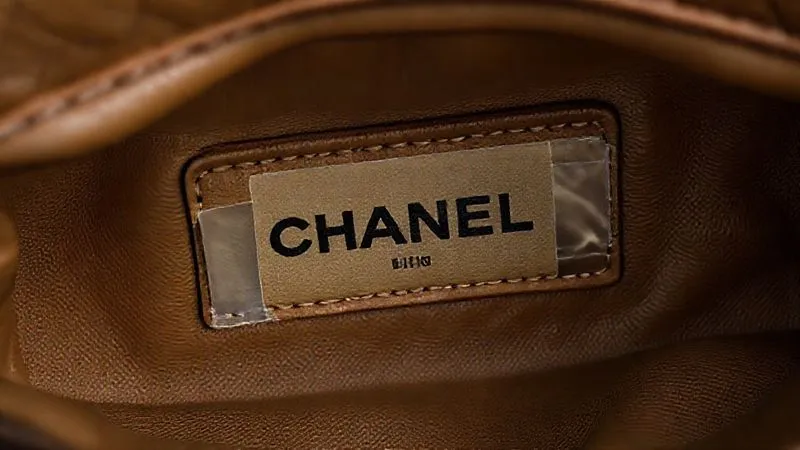
- Serial Numbers and Authenticity Cards: Vintage Chanel bags from the mid-1980s onwards typically feature a serial number sticker inside, protected by a clear tape. This number should correspond with the number on an accompanying authenticity card. The font, the stars, and the 'X' cut in the sticker are critical details that change slightly with each decade.
- Hardware: Examine the CC lock. Is it 24k gold plated (pre-2008)? Does it have a flat head screw on the backplate? Are the 'CC's overlapping correctly (right 'C' over left 'C' at the top, left 'C' over right 'C' at the bottom)? The weight and feel should be substantial, not flimsy.
- Stitching and Quilting: Chanel's iconic diamond quilting should be consistent and align perfectly across flaps and pockets. The stitch count is typically 9-11 stitches per inch on vintage bags, indicating meticulous craftsmanship.
- Lining: Vintage Chanel bags often feature leather lining (lambskin or calfskin) or a specific type of grosgrain fabric. The color and material should be appropriate for the bag's era.
Understanding these brand-specific historical markers is your first line of defense. For instance, a vintage Chanel bag from the 70s wouldn't have a serial number sticker, which is a common point of confusion for new collectors.
Hermès: The Stamp of Artisanal Excellence
Hermès, renowned for its unparalleled craftsmanship, uses 'blind stamps' (date codes) and artisanal marks rather than serial numbers. Authenticating an Hermès bag is about recognizing the hand of a master artisan.
- Blind Stamps: Located on the reverse of the clochette, under the flap, or inside a pocket, these single letters (often within a shape like a square or circle) denote the year of production. Alongside, you might find an artisan's mark.
- Leather and Exotic Skins: Hermès sources only the finest leathers. Authentic Hermès leather has a distinct smell, a luxurious feel, and specific grain patterns. Exotic skins (croc, alligator, lizard) should exhibit perfect symmetry and scale patterns, not merely stamped imitations.
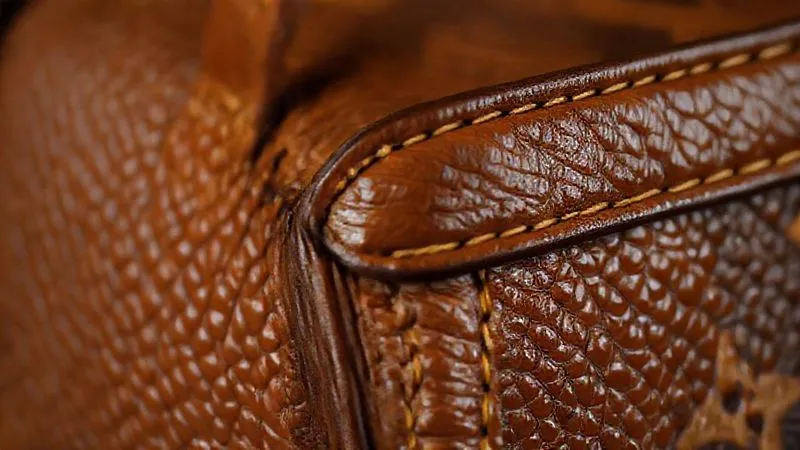
- Saddle Stitching: The hallmark of Hermès is its hand-stitched saddle stitching – two needles working simultaneously, creating a distinct, slightly slanted stitch that is incredibly durable and impossible to perfectly replicate by machine. There should be no backstitching.
- Hardware: Hermès hardware is typically weighty, often plated in precious metals (palladium or gold). Examine the engravings on the lock, clochette, and key for crispness and accuracy. The lock number should correspond with the key number.
I've seen many fakes try to mimic Hermès blind stamps, but they rarely get the font, depth, or location exactly right. It's a subtle art.
Louis Vuitton: Dates, Materials, and Monogram Precision
Louis Vuitton's authentication journey often begins with its date codes and the characteristic precision of its monogram canvas.
- Date Codes: Introduced in the early 1980s, these codes indicate the factory location and the week/month and year of production. Their format and location vary significantly by era and model, from embossed leather tags to directly on the lining. Pre-1980s bags will not have them.
- Monogram Canvas: The iconic LV monogram should be crisp, consistent, and symmetrical. On most authentic vintage pieces, the 'LV's will align perfectly horizontally and vertically, often cutting off symmetrically at the seams. The canvas itself should feel supple, not rigid or plastic-y.
- Vachetta Leather Trim: Many vintage Louis Vuitton bags feature natural Vachetta leather trim, which darkens to a rich honey patina over time. Fakes often use treated leather that doesn't age naturally or dyes that don't match the authentic patina.
- Hardware: Louis Vuitton hardware is typically brass or gold-plated, often bearing the 'LV' logo or 'Louis Vuitton' engraving. The weight, finish, and clarity of these engravings are key indicators.
It's crucial to cross-reference date codes with known factory codes and production years, as these details are meticulously documented by the brand.
Step 2: The Micro-Examination – Unveiling the Details
Once the macro elements align, I zoom in, scrutinizing the intricate details that reveal the true story of a bag's origin. This is where the counterfeiters often fail, as replicating perfection across thousands of minute details is incredibly difficult.
Hardware: Weight, Finish, and Engravings
Authentic luxury hardware possesses a specific weight, a smooth, consistent finish, and precise engravings. Fakes often use lighter, cheaper metals, with uneven plating that chips easily, and shallow, poorly defined engravings.
For example, authentic zippers will often be from reputable manufacturers like Lampo, Riri, or YKK (depending on the brand and era), with their names or specific markings subtly etched. The pull tabs will have a satisfying weight and a smooth operation. Any rough edges, discolored plating, or generic zipper brands are immediate red flags.
Stitching: Precision, Thread Type, and Pattern
Stitching is arguably the most telling detail. Luxury brands employ highly skilled artisans who execute impeccable, consistent stitching. Whether it's the hand-stitched saddle stitching of Hermès or the precise machine stitching of Chanel, the quality is undeniable.
Look for even stitch length, consistent tension, and a straight line (unless intentionally curved). The thread type itself matters – linen for Hermès, specific nylon or silk blends for others. Fakes often exhibit uneven stitches, loose threads, skipped stitches, or an incorrect stitch count per inch.
Materials: Leather, Canvas, and Lining Quality
The tactile experience of an authentic luxury bag is unique. Genuine leathers (calfskin, lambskin, exotic skins) have a distinct aroma, a particular pliability, and a natural grain that cannot be perfectly replicated by synthetic materials.
Run your hand over the material. Does it feel rich, supple, and substantial? Does it have a natural give? Canvas, like Louis Vuitton's Monogram, should feel durable yet flexible, not stiff or plastic-like. The interior lining should also be of high quality, whether it's suede, leather, or a custom-woven fabric.
Step 3: The Sensory Test – Smell, Touch, and Sound
Beyond visual inspection, engaging your other senses is crucial. This is where years of handling genuine articles gives an expert a significant edge.
Smell: Authentic vintage luxury leather has a distinct, often earthy or rich leather aroma that synthetic materials cannot replicate. Fakes often have a strong chemical, plastic, or glue-like smell. This is one of the quickest ways I can often identify a probable fake, even before a detailed visual inspection.
Touch: Feel the weight of the bag. Does it feel substantial and balanced? Are the materials soft where they should be soft, firm where they should be firm? The way zippers glide, clasps click, and straps feel in your hand all contribute to the authentic experience.
Sound: Listen to the sound of hardware. Does a Chanel chain feel weighty and clink subtly? Does an Hermès lock turn smoothly with a satisfying click? Flimsy hardware on fakes often produces a tinny or cheap sound.
“The genuine article sings a symphony of quality to all your senses; a counterfeit often hits a discordant note.”
Step 4: Documentation and Provenance – The Paper Trail
While not every vintage bag will come with its original receipt, documentation and a clear provenance can significantly bolster an authentication claim. This is especially true for rare or exceptionally valuable pieces.
Original receipts from authorized boutiques, authenticity cards (if applicable for the brand and era), dust bags, and original boxes all add layers of credibility. However, it's vital to authenticate these items themselves, as counterfeiters also create fake documentation.
Case Study: The 'Lost' Hermès Kelly
I once consulted on a dispute involving a rare vintage Hermès Kelly bag. The buyer, a collector from New York, had purchased it from a European online reseller. The bag itself showed all the hallmarks of authenticity – perfect saddle stitching, correct blind stamp, and exquisite leather. However, the reseller could provide no provenance, leading to lingering doubt.
Months later, the original owner, who had lost the bag during a move years prior, came forward with meticulous records: the original purchase receipt from the Hermès boutique in Paris, a photograph of her holding the bag shortly after purchase, and even a repair receipt from Hermès for a minor handle adjustment years prior. This irrefutable paper trail, combined with the bag's inherent authentic characteristics, unequivocally confirmed its legitimacy, transforming a 'doubtful' acquisition into a cherished, fully authenticated piece of history.
Conversely, I've seen countless instances where beautiful, seemingly authentic bags are sold with vague stories like 'a gift from an aunt abroad' or 'found in an attic,' with no verifiable documentation. While not always fake, the lack of verifiable provenance significantly increases risk.
| Provenance Indicator | Credibility Level | Verification Method |
|---|---|---|
| Original Purchase Receipt | High | Cross-reference details, font, and retailer info |
| Authenticity Card (matching serial) | High | Examine card material, font, hologram/features, match serial |
| Original Dust Bag/Box | Medium | Check material quality, logo accuracy, consistency with era |
| Photos with Original Owner | Medium | Contextual analysis, date verification |
| Verbal Story Only | Low | Requires significant independent authentication of the item itself |
Step 5: Leveraging Technology and Expert Services
In today's market, technology offers powerful tools, and professional authenticators provide an invaluable safety net, especially for high-value or exceptionally rare pieces.
AI-Powered Authentication Tools
Companies like Entrupy and Real Authentication utilize advanced algorithms and extensive databases of genuine and counterfeit items to assist in the authentication process. They analyze microscopic details, materials, and craftsmanship through high-resolution images.
While these tools are incredibly sophisticated and provide a strong layer of verification, I view them as powerful assistants, not ultimate replacements for human expertise. They excel at identifying known fakes and inconsistencies but may struggle with ultra-rare vintage pieces that deviate slightly from common production runs or new, highly sophisticated counterfeits not yet in their database. For critical decisions, a human expert's nuanced judgment is still paramount.
For more on how AI is shaping the luxury market, you can read insights from Business of Fashion.
Professional Authentication Houses
For significant investments, or when you have even a shadow of a doubt, engaging a reputable third-party authentication service is a wise decision. These services employ teams of brand specialists who possess deep knowledge and access to proprietary databases.
When choosing a service, look for: established reputation, clear methodologies, insurance, and a strong track record. They often provide a certificate of authenticity or non-authenticity, which can be crucial for insurance or resale purposes. I've often worked in conjunction with these services, combining my on-hand expertise with their technological and database-driven approach to provide the most robust authentication.

Step 6: The Red Flags – What Should Instantly Raise Suspicion
While learning what to look for in an authentic bag is crucial, knowing what should immediately make you suspicious is equally important. These are the 'red flags' I've learned to spot over countless transactions:
- "Too Good To Be True" Pricing: A rare vintage luxury bag priced significantly below market value is almost always a sign of a fake or a scam. Genuine rarity commands a premium.
- Poor Quality Listing Photos: Blurry, limited, or stock photos that don't show clear details of the bag's specific features (hardware, serial number, interior) are a major red flag. Sellers of genuine items are typically eager to provide detailed visuals.
- Vague Seller Responses: If a seller avoids specific questions about provenance, materials, or authentication details, proceed with extreme caution. Genuine sellers are transparent.
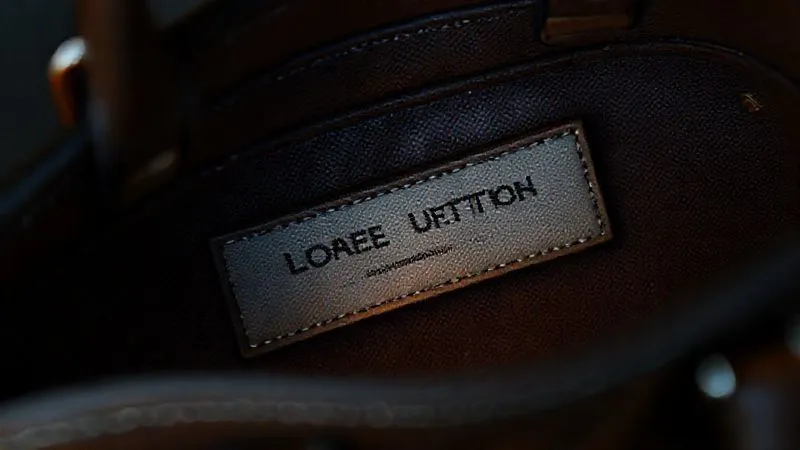
- Incorrect Fonts, Misspellings, or Logos: Even minor errors in brand stamping, interior tags, or serial number fonts are immediate indicators of a counterfeit.
- Uncharacteristic Materials or Hardware: A bag made with materials or hardware not typically used by the brand for that specific model or era is a strong sign of a fake.
- Strong Chemical Smell: As mentioned, a pervasive chemical or plastic odor, rather than the rich smell of aged leather, is a common tell for fakes.
- Lack of Natural Patina: For bags like Louis Vuitton with Vachetta leather, a lack of natural darkening and aging (patina) over time can be suspicious, especially for older vintage pieces.
Frequently Asked Questions (FAQ)
What's the biggest mistake buyers make when trying to authenticate a rare vintage luxury handbag? In my experience, the biggest mistake is rushing the process and relying on a single 'tell,' rather than conducting a comprehensive, multi-point examination. Buyers often get fixated on one detail (e.g., a serial number) and overlook other crucial inconsistencies, or they allow emotions to override logical scrutiny. Always take your time, compare against known authentic examples, and solicit a second opinion if in doubt.
Can vintage luxury bags be 're-authenticated' after significant repairs or restoration? Yes, but with caveats. If the repairs were performed by the original brand (e.g., Hermès spa service) or by highly reputable, authorized specialists using genuine parts and materials, the bag's authenticity often remains intact. However, extensive non-brand repairs, especially those involving replacement of key components like hardware or entire leather panels, can complicate or even invalidate an authentication, as the integrity of the original craftsmanship is compromised. Always seek documentation for any repairs.
How do I handle a seller claiming "no returns" on a suspected fake vintage luxury handbag? This is a common tactic. If you have strong evidence that the bag is a counterfeit, you have legal recourse. Most reputable selling platforms (eBay, Vestiaire Collective, etc.) have strong buyer protection policies against counterfeit goods, regardless of a seller's 'no returns' policy. File a dispute with the platform and, if necessary, with your credit card company or bank. Document everything: communication with the seller, photos of the bag, and any authentication reports.
Are all vintage luxury bags supposed to have serial numbers? No, this is a common misconception. The presence and format of serial numbers or date codes vary significantly by brand and era. For instance, older Hermès bags use blind stamps (letters indicating the year) rather than serial numbers. Many pre-1980s Louis Vuitton bags don't have date codes, or they may be extremely faint and worn. It's crucial to research the specific brand, model, and year of the bag you're examining to know what type of identifier to expect.
What's the role of patina in authentication, especially for vintage pieces? Patina is the natural aging and darkening of certain materials, particularly Vachetta leather on Louis Vuitton bags. For authentic vintage bags, an appropriate, even patina is a strong indicator of age and authenticity. Fakes often use treated leathers that don't develop a natural patina or attempt to artificially age the leather, resulting in an uneven or unnatural appearance. Understanding how specific materials age gracefully is a key part of the authentication process for vintage items.
Key Takeaways and Final Thoughts
Authenticating rare vintage luxury handbags is a deeply rewarding endeavor that requires patience, knowledge, and a keen eye for detail. It's a journey into the heritage and craftsmanship of the world's most esteemed fashion houses. By adopting a systematic, multi-layered approach, you empower yourself to make informed decisions and protect your valuable investments.
- Embrace the Expert Mindset: Go beyond checklists; understand the brand's history and manufacturing DNA.
- Master Brand-Specific Signatures: Learn the unique tells for Chanel, Hermès, Louis Vuitton, and others across different eras.
- Scrutinize Micro-Details: Hardware, stitching, and materials are often the ultimate betrayers of counterfeits.
- Engage All Your Senses: Trust your sense of smell, touch, and even sound.
- Leverage Provenance and Professionals: Documentation adds credibility, and expert services provide peace of mind.
- Recognize Red Flags: If it feels off, it probably is.
The world of vintage luxury is rich with beauty and history. By equipping yourself with the knowledge and confidence to reliably authenticate these treasures, you not only safeguard your collection but also preserve the legacy of true artisanal excellence. Happy hunting, and may your vintage finds always be genuine works of art!
Recommended Reading
- Unsold Hype? 5 Strategies to Cut Sneaker Inventory Losses Now
- 7 Proven Strategies: Cost-Effective Jewelry Design from Concept to Market
- Unlock Peak Performance: Why Moisture-Wicking is Crucial for Activewear Comfort
- 7 Proven Strategies: Engaging Fashion Blog Content in a Saturated Market
- Stop Workout Clothes Chafing for Daily Professional Training: My 7 Expert Fixes

Your email address will not be published. Required fields are marked *