

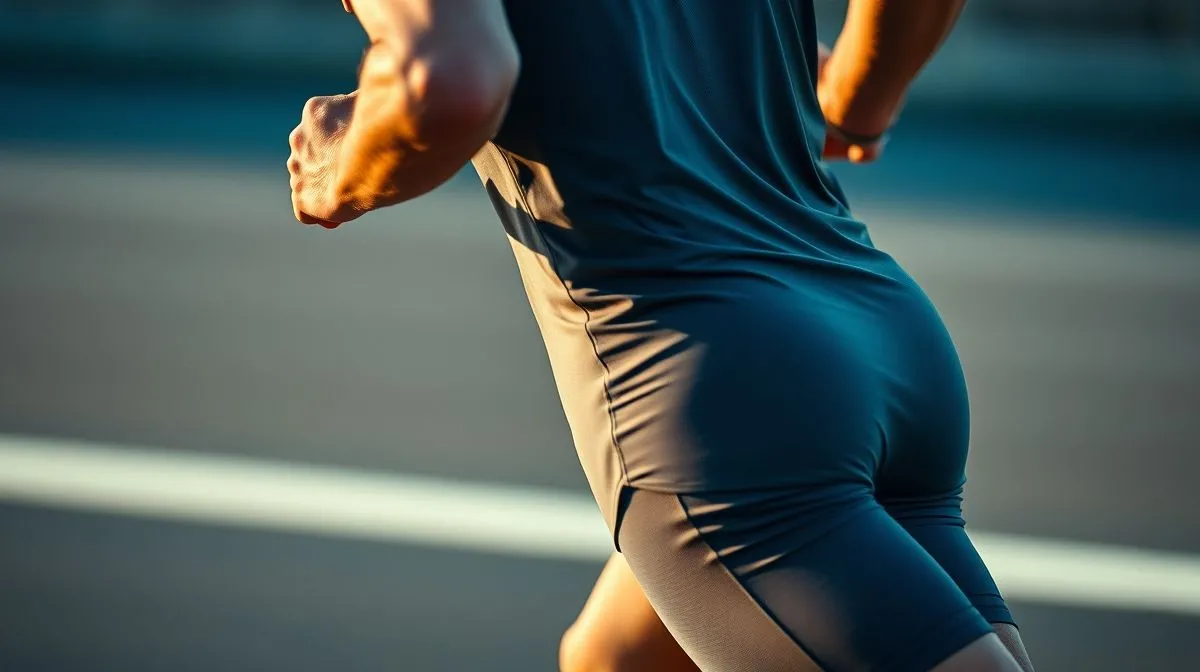
Why is Moisture-Wicking Crucial for Activewear Comfort? The Science of Sweat and Performance
Ever felt that clammy, heavy sensation clinging to your skin during an intense workout? The one that makes every movement feel like a chore, stealing your focus and sapping your motivation? It’s a common experience, and it highlights a fundamental challenge for anyone pushing their physical limits: managing sweat.
Traditional cotton fabrics, while soft, absorb sweat like a sponge, becoming heavy, uncomfortable, and slow to dry. This not only leads to a distracting, clammy feeling but can also contribute to skin irritation and a drop in body temperature post-exercise. The problem isn't just about feeling soggy; it's about compromised comfort, reduced performance, and potential health issues.
This article will delve deep into the fascinating world of moisture-wicking technology, explaining precisely why moisture-wicking is crucial for activewear comfort. By the end of this comprehensive guide, you'll understand the science behind these revolutionary fabrics, how they enhance your athletic performance, safeguard your skin, and ultimately transform your fitness experience from uncomfortable to truly enjoyable.
Understanding the Science Behind Moisture-Wicking Fabrics
At its core, moisture-wicking isn't magic; it's a clever application of fabric science, primarily leveraging the principle of capillary action. This is the same force that allows water to climb up a narrow tube against gravity, or why a paper towel absorbs a spill.
The Mechanics of Capillary Action in Textiles
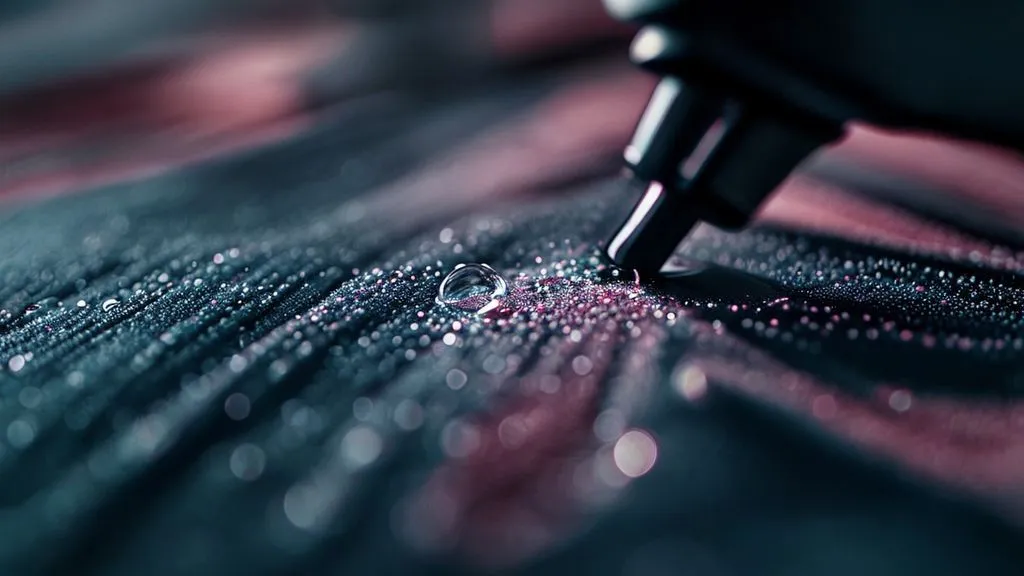
Moisture-wicking fabrics are engineered with tiny channels or pores that draw moisture (sweat) away from the skin's surface and transport it to the fabric's outer layer. From there, the moisture spreads out over a larger surface area, allowing it to evaporate rapidly. This process keeps your skin dry, which is paramount for comfort and performance.
- Hydrophobic Fibers: Unlike cotton, which is hydrophilic (water-loving), moisture-wicking materials are often made from hydrophobic (water-repelling) synthetic fibers. These fibers don't absorb sweat; instead, they push it away.
- Engineered Weaves: The way the fibers are woven or knitted creates a network of microscopic channels. These channels act like a series of tiny straws, pulling moisture from the inside of the garment to the outside.
- Surface Tension: The difference in surface tension between the sweat on your skin and the fabric's surface helps to initiate and maintain the wicking process.
Common Types of Moisture-Wicking Materials
While the technology is complex, the materials used are often familiar, albeit specially treated or woven:
- Polyester: One of the most common and effective synthetic fibers for wicking. It's durable, lightweight, and resistant to shrinking and stretching. Many activewear brands utilize specialized polyester blends.
- Nylon: Known for its strength and elasticity, nylon also possesses excellent wicking properties, often blended with other fibers for enhanced performance.
- Polypropylene: This is perhaps the most hydrophobic of all common synthetics, making it exceptionally good at moving moisture away from the skin. It's often found in base layers.
- Merino Wool: While a natural fiber, merino wool is a notable exception to the 'cotton rule.' Its unique fiber structure allows it to absorb a significant amount of moisture vapor (up to 30% of its weight) without feeling wet, while also possessing natural wicking properties and excellent temperature regulation.
- Blends: Many high-performance activewear items use blends of these materials to optimize comfort, durability, and moisture management.
The Health Benefits of Staying Dry During Exercise
Beyond mere comfort, the ability of moisture-wicking fabrics to keep your skin dry offers significant health advantages, preventing common issues associated with prolonged exposure to sweat.
Preventing Skin Irritation and Chafing
Wet skin is more susceptible to friction, which can lead to painful chafing, rashes, and irritation. When sweat remains trapped against the skin, it softens it, making it more vulnerable to rubbing. Moisture-wicking fabrics, by pulling sweat away, maintain a drier skin surface, significantly reducing the likelihood of these uncomfortable conditions. This is particularly crucial in high-friction areas like the inner thighs, armpits, and under bra lines.
Regulating Body Temperature More Effectively
Our bodies sweat to cool down. However, if sweat saturates clothing and doesn't evaporate, it can hinder this natural cooling process. In hot environments, saturated clothing can trap heat, leading to overheating. In cold environments, wet clothing can rapidly draw heat away from the body once you stop exercising, leading to a dangerous drop in core body temperature (hypothermia). Moisture-wicking fabrics facilitate rapid evaporation, ensuring your body's natural cooling mechanism works efficiently in heat and preventing excessive heat loss in cold, thus maintaining optimal body temperature.
Reducing the Risk of Fungal and Bacterial Growth
Warm, moist environments are breeding grounds for bacteria and fungi, which can lead to unpleasant odors, skin infections (like athlete's foot or jock itch), and acne breakouts. By keeping the skin dry, moisture-wicking activewear creates a less hospitable environment for these microorganisms, contributing to better hygiene and skin health. This is a critical, often overlooked, benefit.
How Moisture-Wicking Elevates Athletic Performance
The link between comfort and performance is undeniable. When you're uncomfortable, your focus shifts from your training to your discomfort. Moisture-wicking fabrics directly address this, enabling athletes to perform at their best.
Enhanced Comfort, Focus, and Motivation
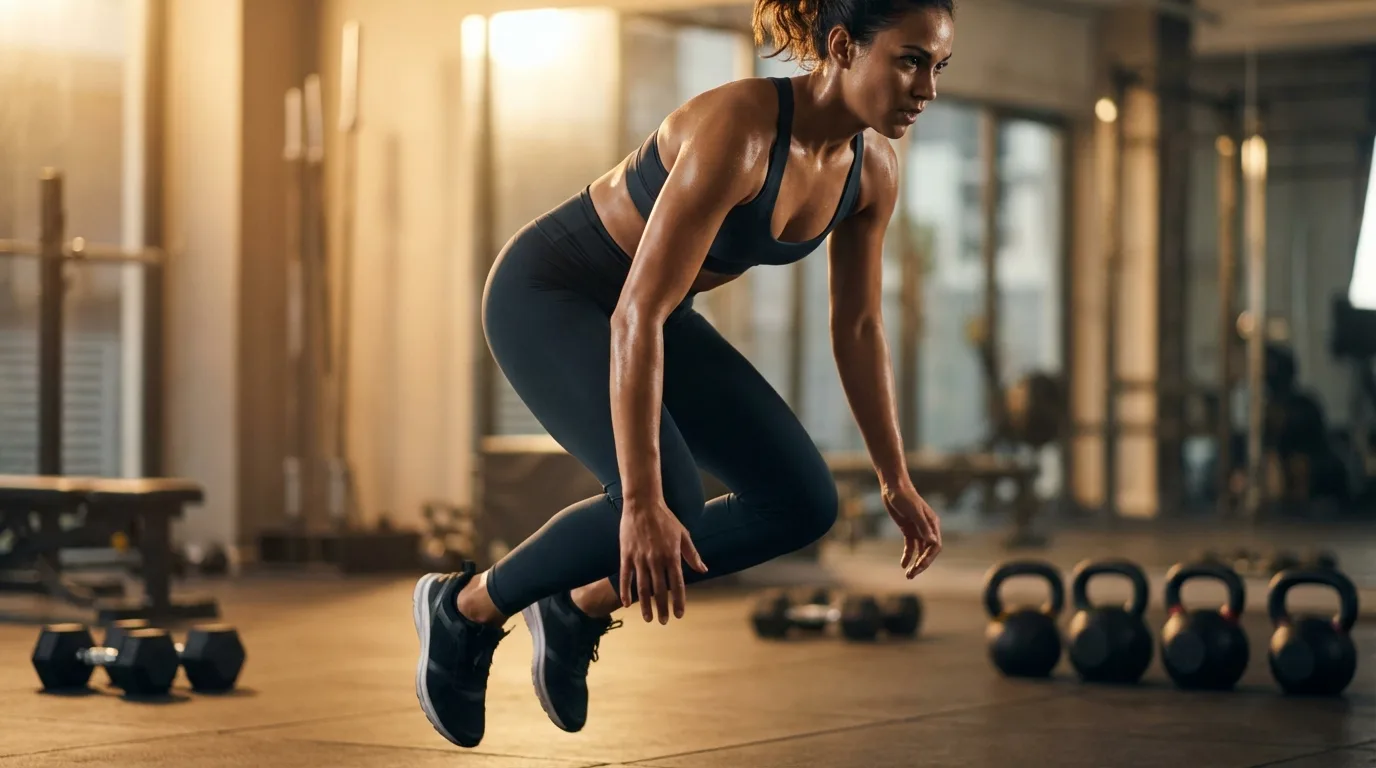
Imagine running a marathon or lifting heavy weights without the constant distraction of soggy, heavy clothing. Moisture-wicking fabrics allow you to stay dry, light, and comfortable throughout your activity. This enhanced comfort translates directly into improved focus on your form, your breathing, and your goals, rather than on your clammy clothes. This mental edge can be the difference between hitting a personal best and giving up prematurely.
Lighter Feel and Unrestricted Movement
Saturated cotton can become incredibly heavy, adding unnecessary weight and drag to your movements. Moisture-wicking garments, designed to dry quickly and remain lightweight, allow for a full range of motion without restriction. This is especially vital in activities requiring agility, speed, or endurance, where every ounce and every degree of freedom counts. The sensation of lightweight, unhindered movement contributes significantly to a more enjoyable and effective workout.
Faster Recovery and Post-Workout Comfort
The benefits don't end when your workout does. Staying dry during exercise also aids in a smoother transition to recovery. You avoid the sudden chill that comes from wet clothes cooling down on your skin, which can tighten muscles and prolong the cool-down process. By keeping you dry, these fabrics help maintain a stable post-exercise body temperature, contributing to more efficient recovery and greater comfort as you transition from active to rest.
Choosing the Right Moisture-Wicking Activewear: A Buyer's Guide
With countless options on the market, selecting the best moisture-wicking activewear can feel daunting. Here’s what to look for to ensure you make informed choices.
Spotting Quality Moisture-Wicking Materials
Always check the fabric composition tag. Look for percentages of polyester, nylon, polypropylene, or merino wool. High-quality blends often incorporate spandex or elastane for stretch and shape retention. Be wary of items that are 100% cotton if your primary goal is sweat management for active pursuits. Reputable brands often have proprietary names for their wicking technologies (e.g., Nike's Dri-FIT, Adidas's Climalite), but the underlying science remains the same.
Fit and Design Considerations
- Fit: For optimal wicking, garments should be relatively close-fitting, but not restrictive. This allows the fabric to be in contact with the skin to draw moisture away effectively. Loose clothing might allow sweat to pool.
- Seams: Look for flatlock seams, which are designed to reduce chafing, especially important in areas prone to friction.
- Ventilation: Some activewear incorporates mesh panels or laser-cut perforations in high-sweat areas (like the back, armpits) to enhance breathability and accelerate drying.
- Layering: For colder conditions, consider a moisture-wicking base layer worn directly against the skin, followed by insulating and outer layers. This system ensures sweat is moved away from the body at every stage.
Proper Care for Longevity and Performance
Even the best moisture-wicking gear needs proper care to maintain its effectiveness. Avoid fabric softeners, as they can clog the fabric's pores and reduce its wicking ability. Wash with a mild detergent in cold water and air dry or tumble dry on low heat. High heat can damage the synthetic fibers and elastic components, reducing the garment's lifespan and performance.
Beyond the Gym: Everyday Applications of Moisture-Wicking Technology
While activewear is its most obvious application, the benefits of moisture-wicking technology extend far beyond the confines of the gym or sports field. Its ability to manage moisture and regulate temperature makes it incredibly useful in various daily scenarios.
Comfort in Travel and Outdoor Adventures
Whether you're backpacking through humid climates, hiking a mountain trail, or simply enduring a long flight, moisture-wicking clothing can make a world of difference. It keeps you feeling fresh and dry, even when showers aren't readily available, and reduces the need for frequent clothing changes. For outdoor enthusiasts, it's a critical component of layering systems, ensuring warmth in cold weather and coolness in heat by managing sweat effectively. According to outdoor gear experts like REI, effective layering with wicking base layers is fundamental for comfort and safety in varied conditions. Learn more about layering for outdoor activities.
Professional and Casual Settings
Many modern workwear and casual apparel brands are incorporating moisture-wicking properties into their designs. For professionals who commute, work in warm offices, or simply prefer to feel fresh all day, moisture-wicking dress shirts, polos, and even socks are becoming increasingly popular. They offer a discreet way to manage perspiration, preventing visible sweat stains and maintaining a polished appearance, even under pressure.
Common Misconceptions and Mistakes to Avoid
Despite its widespread adoption, there are still some common misunderstandings about moisture-wicking activewear.
Not All 'Athletic' Fabrics Are Equal
Just because a garment is labeled 'athletic wear' doesn't automatically mean it has high-performance moisture-wicking capabilities. Some cheaper options might be designed for style over function, or use less effective wicking treatments. Always check the material composition and look for specific mentions of wicking technology or fabric names. A general rule of thumb is that if it feels like cotton, it probably won't wick effectively.
Over-reliance on Marketing Claims
While brand-specific technologies are often effective, don't fall for exaggerated marketing claims without understanding the underlying principles. Focus on the fabric type (polyester, nylon, merino) and construction rather than just buzzwords. A garment's ability to wick is a direct result of its material properties and weave, not just a catchy name.
Improper Care and Its Impact on Performance
As mentioned, improper washing (especially using fabric softener) can severely degrade the wicking performance of your garments over time. Fabric softeners leave a residue that clogs the microscopic channels responsible for drawing sweat away, turning your high-tech gear into a less effective version of its former self. Always follow the care instructions on the label to maximize the lifespan and effectiveness of your activewear.
The Future of Activewear: Innovations in Moisture Management
The field of textile technology is constantly evolving, and moisture management is at the forefront of innovation. Researchers and manufacturers are pushing the boundaries of what's possible.
Smart Fabrics and Integrated Technology
The next generation of activewear might feature integrated sensors that monitor sweat rates, body temperature, and even electrolyte levels, providing real-time feedback to athletes. Imagine a shirt that tells you when you're dehydrated based on your sweat composition! While still emerging, these 'smart fabrics' promise to revolutionize personalized performance monitoring and hydration strategies. Recent advancements in wearable technology are paving the way for such integrated solutions. Explore the concept of wearable technology on Wikipedia.
Sustainable and Eco-Friendly Wicking Solutions
As environmental concerns grow, there's a significant push towards more sustainable moisture-wicking solutions. This includes developing recycled synthetic fibers, exploring bio-based polymers, and creating natural fibers with enhanced wicking properties without harsh chemical treatments. The goal is to provide high performance without compromising the planet, addressing the lifecycle impact of performance wear.
Frequently Asked Questions (FAQ)
Is cotton ever good for activewear? Generally, no, if your goal is sweat management during exercise. Cotton absorbs moisture and stays wet, leading to discomfort, chafing, and potential chilling. It's fine for light activities where you won't sweat much, but for moderate to intense workouts, opt for moisture-wicking synthetics or merino wool.
How can I tell if a fabric is truly moisture-wicking? Beyond checking the label for materials like polyester or nylon, a simple test is to drop a small amount of water on the fabric. If it beads up and rolls off, or if it quickly spreads out and disappears (rather than soaking in slowly), it likely has good wicking properties.
Do moisture-wicking clothes make you sweat less? No, moisture-wicking clothes do not reduce how much you sweat. Your body's sweat rate is a physiological response to heat and exertion. What they do is manage that sweat by moving it away from your skin and allowing it to evaporate quickly, keeping you feeling drier and more comfortable.
Can I use fabric softener on my moisture-wicking clothes? It is strongly advised not to use fabric softener. Fabric softener leaves a waxy residue that clogs the microscopic channels in the fabric that are responsible for wicking moisture away. This will significantly reduce the garment's performance over time.
How long do moisture-wicking properties last? With proper care, the wicking properties of synthetic fabrics can last for the lifetime of the garment. However, improper washing (especially with fabric softener) and excessive heat drying can degrade the fibers and reduce effectiveness over time. Merino wool's natural wicking properties are inherent to the fiber itself and are very durable.
Recommended Reading
- Ultimate Guide: Best Men's Skincare Routine for Sensitive Skin
- Haute Couture Consultations: Ask These Questions!
- Haute Couture Tailoring: Unveiling Hidden Flaws in Meticulous Work
- 1950s Dress Styles: Find Your Perfect Fit for Any Body Type!
- Menswear Style Tips for Short Men: Look Taller Instantly!
Conclusion
The question of why moisture-wicking is crucial for activewear comfort boils down to a simple, yet profound truth: staying dry is fundamental to both physical comfort and peak performance. These engineered fabrics liberate us from the distractions of sweat, preventing skin issues, regulating body temperature, and allowing us to focus entirely on our movement and goals. By choosing the right materials and caring for them properly, you're not just buying clothing; you're investing in a superior fitness experience. Embrace the science of sweat management, and unlock a new level of comfort and efficiency in every activity you pursue.

Your email address will not be published. Required fields are marked *