

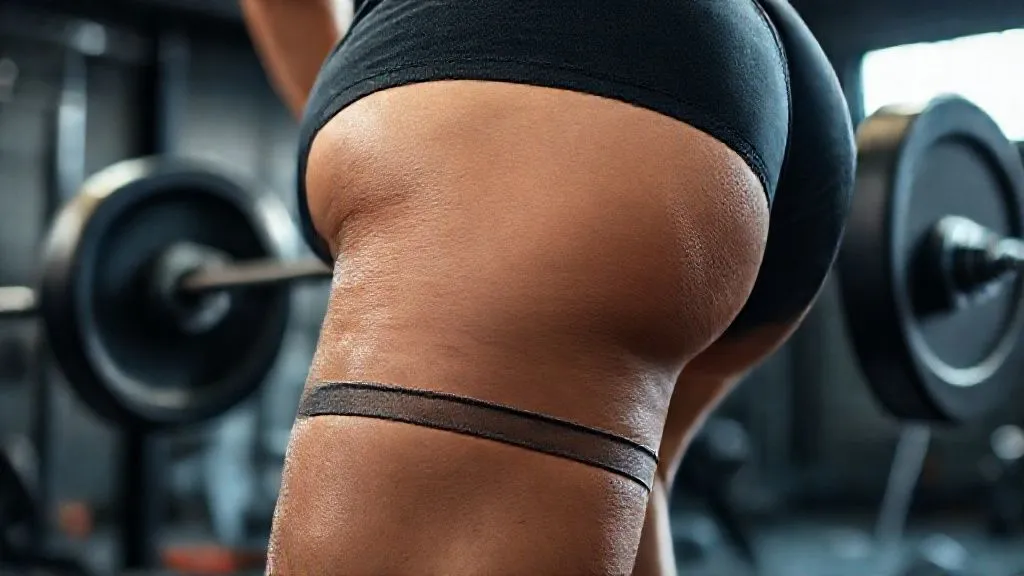
Best Gym Outfits for Professional Powerlifters to Avoid Chafing?
For over two decades in the activewear industry, specifically immersed in the high-performance demands of strength sports, I've witnessed firsthand the dedication, grit, and sheer power professional powerlifters bring to the platform. Yet, I've also seen a silent, insidious adversary undermine their focus and performance: chafing. It's a problem often dismissed as a minor discomfort, but for those pushing the limits of human strength, it's anything but.
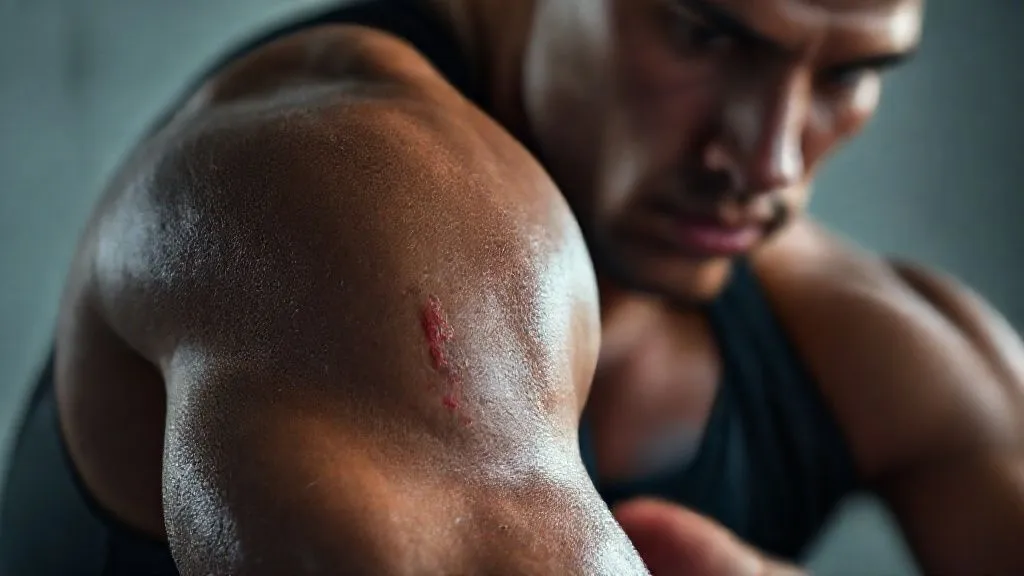
Chafing isn't just an annoyance; it's a physiological and psychological barrier. It manifests as painful skin irritation, redness, and even blistering, caused by repetitive friction between skin and fabric, or skin on skin, exacerbated by sweat. During a grueling squat session or a maximal deadlift, this can break focus, compromise form, and in the long run, lead to infections or chronic skin issues, sidelining an athlete who can't afford a single missed training day.
This comprehensive guide isn't just about picking a random outfit; it's about strategically engineering your wardrobe to be an integral part of your performance. I'll share expert insights, fabric science, and specific gear recommendations — forged from years of industry experience and countless conversations with elite lifters — to help you select the best gym outfits for professional powerlifters to avoid chafing, ensuring your only focus remains on the lift ahead.
The Silent Performance Killer: Understanding Chafing in Powerlifting
In the world of professional powerlifting, every detail matters. From your grip on the bar to the depth of your squat, precision is paramount. Yet, many lifters overlook one crucial element that can silently chip away at their performance: their clothing, specifically how it interacts with their skin. Chafing, while seemingly minor, can be a major disruptor.
Imagine being under a heavy barbell, pushing through a grinder of a squat, and suddenly a searing pain erupts from your inner thigh or armpit. Your focus shatters, your form falters, and that lift you've trained months for might be compromised. This isn't just hypothetical; it's a reality for many powerlifters. The constant rubbing, especially in high-friction areas like the inner thighs, groin, armpits, and even under the shoulders from barbell contact, creates micro-tears in the skin. Add sweat into the mix, and you have a perfect storm for irritation.
Anatomy of Chafing: Friction, Moisture, and Fabric
Chafing occurs when three primary factors converge: friction, moisture, and unsuitable fabric. Friction is the mechanical rubbing of skin against skin or skin against fabric. Moisture, primarily sweat, softens the skin, making it more susceptible to damage from friction, and also acts as an irritant due to its salt content. Finally, the wrong fabric choice can either trap moisture, create excessive friction, or feature abrasive seams.
For powerlifters, the demands are unique. The sheer volume of movement during squats and deadlifts, combined with the pressure from barbells and benches, intensifies these factors. A fabric that feels fine during a light jog might become a tormentor under a 600lb deadlift.
"Chafing in powerlifting isn't a sign of weakness; it's a design flaw in your gear. Address the friction and moisture at their source, and you unlock uninterrupted performance."
Fabric First: Your Primary Defense Against Irritation
When it comes to building the best gym outfits for professional powerlifters to avoid chafing, the material composition of your activewear is your first and most critical line of defense. The wrong fabric can turn a promising training session into an agony, while the right one can make you forget you're even wearing clothes.
Avoid these fabrics for high-intensity lifting:
- Cotton: While comfortable for casual wear, cotton is a notorious moisture absorber. Once wet, it stays wet, creating a damp, abrasive environment ripe for chafing. It also loses its shape, bunching up and increasing friction points.
- Heavy, Bulky Materials: Anything that doesn't move with your body or has excessive bulk will inevitably create folds and friction points, particularly in the groin and armpit areas.
Embrace these performance fabrics:
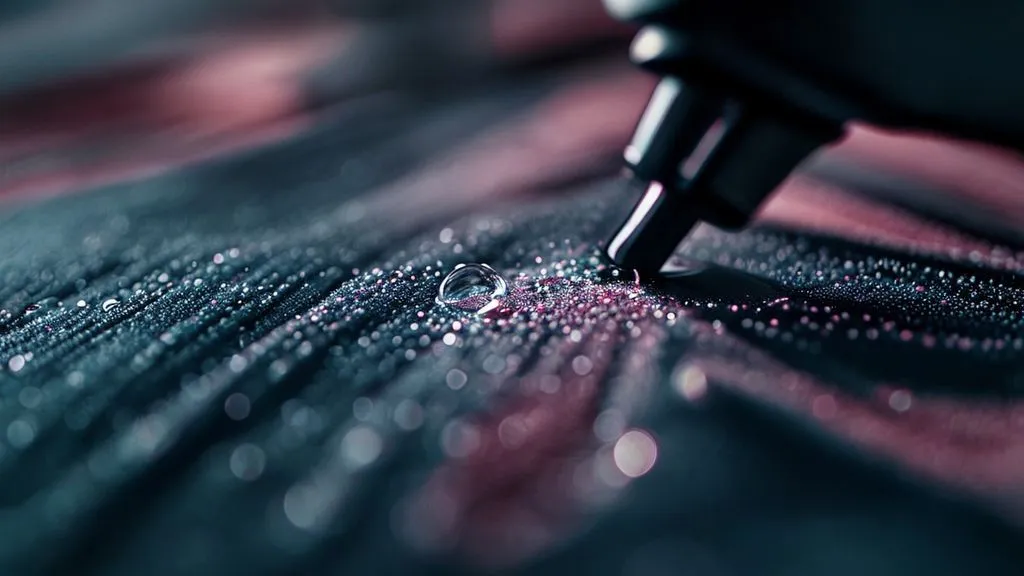
- Moisture-Wicking Synthetics: Materials like polyester, nylon, and polypropylene are engineered to pull sweat away from your skin to the fabric's outer surface, where it can evaporate quickly. This keeps you dry and significantly reduces the conditions for chafing.
- Spandex/Elastane Blends: Often blended with other synthetics, spandex provides the essential stretch and recovery needed for powerlifting movements. It ensures a snug, second-skin fit that minimizes fabric movement and bunching, crucial for preventing friction.
- Seamless or Flatlock Seam Construction: The way a garment is sewn is almost as important as the fabric itself. Seamless designs or those using flatlock stitching reduce irritating ridges that can rub against the skin.
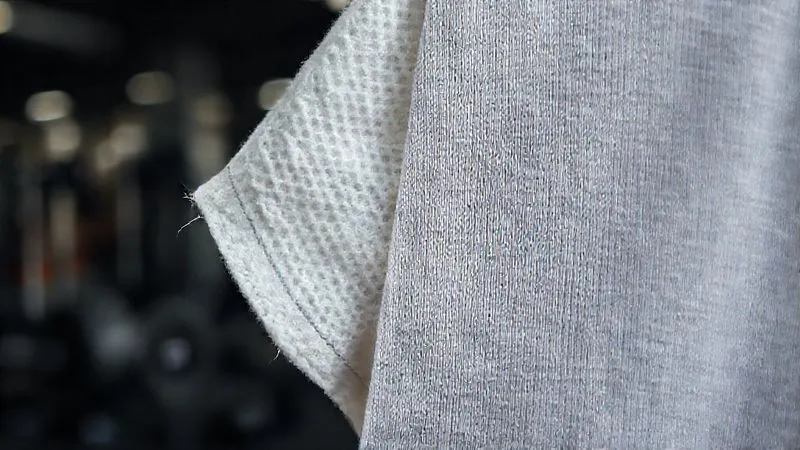
Choosing the right fabric is not just about comfort; it's about creating an optimal microclimate next to your skin, allowing you to focus solely on your lift. According to a study published in the Journal of Textile Science & Engineering, advanced moisture-wicking fabrics can significantly reduce skin hydration and friction, directly impacting comfort and performance during strenuous activity.
| Fabric Type | Moisture Management | Friction Potential | Ideal Use for Powerlifting |
|---|---|---|---|
| Cotton | Poor (absorbent) | High (when wet) | Avoid |
| Polyester/Nylon Blend | Excellent (wicking) | Low (smooth, dry) | Excellent |
| Spandex/Elastane | Good (breathable) | Very Low (second-skin fit) | Excellent (as a blend) |
The Power of Compression: Strategic Gear for High-Friction Zones
Once you've nailed the fabric choice, the next strategic layer in your anti-chafing arsenal is compression wear. This isn't just about looking sleek or aiding recovery; for powerlifters, well-designed compression garments are fundamental to preventing chafing by providing a stable, low-friction barrier.
Compression wear works by providing a snug, consistent pressure across the skin. This minimizes fabric movement against the skin and, crucially, minimizes skin-on-skin rubbing in critical areas. It acts as a second skin, moving with your body rather than bunching or shifting, which are common culprits for irritation.
Compression Shorts & Leggings: Inner Thigh Salvation
The inner thighs are arguably the most vulnerable area for powerlifters when it comes to chafing, especially during squats and deadlifts where repetitive leg movement and skin-on-skin contact are constant. High-quality compression shorts or full-length leggings are non-negotiable here.
Look for:
- Proper Length: Shorts should extend far enough down the thigh to cover the entire area prone to rubbing. Mid-thigh or just above the knee is often ideal.
- Seamless or Flatlock Seams: As discussed, seams are friction points. Ensure the inner thigh and crotch areas are either seamless or utilize flatlock stitching that lies flat against the skin.
- Graduated Compression: Some garments offer varied compression zones. While not strictly anti-chafing, it can enhance comfort and support.
- Thick, Durable Fabric: Powerlifting puts immense strain on clothing. Invest in compression gear made from robust, high-denier fabrics that won't thin out or lose their compressive properties quickly.
Upper Body Compression: Shoulders, Chest, and Armpits
Chafing isn't exclusive to the lower body. For powerlifters, the upper body also faces unique challenges. During bench presses, the armpits can suffer from friction, and for squats, the barbell itself can cause irritation on the shoulders and upper back, especially during walk-outs and heavy sets.
Consider:
- Compression Tops: A snug, moisture-wicking compression top can prevent armpit chafing and provide a smooth layer under the barbell, reducing direct skin irritation. Some designs even feature reinforced shoulder pads for barbell comfort.
- Tank Tops vs. Sleeves: While tank tops offer freedom, sleeves provide a continuous barrier. For armpit chafing, a short-sleeve compression top is often superior to a tank.
Seams, Stitching, and Structure: Details That Define Comfort
Beyond the fabric itself, the construction of your activewear plays an equally vital role in preventing chafing. A garment can be made from the most advanced moisture-wicking material, but if its seams are poorly constructed, it's still a recipe for discomfort. This is where the expert eye truly discerns quality in powerlifting attire.
I've seen countless athletes invest in what they *think* is high-performance gear, only to be let down by abrasive internal seams. These seemingly minor details become major friction points under the repetitive, high-intensity movements of powerlifting. The goal is to create a garment that feels like a second skin, with minimal interference.
Key structural elements to scrutinize:
- Flatlock Stitching: This is the gold standard for activewear seams. Unlike traditional overlock seams that create a raised ridge, flatlock stitching interlocks two pieces of fabric edge-to-edge, creating a flat, smooth seam that lies flush against the skin. This dramatically reduces friction.
- Bonded Seams: Some premium activewear uses heat-bonded seams, where fabric edges are fused together rather than stitched. This creates an incredibly smooth, virtually invisible seam, eliminating friction entirely. While often more expensive, it's a worthwhile investment for high-chafing areas.
- Strategic Seam Placement: Even with flatlock stitching, seams can cause problems if placed in high-friction zones. Look for garments where seams are strategically placed away from areas like the inner thighs, armpits, and under the barbell path. For example, some leggings feature a single inner-leg panel to minimize seams in the groin.
- Gusseted Crotch: For shorts and leggings, a diamond-shaped or panelled gusset in the crotch area provides extra room and flexibility, reducing tension and bunching in a critical friction zone. This design also often allows for more strategic seam placement.
"True anti-chafing innovation isn't just about what fabric you use, but how you put it together. Seamless technology and intelligent seam mapping are the unsung heroes of comfortable, high-performance activewear."
Layering for Lifts: A Strategic Approach
Sometimes, a single garment isn't enough to tackle the complex friction points in powerlifting. This is where strategic layering comes into play. Think of it as building a multi-layered defense system against chafing, where each layer serves a specific purpose, working in harmony to keep you comfortable and focused.
Layering isn't just for cold weather; it's a year-round strategy for managing friction and moisture. By combining different types of garments, you can create an optimal micro-environment around your skin, especially in areas subjected to intense rubbing.
Here's an actionable approach to layering for chafing prevention:
- Base Layer (Direct Skin Contact): Start with a very thin, highly moisture-wicking, seamless or flatlock-stitched compression garment. For the lower body, this might be a pair of thin compression briefs or short shorts. For the upper body, a light, form-fitting compression tank or tee. This layer's primary job is to wick sweat directly from the skin and provide a smooth surface.
- Mid-Layer (Primary Gear): Over your base layer, wear your main activewear – your powerlifting-specific shorts, leggings, or competition singlet. This layer should also be made of performance fabric, offering additional compression and durability. The base layer underneath ensures that even if this layer shifts slightly, it's rubbing against the smooth base layer, not your skin.
- Outer Layer (Optional & Situational): This might be a pair of loose-fitting shorts over your compression leggings for modesty, or a t-shirt over a compression top. If adding an outer layer, ensure it's also breathable and doesn't introduce new friction points. The key is that the inner layers are doing the heavy lifting in chafing prevention.
Case Study: Elite Lifter Sarah's Chafing Breakthrough
Sarah, a national-level powerlifter specializing in the squat, struggled for years with debilitating inner thigh chafing. It was so severe that it impacted her ability to recover between sessions and often forced her to cut sets short. She had tried various anti-chafing creams, but the problem persisted with her standard cotton-blend shorts.
Working with an activewear specialist, Sarah revamped her approach. She swapped her usual shorts for a pair of high-performance, seamless, mid-thigh compression shorts made from a nylon-spandex blend. Crucially, she also began wearing a very thin, silk-like, moisture-wicking compression brief as a base layer underneath. This created an incredibly smooth, friction-free interface. The new strategy, combined with a daily anti-chafing balm, completely eliminated her chafing issues within two weeks. This resulted in a significant improvement in her training volume and a new personal best in her squat, directly attributed to her ability to train without pain and distraction.
Beyond Clothing: Supplementary Strategies for Chafing Prevention
While selecting the best gym outfits for professional powerlifters to avoid chafing is paramount, it's important to recognize that clothing is just one piece of the puzzle. For comprehensive protection, especially for those prone to severe chafing, a multi-faceted approach is often required. Think of these as your supplementary tactics, enhancing the effectiveness of your carefully chosen gear.
Consider these additional preventative measures:
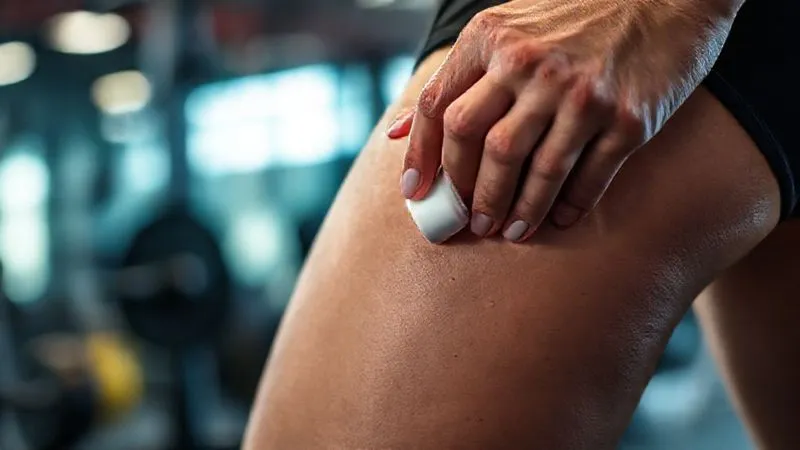
- Anti-Chafing Balms and Creams: These products create a protective, low-friction barrier on the skin itself. Apply generously to known hot spots like inner thighs, armpits, and under bra lines before training. Look for formulations designed for athletes, which are typically sweat-resistant and long-lasting. Brands like Body Glide, Squirrel's Nut Butter, or petroleum jelly are popular choices.
- Powders: Cornstarch-based or specific anti-chafing powders can absorb excess moisture, keeping the skin dry. While effective, they may need reapplication during longer, sweatier sessions.
- Hydration and Skin Health: Healthy, hydrated skin is more resilient. Ensure you're drinking enough water, and consider a gentle, non-irritating moisturizer post-shower to maintain skin integrity.
- Showering Immediately Post-Workout: Rinsing off sweat as soon as possible removes salt and bacteria that can irritate compromised skin. Pat dry thoroughly, rather than rubbing.
- Hair Removal (Optional): For some, body hair can trap moisture and increase friction. Experimenting with trimming or shaving in prone areas might reduce chafing, but be mindful of potential irritation from regrowth.
Maintaining Your Anti-Chafe Arsenal: Care and Replacement
Investing in high-quality anti-chafing activewear is a smart move, but its effectiveness hinges on proper care and timely replacement. Even the most advanced fabrics and construction can degrade over time, losing their moisture-wicking properties, elasticity, or structural integrity. Neglecting your gear is akin to neglecting your warm-up – it will eventually lead to problems.
As an industry veteran, I've seen countless athletes extend the life of their expensive gear simply by following basic care instructions. Conversely, I've also witnessed premium items prematurely fail due to improper washing or drying, turning anti-chafing solutions into new sources of irritation.
Follow these actionable steps to maintain your anti-chafing activewear:
- Wash Immediately (or soon after): Don't let sweaty gear sit for days. The salts and oils in sweat can break down technical fabrics over time.
- Cold Water Wash: Always wash activewear in cold water. Hot water can damage synthetic fibers, reduce elasticity, and impact moisture-wicking finishes.
- Mild Detergent, No Fabric Softener: Use a small amount of mild, athletic-specific detergent. Avoid fabric softeners at all costs. Fabric softeners can clog the pores of moisture-wicking fabrics, rendering them ineffective and trapping odors.
- Air Dry or Low Heat: High heat in dryers is the enemy of spandex and other elastic fibers. It can cause them to break down, leading to loss of compression and shape. Air drying is ideal. If you must use a dryer, select the lowest heat setting or tumble dry on 'air fluff' only.
- Wash Inside Out: Turning garments inside out can protect the outer surface from abrasion and help clean the inner, sweat-contacting side more effectively.
When to Replace:
No garment lasts forever. Even with meticulous care, the constant stretch, sweat, and washing cycles will take their toll. Replace your anti-chafing gear when you notice:
- Loss of Compression: If your compression shorts feel less snug or start to bunch, their ability to prevent friction is compromised.
- Thinning Fabric: Areas like the inner thighs might show signs of wear and become translucent.
- Frayed Seams: Even flatlock seams can fray or unravel over time.
- Persistent Odor: If garments retain a smell even after washing, it can indicate a breakdown of the fabric's antimicrobial properties or a build-up of residue, which can also contribute to skin irritation.
External Links for Further Reading
- American Academy of Dermatology: Chafing Prevention
- National Strength and Conditioning Association (NSCA)
- Impact of Textile Properties on Skin Friction and Hydration
- Barbell Medicine: Evidence-Based Powerlifting
Frequently Asked Questions (FAQ)
Q: Is cotton ever acceptable for powerlifting, even for a short session? A: In my expert opinion, no. While a very brief, light session might not cause immediate issues, cotton's inherent properties make it unsuitable for any serious powerlifting. It absorbs sweat, becomes heavy, loses shape, and creates friction, setting you up for chafing. Always opt for moisture-wicking synthetics, even for a quick warm-up.
Q: How tight should compression gear be to effectively prevent chafing without restricting movement? A: Compression gear should feel like a firm, second skin – snug and supportive, but never restrictive or painful. You should be able to move through your full range of motion comfortably. If it leaves deep marks, causes tingling, or hinders blood flow, it's too tight. The goal is to minimize fabric movement and skin-on-skin friction, not to tourniquet your limbs.
Q: Are men's and women's anti-chafing needs significantly different in powerlifting? A: While the fundamental principles of friction and moisture management are the same, specific problem areas can differ. Women often face additional chafing concerns under sports bras, around the chest, and in the groin area due to different anatomical structures and garment designs. Men typically experience more inner thigh and groin chafing. Both benefit from high-quality compression shorts/leggings and moisture-wicking tops with flatlock seams.
Q: What about training in very humid gyms? Does this change the clothing strategy? A: Absolutely. High humidity significantly exacerbates chafing by reducing the evaporation rate of sweat, keeping your skin wetter for longer. In humid environments, the importance of superior moisture-wicking fabrics, seamless construction, and anti-chafing balms becomes even more critical. Consider lighter-weight, ultra-breathable compression fabrics and reapply balms more frequently.
Q: When should I consider medical advice for chafing, rather than just changing my outfits? A: If chafing leads to open wounds, persistent redness, swelling, pus, signs of infection (fever, spreading redness), or if it doesn't improve with proper clothing and preventative measures, you should consult a dermatologist or healthcare professional. Chronic or severe chafing can lead to skin breakdown and infections that require medical intervention.
Key Takeaways and Final Thoughts
Navigating the world of powerlifting demands an unwavering commitment to detail, and your training attire should be no exception. The battle against chafing is won not just with strength, but with smart choices in your gear. By understanding the science behind friction, moisture, and fabric, you can transform your gym outfits from potential irritants into performance enhancers.
- Fabric is Foundation: Prioritize moisture-wicking synthetics and avoid cotton.
- Compression is Key: Invest in well-fitting, seamless compression shorts and tops for high-friction zones.
- Construction Matters: Flatlock seams and strategic seam placement are non-negotiable.
- Layer Smart: Use thin base layers to create a friction-free interface.
- Supplement Wisely: Anti-chafing balms and good hygiene are powerful allies.
- Maintain Your Gear: Proper washing and timely replacement ensure longevity and effectiveness.
I've seen firsthand the difference that truly optimized gear can make. It's not just about comfort; it's about eliminating distractions, preserving your skin health, and allowing you to fully unleash your power. Take these insights, apply them to your wardrobe, and step onto the platform with confidence, knowing that your focus will be entirely on the lift, not on the discomfort. Lift strong, lift smart, and lift chafe-free!
Recommended Reading
- Measure Fashion's Carbon Footprint: 7 Steps for Supply Chain Accuracy
- 9 Ways to Verify Supply Chain Transparency in Sustainable Kids Wear
- Mastering Authentication: 5 Steps to Profitable Luxury Vintage Resale
- 7 Steps: How to Avoid Greenwashing Allegations in Eco Clothing Marketing
- Unlock Camera Confidence: The Ultimate Guide to Posing for Fashion Bloggers

Your email address will not be published. Required fields are marked *