


How to Avoid Greenwashing Allegations Marketing Eco Clothing?
For over 15 years immersed in the sustainable fashion industry, I've witnessed firsthand the incredible passion driving brands towards a greener future. Yet, I've also seen the devastating impact when good intentions collide with miscommunication, leading to severe greenwashing allegations that erode consumer trust and tarnish reputations.
The landscape of eco-conscious consumerism is complex; buyers are more discerning than ever, armed with information and a healthy skepticism. They yearn for genuine sustainability, but the line between authentic communication and misleading claims has become perilously thin, leaving many brands paralyzed by fear of backlash.
This isn't just about avoiding a PR disaster; it's about building a legacy of integrity and genuine impact. In this definitive guide, I'll share my proven frameworks, actionable strategies, and expert insights to navigate this minefield, ensuring your eco clothing marketing is not only compliant but genuinely trustworthy. You'll learn how to communicate your sustainability story with confidence, backed by verifiable facts, fostering a loyal community that believes in your mission.
Understanding the Greenwashing Landscape: Why It's a Minefield
The term "greenwashing" has become a powerful deterrent in the sustainable fashion space. It describes the deceptive marketing practices used to persuade the public that an organization's products, aims, or policies are environmentally friendly, often when they are not. In my experience, it's rarely a malicious intent from the outset; more often, it stems from a lack of understanding, an eagerness to meet consumer demand, or a failure to substantiate claims adequately.
Consumers today are increasingly aware of environmental issues and are actively seeking sustainable options. However, this demand has inadvertently created a fertile ground for brands to make vague, unsubstantiated, or even false claims, exploiting the goodwill of conscious shoppers. The consequences are dire: loss of trust, reputational damage, legal action from regulatory bodies like the Federal Trade Commission (FTC) in the US or the European Commission, and ultimately, a setback for the broader sustainable movement.
Expert Insight: "In sustainable fashion, silence due to fear of greenwashing is as detrimental as actual greenwashing. The key is not to stop communicating, but to communicate with impeccable honesty and verifiable data."
Navigating this landscape requires a strategic approach, moving beyond surface-level claims to deep-rooted transparency. It demands a commitment to continuous learning and a willingness to be held accountable. The goal isn't just to sell clothes; it's to sell a vision, a promise, and a verifiable commitment to a better planet.
The Cornerstone of Truth: Verifiable Claims and Data Transparency
The absolute foundation for avoiding greenwashing allegations is truth, backed by irrefutable evidence. Every eco-friendly claim you make about your clothing must be verifiable, specific, and transparent. Vague terms like "eco-friendly," "natural," or "sustainable" without clear definitions and supporting data are red flags.
How to Ensure Your Claims are Verifiable:
- Be Specific: Instead of "sustainable cotton," say "100% GOTS certified organic cotton." Instead of "recycled materials," specify "made from 50% post-consumer recycled PET bottles."
- Provide Data: Quantify your impact. "Our new dyeing process uses 30% less water" is far more credible than "our dyeing process is eco-conscious."
- Show Your Work: Don't just state the claim; explain how you achieved it. Share the certifications, audit reports, or scientific studies that validate your efforts.
- Avoid Overstatements: Don't claim to be "100% sustainable" unless you genuinely are, which is incredibly difficult for any fashion brand. Focus on progress, not perfection.
Transparency extends to admitting where you still have challenges. No brand is perfectly sustainable, and consumers appreciate honesty about ongoing efforts and future goals. This approach builds genuine trust, as it positions your brand as a partner in the sustainability journey, rather than an infallible entity.
Certifications & Standards: Your Allies in Authenticity
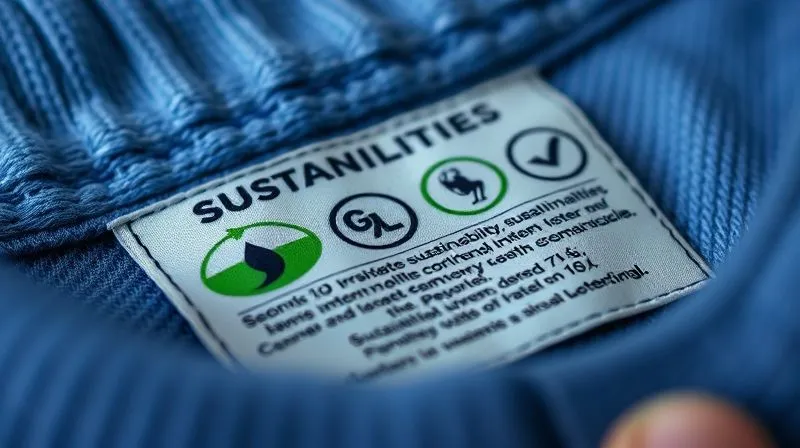
In the complex world of textile production, third-party certifications are invaluable tools for validating your eco claims. They act as independent arbiters, assuring consumers that your products meet stringent environmental and social standards. Relying on recognized certifications demonstrates a commitment to transparency and provides a credible layer of proof.
Key Certifications for Eco Clothing:
- GOTS (Global Organic Textile Standard): For organic fibers, ensuring ecological and social criteria throughout the supply chain.
- OEKO-TEX Standard 100: Guarantees textiles are free from harmful substances.
- GRS (Global Recycled Standard): Verifies recycled content and responsible social, environmental, and chemical practices in production.
- Fair Trade Certified: Focuses on fair wages, safe working conditions, and community development for farmers and factory workers.
- bluesign®: A holistic system that minimizes environmental impact throughout the entire textile production process.
- B Corp Certification: While broader than just textiles, B Corp certifies companies meeting high standards of social and environmental performance, accountability, and transparency.
When using certifications, always explain what they mean and why they matter to your consumer. Don't just display a logo; educate your audience on the rigorous standards behind it. This not only builds trust but also empowers your customers to make more informed choices.
Case Study: How "Veridian Weave" Built Trust with Certifications
Veridian Weave, a small but growing eco-conscious apparel brand, initially struggled with consumer skepticism despite using organic cotton. Their marketing claims felt generic. By strategically obtaining GOTS certification for all their cotton products and prominently displaying the logo with clear explanations on their website and product tags, they saw a dramatic shift. They dedicated a "Our Certifications" page explaining the GOTS criteria for organic farming, water usage, and fair labor. This move not only validated their claims but also increased their online conversion rate by 15% within six months, as customers felt more confident in their purchases.
Communicating Sustainability: Beyond Buzzwords and Towards Clarity
Effective communication is an art, especially when discussing sustainability. It requires moving beyond vague, feel-good buzzwords and embracing clear, concise, and compelling language that resonates with your audience. The goal is to inform, not to impress with jargon.
As I often advise my clients, think about your grandmother. Would she understand what "circular economy principles" or "regenerative agriculture" means without further explanation? If not, simplify. Break down complex concepts into digestible insights. Use analogies, visuals, and relatable stories to illustrate your impact.
- Tell a Story: Instead of just stating "our fabric is organic," tell the story of the farmer, the soil, and the positive impact on local ecosystems.
- Focus on Benefits: Explain what your sustainable practices mean for the customer – e.g., "less harmful chemicals on your skin," "a garment designed to last longer."
- Use Plain Language: Avoid industry jargon where possible, or if necessary, always provide a clear, simple explanation.
- Visual Communication: Infographics, short videos, and clear diagrams can often communicate complex data more effectively than text alone.
Remember, your marketing should be an educational journey for your customer. Empower them with knowledge, and they will become your most ardent advocates. This transparency in communication is key to building lasting consumer trust.
The Full Lifecycle Approach: From Raw Material to End-of-Life
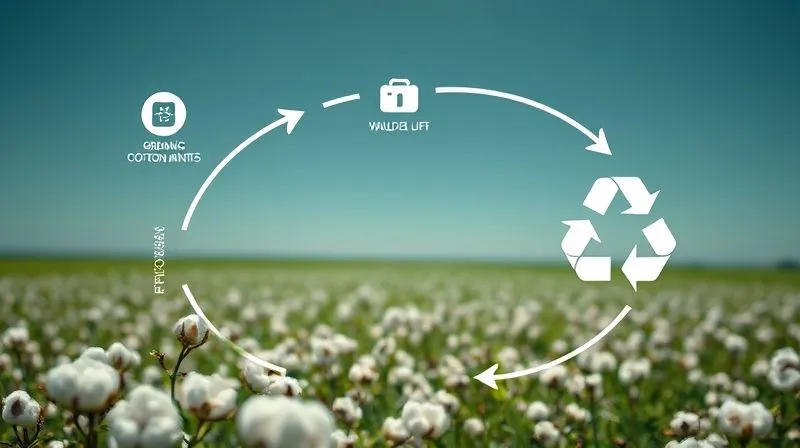
True sustainability in fashion considers the entire lifecycle of a garment, not just isolated "green" attributes. Greenwashing often occurs when brands highlight one positive aspect (e.g., "recycled polyester") while ignoring significant negative impacts elsewhere in the product's journey (e.g., dyeing processes, labor conditions, end-of-life disposability).
As an industry specialist, I emphasize a holistic perspective. This means understanding and communicating the environmental and social footprint at every stage:
- Raw Material Sourcing: Where do your fibers come from? Are they organic, recycled, regenerative, or conventional? What are the water, land, and chemical impacts?
- Manufacturing & Production: What are the energy sources, water usage, chemical management, and labor conditions in your factories?
- Transportation & Logistics: How are materials and finished goods moved? What's the carbon footprint of your supply chain?
- Product Use & Care: How durable is the garment? Are you educating consumers on low-impact washing and extending garment life?
- End-of-Life: Is the garment designed for circularity? Can it be repaired, recycled, or composted?
Communicating this full lifecycle journey, even with its imperfections, demonstrates a deep commitment to sustainability. It shows you're not just cherry-picking data but are genuinely striving for comprehensive positive impact.
Engaging Your Supply Chain: Collaborative Transparency
A brand is only as sustainable as its supply chain. For eco clothing, this means extending your transparency efforts far beyond your own operations and engaging deeply with your suppliers. Greenwashing often arises from a lack of visibility or control over upstream processes.
I've consistently found that genuine sustainability requires collaboration, not just compliance. Work with your suppliers as partners, not just vendors. This involves:
- Mapping Your Supply Chain: Understand every step, from raw material to finished product. Identify key players and potential risk areas.
- Supplier Audits: Conduct regular social and environmental audits. Don't just rely on self-declarations.
- Capacity Building: Help your suppliers improve their sustainability practices. Share knowledge, invest in technology, or provide training.
- Long-Term Relationships: Foster stable, long-term relationships with suppliers who share your values. This encourages mutual investment in sustainable practices.
- Traceability: Implement systems to track materials and products throughout the supply chain. Blockchain technology is emerging as a powerful tool here.
When you can confidently speak about your supply chain partners and their practices, your claims gain immense credibility. This level of transparency makes it incredibly difficult for greenwashing allegations to stick, as you've done the due diligence to verify your claims at their source.
| Supply Chain Stage | Key Action for Transparency | Verification Method |
|---|---|---|
| Raw Material Sourcing | Partner with certified organic farms, trace fiber origin. | GOTS/OCS certifications, farm audits. |
| Fabric Production | Audit mills for water/energy use, chemical management. | bluesign®/OEKO-TEX certifications, independent factory audits. |
| Garment Manufacturing | Ensure fair labor practices, safe working conditions. | Fair Trade/SA8000 certifications, social compliance audits. |
| Logistics & Distribution | Optimize shipping routes, choose lower-emission transport. | Carbon footprint tracking, logistics partner reports. |
Educating Your Audience: Empowering Informed Choices
One of the most powerful defenses against greenwashing allegations is an educated consumer base. When your audience understands the complexities of sustainable fashion, they are better equipped to appreciate your efforts and distinguish genuine claims from superficial ones. This moves beyond mere marketing; it becomes a mission to empower your community.
Strategies for Consumer Education:
- Blog Posts & Guides: Create in-depth content explaining sustainable materials, production processes, and the impact of fast fashion.
- Social Media Campaigns: Use platforms to share bite-sized educational content, debunk myths, and highlight your brand's specific initiatives.
- Product Pages: Go beyond basic descriptions. Include details about material origin, care instructions for longevity, and end-of-life options.
- "Why We Do It" Section: Dedicate a clear section on your website explaining your brand's sustainability philosophy, goals, and challenges.
- Interactive Tools: Consider tools like impact calculators (e.g., "This garment saved X liters of water") or traceability maps.
By investing in consumer education, you're not just selling clothes; you're building a movement. This fosters a loyal community that trusts your brand because they understand and value your commitment to genuine sustainability. As consumer demand for sustainability continues to rise, education becomes a competitive advantage.
Proactive Auditing & Continuous Improvement
Sustainability is not a destination; it's an ongoing journey of improvement. To truly avoid greenwashing, your brand must commit to proactive auditing of its claims and a culture of continuous environmental and social improvement. This demonstrates long-term dedication and prevents complacency.
Implementing a Continuous Improvement Cycle:
- Regular Internal Audits: Periodically review all your sustainability claims, marketing materials, and internal processes to ensure accuracy and consistency.
- External Verification: Engage third-party auditors to verify your progress against set targets, especially for key metrics like carbon emissions or water usage.
- Stakeholder Feedback: Actively solicit feedback from customers, suppliers, and even critics. Listen to concerns and address them transparently.
- Set Measurable Goals: Establish clear, time-bound, and measurable sustainability targets (e.g., "reduce water consumption by 20% by 2025").
- Public Reporting: Share your progress (and challenges) through annual sustainability reports. This builds accountability and trust.
- Invest in Innovation: Continuously research and invest in new sustainable materials, technologies, and processes.
This proactive approach ensures that your brand remains at the forefront of sustainable practices, constantly evolving and improving. It also provides a robust defense against any greenwashing allegations, as you can demonstrate a clear, documented path of genuine effort and progress.
Frequently Asked Questions (FAQ)
Question: What are the biggest red flags for greenwashing in eco clothing marketing? The biggest red flags include vague or unsubstantiated claims (e.g., "eco-friendly," "all-natural" without specifics), irrelevant claims (e.g., "CFC-free" for a product where CFCs are not an issue), hidden trade-offs (highlighting one green attribute while ignoring others), and outright lies. Lack of transparency about the supply chain or certifications is also a major concern.
Question: How can a small brand with limited resources compete with larger brands on sustainability claims without greenwashing? Small brands can actually have an advantage due to inherent transparency. Focus on communicating what you *can* verify: your local sourcing, ethical production in small batches, specific material certifications (even for one component), and your personal commitment. Build a strong narrative around your values and the direct impact you make. Authenticity often trumps scale. Partner with local artisans or small-scale sustainable producers and tell their story.
Question: Is it better to be completely silent on sustainability if a brand isn't 100% sustainable? No, silence is often perceived as inaction or indifference. It's far better to be honest and transparent about your journey, highlighting your progress and acknowledging your challenges. Consumers appreciate honesty and brands that are actively working towards sustainability, even if they're not perfect. The key is to avoid making claims you can't substantiate and focus on verifiable improvements.
Question: What legal risks are associated with greenwashing in the fashion industry? The legal risks are significant and growing. Regulatory bodies like the FTC and the EU are increasingly scrutinizing green claims. Brands can face hefty fines, forced product recalls, corrective advertising orders, and costly lawsuits from consumers or competitors. Beyond legal penalties, the reputational damage can be irreversible, leading to lost sales and consumer boycotts.
Question: How can I effectively train my marketing team to avoid greenwashing? Start with comprehensive education on sustainability principles, relevant certifications, and regulatory guidelines (like the FTC Green Guides). Establish clear internal policies for making and verifying environmental claims, including a mandatory review process for all marketing copy. Encourage critical thinking about language and visuals, and foster a culture where questioning claims is encouraged. Regular workshops and access to expert resources are crucial.
Key Takeaways and Final Thoughts
Navigating the complex world of sustainable fashion marketing without falling prey to greenwashing allegations is challenging, but entirely achievable. It demands a steadfast commitment to transparency, verifiability, and continuous improvement. As an industry veteran, I've seen that the brands who thrive are those who embrace these principles not as a marketing tactic, but as a core part of their identity.
- Prioritize Verifiable Claims: Every eco claim must be specific and backed by data or certifications.
- Embrace Third-Party Certifications: Leverage GOTS, OEKO-TEX, GRS, and others as credible proof points.
- Communicate with Clarity: Ditch the jargon, tell stories, and educate your audience.
- Adopt a Full Lifecycle Perspective: Understand and communicate impact from raw material to end-of-life.
- Engage Your Entire Supply Chain: Ensure transparency and ethical practices extend upstream.
- Empower Your Consumers: Educate them to make informed choices and become advocates.
- Commit to Continuous Improvement: Sustainability is a journey, not a destination. Audit, learn, and evolve.
Remember, your brand's integrity is its most valuable asset. By adhering to these principles, you not only protect your reputation but also contribute meaningfully to the sustainable fashion movement. Be bold in your mission, be humble in your claims, and always, always be authentic. Your customers, and the planet, will thank you for it.
Recommended Reading
- The Ultimate Men's Capsule Wardrobe for Travel: Pack Light & Right!
- From Freebies to Fees: 7 Steps to Paid Fashion Collabs
- 7 Smart Ways to Liquidate Unsold Winter Accessories Without Devaluing Your Brand
- Eyewear for Sensitive Skin: Find Your Perfect, Irritation-Free Fit
- Clean Beauty's Credibility: 7 Proven Ways to Banish Greenwashing Skepticism




Your email address will not be published. Required fields are marked *