

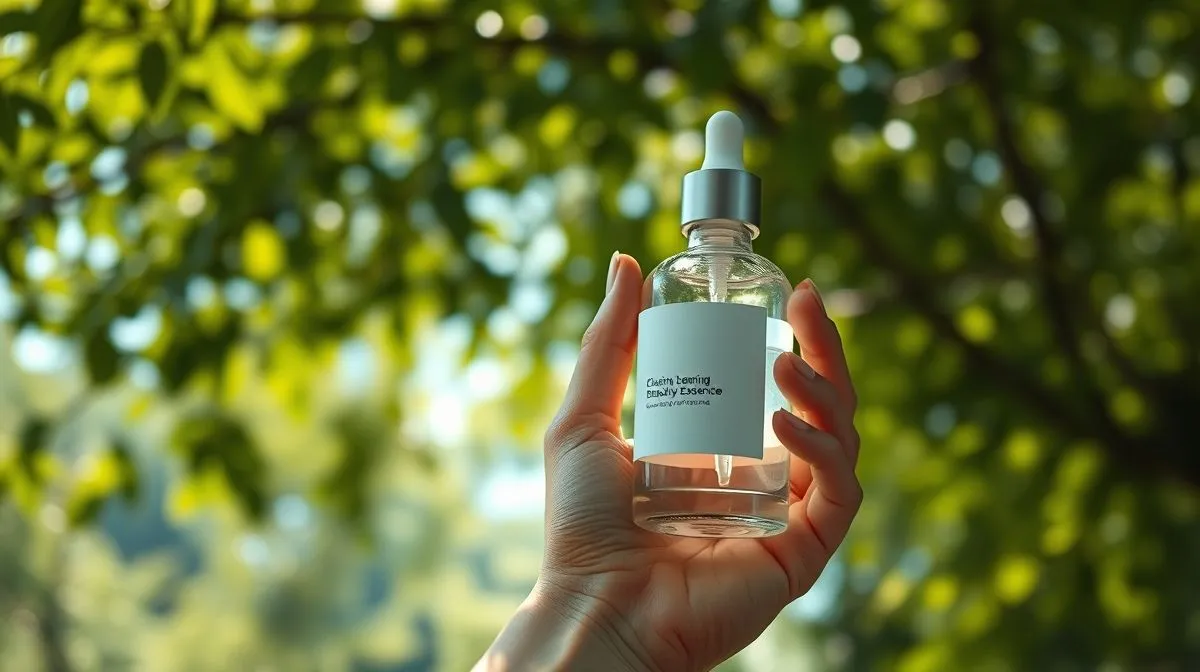
How Do Clean Beauty Brands Avoid Greenwashing Skepticism?
For over two decades in the dynamic world of beauty and fashion, I've witnessed a profound transformation. What began as a niche interest in 'natural' products has blossomed into a global movement for 'clean beauty.' Yet, with this growth comes a formidable challenge: the pervasive shadow of greenwashing.
Consumers today are savvier than ever. They've been burned by empty promises and misleading labels, leading to a deep-seated skepticism. This erosion of trust is the single greatest threat to the clean beauty industry's long-term viability, making it crucial for brands to differentiate genuine commitment from mere marketing.
In this definitive guide, I'll share the actionable frameworks and expert insights I've gathered from years on the front lines. You'll learn how to build an unshakeable foundation of trust, transforming consumer skepticism into unwavering loyalty. This isn't just about marketing; it's about fundamentally rethinking your brand's approach to authenticity and transparency.
Understanding the Greenwashing Quagmire: Why Consumers Are Skeptical
The term 'greenwashing' has become an unfortunate staple in the beauty lexicon. It refers to the deceptive practice where companies market products as environmentally friendly or natural, often without substantive evidence. This isn't just a minor misstep; it's a breach of trust that ripples across the entire industry.
Consumers are increasingly aware of vague claims like 'eco-friendly packaging' or 'natural ingredients' that lack specific details. They demand proof, not just pronouncements. My experience tells me that this heightened scrutiny stems from a genuine desire to make responsible choices, coupled with a frustration over past deceptions.
"In an era of information overload, transparency isn't just a buzzword; it's the currency of trust. Brands that genuinely embrace it will thrive, while those that pay lip service will falter."
The challenge for clean beauty brands, therefore, is to not just be clean, but to unequivocally demonstrate it. This requires moving beyond surface-level claims to deep, verifiable commitments across every facet of their operation.
Pillar 1: Radical Transparency in Sourcing and Ingredients
The bedrock of avoiding greenwashing skepticism lies in absolute transparency. This isn't about listing ingredients; it's about telling the full story behind each one. Consumers want to know where ingredients come from, how they are harvested, and why they are chosen.
I've seen brands attempt to hide behind proprietary blends or vague terms, but this only fuels distrust. Instead, successful clean beauty brands open their books, offering an unprecedented look into their supply chain. This level of openness builds an emotional connection that marketing alone cannot achieve.
The Power of Traceability: From Farm to Face
True transparency begins at the source. Brands must be able to trace every ingredient back to its origin. This includes knowing the growers, the ethical labor practices, and the environmental impact of cultivation.
- Map Your Supply Chain: Identify every supplier, from raw material producers to packaging manufacturers.
- Implement Digital Tracking: Utilize blockchain or similar technologies to record the journey of ingredients.
- Share Supplier Stories: Introduce your consumers to the farmers or communities behind your ingredients through compelling content.
- Verify Certifications: Ensure your suppliers hold relevant ethical and environmental certifications.
According to a recent study by Deloitte, 55% of consumers are willing to pay more for brands that are transparent about their supply chain practices. This isn't just a nice-to-have; it's a business imperative.
Deciphering Ingredient Lists: Beyond the Buzzwords
The average consumer often finds ingredient lists intimidating. Clean beauty brands have a responsibility to educate, not just list. Explain the purpose of each ingredient in plain language, and clarify why certain ingredients are *excluded*.
- Use Plain Language: Translate complex scientific names into understandable terms.
- Highlight 'Free From' Lists: Clearly state what your products *don't* contain (e.g., parabens, phthalates, sulfates) and explain why these are avoided.
- Educational Content: Create blog posts, videos, and infographics that break down ingredient science.
- Interactive Tools: Consider an online ingredient dictionary or a 'product ingredient explorer' on your website.
Pillar 2: Verifiable Certifications and Third-Party Validation
While internal transparency is crucial, external validation provides an undeniable layer of trust. Independent certifications and third-party audits act as impartial arbiters, verifying a brand's claims against established standards. This is a powerful antidote to greenwashing skepticism.
I advise brands to invest in reputable certifications, not just for PR, but as a commitment to rigorous standards. These seals of approval signal to consumers that a brand's claims are not self-proclaimed, but externally verified.
Navigating the Certification Labyrinth
The world of certifications can be confusing, with numerous labels and varying standards. Brands must strategically choose certifications that are widely recognized, credible, and align with their core values.
- Cruelty-Free: Leaping Bunny or PETA's Beauty Without Bunnies are essential for ethical claims.
- Organic: USDA Organic (US), Ecocert (EU), or COSMOS Organic for ingredient integrity.
- Sustainable Packaging: Cradle to Cradle, Forest Stewardship Council (FSC) for paper.
- Ethical Business: B Corp Certification signifies a commitment to social and environmental performance.
Each certification comes with stringent requirements and regular audits, ensuring ongoing compliance. This continuous oversight builds long-term consumer confidence.
The Role of Independent Audits
Beyond formal certifications, consider engaging independent auditors to verify specific claims, such as carbon footprint, water usage, or ethical labor practices. These audits provide detailed reports that can be shared with the public.
This level of verification transcends simple marketing. It's about demonstrating a genuine commitment to accountability, which is increasingly what consumers demand from brands in every sector.
Pillar 3: Authentic Brand Storytelling and Education
While facts and certifications are vital, human connection is built through compelling stories. Authentic brand storytelling transforms a list of attributes into a narrative that resonates deeply with consumers. This is where your brand's soul truly shines through.
I've seen many brands fail by focusing solely on product benefits. The most successful clean beauty brands tell a story of purpose, passion, and genuine commitment to a better future. They educate their audience, empowering them to make informed choices, rather than just dictating what they should buy.
Beyond Marketing Hype: Educating, Not Just Selling
Your content strategy should prioritize education over overt sales pitches. Become a trusted resource for information on clean beauty, ingredient science, and sustainable living.
- Create In-Depth Content: Develop blog posts, whitepapers, and videos that explain complex topics in an accessible way.
- Host Expert Webinars: Invite scientists, dermatologists, or environmental experts to discuss clean beauty topics.
- Ingredient Deep Dives: Dedicate content pieces to specific ingredients, explaining their benefits and sourcing.
- Debunk Myths: Address common misconceptions about clean beauty and greenwashing head-on with factual information.
As marketing guru Seth Godin often says, "People do not buy goods and services. They buy relations, stories, and magic." For clean beauty, the magic is in the truth, told compellingly.
Engaging Your Community: Fostering Dialogue
Two-way communication is essential for building trust. Encourage questions, feedback, and open dialogue. Respond thoughtfully and transparently to concerns, even critical ones.
- Active Social Listening: Monitor conversations about your brand and the clean beauty space.
- Q&A Sessions: Host live Q&A sessions on social media or your website with your founders or product developers.
- Customer Reviews & Testimonials: Showcase authentic customer experiences, good and bad, and respond constructively.
- User-Generated Content: Encourage customers to share their experiences and stories.
This level of engagement demonstrates that your brand values its community and is committed to continuous improvement, helping to alleviate any lingering greenwashing skepticism.
Pillar 4: Lifecycle Accountability and Sustainable Practices
Clean beauty extends beyond ingredients to the entire product lifecycle. Consumers are increasingly scrutinizing packaging, manufacturing processes, and end-of-life disposal. Brands that address these aspects comprehensively build a stronger case for their sustainability claims.
In my view, true clean beauty means minimizing environmental impact at every stage. This requires innovative thinking and a commitment to moving towards a circular economy.
Packaging Innovation: Reducing Environmental Footprint
Packaging is often the most visible aspect of a product's environmental impact. Brands must prioritize reducing, reusing, and recycling.
- Minimize Packaging: Reduce unnecessary layers and materials.
- Choose Sustainable Materials: Opt for post-consumer recycled (PCR) plastics, glass, aluminum, or biodegradable materials.
- Design for Circularity: Ensure packaging is easily refillable, reusable, or recyclable.
- Educate on Disposal: Provide clear instructions on how to properly recycle or dispose of packaging.
Consider initiatives like the Sustainable Packaging Coalition for guidance and best practices. Investing in sustainable packaging is a clear signal of your brand's commitment to environmental responsibility.
Waste Management and Circular Economy Initiatives
A truly clean brand considers its waste streams and aims for a closed-loop system. This goes beyond just recycling packaging to include manufacturing waste and product returns.
- Zero-Waste Manufacturing: Implement processes that minimize or eliminate waste during production.
- Take-Back Programs: Offer programs for consumers to return empty containers for proper recycling or refilling.
- Upcycling Initiatives: Explore ways to upcycle waste materials from production into new products or resources.
- Energy Efficiency: Power your operations with renewable energy sources where possible.
Pillar 5: Ethical Business Practices and Social Impact
Authentic clean beauty is not just about environmental responsibility; it's also deeply intertwined with social equity and ethical business practices. Consumers are looking for brands that contribute positively to society, treat their employees fairly, and support their communities.
This pillar is often overlooked in discussions of greenwashing, but I believe it's becoming increasingly critical. A brand cannot claim to be 'clean' if its supply chain exploits labor or if its profits come at the expense of human dignity.
Fair Labor and Community Engagement
Ensure that fair wages, safe working conditions, and ethical treatment are guaranteed throughout your supply chain, from ingredient sourcing to manufacturing and distribution.
- Supplier Audits: Conduct regular audits of your suppliers to ensure compliance with labor standards.
- Living Wages: Commit to paying living wages to all employees, not just minimum wage.
- Community Investment: Support the communities where your ingredients are sourced or where your products are manufactured.
Brands like The Body Shop have historically championed ethical sourcing and community trade, demonstrating that business success can go hand-in-hand with social impact.
Measuring and Reporting Social Good
Just as you report on financial performance, transparently report on your social impact. This demonstrates accountability and provides tangible proof of your commitments.
- Publish Impact Reports: Create annual reports detailing your social and environmental initiatives and their outcomes.
- Partner with NGOs: Collaborate with reputable non-governmental organizations on social impact projects.
- Third-Party Verification: Pursue certifications like B Corp that assess your entire social and environmental performance.
Case Study: The "PureSkin" Brand's Journey to Unwavering Trust
PureSkin, a mid-sized clean skincare brand, faced significant greenwashing skepticism in its early years despite genuine intentions. Their initial marketing relied on vague terms like 'natural purity' and 'eco-friendly formula,' which resonated poorly with a cynical audience.
Recognizing this, PureSkin embarked on a radical transparency overhaul. They implemented blockchain technology to trace every botanical ingredient back to its organic farm in Provence, sharing QR codes on packaging that linked directly to grower profiles and harvest dates. They also engaged Ecocert for full product certification and published their annual sustainability report, detailing water usage, carbon footprint, and waste diversion rates in their manufacturing facility.
Furthermore, PureSkin launched an educational content hub called 'The Ingredient Decoder,' breaking down complex chemical names into simple explanations of their purpose and safety. They also started a 'Return & Refill' program for their glass packaging, offering loyalty points for returned empties.
The results were transformative. Within two years, PureSkin saw a 45% increase in customer loyalty and a 30% reduction in customer service inquiries related to product claims. Their brand reputation soared, positioning them as a leader in genuine transparency. This success wasn't just about avoiding greenwashing skepticism; it was about building a powerful, trust-based relationship with their consumers.
The Future of Clean Beauty: A Commitment to Continuous Improvement
The journey to impeccable trust in the clean beauty space is not a destination; it's a continuous evolution. As scientific understanding advances and consumer expectations shift, brands must remain agile and committed to ongoing improvement. What constitutes 'clean' today may evolve tomorrow, and truly authentic brands will lead that change.
I've always advocated for a mindset of 'progress, not perfection.' It's about consistently striving for better, iterating on practices, and transparently communicating both successes and challenges. This humility and dedication to learning further cements a brand's credibility and commitment to avoiding greenwashing skepticism.
"Building trust in clean beauty isn't a one-time campaign; it's a perpetual promise. Every action, every decision, must reinforce that promise."
Embrace innovation, listen intently to your community, and always prioritize integrity. This proactive approach will not only future-proof your brand but will also contribute to a more honest and responsible beauty industry for everyone.
Frequently Asked Questions (FAQ)
What's the biggest mistake clean beauty brands make regarding greenwashing? In my experience, the biggest mistake is making vague, unsubstantiated claims without verifiable proof. Words like 'natural' or 'eco-friendly' mean little without detailed sourcing information, third-party certifications, or transparent impact reports. Consumers are looking for data and concrete actions, not just marketing language.
How can a small clean beauty startup build trust without a huge budget for certifications? Even with a limited budget, focus on radical transparency. Document your ingredient sourcing with photos and stories. Be exceptionally clear about what you include and exclude, and why. Engage actively with your community online, answering questions openly. Prioritize one or two key certifications that are most relevant to your core claims, and openly communicate your plans for future certifications as you grow. Authenticity often trumps a massive marketing spend.
Is it possible for a brand to be 100% 'clean' and 'sustainable'? Achieving 100% is an incredibly ambitious goal, given the complexities of global supply chains and manufacturing. Instead of claiming perfection, focus on transparently communicating your current efforts, your long-term goals, and the challenges you face. Acknowledging imperfections while demonstrating a clear path to improvement builds more trust than unrealistic claims. Continuous improvement is key.
How do I educate my customers without overwhelming them with scientific jargon? Break down complex information into digestible, relatable content. Use analogies, infographics, short videos, and storytelling. Focus on the 'why' behind your choices – why an ingredient is good, or why a practice is sustainable – rather than just the 'what.' Empower them with knowledge, don't just present facts. Think like a mentor, not a lecturer.
What's the role of social media in avoiding greenwashing skepticism? Social media is crucial for direct, authentic engagement. Use it to share behind-the-scenes content, answer questions in real-time, showcase your values, and tell your brand's story. It's an ideal platform to humanize your brand and demonstrate your commitment through consistent, transparent communication. It also allows for immediate feedback and correction of misinformation.
Recommended Reading
- Unveiling the Past: How to Achieve Historical Accuracy in 18th-Century Fashion
- 5 Proven Ways to Slash Eyewear Returns: A Guide for Optical Retailers
- 5 Strategic Pillars: What to do when luxury handbag fakes erode brand exclusivity?
- The Ultimate Guide: Why Do Your Belts Keep Cracking and How to Prevent It?
- Sportswear Streetwear Style Mix: The Ultimate Fashion Fusion?
Key Takeaways and Final Thoughts
- Radical Transparency: Openly share ingredient sourcing, manufacturing processes, and supply chain details.
- Verifiable Certifications: Invest in credible third-party certifications to validate your claims.
- Authentic Storytelling: Educate your audience and foster genuine two-way communication.
- Lifecycle Accountability: Address packaging, waste, and environmental impact comprehensively.
- Ethical Business Practices: Ensure fair labor, social impact, and community engagement.
- Continuous Improvement: Recognize that achieving trust is an ongoing journey, not a one-time achievement.
The future of clean beauty rests on a foundation of trust. By embracing these principles, your brand can not only avoid greenwashing skepticism but also establish itself as a true leader in a conscious, ethical, and thriving industry. It's a commitment that pays dividends, not just in sales, but in the invaluable currency of consumer loyalty and respect. Go forth and build that trust, one transparent step at a time.





Your email address will not be published. Required fields are marked *