

Why Do Your Belts Keep Cracking and How to Prevent It?
Have you ever heard that unsettling squeal from under your car's hood, only to discover a belt riddled with cracks, seemingly overnight? Or perhaps you've noticed tiny fissures forming on your washing machine's drive belt, wondering if a catastrophic failure is imminent. This common dilemma isn't just an annoyance; it's a critical warning sign that can lead to significant performance issues, or even complete breakdown, if left unaddressed.
Many vehicle owners and appliance users face the perplexing question: why do my belts keep cracking, and what can be done about it? The answer lies in a complex interplay of environmental factors, operational stresses, and material science. Understanding these underlying causes is the first step towards prevention.
In this comprehensive guide, we'll delve deep into the core reasons why your belts keep cracking, explore the different types of belts in your vehicle and home appliances, and most importantly, equip you with actionable strategies and preventative measures to extend their lifespan, ensuring your machinery runs smoothly and reliably for years to come. By the end of this reading, you'll be an expert in belt longevity.
Understanding the Different Types of Belts and Their Roles
Before we explore why belts crack, it's crucial to understand the various types of belts and their critical functions. While this article focuses primarily on automotive belts, the principles of degradation apply broadly to industrial and household belts as well.
Automotive Belts: The Unsung Heroes
- Serpentine Belts: These single, long belts snake through multiple pulleys, driving various accessories like the alternator, power steering pump, air conditioning compressor, and water pump. Their failure can disable multiple critical systems simultaneously.
- V-Belts: Older vehicles and some auxiliary systems still use V-belts. They are typically shorter and drive one or two components, distinguished by their V-shaped cross-section that wedges into pulley grooves for grip.
- Timing Belts: Unlike accessory belts, timing belts are internal and synchronize the rotation of the crankshaft and camshaft(s), ensuring the engine's valves open and close at the correct times. Their failure in 'interference' engines can lead to catastrophic engine damage.
Each type of belt is engineered for specific loads and environments, but all are susceptible to similar forms of wear and tear that lead to cracking.
The Silent Killers: Primary Causes of Belt Cracking
Belt cracking isn't a random event; it's the cumulative result of various stressors acting on the belt's material. Understanding these stressors is paramount to effective prevention.
Extreme Temperatures and Environmental Factors
The rubber compounds used in modern belts are designed to withstand a range of temperatures, but prolonged exposure to extremes can accelerate their degradation. High under-hood temperatures, especially in summer or during heavy loads, can cause the rubber to harden and become brittle. Conversely, extreme cold can make belts less pliable, increasing the risk of cracking upon startup.
According to automotive material science, the constant heating and cooling cycles cause the rubber to expand and contract. This thermal cycling can lead to microscopic stress fractures that eventually propagate into visible cracks. Sunlight exposure, particularly UV radiation, can also break down the polymer chains in the rubber, a process known as photo-oxidation, leading to dry rot and surface cracking.
Improper Belt Tension: Too Loose or Too Tight
Tension is a critical factor in belt longevity. A belt that is too loose will slip, generating excessive heat due to friction. This heat rapidly hardens the rubber, leading to cracks, glazing, and premature wear. Slipping also causes a characteristic squealing noise, which is often the first audible sign of a problem.
Conversely, a belt that is too tight places undue stress on the belt material and the bearings of the components it drives. This constant, excessive tension stretches the belt beyond its elastic limits, causing internal cord separation and surface cracking. Over-tensioning can also lead to premature bearing failure in the alternator, water pump, or power steering pump, making it a double-edged sword.
Oil, Grease, and Chemical Contamination
Belts are made primarily of rubber compounds, which are highly susceptible to degradation when exposed to petroleum-based products. Oil leaks from the engine, power steering fluid, or even coolant can seep onto the belt surface. These chemicals act as solvents, breaking down the rubber's molecular structure, causing it to swell, soften, and lose its elasticity. This leads to a gummy, sticky surface that eventually hardens and cracks.
Even seemingly minor splashes of these fluids can significantly reduce a belt's lifespan. It's not uncommon for a belt to fail prematurely if there's an unresolved fluid leak in its vicinity. Regular cleaning of the engine bay and prompt repair of any leaks are essential preventative measures.
Age and Material Degradation (Dry Rot)
Time, even without extensive use, is a significant factor in belt degradation. The rubber compounds naturally harden and lose their flexibility over time due to a process called 'dry rot' or 'ozone cracking'. This is a chemical reaction between the rubber and atmospheric oxygen and ozone, which breaks down the polymer chains. This process is particularly pronounced in older belts, even those on vehicles with low mileage or in storage.
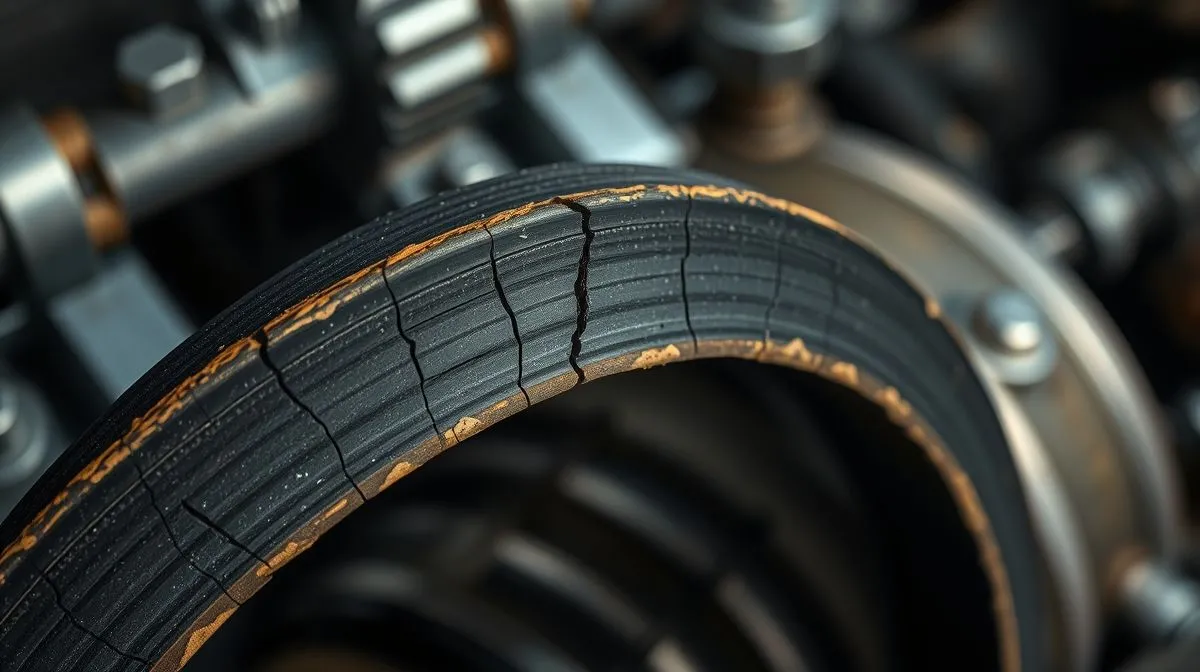
You might notice a network of fine, shallow cracks on the belt's surface, resembling a spiderweb. This is a classic sign of dry rot and indicates that the belt's structural integrity is compromised, even if it's not yet slipping or squealing. The internal reinforcing cords may still be intact for a while, but the outer layer's protective properties are diminished.
Misalignment of Pulleys
While less common than other causes, misaligned pulleys can induce significant stress on a belt. If a pulley is not perfectly in line with the others, the belt will be constantly subjected to lateral forces as it tries to track correctly. This uneven wear can lead to fraying along the belt edges, excessive heat generation, and eventual cracking or delamination of the belt material. Misalignment can be caused by worn bearings, bent components, or improper installation.
Decoding the Cracks: What Different Crack Patterns Mean
Observing the pattern of cracks on your belt can offer valuable clues about the underlying cause of its deterioration. Knowing what to look for helps in diagnosing and preventing future issues.
- Transverse Cracks (Across the Belt's Width): These are the most common type and often indicate age, heat degradation, or prolonged exposure to ozone (dry rot). They typically appear on the ribbed side of the belt. If the cracks are deep and numerous, the belt is severely compromised.
- Longitudinal Cracks (Along the Belt's Length): These parallel cracks, especially on the ribbed side, can suggest excessive tension or poor belt-to-pulley fit. They indicate the belt is being stretched beyond its design limits.
- Chunking/Missing Ribs: When pieces of the belt's ribs are missing, or the belt appears to be delaminating, it's a severe sign of advanced degradation, often due to extreme heat, excessive wear, or exposure to contaminants. This belt is on the verge of catastrophic failure.
- Glazing/Hardening: A shiny, hardened appearance on the belt's surface, often accompanied by squealing, indicates prolonged slipping and excessive heat. While not a crack itself, it precedes cracking as the rubber loses its elasticity.
Regular visual inspection is your best friend in catching these signs early. A quick check every few months can save you from a roadside breakdown.
Proactive Prevention: How to Stop Belt Cracking Before It Starts
Preventing belt cracking is largely about proactive maintenance and addressing issues before they escalate. Here’s how to ensure your belts last their full lifespan.
Regular Visual Inspections: Your First Line of Defense
Make it a habit to visually inspect your belts every 3 to 6 months, or during every oil change. Look for the crack patterns described above, as well as fraying, glazing, or missing chunks. Pay attention to any unusual noises like squealing, chirping, or grinding, which can indicate slipping or worn components.
For serpentine belts, you may need to release tension to inspect the ribbed underside properly. Always consult your vehicle's service manual for the correct procedure. A flashlight can help illuminate hard-to-reach areas.
Maintaining Optimal Belt Tension
Proper belt tension is crucial for longevity. For most accessory belts, tension is maintained by an automatic tensioner. Ensure this tensioner is functioning correctly; a worn tensioner can lead to a loose belt and subsequent issues. If your vehicle uses a manual tensioning system, check and adjust the tension according to manufacturer specifications using a belt tension gauge. Over-tightening is as detrimental as under-tightening.
According to engineering guidelines from manufacturers like Gates Corporation, maintaining the correct tension ensures optimal power transmission and minimizes heat build-up, significantly extending belt life. For detailed information on belt tension and its impact, you can refer to resources from reputable automotive engineering organizations like SAE International.
Protecting Belts from Contaminants
Address any fluid leaks immediately. This includes oil, power steering fluid, coolant, or even brake fluid. Clean any contaminated areas thoroughly with a degreaser specifically designed for automotive use, ensuring no residue remains on the belt or pulleys. Regular engine bay cleaning can also help prevent accumulation of grime that could eventually lead to contamination.
The Importance of Quality Replacement Belts
When it's time for a replacement, don't skimp on quality. Opt for belts from reputable manufacturers that meet or exceed OEM (Original Equipment Manufacturer) specifications. These belts are made with advanced rubber compounds and reinforcing cords designed to withstand the harsh under-hood environment and provide longer service life. Cheap, generic belts may save you a few dollars initially but often crack and fail much faster, leading to greater costs and inconvenience down the road.
Addressing Underlying Engine Issues
Sometimes, belt cracking is a symptom of a larger problem. Worn-out pulleys, failing bearings in accessories (like the alternator or A/C compressor), or even a misaligned engine mount can put undue stress on belts, leading to premature failure. If you consistently find your belts cracking despite regular replacement and tension checks, have a qualified mechanic inspect these components. A comprehensive guide on automotive maintenance can be found on resources like Wikipedia's Car Maintenance page, offering insights into various vehicle systems.
When to Replace Your Belts: Signs Beyond Cracks
While visible cracks are a clear indicator, other signs also signal that a belt is nearing the end of its life. Ignoring these warnings can lead to unexpected breakdowns and costly repairs.
- Squealing or Chirping Noises: Often the first audible sign of a slipping belt, usually due to loss of tension or surface glazing.
- Loss of Ribs or Chunks: Indicates severe degradation and imminent failure.
- Fraying Along the Edges: Suggests misalignment or the belt rubbing against another component.
- Stretch or Slack: Belts can stretch over time, leading to reduced tension and slipping.
- Mileage and Age Recommendations: Your vehicle's manufacturer specifies replacement intervals, typically every 60,000 to 100,000 miles for serpentine belts and often every 60,000 to 90,000 miles for timing belts, regardless of visible wear. Adhering to these is crucial.
It's always better to replace a belt proactively based on mileage or age rather than waiting for it to fail, especially for critical components like the timing belt.
The DIY vs. Professional Dilemma: When to Seek Expert Help
For simple accessory belt inspections and even some replacements, a skilled DIYer can often handle the job. However, certain situations warrant professional intervention.
When to DIY:
- Visual Inspections: Anyone can perform a basic visual check.
- Accessory Belt Replacement (Simple): If the belt is easily accessible and the tensioner is straightforward to operate, replacing a serpentine or V-belt can be a DIY task.
- Cleaning: Removing contaminants from belts and pulleys.
When to Call a Professional:
- Timing Belt Replacement: This is a complex job that requires specialized tools and precise timing knowledge. Incorrect installation can lead to severe engine damage.
- Persistent Squealing/Cracking: If you've replaced the belt and the problem persists, it indicates an underlying issue like a worn tensioner, misaligned pulley, or failing accessory bearing. A professional can accurately diagnose and fix these.
- Fluid Leaks: If a fluid leak is contaminating your belt, a mechanic can identify and repair the source of the leak.
- Lack of Tools or Confidence: If you're unsure or lack the necessary tools, it's always safer to let a professional handle it.
Investing in professional service when needed is a wise decision that can prevent more significant and expensive repairs in the long run. For general automotive care tips and finding reputable repair shops, resources like The Car Care Council offer valuable guidance.
Extending Belt Lifespan: Advanced Tips and Best Practices
Beyond routine maintenance, a few advanced practices can further extend the life of your belts and prevent them from cracking prematurely.
- Mind Your Driving Habits: Aggressive driving, such as rapid acceleration or hard braking, puts additional stress on your engine and its accessory belts. Smooth, consistent driving reduces sudden load changes and prolongs belt life.
- Avoid Overloading Accessories: While belts are designed to handle the load of accessories, consistently running all high-demand accessories (like AC at max, high-beam lights, and powerful audio systems) simultaneously for extended periods can increase wear, especially on older belts.
- Regularly Check Pulleys and Tensioners: Don't just inspect the belt; check the components it interacts with. Spin pulleys to listen for grinding noises (indicating worn bearings) and observe the automatic tensioner for excessive vibration or lack of movement, which might signal a failing unit.
- Consider Belt Dressing (with Caution): Some 'belt dressings' are available, but their use is generally discouraged for modern serpentine belts. Many can temporarily quiet a squeal but can also attract dirt, cause the belt to swell, or simply mask a serious underlying problem. Always consult your vehicle manufacturer's recommendation before using such products.
- Proper Storage for Spare Belts: If you keep a spare belt, store it in a cool, dry place away from direct sunlight, extreme temperatures, and chemicals. This prevents premature dry rot before installation.
By integrating these practices into your maintenance routine, you can significantly reduce the likelihood of your belts cracking and failing unexpectedly.
Frequently Asked Questions (FAQ)
Can I drive with a cracked belt? It is strongly advised against driving with a cracked belt, especially a serpentine or timing belt. A cracked serpentine belt can fail, leading to loss of power steering, alternator charge, and even engine overheating. A cracked timing belt can cause catastrophic engine damage. Replace it immediately.
How often should I check my belts? You should visually inspect your belts every 3 to 6 months, or during every oil change. Listen for unusual noises and feel for excessive slack.
What's the difference between a serpentine and a timing belt? A serpentine belt drives external accessories like the alternator and AC compressor. A timing belt is internal, synchronizing engine components (crankshaft and camshaft) and is crucial for engine operation. Timing belt failure often leads to severe engine damage in 'interference' engines.
Does belt dressing really work? While belt dressing might temporarily silence a squealing belt, it often masks the real problem (like improper tension or worn components) and can even attract dirt, potentially shortening the belt's life. It's generally not recommended for modern belts.
How long do automotive belts typically last? Serpentine belts typically last between 60,000 to 100,000 miles, or 4-7 years. Timing belts often have specific replacement intervals, usually between 60,000 to 90,000 miles, or 5-7 years, regardless of appearance. Always consult your vehicle's owner's manual for precise recommendations.
Recommended Reading
- 1950s Dresses: Which Neckline Flatters You Most? Find Out!
- Is Virtual Try-On Accurate for Clothes? The Surprising Truth!
- Stylish Glasses for Sensitive Eyes: The Ultimate Guide to Comfort and Style
- Best Activewear for CrossFit Beginners: Crush Your First WOD!
- Unveiling the Secret: How to Clean Delicate Theatrical Stage Costumes Like a Pro
Conclusion
The question 'Why do my belts keep cracking and how to prevent it?' is fundamental to maintaining the reliability and longevity of your vehicle or machinery. We've explored that cracking is rarely a random event, but rather a direct consequence of heat, improper tension, chemical contamination, and the natural aging process. By understanding these root causes and implementing proactive measures such as regular inspections, maintaining correct tension, addressing fluid leaks, and choosing quality replacements, you can significantly extend the lifespan of your belts.
Remember, belts are vital components that ensure the smooth operation of critical systems. Ignoring the early signs of wear, like minor cracks or squealing, can lead to inconvenient breakdowns and expensive repairs. Be vigilant, be proactive, and empower yourself with the knowledge to keep your belts, and your machinery, running flawlessly for years to come. Your diligence today will save you headaches tomorrow.





Your email address will not be published. Required fields are marked *