


Is Virtual Try-On Accurate for Clothes? Unveiling the Truth
Imagine effortlessly trying on countless outfits from the comfort of your home, no dressing rooms, no awkward angles, just pure fashion exploration. Sounds like a dream, right? Well, virtual try-on technology promises exactly that.
But the big question is: is virtual try-on accurate for clothes? Can these digital fittings truly replicate the experience of physically trying on garments, or are they just a clever marketing gimmick?
This article delves deep into the world of virtual try-on technology, exploring its accuracy, limitations, and potential. By the end, you'll understand how these tools work, their benefits and drawbacks, and whether they're ready to revolutionize the way we shop for clothes online.
Understanding Virtual Try-On Technology
What is Virtual Try-On?
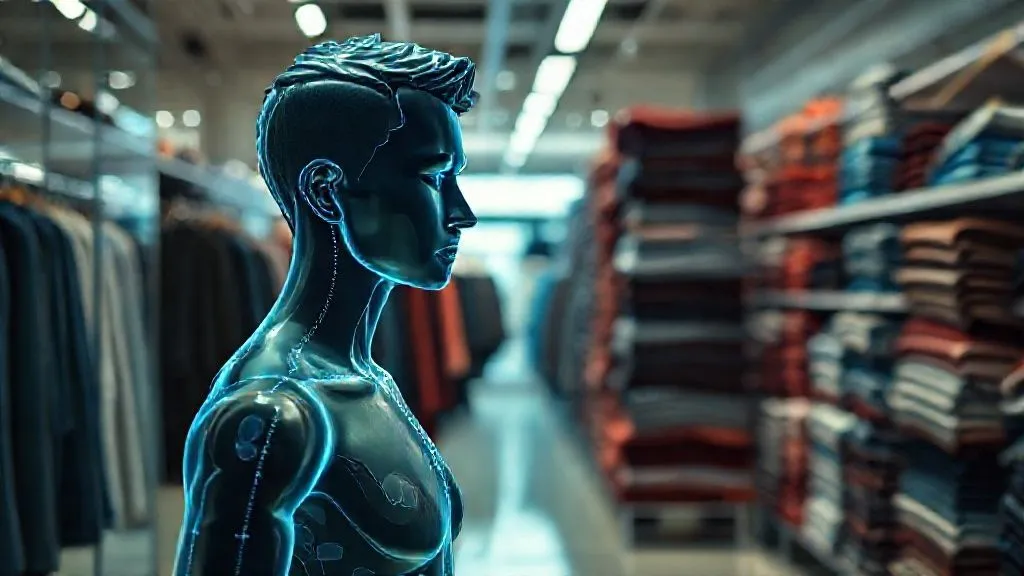
Virtual try-on (VTO) technology allows customers to see how clothing or accessories would look on them without physically trying them on. This is typically achieved through augmented reality (AR) or 3D modeling techniques.
How Does it Work?
Different VTO systems employ various methods, but the core principle involves overlaying digital images of clothing onto a live image or video of the user. Some systems use:
- AR Apps: These apps use your device's camera to map your body and overlay clothing onto your image in real-time.
- 3D Modeling: Some retailers create 3D models of their clothing and allow you to upload a photo or create an avatar to see how the clothes fit.
- AI-Powered Recommendations: Advanced systems use AI to analyze your body measurements and recommend the best size and fit.
The Evolution of Virtual Fitting
The concept of virtual fitting has been around for years, but advancements in computer vision, AR, and AI have made it more sophisticated and accessible. Early attempts were clunky and inaccurate, but modern VTO systems are becoming increasingly realistic and user-friendly. According to a report by McKinsey & Company, retailers are increasingly investing in virtual try-on technology to reduce returns and improve customer satisfaction (McKinsey & Company).
The Accuracy Factor: How Close is Close Enough?
Factors Affecting Accuracy
The accuracy of virtual try-on depends on several factors:
- Quality of Body Scanning: Accurate body measurements are crucial. Systems that rely on user-provided measurements may be less accurate than those that use advanced body scanning technology.
- Clothing Modeling: The realism and detail of the 3D clothing models are essential. High-quality models that accurately represent the fabric, drape, and fit of the garment will provide a more realistic virtual try-on experience.
- Lighting and Environment: Consistent lighting and a clear background can improve the accuracy of AR-based VTO systems.
- User Calibration: Some systems require users to calibrate their device or provide specific information to ensure accurate mapping.
Current Limitations
Despite advancements, VTO technology still has limitations:
- Fabric Simulation: Accurately simulating the way fabric drapes and moves is challenging. Virtual clothing may not always look or behave like the real thing.
- Body Shape Variations: VTO systems may struggle to accurately represent diverse body shapes and sizes.
- Personal Preferences: Fit is subjective. A VTO system may recommend a size that technically fits, but the user may prefer a different fit based on their personal style.
Benefits of Virtual Try-On for Clothes
Enhanced Shopping Experience
VTO offers a more engaging and interactive shopping experience, making it more enjoyable for customers to browse and discover new styles.
Reduced Returns
By providing a better sense of how clothing will fit, VTO can help reduce the number of returns due to sizing issues. Returns are costly for retailers and inconvenient for customers.
Increased Sales
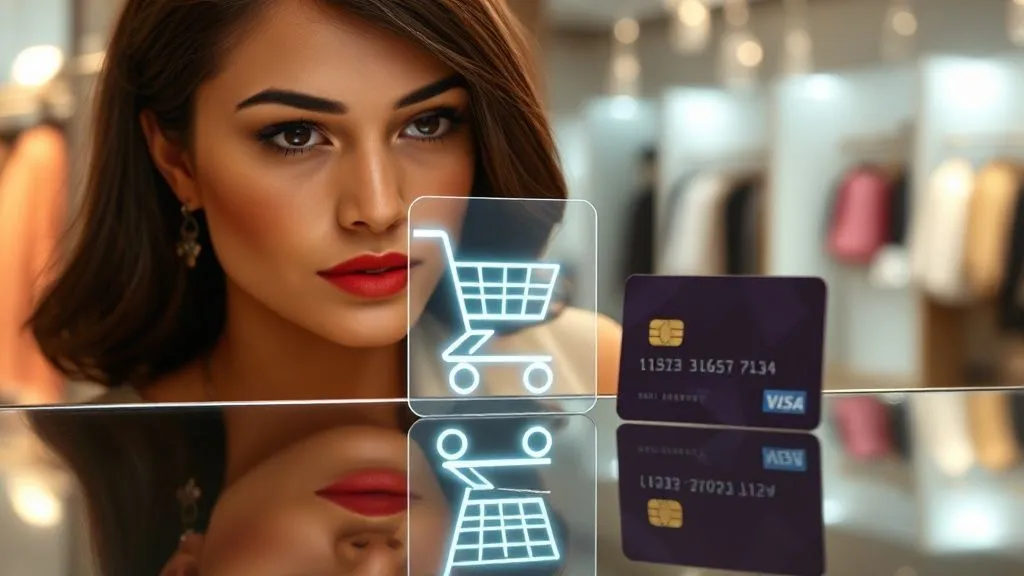
VTO can increase sales by giving customers more confidence in their purchase decisions. When customers can visualize themselves wearing the clothing, they're more likely to buy it.
Convenience and Accessibility
VTO allows customers to try on clothes from the comfort of their homes, eliminating the need to visit physical stores. This is especially beneficial for people who live in remote areas or have limited mobility.
Data-Driven Insights
VTO systems can collect data on customer preferences and sizing, providing retailers with valuable insights that can be used to improve product development and personalization. According to research from Statista, the virtual fitting market is projected to grow significantly in the coming years (Statista).
Overcoming the Challenges of Virtual Fitting
Improving Body Scanning Technology
Advancements in 3D body scanning technology are crucial for improving the accuracy of VTO systems. More precise body measurements will lead to better fitting recommendations.
Enhancing Fabric Simulation
Researchers are working on developing more realistic fabric simulation algorithms that can accurately replicate the drape, texture, and movement of different fabrics.
Personalization and Customization
VTO systems can be improved by incorporating personalization features that take into account individual preferences and style choices. AI-powered recommendations can help customers find the perfect fit and style.
Integrating Customer Feedback
Retailers should actively solicit feedback from customers who use VTO systems to identify areas for improvement. This feedback can be used to refine the technology and make it more accurate and user-friendly.
Practical Examples of Virtual Try-On in Action
Warby Parker
Warby Parker is a well-known example of a company using virtual try-on for eyeglasses. Customers can use the Warby Parker app to virtually try on different frames and see how they look on their face.
ASOS
ASOS has experimented with AR-powered virtual try-on features that allow customers to visualize clothing on different body types. This helps customers get a better sense of how the clothing will fit and look on them.
Walmart
Walmart acquired Zeekit, a virtual try-on platform, to enhance its online shopping experience. This allows customers to virtually try on clothing and accessories and see how they look on their own body.
The Future of Virtual Try-On Technology
AI-Powered Personalization
AI will play an increasingly important role in VTO technology, enabling more personalized and accurate recommendations. AI algorithms can analyze customer data to predict sizing and fit preferences.
Integration with Social Media
VTO features may be integrated with social media platforms, allowing customers to share their virtual try-on experiences with friends and followers. This could lead to increased brand awareness and sales.
Virtual Fashion Shows
Virtual fashion shows could become more common, allowing customers to see clothing on virtual models and even try on the clothing themselves in a virtual environment.
The Metaverse and Virtual Avatars
As the metaverse evolves, VTO technology will likely be used to dress virtual avatars and allow users to express their personal style in the digital world. This will create new opportunities for fashion brands to reach customers and sell virtual clothing.
Frequently Asked Questions (FAQ)
How accurate is virtual try-on for clothes? Accuracy varies depending on the technology used, but it's generally improving. Factors like body scanning quality and fabric simulation play a significant role.
Can I use virtual try-on on any device? Most virtual try-on apps are compatible with smartphones and tablets. Some retailers also offer virtual try-on features on their websites.
Is my personal data safe when using virtual try-on? Reputable retailers and VTO providers take data privacy seriously. Always review the privacy policy before using a virtual try-on app or feature.
Does virtual try-on work for all types of clothing? Virtual try-on is most commonly used for clothing items like tops, dresses, and pants. It can also be used for accessories like eyeglasses and jewelry.
How can I improve the accuracy of virtual try-on? Ensure you have good lighting and a clear background when using AR-based VTO systems. Provide accurate body measurements if required by the system.
Recommended Reading
- Best Affordable Streetwear Brands 2024: Your Ultimate Guide to Stylish Savings
- Find Your Perfect Hat: The Ultimate Guide to Choosing the Right Style for Your Face Shape
- Unlocking the Past: Researching 18th Century Dress Patterns
- Ultimate Guide: Athleisure Wear for Long Flights & Total Comfort
- Haute Couture Tailoring: Unveiling Hidden Flaws in Meticulous Work
Conclusion
So, is virtual try on accurate for clothes? While it's not a perfect replacement for the physical fitting room just yet, VTO technology has come a long way and offers significant benefits for both shoppers and retailers. As technology continues to advance, we can expect virtual try-on to become even more accurate, personalized, and integrated into our online shopping experiences. Embrace this innovation, experiment with different platforms, and discover how it can transform the way you find your perfect fit!


Your email address will not be published. Required fields are marked *