

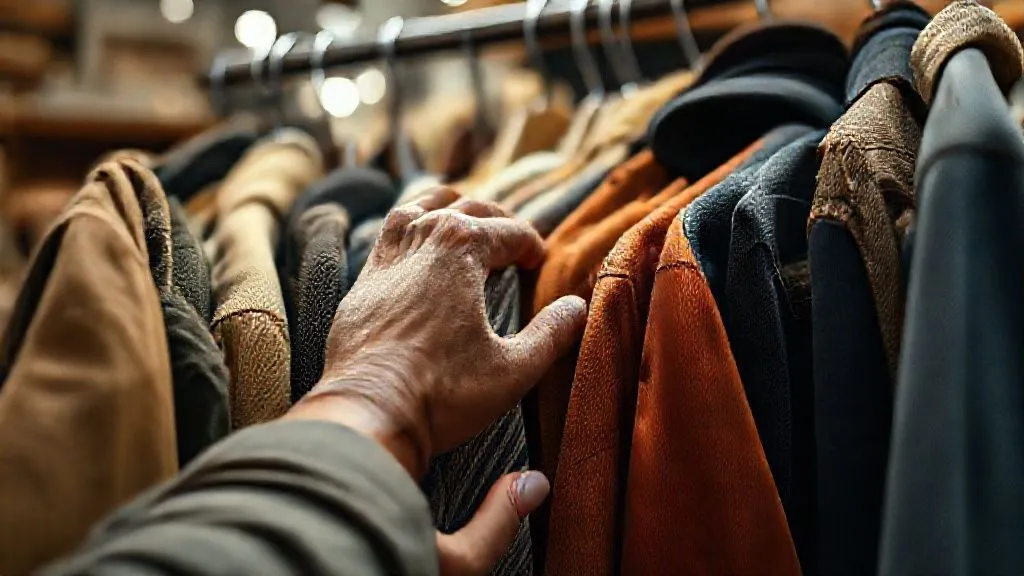
How to Consistently Source Authentic Sustainable Vintage Ethically?
For over two decades in the niche world of vintage fashion, I've witnessed the industry evolve from dusty antique shops to a global, digitally-driven marketplace. What hasn’t changed, however, is the profound satisfaction of unearthing a truly special piece. But with this growth comes a critical challenge: how to consistently source authentic sustainable vintage ethically? It's a question that separates the dedicated curator from the casual reseller, and the answer lies in a meticulous, principled approach.
Many enthusiasts and entrepreneurs alike struggle with this trifecta. The market is awash with 'vintage-inspired' items, fast fashion greenwashing, and opaque supply chains that make genuine ethical sourcing feel like a mythical quest. There's the fear of misidentifying a fake, the concern about contributing to unsustainable practices, or inadvertently supporting exploitative labour in the restoration process. It's a complex landscape, and without a solid framework, it's easy to feel lost.
This article isn't just a guide; it's a distillation of my experience, offering you a definitive framework to navigate these challenges. We’ll delve into the actionable strategies, critical vetting processes, and ethical considerations necessary to build a sourcing practice that is as trustworthy as it is successful. You’ll learn to identify genuine articles, build transparent relationships, and ensure your passion for vintage truly contributes to a more sustainable and ethical fashion ecosystem.
Understanding the Pillars: Authenticity, Sustainability, and Ethics in Vintage
Before we dive into the 'how,' it’s crucial to deeply understand the 'what.' These three pillars—authenticity, sustainability, and ethics—are not standalone concepts in vintage sourcing; they are intrinsically linked, forming the bedrock of a truly responsible practice. Overlooking one compromises the integrity of the others.
Defining Authenticity: Era, Craftsmanship, Provenance
Authenticity in vintage isn't merely about age. It's about a garment's verifiable origin, its adherence to the design and construction standards of its purported era, and its story. Is it truly from the 1970s, or merely styled to look that way? Does its craftsmanship reflect the techniques of that period? Understanding these nuances is the first step in avoiding expensive mistakes and building a reputation for genuine finds.
The True Meaning of Sustainable Vintage
While vintage by nature is often considered sustainable due to its reuse, true sustainability goes deeper. It encompasses the garment’s entire lifecycle: how it was originally made, how it has been cared for, and its potential for longevity. It also involves the environmental impact of its current journey to you – from cleaning methods to packaging and transportation. We must consider if our sourcing practices genuinely minimize waste and reduce demand for new production.
Ethical Sourcing: Beyond the Garment
Ethical sourcing extends beyond the item itself to the people and processes involved in its acquisition. Are you purchasing from sources that pay fair wages, ensure safe working conditions, and respect cultural heritage? This is particularly pertinent when dealing with international markets or items with significant cultural value. My experience has shown that overlooking the human element can lead to unforeseen reputational damage and, more importantly, perpetuate injustice.
"In the realm of vintage, authenticity without ethics is hollow, and sustainability without transparency is mere greenwashing. True value lies at the intersection of all three."
Mastering Research: The Foundation of Authentic Sourcing
The expert eye for vintage isn't born overnight; it's cultivated through relentless research. This foundational step is where you build the knowledge base to confidently identify, value, and ultimately source genuine pieces. It’s about becoming a detective of fashion history, equipped with the right tools and information.
Deep Dive into Historical Fashion Eras and Designers
Immerse yourself in fashion history. Understand the silhouettes, fabrics, embellishments, and construction methods prevalent in different decades. Study iconic designers, their signature styles, and the evolution of their brands. Knowledge of specific eras (e.g., Art Deco, New Look, Mod) and designers (e.g., Chanel, Dior, Pucci) will allow you to quickly discern an authentic piece from a reproduction. I often recommend starting with comprehensive fashion encyclopedias and museum archives.
Decoding Labels, Tags, and Construction Techniques
Labels and tags are often the first clues to a garment's origin and age. Learn to identify different types of labels (woven, printed, embroidered), their fonts, country of origin, and registered trademarks (RN numbers, CA numbers). Beyond labels, scrutinize construction: hand-stitching versus machine-stitching, types of seams, zipper brands (e.g., Talon, YKK for specific eras), button materials, and lining fabrics. These details are often far more reliable than a faded tag.
Leveraging Digital Archives and Expert Communities
The internet is a treasure trove. Utilize digital archives of fashion magazines (Vogue, Harper's Bazaar), museum collections (e.g., The Metropolitan Museum of Art's Costume Institute), and auction house records. Join online forums and social media groups dedicated to vintage authentication. These communities can offer invaluable insights and peer review, accelerating your learning curve. However, always cross-reference information to ensure accuracy.
- Start with a Specific Era or Designer: Don't try to learn everything at once. Pick a decade (e.g., 1960s) or a designer you admire, and deep-dive.
- Collect Reference Materials: Build a personal library of fashion history books, designer monographs, and textile guides.
- Examine High-Resolution Images: Study detailed photos of authenticated vintage pieces online, paying close attention to labels, stitching, and hardware.
- Join Online Forums: Engage with reputable vintage communities on platforms like Facebook or Reddit for shared knowledge and authentication tips.
- Visit Museums/Exhibitions: Experience authentic vintage pieces firsthand to develop a tactile and visual understanding of quality and period details.

Building Your Ethical Sourcing Network: Trust and Transparency
Once your research foundation is strong, the next critical step is to build a robust and ethical sourcing network. This isn't just about finding items; it's about forging relationships based on trust, transparency, and shared values. My most successful sourcing ventures have always stemmed from these deep connections.
Identifying Reputable Vintage Dealers and Curators
Seek out dealers and curators with established reputations. Look for those who provide detailed descriptions, clear photos, and transparent information about a garment's condition, origin, and any repairs. Check their reviews, ask for references, and observe their engagement with the vintage community. A truly reputable dealer will often have a specialty or a strong knowledge base in specific eras or designers.
The Art of Vetting: Questions to Ask, Red Flags to Watch For
When encountering a new source, whether it's an online seller or a physical vendor, don't hesitate to ask probing questions. Inquire about the item's provenance, how they acquired it, their cleaning and restoration processes, and their stance on sustainability and ethics. Red flags include vague answers, reluctance to provide additional photos or details, unusually low prices for high-value items, or a lack of understanding about the historical context of their inventory.
Cultivating Direct Relationships with Estate Sales and Private Collectors
Some of the most extraordinary vintage pieces come directly from estate sales, private collections, or direct consignments. Building relationships with estate liquidators, antique dealers, or even individuals looking to downsize can open doors to unique finds that never hit the wider market. This often requires patience, networking, and demonstrating your own expertise and ethical approach.
- Network at Vintage Fairs: Attend local and regional vintage shows to meet dealers in person and observe their inventory.
- Engage Online: Participate in reputable vintage buying/selling groups on social media, but always exercise caution and do your due diligence.
- Ask for Provenance: Always inquire about the history of the garment – where it came from, how it was stored.
- Request Detailed Photos/Videos: For online purchases, ask for additional images of labels, seams, and any imperfections.
- Start Small: Begin with smaller, less expensive purchases from new sources to test their reliability before committing to significant investments.
| Sourcing Channel | Pros | Cons | Ethical Considerations |
|---|---|---|---|
| Online Marketplaces (e.g., Etsy, eBay) | Wide selection, global reach, competitive pricing | Risk of fakes, less transparency, high shipping costs | Seller vetting is crucial, support small businesses |
| Physical Vintage Boutiques/Shops | In-person inspection, expert advice, curated selection | Limited inventory, often higher prices | Supports local economy, direct interaction with ethical practices |
| Estate Sales/Auctions | Unique finds, potential for rare items, direct provenance | Time-consuming, highly competitive, 'as-is' condition | Respectful handling of personal items, fair pricing |
| Wholesale Vintage Dealers | Bulk buying, consistent supply, specialized categories | Less individual authentication, minimum orders | Require robust vetting of dealer's entire supply chain |
The Sustainability Audit: Beyond the 'Vintage' Label
As an industry specialist, I've observed that simply calling something 'vintage' isn't enough to deem it truly sustainable. A thorough sustainability audit goes beyond the initial reuse and considers every aspect of the garment's journey and future. This proactive approach ensures your sourcing aligns with genuine environmental stewardship.
Assessing the Garment's Lifecycle Impact
Consider the original materials and manufacturing processes. Was it made from natural fibers, or synthetic materials with a high environmental footprint? What about dyes and finishes? While you can't change its past, understanding it informs your appreciation and future care. More importantly, assess its current condition and potential for a long second life. A piece requiring extensive, chemically-intensive restoration might negate some of its 'sustainable' benefits.
Repair, Restoration, and Longevity: Extending Value
A key aspect of sustainable vintage is its longevity. Prioritize items that are in excellent condition or require only minor, eco-friendly repairs. Learn basic mending techniques or partner with skilled textile conservators who use sustainable practices. Focus on extending the life of a garment through careful cleaning, storage, and occasional repair, rather than simply reselling it quickly. This mindset shifts from transaction to stewardship.
Packaging and Logistics: Eco-Conscious Practices
Your sustainability efforts shouldn't end when the garment is acquired. Consider the environmental impact of its journey to your customers. Opt for recycled, recyclable, or compostable packaging materials. Consolidate shipments where possible to reduce carbon footprint. Partner with shipping carriers committed to sustainable logistics. Every step, from sourcing to final delivery, contributes to the overall sustainable narrative.
"True sustainable vintage isn't just about finding old clothes; it's about actively participating in the circular economy, extending life, and minimizing impact at every stage."
Navigating the Ethical Minefield: Fair Practices and Cultural Sensitivity
The global nature of vintage sourcing, particularly for unique or culturally significant items, presents an ethical minefield. As an expert, I've learned that awareness and proactive measures are paramount to ensure your sourcing is not only legal but also respectful and fair. This goes beyond the garment itself to the broader impact of your actions.
Avoiding Cultural Appropriation in Vintage
Some vintage items, particularly those with traditional patterns, ceremonial significance, or indigenous craftsmanship, carry deep cultural meaning. Sourcing and reselling such items without understanding their context, or worse, misrepresenting them, can lead to cultural appropriation. Educate yourself on the origins and significance of these items. When in doubt, err on the side of caution, or seek guidance from cultural experts. The goal is appreciation and preservation, not exploitation.
Ensuring Fair Pricing and Supporting Local Economies
Ethical sourcing means paying a fair price to the original seller. Undercutting local vendors, especially in developing countries, can harm local economies and exploit vulnerable individuals. Research local market values and be prepared to pay a price that reflects the item's true worth and supports the livelihood of the seller. My practice involves building long-term relationships where both parties feel respected and fairly compensated.
The Role of Due Diligence in Cross-Border Sourcing
When sourcing internationally, due diligence becomes even more critical. Understand local laws regarding exports, cultural heritage protection, and fair trade practices. Be wary of items that seem to have been acquired through questionable means (e.g., items that appear stolen from historical sites). Partner with reputable, locally-rooted agents or organizations that understand and adhere to ethical guidelines. For further reading on ethical global supply chains, I often refer to resources like the Fair Wear Foundation.
Case Study: 'The Heritage Collective' and Ethical Sourcing
The Heritage Collective, a small vintage boutique specializing in global textiles, faced early criticism for inadvertently sourcing items with problematic cultural origins. One particular incident involved a textile pattern that, unbeknownst to them, held significant ceremonial value for a specific indigenous community, and its sale was seen as disrespectful. By implementing a strict 5-step ethical review process, including expert consultation with cultural anthropologists and community engagement, they not only rectified their mistake but built a reputation for integrity and conscious curation. This involved: 1) establishing a clear policy on culturally sensitive items, 2) partnering with cultural experts for authentication and contextualization, 3) ensuring fair compensation directly to artisan communities for new interpretations, 4) providing comprehensive educational narratives with each item, and 5) creating a transparent feedback mechanism for community input. This proactive approach transformed a potential crisis into a testament to their commitment to genuine ethical sourcing.
Developing Your Expert Eye: Practical Authentication Techniques
Theory is crucial, but nothing beats hands-on experience in developing an expert eye. This section focuses on the practical, tactile techniques I've refined over years to quickly and accurately authenticate vintage garments. This is where your research translates into real-world discernment.
Fabric Analysis: Touch, Drape, and Fiber Content
Become intimately familiar with different fabric types. Can you distinguish silk from polyester by touch? Recognize the weight and drape of true wool versus acrylic? Learn to identify natural fibers (cotton, linen, wool, silk) by their texture, sheen, and how they react to light. Synthetic fibers often have a distinct feel and appearance. A simple burn test (on a tiny, inconspicuous thread) can sometimes confirm fiber content, but should be done with extreme caution and only if necessary.
Zipper, Button, and Fastener Clues
Hardware is a goldmine for authentication. Zippers, in particular, are excellent indicators of age. Look for specific brands (Talon, Conmar, C&C, Ideal, YKK), their pull designs, and materials (metal, plastic). Buttons can also tell a story: Bakelite, casein, glass, metal, or genuine mother-of-pearl often indicate older pieces. Examine buttonholes – hand-stitched buttonholes are a sign of couture or very early ready-to-wear. Snaps, hooks, and eyes also evolve over time in material and design.
Stitching and Seam Construction: Hand vs. Machine
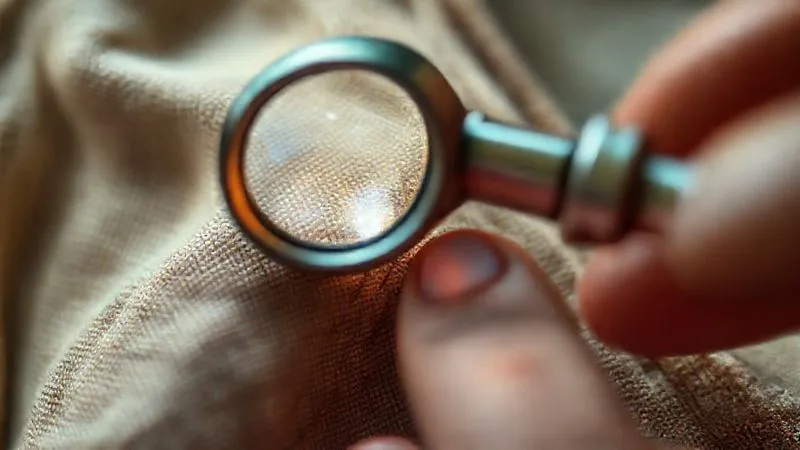
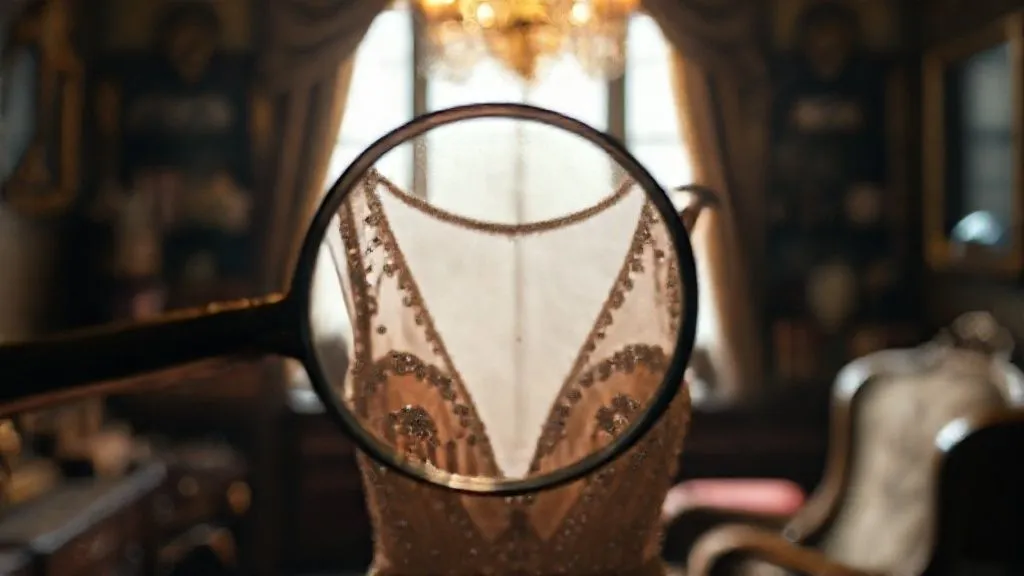
The way a garment is sewn reveals much about its era and quality. Hand-finished seams, couture techniques like French seams or bound seams, and specific types of machine stitching (e.g., chain stitch) can help date a piece. Look for consistency in stitch length, neatness, and the thread type. Modern garments often feature serged seams, which can help differentiate them from older, more meticulously constructed pieces. A magnifying glass is an invaluable tool for this level of detail.
- Carry a Magnifying Glass: Essential for examining stitching, fabric weave, and label details.
- Keep a Fabric Swatch Book: Collect small swatches of different fibers and weaves (labeled with era, if known) for comparison.
- Practice & Compare: Regularly handle and compare known authentic vintage items with potential finds.
- Focus on the "Hidden" Details: Check inside pockets, linings, and under collars for less-worn evidence of age and construction.
- Trust Your Gut (and then verify): If something feels "off," it probably is. Use your trained intuition as a starting point for deeper investigation.
Scaling Your Sourcing Efforts Sustainably
Once you've mastered the art of individual authentication and ethical sourcing, the next challenge is scaling your efforts without compromising your principles. Sustainable growth in vintage means maintaining quality, integrity, and ethical standards as your volume increases. This requires organization, collaboration, and continuous learning.
Documenting Your Sourcing Process: A 'Vintage Provenance' Log
Implement a rigorous documentation system for every item you acquire. A 'Vintage Provenance Log' should include details such as: date of acquisition, source (vendor name, location, contact), original price, estimated era, designer/brand, key authentication markers (fabric details, zipper type, stitching notes), condition upon acquisition, and any repairs or cleaning performed. This log is invaluable for maintaining transparency, demonstrating authenticity to customers, and tracking your ethical footprint. It also acts as a powerful due diligence record, especially for high-value items.
Collaborating with Fellow Enthusiasts and Experts
Don't operate in a silo. Forge relationships with other vintage dealers, textile conservators, fashion historians, and even local tailors. Collaborative efforts can lead to shared resources, collective buying opportunities, referrals for specialized repairs, and invaluable knowledge exchange. A strong network can help you source more efficiently and sustainably, leveraging diverse expertise. The vintage community is often incredibly supportive, and I've found that mutual respect leads to mutual success.
Continuous Learning and Adaptation to Market Trends
The vintage market is dynamic. Trends shift, new counterfeiting techniques emerge, and sustainability practices evolve. Stay current by reading industry publications, attending workshops, and engaging with expert discussions. Continuously refine your authentication skills and update your ethical sourcing guidelines. Adapt your inventory to align with demand for specific eras or styles, always ensuring your core principles of authenticity, sustainability, and ethics remain paramount. The McKinsey & Company's annual 'State of Fashion' report, while broad, often offers insights into consumer demand for sustainable and circular fashion, which is highly relevant to vintage.
| Field | Description |
|---|---|
| Item ID | Unique identifier for each vintage piece |
| Acquisition Date | Date item was sourced |
| Source Details | Vendor name, location, contact, method of acquisition |
| Original Price | Price paid for the item |
| Estimated Era | Approximate decade or period of origin |
| Designer/Brand | Manufacturer or designer, if known |
| Key Authentication Markers | Specific details: fabric, zipper, labels, stitching, hardware |
| Condition Notes | Detailed assessment upon acquisition (e.g., 'minor stain on cuff', 'missing button') |
| Restoration/Repair Log | Details of any work done, by whom, and materials used |
| Ethical Sourcing Score | Internal rating based on transparency and ethical practices of source |
Frequently Asked Questions (FAQ)
How do I distinguish between truly sustainable vintage and greenwashing? True sustainable vintage goes beyond just being 'old.' It involves the entire lifecycle, from original materials (preferably natural, durable fibers) to minimal or eco-friendly restoration, and ethical sourcing practices. Greenwashing often uses vague terms like 'eco-friendly' without providing specifics on how the item's journey or restoration minimizes environmental harm. Look for transparency in sourcing, cleaning methods, and packaging. Ask specific questions about where the item came from and how it was prepared for sale. A truly sustainable vintage seller will be able to provide detailed provenance and practices.
What are the biggest red flags for inauthentic vintage? Several red flags should prompt deeper investigation. These include: generic or missing labels on items claiming to be designer, modern construction techniques (e.g., all serged seams on a pre-1960s garment), incorrect zipper brands or styles for the purported era, fabrics that feel or drape unnaturally for the period (e.g., stretchy polyester claiming to be 1940s rayon), unusually low prices for highly sought-after pieces, and sellers who are vague or defensive when asked about provenance or details. Trust your research and your gut feeling.
Is it always ethical to buy designer vintage if the original brand had ethical issues? This is a complex ethical dilemma. While buying vintage designer goods prevents them from going to landfill, it doesn't directly support the original brand's current unethical practices. However, it also doesn't actively challenge them. My stance is that buying vintage from such brands can be ethical if your primary motivation is extending the garment's life and you are not directly endorsing the brand's current operations. Crucially, focus on the sustainability aspect of reuse. If the item has cultural significance, ensure your acquisition respects that heritage. Educate yourself about the brand's history and current practices, and make an informed decision that aligns with your personal values.
How do I price my sourced vintage fairly? Fair pricing involves several factors: the item's intrinsic value (designer, rarity, condition, era), the cost of acquisition and any restoration, market demand, and your operational overhead. Research comparable sales of similar items from reputable sources. Consider the time and expertise you invested in sourcing and authenticating. Be transparent with your customers about the item's history and condition. 'Fair' also means ensuring your pricing allows you to continue your sustainable and ethical sourcing practices, supporting both your business and the vintage ecosystem.
What's the role of digital tools in authentic vintage sourcing? Digital tools are indispensable. Online archives, museum databases, auction records, and specialized vintage forums provide a wealth of information for research and authentication. High-resolution photos and videos are crucial for remote vetting. Social media platforms can help you discover new sources and build community. However, remember that digital tools are aids, not replacements, for your expert eye and hands-on inspection. Always cross-reference information and be aware of potential misinformation or scams online.
Key Takeaways and Final Thoughts
- Research is Your Foundation: Develop a deep understanding of fashion history, construction, and labels to confidently authenticate.
- Build Trust-Based Networks: Prioritize transparent relationships with reputable dealers and cultivate direct sourcing opportunities.
- Audit for True Sustainability: Go beyond 'vintage' to assess lifecycle impact, prioritize repair, and use eco-conscious logistics.
- Navigate Ethically: Be culturally sensitive, ensure fair pricing, and conduct thorough due diligence, especially internationally.
- Cultivate Your Expert Eye: Practice hands-on fabric analysis, hardware inspection, and stitching examination.
- Document Everything: Maintain a detailed provenance log for transparency and accountability.
- Embrace Continuous Learning: The vintage market evolves; stay informed and adapt your practices.
Consistently sourcing authentic, sustainable, and ethical vintage is not a shortcut; it's a journey of continuous learning, meticulous practice, and unwavering commitment to integrity. It requires patience, a keen eye, and a deep respect for both the garments and the stories they carry. By adhering to the framework I've outlined, you're not just acquiring beautiful pieces; you're actively participating in a more conscious, circular fashion future, building a reputation as a trusted purveyor, and truly making a difference one exquisite vintage find at a time. Embrace the challenge, and let your passion for vintage be a force for good.
Recommended Reading
- 5 Steps to Truly Inclusive Activewear Sizing for Diverse Body Types
- Unlock Ultimate Comfort: How Responsive Textiles Enhance Wearer Experience
- 5 Strategies: Prevent Streetwear Dead Stock Amid Rapid Trend Shifts
- 7 Ways to Spot Greenwashing in Textile Suppliers: A Buyer's Guide
- Unlock the Secrets: How Do Brands Achieve Sustainable Textile Sourcing?

Your email address will not be published. Required fields are marked *