


How to Identify Greenwashing in Sustainable Textile Supplier Claims?
In my fifteen years navigating the complex landscape of sustainable fashion, one of the most persistent challenges buyers face is sifting through genuine commitment versus performative environmentalism. The surge in consumer demand for ethical products has unfortunately created fertile ground for greenwashing, a deceptive marketing practice that misleads consumers about the environmental benefits of a product or company.
A common mistake I see emerging brands make is taking supplier claims at face value without due diligence. Suppliers often use vague, undefined terms like "eco-friendly," "natural," or "sustainable" without any accompanying data or verifiable processes. These buzzwords, while sounding positive, are often empty vessels designed to evoke a sense of environmental responsibility without actual substance.
When you encounter such claims, your immediate response should be to demand specifics. For instance, a supplier claiming "sustainable cotton" needs to elaborate. Is it GOTS-certified organic cotton? Is it BCI cotton? Is it recycled cotton, and if so, what's the blend and origin? The devil, as always, is in the verifiable details.
"True sustainability isn't a marketing slogan; it's a meticulously documented journey through the supply chain."
In my experience, a glaring red flag is a lack of willingness to provide comprehensive data or third-party verification. When a supplier can't or won't share details about their raw material sourcing, manufacturing processes, energy consumption, water usage, or waste management, it's a strong indicator that their claims might be less robust than they appear.
Consider a scenario where a supplier touts their "low-impact dyes." This sounds good, but what does it *actually* mean? Are they OEKO-TEX certified? Do they use GOTS-approved dyes? What is their wastewater treatment process? Without these answers, the claim is merely marketing fluff.
Another prevalent tactic is highlighting a single, often minor, green attribute while conveniently omitting the larger environmental footprint. This is often referred to as the "hidden trade-off" or "green by association." A supplier might emphasize their fabric is made from recycled plastic bottles, which is positive, but then fail to mention the energy-intensive manufacturing process, toxic finishing chemicals, or the non-biodegradable nature of the final product.
I once consulted for a brand evaluating a supplier who proudly advertised their 'organic' cotton. Upon deeper investigation, we found that that while the cotton itself was indeed organic, the fabric was then dyed using conventional, highly polluting synthetic dyes in a facility with poor wastewater treatment. The 'organic' claim became almost irrelevant in the face of the subsequent processing impacts.
While not a silver bullet, credible third-party certifications are vital tools in authenticating sustainability claims. These certifications involve rigorous audits by independent bodies against predefined standards. Without them, a supplier's "eco-friendly" label is self-declared and carries little weight.
Here are some examples of what to look for and what to be wary of:
- Look for: Global Organic Textile Standard (GOTS), OEKO-TEX Standard 100, Global Recycled Standard (GRS), Organic Content Standard (OCS), Cradle to Cradle Certified®, Bluesign®. These are industry benchmarks that signify a commitment to comprehensive standards.
- Be wary of: Proprietary "eco-labels" created by the supplier themselves without external verification or transparent criteria. Always investigate who developed the standard and who verifies compliance to ensure its credibility.
Greenwashing isn't just about what's said, but also how it's presented. Overuse of images of nature, leaves, water, or earth in marketing materials, coupled with emotionally charged but vague language, is a classic tactic. These visuals aim to create an emotional connection to sustainability without providing any factual basis.
As a buyer, you must train your eye to look beyond the aesthetic appeal and focus on the technical specifications and verifiable data. Does the beautiful imagery of a pristine forest actually relate to the supplier's manufacturing practices, or is it merely window dressing?
Ultimately, identifying greenwashing in textile supplier claims boils down to a commitment to thorough investigation and a healthy dose of skepticism. Never be afraid to ask probing questions and demand concrete evidence. Your role as a buyer is not just to source materials, but to be a gatekeeper of genuine sustainability in your supply chain.
By prioritizing transparency, understanding the nuances of certifications, and looking beyond surface-level claims, you empower your brand to make truly responsible choices, steering clear of the pitfalls of deceptive environmentalism.
Understanding the Root of the Problem: Why Does Greenwashing in Sustainable Textile Claims Happen?
In my fifteen years navigating the intricate landscape of sustainable fashion, one truth has become abundantly clear: understanding *why* greenwashing occurs is as crucial as learning to spot it. It’s not always a simple case of malicious intent; often, it's a complex interplay of market pressures, systemic challenges, and genuine misunderstandings. For buyers, grasping these underlying drivers offers a powerful lens through which to evaluate supplier claims with greater discernment.At its core, greenwashing often stems from an overwhelming market demand for sustainability coupled with a lagging supply of truly verifiable, deeply sustainable options. Brands, driven by conscious consumers, are eager to showcase their eco-credentials, creating immense pressure on their textile suppliers.
This pressure can lead to what I call the "green premium paradox". While consumers are willing to pay more for sustainable products, the actual cost and effort of implementing genuine sustainability — from regenerative agriculture to closed-loop manufacturing — are substantial, often exceeding the perceived premium.
Another significant factor is the persistent lack of clear, universally accepted definitions and robust regulatory oversight within the textile industry. Terms like "eco-friendly," "natural," or "sustainable" remain largely undefined by law, allowing suppliers considerable latitude in their interpretation.
"Without a common language for sustainability, every company can write its own dictionary, and that's precisely where greenwashing thrives."
This definitional ambiguity creates a fertile ground for vague, unsubstantiated claims. A supplier might genuinely believe their process is "sustainable" because it's *better* than the industry average, even if it falls far short of best practices or true circularity.
The sheer complexity and opacity of global textile supply chains also play a critical role. From fiber cultivation to finished fabric, a single garment can touch dozens of hands across multiple continents, making end-to-end traceability an enormous challenge.
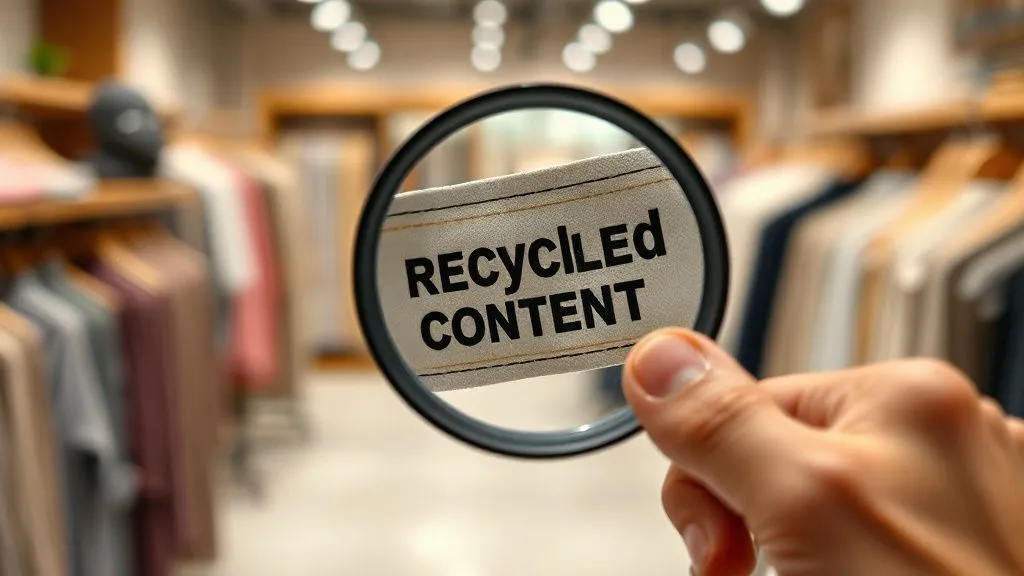
In my experience, a supplier might genuinely claim a fabric contains "recycled content," yet struggle to provide verifiable documentation of its origin, the actual percentage, or the recycling process itself. This isn't always deception; it can be a genuine lack of visibility into their own sub-suppliers.
Furthermore, the high cost of implementing truly sustainable innovations and certifications often pushes suppliers towards less expensive, more superficial solutions. Investing in state-of-the-art water recycling facilities or obtaining rigorous GOTS certification, for example, requires significant capital and operational changes.
It's far easier and cheaper to simply *claim* "reduced water usage" or "eco-dyed" without the underlying investment or third-party verification. This economic reality makes greenwashing an attractive, albeit unethical, shortcut to marketability.
Finally, we cannot overlook the element of genuine ignorance or capacity gaps. Not every instance of greenwashing is malicious. Smaller suppliers, or those in developing regions, might genuinely lack the expertise, data, or resources to accurately assess their environmental impact or to understand complex sustainability standards.
They might rely on outdated information or simply parrot marketing terms they've heard, believing they are acting responsibly. As buyers, recognizing this distinction allows for a more nuanced approach, differentiating between deliberate deception and a need for education and support.
Lack of Clear Standards & Regulations
In my 15 years navigating the complexities of sustainable textile sourcing, one of the most persistent challenges, and indeed a prime breeding ground for greenwashing, is the **lack of universally adopted, legally binding standards and regulations** within the fashion industry. This absence creates a landscape where claims can be vague, unsubstantiated, and incredibly difficult to verify.
A common mistake I see buyers make is assuming that a supplier's "eco-friendly" declaration holds the same weight as a claim backed by a robust, third-party audited certification. The reality is that without stringent regulatory oversight, many sustainability assertions are merely **self-declared claims**, often designed to sound good without requiring tangible, measurable evidence.
This regulatory vacuum has led to a fragmented ecosystem of certifications and labels, each with its own criteria, scope, and level of rigor. While many are genuinely valuable, the sheer volume and varying standards can be overwhelming, making it challenging for even seasoned buyers to discern which labels truly signify a deep commitment to sustainability versus those that are more performative.
Think of it like the "Wild West" of claims; there are sheriffs in some towns (robust certifications), but vast territories remain ungoverned, allowing any claim to ride unchallenged. Suppliers can highlight a single, minor sustainable practice while conveniently omitting more significant negative impacts in other areas of their operations, a classic greenwashing tactic.
To cut through this ambiguity, I often advise my clients to look beyond the surface-level claims and delve into the specifics of what a supplier is truly measuring and reporting. Don't just ask if they are "sustainable"; inquire how they define and demonstrate it.
- **What specific metrics are they using?** Are they tracking carbon emissions per garment, water usage per kilogram of fiber, or chemical discharge?
- **Is their data independently verified or audited?** A supplier providing internal reports is different from one whose data has been scrutinized by a reputable third party.
- **What is the scope of their claims?** Does "sustainable" refer only to the fiber, or does it encompass dyeing, finishing, labor practices, and end-of-life considerations?
The absence of clear, governmental regulations also means that terms like "natural," "eco-conscious," or "responsible" can be used without a standardized definition, making them ripe for **greenwashing by ambiguity**. These terms are often marketing fluff, devoid of the specific, verifiable data that underpins genuine sustainability.
In my experience, a supplier truly committed to sustainability welcomes scrutiny and can provide granular data, not just broad statements. They understand that in a largely unregulated market, transparency is their strongest asset.
"In the absence of universal rules, the burden of verification shifts squarely onto the buyer. Your due diligence isn't just good practice; it's the only safeguard against inadvertently supporting greenwashing."
Until global standards become more robust and legally enforceable, your role as a buyer transcends procurement; you become an investigator, demanding clarity, evidence, and a comprehensive understanding of your suppliers' environmental and social impact.
Supplier Opacity & Misinformation
In my fifteen years navigating the complex landscape of sustainable fashion, one of the most consistent red flags for potential greenwashing is a supplier's reluctance to provide clear, verifiable information. This **supplier opacity** isn't merely an inconvenience; it's often a deliberate strategy to obscure less-than-sustainable practices, making it challenging for buyers to make informed choices. When a supplier consistently provides vague answers or avoids direct questions about their processes, it's a significant warning. True sustainability thrives on transparency, and a lack of it suggests there might be something to hide, whether it's concerning labor practices, chemical usage, or environmental impact data. A common mistake I see buyers make is accepting broad, unsubstantiated claims at face value. Suppliers often use feel-good terminology like "eco-friendly," "green," or "natural" without offering any specific, measurable data to back these assertions. This **misinformation** preys on the buyer's desire for sustainable options, creating an illusion of responsibility. Here are common tactics opaque suppliers employ to deflect scrutiny:- Offering generic, non-audited "certifications" that are self-created or lack industry recognition.
- Claiming "proprietary information" when asked for details on material sourcing, manufacturing processes, or waste management.
- Providing marketing collateral filled with buzzwords but devoid of specific, quantitative data on environmental metrics (e.g., water, energy, emissions).
- Focusing heavily on one small "green" aspect while ignoring the larger, more impactful parts of their operation, like energy sources or labor conditions.
- Demand specific data: Ask for actual numbers on water consumption, energy usage, waste diversion rates, and GHG emissions per unit of product.
- Verify certifications: Don't just accept a logo. Ask for the certificate number, the certifying body, and check its validity directly with the third-party organization.
- Request supply chain mapping: Ask for details on where raw materials come from, who processes them, and where dyeing or finishing occurs.
- Inquire about chemical management: Seek information on their Restricted Substances List (RSL) and adherence to frameworks like ZDHC (Zero Discharge of Hazardous Chemicals).
- Look for consistency: Cross-reference claims made on their website, in marketing materials, and during conversations. Inconsistencies are major red flags.
"True transparency is not about having nothing to hide, but having nothing to fear. In sustainable fashion, fear of scrutiny often correlates directly with the extent of greenwashing."
Step 1: Scrutinize Certifications & Labels
When evaluating textile suppliers, your first line of defense against greenwashing lies in a rigorous examination of their sustainability certifications and labels. In my experience, this is where many buyers falter, accepting a flashy "eco-friendly" badge at face value without digging deeper.
The marketplace is saturated with labels, some representing genuinely robust, third-party verified standards, while others are little more than marketing fluff designed to mislead. A common mistake I see is assuming all green labels carry equal weight, which is far from the truth.
To truly scrutinize, you must understand the hallmarks of a credible certification. These aren't just pretty stickers; they are complex systems built on transparency, accountability, and a commitment to measurable impact.
- Third-Party Verification: This is non-negotiable. A credible label is awarded by an independent, unbiased organization, not by the supplier themselves.
- Clear, Publicly Available Standards: The criteria for achieving the certification should be easily accessible and detailed. If you can't find specific environmental or social benchmarks, be wary.
- Holistic Approach: The best certifications consider the entire lifecycle or a broad spectrum of impacts, from raw material sourcing and chemical management to labor conditions and waste reduction.
- Chain of Custody: For textile certifications, it’s crucial that the standard tracks the certified material through the entire supply chain, ensuring integrity from fiber to finished product.
- Regular Audits and Renewals: Credible certifications require periodic audits and renewals, meaning compliance is an ongoing process, not a one-time achievement.
Consider the difference between a supplier claiming "natural fibers" versus one certified by the Global Organic Textile Standard (GOTS). GOTS doesn't just verify organic fiber content; it imposes strict environmental and social criteria across the entire processing chain, from ginning through dyeing, weaving, and manufacturing, all the way to packaging. This includes bans on toxic chemicals and requirements for wastewater treatment and fair labor practices.
"A self-declared 'green' label is like a student grading their own exam – it tells you nothing about their true performance. Always demand the independent, verifiable report card."
Conversely, be highly skeptical of vague terms like "eco-conscious," "earth-friendly," or "sustainable by nature" that aren't backed by specific, verifiable standards. These are often used as linguistic shortcuts to imply environmental responsibility without any real commitment or oversight.
When a supplier presents a certification, don't just note the name. Ask for the specific certification number and the certifying body. Then, take the crucial step of verifying its authenticity directly with the certifying organization. In my 15 years, I've seen instances where certifications were expired, applied to a different product, or even entirely fabricated.
Furthermore, understand the scope of the certification. Is it for the raw material, the fabric, or the finished garment? A fabric might be Oeko-Tex Standard 100 certified (meaning it's free from harmful substances), but that doesn't guarantee the social responsibility of the factory that sewed it into a garment, or the environmental impact of its dyeing process unless other certifications are also in place.
For example, a supplier might highlight their B Corp certification. While B Corp is an excellent indicator of a company's overall commitment to social and environmental performance, it certifies the *company* as a whole, not necessarily every single product or process within their textile supply chain. It's a strong signal, but often needs to be complemented by product-specific certifications.
In essence, approach certifications with a detective's mindset. They are valuable clues, but they require thorough investigation to confirm their validity and relevance to your specific sustainability goals.
Step 2: Demand Transparency & Supply Chain Mapping
When assessing textile suppliers, the single most powerful tool against greenwashing is an unwavering demand for transparency. In my experience, claims of sustainability without verifiable data are merely marketing fluff. Greenwashing flourishes in opacity, making a supplier's willingness to open their books the ultimate litmus test.
It's no longer sufficient to merely understand your immediate cut-and-sew facility, often referred to as Tier 1. True due diligence requires mapping the entire journey of your material, delving into Tier 2 (fabric mills), Tier 3 (yarn spinners), and even Tier 4 (raw material producers like cotton farms or synthetic fiber manufacturers). A common mistake I observe is stopping at surface-level certifications without scrutinizing the underlying supply chain.
What specifically should you demand? Go beyond vague assurances. Insist on:
- Full facility addresses and contact details for all tiers involved in your product’s creation.
- Third-party audit reports (e.g., social, environmental, chemical management) from recognized bodies, not just internal summaries.
- Detailed environmental impact assessments, including water usage, energy consumption, and waste generation data specific to the production of your materials.
- Documentation of chemical management policies, showcasing adherence to standards like ZDHC (Zero Discharge of Hazardous Chemicals).
- Proof of ethical labor practices, such as codes of conduct, worker welfare programs, and grievance mechanisms.
Think of supply chain mapping as tracing the DNA of your product. Without this intricate understanding, you're essentially buying a "black box" item, trusting a label without knowing its true origins. This level of detail empowers you to identify potential environmental hotspots or social risks that are conveniently hidden by less scrupulous suppliers.
For example, I once worked with a brand proud of its "organic cotton" t-shirts. Through diligent mapping, we discovered the fabric dyeing facility (a Tier 2 supplier) was a major polluter, discharging untreated wastewater. This example highlights how greenwashing often hides in the unexamined links beyond the initial claim, negating positive impacts.
Suppliers who genuinely commit to sustainability will not only provide this information but often celebrate it. They understand that transparency builds trust and mitigates risk for both parties. Their systems are typically set up to track and share this data efficiently.
Any resistance to providing granular data, citing "proprietary information" or offering only high-level, generic reports, should raise a significant red flag. This reluctance often signals areas they prefer remain unexamined, which is precisely where greenwashing tactics are most effective.
In my 15 years in sustainable fashion, I've learned that transparency isn't just a buzzword; it's the antidote to greenwashing. Demand it, and you'll separate the truly committed from the merely clever marketers.
Step 3: Evaluate Life Cycle Assessments (LCAs)
Evaluating a supplier's sustainability claims often leads us directly to their **Life Cycle Assessments (LCAs)**. In my fifteen years navigating the complexities of sustainable fashion, I've seen LCAs evolve from niche academic tools to central pillars of marketing—and unfortunately, greenwashing. A robust LCA is an invaluable tool for understanding environmental impact; a poorly conducted or strategically manipulated one is a red flag.A common mistake I see buyers make is accepting a summary document without scrutinizing the **underlying methodology and data**. Remember, an LCA is only as good as its scope, assumptions, and the quality of the data fed into it. Greenwashing often hides in these details.
When a supplier presents an LCA, your first step should be to demand the **full report**, not just the glossy executive summary. This document should adhere to international standards, primarily **ISO 14040 and ISO 14044**, which dictate the principles and framework for LCAs. Without this, you’re essentially looking at an unsubstantiated claim.
Here’s what to critically assess when diving into an LCA report:
-
Scope Definition and System Boundaries: This is where many less-than-honest LCAs begin to unravel. Ask yourself: What stages of the product's life cycle are included? Is it "cradle-to-gate" (from raw material extraction to factory gate) or "cradle-to-grave" (including consumer use and end-of-life)? A supplier might highlight a low-impact manufacturing process but conveniently omit the highly polluting raw material extraction or the energy-intensive consumer care phase. This selective boundary setting is a classic greenwashing tactic.
-
Data Quality and Sources: Investigate the origin of the data. Is it primary data collected directly from the supplier's operations, or is it secondary data from generic databases? Primary, site-specific data is always preferable. Also, check the recency of the data. Outdated or generalized data, especially for a specific material or process, can significantly skew results. A supplier claiming a groundbreaking impact reduction should back it up with recent, proprietary data, not generic figures from a decade ago.
-
Impact Categories Considered: A comprehensive LCA should evaluate multiple environmental impact categories, not just one. While carbon footprint (Global Warming Potential) is crucial, focusing solely on it can obscure other significant issues like water depletion, eutrophication, land use, or human toxicity. For instance, a textile might have a low carbon footprint but be highly water-intensive or release microplastics. A truly sustainable approach addresses all relevant impacts.
-
Critical Review: Has the LCA undergone an independent critical review by a third party? This is a mandatory step under ISO standards for comparative assertions intended for public disclosure. A lack of independent verification means the supplier’s claims are self-assessed and could be biased. This external validation adds immense credibility.
-
Assumptions and Limitations: Every LCA involves assumptions and has limitations. A transparent report will clearly state these. Be wary of reports that present results as absolute truths without acknowledging the inherent uncertainties or simplifications made during the study. Understanding these limitations helps you interpret the results with appropriate caution.
In my professional opinion, a truly transparent supplier will not just share their LCA results, but will also be able to articulate the 'hotspots' identified—the stages or inputs with the most significant environmental impact—and detail their strategies to mitigate these specific issues. If they can only present a 'green' final number without this understanding, it's a major cause for concern.
For example, I once encountered a supplier promoting a "sustainable" blend based on an LCA showing reduced water use. Upon closer inspection of the full report, the LCA had only considered the dyeing process, which was indeed efficient. However, it entirely omitted the raw material cultivation (cotton, in this case), which is notoriously water-intensive. This selective reporting painted an incomplete, and ultimately misleading, picture of sustainability.
Your role as a buyer is to be an informed skeptic. Use the LCA as a starting point for deeper questions, not as a definitive answer. Demand transparency, challenge assumptions, and ensure the supplier's claims are holistic, verified, and grounded in robust, auditable data.
Step 4: Look for Specific, Quantifiable Data (vs. Vague Claims)
In my over 15 years navigating the complexities of sustainable fashion supply chains, one of the most consistent and telling red flags for greenwashing is a supplier's reliance on vague, unsubstantiated claims rather than specific, quantifiable data. True commitment to sustainability isn't just about good intentions; it's about measurable impact.A common mistake I see buyers make is getting swayed by flowery language and buzzwords. Terms like "eco-friendly," "green," "natural," "sustainable," or "responsibly sourced" are marketing fluff if they aren't backed by hard numbers and verifiable metrics. These phrases, while sounding positive, convey no real information about environmental or social performance.
Genuine sustainable textile suppliers understand that transparency hinges on data. They don't just say they're reducing their footprint; they provide the figures to prove it. This means looking beyond the marketing copy and actively demanding the specifics.
When evaluating a potential supplier, ask yourself: Can they quantify their claims? If a supplier states they use "less water," push for details. How much less? Compared to what baseline? Over what period? This level of detail is crucial for authentic assessment.
Here’s what specific, quantifiable data often looks like:
- Percentage of Recycled Content: "Our polyester fabric contains 70% post-consumer recycled PET."
- Water Savings: "We've reduced water consumption by 50% per kilogram of fabric produced since 2019, saving X million liters annually."
- Energy Use & Renewables: "Our facility is powered by 80% renewable energy, resulting in Y tons of CO2 emissions avoided per year."
- Chemical Management: "We operate under a ZDHC Level 3 compliance framework, with 100% of our dyes meeting Oeko-Tex Standard 100."
- Waste Diversion Rates: "95% of our textile waste is diverted from landfills through recycling and upcycling initiatives."
Conversely, here are examples of vague claims that should raise immediate suspicion:
- "Our products are made with sustainable materials." (Which materials? What makes them sustainable?)
- "We care about the environment." (How? What actions are you taking?)
- "Our processes are eco-friendly." (What specific processes? How are they measured?)
- "We source responsibly." (From where? Under what standards? Audited by whom?)
In my experience, if a supplier cannot readily provide specific, verifiable data to back their sustainability claims, it’s highly probable they either don't have the data, or the data doesn't support their claims. True sustainability is built on measurement and continuous improvement, not just good intentions.
Demand the numbers. Ask for reports, certifications with specific scopes, and third-party verified audits. This isn't about being confrontational; it's about due diligence and ensuring you're partnering with genuinely responsible entities committed to tangible progress.
Step 5: Research the Supplier's Reputation & Track Record
In my extensive experience navigating the complex world of sustainable fashion supply chains, I've learned that a supplier's reputation and track record are often the most telling indicators of their true commitment, far beyond any glossy brochure or self-issued certificate. This step is about digging deeper, moving beyond what a supplier *says* they do, to uncover what they *actually* do, consistently and over time.
A common mistake I see buyers make is relying solely on the references provided directly by the supplier. While these can be a starting point, true due diligence requires a more proactive, investigative approach. Think of it as a comprehensive background check for your potential partner.
To effectively research a supplier's reputation, I recommend a multi-pronged strategy that goes beyond surface-level inquiries. This isn't just about finding dirt; it's about understanding their operational integrity and consistency.
- Scour Public Records and News Archives: Start with a thorough online search. Look for mentions in industry news, local news outlets (especially in their operating region), and official government databases. Search terms should include the company name, key personnel, and keywords like "environmental violation," "labor dispute," "factory audit," or "sustainability report."
- Engage Industry Networks and Forums: Leverage your professional network. Speak to other buyers, designers, or consultants who operate in the same geographic region or product category. Platforms like LinkedIn groups or specialized B2B forums can sometimes offer candid, peer-to-peer insights that are invaluable.
- Consult NGO and Watchdog Reports: Many non-governmental organizations (NGOs) and independent watchdogs actively monitor supply chains for human rights abuses, environmental infractions, and unfair labor practices. Organizations like Human Rights Watch, Clean Clothes Campaign, or specific regional environmental agencies often publish detailed reports that can expose significant red flags.
- Analyze Social Media Footprints (Beyond Their Own): Look beyond the supplier's curated social media feeds. Search for discussions about them on platforms like Twitter, Reddit, or even employee review sites like Glassdoor. Dissatisfied employees or community members often voice concerns that can highlight systemic issues.
- Request Independent Audit Summaries: While not always public, a truly transparent supplier might be willing to share summaries of past third-party social or environmental audits (e.g., SA8000, BSCI, WRAP). Pay close attention to any Corrective Action Plans (CAPs) and their follow-up, indicating a commitment to improvement.
In my career, I’ve witnessed firsthand how a supplier with impeccable certifications can still have a questionable reputation due to consistent, unaddressed issues. Conversely, a supplier who had a past issue but transparently addressed it and demonstrated continuous improvement often proves to be a more reliable and ethical partner in the long run.
The true measure of a sustainable supplier isn't just their current compliance, but their historical commitment to improvement and their willingness to be transparent about past challenges. Reputation isn't built overnight; it's forged through years of consistent, ethical practice.
When evaluating the information you uncover, pay close attention to patterns. Isolated incidents, while concerning, might be addressed and resolved. However, a repeated pattern of environmental fines, labor disputes, or a consistent lack of transparency across multiple sources should be a significant deterrent. Your goal is to identify partners who not only claim sustainability but embody it through their actions and consistent track record.
Step 6: Understand Material Composition & Origin
Understanding the actual material composition and its origin is, in my experience, where many greenwashing claims unravel. Suppliers often use feel-good terms like "natural" or "recycled" without providing any substantive detail, hoping you won't dig deeper.
A common mistake I see buyers make is taking these claims at face value. It's crucial to remember that a fabric's environmental footprint is determined not just by its raw material, but by its entire journey from fiber to finished textile.
"True sustainability isn't just about what a material *is*, but how it's *made*, *where* it comes from, and its *entire lifecycle*."
Let's dissect some common buzzwords you'll encounter, focusing on the hidden details:
-
"Natural Fibers": While cotton, linen, and hemp are natural, their cultivation can be incredibly resource-intensive. Conventional cotton, for instance, is notorious for its high water consumption and pesticide use. Always inquire about organic certifications like GOTS (Global Organic Textile Standard) or OCS (Organic Content Standard) to ensure sustainable farming practices.
-
"Bamboo": This is a classic greenwashing example. While bamboo grows quickly and requires little water, most bamboo fabric on the market is actually bamboo rayon or viscose. This involves a highly chemical-intensive process that transforms the cellulose into a soft fiber, often with significant environmental pollution unless closed-loop systems are used. Always ask for evidence of responsible processing, such as Lyocell (Tencel™) based processes for regenerated cellulose, which are far more sustainable.
-
"Recycled Materials": This term is broad and needs immediate clarification. Is it pre-consumer (industrial waste) or post-consumer (from discarded products)? What's the percentage? How was it recycled – mechanically or chemically? Mechanical recycling uses less energy but can degrade fiber quality, while chemical recycling is more complex but yields higher quality fibers, often with higher energy use. The best-case scenario involves certified post-consumer recycled content, like that verified by the GRS (Global Recycled Standard) or RCS (Recycled Claim Standard).
Beyond the material type, the material origin is equally critical. Where were the fibers grown? Where was the fabric spun, woven, dyed, and finished? A long, convoluted supply chain spanning multiple continents typically means a higher carbon footprint and greater difficulty in verifying ethical labor practices.
In my 15 years, I've seen suppliers claim "ethically sourced" without being able to pinpoint the weaving mill, let alone the farm. This lack of traceability is a flashing red light. Demand transparency; reputable suppliers will have systems in place to track their materials.
Here are key questions you must pose to any textile supplier:
What is the exact percentage breakdown of all fibers in the fabric? (e.g., "60% Organic Cotton, 40% Recycled Polyester")
For natural fibers, what certifications do you hold (e.g., GOTS, OCS, Fairtrade)? Can you provide valid certificate numbers and scopes?
For recycled materials, is it pre-consumer or post-consumer? What is the recycling process? Is it certified (e.g., GRS, RCS)?
Can you provide a full supply chain map, detailing the origin of raw materials, spinning mills, weaving/knitting factories, dyeing, and finishing facilities?
What chemicals are used in dyeing and finishing? Are these processes certified (e.g., OEKO-TEX® STANDARD 100, bluesign®) to ensure chemical safety and environmental impact?
How do you ensure the claims made about material composition and origin are verified by third parties?
If a supplier offers only vague answers, points to a general "sustainable collection" without specific details for your chosen fabric, or can't provide valid, up-to-date certifications, you are likely encountering greenwashing. Genuine commitment to sustainability is backed by verifiable data and transparent processes.
Remember, the goal isn't just to buy a "sustainable" product, but to buy a product whose sustainability claims can be robustly substantiated through its material story.
Step 7: Engage Third-Party Verification
After decades navigating the intricate supply chains of sustainable fashion, I can tell you that while a supplier's transparency and self-reporting are crucial, they are rarely sufficient on their own. The ultimate safeguard against greenwashing, and the most robust assurance of genuine sustainability claims, lies in **engaging third-party verification**.
This isn't merely about checking a box; it's about inviting an independent, expert eye to scrutinize claims, processes, and impacts. In my experience, this step transforms a supplier's narrative from a hopeful promise into a validated reality, offering an indispensable layer of credibility that no amount of self-promotion can match.
Think of it as the financial audit of the sustainability world. Just as you wouldn't trust a company's financial health solely on its internal reports, you shouldn't accept environmental or social claims without external validation. A common mistake I see is buyers assuming a simple 'sustainable' label is enough, without probing the depth and scope of its underlying verification.
The value of third-party verification is multifold. It provides an **unbiased assessment** by auditors who possess specialized knowledge of complex environmental and social standards. These experts can identify inconsistencies, expose superficial efforts, and confirm adherence to specific criteria, from chemical management protocols to fair labor practices. This level of scrutiny is simply beyond the capacity of most internal buying teams.
"True sustainability isn't just about what you say, it's about what you can prove. Third-party verification is the gold standard of proof in a world rife with green claims."
When evaluating suppliers, look for established, reputable certifications that align with your specific sustainability goals. Don't just look for a logo; understand what that logo truly represents. Here are some of the most impactful certifications I consistently recommend:
- GOTS (Global Organic Textile Standard): This is the world's leading processing standard for textiles made from organic fibers. It covers the entire textile supply chain, from harvesting raw materials through environmentally and socially responsible manufacturing, all the way to labeling. Its rigor in both ecological and social criteria is exceptional.
- GRS (Global Recycled Standard): For recycled content, GRS verifies not only the percentage of recycled material but also stringent social and environmental practices throughout production, ensuring the integrity of recycled claims.
- OEKO-TEX (Standard 100, STeP by OEKO-TEX): While Standard 100 focuses on testing textiles for harmful substances, STeP (Sustainable Textile Production) is a modular certification system that analyzes and evaluates sustainable production conditions across the entire supply chain, including chemical management, environmental performance, social responsibility, and quality management.
- bluesign® SYSTEM: This standard is focused on chemical management and resource productivity, aiming to keep harmful substances out of the entire manufacturing process from the very beginning. It's particularly strong for dye houses and finishing mills.
- Fair Trade Certified™: Beyond environmental concerns, this certification directly addresses social equity, ensuring fair wages, safe working conditions, community development, and environmental stewardship for farmers and factory workers.
- B Corp Certification: While not textile-specific, B Corp certifies an entire company's social and environmental performance, transparency, and accountability. A B Corp certified supplier demonstrates a holistic commitment to positive impact.
My advice is always to delve deeper than the surface. Ask suppliers for their **up-to-date certification documents** and, where possible, redacted versions of their **audit reports**. These reports often contain detailed findings, non-conformities, and corrective action plans, offering invaluable insights into a supplier's true operational integrity and areas for continuous improvement. If a supplier is hesitant to share these, it's a significant red flag.
Furthermore, ensure the certification is current and covers the specific products or processes you are sourcing. A common pitfall is relying on an expired certificate or one that applies only to a small segment of a large, complex operation. Always verify the validity of certificates directly with the certifying body's public database, if available. This proactive due diligence is your ultimate shield against sophisticated greenwashing tactics.
Case Study: How 'Eco-Textile Co.' Avoided Greenwashing and Built Trust
In my experience, navigating the complexities of sustainable textile sourcing can feel like a minefield, with greenwashing claims lurking around every corner. Yet, some companies stand out as beacons of genuine commitment, demonstrating that transparency and trust are not just marketing buzzwords but fundamental business practices. One such exemplary case is 'Eco-Textile Co.', a supplier that has meticulously built its reputation not on grand, unsubstantiated claims, but on verifiable action and unwavering honesty. A common mistake I see is suppliers simply collecting certifications without truly embodying their spirit. Eco-Textile Co. understood that genuine sustainability starts with **radical transparency**, a principle they embedded into every facet of their operation, moving far beyond mere surface-level disclosures. They recognized that buyers, and ultimately consumers, demand more than just a label; they seek a verifiable narrative. Their approach was to make their entire supply chain, from fiber to finished fabric, an open book. This wasn't just about sharing what they wanted you to see; it was about presenting the full picture, including areas where they were still striving for improvement. This level of vulnerability, paradoxically, built immense credibility. * They published comprehensive **Life Cycle Assessment (LCA)** reports for their core products, detailing environmental impacts across all stages. * Access to detailed factory audit reports, including social compliance, was readily available to their B2B clients. * They provided full material composition breakdowns, often going beyond regulatory requirements to include origins of raw materials. * Real-time data on water usage, energy consumption, and waste diversion was shared for their manufacturing facilities. Beyond certifications, which they certainly held (GOTS, Oeko-Tex, GRS), Eco-Textile Co. excelled at explaining what each certification *truly* signified and, crucially, its limitations. They educated their buyers on the nuances, ensuring informed purchasing decisions rather than relying on a simple badge. This demonstrated a deep understanding and respect for their partners' intelligence."Trust isn't given; it's earned through consistent, verifiable action and the courage to admit where you're not yet perfect. That's the bedrock of true sustainable partnership."Their commitment to **supply chain traceability** went far beyond the first tier. In an industry notorious for opaque raw material sourcing, Eco-Textile Co. invested heavily in mapping their entire value chain. This was a monumental task but proved instrumental in guaranteeing the integrity of their claims. 1. They meticulously mapped all their sub-suppliers, from yarn spinners to dye houses, often visiting these facilities personally. 2. They implemented a blockchain-based tracking system for their organic cotton, allowing buyers to trace the fiber back to the specific farm. 3. Direct partnerships were forged with raw material producers, ensuring ethical labor practices and environmental stewardship at the very source. 4. Regular, unannounced audits were conducted across all tiers, not just their direct manufacturing partners. When it came to communication, Eco-Textile Co. consistently avoided vague buzzwords and unsubstantiated claims. They used precise language, backed by data, and were transparent about their challenges and ongoing efforts. For instance, instead of saying "eco-friendly," they would state, "Our organic cotton jersey uses 70% less water than conventional cotton, certified by our latest LCA data." This meticulous approach, prioritizing genuine impact and radical transparency over superficial marketing, cemented Eco-Textile Co.'s reputation as a trustworthy and truly sustainable partner. In my long career, I've seen how this level of dedication not only avoids greenwashing but actively fosters strong, long-term relationships built on mutual respect and shared values.
Essential Tools and Resources to Maintain Control
In my extensive experience navigating the complexities of sustainable textile sourcing, the shift from merely *trusting* supplier claims to actively *verifying* them is paramount. Greenwashing thrives in ambiguity, making it essential for buyers to equip themselves with tangible tools and robust resources that put them firmly in control of their supply chain's integrity. A common misconception I encounter is the belief that a logo on a supplier's website automatically equates to genuine sustainability. While certifications are vital, their true power lies in understanding their scope and diligently verifying their authenticity and applicability. To maintain control, you must go beyond the logo. Utilize the certifying body's official database – whether it's the **Global Organic Textile Standard (GOTS)**, **Oeko-Tex Standard 100**, or the **Global Recycled Standard (GRS)** – to cross-reference certificate numbers and check the validity and scope of the certification for the specific products you're purchasing. I've seen instances where a supplier might hold an Oeko-Tex certificate for their finished fabric, implying chemical safety, but then subtly use conventional dyes or finishes from a different, uncertified process for a specific client. Your due diligence should include requesting the full certificate, understanding its expiry date, and confirming it covers the *exact* production facility and materials relevant to your order. The digital revolution has brought forth indispensable tools for supply chain transparency. Platforms leveraging technologies like **blockchain** offer an immutable ledger of material movement, from fiber origin to finished garment. These systems are not just about tracking; they provide granular data that can expose inconsistencies in sustainability claims. For example, if a supplier claims to use 100% recycled polyester, a robust traceability platform can show the journey of those recycled fibers, verifying their source and preventing claims of 'recycled content' that are merely pre-consumer waste relabeled. In my view, investing in or demanding suppliers integrate with such platforms is non-negotiable for serious buyers. It's the digital backbone that allows you to see beyond the first tier, often the most vulnerable point for greenwashing, and gain visibility into the previously opaque second and third tiers where raw materials are processed. Beyond certifications, independent third-party audits remain a cornerstone of verification. These aren't just about compliance; they're about deep dives into environmental practices, social conditions, and management systems. I always advise clients to implement a **right-to-audit clause** in their contracts, allowing for various types of verification: * **Announced Audits:** Scheduled reviews that allow suppliers to prepare, offering a baseline assessment. * **Unannounced Audits:** Crucial for providing a true snapshot of daily operations, revealing practices that might be temporarily 'cleaned up' for a scheduled inspection. * **Spot Checks:** Focused, rapid verifications of specific claims or processes, often triggered by concerns or inconsistencies. Tools like the **Higg Index**, specifically the Facility Environmental Module (FEM) and Facility Social & Labor Module (FSLM), provide standardized assessments that allow for comparative analysis across suppliers. While self-assessments are a start, demanding verified modules or independent third-party verification of Higg data adds a critical layer of control. Your legal agreements are not just about price and delivery; they are powerful tools for enforcing sustainability commitments. A well-crafted contract can be your strongest defense against greenwashing. In my experience, including explicit clauses that detail sustainability requirements is crucial. These might include: * Adherence to specific, verifiable certifications (e.g., GOTS, GRS). * Commitment to environmental impact targets (e.g., water usage, carbon emissions). * Compliance with social and labor standards (e.g., fair wages, safe working conditions). * **Penalty clauses** for non-compliance or misrepresentation of sustainability claims, ensuring tangible consequences. * **Transparency clauses** obligating suppliers to share detailed data on supply chain, material origins, and environmental performance. These legal frameworks ensure that sustainability isn't just a marketing claim but a binding obligation with tangible consequences. Finally, no external tool is effective without internal expertise. The most undervalued resource is often a knowledgeable internal team capable of scrutinizing data, understanding complex supply chains, and asking the right questions. I've observed that companies with dedicated sustainability procurement specialists or even just well-trained buyers are far less susceptible to greenwashing. They understand the nuances of various standards, can spot inconsistencies in supplier reporting, and know which questions to ask to peel back layers of superficial claims. Investing in **training programs** for your procurement and design teams on sustainable materials, production processes, and common greenwashing tactics is paramount. This internal 'human firewall' is the ultimate tool for maintaining control and ensuring that your sustainable fashion commitments are genuinely upheld.Ultimately, the most effective tool against greenwashing isn't a single platform or certification; it's the unwavering commitment to curiosity, critical thinking, and continuous verification. It's about shifting from passive acceptance to active oversight.
Frequently Asked Questions (FAQ)
In my experience, simply requesting a certificate isn't enough. Many buyers stop there, assuming the document itself guarantees compliance. True verification demands a deeper dive into the certificate's scope and the broader context of the supplier's operations.
Firstly, always cross-reference the certification number directly with the issuing body's database. This seems obvious, but you'd be surprised how many expired or fake certificates are circulated. Ensure the certification applies to the specific product or process you are sourcing, not just a general company-wide claim.
Secondly, look beyond the 'what' and delve into the 'how'. A supplier might claim GOTS certification, but are they transparent about their entire supply chain, from fiber origin to dyeing processes? Ask for:
- Traceability documentation: Proof of origin for raw materials.
- Audit reports: Summaries, not just the pass/fail result, to understand areas of improvement.
- Energy and water consumption data: Specific metrics, not just broad statements about "reducing impact."
"A certification is a snapshot in time; continuous, verifiable action is the true indicator of sustainable practice."
A common mistake I see is overlooking the expiration dates and the frequency of re-audits. Sustainability isn't a one-time achievement; it's an ongoing journey requiring consistent effort and transparent reporting. If a supplier is vague about their re-certification process, consider it a red flag.
This is a delicate but crucial conversation. When a supplier uses terms like "eco-friendly" or "natural," my immediate thought is: "Show me the data." These words are marketing fluff unless backed by verifiable metrics and processes. Your approach should be inquisitive and collaborative, not confrontational.
Start by asking open-ended questions that prompt them to elaborate. For instance, instead of saying "What does 'eco-friendly' mean?", try "Could you walk me through the specific processes or materials that make this product 'eco-friendly'?" This invites them to share their knowledge rather than feel interrogated.
Then, gently guide the conversation towards specifics. Ask about:
- Resource consumption: "What are your water and energy usage metrics per unit of production for this 'natural' fiber?"
- Waste management: "What percentage of production waste is recycled or diverted from landfill, and how is this tracked?"
- Chemical management: "Can you provide a Restricted Substances List (RSL) or proof of OEKO-TEX certification for your 'eco-friendly' dyes?"
In my experience, truly sustainable suppliers welcome these questions because it demonstrates a shared commitment to transparency. Those who become defensive or offer further vague statements are often the ones with something to hide. It's about educating them on your requirements for verifiable sustainability, which ultimately helps them improve their own reporting.
The most significant, yet frequently missed, red flag is a complete lack of supply chain transparency beyond the Tier 1 supplier. Many textile suppliers are happy to talk about their own factory's eco-practices, but become opaque when asked about the origin of their raw materials – the cotton farm, the polyester recycling plant, or the dyehouse upstream.
Think of it as the 'iceberg' analogy. The supplier's factory is the visible tip, but 80% of the environmental and social impact often lies beneath the surface, in the raw material extraction and processing phases. If a supplier cannot or will not provide insight into their Tier 2 and Tier 3 suppliers, that's a major cause for concern.
A supplier genuinely committed to sustainability will have mechanisms in place to trace their materials. They should be able to tell you:
- The country and even region of fiber origin.
- The names of their primary yarn spinners or fabric mills.
- Details about their dye and finishing partners, including their chemical management policies.
"True sustainability is built on a foundation of radical transparency, from seed to garment. Anything less is a compromise, and often, a red flag."
I've seen instances where a supplier boasts about using "recycled polyester" but can't confirm if it's post-consumer waste or just factory scraps. This seemingly minor detail has huge implications for actual environmental benefit. Always ask for the full story, not just the convenient chapter.
What are the most common greenwashing tactics in textiles?
In my fifteen years navigating the complex landscape of sustainable fashion, I’ve witnessed greenwashing evolve from a nascent marketing trick to a sophisticated, pervasive strategy. For buyers, understanding these tactics is the first critical step in building a truly responsible supply chain.
The core issue is often a deliberate obfuscation of truth, designed to capitalize on growing consumer and corporate demand for ethical products without genuinely investing in sustainable practices. Here are the most common strategies suppliers employ to mislead.
One of the most prevalent tactics is Vagueness Without Verification. Suppliers will use broad, feel-good terms like "eco-friendly," "natural," or "sustainable" without providing any specific, quantifiable data or third-party certifications to back them up.
- For instance, a supplier might claim their fabric is "made with sustainable practices." This tells you nothing. Which practices? What metrics are they using? Is it certified by GOTS, Oeko-Tex, or another credible body?
- A common red flag I look for is the absence of specific percentages or origins. If a "recycled polyester" claim doesn't specify post-consumer content or a reputable certification like GRS, it warrants deeper scrutiny.
“Vague claims are the smoke screens of greenwashing. If you can't quantify it or verify it, it's likely a marketing ploy, not a sustainable commitment.”
Another insidious method is the Hidden Trade-off. This involves highlighting one positive environmental attribute while deliberately downplaying or ignoring other significant negative impacts. It’s a classic misdirection technique.
- Consider a textile supplier boasting about using "organic cotton." While organic cotton is a step in the right direction, if that cotton is then processed using toxic dyes, excessive water, or in factories with exploitative labor practices, the "organic" claim becomes a mere fragment of a much larger, less sustainable picture.
- I often see this with "recycled content" claims. A fabric might contain recycled polyester, but if its production process is energy-intensive and emits high levels of greenhouse gases, or if it's blended in a way that makes it unrecyclable at end-of-life, the initial benefit is significantly diminished.
Then there's the tactic of No Proof, Just Promises. Suppliers make bold environmental claims but offer no substantiation. This is where your due diligence becomes paramount.
- A supplier might state their dyes are "non-toxic" or "biodegradable." Without independent lab reports, certifications from recognized bodies like bluesign®, or detailed chemical lists, these are just words.
- In my consulting work, I always push for documentation. Ask for material safety data sheets (MSDS), wastewater treatment reports, energy consumption audits, and relevant certifications. If they can't provide them, their claims are baseless.
The Irrelevance tactic is particularly cunning. This involves making an environmental claim that, while technically true, is either irrelevant or offers no real benefit because the issue it addresses is already regulated or not a problem in the first place.
- A classic example in textiles is claiming a product is "CFC-free." Chlorofluorocarbons (CFCs) were banned decades ago due to their ozone-depleting effects. Highlighting this now is like boasting about not using lead paint – it's a legal requirement, not a sustainability innovation.
- Similarly, if a supplier proudly states their product is "vegan" when the material (e.g., polyester) was never derived from animals to begin with, it’s a distraction from real environmental concerns.
Finally, watch out for Misleading Imagery and Language. This involves using nature-evoking visuals – lush green leaves, clear water, earthy tones – or emotionally charged language to create an illusion of sustainability, even if the product or process has little to no environmental benefit.
- A supplier's website might feature images of pristine forests and happy children, while their factory operations are known to pollute local waterways. The visual narrative is carefully crafted to bypass critical thinking.
- Similarly, terms like "natural fibers" can be misleading. While cotton is natural, conventional cotton farming is incredibly resource-intensive and often involves heavy pesticide use. The word "natural" doesn't automatically equate to "sustainable."
How reliable are sustainability certifications for textiles?
In my 15 years navigating the intricate world of sustainable fashion supply chains, one question consistently arises: how reliable are sustainability certifications for textiles? The truth is, it's a nuanced landscape. Certifications are powerful tools, providing a baseline of trust and offering a standardized way to communicate complex environmental and social claims. However, they are not a silver bullet, and understanding their intricacies is paramount to avoiding greenwashing.
A common mistake I see buyers make is treating all certifications as equal. This overlooks the critical differences in their scope, rigor, and the independent verification processes behind them. Think of them less as a simple "pass/fail" and more like a detailed nutrition label – you need to know what you're actually reading.
Certifications are a critical starting point for due diligence, but they are never the finish line. They offer a window into a supplier's practices, not the entire panorama.
The true reliability of a textile certification hinges on several key factors. Discerning buyers must look beyond the logo and delve into the underlying standard.
- Scope and Focus: Does the certification cover the entire product lifecycle, from fiber to finished garment, or just a specific stage? For example, Oeko-Tex Standard 100 focuses on harmful substances in the final product, ensuring consumer safety, but doesn't certify organic farming practices or social compliance. In contrast, GOTS (Global Organic Textile Standard) is far more comprehensive, covering organic fiber content, environmental processing, and social criteria throughout the supply chain.
- Third-Party Verification: Is the certification body truly independent and accredited? Proprietary "certifications" created by suppliers themselves, without external, accredited auditors, are often red flags. Look for certifications overseen by recognized, impartial organizations.
- Chain of Custody: A robust certification tracks the material from its origin through every step of processing and manufacturing. This ensures that the certified material isn't mixed with uncertified material, or that the integrity of the claim is maintained. Without a strong chain of custody, a certification on a raw material means little for the final product.
- Transparency and Accessibility: Are the standards publicly available? Can you easily find a list of certified facilities? Reliable certifications thrive on transparency, allowing buyers to verify claims and understand the criteria.
- Regular Audits and Re-certification: A one-time certification is insufficient. The best certifications require regular, often annual, audits and re-certification to ensure ongoing compliance. Standards also need to evolve, reflecting new scientific understanding and best practices.
In my experience, a significant greenwashing tactic involves suppliers showcasing certifications that are either very narrow in scope or outdated. A supplier might proudly display a certification for the recycled content of a single component, while the primary fabric or the dyeing process remains highly polluting. This creates a halo effect without genuine, holistic sustainability.
Another pitfall is "certification fatigue," where a supplier might present a multitude of less rigorous, niche certifications that collectively don't equate to the depth of a single, robust standard like bluesign® for chemical management or GRS (Global Recycled Standard) for recycled content. It's about quality, not just quantity, of certified claims.
When evaluating suppliers, I always advise looking for a combination of certifications that address different facets of sustainability – environmental, social, and chemical. For instance, a supplier holding both GOTS (for organic content and processing) and a robust social certification like Fair Trade Certified™ or SA8000 (for ethical labor practices) demonstrates a far deeper commitment than one with a single, limited claim.
Ultimately, while certifications are indispensable tools for textile buyers, they demand critical scrutiny. They offer a verified starting point, a common language for sustainability. But smart buyers use them to ask deeper questions, initiating a dialogue that goes beyond the badge, ensuring true alignment with their own ethical and environmental values.
Can small businesses effectively vet sustainable textile suppliers?
A question I often encounter from emerging brands and independent designers is whether they truly possess the capacity to scrutinize the sustainability claims of their textile suppliers. There's a prevailing misconception that this level of due diligence is reserved for large corporations with dedicated sustainability departments and substantial budgets. In my experience, this couldn't be further from the truth; small businesses are not only capable but often uniquely positioned to vet suppliers effectively.
The notion that vetting is an insurmountable task for smaller entities often stems from a fear of complexity and cost. However, I’ve seen firsthand how a lack of resources can be brilliantly offset by a keen focus, direct engagement, and an understanding of where to direct your limited time and energy. It's about working smarter, not necessarily harder.
“Sustainability vetting isn't about having the deepest pockets; it’s about having the sharpest questions and the most genuine curiosity.”
One of the greatest advantages a small business possesses is its agility and direct line of communication. Unlike large enterprises with layers of bureaucracy, you can often engage directly with key decision-makers at supplier companies. This direct interaction is invaluable for gaining deeper insights and assessing the sincerity behind their sustainability commitments.
To effectively vet suppliers, small businesses should focus on strategic, high-impact areas. Here’s how you can leverage your unique position and limited resources:
-
Prioritize Key Impact Areas: Understand which environmental and social aspects are most critical for your specific product and customer base. Is it water usage, chemical management, fair labor, or material traceability? Focusing your inquiry narrows the scope and makes it manageable.
-
Demystify Certifications: Don't just look for logos; understand what each certification truly signifies and its limitations. For example, a GOTS certification for organic cotton covers the entire processing chain, while an Oeko-Tex Standard 100 primarily focuses on harmful substances in the finished product. Always ask for the specific scope and validity of their certificates.
-
Request Concrete Evidence: Move beyond website claims. Ask for audit reports (even redacted summaries), environmental impact assessments, or third-party verification documents. A truly reputable supplier will be transparent and willing to share relevant data, even if it's under an NDA.
-
Engage in Direct Dialogue: Prepare a targeted list of questions. Ask about their supply chain mapping efforts, their waste management practices, energy sources, and employee welfare programs. Pay attention not just to *what* they say, but *how* they say it – genuine commitment often shines through in detailed, nuanced responses.
-
Start Small, Scale Up: If vetting an entire supply chain feels overwhelming, begin with your most critical component or your largest volume material. Build confidence and expertise, then gradually expand your vetting scope. This iterative approach is highly effective and less daunting.
A common mistake I see small businesses make is getting overwhelmed by the sheer volume of information or feeling intimidated by large suppliers. Remember, your buying power, however modest, still represents a vote for responsible practices. By asking probing questions, you send a clear message about your values and expectations, which can influence supplier behavior over time.
Consider the analogy of a small, independent coffee shop sourcing direct-trade beans. They might not send auditors to remote farms, but they build relationships with importers, ask for detailed origin stories, understand the certifications (like Fair Trade or Rainforest Alliance), and often communicate directly with growers during origin trips. This direct, relationship-based approach is incredibly powerful and entirely within the grasp of small fashion brands.
In essence, effective vetting for small businesses boils down to informed curiosity and persistent communication. You may not have a dedicated team, but you have the ability to be incredibly intentional with your choices and to foster relationships based on shared values. This focused effort not only minimizes your risk of greenwashing but also strengthens your brand's authentic commitment to sustainability.
Reading Recommendations:
- Unlock the Secret: How to Choose Formal Wear for a Summer Wedding with Style
- Is Virtual Try-On Accurate for Clothes? The Surprising Truth!
- Unlock High-Paying Wearable Art Commissions: 7 Expert Strategies
- Predicting Activewear Profits: 7 Steps to Next Season's Hot Trends
- Thrift Store Gold: 7 Quick Ways to Spot Undervalued Vintage Gems
Key Points and Final Thoughts
Having navigated the intricate labyrinth of textile supply chains for over fifteen years, I can confidently say that spotting greenwashing is less about a static checklist and more about cultivating a deep, investigative mindset. It's a continuous process of inquiry, verification, and critical assessment, rather than a one-time audit.
A common mistake I see buyers make is relying solely on certifications or marketing claims without truly understanding the underlying processes. While certifications are valuable, they represent a snapshot in time and often cover only specific aspects. True sustainability requires a holistic view, delving into a supplier's entire operational footprint.
In my experience, the most effective strategy is to treat every claim as a hypothesis requiring proof. This isn't about distrust; it's about fostering genuine **transparency** and accountability. Ask for raw data, visit facilities if possible, and engage with multiple stakeholders within the supplier's organization – from production managers to sustainability officers.
The real power in combating greenwashing lies in understanding that sustainability is not a destination, but a continuous journey of improvement. Your role as a buyer is to be a vigilant co-traveler, demanding clarity at every turn.
Consider the analogy of an onion: you need to peel back layers. A supplier might boast about using recycled polyester, but what about the energy used in its production, the chemicals in its dyeing process, or the labor conditions in its factories? These are the deeper questions that reveal true commitment versus superficial branding.
Another crucial aspect is understanding the evolving landscape of sustainable practices. What was considered best practice five years ago might now be the bare minimum. Stay informed about innovations in material science, circular economy principles, and emerging legislative standards. Your knowledge is your strongest shield against misleading claims.
Ultimately, your purchasing power is a powerful tool. By consistently choosing suppliers who demonstrate genuine, verifiable commitment to sustainability, you're not just making an ethical choice; you're actively shaping the market. You're rewarding integrity and incentivizing others to follow suit.
Here are some final thoughts to embed into your ongoing buyer strategy:
- Build Relationships: Foster long-term partnerships with suppliers who share your values and are open to continuous improvement, not just those with the slickest marketing.
- Demand Data: Move beyond broad statements. Request quantifiable metrics on energy consumption, water usage, waste diversion, and social audits.
- Verify Independently: While supplier-provided data is a start, consider independent third-party verification or audits for critical claims, especially for new partners.
- Educate Your Team: Ensure your entire purchasing team understands the nuances of sustainable textiles and the common greenwashing tactics.
- Embrace the Lifecycle: Think beyond the material itself. Consider the entire **product lifecycle assessment (LCA)** – from raw material extraction to end-of-life solutions.
By adopting these principles, you move from merely avoiding pitfalls to actively building a resilient, ethical, and genuinely sustainable supply chain. This is not just good for the planet; it's robust business strategy that future-proofs your brand.




Your email address will not be published. Required fields are marked *