

How to quickly identify undervalued vintage gems at busy thrift stores?
For over two decades, I've navigated the labyrinthine aisles of countless thrift stores, from bustling city charity shops to quiet suburban havens. I’ve seen the thrill of a hidden gem discovered and, just as often, the glazed look of overwhelm as shoppers face endless racks, unsure where to even begin their hunt for something truly special.
The problem is universal: how do you cut through the sheer volume, the disorganization, and the constant flow of new donations to unearth those rare, undervalued vintage pieces that hold true aesthetic and often monetary value? Many aspiring vintage enthusiasts feel like they’re searching for a needle in a haystack, often leaving empty-handed or with items that disappoint.
My goal today is to share my tried-and-true framework, honed through years of experience, to equip you with the expert eye needed to quickly identify undervalued vintage gems at busy thrift stores. We'll move beyond luck and into a strategic, systematic approach that transforms your thrifting from a chore into a highly rewarding treasure hunt.
Mastering the Mindset: Your Pre-Thrift Strategy
Before you even step foot in a thrift store, your success begins with your mindset and preparation. I've seen countless shoppers walk in aimlessly, and they're almost always the ones who leave frustrated. A clear objective and a sharp mental checklist are your greatest assets.
Know Your Niche & Desired Eras
You don't need to be an expert in every vintage era, but having a focus dramatically streamlines your search. Are you passionate about the elegant silhouettes of the 1940s, the playful mod aesthetics of the 1960s, the bohemian charm of the 1970s, or the power dressing of the 1980s? When you know what you’re looking for, your eyes are trained to spot it.
- 1940s: Rayon crepe, strong shoulders, patriotic motifs.
- 1950s: Full skirts, cinched waists, novelty prints.
- 1960s: A-line shifts, vibrant colors, geometric patterns.
- 1970s: Natural fibers, earthy tones, wide collars, denim.
- 1980s: Bold shoulders, metallics, vibrant prints, oversized silhouettes.
Research Brands & Labels That Hold Value
This is crucial for quickly identifying potential gems. Spend some time researching vintage labels that consistently fetch good prices. This isn't just about high fashion; it's also about well-made, enduring heritage brands that used quality materials and construction. Think about the brands your grandparents might have owned that are still talked about today.
- Early Designer: Names like early Bill Blass, Anne Klein, Pauline Trigère, or even lesser-known but high-quality labels from specific regions.
- Heritage Brands: L.L. Bean (vintage), Pendleton, Levi's (big E), Brooks Brothers (pre-1990s).
- Quality Fabric Labels: Look for tags indicating pure silk, cashmere, merino wool, Irish linen, or unique blends.
The Power of a Visual Checklist
Before you enter, create a mental (or even physical) checklist of specific items, colors, or patterns you’re seeking. This primes your brain to filter out the noise. For instance, if you're looking for a silk scarf, your brain will automatically scan for flowy fabrics and vibrant prints, ignoring the cotton tees.
The Five-Second Scan: Identifying Immediate Red Flags & Green Lights
Once inside, time is of the essence. You need to develop a rapid assessment technique. My method involves a 'five-second scan' – a quick touch and glance that tells you whether to invest more time in a piece.
Fabric First: The Touch Test
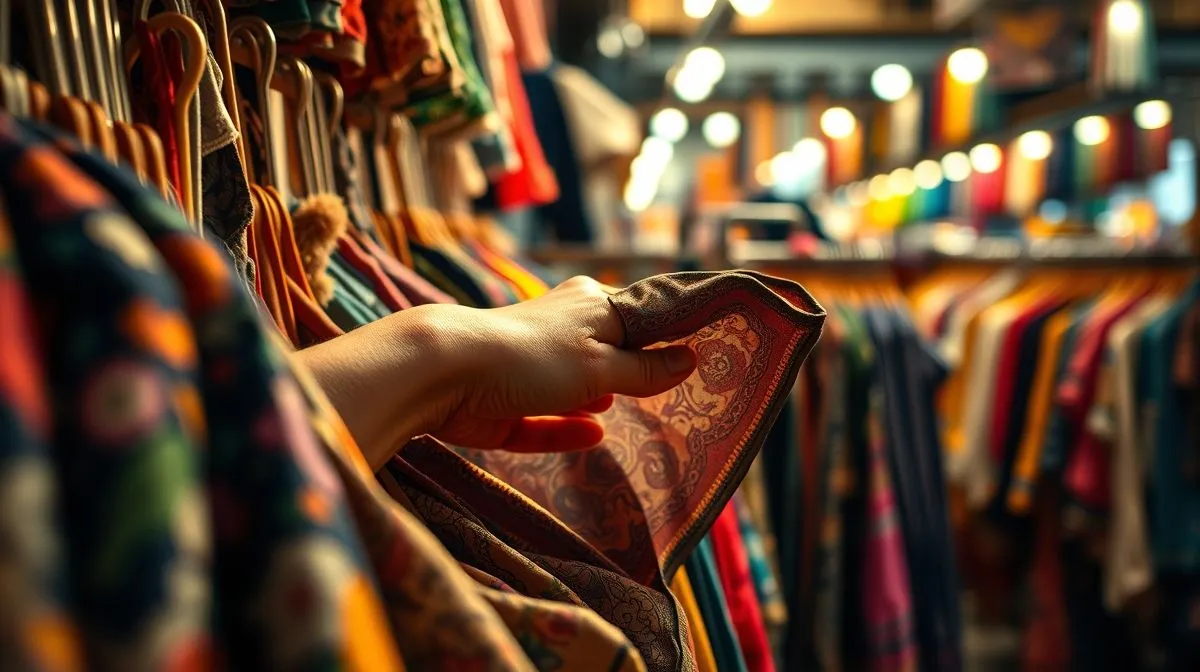
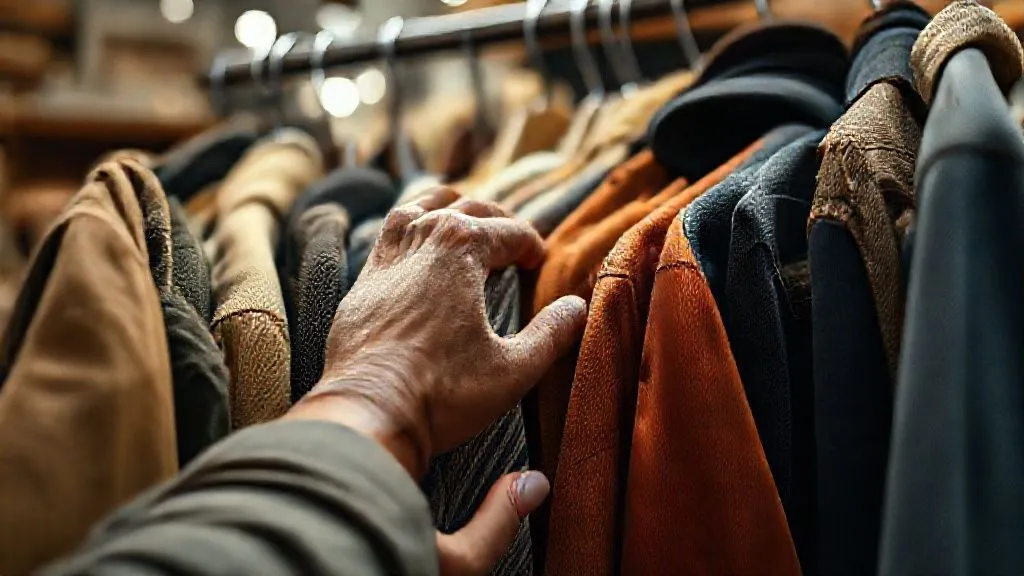
Your hands are your most powerful tools. Before your eyes even register the style, let your fingers do the talking. High-quality natural fibers feel different. Silk is smooth and fluid, wool has a particular warmth and resilience, linen is crisp yet soft. Synthetic fibers often feel slick, stiff, or overly stretchy. This instant tactile feedback is key for how to quickly identify undervalued vintage gems at busy thrift stores.
- Green Light: A cool, smooth drape of silk; the soft, fuzzy hand of cashmere; the sturdy, textured feel of raw linen.
- Red Flag: Crunchy polyester, thin, flimsy knits, or anything that feels cheap and synthetic to the touch.
Construction Cues: Seams, Zippers, and Buttons
Quality construction is a hallmark of vintage value. Quickly check seams for straightness and even stitching. Look for metal zippers (especially older brands like Talon or YKK) rather than plastic. Are buttons sewn on securely? Are they unique (e.g., shell, glass, or carved wood) or generic plastic?
Patterns & Prints: Timeless vs. Trendy
While trends come and go, some patterns are timeless. Think classic polka dots, stripes, unique conversational prints, or intricate florals. Avoid anything that screams a specific, fleeting trend from a recent decade. Often, undervalued vintage pieces have unique, hand-screened or woven patterns that are impossible to replicate cheaply today.
Expert Insight: Trust your hands as much as your eyes. The tactile experience of vintage fabrics is often the first indicator of true quality and age, guiding you to potential treasures far quicker than just visual appraisal.
Decoding the Label: Beyond the Brand Name
The label is a goldmine of information, but you need to know what to look for beyond just the designer's name. This step is critical for a thorough vintage identification.
Country of Origin Matters
Certain countries were renowned for specific types of manufacturing during different eras. For instance, 'Made in Italy' often signifies high-quality leather goods or fine knitwear. 'Made in France' can point to exquisite silks or couture-level garments. Pre-1990s 'Made in USA' often indicates superior denim or workwear. These origins can significantly increase a garment's desirability and value.
Material Composition: Natural Fibers Reign Supreme
Always check the fabric composition tag. While some vintage synthetics have a unique charm, natural fibers like 100% silk, cashmere, alpaca, linen, and high-quality wool blends (especially those with the Woolmark symbol) are usually indicators of a more valuable and desirable vintage piece. They also tend to age better and are more sustainable.
Care Tags & Vintage Union Labels
The presence and style of care tags can help date a garment. Older pieces might have very simple, sewn-in tags or even no care tags at all. Look for vintage union labels (e.g., ILGWU tags in the US) which were prevalent in garments from the mid-20th century and can accurately place a piece within a specific decade. This level of detail is a hallmark of how to quickly identify undervalued vintage gems at busy thrift stores.
Case Study: The Parisian Silk Scarf
I once encountered a client who, overwhelmed by a rack of scarves, almost overlooked a seemingly plain silk square. Following my advice, she checked the label. It was a simple, faded 'Made in France' tag, but the subtle hand-rolled edges and the luxurious feel of the silk prompted her to investigate further. A quick online search revealed it was an early, rare Hermès scarf, its pattern understated but unequivocally authentic. This piece, originally priced at a few dollars, was appraised at several hundred, demonstrating the power of meticulous label and construction checks.
The Condition Conundrum: What's Fixable, What's Not?
Even a rare gem loses its luster if it's in irreparable condition. Knowing what flaws are manageable and which are deal-breakers is crucial for smart vintage shopping.
Assessing Wear & Tear: Minor Flaws vs. Deal-Breakers
Quickly scan for major damage. Large tears, extensive moth holes, or significant fading are usually red flags. However, minor flaws like missing buttons (easily replaceable), a small unstitched seam (simple repair), or faint, localized stains (often treatable) can be overlooked. These imperfections are often why a valuable item is undervalued on the rack.
The Sniff Test: Odor Detection
Don't underestimate your nose! A musty smell, strong perfume, or lingering smoke odor can be difficult to remove, especially from delicate fabrics. Give the garment a quick sniff. If the odor is overwhelming, it might not be worth the effort, even if the piece is otherwise perfect.
Hardware & Fastenings: Zippers, Buttons, Snaps
Check all functional elements. Does the zipper glide smoothly? Are all buttons present and secure? Do snaps fasten firmly? Replacing these elements can be costly or difficult, especially if they are unique vintage pieces themselves. Often, a sticky zipper is an easy fix with a little wax, but a broken one might be a more significant undertaking.
Expert Insight: Focus on the integrity of the garment's structure. A small stain can be removed, but a compromised weave or irreparable tear means the garment's lifespan is limited, regardless of its vintage appeal.
Unearthing Hidden Value: The Niche Categories
While clothing often dominates the racks, some of the most undervalued vintage gems hide in less obvious sections of a thrift store. Expanding your search beyond apparel can yield incredible finds.
Vintage Accessories: Scarves, Belts, Handbags
These items are often overlooked and undervalued simply because they're small. Silk scarves, leather belts with unique buckles, and well-made vintage handbags can hold significant value. Look for quality materials, unique hardware, and distinctive craftsmanship. A genuine vintage leather handbag, even if scuffed, can often be restored to its former glory.
Jewelry Gems: Unmarked Metals & Stones
The jewelry counter is often a chaotic jumble, but it can hide real gold, silver, or semi-precious stones amidst the costume pieces. Look for weight, a lack of green tarnishing (indicating non-sterling silver), and the way stones are set. Even unmarked pieces can be valuable if they have a unique design, good weight, or show signs of genuine patina.
Vintage Home Goods & Linens
Beyond fashion, vintage home goods offer immense potential. Hand-embroidered tablecloths, unique ceramic pieces, vintage glassware, and mid-century modern décor often go unnoticed. These items can be highly collectible and add significant character to a home. Look for signature marks on ceramics, unique patterns on glass, or intricate handwork on textiles.
The Art of Rapid Pricing Assessment & Negotiation
Once you’ve identified a potential gem, a quick pricing assessment is your next step. While negotiation isn't always possible in a fixed-price thrift store, knowing the value helps you make an informed decision.
Quick Comp Check: Your Phone is Your Friend
Use your smartphone to quickly search for comparable items on platforms like eBay (focus on 'sold' listings to see what items actually sold for, not just what they're listed at) or Etsy vintage shops. This gives you a realistic idea of the item's market value. This quick research is essential for how to quickly identify undervalued vintage gems at busy thrift stores.
Knowing When to Walk Away
Not every potential gem is a good buy. If the price is too high for the condition, or if the effort to restore it outweighs its potential value, be prepared to walk away. Scarcity and desirability drive value, but so does condition and the cost of restoration.
For more detailed insights into vintage pricing strategies and market trends, I highly recommend consulting resources from reputable vintage dealers or auction houses. For example, the Christie's Vintage Fashion Collector's Guide offers an excellent overview of what makes vintage fashion valuable.
Beyond the Hype: Developing Your Unique Eye
The most successful vintage hunters aren't just following rules; they're cultivating a unique aesthetic and intuition. This comes with practice and genuine passion.
Cultivating a Personal Aesthetic
As you gain experience, you'll start to recognize what truly speaks to you, beyond general trends. This personal connection makes the hunt more enjoyable and allows you to spot pieces that others might overlook because they don't fit a common mold. Your unique eye will lead you to truly distinctive finds.
The Joy of the Hunt vs. Pure Profit
While finding undervalued vintage gems can certainly be profitable, the true joy lies in the hunt itself, the discovery, and the sustainable aspect of giving these beautiful pieces a second life. Embracing the circular economy through vintage shopping is a powerful statement. According to a report by the Ellen MacArthur Foundation, embracing circular models in fashion significantly reduces environmental impact.
Continuous Learning & Inspiration
Stay curious! Follow vintage fashion blogs, explore online archives of fashion history, and visit textile museums. The more you immerse yourself in the history of fashion, the more finely tuned your eye will become. The Metropolitan Museum of Art's Costume Institute online collection is an incredible resource for studying historical garments and understanding quality construction over the decades.
Frequently Asked Questions (FAQ)
Q: How do I tell if a fabric is truly silk or just a synthetic blend without a tag? A: The easiest way is the 'crinkle test' and the 'touch test'. Real silk will often make a slight 'crunchy' sound when gently balled up, and it will warm to your touch very quickly. It also has a unique, fluid drape and a subtle sheen. Synthetics like polyester often feel slicker, don't warm up, and may have a stiffer drape. If you can, a tiny, discreet burn test (only if permissible and safe, on a hidden thread) reveals silk's characteristic smell of burning hair, while synthetics melt into a hard bead.
Q: What are some red flags for fake vintage designer items? A: Be wary of inconsistent stitching, cheap hardware (plastic zippers, flimsy clasps), poor quality lining, misspelled brand names on labels, or a generic, poorly printed care tag. Authentic vintage designer pieces, even if old, will typically show signs of high-quality craftsmanship. Familiarize yourself with how genuine labels from specific eras looked for the brands you're interested in. If it feels too good to be true, it often is.
Q: Is it worth buying vintage items with minor damage? A: Absolutely, yes! Minor damage like loose seams, missing buttons, or small, treatable stains can often be easily repaired or cleaned. These are often the very reasons an item is 'undervalued' by others. Assess if the repair cost (time or money) outweighs the potential value and your desire for the item. A small tear in a common garment might not be worth it, but a small stain on a rare silk dress certainly could be.
Q: How do I determine a fair resale price for a vintage gem I've found? A: Start by researching 'sold' listings on platforms like eBay, Etsy, and dedicated vintage marketplaces. Look for items identical or very similar in style, era, material, and condition. Consider factors like brand desirability, rarity, and current fashion trends. Account for any necessary cleaning or repairs you've done. Factor in your acquisition cost and time. Remember, the market dictates the price, so be realistic.
Q: What's the best time to visit busy thrift stores for the best finds? A: This often varies by location, but generally, early mornings on weekdays are ideal, shortly after the store opens. This is when new donations have often been processed and put out, and the crowds are minimal. Avoid peak weekend hours if possible, as competition is highest. Some experienced thrifters also suggest visiting after holidays, as people often clear out their closets.
Recommended Reading
- 7 Proven Ways to Diversify Your Fashion Blog Income Beyond Ads & Affiliates
- Unraveling the Fabric: What Challenges Hinder Sustainable Textile Innovation?
- Unlock the Secret: How to Make Minimalist Accessories Look Exciting
- The Hidden Dangers: What Are the Privacy Risks of Fashion Wearables?
- Ethical Smart Textiles: 7 Steps to a Responsible Supply Chain
Key Takeaways and Final Thoughts
Mastering the art of finding undervalued vintage gems in busy thrift stores is a skill, not just luck. It requires a blend of preparation, a keen eye, and a strategic approach. By focusing on quality, understanding labels, and knowing what to prioritize, you transform your thrifting experience.
- Prepare Diligently: Research eras, brands, and specific items before you even leave home.
- Trust Your Senses: Let your touch and eye quickly assess fabric quality and construction.
- Decode the Details: Labels, country of origin, and care tags are your secret weapons.
- Assess Realistically: Know what damage is fixable and what's a deal-breaker.
- Explore Beyond Clothing: Scarves, jewelry, and home goods often hold overlooked value.
- Leverage Technology: Use your phone for quick price comparisons.
- Cultivate Your Eye: Develop a personal aesthetic and embrace continuous learning.
Remember, every trip to a thrift store is an adventure. With these strategies, you're not just shopping; you're engaging in a sustainable, rewarding pursuit of unique treasures. Go forth, explore, and may your next thrift store visit yield the most extraordinary undervalued vintage gem you've ever found!

Your email address will not be published. Required fields are marked *