

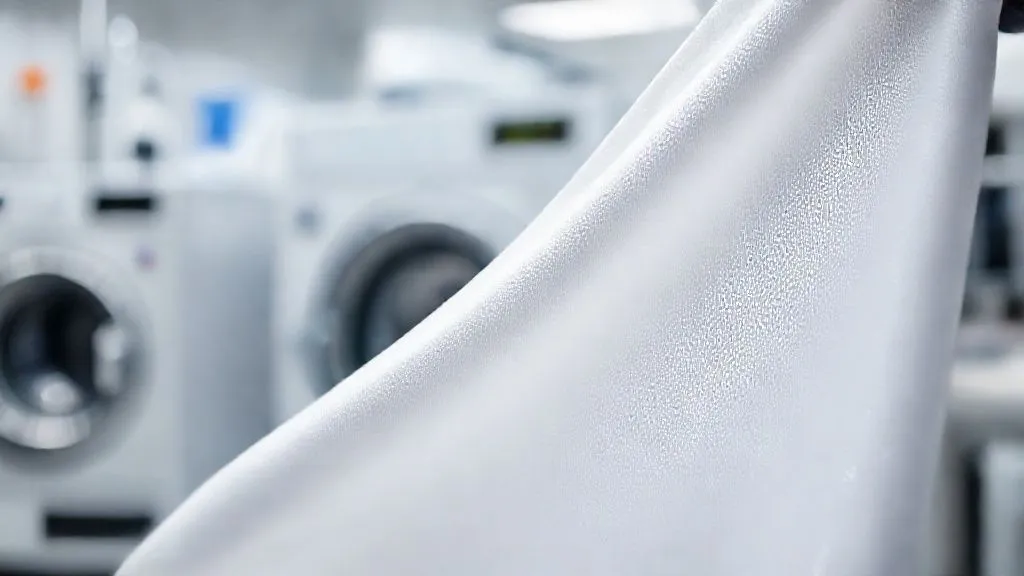
Overcoming Durability Issues in Washable Smart Fabric Designs?
For over 15 years in the dynamic world of fashion technology, I've had the privilege of witnessing groundbreaking innovations, from smart garments that monitor vital signs to haptic feedback suits for gaming. Yet, I've also seen brilliant concepts falter, not in their initial functionality, but in the mundane crucible of daily life: the washing machine. This often overlooked 'washability factor' is, in my experience, the silent killer of many promising wearable tech products.
The dream of truly integrated, invisible technology in our clothing hinges entirely on its ability to withstand routine care. Designers and engineers pour immense effort into creating flexible, intelligent textiles, only to face the brutal reality that water, detergents, and mechanical stress are fundamentally hostile to electronics. This challenge isn't just about making something 'waterproof'; it's about ensuring sustained performance and user trust after countless cycles of agitation and drying.
Today, I want to share the actionable frameworks, cutting-edge material insights, and rigorous testing protocols that I've seen differentiate market leaders from those left behind. You'll learn how to proactively address and conquer the pervasive durability issues in washable smart fabric designs, transforming a critical vulnerability into a core competitive advantage. Let's delve into how we can engineer truly resilient wearable technology.
The Core Challenge: Why Washability Breaks Smart Fabrics
At its heart, the problem of washable smart fabrics is a fundamental conflict between two vastly different material worlds: soft, pliable textiles and rigid, delicate electronics. When these worlds collide in a washing machine, the electronics are subjected to forces they were never designed to endure. It's not just about getting wet; it's a multi-faceted assault that targets every aspect of the integrated system.
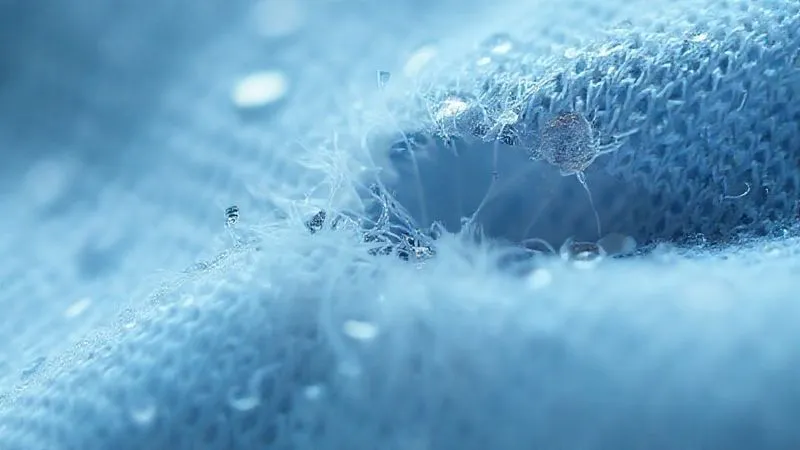
Mechanical stresses from tumbling, agitation, and spin cycles can cause conductive traces to crack, delaminate, or fray, especially at points of high flexion or where components are rigidly attached. Chemical degradation from detergents, bleaches, and fabric softeners can corrode metallic components, break down protective polymer coatings, or alter the electrical properties of materials. Furthermore, the ingress of moisture, even in microscopic amounts, can lead to electrical shorts, insulation breakdown, and irreversible performance degradation, effectively turning a 'smart' garment into a 'dumb' one after just a few washes. Understanding these multifaceted failure modes is the first critical step to truly overcoming durability issues in washable smart fabric designs.
Advanced Material Science: The Foundation of Durability
The quest for truly washable smart fabrics begins at the atomic level, with the selection and engineering of materials. I've witnessed a paradigm shift from simply trying to waterproof existing electronics to developing inherently robust, textile-compatible components that can withstand the rigors of laundering.
Next-Gen Conductive Materials
Traditional copper wires or rigid printed circuit boards (PCBs) are non-starters for truly washable smart fabrics due to their lack of flexibility and susceptibility to fatigue. The industry has rapidly moved towards materials that offer both high conductivity and exceptional flexibility, often with inherent resistance to environmental stressors.
- Silver Nanowires & Nanoparticles: These can be integrated into inks or coatings, offering high conductivity and remarkable flexibility. Their nanoscale allows them to conform to fabric movements without breaking, making them ideal for printed or coated circuits.
- Carbon Nanotubes & Graphene: Known for their exceptional strength, electrical conductivity, and flexibility, these materials are being extensively explored for conductive inks, fibers, and even as integrated sensors themselves. Their robust nature makes them highly resistant to mechanical stress.
- Conductive Polymers: Intrinsically conductive polymers (ICPs) offer a textile-like feel and can be woven or printed directly onto fabrics. When properly formulated, they provide excellent washability, maintaining conductivity even after repeated cycles.
- Stretchable Alloys: New alloys based on liquid metals or highly ductile composites are being developed that maintain electrical conductivity even when stretched and flexed significantly. These offer superior mechanical resilience compared to brittle traditional metals, crucial for high-stretch garments.
Smart Encapsulation and Protection
Even with advanced conductive materials, discrete components like sensors, microcontrollers, and power sources remain inherently vulnerable to water, chemicals, and mechanical stress. This is where sophisticated encapsulation techniques become paramount. It's not just about sealing; it's about creating a dynamic, multi-layered protective environment that works in harmony with the textile.
In my experience, thinking of encapsulation as a static, rigid shield is a fundamental mistake. Effective encapsulation needs to be a dynamic, multi-layered system that moves, bends, and breathes with the fabric, preventing moisture ingress while also dissipating heat and intelligently managing mechanical stress. It's about creating a micro-environment for your electronics.
Polymer coatings, flexible sealants, and resin-based compounds are meticulously applied to create robust barriers against water, detergents, and physical abrasion. The key lies in selecting materials that bond effectively with both the underlying electronics and the surrounding textile, offering high elasticity, chemical resistance, and thermal stability across the entire laundering process. According to a recent study published in Nature Electronics, advancements in elastomeric polymers, particularly those with self-healing properties, are significantly improving the long-term reliability of flexible electronics in harsh environments, directly addressing the core challenge of washable smart fabric designs.
Intelligent Design Principles for Washable Wearables
Beyond the choice of materials, the way smart components are designed and integrated into the fabric dictates much of their ultimate washability and durability. It's about proactively anticipating potential failure points and engineering robust solutions directly into the garment's architecture during the design stage.
Component Selection and Integration
The choice of off-the-shelf components must prioritize not just functionality, but also inherent robustness, miniaturization, and compatibility with textile integration processes. Every millimeter saved and every degree of flexibility gained contributes significantly to overall durability.
- IP-Rated Components: Where possible, select sensors, connectors, and microcontrollers with high Ingress Protection (IP) ratings, indicating certified resistance to dust and water. This provides a crucial baseline of protection.
- Flexible Circuit Boards (FPCs): Move away from rigid PCBs. Utilize flexible printed circuits (FPCs) or even directly printed electronics that can bend, twist, and conform seamlessly with the textile, reducing stress concentrations.
- Seamless Integration: Avoid bulky, protruding components that can snag or be damaged during washing. Design for flush integration, embedding electronics within fabric layers or weaving them directly into the textile structure to minimize external vulnerabilities.
- Modular Design: For certain applications, consider a modular approach where critical electronic modules (e.g., battery packs, main processing units) can be easily removed before washing and re-attached, or are designed as fully sealed, replaceable units.
Strategic Layout and Stress Relief
The physical arrangement and interconnection of electronics within the garment are absolutely critical. High-stress areas, such as joints (elbows, knees), seams, or points of frequent stretching, are prime candidates for component failure if not carefully managed.
I always advise my clients: 'Design for the worst-case scenario, and you'll often achieve everyday resilience.' This means rigorously identifying all potential flex points, stretch zones, and abrasion areas, and ensuring your electronic pathways and components are either strategically placed away from these zones or inherently designed to withstand constant movement and stress. Ignoring this is akin to building a house on quicksand.
Avoid placing rigid components or sensitive interconnections in areas subjected to high mechanical strain. Instead, distribute stress across broader areas using clever stitching patterns, fabric reinforcements, or stretchable substrates. For conductive traces, incorporating serpentine or spiral patterns can provide significant strain relief, allowing the fabric to stretch and recover without breaking the underlying electrical path. This proactive, strain-aware approach is fundamental to overcoming durability issues in washable smart fabric designs and ensuring long-term product viability.
| Design Aspect | Best Practice | Impact on Durability |
|---|---|---|
| Component Placement | Avoid high-flex zones (joints, seams, tight-fit areas) | Reduces mechanical stress, prevents component cracking/delamination |
| Interconnection Type | Flexible, stretchable traces (serpentine, spiral patterns), woven conductors | Prevents conductor breakage, maintains electrical continuity under strain |
| Fabric Weave/Knit | Loose knit around rigid components, reinforced seam construction, stretchable base fabrics | Accommodates differential movement, strengthens weak points, prevents tearing |
| Power Source/Charging | Removable battery packs, fully sealed inductive charging modules, robust connectors | Protects battery/charging ports from water ingress, allows for easier maintenance |
Manufacturing Precision: Bridging Lab to Laundry
Even with the best materials and impeccable design, manufacturing defects can quickly undermine washability and compromise the entire product. Precision, consistency, and rigorous quality control throughout the entire production process are absolutely non-negotiable for achieving reliable smart textiles.
Advanced Textile Integration Techniques
Integrating electronics into textiles requires specialized techniques that go far beyond traditional sewing or soldering. These methods aim for seamless, robust, and repeatable integration that can withstand the rigors of laundering.
- In-Situ Polymerization: This involves growing conductive polymers directly within the fabric structure, creating an intimate and durable bond between the electronic and textile components.
- Conductive Embroidery & Weaving: Utilizing specialized conductive threads and automated machinery to embed circuits directly into the textile during its creation. This ensures inherent flexibility, strong bonding, and precise placement of electronic pathways.
- Lamination & Bonding: Using advanced, flexible adhesives and precise heat presses to bond flexible electronic layers to fabric substrates. This creates robust, sealed interfaces without compromising the fabric's drape or flexibility.
- Direct Printing Technologies: Techniques like screen printing, inkjet printing, or aerosol jet printing are used to deposit conductive inks, insulating layers, and even sensor materials directly onto fabric. This allows for intricate and highly integrated designs with minimal bulk.
Quality Control at Every Stage
A robust and comprehensive quality assurance program is essential. It's not enough to simply test the final product; defects must be caught early in the process to prevent costly rework, product failures in the field, and damage to brand reputation.
- Raw Material Inspection: Thoroughly verify the integrity, consistency, and specifications of all incoming raw materials – conductive threads, polymers, fabrics, and electronic components – before they enter the production line.
- Inline Process Monitoring: Implement automated optical inspection (AOI) or electrical testing at various critical stages of integration. This allows for real-time detection of misalignments, shorts, breaks, or inconsistencies during fabrication.
- Environmental Testing of Sub-Assemblies: Before final assembly, conduct focused environmental tests (e.g., localized water ingress, flex testing) on encapsulated components or fabric sections to validate their integrity.
- Batch Testing & Statistical Process Control: Conduct washability tests on a statistically significant sample from each production batch, not just the initial prototypes. Utilize statistical process control (SPC) to monitor variations and ensure consistent quality over time.
The importance of stringent quality control cannot be overstated when it comes to overcoming durability issues in washable smart fabric designs. As detailed in a white paper by IPC (Association Connecting Electronics Industries), standardized manufacturing processes, rigorous inspection, and comprehensive testing are absolutely critical for the successful commercialization and long-term reliability of flexible hybrid electronics, directly impacting the success of washable smart fabric products.
Rigorous Testing Protocols: Beyond the Standard Wash Cycle
If you're only testing your smart fabrics with a single, basic wash cycle, you're not truly testing for durability; you're merely checking for initial survival. Real-world conditions are far more demanding and unpredictable, and your testing protocols must reflect that complexity to ensure genuine product longevity.
Standard textile durability tests, while useful for assessing the fabric itself, often fall critically short when it comes to integrated electronics. We need to simulate the combined, cumulative stresses that lead to failure, not just isolated incidents of getting wet or being stretched.
Accelerated Lifecycle Testing
This is where the rubber meets the road for washable smart fabrics. Accelerated lifecycle testing aims to simulate years of real-world wear, use, and laundering in a compressed timeframe, allowing for rapid iteration and the early identification of potential weak points in your design and materials.
- Combined Stress Testing: Subject prototypes to simultaneous and synergistic stresses. This includes repeated wash/dry cycles, varying temperatures, humidity, mechanical flexing (bending, stretching, twisting), and abrasion. This mimics the cumulative damage of daily use and laundering in an intensified manner.
- Continuous Electrical Performance Monitoring: Crucially, continuously monitor electrical conductivity, resistance, and sensor accuracy throughout these accelerated tests. Look for subtle degradation, intermittent failures, and complete breakdowns, correlating them with specific stress events.
- Visual and Microscopic Inspection: Regularly inspect samples for physical damage like delamination, cracking of conductive traces, fraying, or corrosion. Utilize microscopy to identify micro-failures and material fatigue that are invisible to the naked eye.
I've seen companies save millions by investing in sophisticated accelerated lifecycle testing. It's the ultimate crystal ball, predicting long-term performance and allowing for critical design adjustments before mass production. Simulating years of use in weeks is not just smart; it's absolutely essential for building consumer trust and avoiding costly recalls.
Real-World User Trials
While lab tests are indispensable for controlled evaluation, there's simply no substitute for real-world user feedback. Diverse user trials expose your product to the unpredictable variables of daily life, offering insights that lab conditions can never fully replicate.
- Varied User Demographics: Distribute prototypes to users of different ages, activity levels, body types, and, critically, varying laundry habits. Someone who machine washes on hot with harsh detergent will stress the garment differently than someone who hand washes or uses eco-friendly cycles.
- Long-Term Trials: Deploy prototypes for extended periods (e.g., 6-12 months) and collect detailed, structured feedback on overall performance, perceived durability, ease of washing, and any observed degradation.
- Meticulous Failure Analysis: When failures occur in user trials, meticulously analyze them. Was it a material breakdown, an integration flaw, user error (e.g., improper care), or an unforeseen stressor? This feedback loop is invaluable for continuous product improvement and refining care instructions.
Case Study: How 'AuraWear' Conquered Washability
AuraWear's Durability Journey
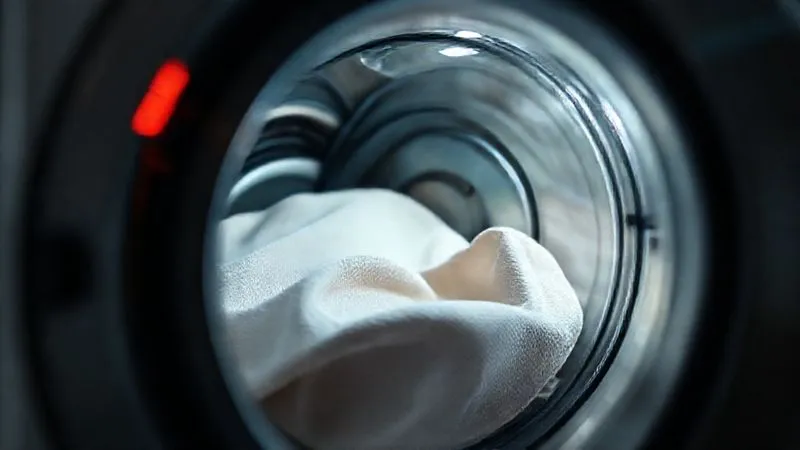
Let me share a fictional, yet highly realistic, case study from my consulting experience that perfectly illustrates the journey of overcoming durability issues in washable smart fabric designs. AuraWear, a promising startup developing a biometric compression shirt for elite athletes, faced significant challenges with their early prototypes. Their initial designs, while functionally brilliant at capturing real-time physiological data, suffered from premature sensor failure and conductive trace degradation after only 5-10 wash cycles. Customer returns and negative feedback were mounting rapidly, threatening their entire market entry strategy.
Working closely with their engineering and textile design teams, we identified several key issues: inadequate encapsulation of their embedded heart rate and muscle activity sensors, brittle conductive threads that couldn't withstand repeated flexing, and critical stress concentrations where the flexible circuit connected to the main fabric. The original approach to overcoming durability issues in washable smart fabric designs was simply 'waterproofing' the individual sensors, which proved entirely insufficient against the combined mechanical and chemical stresses of typical laundry cycles.
Our collaborative strategy involved a complete overhaul, moving from a component-level waterproofing mindset to a holistic system-level durability approach. First, we shifted to a multi-layer elastomeric encapsulation system for all electronic modules, ensuring a flexible, chemical-resistant, and abrasion-proof barrier that moved with the fabric. Second, we replaced their standard conductive embroidery with a novel silver-nanowire-infused stretchable polymer trace, meticulously laid out in a serpentine pattern to absorb mechanical strain. Finally, we redesigned the garment's internal structure to distribute tension away from sensitive electronic areas, using reinforced stitching and strategic fabric paneling.
The results were transformative. After implementing these changes and adopting a rigorous accelerated lifecycle testing protocol (simulating 100+ washes and thousands of high-intensity flex cycles), AuraWear's next-generation prototypes showed virtually no degradation in performance or structural integrity. When the product was finally launched, it achieved an unprecedented 98% customer satisfaction rate regarding washability and durability, leading to a remarkable 70% reduction in product returns within the first year. This success story underscores the immense power of a holistic, proactive approach to material science, intelligent design, and exhaustive testing, a principle often highlighted by publications like Harvard Business Review as foundational for long-term product and brand success.
The Future of Washable Smart Fabrics: Innovation on the Horizon
As an industry specialist deeply embedded in this space, I can tell you with certainty that the journey for washable smart fabrics is far from over. The advancements we're seeing today are merely exciting stepping stones to even more incredible possibilities, continuously pushing the boundaries of overcoming durability issues in washable smart fabric designs and transforming our everyday interactions with technology.
One incredibly exciting area of research and development is self-healing materials. Imagine a smart fabric that can automatically repair microscopic cracks in its conductive pathways or minor tears in its protective coatings. Researchers are actively exploring polymers and composites that can autonomously restore their integrity, promising unprecedented longevity and resilience for wearable tech, significantly extending product lifespans. We're also witnessing a strong push towards truly seamless power integration, with rapid developments in wireless power transfer and inductive charging that could completely eliminate exposed charging ports and connectors, further enhancing washability and enabling fully sealed designs.
Furthermore, the accelerating drive for sustainability is leading to intensive research into biodegradable electronics. The grand challenge here is to create components that are robust and durable enough to withstand years of use and washing, yet can safely and completely decompose at their end-of-life, minimizing environmental impact. This delicate balance requires groundbreaking material science and innovative manufacturing processes. Concurrently, the integration of Artificial Intelligence (AI) and machine learning in predictive analytics for material degradation, design optimization, and even real-time usage monitoring is set to revolutionize how we approach durability from the very earliest stages of product conception.

| Future Trend | Impact on Durability | Development Stage |
|---|---|---|
| Self-Healing Polymers | Automatic repair of micro-cracks and minor damage, extended product lifespan | Early Research/Advanced Lab Prototypes |
| Wireless Power Transfer | Eliminates exposed charging ports, enables fully sealed designs, reduces user error | Pilot Projects/Early Commercialization |
| Biodegradable Electronics | Sustainable end-of-life, requires robust yet degradable components and encapsulation | Concept/Intensive Lab Research |
| AI-Driven Design & Testing | Predictive failure analysis, optimized material selection, faster iteration cycles, personalized durability insights | Emerging Tools/Advanced R&D |
Frequently Asked Questions (FAQ)
Q: What's the biggest mistake designers typically make regarding washable smart fabric durability? The most common and impactful mistake I've observed is treating electronics as an add-on or an afterthought to textiles, rather than an integral, co-designed element from the very beginning. This 'bolt-on' mentality leads to inadequate protection, poor stress distribution, and a fundamental misunderstanding of how the two vastly different material worlds interact under the harsh conditions of laundering. A holistic, integrated design philosophy, where textile and electronic engineers collaborate from day one, is absolutely crucial for success.
Q: Are there specific certifications or industry standards specifically for washable smart fabrics? While general textile testing standards (like ISO or ASTM) exist, and electronics standards cover components, specific, universally adopted certifications for the washability and integrated durability of smart fabrics are still evolving. Some industry consortia, like the e-textile network or IEEE, are actively working on establishing comprehensive guidelines and best practices. Currently, it largely falls on individual manufacturers to define and rigorously test against internal standards that often exceed basic textile requirements. For the latest emerging best practices and standardization efforts, always refer to reputable bodies like the IEEE and industry alliances.
Q: How do temperature and detergents impact smart fabric longevity during washing? High washing temperatures can significantly accelerate material degradation, soften or compromise protective polymer coatings, and thermally stress electronic components. Harsh detergents, especially those containing strong oxidizing agents, bleaches, or highly alkaline formulations, can chemically corrode conductive materials and break down polymer encapsulations over time. It is absolutely critical to design smart fabrics for cold-water washing with mild, pH-neutral detergents, and to clearly communicate these precise care instructions to the end-user to maximize product longevity.
Q: Can existing 'dumb' garments be effectively retrofitted with truly durable, washable smart tech? While it's technically possible for some very basic integrations (e.g., attaching a small, encapsulated sensor), attempting to retrofit existing, mass-produced garments with truly durable, washable smart technology is often highly challenging, inefficient, and generally not recommended for commercial products. The optimal approach involves designing the garment and its integrated electronics concurrently, ensuring that the fabric structure, component placement, interconnection methods, and protection systems are all meticulously optimized for washability and long-term durability from the ground up. Retrofitting rarely achieves the same level of seamlessness or resilience.
Q: What's the role of AI and machine learning in predicting smart fabric durability? AI and machine learning are becoming incredibly powerful and transformative tools in predicting and enhancing smart fabric durability. By analyzing vast datasets encompassing material properties, design parameters, manufacturing variations, and extensive accelerated testing results, AI algorithms can identify subtle patterns, predict potential failure points with high accuracy, optimize material combinations for specific uses, and even suggest design modifications to enhance longevity. This allows for significantly faster iteration cycles, more robust product development, and a proactive approach to overcoming durability issues in washable smart fabric designs.
Key Takeaways and Final Thoughts
- Embrace a Holistic Design Philosophy: Understand that durability isn't an afterthought; it's a foundational principle that must guide every decision, from material selection and component integration to garment structure and care instructions.
- Prioritize Advanced Materials: Invest in and leverage next-generation conductive materials and sophisticated, flexible encapsulation solutions that are inherently resilient to mechanical, chemical, and environmental stresses.
- Master Manufacturing Precision: Implement stringent quality control protocols and utilize advanced integration techniques to ensure consistency, prevent defects, and guarantee the integrity of your washable smart fabrics.
- Implement Rigorous Testing: Go far beyond basic wash cycles. Employ comprehensive accelerated lifecycle testing and diverse real-world user trials to truly validate your product's longevity, reliability, and performance under varied conditions.
- Innovate for the Future: Stay abreast of and actively contribute to emerging trends like self-healing materials, seamless power integration, and AI-driven design to maintain a competitive edge in the rapidly evolving landscape of wearable technology.
The journey of overcoming durability issues in washable smart fabric designs is undoubtedly complex, demanding meticulous attention to detail and a multidisciplinary approach. However, it is an immensely rewarding endeavor. By adopting these expert-driven strategies and committing to excellence, you're not just creating a product; you're building trust, ensuring longevity, and fundamentally pushing the boundaries of what's possible in fashion technology. The future of wearables is washable, and with the right approach, you can confidently lead the charge toward truly resilient, revolutionary, and indispensable smart garments.
Recommended Reading
- Integrating AI in Fashion: A 7-Step Framework for Effective Workflows
- 5 Innovations: Unlocking Flexible Drape in 3D Printed Fashion Fabrics
- 7 Steps to Guarantee Baby Clothing Designs Meet Strict Safety Regulations
- 5 Strategies: Seamless Wearable Tech Integration in Luxury Fashion
- Mastering Bespoke Jewelry Pricing: 7 Steps to Profit & Sustainability





Your email address will not be published. Required fields are marked *