

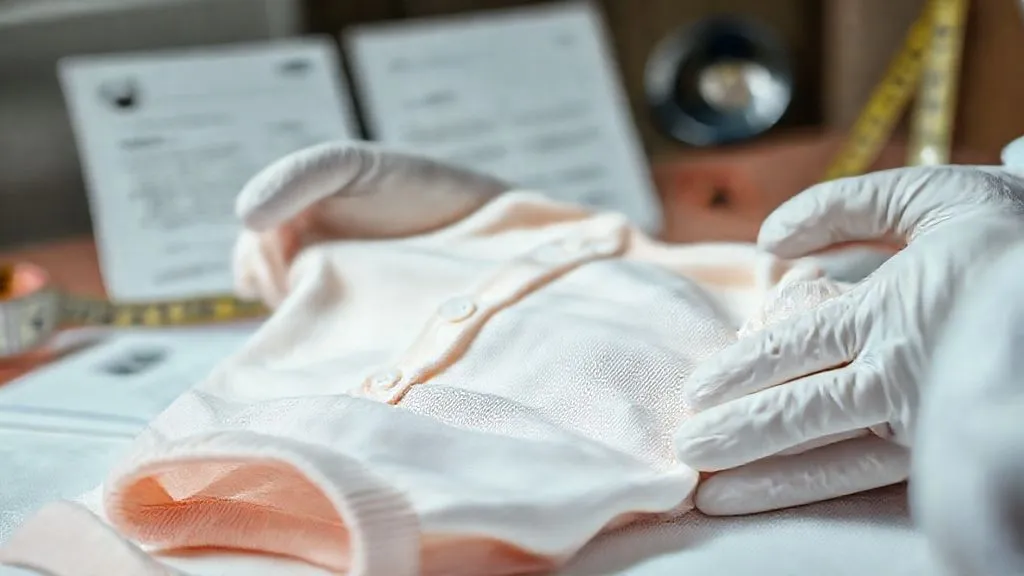
How to Ensure Baby Clothing Designs Meet Strict Safety Regulations?
For over two decades in the kids' fashion industry, I've witnessed firsthand the devastating impact of safety oversights. It's not just about compliance; it's about protecting the most vulnerable among us. I've seen promising brands falter, not due to lack of creativity, but from a fundamental misunderstanding, or worse, neglect, of stringent safety protocols. The stakes in baby fashion are uniquely high.
The labyrinth of global safety regulations for baby clothing isn't just complex; it's a minefield for the uninformed. From chemical restrictions and flammability standards to choking hazard assessments and mechanical strength tests, the requirements are exhaustive and constantly evolving. This complexity can feel overwhelming, leaving designers and manufacturers grappling with how to genuinely ensure their adorable creations are also unequivocally safe.
This article isn't just a guide; it's a roadmap built on years of experience, offering actionable frameworks, a real-world case study, and expert insights to demystify the process. I'll walk you through the essential steps, from initial design concepts to final product release, ensuring your baby clothing designs not only charm but, more importantly, meet and exceed strict safety regulations, safeguarding both your brand and, crucially, the babies who wear your garments.
Understanding the Regulatory Landscape: Your First Line of Defense
Before a single stitch is sewn or a fabric swatch is chosen, a comprehensive understanding of the regulatory landscape is paramount. This isn't merely about ticking boxes; it's about embedding safety into the very DNA of your design process.
Navigating Global Standards: CPSC, EN, and Beyond
As an industry specialist, I always advise starting with a clear identification of your target markets. Different regions have distinct, often overlapping, but sometimes contradictory, safety standards. In the United States, the Consumer Product Safety Commission (CPSC) sets the benchmark, with regulations like the Consumer Product Safety Improvement Act (CPSIA) being foundational. For European markets, the EN standards (e.g., EN 14682 for cords and drawstrings, EN 71 series for toys, often cross-referenced for baby apparel) are critical. Other regions like Canada (SOR/2018-83), Australia/New Zealand (AS/NZS ISO 8124), and Japan (SG Mark) have their own specific requirements.
Key takeaway: Ignorance of these standards is not a defense; it's a liability.
Actionable Step:
- Identify Target Markets: Clearly define where your clothing will be sold.
- Research Applicable Regulations: Compile a comprehensive list of all mandatory and relevant voluntary standards for each market.
- Subscribe to Updates: Regulatory bodies frequently update their guidelines. Subscribe to newsletters from CPSC, EU RAPEX, and other relevant organizations to stay informed.
Expert Insight: I've seen too many brands launch with a "one-size-fits-all" approach, only to face costly recalls or market access issues. Proactive research saves significant headaches and financial strain.
For US regulations, the CPSC website is an indispensable resource: CPSC Mandatory Standards for Children's Products.

Material Matters: Selecting Safe Fabrics and Components
The choice of materials is where safety truly begins. It's not enough for a fabric to be soft or aesthetically pleasing; it must be inherently safe for a baby’s delicate skin and curious mouth.
The Dangers of Toxins: Chemical Residues and Dyes
Babies have thinner skin and immature immune systems, making them highly susceptible to harmful chemicals. I always emphasize avoiding fabrics treated with harsh chemicals, flame retardants (unless specifically required and approved for baby use), heavy metals in dyes, and allergenic substances. Look for certifications that guarantee textile safety.
Actionable Steps for Material Sourcing:
- Request Material Safety Data Sheets (MSDS): Always ask suppliers for detailed information on fabric composition and any chemical treatments.
- Prioritize Certified Materials: Opt for materials certified by recognized bodies like OEKO-TEX® Standard 100, which tests for harmful substances.
- Specify Dye Standards: Ensure dyes are Azo-free and meet specific heavy metal restrictions.
Fasteners and Embellishments: Small Parts, Big Risks
Buttons, snaps, zippers, bows, and decorative elements – these are often overlooked sources of potential hazards. Any small part that can detach presents a choking risk.
Guidance on Components:
- Secure Attachment: All fasteners and embellishments must be securely attached and withstand rigorous pull and torque tests.
- Size Matters: Components should be large enough not to fit into a small parts cylinder (defined by CPSC and EN standards).
- Durability: Zippers should be robust and covered to prevent skin pinching. Snaps should be strong enough to hold during normal wear but not so strong they tear the fabric.
For a deeper dive into textile safety standards, consider exploring certifications like OEKO-TEX: OEKO-TEX® Standard 100.
Design for Safety: Preventing Common Hazards
Safety isn't an afterthought; it's an integral part of the design process. A well-designed garment anticipates and mitigates potential risks before they can materialize.
Choking Hazards: Buttons, Zippers, and Drawstrings
This is perhaps one of the most critical areas. I recall a client who had to recall an entire line of adorable rompers because of poorly secured decorative buttons. It was a costly lesson.
Design Directives:
- Buttons & Snaps: Use minimal buttons. If necessary, ensure they are securely sewn with reinforced stitching and are large enough not to be choking hazards. Snaps should be robust and well-secured.
- Zippers: Opt for high-quality, lead-free zippers with covers or garages at the top and bottom to prevent skin pinching. Ensure zipper pulls are not easily detachable.
- Drawstrings & Cords: For children under 7, drawstrings in hoods and neck areas are generally prohibited due to strangulation risks (EN 14682). For older children and waist areas, specific length and attachment requirements apply. My advice: avoid them entirely for baby clothing.
Suffocation and Entanglement: Hoods, Cords, and Loose Threads
Beyond choking, the risks of entanglement and suffocation are very real.
Key Design Considerations:
- Hoods: Ensure hoods are not excessively large or heavy, which could obscure a baby’s face.
- Loose Threads & Trims: All seams should be neatly finished, and loose threads trimmed. Any decorative trims must be firmly attached and not create loops or snags.
- Fit: Garments should fit appropriately, not too tight to restrict movement or breathing, and not too loose to become entangled.
Flammability: The Silent Threat
Flammability standards vary significantly by region and garment type. In the US, the Flammable Fabrics Act (FFA) and specific CPSC regulations (16 CFR Part 1610 for general apparel, 16 CFR Part 1615/1616 for children's sleepwear) are paramount.
Strategies for Flammability:
- Fabric Choice: Opt for inherently flame-resistant fabrics like certain polyesters for sleepwear, or tight-weave cottons that are less prone to rapid flame spread.
- Design: Loose-fitting garments are generally more flammable. For sleepwear, design can play a critical role in reducing flammability risk.
- Avoid Chemical Treatments: Unless specifically required and approved, avoid chemical flame retardants due to potential health concerns for babies.
"Designing for safety isn't about stifling creativity; it's about channeling it responsibly. Every design decision should pass the 'baby-safe' test." - Industry Specialist.
| Hazard Type | Common Culprits | Design Solution | Testing Method |
|---|---|---|---|
| Choking (Small Parts) | Buttons, Snaps, Zipper Pulls, Appliqués | Reinforced stitching, large diameter components (>< 3.17cm), no detachable parts. | Small Parts Cylinder Test, Pull/Torque Test |
| Suffocation/Entanglement | Long Cords, Large Hoods, Loose Threads | No drawstrings in neck/hood for <7yrs, minimal/no cords, secure seams, appropriate fit. | CPSC 16 CFR Part 1610 (general apparel), EN 14682 (cords/drawstrings) |
| Flammability | Highly flammable fabrics, loose designs | Use inherently low-flammability fabrics (e.g., polyester for sleepwear), snug fit for sleepwear. | 16 CFR Part 1615/1616 (sleepwear), 16 CFR Part 1610 (general apparel) |
| Chemical Exposure | Toxic Dyes, Heavy Metals, Phthalates, Formaldehyde | Source OEKO-TEX certified fabrics, Azo-free dyes, avoid PVC/phthalates. | Chemical Analysis (e.g., Lead Content Test, Phthalate Test) |
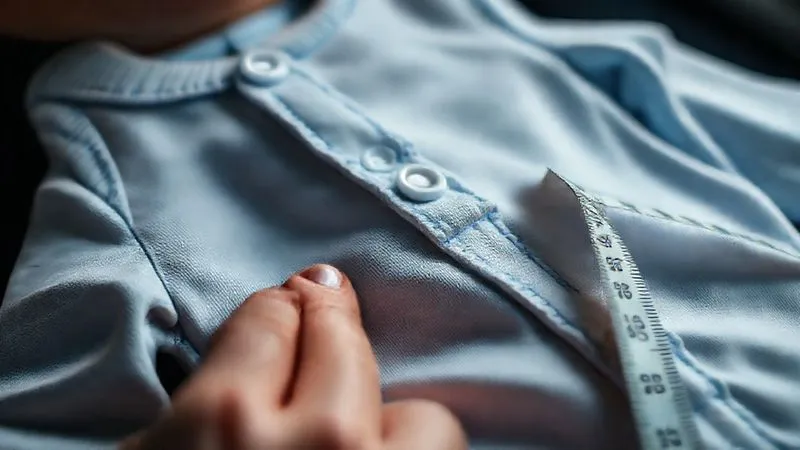
Rigorous Testing Protocols: Beyond Visual Inspection
While thoughtful design and material selection are foundational, they are not sufficient on their own. Independent, third-party testing is non-negotiable for validating safety claims and demonstrating compliance.
Physical and Mechanical Testing
These tests assess the durability and integrity of the garment under stress, simulating real-world use (and abuse!).
Common Tests Include:
- Small Parts Test: Ensures no components can detach and fit into a small parts cylinder, preventing choking hazards.
- Pull Test: Measures the force required to detach buttons, snaps, appliqués, and other components.
- Torque Test: Assesses the rotational force required to loosen components like eyes on stuffed animals (relevant if integrated into apparel).
- Seam Strength Test: Verifies seams can withstand typical stresses without tearing, exposing raw edges or small parts.
Chemical Composition Analysis
This category of testing is crucial for detecting harmful substances that might be present in the fabric, dyes, or finishes.
Key Chemical Tests:
- Lead Content Test: For paint, surface coatings, and certain materials.
- Phthalates Test: For plastics and soft PVC components.
- Azo Dyes Test: Checks for banned carcinogenic azo dyes.
- Formaldehyde Content: Measures residual formaldehyde, a known irritant.
- Heavy Metals Analysis: Screens for other restricted heavy metals.
Flammability Testing Specifics
As mentioned earlier, flammability testing is highly specific to the garment type and target market.
Example: For US children's sleepwear, fabrics are tested for their rate of flame spread. If they ignite, they must self-extinguish or burn at a very slow rate.
Actionable Steps for Testing:
- Partner with an Accredited Lab: Choose a reputable, ISO 17025 accredited testing laboratory with expertise in children's product safety (e.g., SGS, Intertek, Bureau Veritas).
- Develop a Testing Plan: Work with the lab to create a comprehensive testing plan based on your product, materials, and target markets.
- Test Prototypes and Production Batches: Don't just test pre-production samples. Implement a robust schedule for testing production batches to ensure consistency.
- Retain Test Reports: Keep all test reports and certifications meticulously organized. These are vital for compliance documentation.
Quality Assurance Throughout the Supply Chain
Safety isn't a single checkpoint; it's a continuous process that spans the entire supply chain. From yarn spinning to final packaging, every stage presents an opportunity – or a risk.
Vendor Vetting and Audits
Your suppliers are an extension of your brand. I've always stressed the importance of rigorous vetting. Don't just ask for certifications; verify them.
Best Practices:
- Supplier Questionnaires: Implement detailed questionnaires covering their safety protocols, material sourcing, and compliance history.
- Factory Audits: Conduct regular, unannounced audits of manufacturing facilities to ensure adherence to ethical labor practices and safety standards.
- Traceability: Demand full traceability of materials, from fiber origin to finished fabric.
In-Process Quality Checks
Don't wait until the final inspection. Integrate quality and safety checks at every critical stage of production.
Examples:
- Fabric Inspection: Before cutting, inspect fabric rolls for defects, inconsistencies, or foreign objects.
- Component Attachment Checks: During assembly, periodically perform pull tests on attached buttons and snaps.
- Needle Detection: Ensure all factories use metal detection equipment to prevent broken needles from ending up in garments.
Post-Production Verification
Even after production, a final layer of scrutiny is essential.
Steps:
- Final AQL Inspection: Conduct a comprehensive Acceptable Quality Limit (AQL) inspection on finished goods.
- Random Sample Testing: Select random garments from finished batches for additional, independent safety testing.
- Packaging Review: Ensure packaging itself is safe, free of choking hazards (e.g., small plastic bags without warning labels), and clearly labeled with all required safety information.
Case Study: How 'Little Sprouts Apparel' Mastered Supply Chain Safety
"Little Sprouts Apparel, a burgeoning babywear brand, faced initial challenges with inconsistent fabric quality and occasional detached snaps, leading to minor recalls. After consulting with an industry expert (myself, in this case), they implemented a three-pronged approach: rigorous pre-qualification for all new fabric mills, including mandatory third-party chemical testing reports; quarterly unannounced audits of their primary manufacturing partner focusing specifically on seam integrity and fastener attachment; and the introduction of a 'golden sample' approval process for every new production run, which included internal pull and small parts tests. This comprehensive strategy, though requiring an upfront investment, dramatically reduced their defect rate by 70% within a year, virtually eliminated recalls, and significantly enhanced their brand reputation for uncompromising safety. Their commitment to continuous vigilance across the supply chain became their competitive edge."
Documentation and Traceability: Your Legal Shield
In the world of baby fashion safety, if it's not documented, it didn't happen. Meticulous record-keeping is not just good practice; it's a legal imperative and your first line of defense in the event of an inquiry or recall.
Creating a Comprehensive Technical File
Every product should have a detailed technical file, a living document that houses all relevant information about its design, materials, manufacturing, and testing.
Essential Contents:
- Design Specifications: Detailed drawings, patterns, material lists (Bill of Materials).
- Material Certifications: OEKO-TEX, GOTS, MSDS for all fabrics and components.
- Test Reports: All third-party physical, chemical, and flammability test reports.
- Risk Assessments: Documentation of potential hazards identified and how they were mitigated.
- Production Records: Manufacturing dates, batch numbers, inspection reports.
- Labeling Information: Copies of care labels, content labels, and safety warnings.
Batch Tracking and Recall Readiness
Should an unforeseen issue arise, the ability to quickly identify and isolate affected products is paramount. This is where robust traceability systems shine.
Strategy for Traceability:
- Unique Batch Identifiers: Assign unique batch or lot numbers to every production run.
- Record Keeping: Link these identifiers to specific material batches, production dates, and distribution channels.
- Mock Recalls: Periodically conduct mock recalls to test the efficiency of your traceability system and communication plan.
- Clear Communication Plan: Have a pre-defined plan for communicating with retailers, consumers, and regulatory bodies in case of a real recall.
"Your documentation is not just paper; it's the narrative of your commitment to safety. It proves due diligence and builds trust." - Experienced Industry Specialist.
| Document Category | Key Documents | Purpose |
|---|---|---|
| Design & Specifications | Technical drawings, Bill of Materials, Pattern details, Sizing charts | Defines product, materials, and construction |
| Material & Component Certifications | OEKO-TEX, GOTS, MSDS, Supplier Declarations of Conformity | Verifies material safety and origin |
| Testing & Compliance | Third-party lab test reports (physical, chemical, flammability), Risk assessments, Compliance certificates | Proves product meets mandatory safety standards |
| Production & Quality Control | Factory audit reports, In-process QC reports, Final AQL inspection reports, Needle detector logs | Ensures consistent quality and safety during manufacturing |
| Traceability & Post-Market | Batch/Lot numbers, Distribution records, Recall communication plan | Enables rapid response to potential issues and market surveillance |
Staying Ahead: Continuous Learning and Adaptation
The world of baby fashion safety is not static. Regulations evolve, new materials emerge, and consumer expectations shift. As an industry veteran, I can tell you that complacency is the greatest risk.
Monitoring Regulatory Updates
Staying informed is an ongoing commitment. Regulatory bodies frequently publish updates, amendments, and new standards.
Actionable Strategies:
- Industry Associations: Join relevant industry associations (e.g., American Apparel & Footwear Association - AAFA) that provide regulatory updates and lobbying efforts.
- Legal Counsel: Retain legal counsel specializing in product safety and compliance, particularly if operating in multiple international markets.
- Dedicated Internal Role: For larger brands, consider a dedicated compliance officer or team. For smaller businesses, allocate specific time each week for regulatory review.
Industry Best Practices and Innovation
Beyond mandatory regulations, there are often industry best practices that push the envelope for safety. Embrace innovation in materials and manufacturing processes that enhance safety.
Examples:
- Smart Textiles: Explore innovations in textiles that offer inherent safety features without chemical treatments.
- Sustainable Safety: Integrate sustainability goals with safety, choosing eco-friendly materials that are also chemically safe.
- Feedback Loops: Actively solicit and analyze feedback from parents and caregivers. Their real-world experiences can highlight unforeseen safety considerations.
For US regulatory insights and industry best practices, the American Apparel & Footwear Association (AAFA) is an excellent resource.
Frequently Asked Questions (FAQ)
What is the biggest mistake new baby clothing designers make regarding safety? In my experience, the single biggest mistake is underestimating the complexity and scope of safety regulations, often treating them as an afterthought rather than an integrated part of the design and production process. This leads to costly redesigns, recalls, and reputational damage. It's crucial to embed safety thinking from concept to final product.
How do I choose a reliable third-party testing lab? Look for labs accredited to ISO 17025, with a proven track record in children's product safety. Ask for their specific experience with baby apparel, their accreditations for relevant regional standards (CPSC, EN, etc.), and request client references. A good lab acts as a partner, not just a service provider, offering guidance on testing plans.
Are organic or natural materials automatically safe for baby clothing? While organic and natural materials often have fewer chemical treatments, they are not automatically exempt from safety regulations. They still need to meet flammability standards, be free of small parts hazards, and be tested for chemical residues that might arise from processing or dyes, even if 'natural.' Always verify with testing and certifications like GOTS.
What should I do if my product fails a safety test? Immediately halt production and distribution of the affected batch. Analyze the test report to understand the exact failure point. Work with your design, material sourcing, and manufacturing teams to identify the root cause. Redesign, respecify materials, or adjust production processes, then retest thoroughly before resuming. Transparency with your stakeholders is also vital.
How often should I review my baby clothing safety protocols and designs? Safety protocols should be reviewed at least annually, or whenever there are significant changes in regulations, materials, or production processes. Designs should be reviewed for safety with every new collection or substantial modification. Continuous monitoring of market feedback and regulatory updates is also part of an ongoing review process.
Key Takeaways and Final Thoughts
Navigating the intricate world of baby clothing safety regulations might seem daunting, but it is an essential journey for any brand committed to excellence and, more importantly, to the well-being of infants. As I've always maintained, safety isn't a burden; it's the ultimate differentiator and a profound responsibility.
- Proactive Compliance: Integrate safety into every design and production phase, rather than treating it as a final hurdle.
- Material Vigilance: Prioritize certified, non-toxic materials and securely attached components.
- Design with Purpose: Actively design out hazards like choking risks, entanglement, and flammability.
- Third-Party Validation: Rely on accredited labs for rigorous physical, chemical, and flammability testing.
- Supply Chain Integrity: Vet suppliers thoroughly and implement continuous quality checks.
- Meticulous Documentation: Maintain comprehensive technical files and robust traceability systems.
- Continuous Learning: Stay updated on evolving regulations and industry best practices.
By embracing these principles, you're not just creating beautiful baby clothes; you're building a legacy of trust and care. The joy and peace of mind you provide to parents, knowing their little ones are safe in your garments, is the greatest reward. Keep designing with passion, but always, always with safety as your guiding star.
Recommended Reading
- Unlock Radiant Skin: Your Ultimate Guide to a Holistic Beauty Routine for Acne
- 6 Ways to Unmask Greenwashing in 'Cruelty-Free' Beauty Claims
- Mastering Period Film Costumes: 7 Budget-Saving Strategies for Filmmakers
- 7 Expert Steps: How to Transform Vintage Jewelry into Unique Modern Designs
- Desert Ultras: 7 Apparel Strategies for Peak Running Performance




Your email address will not be published. Required fields are marked *