

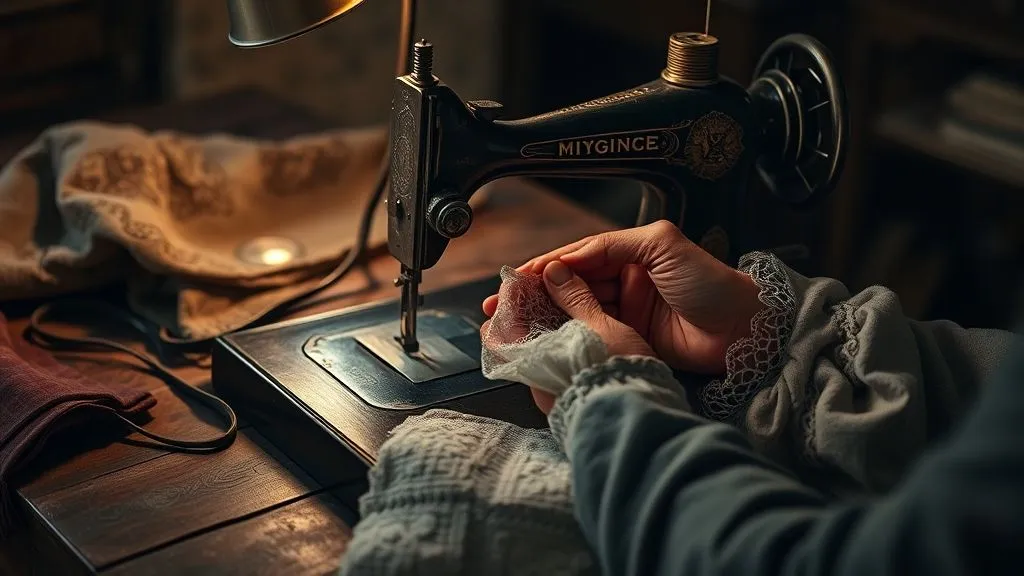
How to Design Period Film Costumes on a Shoestring Budget?
For over two decades in the vibrant, often chaotic, world of film costume design, I've witnessed firsthand the magic that unfolds when creativity meets constraint. I've also seen productions stumble, not because of a lack of vision, but due to a misunderstanding of how to truly maximize a limited budget. The dream of bringing a historical era to life on screen is captivating, but the reality of funding can often feel like a cold splash of water, especially for independent filmmakers.
The allure of period dramas often clashes head-on with the harsh reality of indie film budgets. You envision opulent silks, intricate embroidery, and historically accurate silhouettes, but your bank account whispers 'polyester blend' and 'fast fashion.' This disconnect can be disheartening, leading many to believe that authentic period costuming is an unattainable luxury reserved for big-budget blockbusters. But I assure you, that's simply not true.
This guide isn't about cutting corners; it's about intelligent, creative, and strategic choices. I'll walk you through my proven frameworks and share insider insights on how to achieve stunning, historically resonant period costumes without overspending. We'll explore actionable steps, delve into resourceful sourcing, and uncover the transformative power of clever alterations, ensuring your film’s visual narrative is rich and compelling, regardless of your budget.
1. The Art of Deep Research: Your First Budget Shield
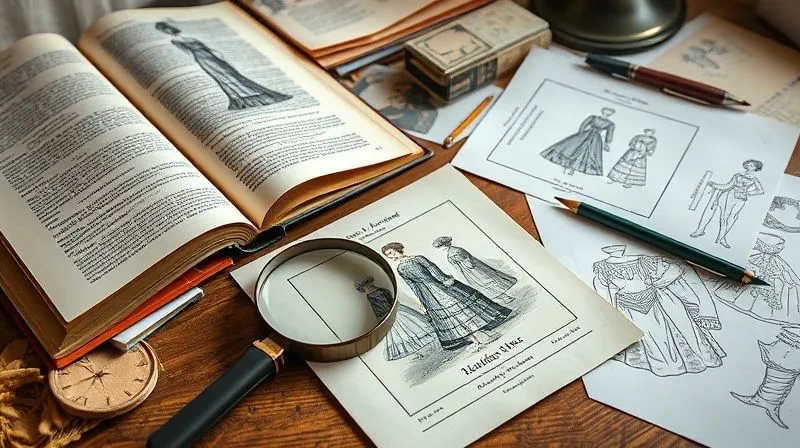
Before a single stitch is sewn or a prop is sourced, your most powerful tool in budget-conscious period costume design is meticulous, exhaustive research. In my experience, skipping this step is the most common and costly mistake. A solid foundation of historical understanding not only ensures authenticity but also provides a roadmap for intelligent sourcing and creative adaptation, preventing expensive missteps down the line.
Beyond the Obvious: What to Look For
Don't just look at pretty pictures of famous historical figures. Dive deeper. Understand the social strata, regional variations, climate, and daily lives of your characters. This granular detail informs every choice, allowing you to prioritize accuracy where it matters most and make informed compromises elsewhere.
- Silhouettes and Proportions: These are paramount. A period silhouette, even with modern fabric, often reads more authentically than historically accurate fabric in a contemporary cut. Pay attention to waistlines, shoulder lines, and skirt fullness.
- Fabric Textures and Drapes: While you may not afford authentic silk velvet, understanding its drape and sheen allows you to seek out affordable alternatives that mimic its qualities. What did wool look like? How did linen wrinkle?
- Social Class Indicators: Costume isn't just about fashion; it's about storytelling. Researching the clothing of different social classes within your chosen period will guide your decisions on fabric quality, garment complexity, and overall presentation for each character.
- Undergarments and Foundations: Often overlooked, these are the unsung heroes of period costuming. Corsets, chemises, petticoats, and stays dictate the outer garment's shape. Understanding their construction can inform how you might adapt modern foundation wear or create simplified versions.
"Authenticity isn't about perfect replication; it's about capturing the spirit and visual language of an era. Deep research empowers you to speak that language fluently, even with a limited vocabulary of resources."
According to a study published in the Journal of Costume, audience perception of historical accuracy is heavily influenced by overall silhouette and context, rather than minute fabric details, especially in wider shots. This reinforces the idea that strategic research can guide your budget allocation effectively.
2. Strategic Sourcing: Where to Find Period Pieces Without Breaking the Bank
Once your research foundation is solid, the next crucial step is strategic sourcing. This isn't just about finding cheap clothes; it's about finding the right cheap clothes that can be transformed into convincing period pieces. My approach has always been a multi-pronged attack, combining various avenues to maximize options and minimize expenditure.
Thrifting and Second-Hand Stores: A Goldmine
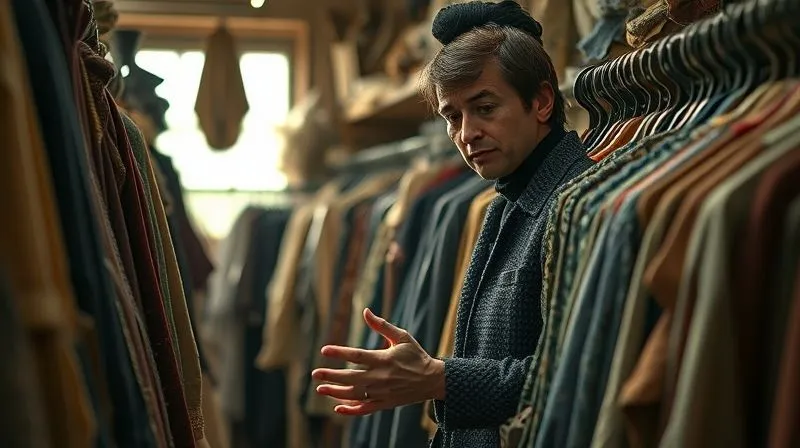
These are your absolute best friends on a shoestring budget. Think of them not as places to find ready-made costumes, but as treasure troves of raw materials. You're looking for fabric, texture, and potential shapes, not necessarily a perfect period garment.
- Preparation is Key: Go in with a clear list of silhouettes, colors, and fabric types you need based on your research. Have an open mind, but a focused eye.
- Focus on Key Items: Look for garments with good fabric content (natural fibers like cotton, linen, wool, silk blends are best), interesting textures, or unique construction details. Oversized blazers can become coats, long skirts can be reshaped, and simple dresses can be the base for something grander.
- Embrace Alterations: Assume everything you buy will need altering. A modern dress with a beautiful fabric can become a period gown with a new neckline, sleeves, or added trim. Don't be afraid of deconstruction.
- Check for Quality: Even on a budget, quality matters. Look for sturdy seams, good zippers, and minimal damage that can't be easily repaired.
Costume House Rentals vs. Purchase
Sometimes, renting from a professional costume house is more cost-effective than attempting to build a complex garment from scratch, especially for principal characters or highly specific historical pieces. It's about weighing the cost of materials, labor, and potential mistakes against a rental fee. For background actors, however, building or thrifting is almost always cheaper.
| Category | Rental Pros | Rental Cons | Purchase/DIY Pros | Purchase/DIY Cons |
|---|---|---|---|---|
| Primary Character Garments | High accuracy, quality, less labor for designer | Higher cost per item, limited availability | Full creative control, ownership, potential for reuse | High material & labor cost, time-consuming, risk of inaccuracy |
| Secondary Character Garments | Good for specific, unique pieces | Can quickly add up for multiple characters | More feasible for DIY, easier to source components | Still requires significant time & skill |
| Background/Crowd Costumes | Efficient for large numbers if generic | Can be very expensive for many items | Most cost-effective, allows for variation | Requires bulk sourcing, significant alteration time |
Always get quotes from multiple rental houses and compare them rigorously with your estimated DIY costs. Factor in not just the garment itself, but cleaning fees, shipping, and potential late return penalties. Sometimes, a combination of renting key pieces and building the rest is the most balanced approach.
3. Masterful Alteration and Repurposing: The Designer's Secret Weapon
This is where the magic truly happens on a shoestring budget. The ability to look at an existing garment and envision its transformation into something entirely new and historically appropriate is a hallmark of an expert costume designer. It’s not just about tailoring; it’s about creative deconstruction and reconstruction.
Deconstruction and Reconstruction: A New Life for Old Clothes
Think of garments as collections of fabric and components. A modern dress might have a beautiful skirt that can be detached and paired with a newly constructed bodice. A man's suit jacket could be reshaped into a period coat. Here are some common techniques:
- Dyeing and Staining: Changing the color of a garment can instantly transport it to a different era or social context. Natural dyes, tea, or coffee can give fabrics an aged, authentic look.
- Adding or Removing Elements: Sleeves, collars, cuffs, and hemlines are prime candidates for alteration. Adding a period-specific sleeve shape or removing a modern collar can have a dramatic impact.
- Embellishment and Trim: Simple garments can be elevated with period-appropriate trims, buttons, lace, or embroidery. These small details can often define an era more than the base fabric itself.
- Reshaping Silhouettes: This often involves internal alterations like adding boning, padding, or cinching to create the desired period shape. Remember the importance of undergarments here.
Case Study: The "Regency Rags" Project
During the production of "Whispers of Pemberley," an independent adaptation of a Jane Austen novel, the costume department faced an almost non-existent budget for the ballroom scene. Instead of despairing, I challenged my team to source all base garments from local charity shops. We found numerous modern evening gowns, prom dresses, and men's suits. The team then meticulously deconstructed these items, repurposing skirts, bodices, and sleeves. For instance, a satin prom dress was dyed a muted blue, its voluminous skirt reshaped and gathered, and a new, Empire-waist bodice was created from a thrifted silk blouse. Modern men's trousers were cut and re-stitched into breeches, paired with altered thrifted waistcoats. This resulted in a visually stunning ballroom sequence that looked far more expensive than its actual cost, proving the power of creative alteration.
"A skilled costume designer doesn't just dress actors; they breathe new life into forgotten fabrics, transforming the ordinary into the extraordinary, all while respecting the budget."
The key is to develop an eye for potential. What can this garment become? This skill, honed over years, is invaluable for any designer working with financial constraints. It requires a blend of historical knowledge, sewing proficiency, and imaginative problem-solving.
4. Fabric Savvy: Choosing Materials That Look Expensive But Aren't
Fabric choice is fundamental, but expensive historical textiles are often out of reach. My approach involves understanding the effect of period fabrics and finding modern, affordable alternatives that mimic that effect. It's about visual deception and smart material science.
Affordable Alternatives to Historical Textiles
Here’s a breakdown of common historical fabrics and their budget-friendly counterparts:
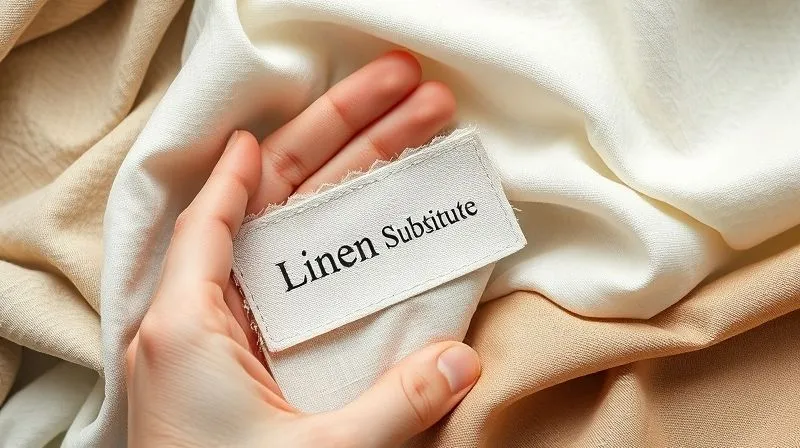
- Linen: Often crucial for historical accuracy, particularly for undergarments and rustic looks. Affordable alternatives include plain weave cottons, cotton blends, or even some textured poly-cottons that have a similar crisp drape and matte finish. Look for linen-look fabrics.
- Wool: Essential for many periods, especially outerwear. Brushed cotton, heavy twills, or even felted synthetics can mimic the warmth and texture of wool. For fine wools, consider suiting fabrics made from polyester blends that have a good drape.
- Silk: The epitome of luxury. For its sheen and drape, look for satin-finish polyesters, rayon blends, or even polished cottons. For a more matte silk (like dupioni), textured cottons or raw silk blends can work.
- Brocade/Damask: For elaborate patterns, consider upholstery fabric remnants (often very affordable), patterned jacquards made from synthetics, or even stenciling/painting patterns onto a plain fabric.
- Velvet: Synthetic velvets are widely available and can be very convincing. Look for crush velvet or panne velvet for different historical effects.
Dyeing and Texturing Techniques
Beyond choosing the right base fabric, you can further enhance its period feel through various treatments:
- Tea and Coffee Staining: Excellent for aging fabrics, giving them a muted, natural, and historically 'worn' appearance. Test on scraps first to control the depth of color.
- Fabric Paints and Markers: Can be used to add subtle patterns, distressing, or even to create the illusion of embroidery on plain fabrics.
- Waxing/Oiling: For rustic or working-class garments, applying a thin layer of wax or oil can give fabric a rugged, water-resistant, and aged look.
- Distressing: Carefully abrading, tearing, or sanding fabric can simulate wear and tear, adding realism to costumes that wouldn't be pristine.
Remember, the camera is forgiving in many ways. What reads as 'authentic' on screen might be a clever combination of affordable materials and smart finishing techniques in reality. It’s about creating an illusion that supports the narrative.
5. Smart Accessories and Detailing: The Devil is in the Details
While the main garments establish the era, it's the accessories and small details that truly sell the illusion and convey character. On a budget, these elements become even more critical because they can elevate simple clothing to a historically convincing ensemble with minimal cost.
Creating Period-Appropriate Adornments on a Budget
Don't underestimate the power of the small stuff. Here’s where to focus your efforts:
- Jewelry: Thrift stores, antique markets, and even craft stores are excellent sources for pieces that can be repurposed. A modern necklace might have beads that can be restrung into a period design. Broken costume jewelry can be salvaged for individual components.
- Hats and Headwear: Often a strong indicator of period and social status. Simple straw hats can be reshaped and adorned with thrifted ribbons, feathers, or fabric scraps. Felt can be blocked into various shapes.
- Footwear: This can be tricky. Look for simple, unadorned leather shoes or boots that can be painted, dyed, or have buckles/laces added. Sometimes, covering modern shoes with fabric can create the illusion of period footwear, especially for background characters.
- Buttons and Fasteners: Modern plastic buttons can often be replaced with more period-appropriate wooden, metal, or fabric-covered alternatives, which can be surprisingly affordable from craft suppliers or by salvaging old garments.
- Belts and Buckles: Leather scraps can be cut into belts, and buckles can be sourced from antique shops or online craft suppliers.
As costume historian Sarah Jane Downing often emphasizes, "The smallest detail can break or make the illusion of a period piece. Audiences subconsciously pick up on anachronisms in accessories, even if they can't articulate why." This highlights the importance of not overlooking these elements, even when resources are scarce.
Consider the visual hierarchy of your film. What accessories will be seen in close-up? Invest more time and a tiny bit more budget there. For background characters, a simple hat or a historically appropriate apron can do wonders to establish the era without needing intricate detailing on every single garment.
"A well-chosen button or a perfectly tied cravat can speak volumes about character and era, often more economically than a lavish gown."
6. Collaboration is Key: Leveraging Your Team and Community
No designer is an island, especially when navigating tight budgets. In my career, I've found that the most successful low-budget productions are those that foster strong collaboration, not just within the costume department, but across the entire production team and even the local community. It’s about pooling resources, skills, and creativity.
Volunteers and Interns: A Win-Win
Many aspiring designers, fashion students, or historical enthusiasts are eager for hands-on experience. Offering internships or volunteer opportunities can provide invaluable labor for sewing, distressing, research, and sourcing, while giving them portfolio-worthy experience.
- Clear Expectations: Be very clear about the tasks, time commitment, and what they will gain from the experience.
- Mentorship: Provide genuine mentorship. Teach them your techniques and insights. This fosters loyalty and dedication.
- Delegation: Assign specific, manageable tasks. For example, one intern might be responsible for all button sourcing, another for distressing specific garments.
Local Artisans and Craftspeople
Don't overlook local talent! Independent jewelers, leatherworkers, hat makers, or even skilled hobbyists can often create custom pieces for a fraction of the cost of a specialized costume supplier. They might be willing to work for a lower fee in exchange for screen credit or portfolio pieces.
Consider reaching out to local historical societies or reenactment groups. They often have extensive knowledge, sometimes even existing costume pieces they might be willing to lend or rent for a nominal fee, and a network of skilled individuals. Organizations like the Costume Society or local historical preservation groups can be fantastic resources.
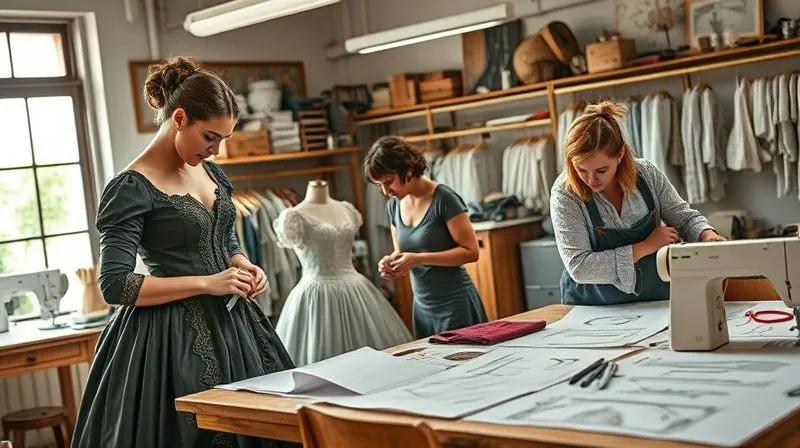
Cross-departmental collaboration is also vital. Working closely with the production designer, hair and makeup artists, and even the director of photography ensures that all visual elements are cohesive and that costume choices are supported by the overall aesthetic, maximizing their impact.
7. Prioritization and Strategic Compromise: Knowing When to Hold 'Em, When to Fold 'Em
The reality of a shoestring budget means you simply cannot have everything. A critical skill in low-budget costume design is the ability to prioritize and make strategic compromises without sacrificing the core vision or historical integrity. This requires a deep understanding of your script, your characters, and your director's vision.
The "Hero" Costume Principle
Not all costumes are created equal in terms of screen time or narrative importance. I always advise identifying your "hero" costumes – those worn by principal characters in pivotal scenes, or garments that are crucial to defining a character's journey. These are the pieces where you invest more of your limited resources, ensuring their quality and accuracy are impeccable.
For example, a protagonist's signature coat in a historical drama might warrant a more significant investment in fabric quality and tailoring, even if it means background actors wear simpler, more generalized outfits. The audience's eye will naturally be drawn to the main characters, so their costumes need to hold up to scrutiny.
Compromise Without Sacrificing Authenticity
Where can you afford to be flexible? Here are areas where strategic compromises often work:
- Background Actors: Unless they are featured prominently, background extras can often wear simpler, less detailed versions of period clothing. Focus on silhouette and overall color palette rather than intricate historical accuracy for every single piece.
- Less Visible Elements: If a character's shoes are rarely seen, or their petticoats are always covered, you can opt for simpler, cheaper versions.
- Limited Color Palettes: Sometimes, restricting your color palette can help unify a scene and make a small number of costumes feel more cohesive and intentional, creating a sense of "design" even with limited resources.
- Re-use and Recycle: Can a costume be altered slightly for a different character or a different scene? Maximizing the utility of each garment is a powerful budget-saving tactic.
"A truly effective budget costume designer knows not just what to add, but what to omit, and where to invest wisely for maximum visual impact."
This approach isn't about cutting corners indiscriminately; it's about intelligent resource allocation. By understanding what truly matters for your specific film, you can direct your efforts and budget to where they will have the most profound impact, ensuring your period costumes resonate without breaking the bank. As business strategist Michael Porter notes, "Strategy is about making choices, it's about deliberately choosing to be different." This applies perfectly to budget-conscious design.
For further insights on strategic decision-making in creative fields, I often recommend exploring resources like the Harvard Business Review's section on Strategy, as many of its principles translate directly to effective project management in design.
Frequently Asked Questions (FAQ)
Q: How do I ensure historical accuracy on a budget without it looking cheap? A: Focus intensely on silhouette and overall shape. These are often more critical than expensive historically accurate fabrics. Use affordable fabrics that mimic the drape and texture of period materials, and then use dyeing, distressing, and strategic embellishments to add authenticity. Invest in foundational garments (even simplified ones) to achieve the correct period form.
Q: What are the most common budget pitfalls in period costume design? A: The biggest pitfalls are underestimating alteration costs, failing to research thoroughly (leading to costly redesigns), buying expensive fabrics for garments that won't be seen in close-up, and not exploring all sourcing options (like thrifting or borrowing) before resorting to custom builds or expensive rentals. Lack of a clear prioritization strategy also leads to wasted resources.
Q: Can I really create a convincing period look using only thrift store finds? A: Absolutely, with enough creativity, skill, and time. Thrift stores are excellent for base fabrics, interesting textures, and components. The key is to see garments not as finished pieces, but as raw materials. Be prepared to deconstruct, dye, reshape, and add details. It requires more labor but can yield incredibly unique and authentic results.
Q: How important are undergarments for period authenticity, especially on a budget? A: Extremely important! Undergarments (corsets, stays, petticoats, crinolines, chemises) dictate the entire outer silhouette. You don't always need historically accurate, fully boned versions for every character, especially background. However, understanding their function allows you to create simplified, budget-friendly foundations that still achieve the correct shape. Even a simple padded hip roll or a well-placed petticoat can transform a modern dress into a period gown.
Q: What's the best way to manage a small costume department for a period film? A: Clear communication, meticulous organization, and delegation are paramount. Create detailed costume plots and breakdowns. Utilize volunteers and interns effectively. Cross-train team members where possible. Maintain an organized inventory of all sourced items. Most importantly, foster a collaborative and resourceful mindset within your team, encouraging creative problem-solving over expensive solutions.
Key Takeaways and Final Thoughts
Designing period film costumes on a shoestring budget is undoubtedly a challenge, but it's also an incredible opportunity for innovation and creative ingenuity. It forces you to think outside the box, to hone your skills, and to truly understand the essence of historical fashion.
- Research is Your Foundation: Invest heavily in understanding the historical context to guide all subsequent decisions.
- Strategic Sourcing is Key: Embrace thrift stores, vintage markets, and smart rental choices.
- Master Alteration and Repurposing: See existing garments as raw material for transformation.
- Be Fabric Savvy: Choose affordable alternatives that mimic historical textures and drapes.
- Details Matter: Smart accessories can elevate simple costumes dramatically.
- Collaborate Widely: Leverage your team, volunteers, and local community resources.
- Prioritize and Compromise Strategically: Focus your limited resources on "hero" costumes and critical details.
Don't view a limited budget as a limitation on your creativity, but rather as a catalyst for it. The most memorable period costumes are often those born of intelligent design, not just endless funds. With passion, perseverance, and the strategies outlined here, you can bring any historical era to life on screen, captivating your audience and proving that true artistry transcends financial constraints. Go forth and create cinematic history!
For more inspiration and to stay updated on innovative costume design techniques, consider following industry leaders and organizations on platforms like The Costume Designers Guild.
Recommended Reading
- 5 Proven Strategies: Guarding Your Sneaker Brand from Counterfeits
- Slash Sampling Costs: 7 Ways 3D Fashion Design Software Delivers ROI
- Bespoke Jewelry Copied? 5 Steps to Protect Your Design & Brand
- Unlock Your Sparkle: How to Choose Jewelry Trends for Your Personal Style
- Beyond Sales: 7 Key Metrics to Measure Digital Fashion ROI Accurately

Your email address will not be published. Required fields are marked *