

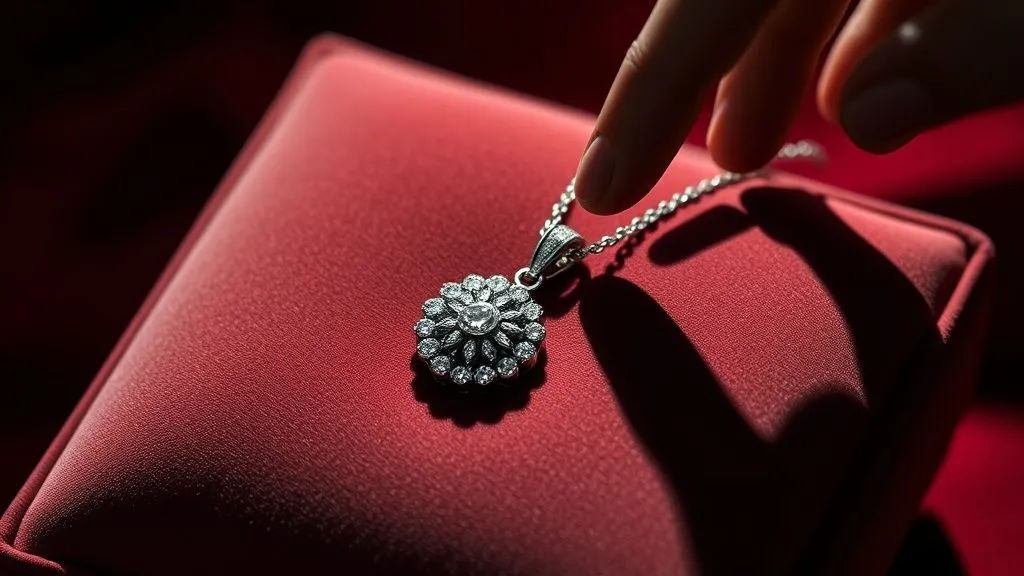
What to do when a bespoke fine jewelry design is copied?
For over two decades in the intricate world of fine jewelry design, I've witnessed the spectrum of human creativity—from breathtaking innovation to disheartening imitation. There's a particular sting, a profound sense of violation, when a bespoke fine jewelry design, born from passion and meticulous craftsmanship, is brazenly copied.
This isn't merely a business setback; it's an attack on an artist's soul, an economic threat to their livelihood, and a dilution of the very essence of originality that drives the bespoke market. The feeling of helplessness can be overwhelming, leaving designers wondering if their unique vision is truly safe.
But I assure you, you are not helpless. This definitive guide, forged from years of industry experience and legal insights, will provide you with a clear, actionable framework. We'll navigate the complex landscape of intellectual property, offering practical steps, expert strategies, and a pathway not just to address infringement, but to fortify your brand against future threats.
Understanding the Landscape: Intellectual Property in Fine Jewelry
Before we delve into specific actions, it's crucial to understand the legal bedrock that protects your creations. Intellectual property (IP) is a multifaceted shield, and knowing which parts apply to your bespoke fine jewelry is your first strategic advantage.
Copyright vs. Design Patent vs. Trademark
Many designers assume 'copyright' covers everything, but it's more nuanced. Copyright protects original works of authorship, which for jewelry, typically applies to the artistic or sculptural elements of a design, provided they are separable from its utilitarian function. It arises automatically upon creation, but registration offers stronger legal standing.
A Design Patent, on the other hand, protects the ornamental design of an article of manufacture. This is often a more robust form of protection for the aesthetic appearance of a jewelry piece, but it requires a rigorous application process and offers protection for a limited term (typically 14 or 15 years from issuance in the U.S.). For complex, highly distinctive bespoke pieces, this can be invaluable.
Trademark protects brand names, logos, and specific marks that distinguish your jewelry in the marketplace. While not directly protecting the design itself, a strong trademark can prevent others from passing off their copied work as yours, leveraging your established reputation.
The Nuances of Originality and Functionality
The core challenge in jewelry IP often revolves around 'originality' and 'functionality.' A simple band or a basic setting, while beautiful, might lack the 'originality' required for strong copyright protection. However, an intricate filigree pattern, a unique stone arrangement, or a distinct sculptural form is far more likely to qualify.
"In the realm of fine jewelry, the line between inspiration and infringement is often blurred. True protection lies in understanding not just the art, but the law that safeguards its commercial expression."
I always advise designers to think critically about what makes their piece truly unique—is it the overall aesthetic, a specific motif, or the construction method? This clarity will guide your protection strategy.
Step 1: Documenting the Infringement – The Crucial First Evidence
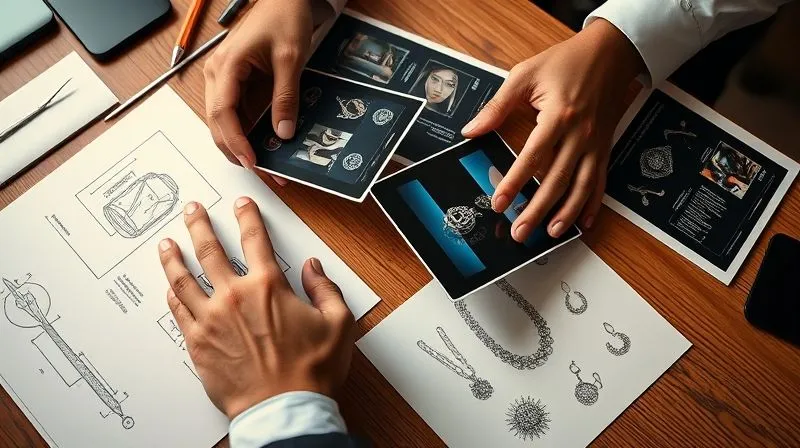
The moment you discover a copy of your bespoke fine jewelry design, your immediate priority is to meticulously gather evidence. This isn't just about 'proof'; it's about building an unassailable case. Without solid documentation, any future legal action will be significantly weakened.
- Capture Comprehensive Visual Evidence: Take dated screenshots, photographs, or video recordings of the infringing product. Ensure these captures clearly show the product, the seller, the platform (e.g., website, social media, physical store), and any accompanying descriptions or branding.
- Record All Relevant Details: Note the exact date and time of discovery, the name of the infringing party, their location (if known), and any identifying product numbers or descriptions.
- Preserve the Original Design's Provenance: Gather all documentation related to your original design: design sketches, CAD files, workshop notes, production invoices, client communication, and any previous sales or marketing materials showing your design's prior existence. This establishes your ownership and the date of creation.
- Consider a 'Test Purchase': If feasible and safe, purchasing the infringing item can provide invaluable physical evidence. Document the entire purchase process, from order to receipt, and preserve the item in its original packaging.
- Seek Notarized Evidence (Optional but Recommended): For particularly high-value or complex cases, consider having a notary public witness and certify your evidence collection process. This adds an extra layer of legal weight.
Remember, the goal is to create an undeniable timeline and comparison. The clearer the evidence of copying, the stronger your position.
Step 2: Cease and Desist – The Initial Formal Warning
Once you have robust evidence, the next step is often to issue a formal Cease and Desist (C&D) letter. This is usually the first official communication you'll have with the infringing party and serves as a strong warning before escalating to more intensive legal action.
When to Send and What to Include
A C&D letter should be sent promptly after evidence collection. It typically outlines your ownership of the design (referencing copyright or design patent registrations if applicable), presents the evidence of infringement, demands an immediate halt to all infringing activities, and requests confirmation of compliance. It may also include a demand for damages or an accounting of profits, though these are often points for negotiation.
It's crucial that the letter is firm, factual, and devoid of emotional language. Its purpose is to clearly state your legal position and the potential consequences of non-compliance.
The Role of Legal Counsel
While you can technically draft a C&D letter yourself, I strongly advise against it. Engaging an intellectual property attorney is paramount at this stage. An attorney can ensure the letter is legally sound, uses appropriate language, and contains all necessary elements to be effective in your jurisdiction. They can also assess the strength of your case and advise on the most strategic approach.
"A well-crafted Cease and Desist letter, backed by solid legal understanding, often resolves infringement without the need for costly litigation. It demonstrates serious intent."
An attorney's letter carries significant weight and often prompts a more serious response from the infringing party than a letter sent by the designer directly.
Step 3: Assessing Your Legal Options – A Strategic Approach
If the cease and desist letter doesn't yield the desired outcome, you'll need to evaluate your further legal avenues. This involves a careful consideration of potential costs, benefits, and the desired resolution.
Negotiation and Mediation
Litigation is expensive and time-consuming. Often, the most pragmatic solution is to pursue negotiation or mediation. Through your attorney, you might propose a settlement that involves a licensing agreement (where the infringer pays you to use a modified version of your design), a public apology, a recall of infringing products, or financial compensation without going to court. Mediation involves a neutral third party who helps facilitate a resolution between both parties.
Litigation: Understanding the Costs and Benefits
If all else fails, litigation might be necessary. This involves filing a lawsuit in court to enforce your intellectual property rights. Benefits can include an injunction (court order to stop infringement), monetary damages (for lost profits or statutory damages), and potentially attorney's fees. However, litigation is a significant undertaking, demanding substantial financial resources, time, and emotional resilience. According to insights from the World Intellectual Property Organization (WIPO), alternative dispute resolution mechanisms like mediation are increasingly favored for IP disputes due to their efficiency.
| Option | Pros | Cons | Typical Outcome |
|---|---|---|---|
| Negotiation/Direct Settlement | Cost-effective, quick, maintains relationships | Requires willingness from infringer, may yield less compensation | Licensing, minor compensation, product recall |
| Mediation | Neutral third party, structured discussion, confidential | Not legally binding without agreement, still incurs costs | Mutually agreed settlement |
| Litigation | Legally binding, potential for significant damages/injunctions | Very expensive, time-consuming, public, uncertain outcome | Court order, financial damages, injunction |
Case Study: How Aurelia Jewels Protected Their Signature Line
Aurelia Jewels, a boutique fine jewelry brand, discovered a mass-market retailer selling a necklace design almost identical to their best-selling 'Celestial Bloom' pendant, which was protected by a registered design patent. Initially, their C&D letter was ignored. Instead of immediately suing, Aurelia's legal team initiated mediation. During this process, they presented irrefutable evidence of their design patent and market data showing significant sales of the 'Celestial Bloom.' The mediator helped both parties understand the high costs and risks of litigation. Ultimately, the retailer agreed to immediately cease sales, destroy remaining stock, and pay a substantial settlement to Aurelia Jewels, avoiding a lengthy court battle. This demonstrated a strategic balance of asserting rights and seeking a pragmatic resolution.
Step 4: Proactive Protection – Fortifying Your Future Designs
While dealing with an existing infringement, it's equally important to put safeguards in place to prevent future occurrences. Prevention is always better than cure, especially in the bespoke fine jewelry sector where each piece is a labor of love.
Robust Contracts with Clients and Suppliers
Every bespoke commission should be accompanied by a comprehensive contract. This contract should explicitly state that while the client receives the physical piece, the intellectual property rights to the design remain with you, the designer. Similarly, if you work with external CAD designers, casters, or stone setters, ensure your agreements include strict non-disclosure and intellectual property clauses. These clauses should prevent them from replicating or sharing your designs.
Design Registration and Copyright Notices
As discussed, actively registering your most distinctive designs for copyright or design patent provides a powerful legal deterrent. Once registered, you can prominently display a copyright notice (e.g., © [Your Name/Company] [Year]) on your website, marketing materials, and even discreetly on your jewelry itself (if feasible). This serves as a clear warning to potential infringers that your work is protected.
Building a Strong Brand Identity as a Deterrent
A strong, recognizable brand is a powerful defense. When your brand is synonymous with unique design and exceptional quality, any copycat attempting to pass off inferior goods will struggle. Invest in your brand story, your aesthetic, and your reputation. Customers seeking genuine bespoke fine jewelry are often drawn to authenticity, making it harder for copies to gain traction.

Step 5: Leveraging Public Relations and Community Support
Beyond legal avenues, there are ethical ways to address infringement that leverage public awareness and the strength of the artisan community. This approach requires careful consideration and a strategic touch.
Ethical Exposure of Copycats (with caution)
In some cases, if legal avenues are slow or insufficient, publicly (but ethically) exposing a copycat can be effective. This is not about defamation or aggressive shaming. It's about presenting the facts: showing your original design alongside the copied version, highlighting the similarities, and letting your audience draw their own conclusions. This can be done through blog posts, social media, or industry forums. However, always consult your legal counsel before taking such steps to avoid potential counter-claims of defamation.
"The collective voice of the artisan community can be a formidable force against blatant copying. Support from peers and loyal customers reinforces the value of originality."
Galvanizing the Artisan Community
The fine jewelry community is often tight-knit. Share your experiences (anonymously if necessary) with industry associations or trusted peers. Their support, advice, and shared vigilance can create a stronger front against rampant copying. Many associations have resources or ethical guidelines that can also be brought to bear on infringers.
The Emotional Toll and How to Cope
Discovering your unique design has been copied can be deeply personal and emotionally draining. It's a violation of trust and an attack on your creative identity. As a veteran in this field, I've seen the frustration, anger, and even despair it can cause. Acknowledging these feelings is the first step toward moving forward.
Acknowledging the Frustration
It's okay to feel upset. Your bespoke designs are not just products; they are extensions of your vision, skill, and hours of dedicated work. Allow yourself to process these emotions, but don't let them paralyze you. Turn that frustration into fuel for decisive, strategic action.
Re-focusing on Creativity and Innovation
One of the most powerful responses to copying is to continue innovating. Copycats can only follow; they cannot lead. By consistently pushing the boundaries of your creativity, developing new techniques, and refining your aesthetic, you maintain your position as an original. This not only keeps you ahead but also reinforces your brand's reputation for genuine artistry.
Beyond Legal: Innovate, Differentiate, and Elevate
While legal protection is essential, the ultimate long-term strategy against design copying in the fine jewelry world is continuous innovation and differentiation. Your creativity is your most powerful asset.
Continuous Innovation as the Ultimate Defense
Focus on evolving your aesthetic and techniques. If you're always creating new and unique designs, copycats will always be playing catch-up. This not only keeps your brand fresh and exciting for your clients but also makes it harder for infringers to profit from outdated copies. The bespoke market thrives on novelty and exclusivity; continually delivering on this promise is your strongest defense.
Emphasizing Craftsmanship and Story
A copy can never replicate the soul of an original piece. Highlight the exceptional craftsmanship, the ethical sourcing of materials, and the unique story behind each bespoke creation. These are elements that cannot be copied and are deeply valued by discerning fine jewelry collectors. Educate your clients about the journey of their piece, from concept to completion, fostering a deeper appreciation for its authenticity. A recent report by Harvard Business Review emphasizes that authenticity and brand story are increasingly critical drivers for luxury consumer engagement.
| Differentiating Factor | How to Emphasize |
|---|---|
| Unique Design Aesthetic | Showcase portfolio, articulate design philosophy, highlight signature elements |
| Exceptional Craftsmanship | Behind-the-scenes content, certifications, detailed product descriptions |
| Ethical Sourcing & Sustainability | Transparent supply chain, certifications, origin stories of materials |
| Personalized Client Experience | Bespoke consultation process, client testimonials, customization options |
| Brand Story & Heritage | Narrative marketing, founder's story, brand values, legacy |
Frequently Asked Questions (FAQ)
Can I copyright a jewelry design? Yes, generally, original artistic elements of a jewelry design can be protected by copyright. This protection arises automatically upon creation, but registering your copyright with the appropriate government office (e.g., the U.S. Copyright Office) provides stronger legal standing and allows you to sue for infringement and potentially recover statutory damages and attorney's fees.
What's the difference between copyright and design patent for jewelry? Copyright protects the artistic expression of a design, while a design patent protects the ornamental appearance of a useful article. For jewelry, a copyright might protect an intricate motif, while a design patent would protect the overall unique shape or configuration of the entire piece. Design patents are generally stronger but more expensive and time-consuming to obtain, and they have a shorter protection term.
How much does it cost to pursue a design infringement case? The cost can vary dramatically. Sending a cease and desist letter through an attorney might range from a few hundred to a few thousand dollars. Mediation can cost several thousand. Full-blown litigation, however, can easily run into tens or hundreds of thousands of dollars, depending on the complexity of the case, the jurisdiction, and how far it proceeds. It's crucial to weigh these costs against the potential recovery and the strategic value of protecting your brand.
What if the copycat is in another country? International infringement cases are significantly more complex. Your intellectual property rights are generally territorial, meaning a U.S. copyright or design patent may not directly protect you in China or Europe. You may need to pursue legal action in the country where the infringement is occurring, which requires understanding local IP laws and engaging local counsel. Organizations like WIPO offer international registration systems and dispute resolution services that can help.
Is it worth pursuing if the copy is a lower-quality imitation? Absolutely. Even if the copy is of lower quality, it can still dilute your brand, confuse consumers, and erode the perceived value of your original work. Allowing low-quality copies to proliferate can damage your reputation for exclusivity and craftsmanship. The decision to pursue should be based on the impact on your brand and market, not just the quality of the copy.
Key Takeaways and Final Thoughts
- Document Everything: Meticulous evidence collection is the foundation of any successful infringement claim.
- Act Decisively, but Strategically: Use cease and desist letters and legal counsel to assert your rights effectively.
- Proactive Protection is Paramount: Implement robust contracts and actively register your most valuable designs.
- Innovate Relentlessly: Your creative genius is your ultimate defense against imitation.
- Leverage Your Brand Story: Emphasize craftsmanship, ethical sourcing, and the unique narrative behind each piece.
The journey of a bespoke fine jewelry designer is one of passion, artistry, and dedication. While the sting of seeing your unique creation copied is undeniable, it doesn't have to define your path. By understanding your rights, acting strategically, and consistently innovating, you can not only protect your legacy but also continue to inspire awe with your unparalleled artistry. Stand firm, protect your vision, and let your originality shine brighter than any imitation.
Recommended Reading
- 7 Critical Checks: Greenwashing-Proof Your Organic Cotton Supply Chain Now
- 7 Steps to Reliably Verify Cruelty-Free Ingredient Suppliers
- 7 Steps to Forecast Next Year's Cute Kids Outfit Trends Accurately
- 7 Proven Strategies: How to Sell Conceptual Wearable Art Jewelry to Niche Markets Effectively?
- Authentic Natural Beauty: 7 Steps to Marketing Without Greenwashing

Your email address will not be published. Required fields are marked *