


How to prevent greenwashing in my organic cotton supply chain?
For over 15 years in the sustainable fashion industry, I've witnessed the incredible evolution of consumer awareness and the genuine desire for ethical products. Yet, hand-in-hand with this progress, I’ve also seen the insidious shadow of greenwashing emerge, casting doubt on even the most well-intentioned brands.
The pain point for many brands today is real: how do you genuinely assure your customers that your organic cotton, a cornerstone of sustainable fashion, isn't just another victim of misleading claims? The complexity of global supply chains makes true transparency a monumental challenge, leaving many vulnerable to accusations, whether founded or not, that can shatter hard-earned trust and reputation.
This isn't just about avoiding a PR crisis; it's about integrity, ethical responsibility, and building a truly sustainable future. In this definitive guide, I will share the actionable frameworks, real-world insights, and expert strategies I've developed and seen succeed, equipping you to rigorously audit, verify, and ultimately greenwashing-proof your organic cotton supply chain.
Understanding the Greenwashing Landscape in Organic Cotton
Before we dive into solutions, let's clearly define the adversary. Greenwashing, in essence, is the practice of making unsubstantiated or misleading claims about the environmental benefits of a product, service, or company. In the context of organic cotton, this can range from outright fabrication to subtle exaggerations, ambiguous language, or cherry-picking data to present a skewed, eco-friendly image.
Organic cotton is particularly vulnerable to greenwashing for several reasons. Its supply chain is inherently complex, often spanning multiple continents, from the farm where the cotton is grown, through ginning, spinning, weaving, dyeing, cutting, and sewing, all before it reaches the consumer. Each step offers a potential point of failure for ethical claims, making comprehensive oversight incredibly difficult without robust systems in place. Furthermore, the high consumer demand for "organic" and "sustainable" products creates a powerful market incentive for less scrupulous players to cut corners or make false claims.
"In the quest for sustainability, transparency isn't just a buzzword; it's the bedrock of trust. Without verifiable claims, even the most noble intentions can be undermined by the pervasive threat of greenwashing."
Pillar 1: Robust Certification & Verification Beyond the Label
The first line of defense against greenwashing in your organic cotton supply chain lies in stringent, globally recognized certifications. However, simply having a GOTS or OCS label isn't enough; you must understand what those certifications truly entail and, critically, verify that your suppliers are adhering to them rigorously, not just displaying a certificate.
The Gold Standard: GOTS Certification Deep Dive
The Global Organic Textile Standard (GOTS) is widely considered the leading processing standard for organic fibers worldwide. It defines high-level environmental criteria along the entire organic textiles supply chain and requires compliance with social criteria. For a product to be GOTS certified, it must:
- Contain a minimum of 70% certified organic natural fibers (or 95% for 'organic' labeled products).
- Be free from toxic heavy metals, formaldehyde, aromatic solvents, and GMO organisms.
- Prohibit the use of hazardous synthetic sizing agents.
- Require a functional waste water treatment plant for all wet processing units.
- Ensure fair labor practices, including safe working conditions, no child labor, and fair wages, aligned with ILO conventions.
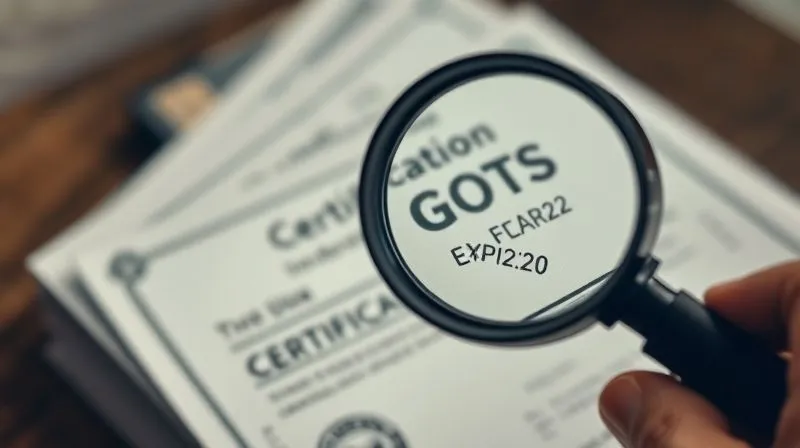
While GOTS provides an excellent framework, your responsibility extends to verifying the validity and scope of your suppliers' certifications. Don't just accept a PDF of a certificate. Cross-reference it with the official GOTS database, check its expiration date, and ensure the specific products or processes you're purchasing are covered by that certification. I've seen countless instances where a supplier might have one facility certified, but they're supplying 'organic' cotton from an uncertified one, or using uncertified dyes.
Pillar 2: Achieving Radical Transparency Through Supply Chain Mapping
You cannot prevent greenwashing if you don't know every single link in your chain. Radical transparency means tracing your organic cotton from the seed in the ground to the final garment. This is arguably the most challenging but also the most impactful step in preventing misrepresentation.
Actionable Steps for Supply Chain Mapping:
- Identify All Tiers: Go beyond your immediate Tier 1 suppliers (garment manufacturers). Demand to know their Tier 2 (fabric mills), Tier 3 (spinners), Tier 4 (ginners, farmers), and even chemical suppliers. This requires persistent communication and often, a shift in supplier relationships.
- Gather Specific Data Points: For each stage, collect precise location data (GPS coordinates, not just city), contact information, certification details, and the specific processes performed.
- Implement Traceability Tools: Explore digital platforms that offer traceability solutions. Blockchain technology, for instance, offers an immutable ledger for tracking cotton bales or batches through each stage, providing a verifiable digital footprint. While still evolving, its potential for preventing fraud is immense.
- Visual Mapping: Create a visual representation of your entire supply chain. This helps identify bottlenecks, single points of failure, and areas where transparency might be lacking.
This process is not a one-off task; it requires continuous effort and verification. The goal is to have a comprehensive, dynamic map of your supply chain that you can confidently share, not just with auditors, but potentially with your consumers.
| Supply Chain Stage | Verification Method |
|---|---|
| Cotton Farm | GOTS Organic Farm Certification, GPS Data, Farmer Interviews |
| Ginning Mill | GOTS Processing Certification, Batch Tracking, Energy Audits |
| Spinning Mill | GOTS Processing Certification, Fiber Origin Checks, Water Usage Data |
| Weaving/Knitting Mill | GOTS Processing Certification, Fabric Composition Tests, Labor Audits |
| Dyeing/Finishing | GOTS Chemical Restrictions Compliance, Wastewater Testing, MSDS Checks |
| Garment Manufacturing | GOTS Social Criteria Audit, Production Records, Quality Control |
Pillar 3: Engaging with Farmers & Mills: Beyond the Transaction
True sustainability and greenwashing prevention aren't just about documents; they're about people. Developing direct, long-term relationships with your farmers and mill partners fosters trust, encourages shared values, and provides invaluable on-the-ground intelligence that no certificate alone can offer.
I've always advocated for brands to move beyond transactional relationships. When you visit the farms where your cotton is grown, speak to the farmers, understand their challenges, and see the ginning and spinning processes firsthand, you gain a level of insight that is impossible to glean from a spreadsheet. This direct engagement allows you to observe practices, identify potential risks, and build partnerships based on mutual respect and commitment to ethical standards. It also allows you to verify claims independently.
Case Study: Empowering the Weavers of 'Veridian Threads'
A mid-sized apparel brand, 'Veridian Threads,' was committed to 100% organic cotton but struggled with verifying labor practices in their Tier 2 weaving mills. Instead of relying solely on audits, their CEO and sustainability director initiated a program of direct engagement. They spent two weeks visiting their main weaving cooperative in India, not as auditors, but as partners. They invested in training programs for the weavers on new, energy-efficient looms and provided micro-loans for community development projects. This direct involvement revealed minor discrepancies in their initial audit reports, which they were able to collaboratively resolve, strengthening both their supply chain integrity and their relationship. This resulted in a significant boost in worker morale, increased production efficiency, and, crucially, an ironclad assurance of ethical labor practices, far beyond what any third-party audit could provide alone.
This approach aligns perfectly with the principles of Fair Trade, which emphasizes dialogue, transparency, and respect, and seeks greater equity in international trade. As Fair Trade International highlights, empowering producers is key to sustainable development.
Pillar 4: Data-Driven Due Diligence and Continuous Monitoring
Preventing greenwashing is not a one-time audit; it's an ongoing commitment. Implementing a system of continuous monitoring and data-driven due diligence is crucial to catch deviations and maintain the integrity of your organic cotton claims.
Establish Key Performance Indicators (KPIs) for sustainability at each stage of your supply chain. These might include water usage per kg of cotton, energy consumption, chemical usage, waste generation, and social compliance metrics. Require your suppliers to submit regular reports on these KPIs. Don't just collect the data; analyze it for anomalies or red flags. A sudden drop in organic fiber yield reported by a ginner, or an unexplained spike in water consumption at a dyeing facility, warrants immediate investigation.
Beyond internal data, engage independent third-party verification bodies for periodic, unannounced audits. These audits should cover not just certifications, but also on-site inspections of facilities, worker interviews, and documentation review. According to a Deloitte study on sustainable consumer behavior, consumers increasingly demand transparency and verification from brands, making robust due diligence a competitive advantage.

Pillar 5: Educating Your Consumers and Internal Teams
Even with the most robust verification systems, if your claims aren't communicated clearly and honestly, you risk alienating consumers or, worse, being accused of greenwashing. Your internal teams also need comprehensive training to ensure consistent and accurate messaging.
For consumers, honesty is paramount. Clearly articulate what 'organic cotton' means in the context of your brand, referencing specific certifications and your verification processes. Avoid vague terms like "eco-friendly" or "natural" without quantifiable backing. Use storytelling to share the journey of your cotton, highlighting the farmers and the sustainable practices involved. Transparency builds trust, even if it means acknowledging limitations or challenges. As marketing guru Seth Godin often says, "People don't buy what you do; they buy why you do it." Your 'why' in sustainability needs to be authentic and well-communicated.
Internally, ensure that your marketing, sales, and product development teams are fully educated on your sustainability claims, the evidence supporting them, and the risks of misrepresentation. Develop clear guidelines for messaging. This prevents accidental greenwashing from enthusiastic but misinformed employees.
"The most powerful antidote to greenwashing is relentless honesty. When you educate your audience with verifiable facts and share your journey, even the imperfections, you build an unbreakable bond of trust."
Pillar 6: Building a Culture of Accountability
At the heart of a greenwashing-proof supply chain is a company culture that values accountability at every level. This extends beyond compliance to embedding ethical considerations into every decision-making process.
Establish clear internal policies and codes of conduct that explicitly address greenwashing and ethical sourcing. These policies should apply to all employees and extend to your suppliers through contractual agreements. Implement a robust whistleblower policy that allows employees or even external stakeholders to report concerns about misleading claims or unethical practices without fear of retaliation. This acts as an internal safeguard and demonstrates a commitment to self-correction.
Leadership must champion this culture. When senior management actively participates in sustainability initiatives, asks tough questions about supply chain claims, and publicly commits to ethical transparency, it sets a powerful precedent for the entire organization. This top-down commitment is essential for fostering an environment where preventing greenwashing in your organic cotton supply chain becomes a shared responsibility.
The Role of Technology: Blockchain and AI in Verification
As supply chains become increasingly global and complex, technology is emerging as a powerful ally in the fight against greenwashing. Blockchain and Artificial Intelligence (AI) offer innovative ways to enhance traceability and verification.
Blockchain: Imagine a digital ledger where every transaction and movement of your organic cotton, from the farmer's field to the garment factory, is recorded and timestamped. This ledger is immutable and distributed, meaning it cannot be altered or faked. Each bale of cotton can have a unique digital ID, and its journey can be tracked at every stage, with each participant in the supply chain adding to its verifiable history. This provides an unprecedented level of transparency and makes it incredibly difficult for fraudulent claims to go unnoticed.
Artificial Intelligence (AI): AI can analyze vast amounts of data from various sources – satellite imagery of farms, sensor data from mills, social media sentiment, news reports – to identify patterns and flag anomalies that might indicate greenwashing risks. For example, AI could cross-reference a supplier's reported organic yields with historical satellite data of their farm, or analyze news sentiment around a specific region for labor practice concerns. While still in its early stages for comprehensive supply chain verification, AI's potential for predictive analysis and risk assessment is enormous.

Frequently Asked Questions (FAQ)
Is GOTS certification alone enough to prevent greenwashing? While GOTS is the gold standard, it's not a silver bullet. It provides a robust framework, but your brand still needs to conduct its own due diligence, verify supplier certificates, engage directly with partners, and maintain continuous monitoring. GOTS is an excellent foundation, but your active participation in verification is crucial.
What if my suppliers are resistant to providing transparency or detailed information? This is a common challenge. It often indicates a lack of control on their part or, worse, something they wish to conceal. Begin by clearly communicating your brand's commitment to transparency and the value it brings (e.g., enhanced reputation, consumer trust). Offer support and resources for them to improve. If resistance persists, you may need to reconsider the partnership. True sustainability requires partners who share your values.
How expensive is robust verification and supply chain transparency? Implementing comprehensive transparency and verification systems does require an investment, both in terms of time and resources. However, consider the cost of *not* doing it: reputational damage, consumer boycotts, and loss of market share due to greenwashing accusations can be far more expensive. View it as an investment in your brand's long-term resilience and integrity.
Can small brands effectively prevent greenwashing in their organic cotton supply chain? Absolutely. While large brands may have more resources, small brands often have the advantage of closer relationships with their suppliers and more agile decision-making. Focus on building strong, trusting relationships with fewer, highly vetted suppliers. Leverage accessible tools for certification verification and be transparent about your journey, even if it's not perfect yet. Authenticity resonates deeply with consumers.
What's the biggest red flag for potential greenwashing in an organic cotton supply chain? The biggest red flag is a lack of verifiable specifics. If a supplier or product claims to be "sustainable" or "eco-friendly" but cannot provide specific certifications, traceability data, or clear evidence of their practices (e.g., specific water usage metrics, audit reports), that's a major cause for concern. Vague, feel-good statements without concrete proof are classic greenwashing tactics.
Key Takeaways and Final Thoughts
Navigating the complex world of organic cotton and preventing greenwashing requires vigilance, commitment, and a proactive approach. It's a journey, not a destination, but one that is profoundly rewarding for your brand, your consumers, and the planet.
- Certifications are essential, but verify them: Don't just trust the label; delve into the details and cross-reference.
- Map your entire supply chain: Know every player, from farm to factory, and demand granular data.
- Build relationships, not just transactions: Direct engagement with suppliers fosters trust and provides invaluable insights.
- Implement continuous, data-driven monitoring: Stay vigilant for anomalies and conduct regular, robust audits.
- Educate and communicate honestly: Empower your internal teams and inform your consumers with verifiable facts.
- Foster a culture of accountability: Embed ethical sourcing and transparency into your brand's DNA.
- Embrace technology: Explore blockchain and AI to enhance traceability and verification.
The future of fashion is undoubtedly sustainable, and organic cotton sits at its heart. By proactively addressing the challenge of greenwashing, you not only protect your brand's reputation but also contribute to a more honest, ethical, and truly regenerative industry. Your commitment to authenticity is your most powerful asset. Stay informed on broader sustainable fashion industry trends to keep your practices cutting-edge.
Recommended Reading
- Mastering Avant-Garde Haute Couture: 7 Steps to Precise Vision Execution
- 7 Data Analytics Methods to Predict Emerging Sneaker Trends Accurately
- Stop Kids' Clothes Ripping: 7 Expert Strategies for Durable Wear
- The Secret to Soothing Comfort: How to Choose Newborn Clothes for Sensitive Skin
- Unlock the Secret: How to Clean & Care for Your Luxury Silk Scarves




Your email address will not be published. Required fields are marked *